All-atom diffusion-based generative model developed for de novo design of protein and peptide binders across a wide array of target types

A flexible de novo binder design workflow using RFdiffusion for backbone generation

Protein binder design pipeline that can be used to design miniprotein and peptide binders
Adaptyv Bio • 18 days ago
Results from the GEM x Adaptyv RBX1 Binder Design Competition.


+317
Adaptyv Bio • 3 months ago
Experimental validation results for 1,196 protein designs targeting the deadly Nipah virus, yielding 111 binders (28 single-digit nM) with associated developability metrics.


+1196

Massachusetts Institute of Technology • 6 months ago
To validate BoltzGen in its initial preprint release, 422 designed proteins were experimentally tested against 14 distinct targets.


+417
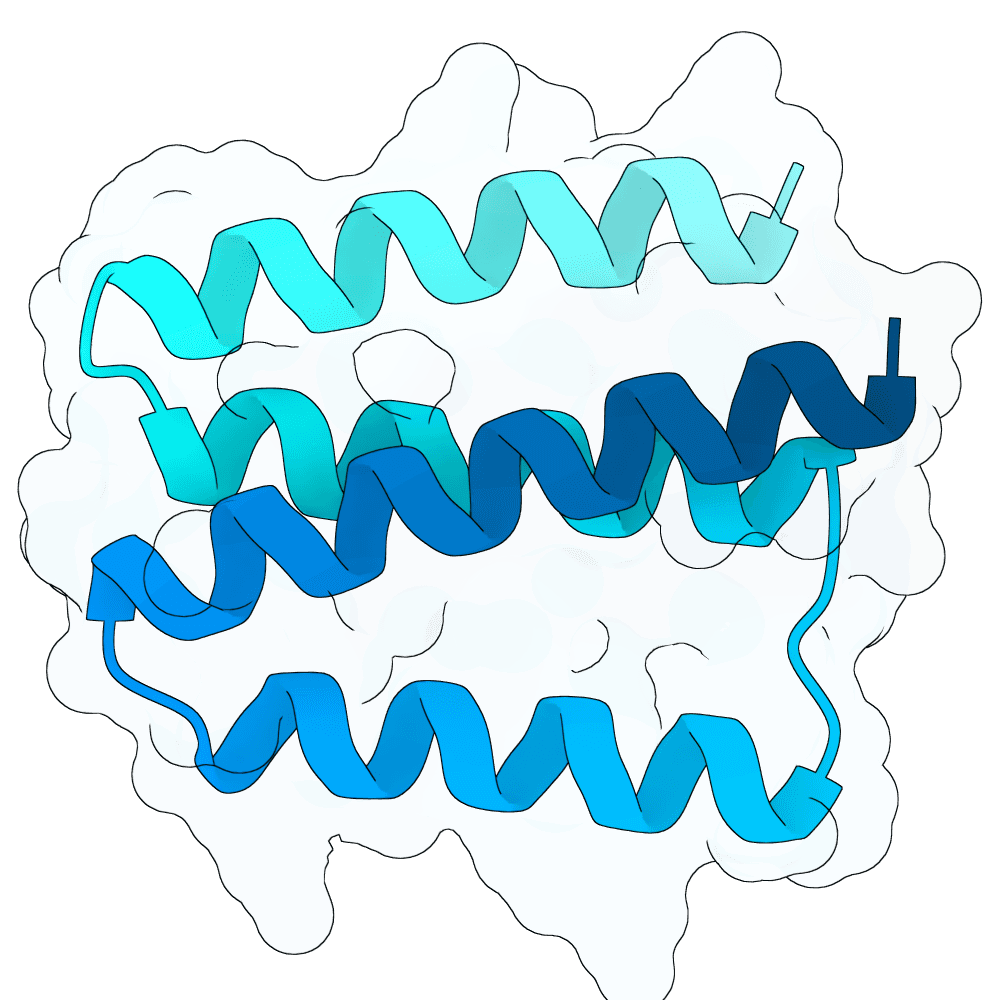
protein

1201
Proteins validated
116
Binders
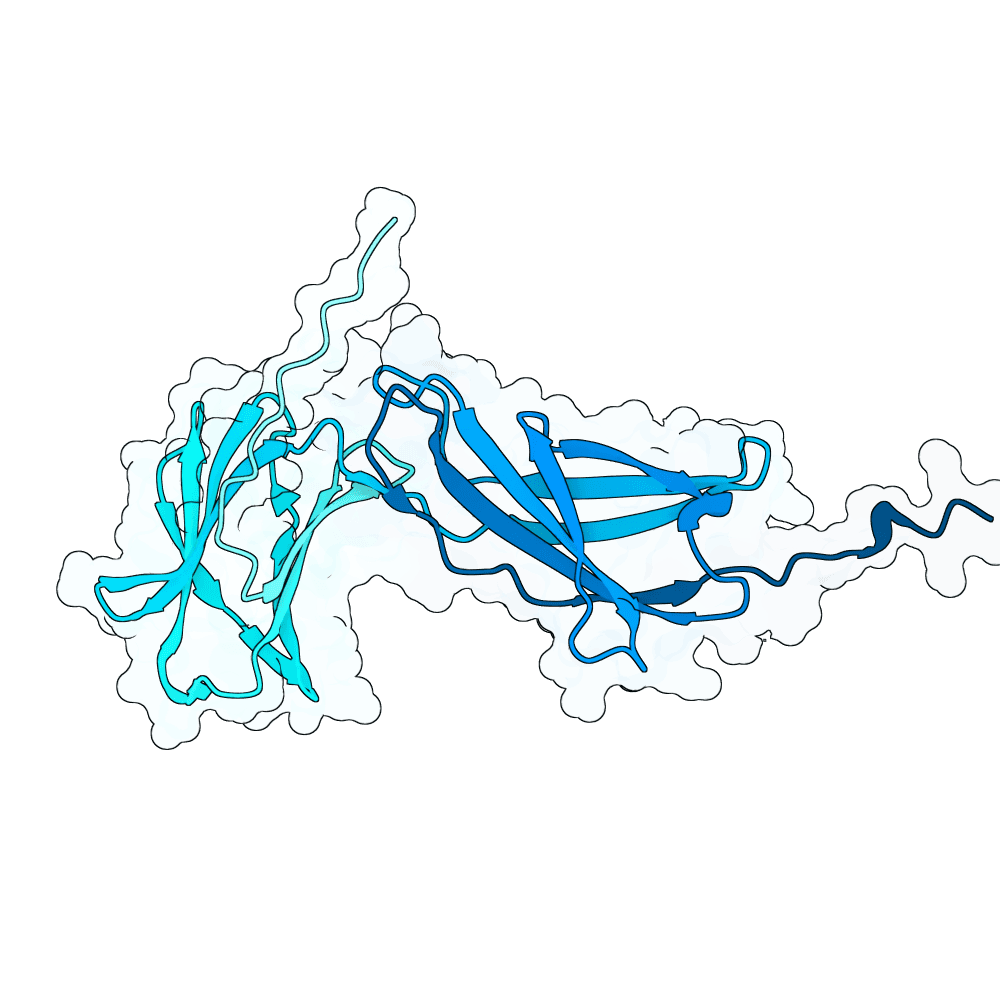
Nipah Virus Glycoprotein G mediates viral attachment to host cells. Changes in its expression or function can influence viral spread and disease severity.
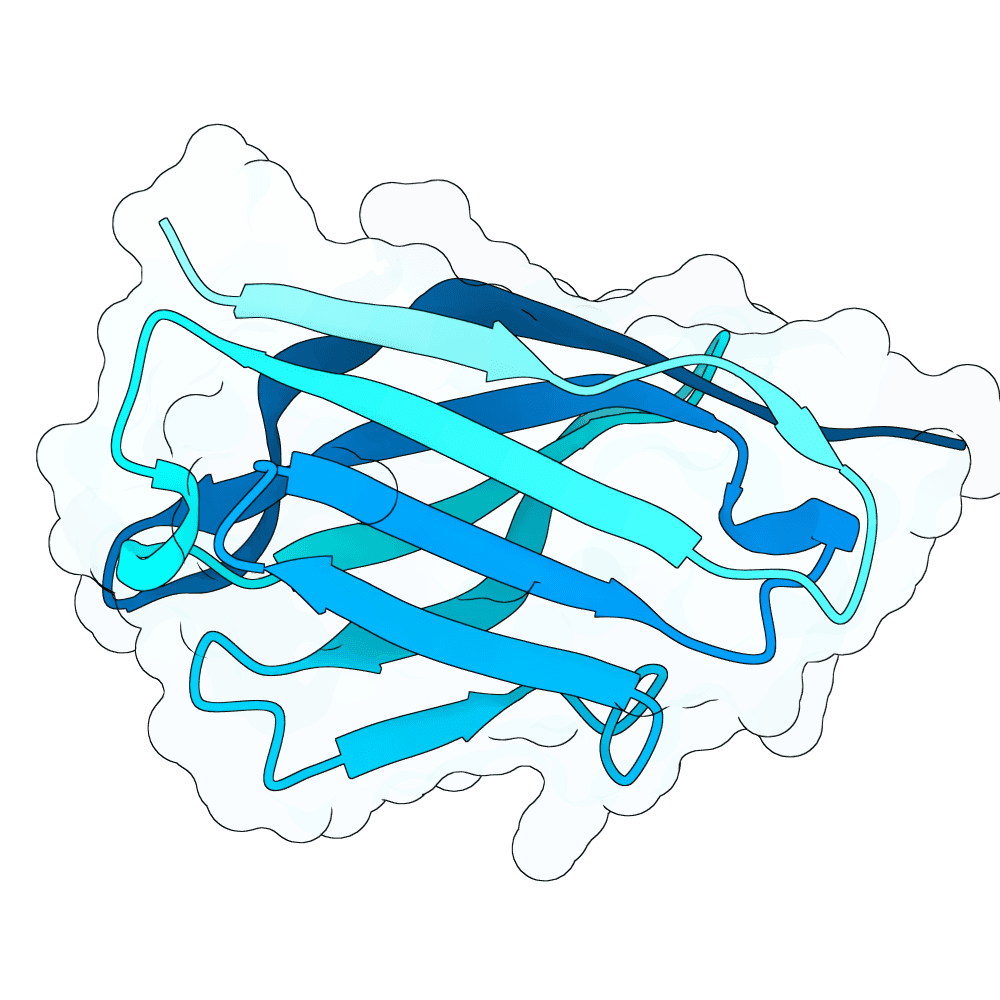
protein

826
Proteins validated
134
Binders
Epidermal Growth Factor Receptor (EGFR) regulates cell growth and differentiation. Alterations in its activity are linked with cancer progression and treatment resistance.
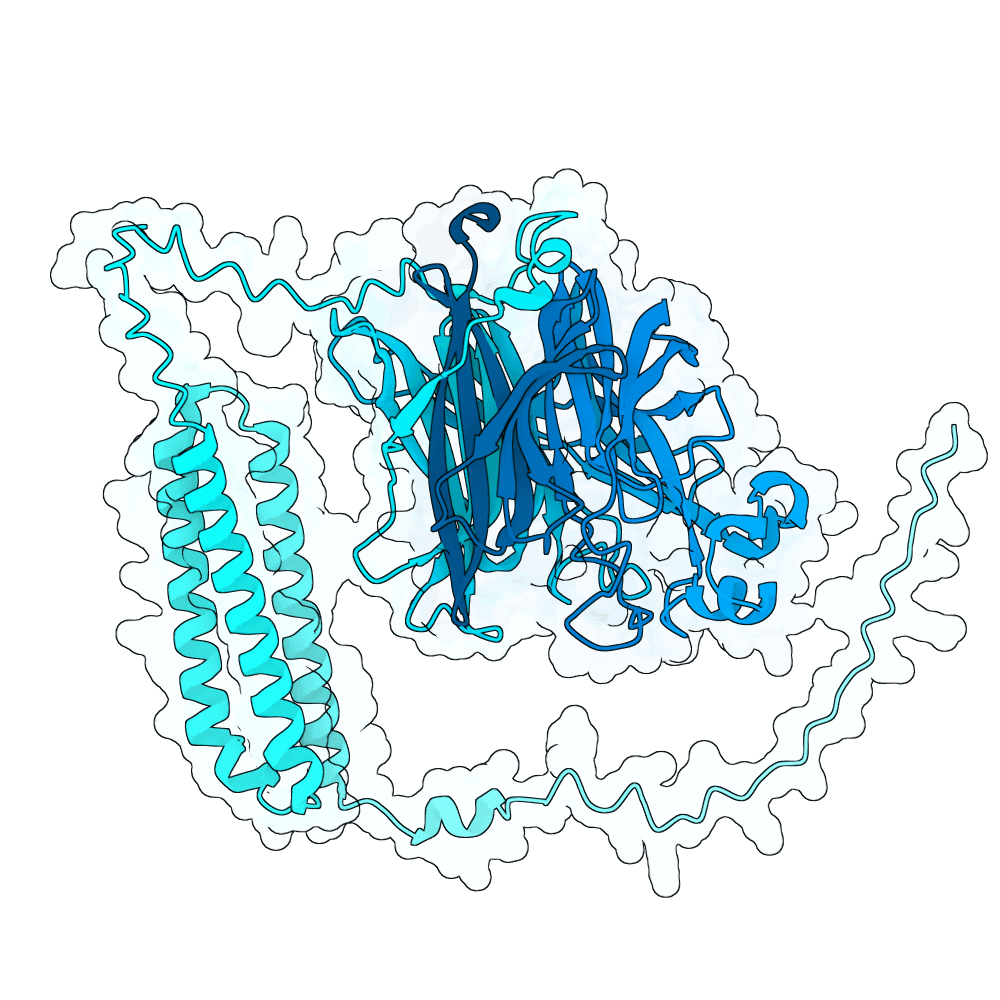
protein
321
Proteins validated
9
Binders
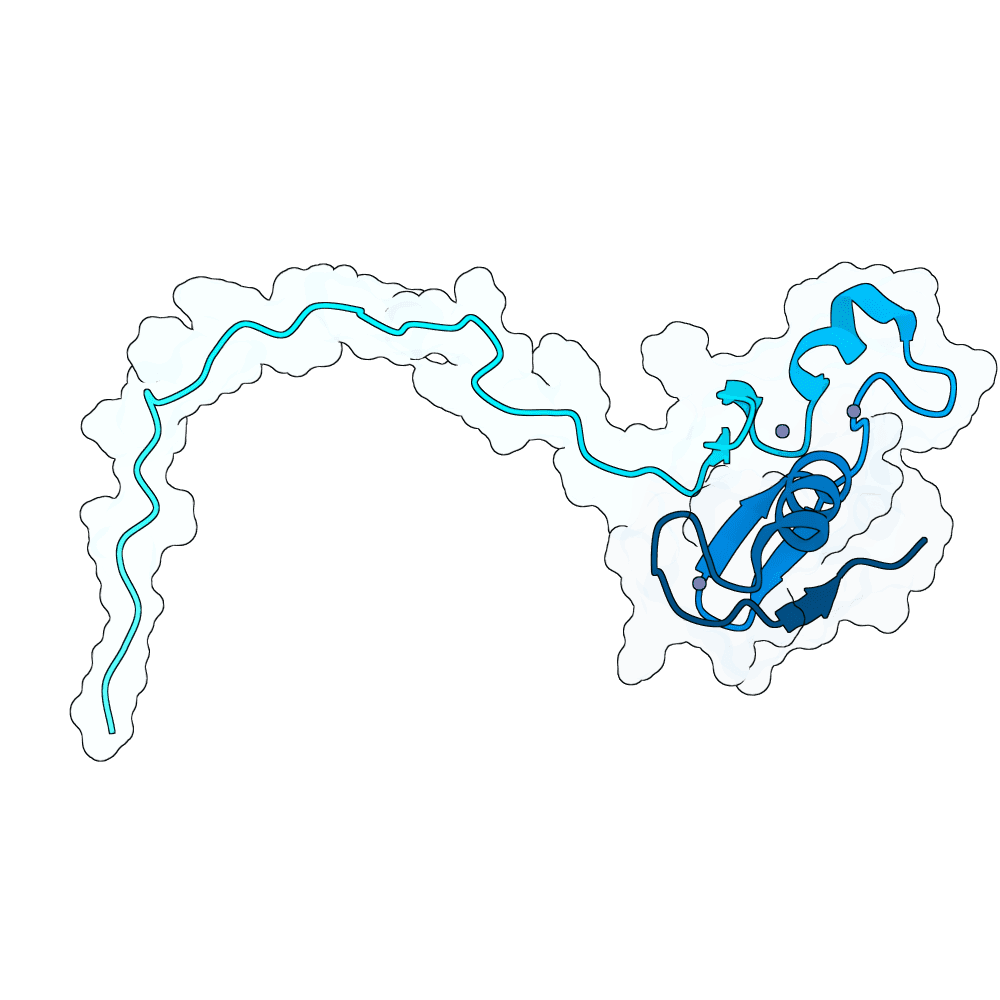
RING Box Protein 1, a 108-amino acid component of the Cullin-RING E3 ubiquitin ligase (CRL) complex. CRLs control degradation of roughly 20% of all cellular proteins.
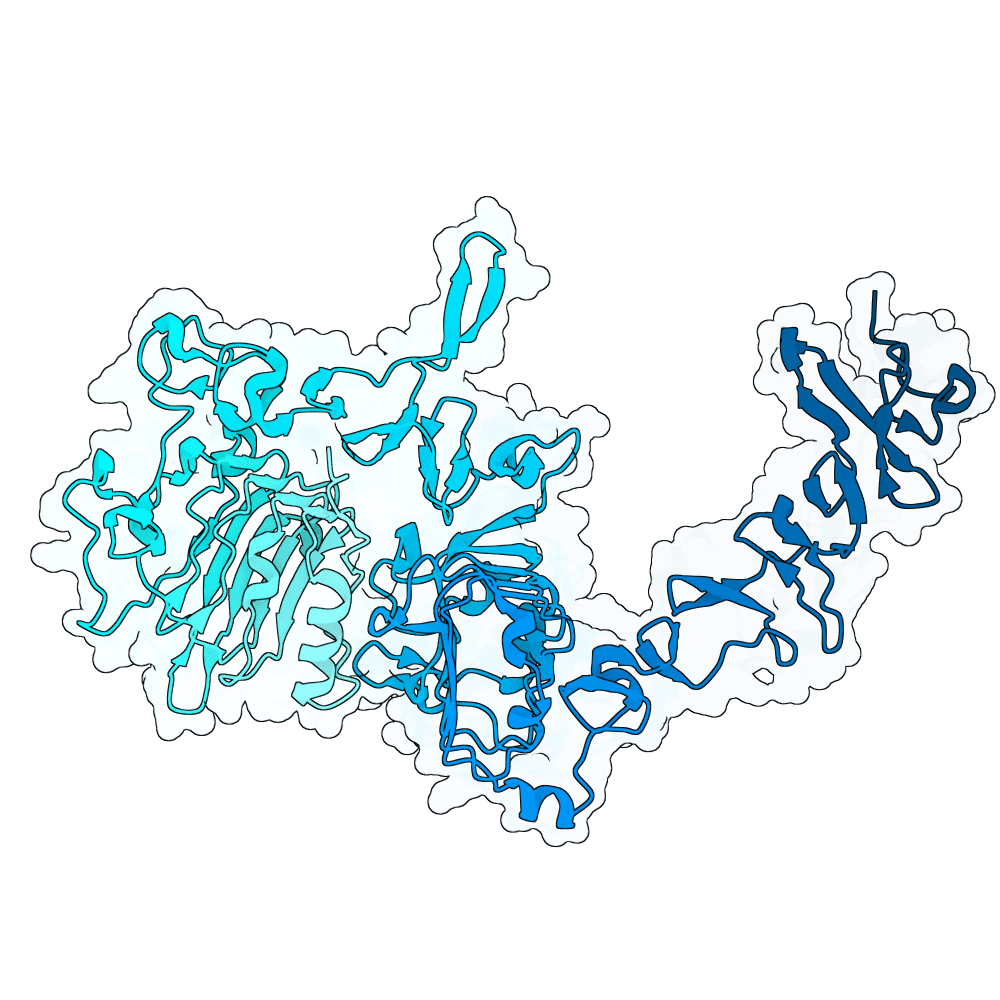
protein

110
Proteins validated
40
Binders
PD-L1 (Programmed Death-Ligand 1) modulates immune responses by interacting with PD-1 on T cells. Altered PD-L1 levels are associated with immune evasion in cancers.
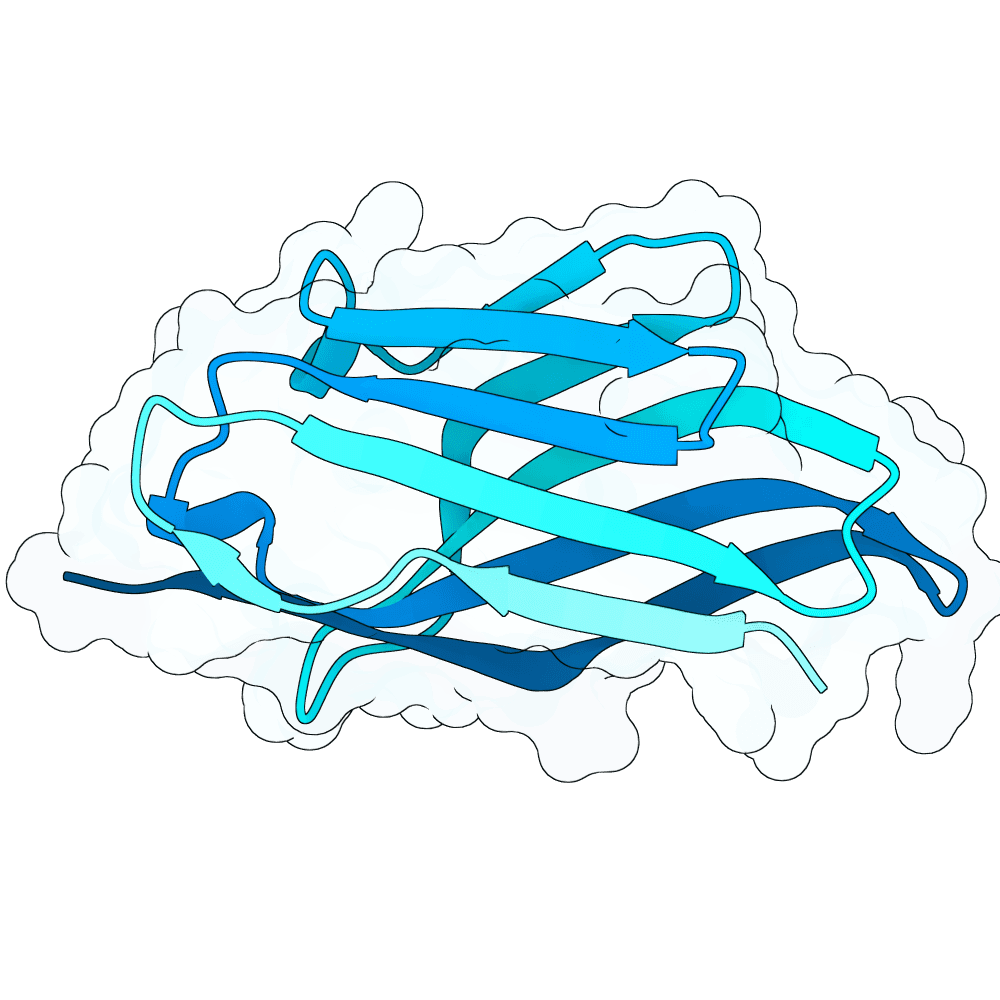
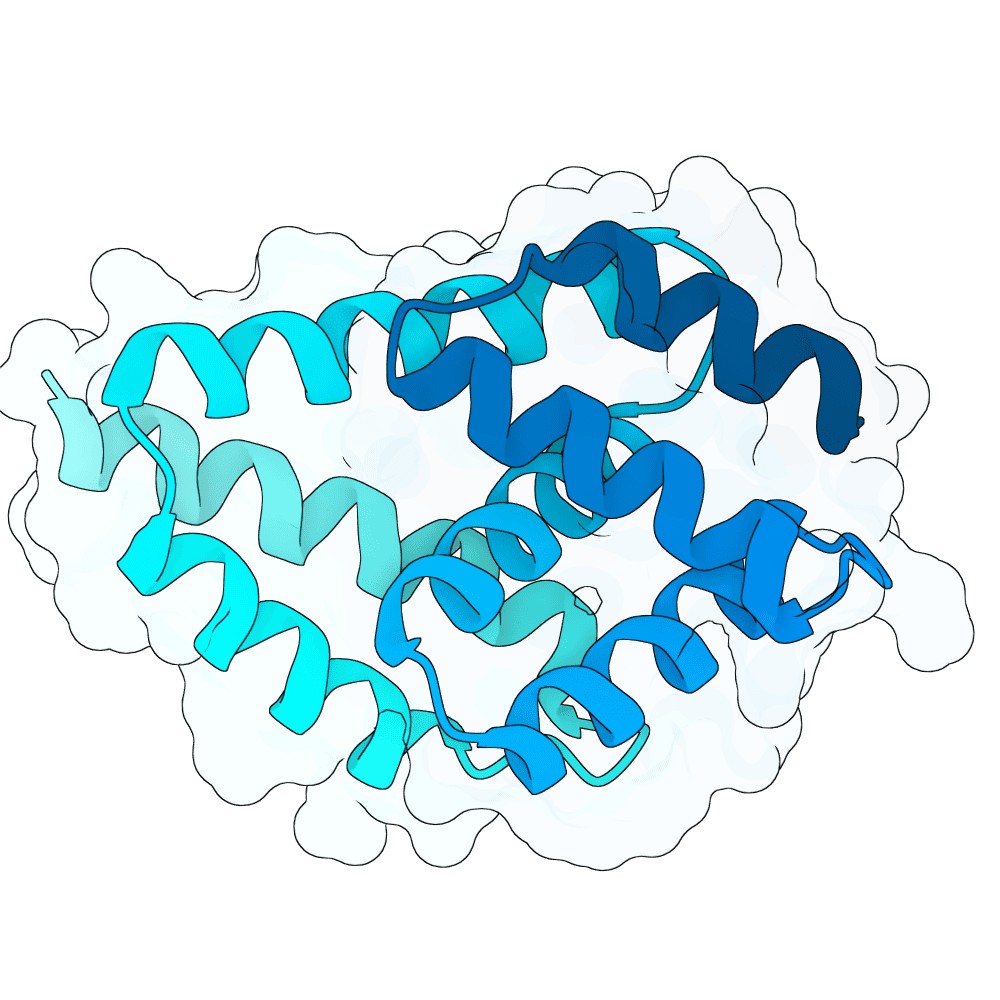
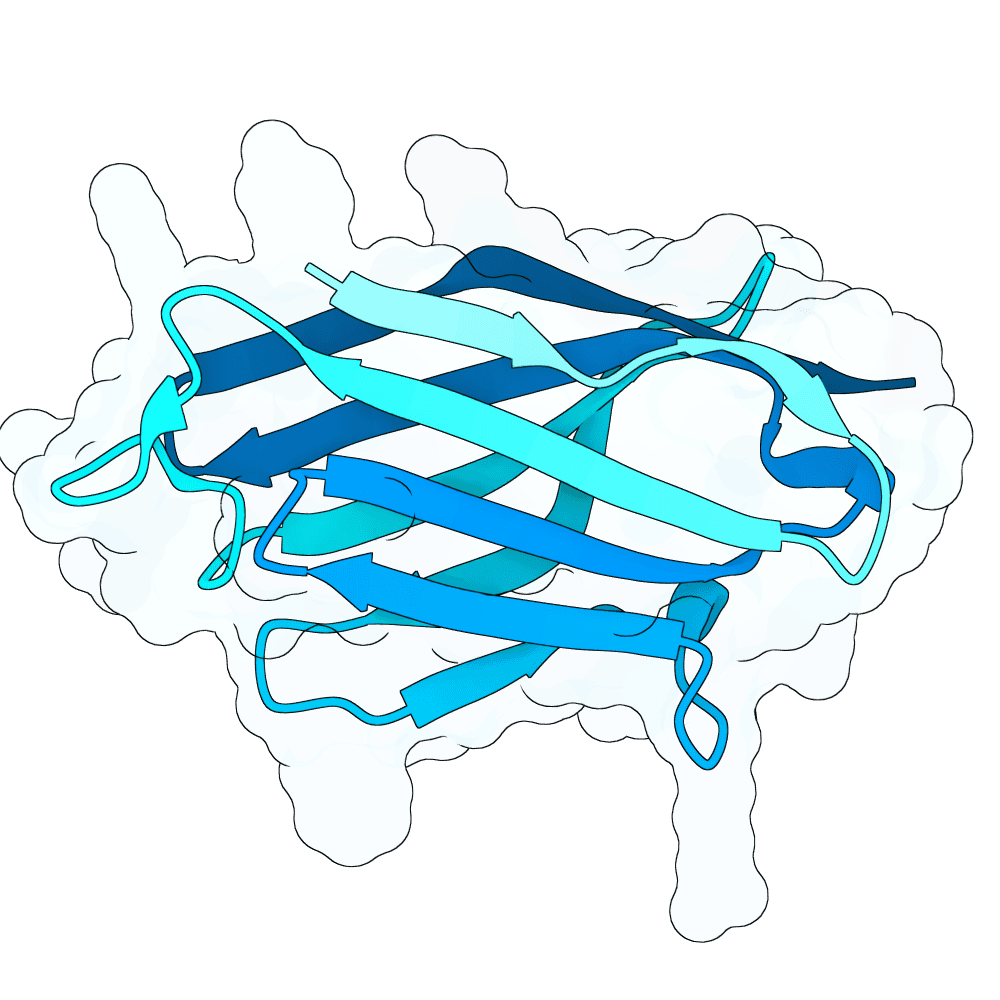
id: noble-bat-topaz

IL-7Ra
Strong
1.4e-9 M
True
12.5 kDa
119
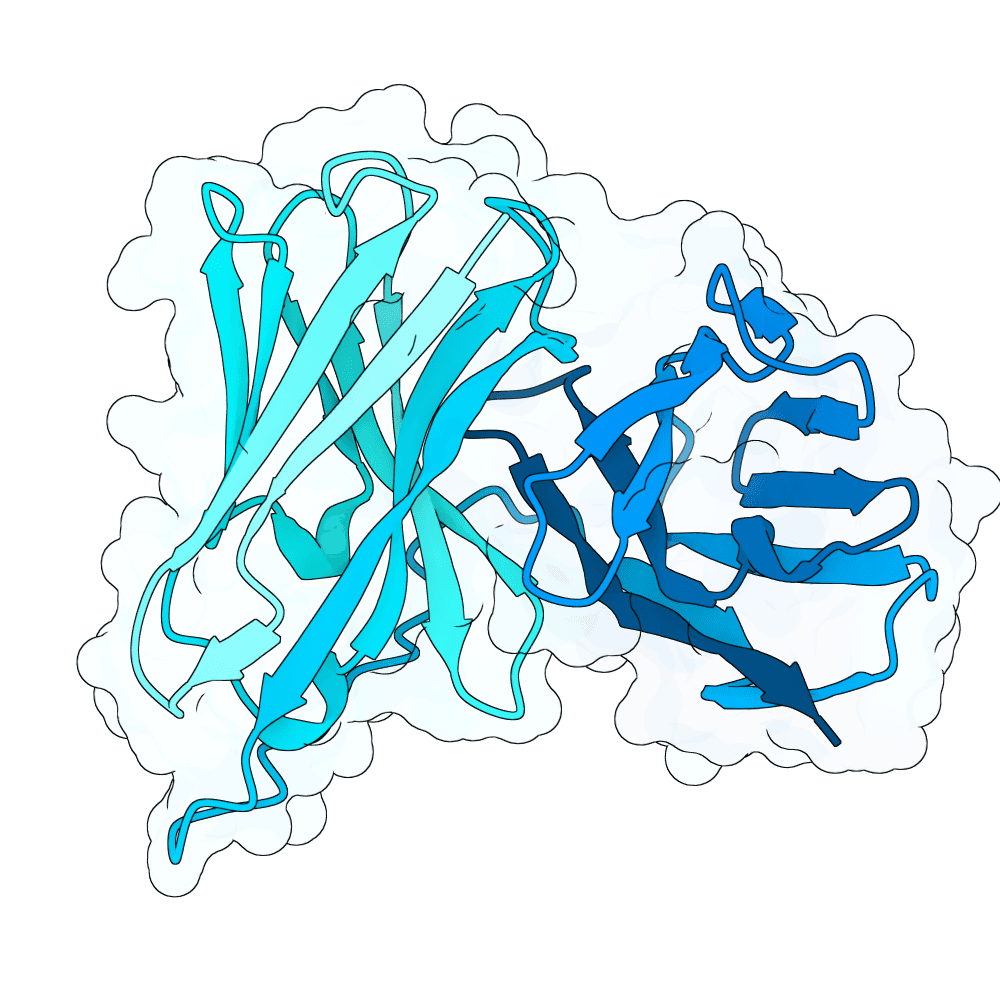
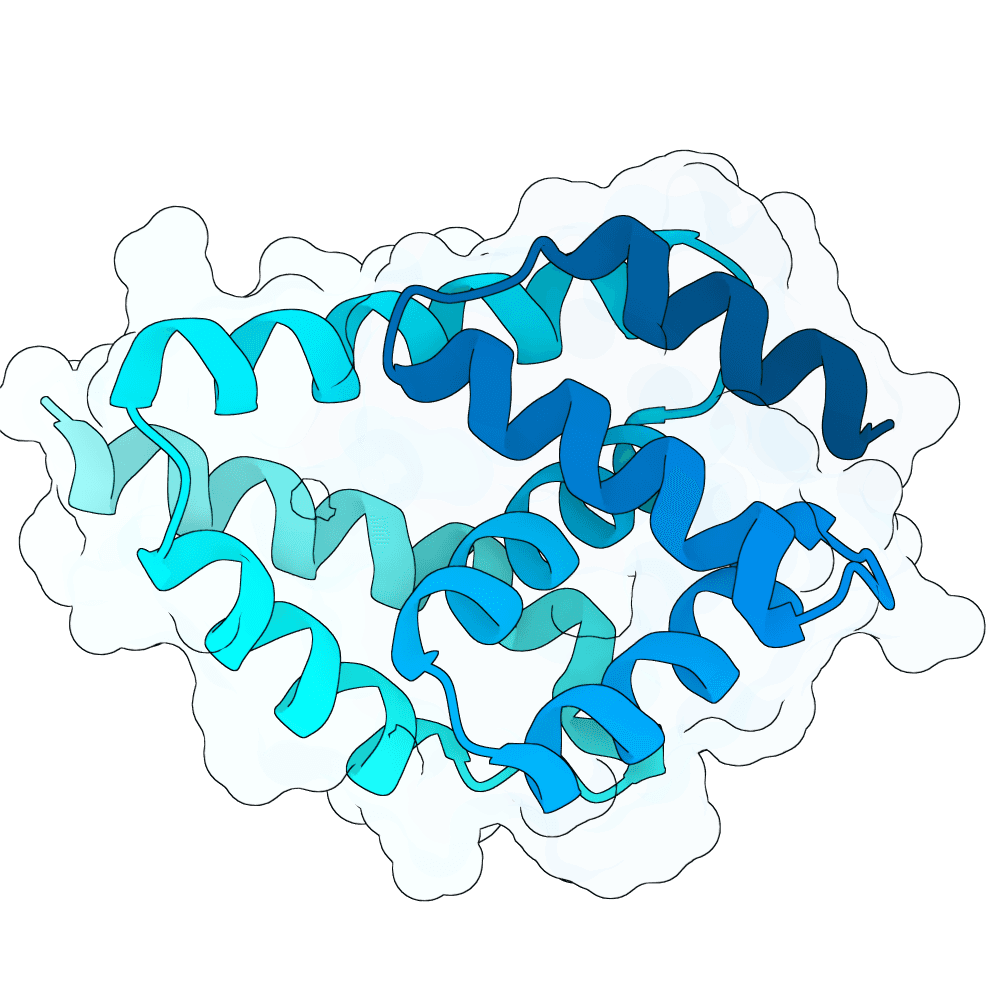
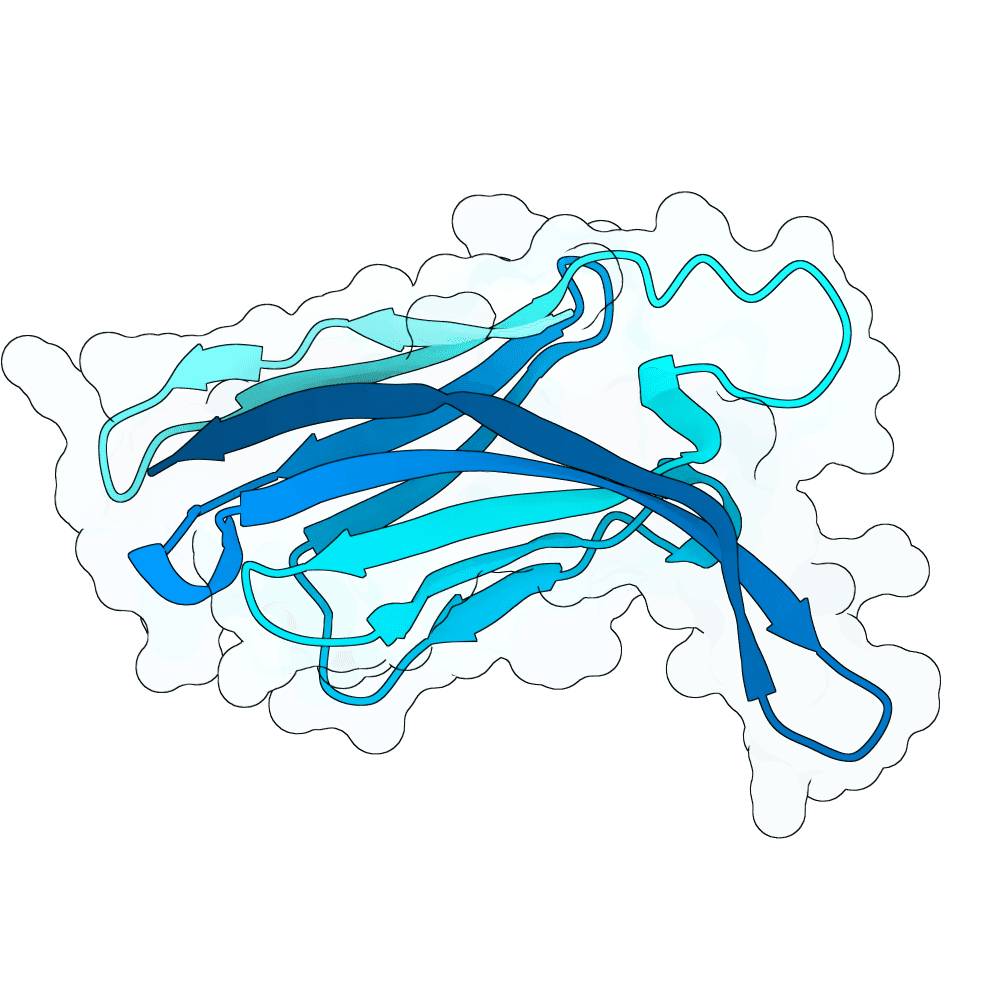
id: lunar-zebra-topaz

EGFR
Strong
1.9e-9 M
True
25.9 kDa
241
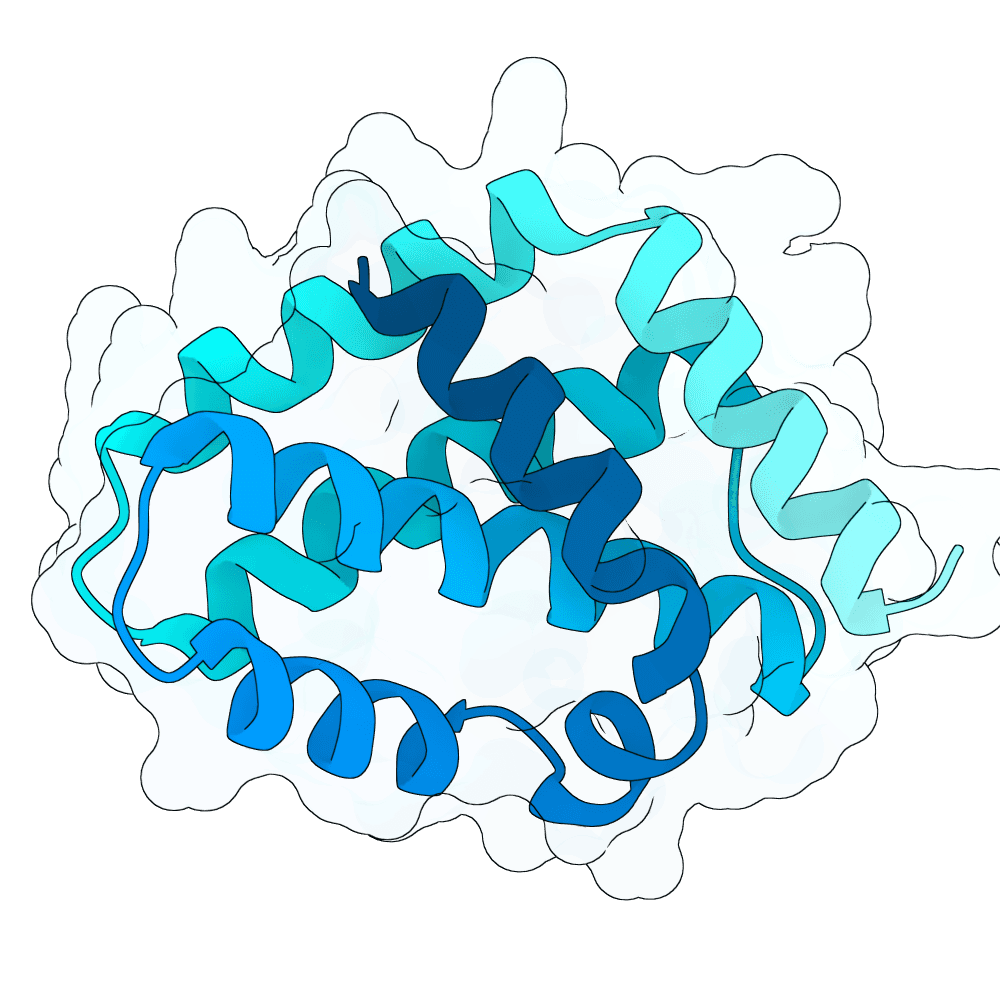
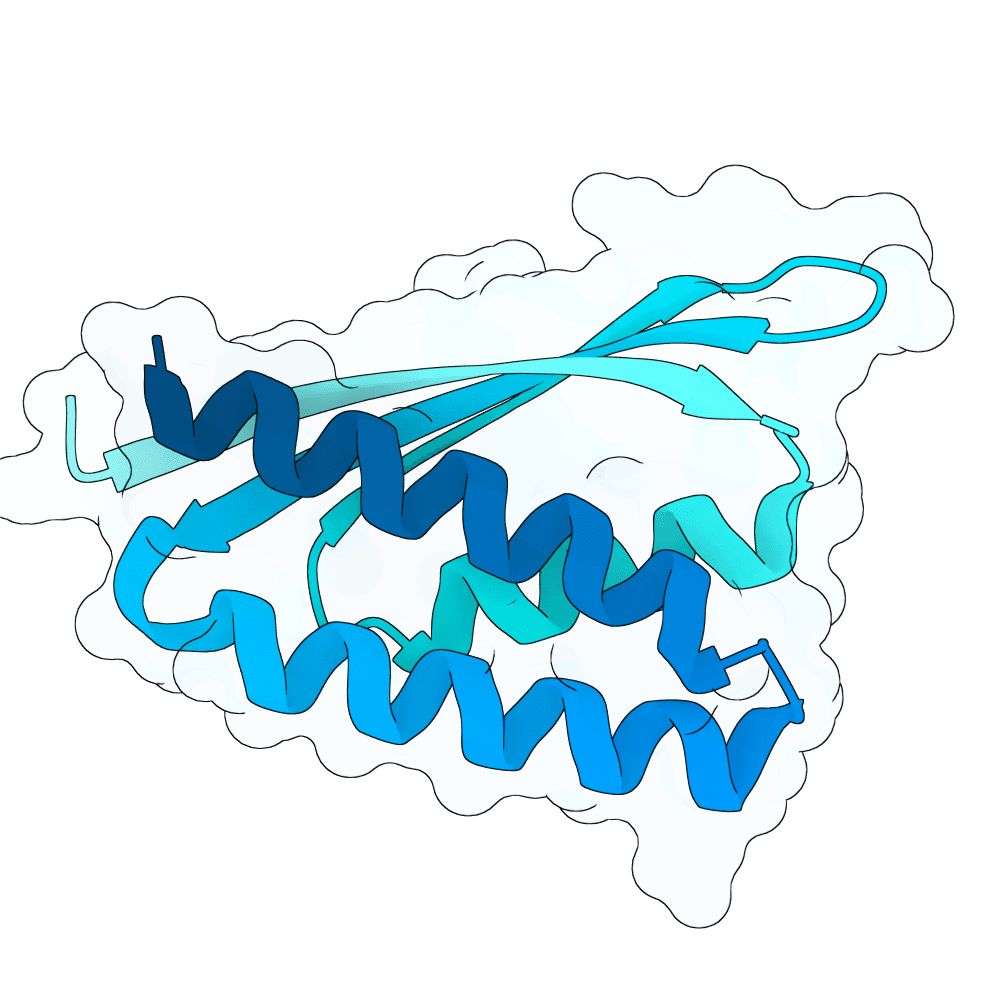
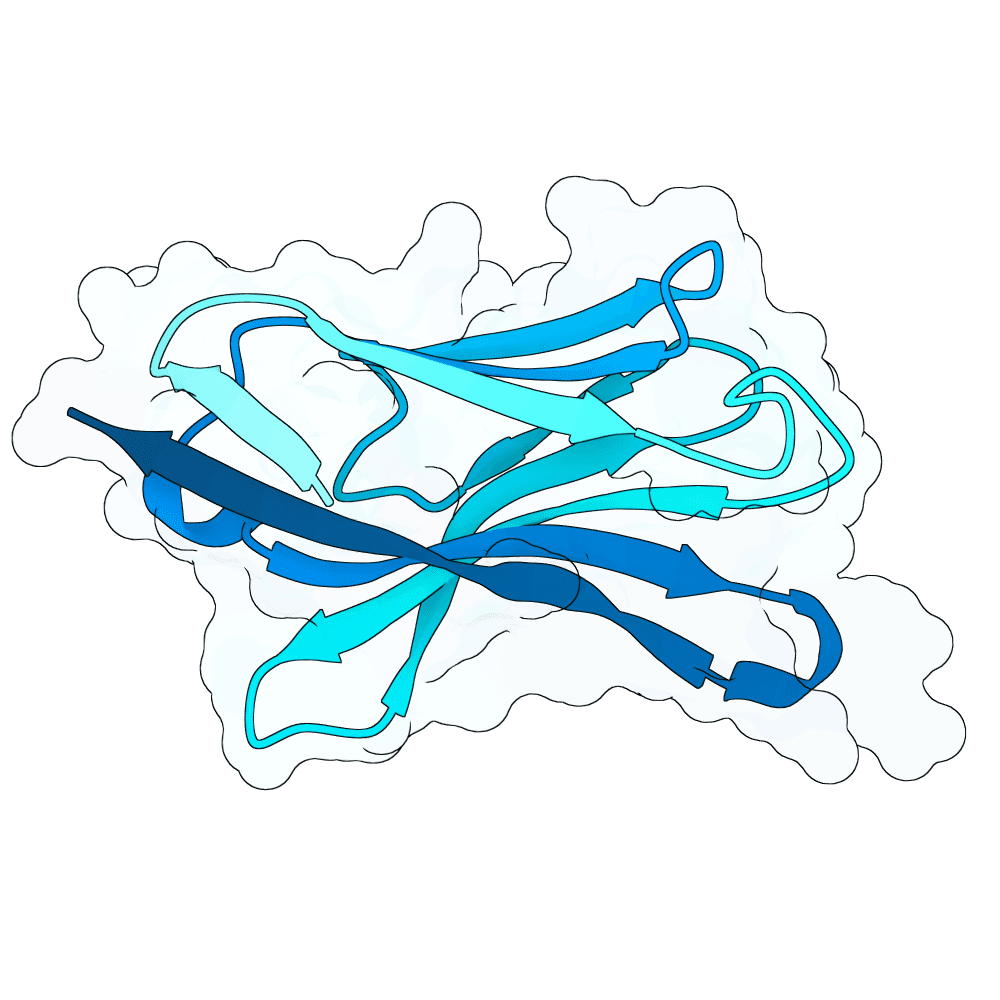
id: brisk-boar-cloud

MDM2
Strong
1.7e-7 M
True
12.1 kDa
102
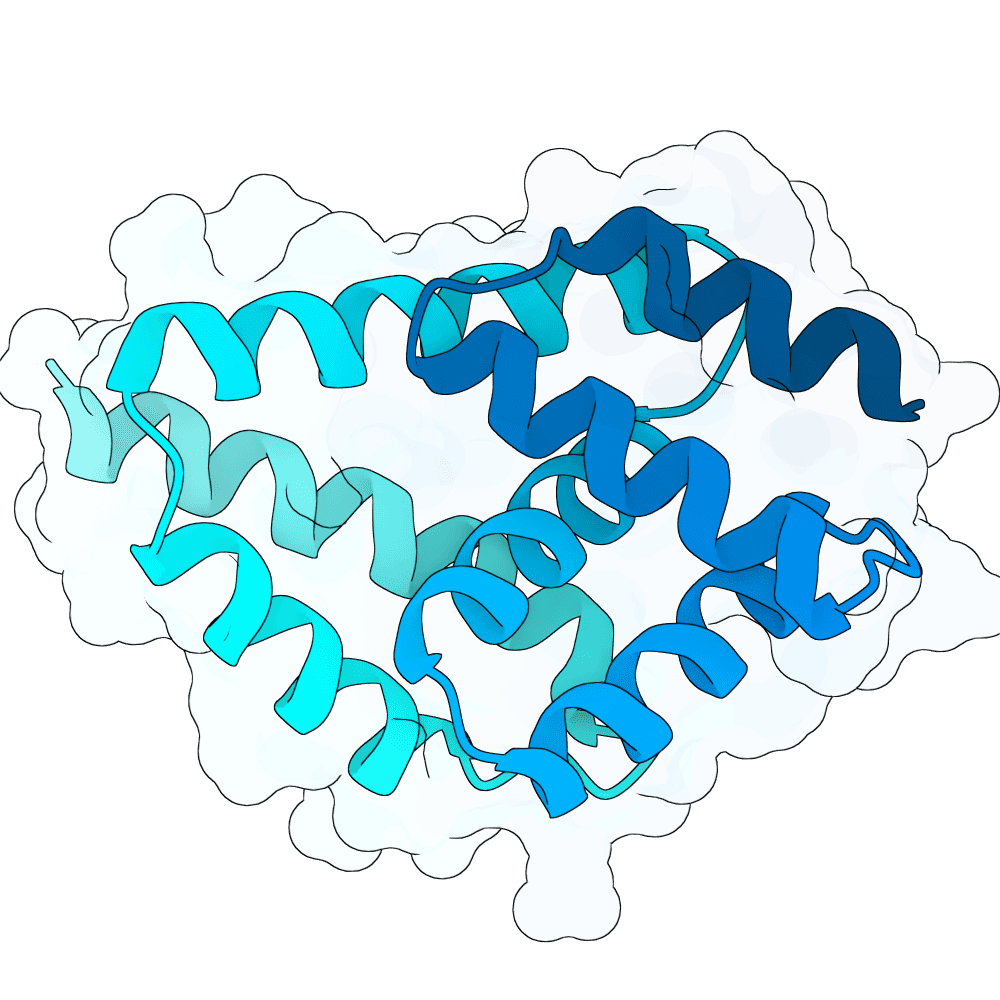
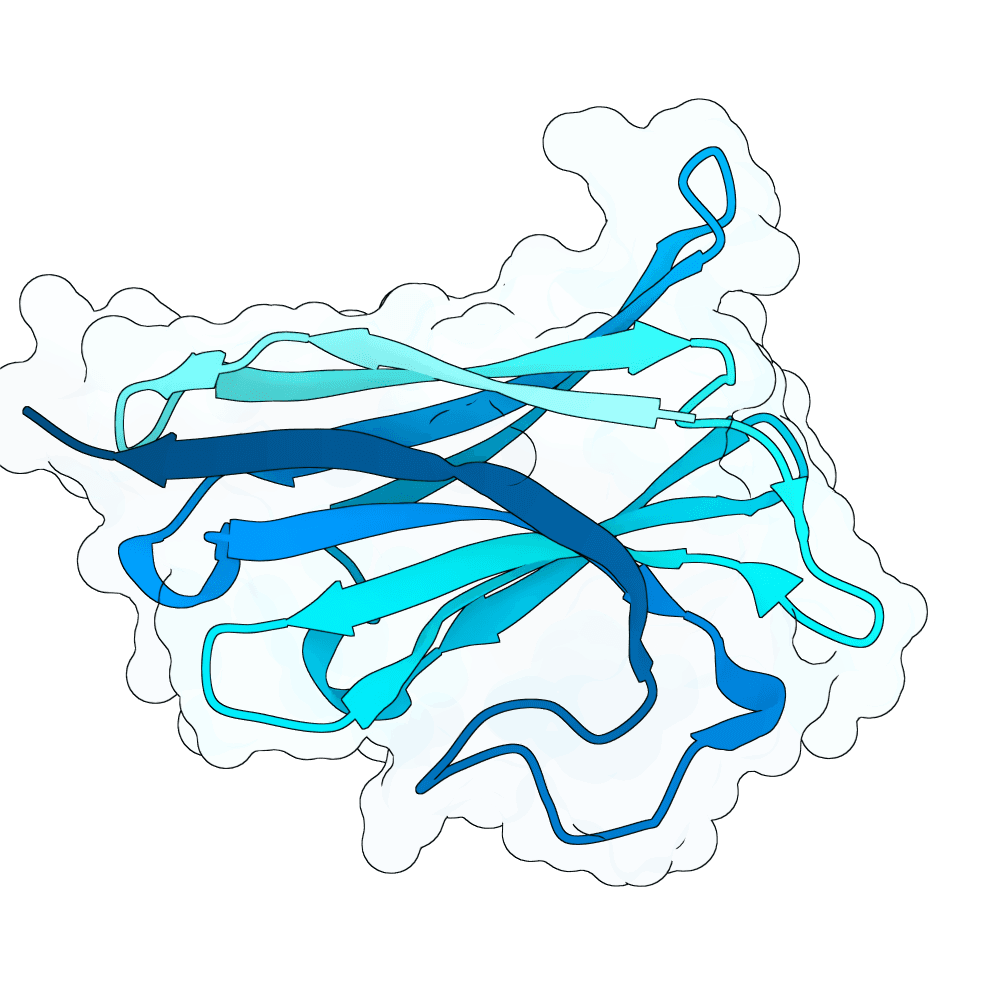
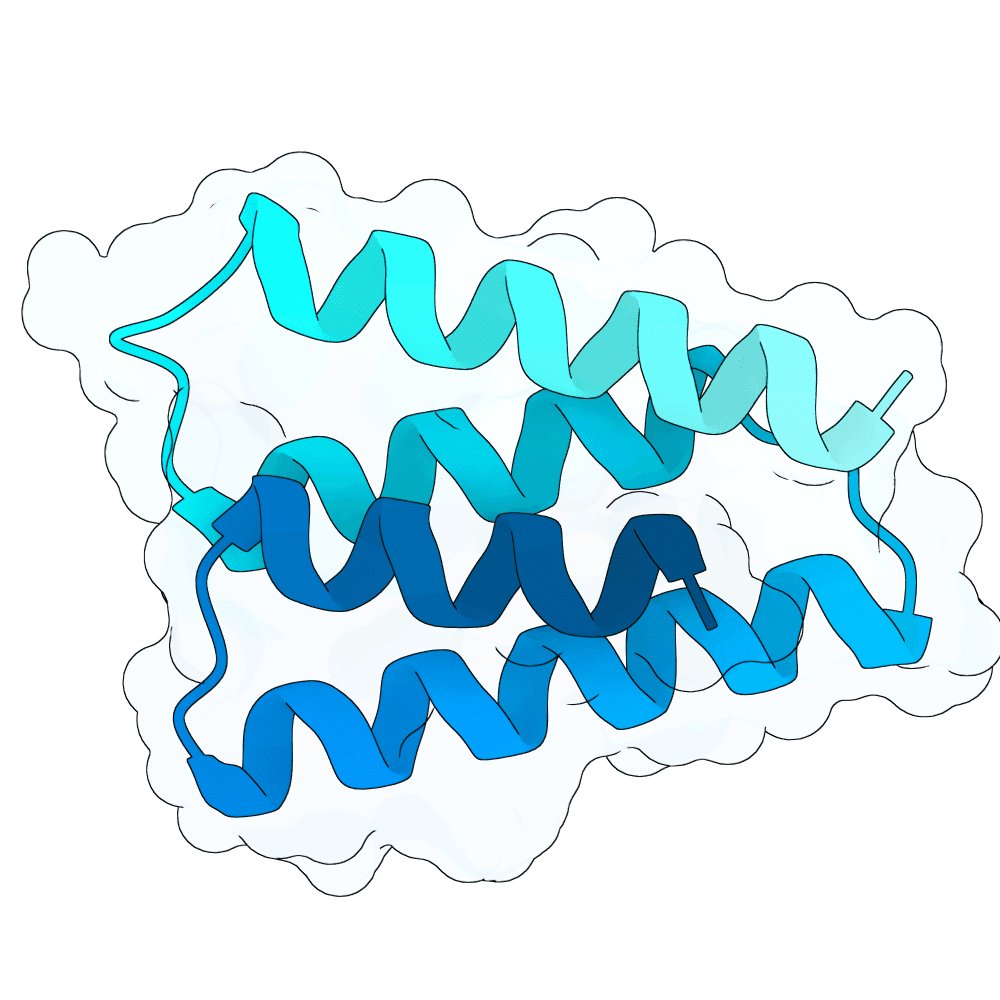
id: golden-cobra-iron

IFNAR2
Strong
5.7e-8 M
True
11.1 kDa
92


Proteinbase brings together protein designs, experimental results, and design methods in one place to share, compare, and learn.