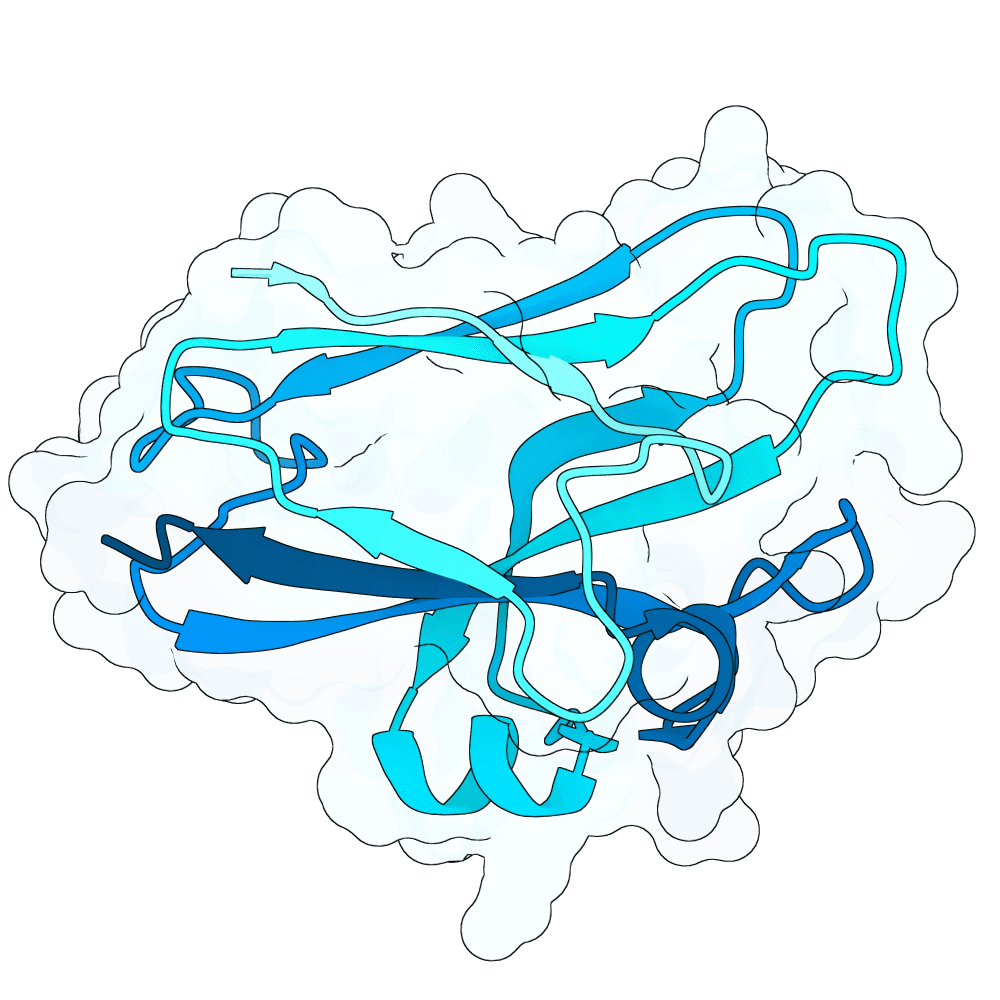
Description
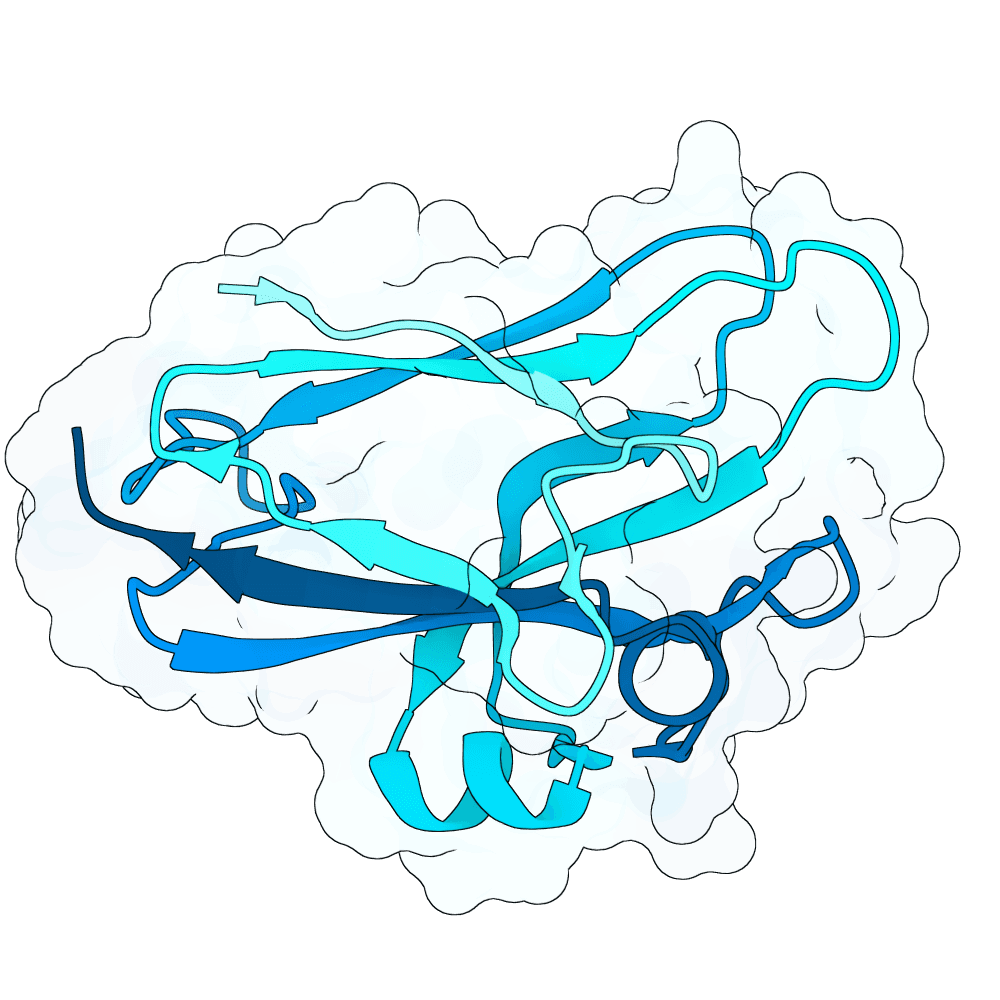
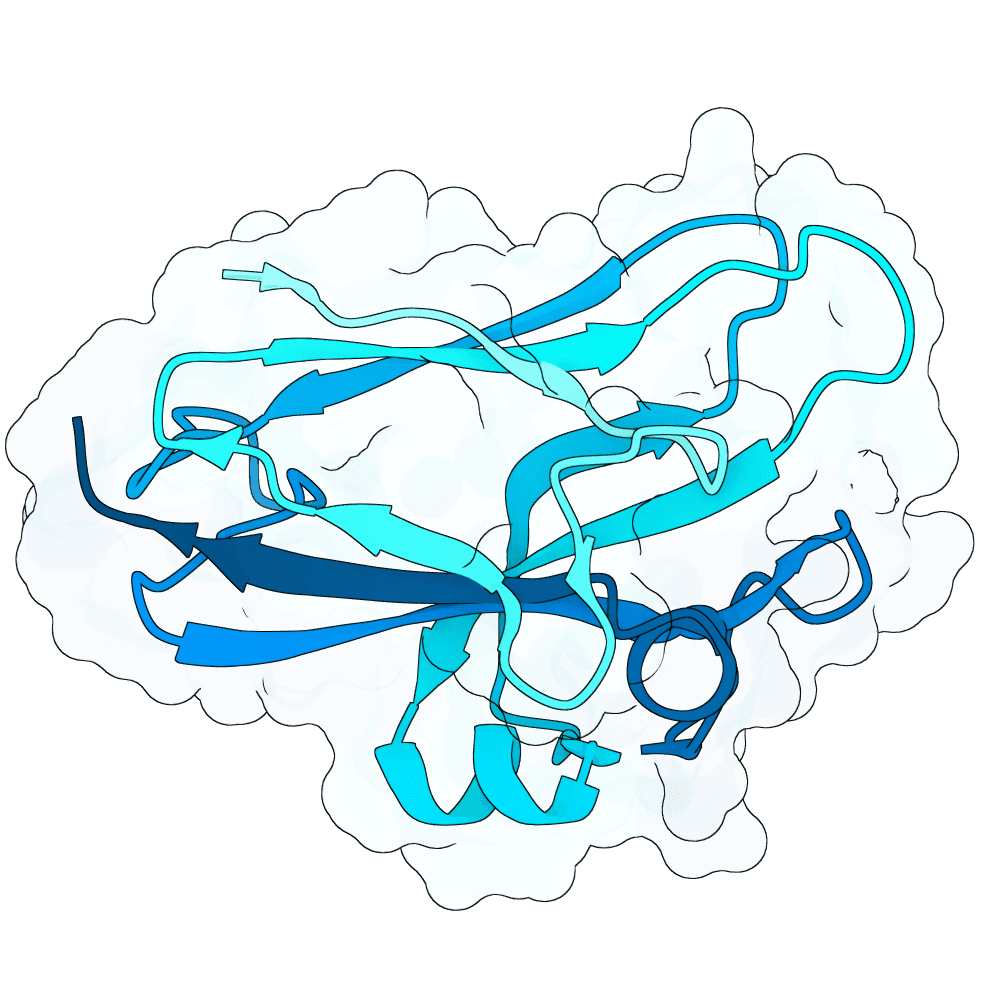
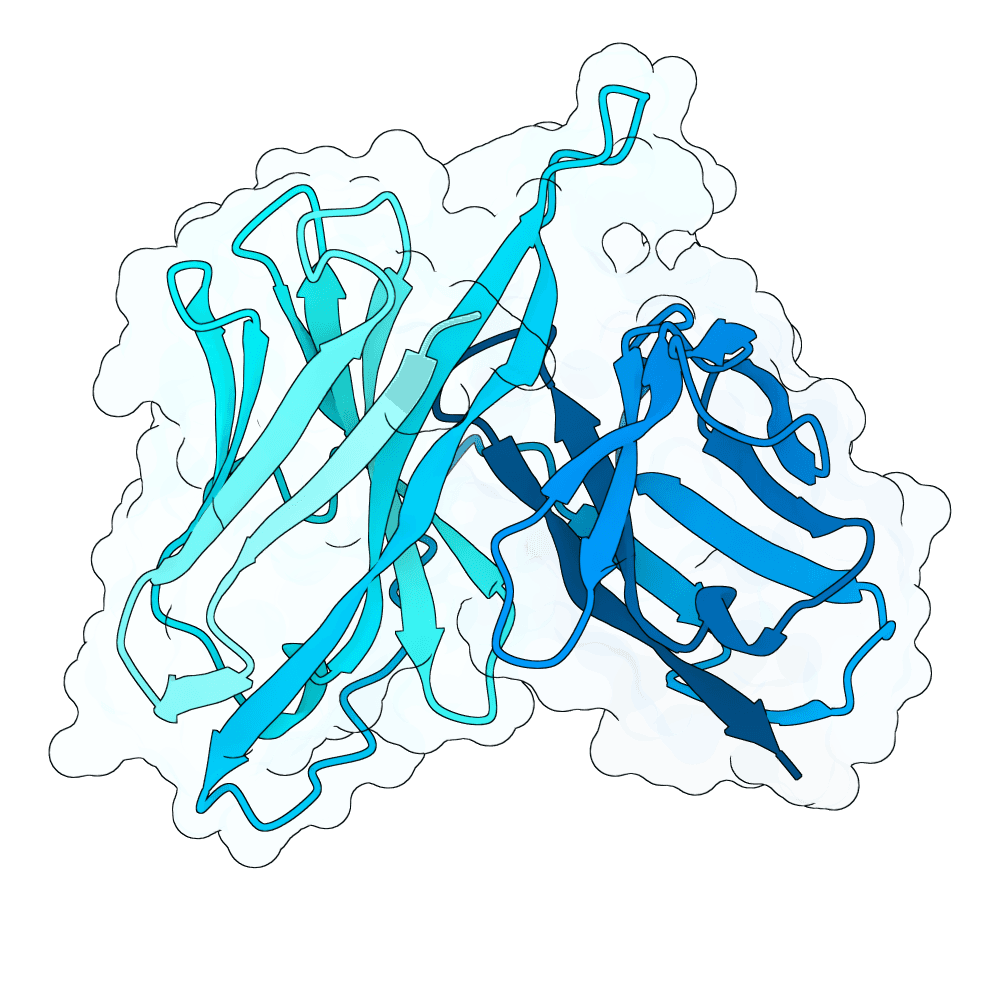
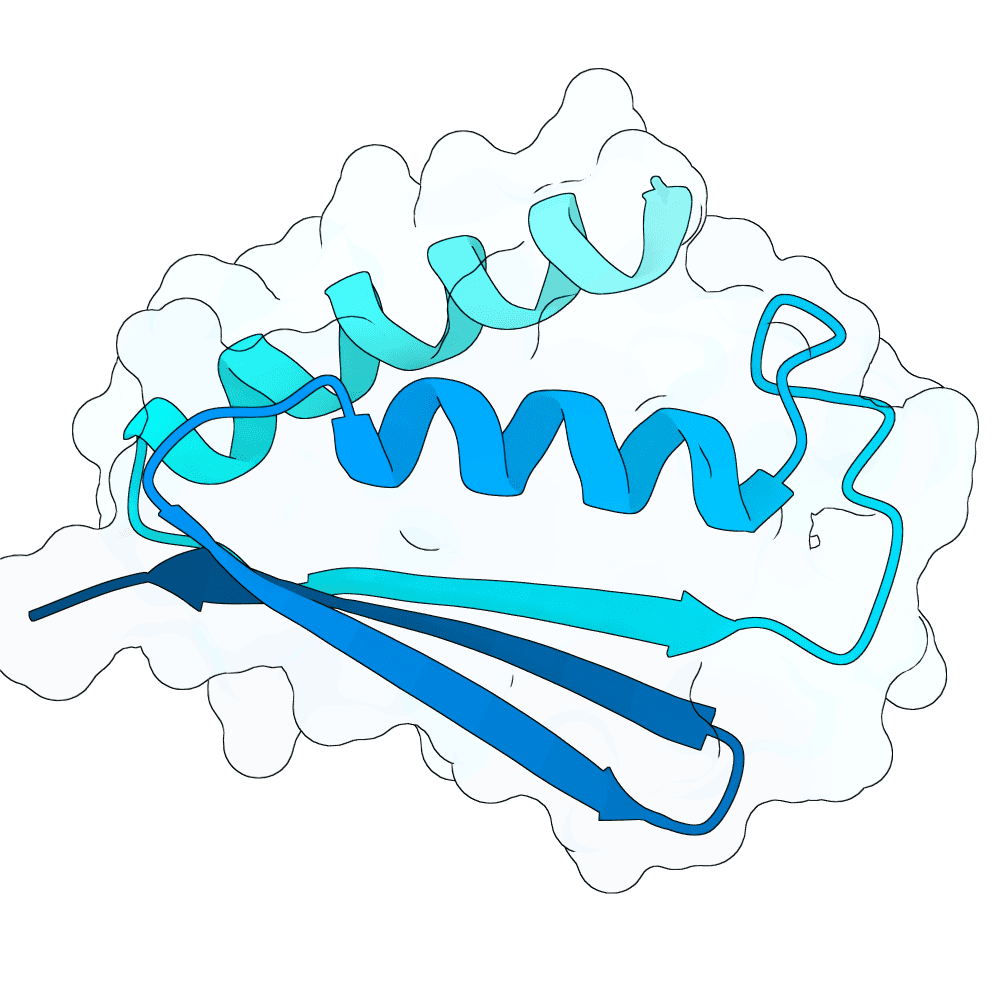
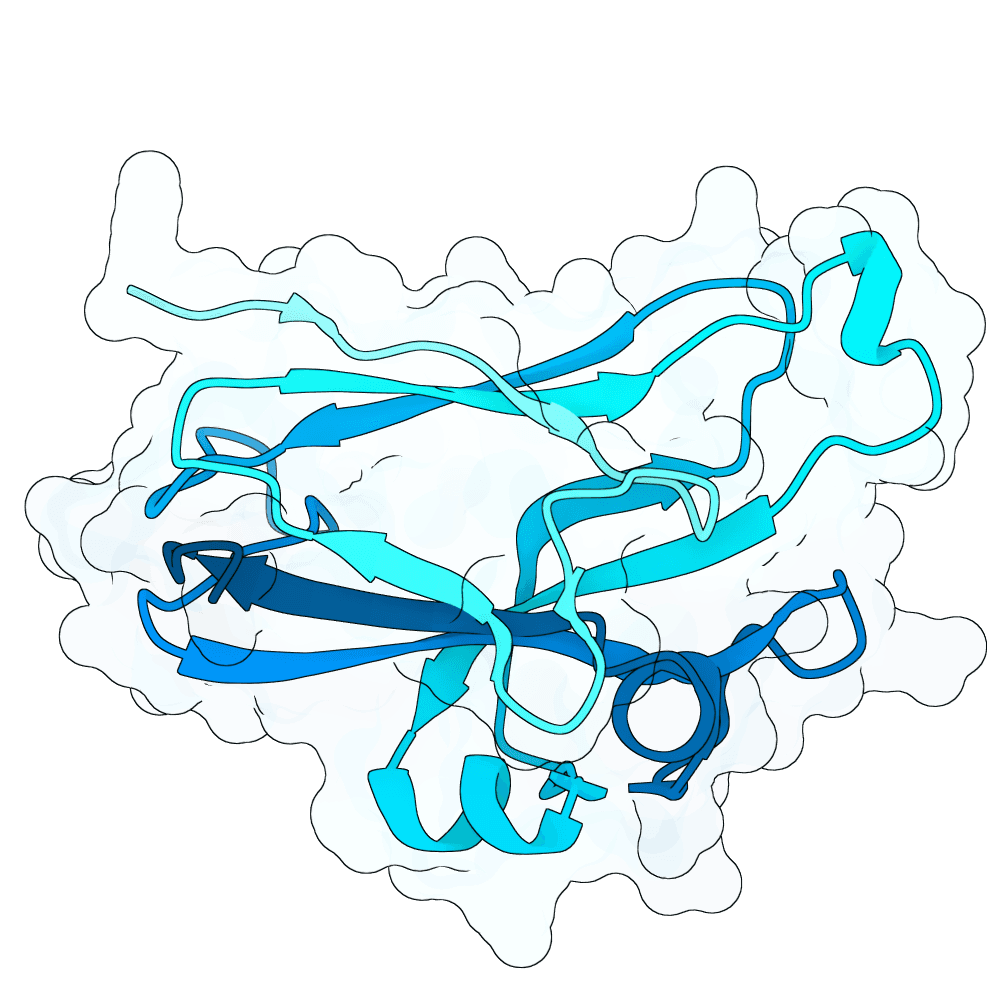
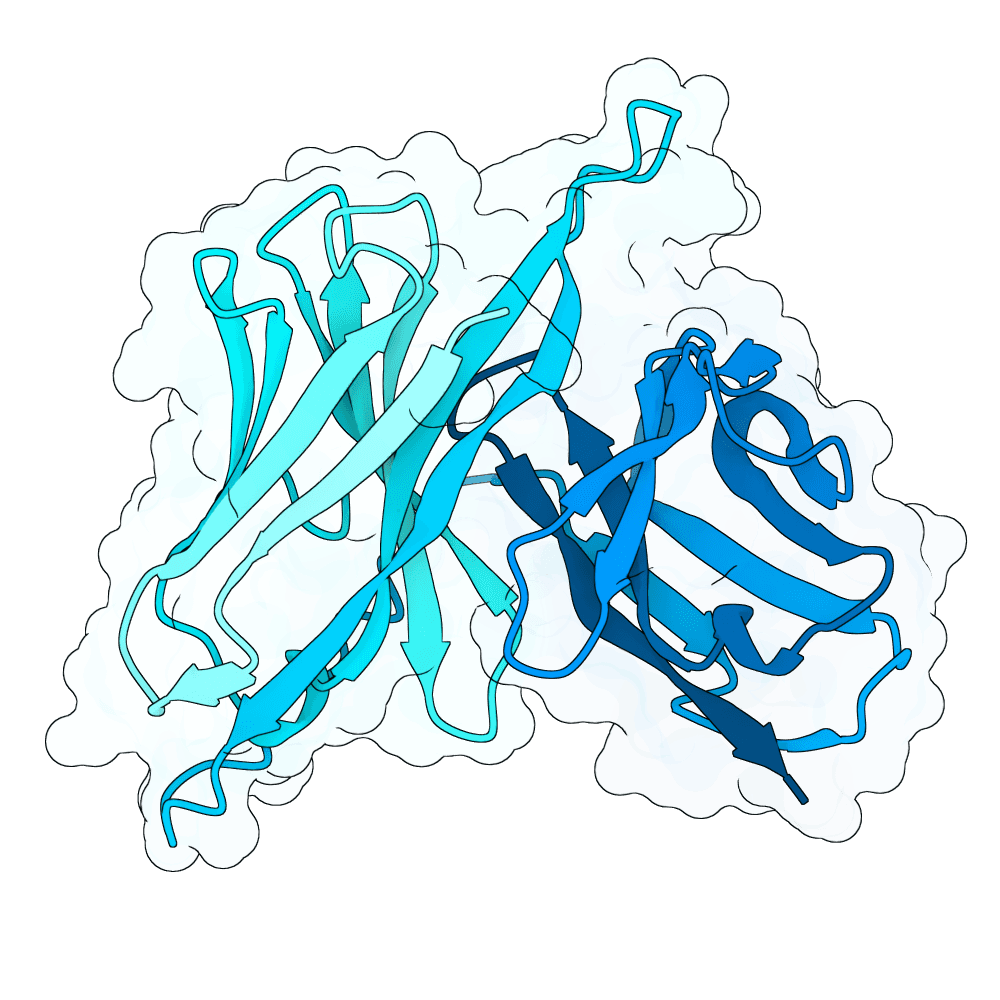
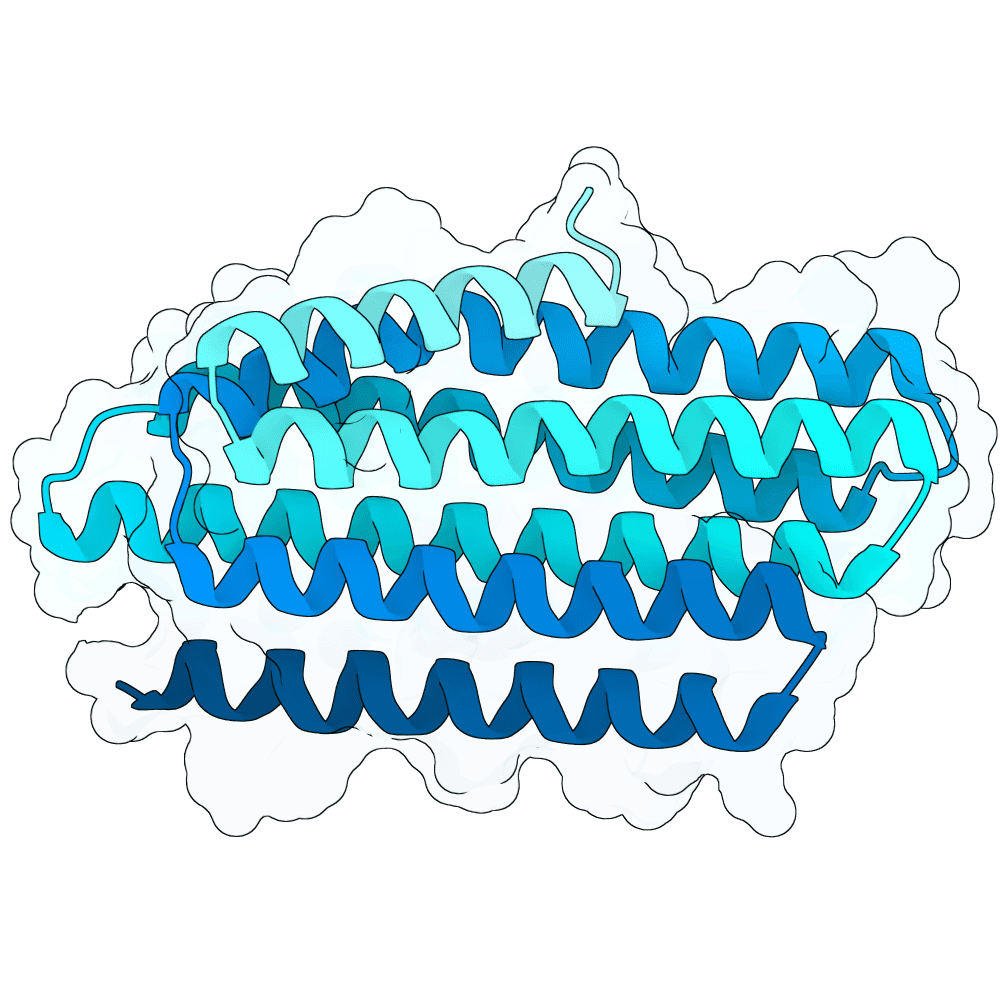
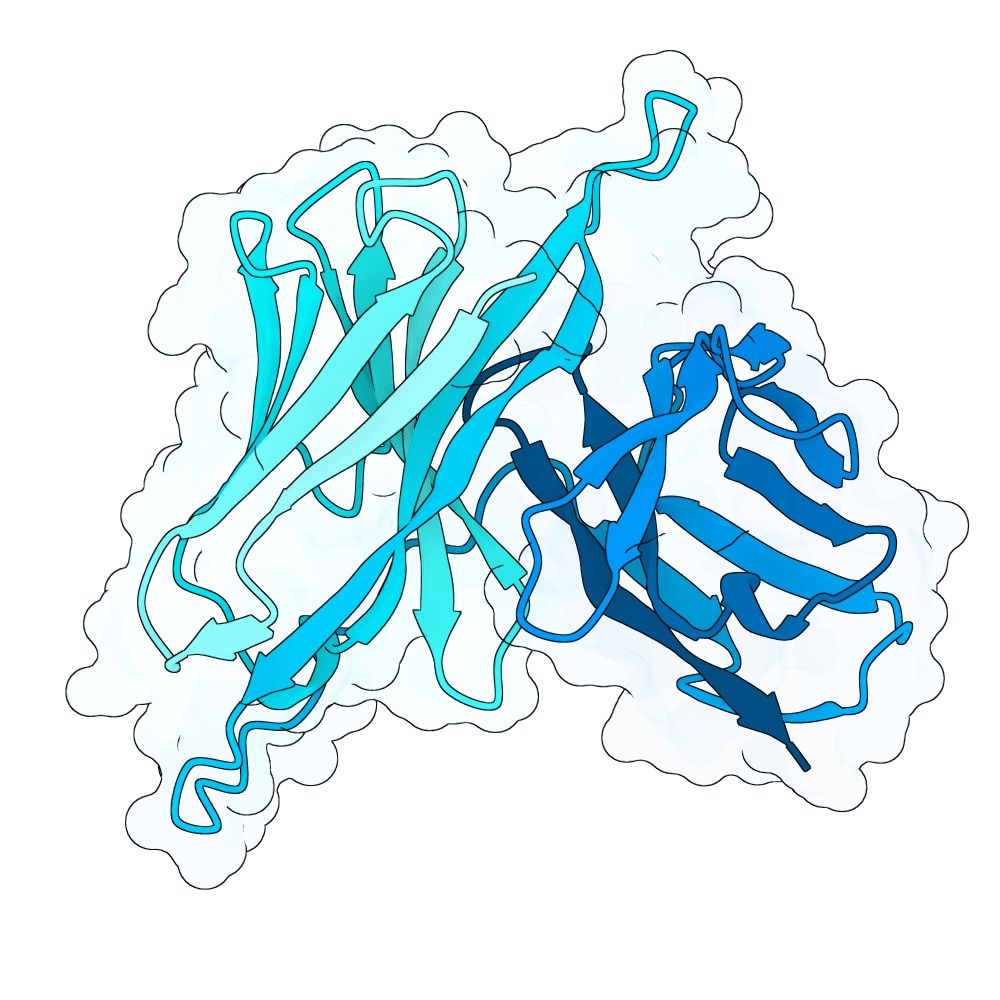
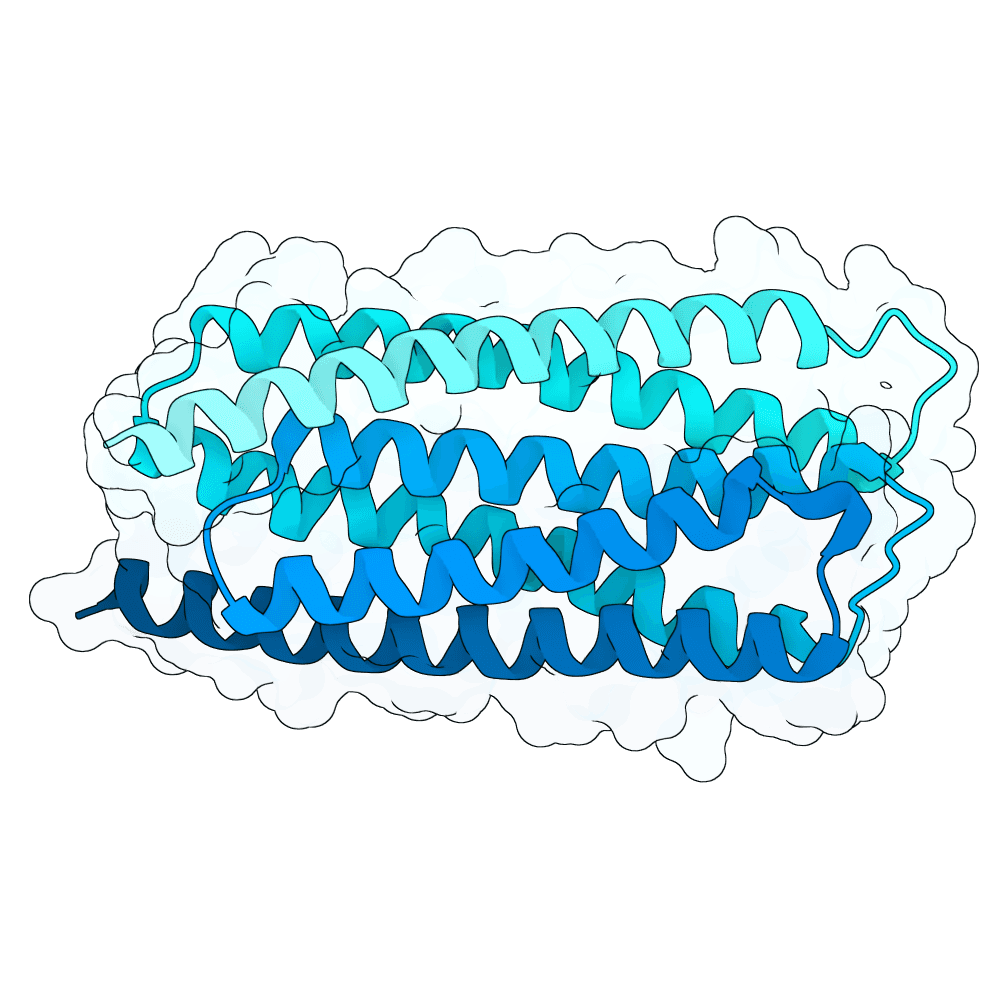
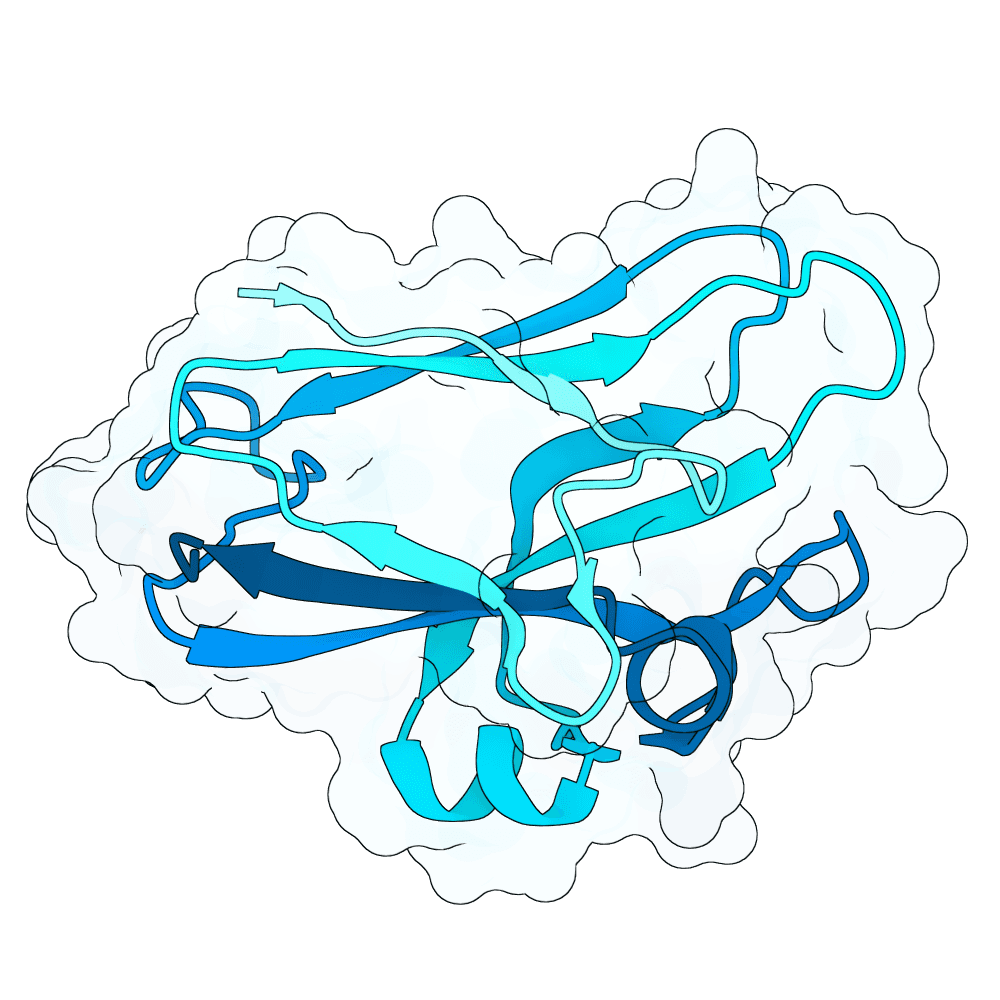
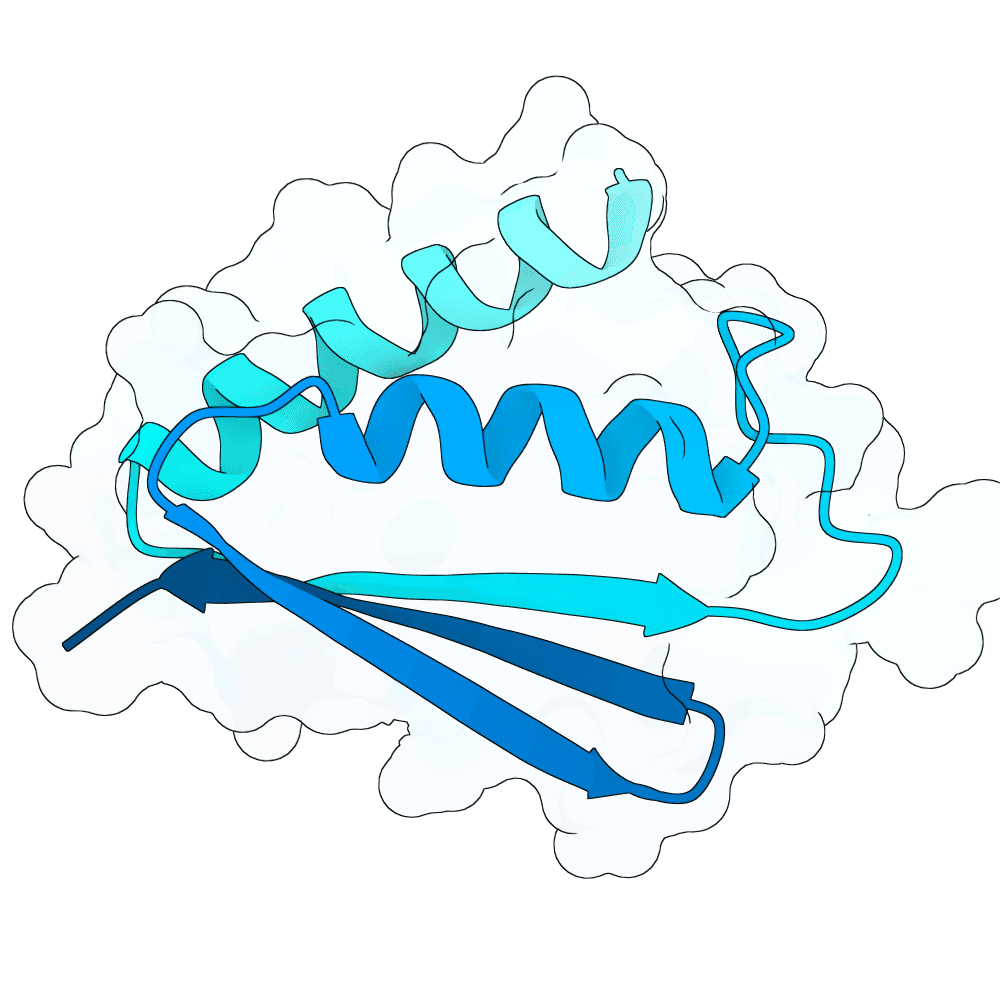
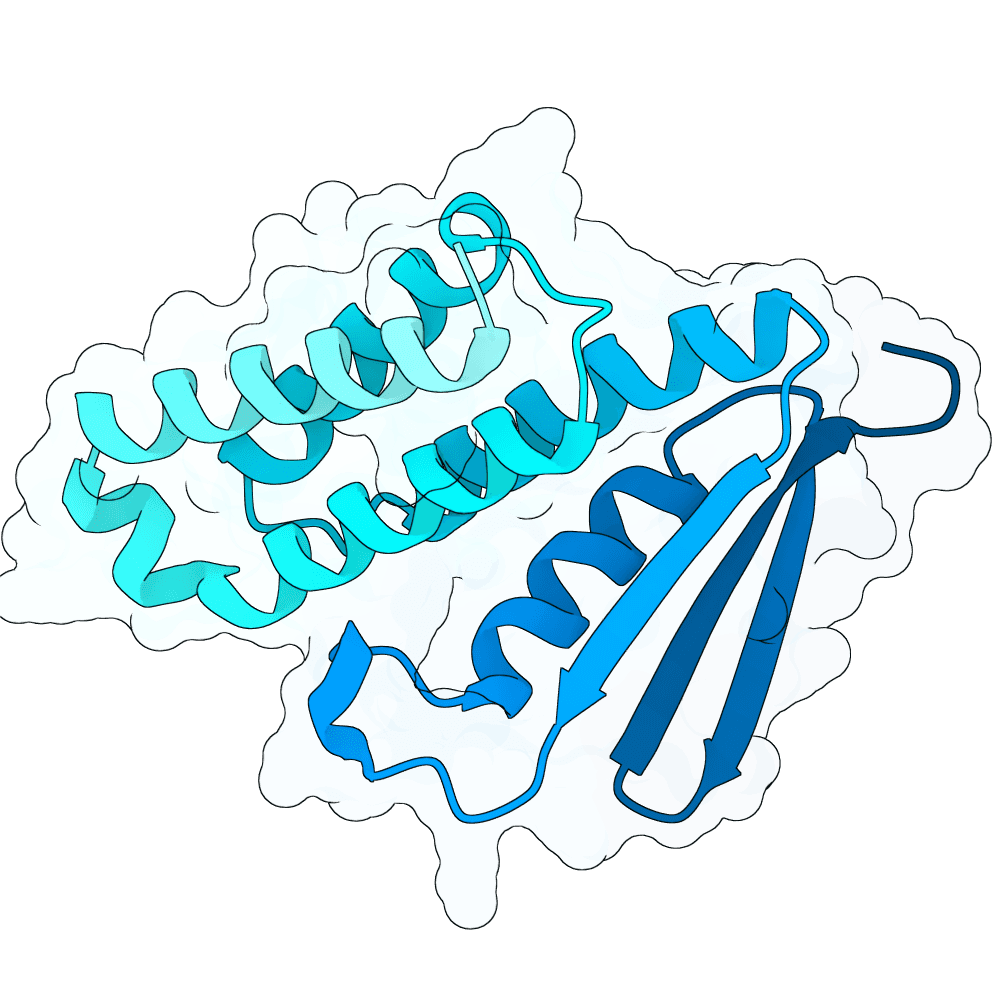
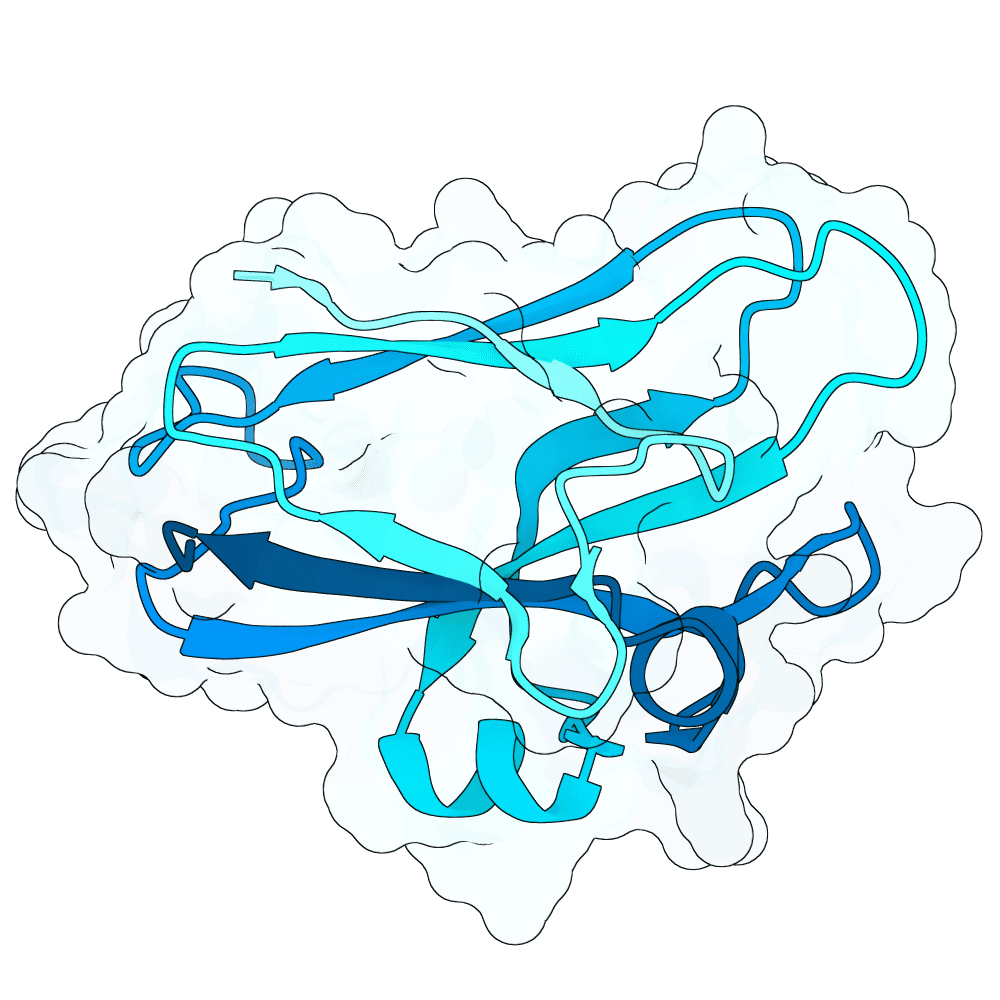
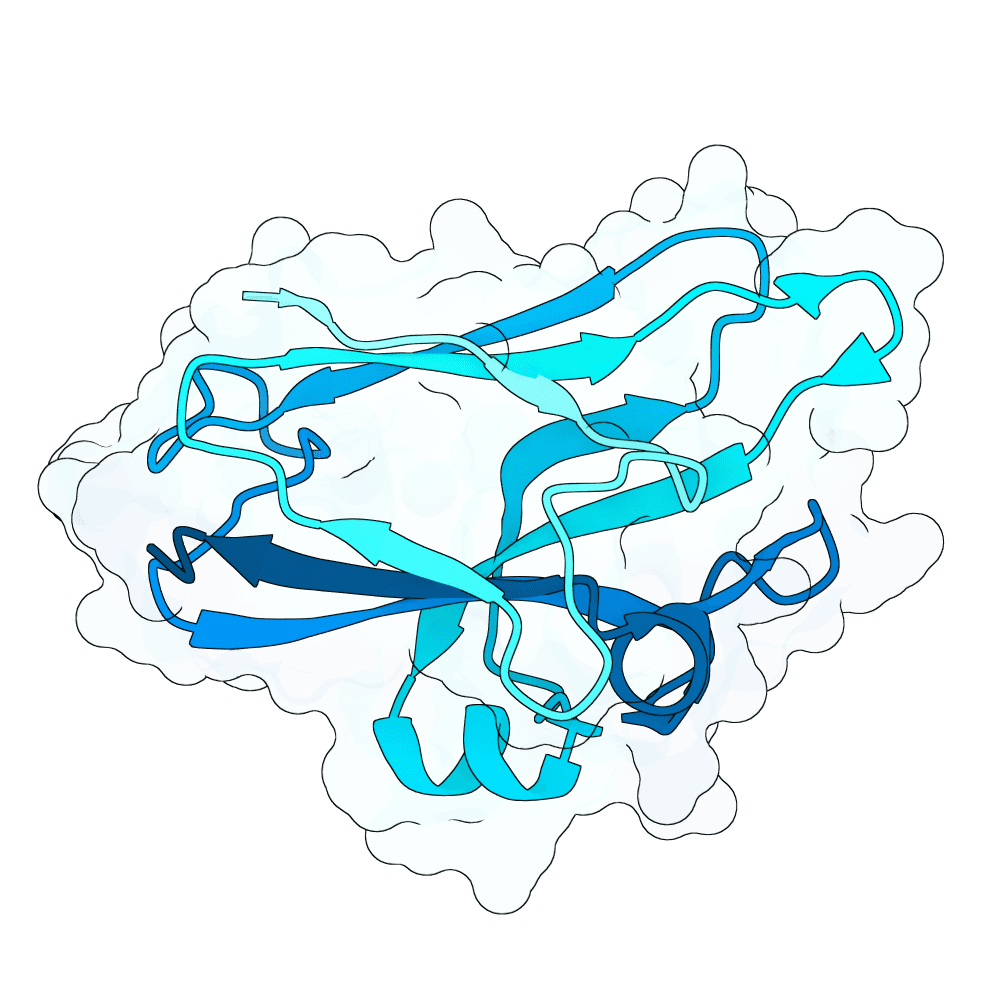
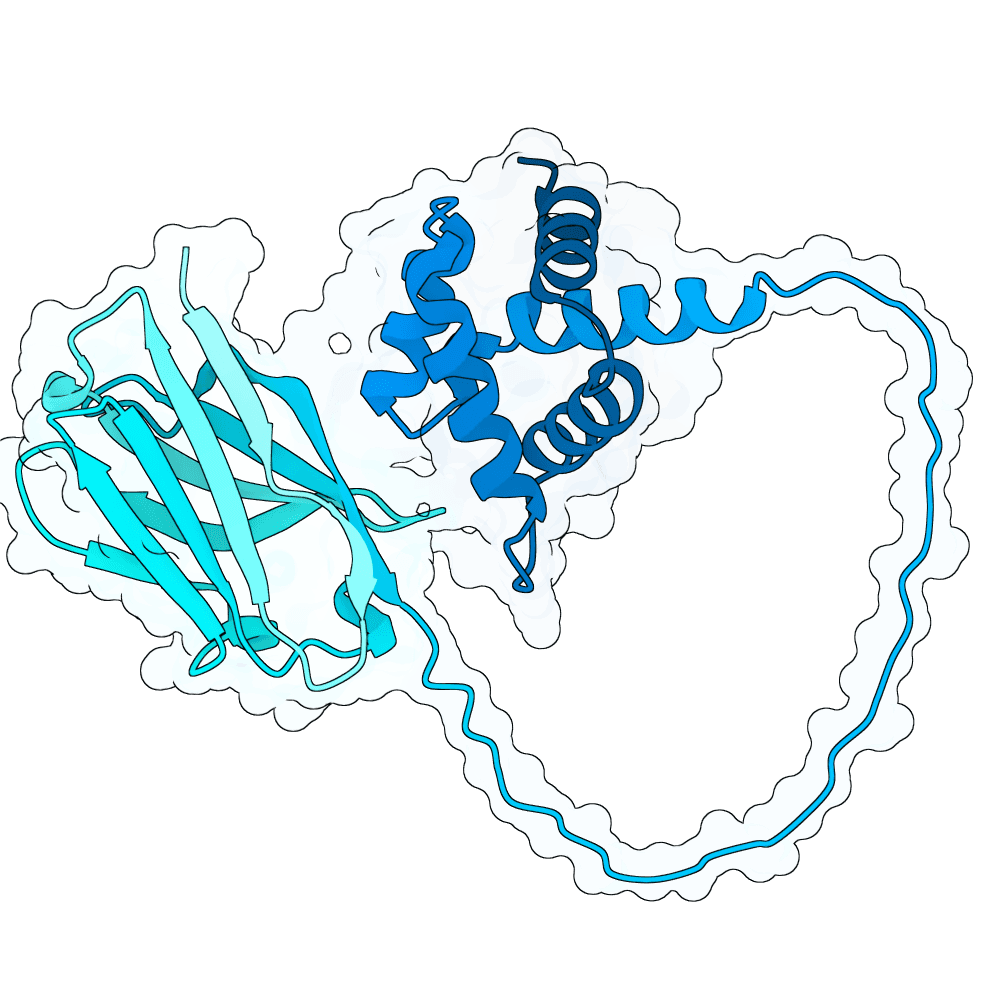
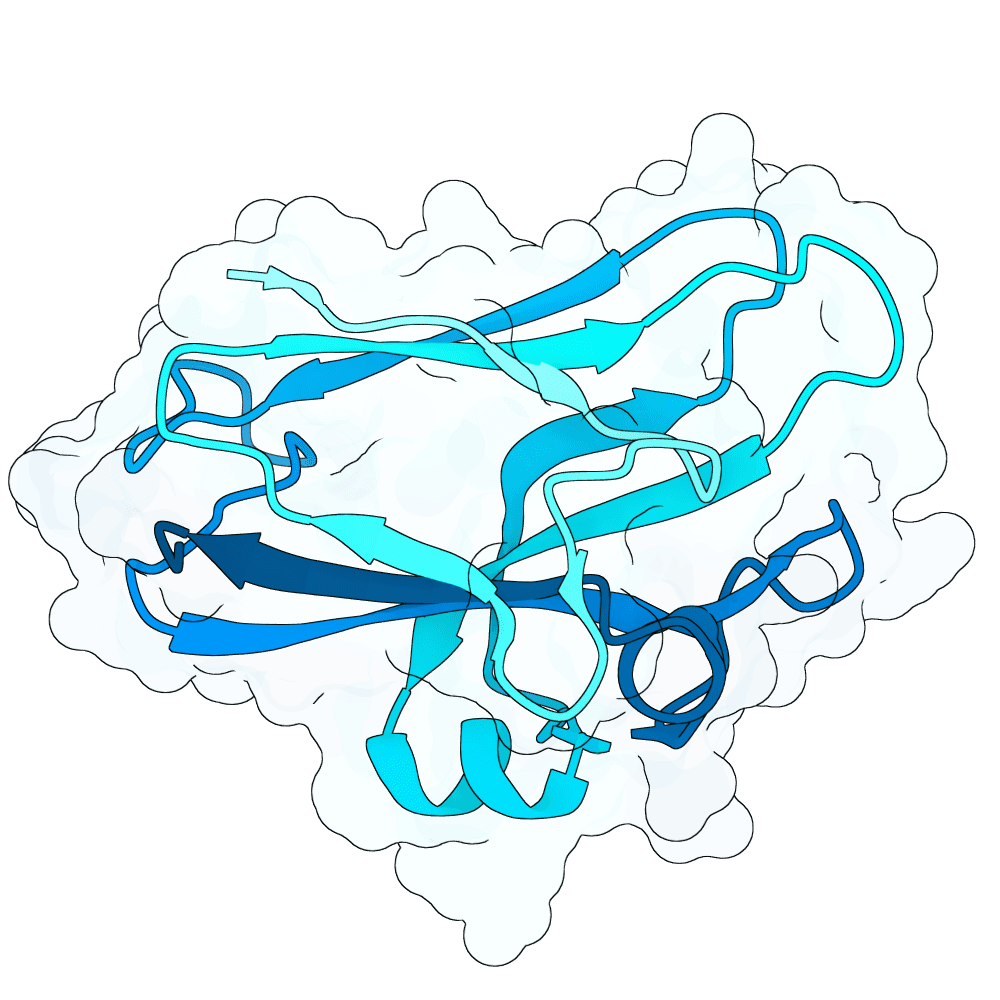
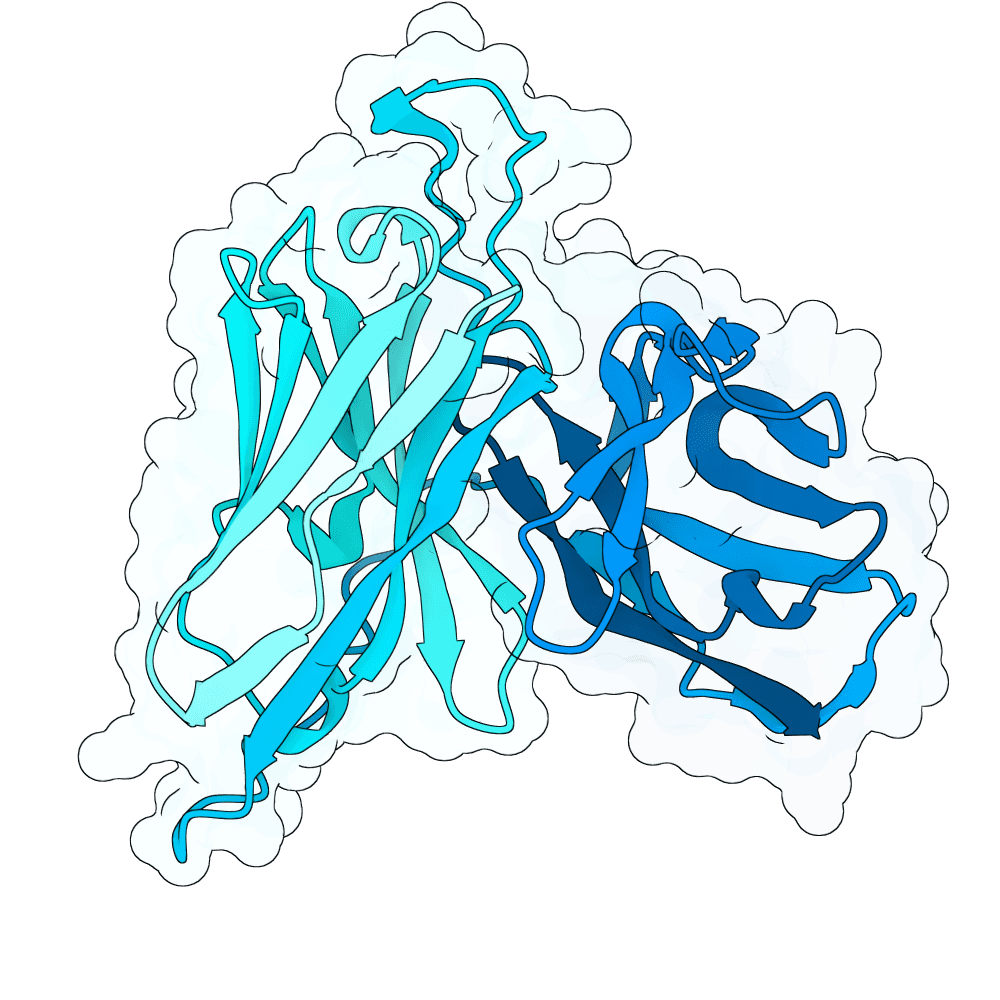
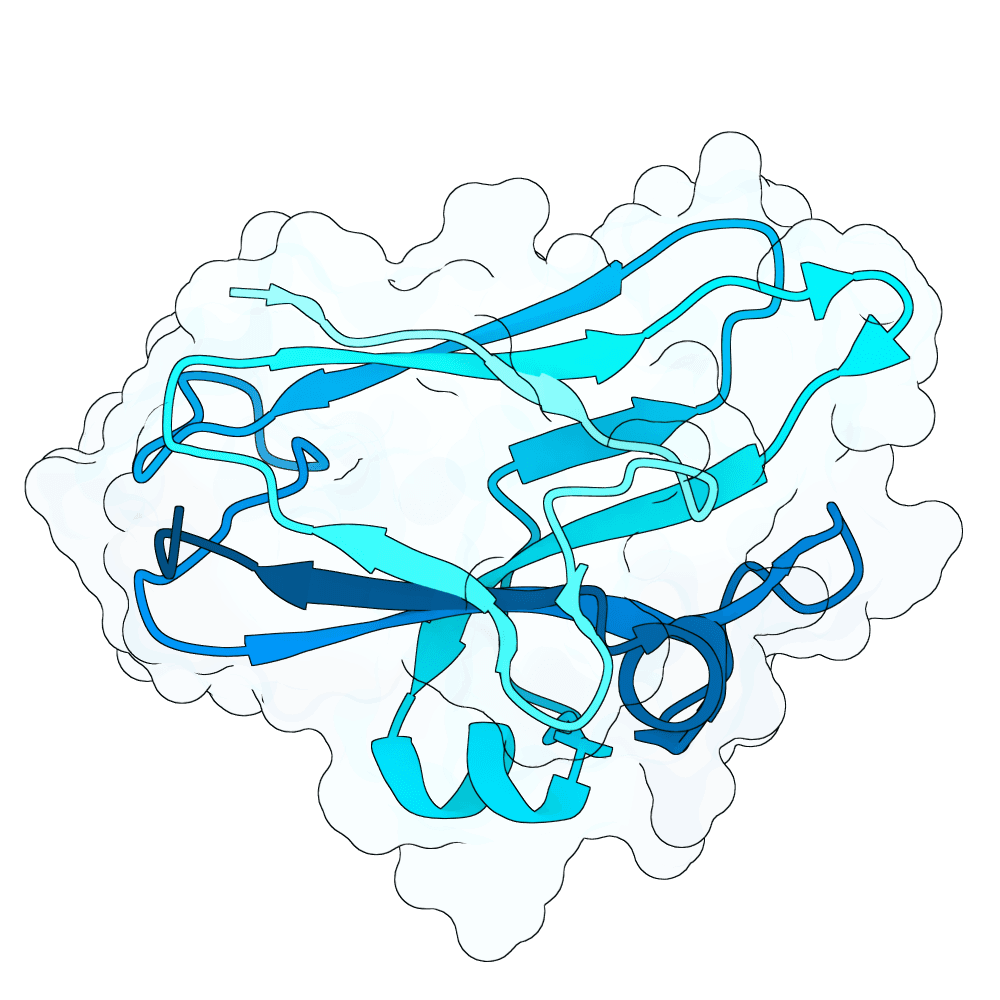
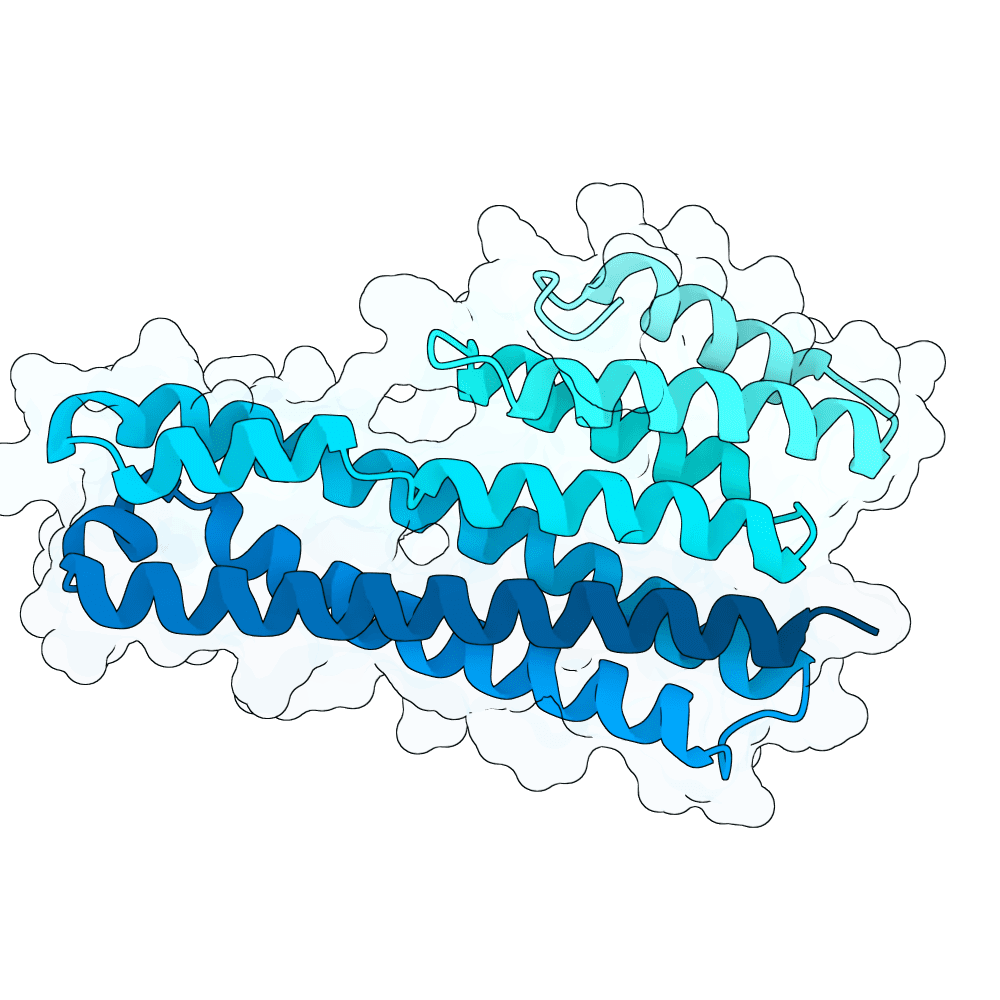
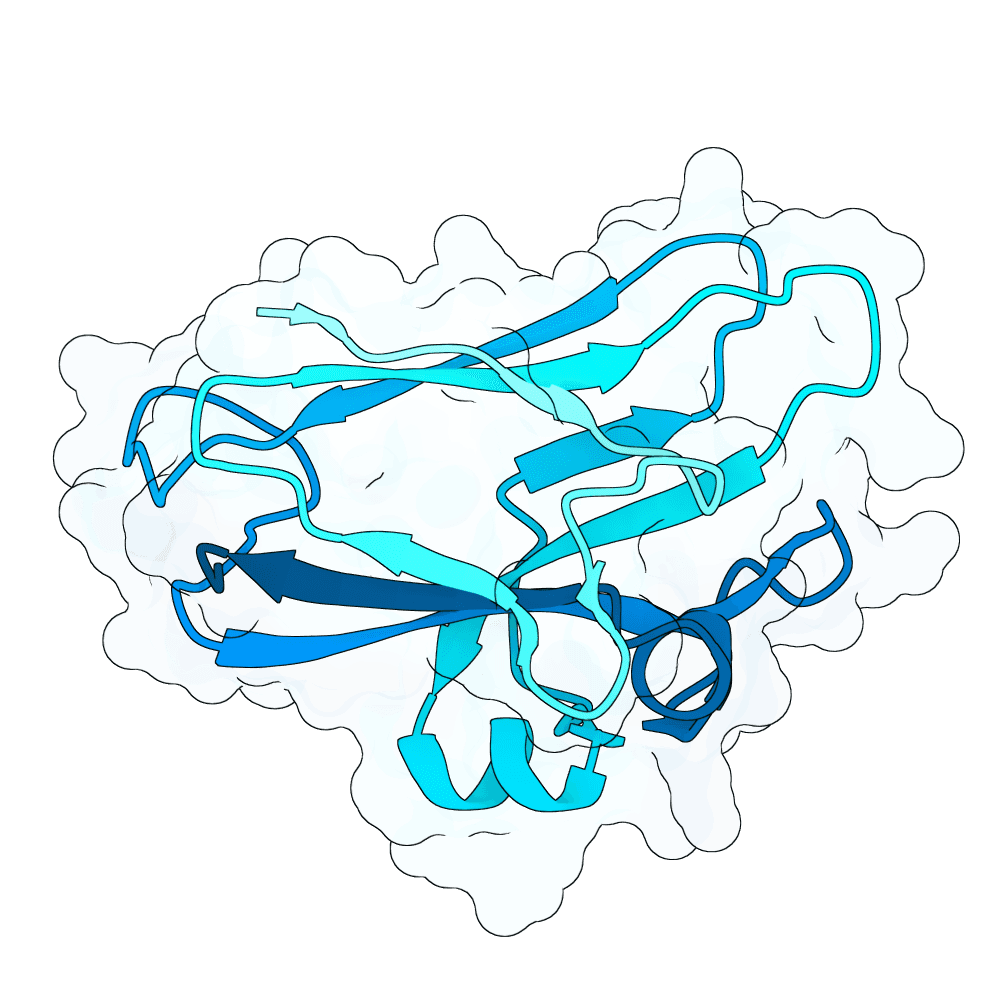
This collection contains experimental validation results from the Adaptyv Nipah Binder Competition, an open challenge that invited protein designers from around the world to design binders against Nipah virus, a WHO priority pathogen with 40-75% fatality rates and no approved treatments. The goal: accelerate therapeutic development while generating large-scale data to benchmark computational methods and train AI models. 680+ participants submitted over 10,000 designs targeting Nipah Glycoprotein G, a challenging tetramer with limited structural data and little prior binder work to build on. 1,196 were selected via Boltz-2 ipSAE ranking, community voting, and expert curation, then validated using Adaptyv's standardized expression and binding affinity characterization pipeline.
Results Overview
Out of 1,196 designs tested, 1,028 expressed successfully (86%) and 111 showed binding (9.3%). 28 designs achieved single-digit nanomolar affinity or better.
General Ranking: Top 3 Best Binders:
- 🥇 Miles McGibbon (KD: 3.7e-10 M)
- 🥈 Liviu Copoiu (KD: 4.5e-10 M)
- 🥉 Andrew Huang (KD: 7.2e-10 M)
De Novo Ranking: Top 3 Best Binders:
- 🥇 Nick Boyd (KD: 1.4e-9 M)
- 🥈 Johannes Klier (KD: 1.2e-8 M)
- 🥉 Brian Coventry (KD: 1.8e-8 M)
Beyond binding affinity
We ran additional experiments to assess properties relevant to therapeutic development. Neutralization data for top binders is included in this release; HSA off-target binding and expression yield data for all designs are still being processed and will be released in the next few days.
- Neutralization: Can the binder displace the natural ephrin-B2/B3 receptor? This is a key indicator of whether a design could actually block viral entry. Top binders are tested using a competitive BLI assay where the variant competes against ephrin-B2 for binding.
- HSA off-target binding: Human Serum Albumin is abundant in the body, so any binder that also binds HSA risks off-target effects. Tested across all designs to flag potential specificity issues early.
- Expression Yield: How much protein does each design produce? Higher yields are important for manufacturability. Measured for all designs.
What's included
- Binding affinities in triplicates (proxy KD derived from standardized 1:1 fitting)
- Expression and loading success rates
- Raw SPR sensorgrams & fits
- Neutralization assay results for top binders
- Designer method notes where provided
- Coming soon: HSA off-target binding data for top binders
- Expression Yield (ug/mL)
A note on fitting
Because NiV-G is a tetramer, most binding curves don't follow clean 1:1 kinetics. We observed bivalent and conformational binding effects throughout. Rather than force every curve into a model that doesn't fit, we first fit bivalent and conformational models to capture what's actually happening, then derived a standardized 1:1 proxy for fair ranking. All fits are included here so you can inspect the raw data, understand our methodology, or reanalyze with your own approach.