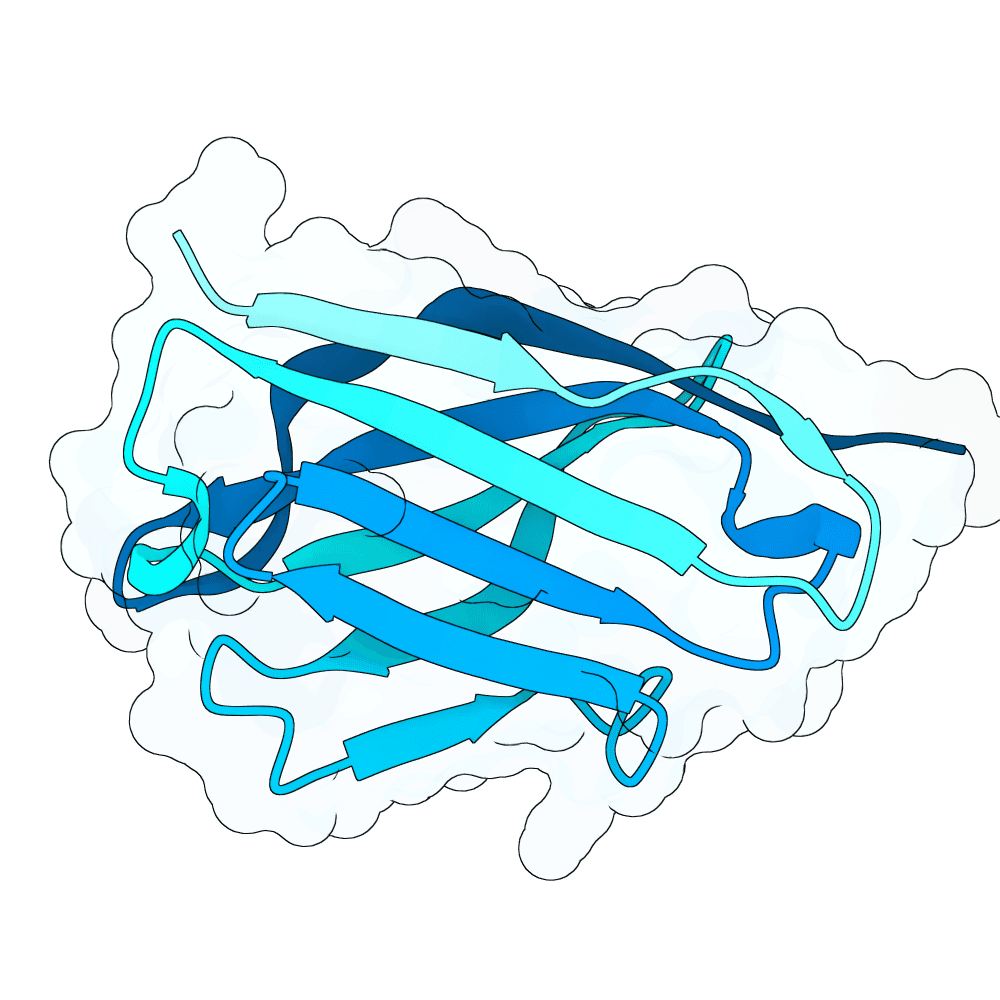
This approach relies on straightforward structure-guided reasoning: by examining a known nanobody-antigen complex, interface-distant positions can be manually selected for conservative substitutions that preserve function while introducing the required sequence novelty.