Description
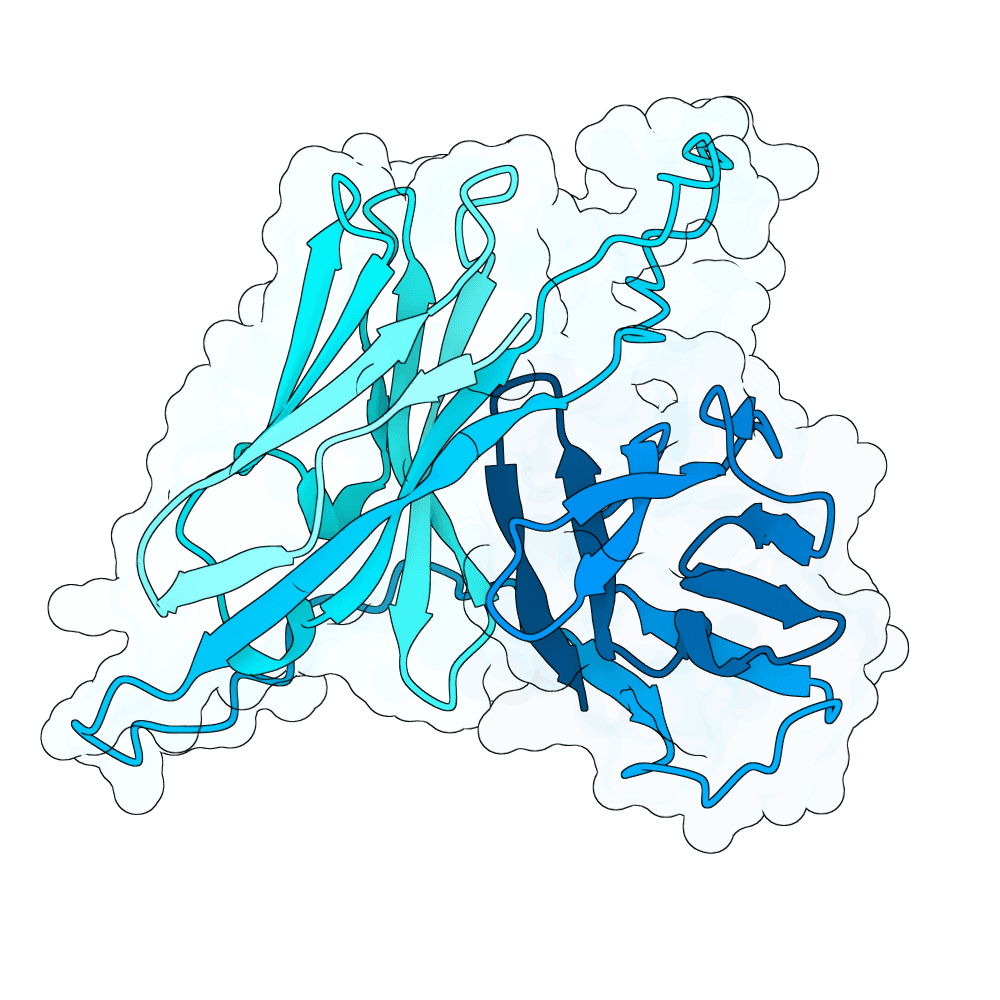
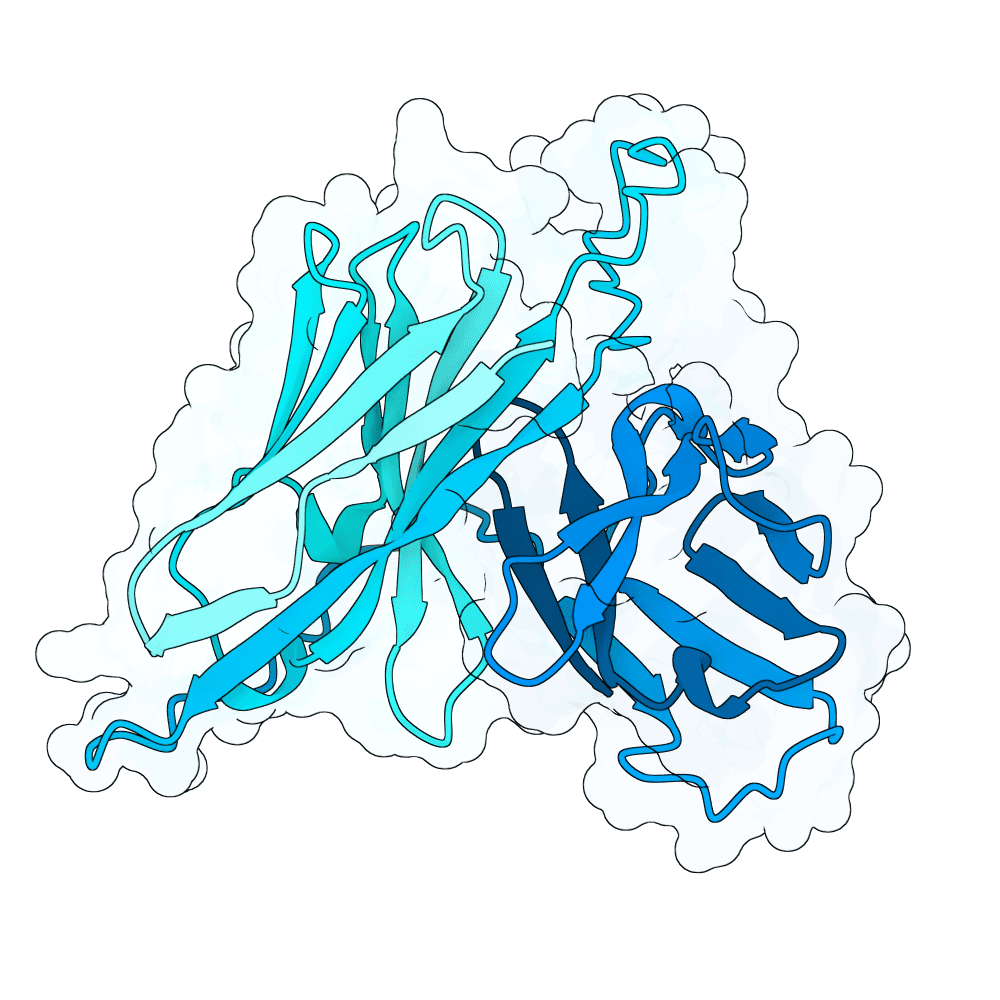
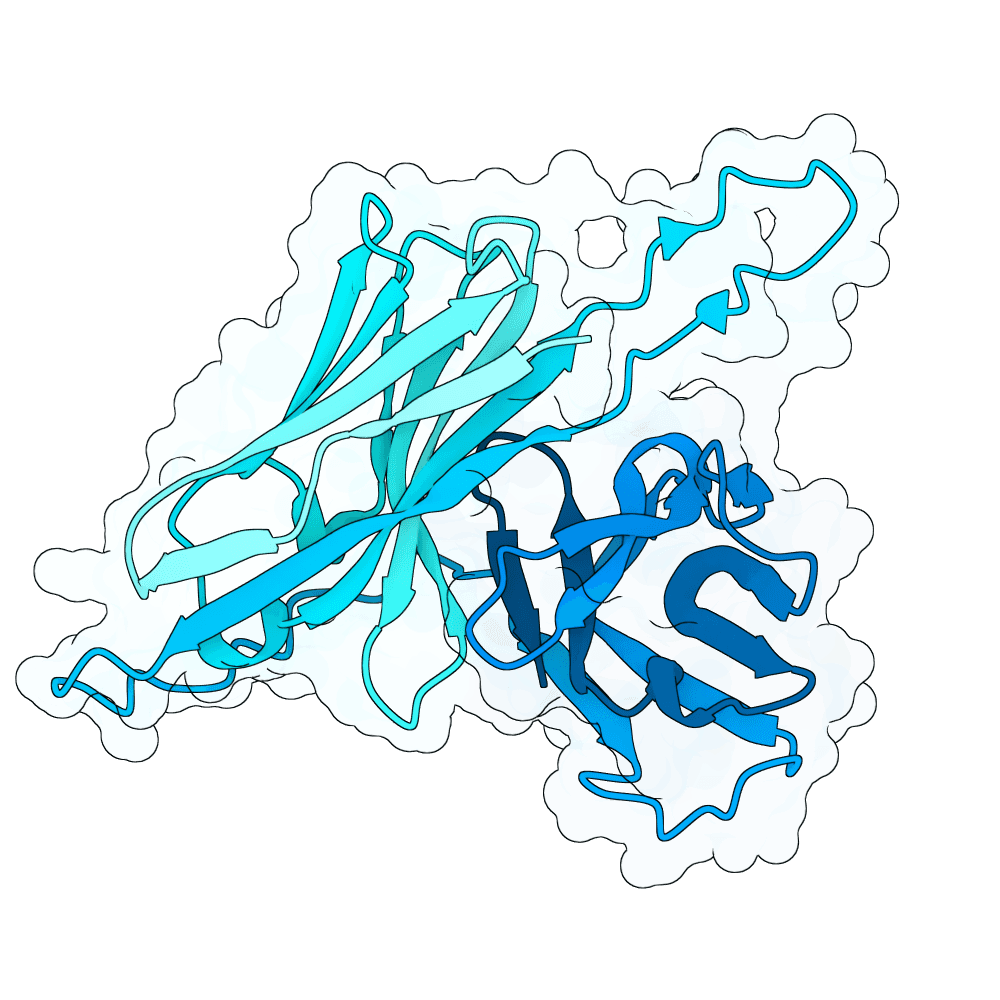
Approach We started from the pre-existing antibody–receptor complex structure (PDB: 6CMI), using its complete variable heavy and light chains as the design scaffold. Framework regions and overall CDR lengths were kept as close as possible to the original 6CMI antibody, while focusing redesign on the CDR loops. The key interacting residues on the Nipah receptor binding protein (RBP) that are conserved or structurally similar to those contacted in the 6CMI target were identified. We then modeled the Nipah RBP in complex with the 6CMI-derived antibody using AlphaFold3 to obtain a Nipah-specific starting complex. On this complex, we applied RFdiffusion to locally redesign the CDRH loops (length-preserving designs) while maintaining the global binding mode. The resulting backbones were passed to ProteinMPNN to generate compatible amino-acid sequences. We then used Boltz-2 (runs with 200 and 500 recycles/seeds) to generate structural ensembles and scored the complexes with ipSAE and related interface metrics for ranking.
Hypothesis Targeted optimization of the CDRH3 loop on a validated antibody scaffold (6CMI) using RFdiffusion can improve binding to the Nipah RBP by strengthening interactions with conserved receptor-binding residues while preserving overall geometry and developability.
Additional context Across Boltz-2 predictions for the same sequence, we observed substantial variability in interface quality (e.g., ipSAE values ranging from ~0.1 to ~0.7 between models), which motivated an ensemble-based ranking strategy and the use of multiple Boltz-2 settings (200 vs 500 recycles) instead of relying on a single model. In parallel, we initiated a second design branch starting from public/immune repertoire antibodies with high CDRH3 similarity to our best designs and applying similar structure-guided optimization. Due to time constraints, these repertoire-derived designs were not included in this submission, but preliminary analysis suggests strong contributions from specific interface hotspot residues.