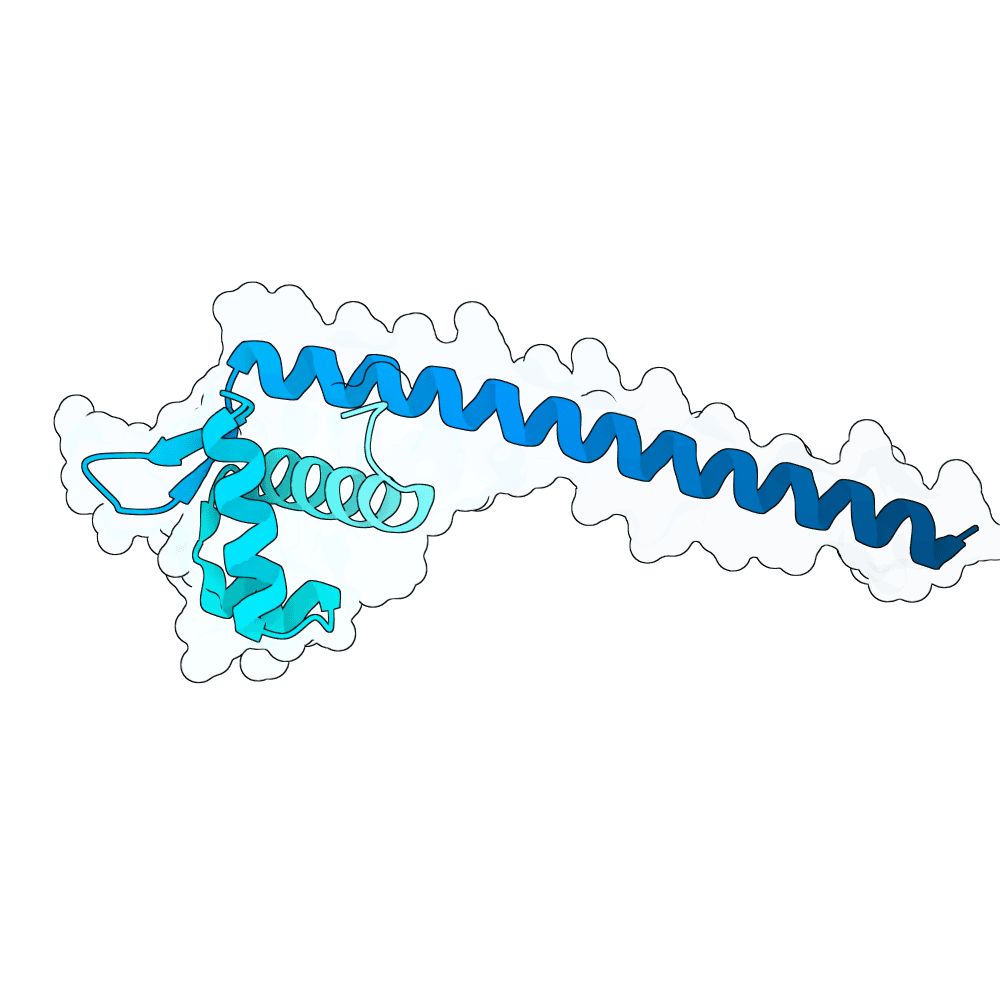
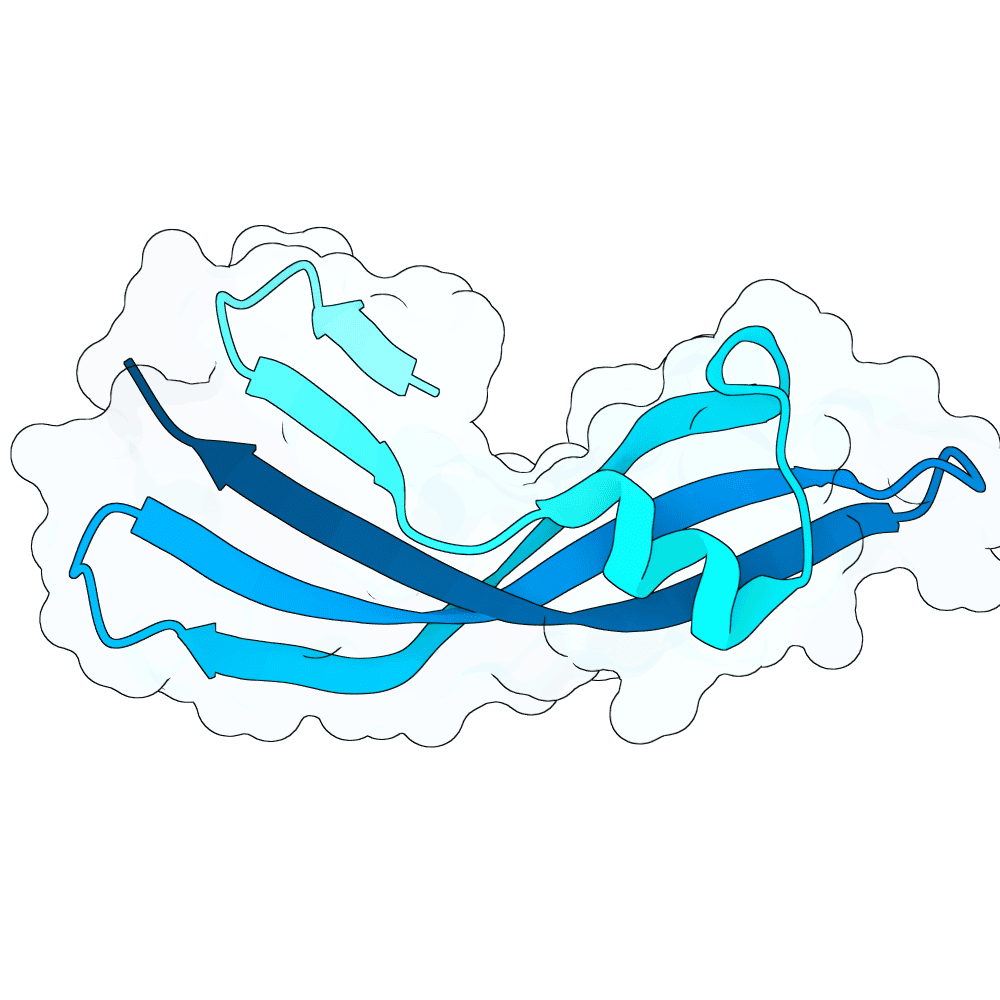
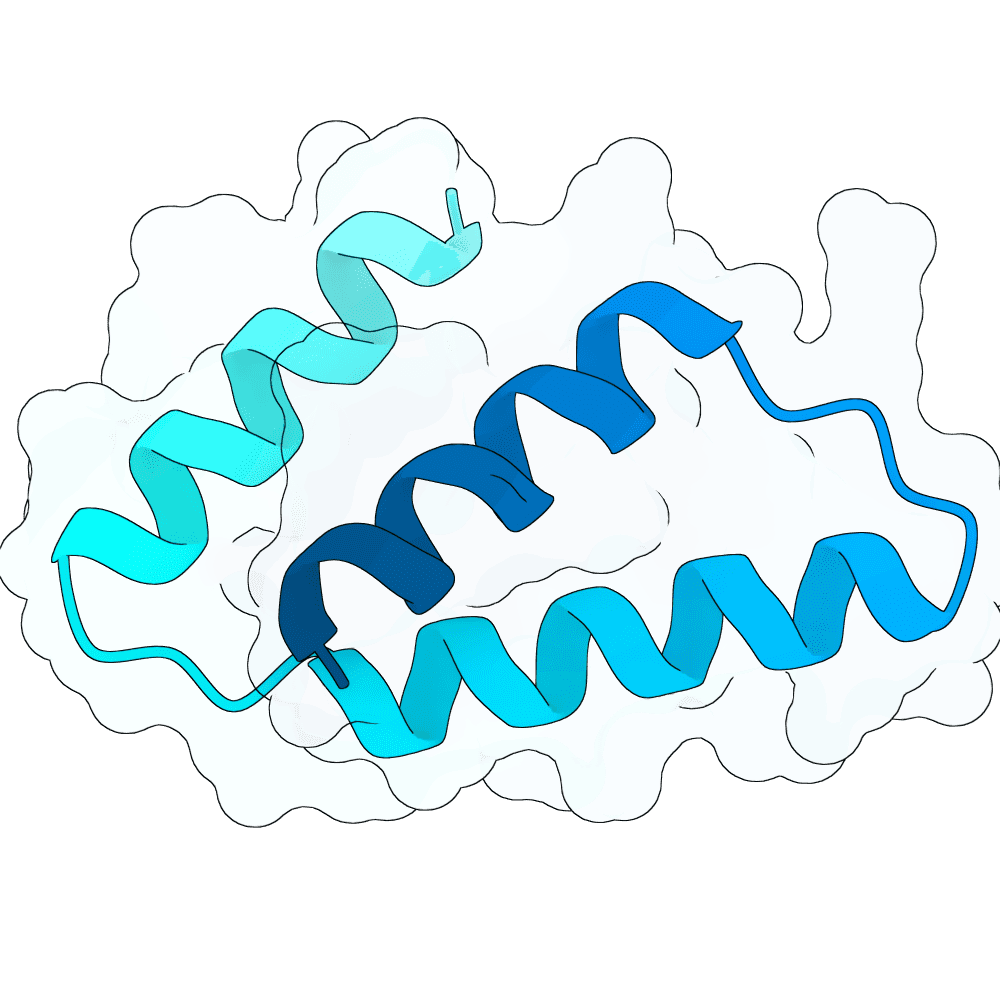
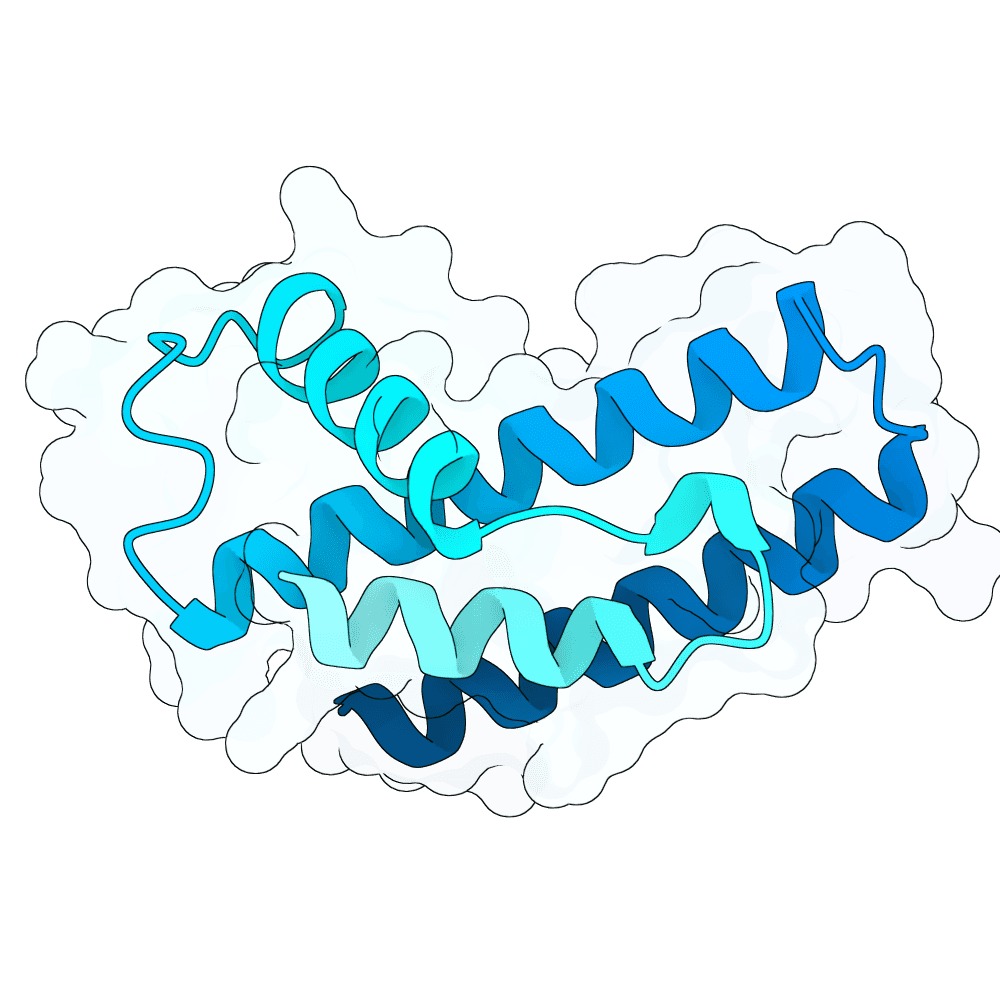
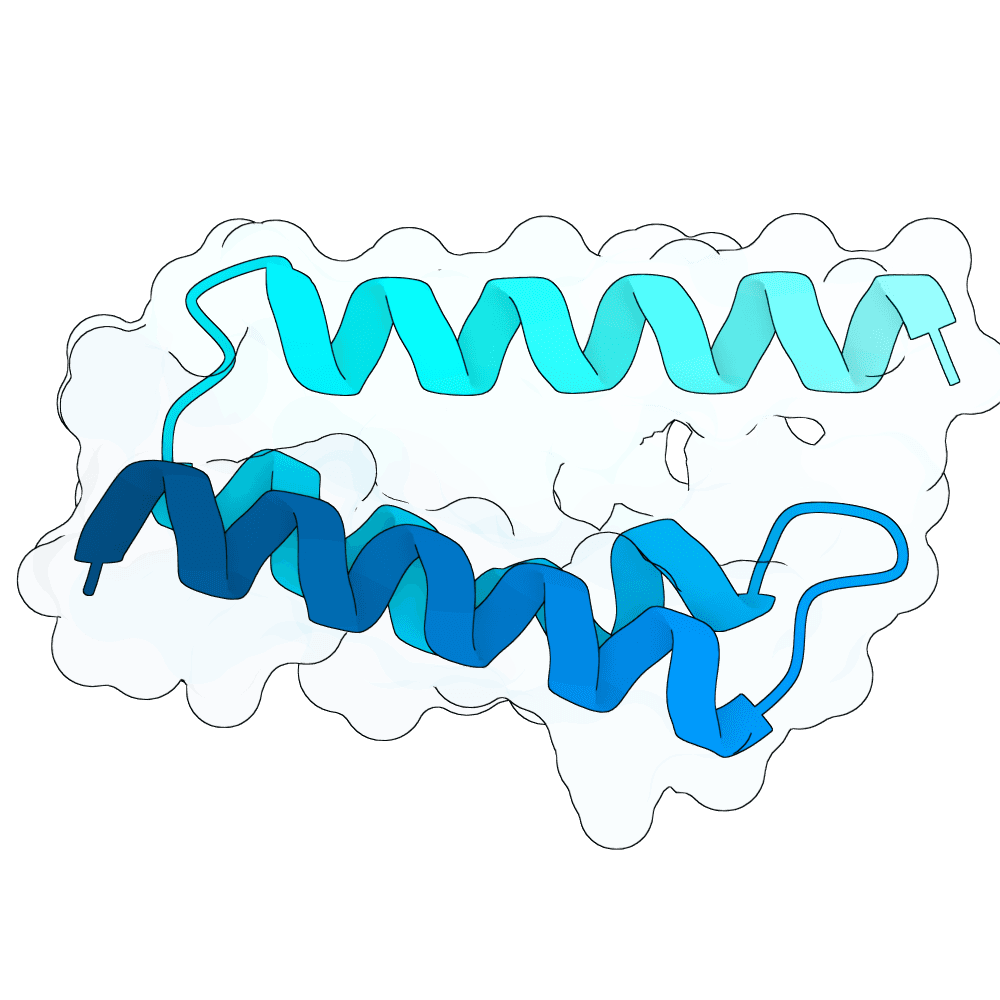
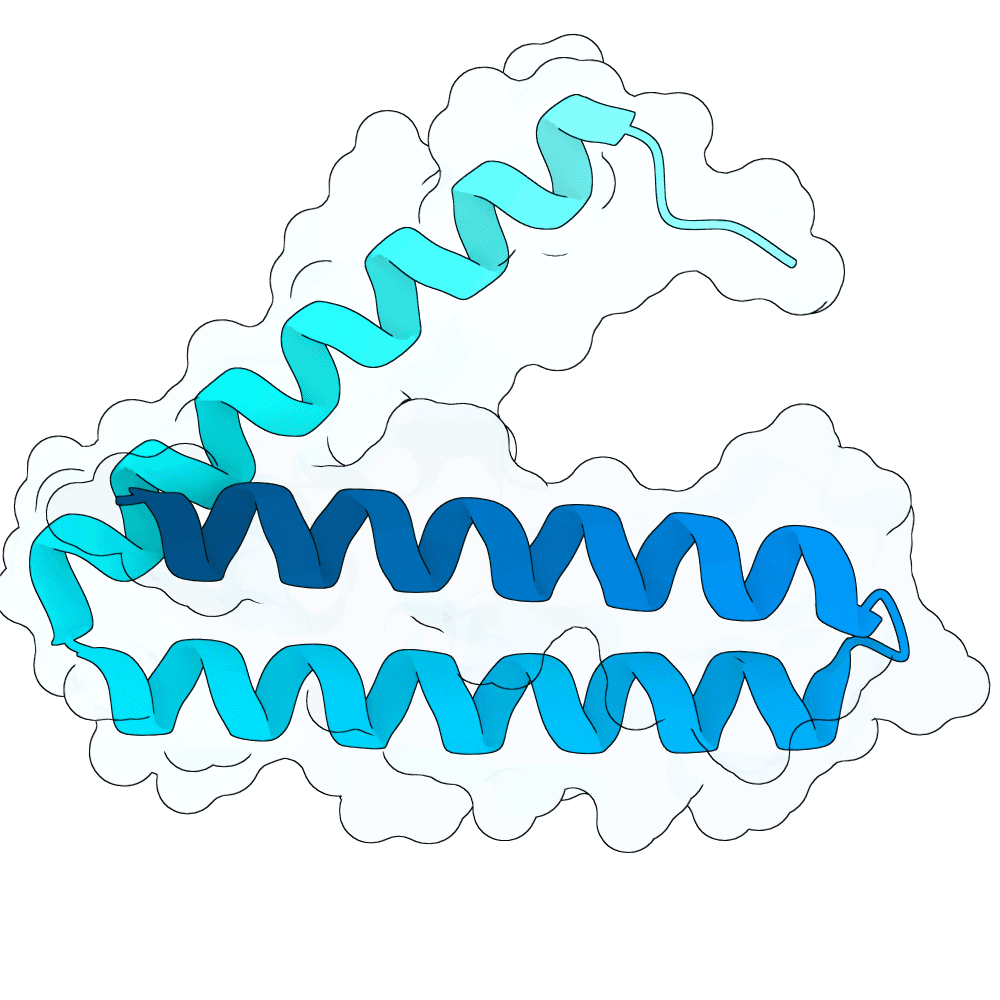
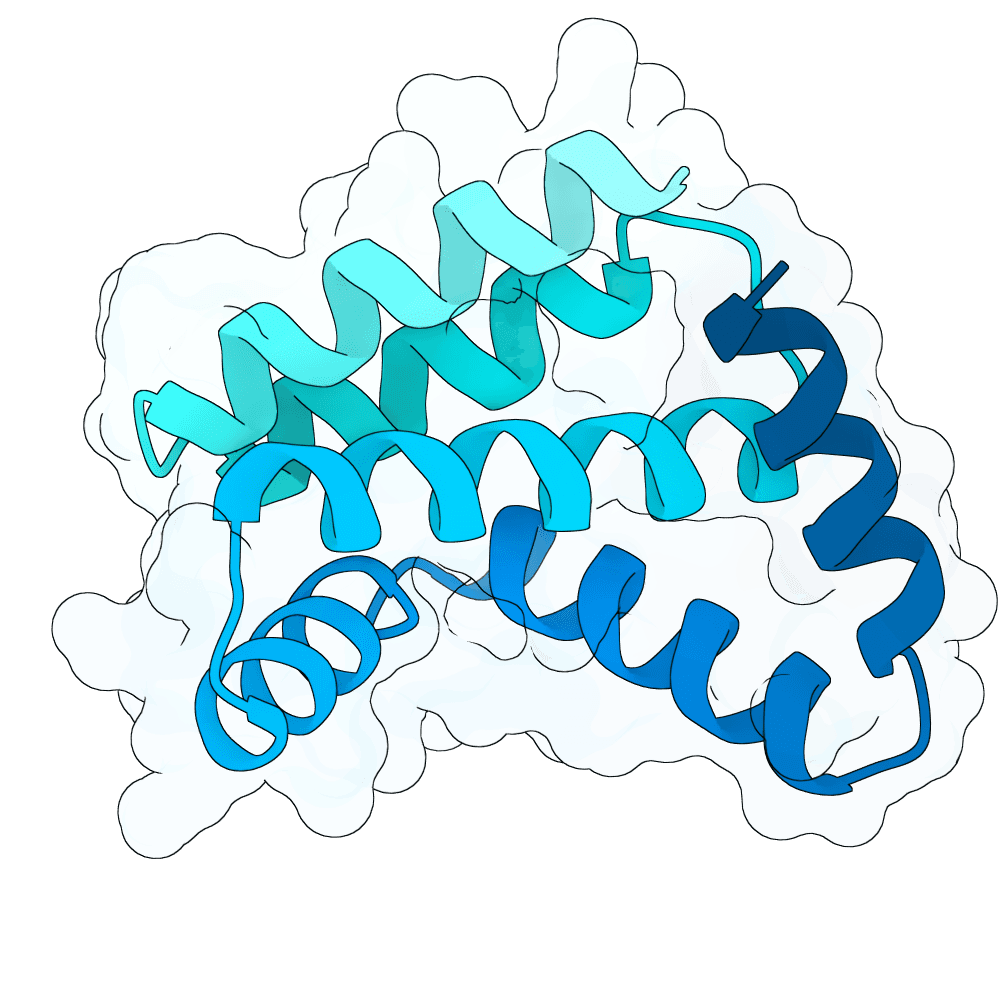
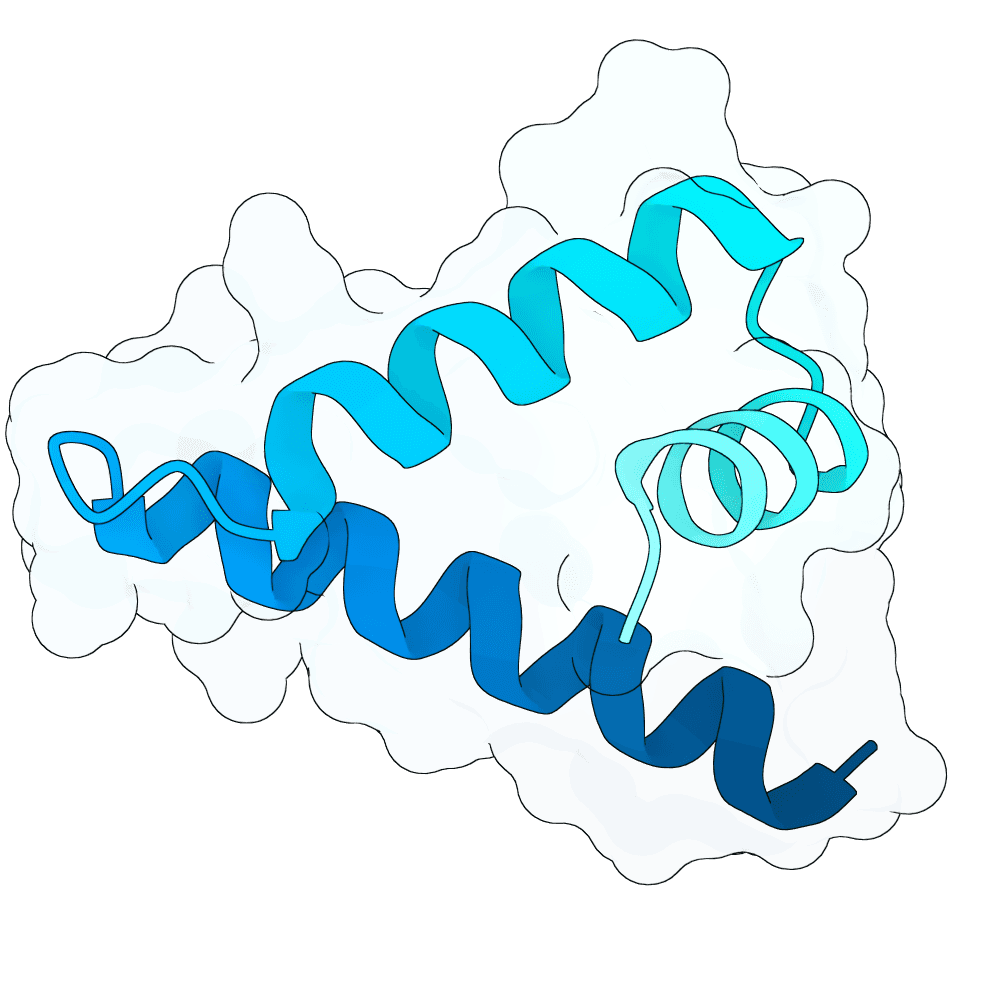
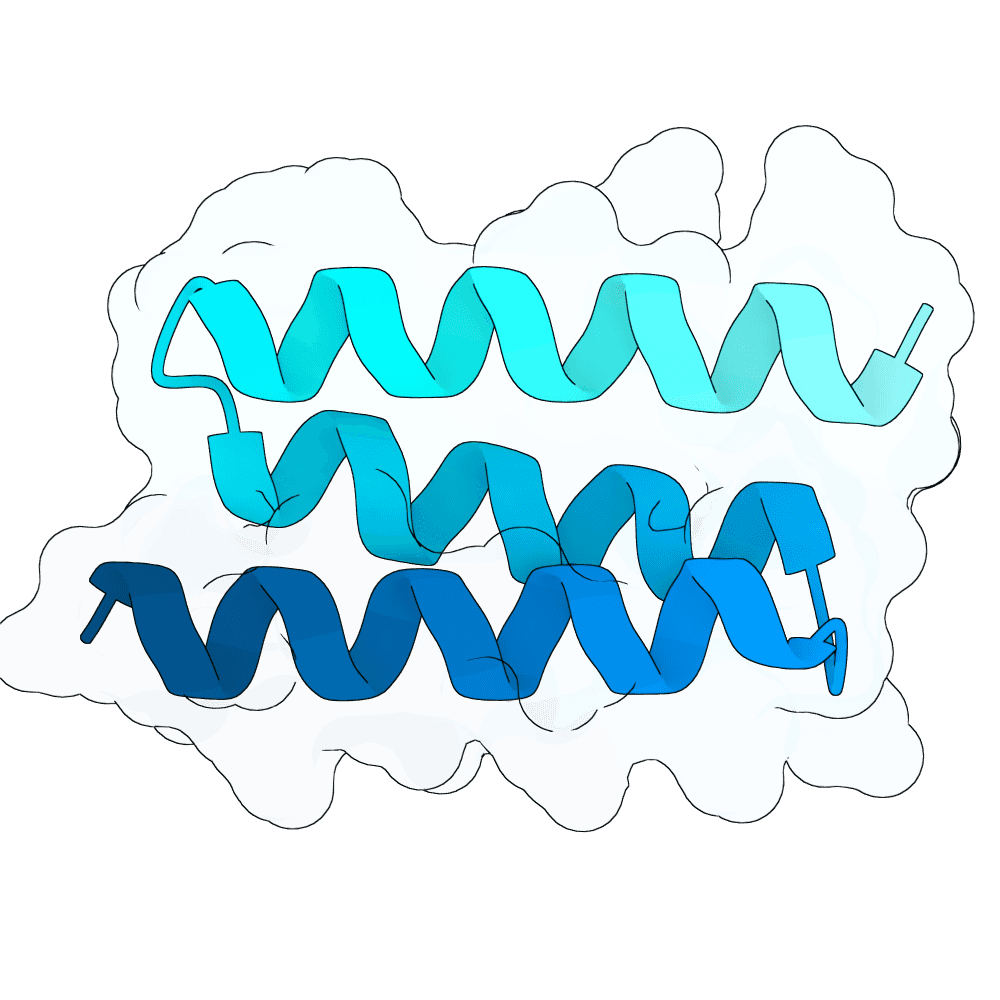
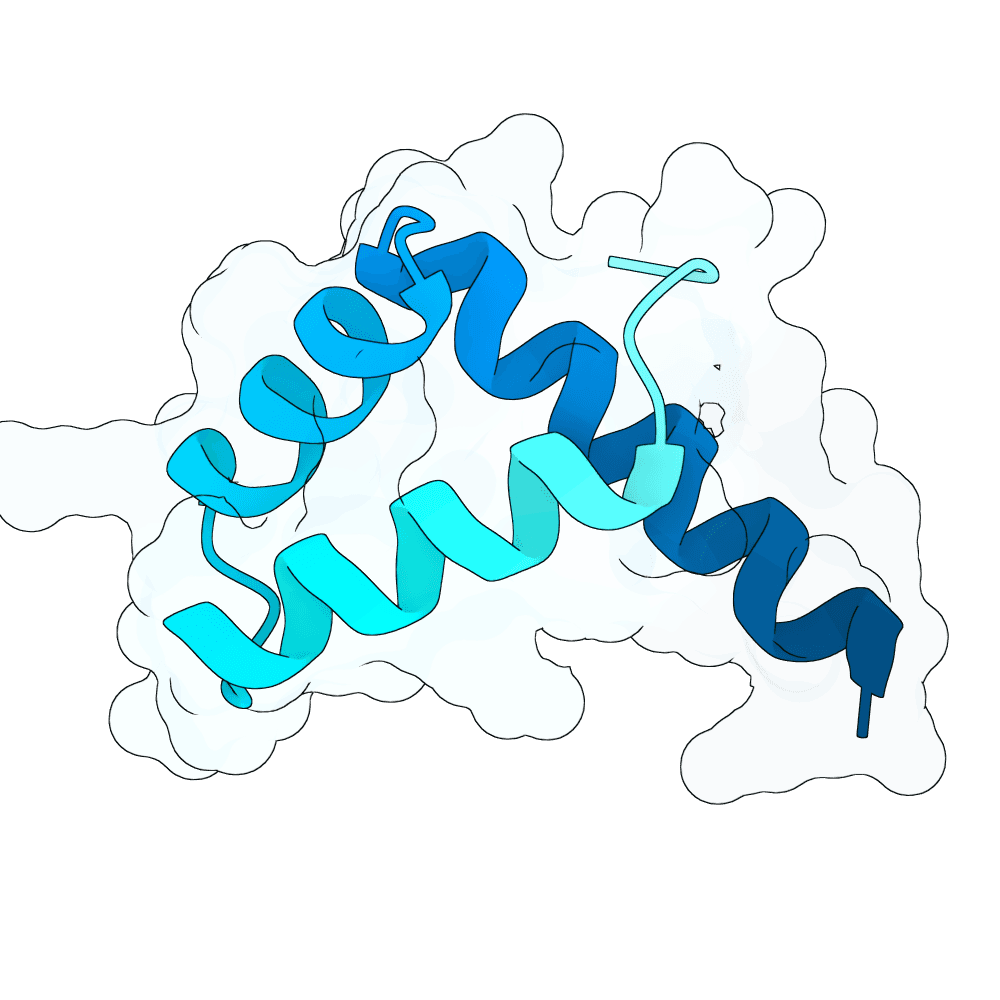
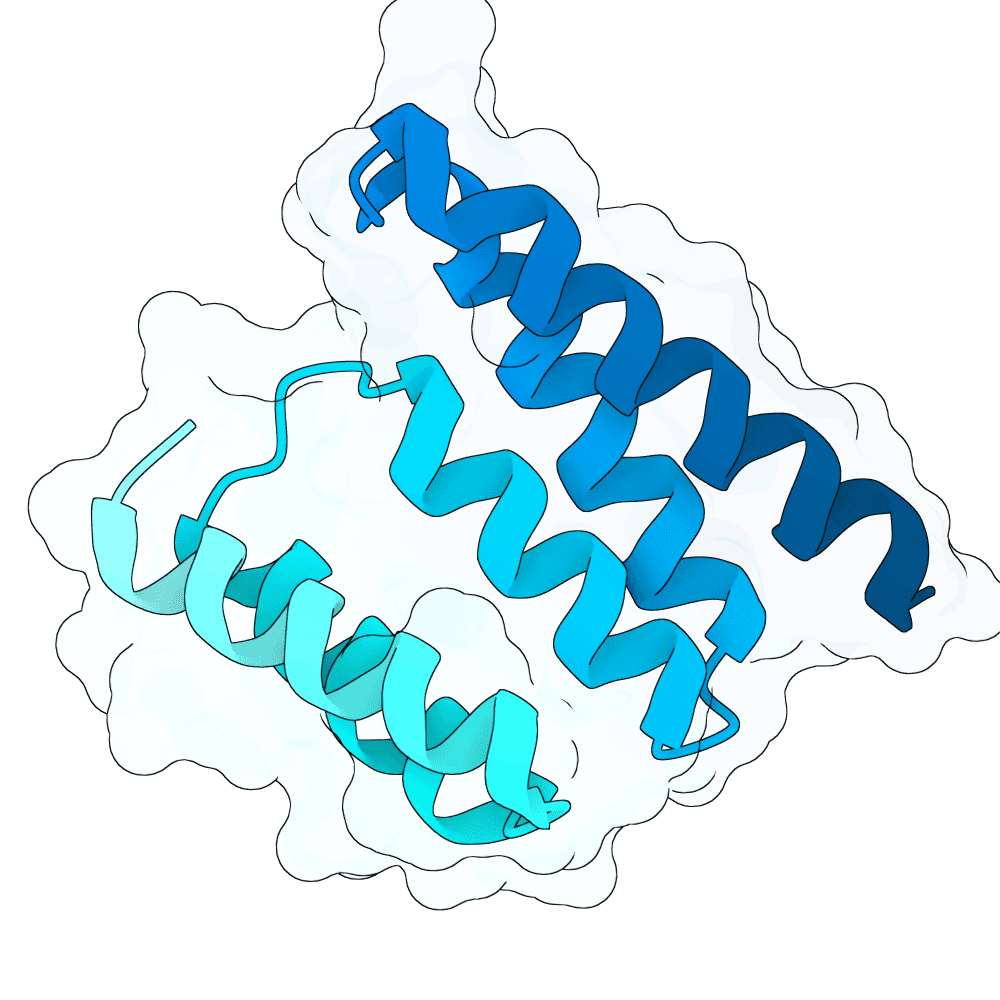
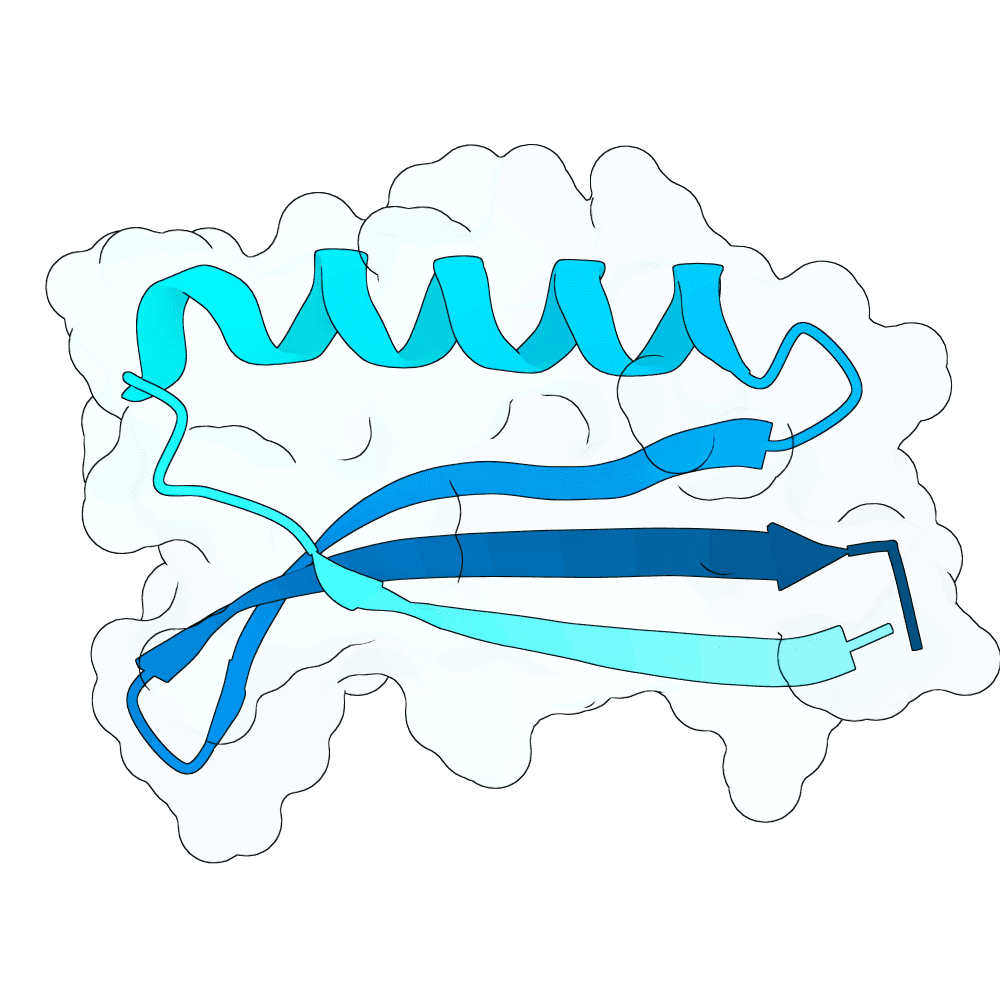
Description
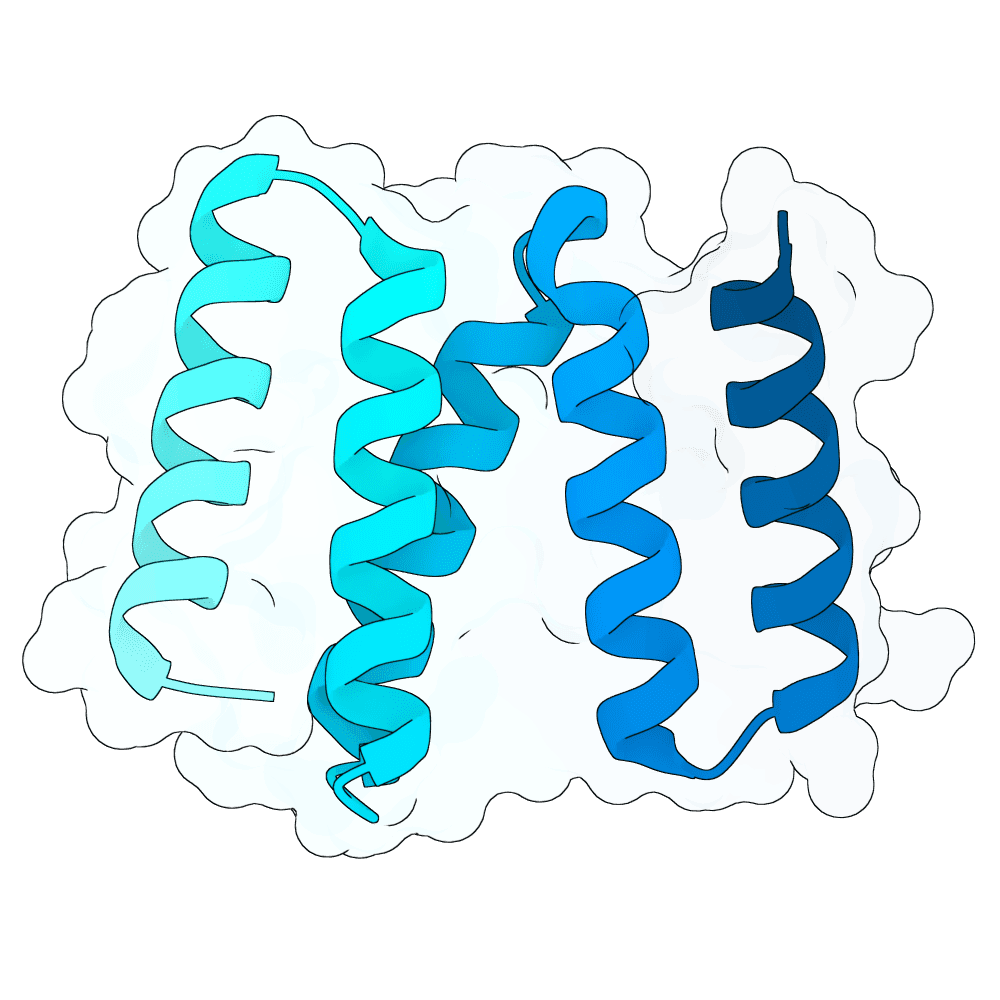
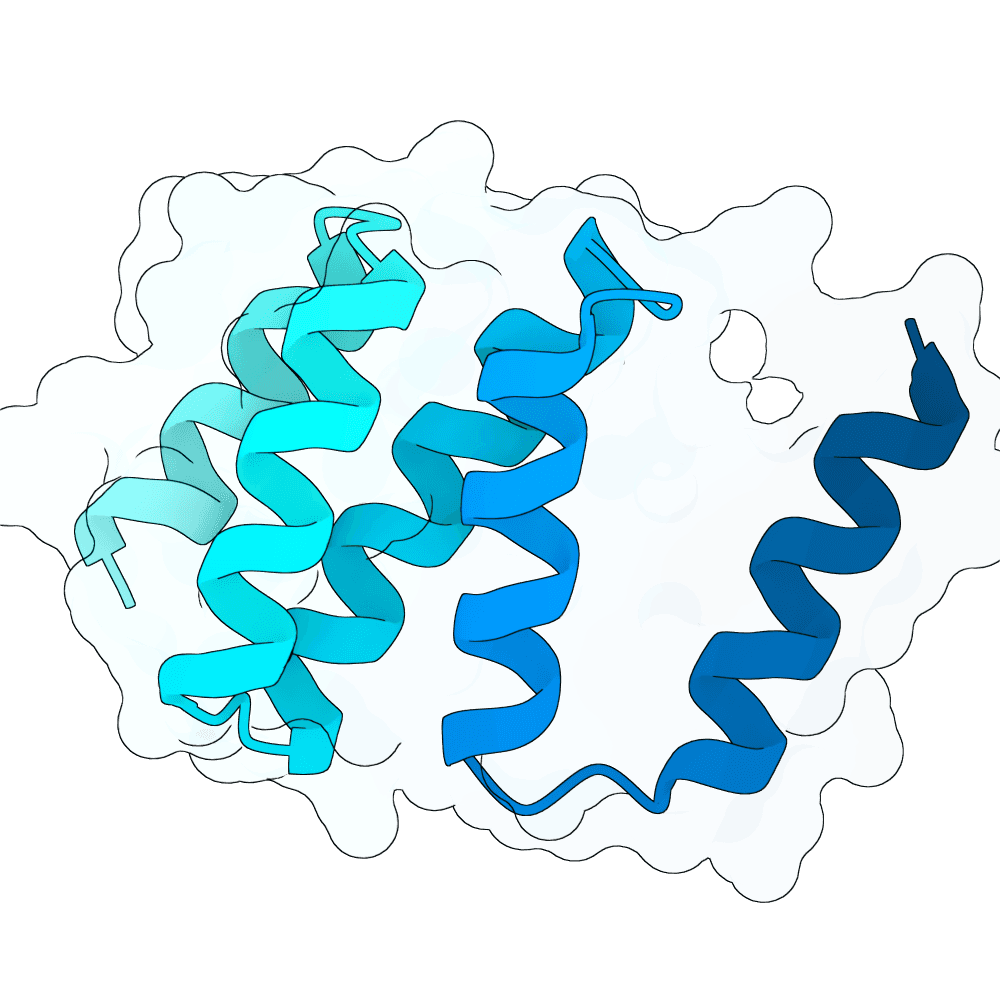
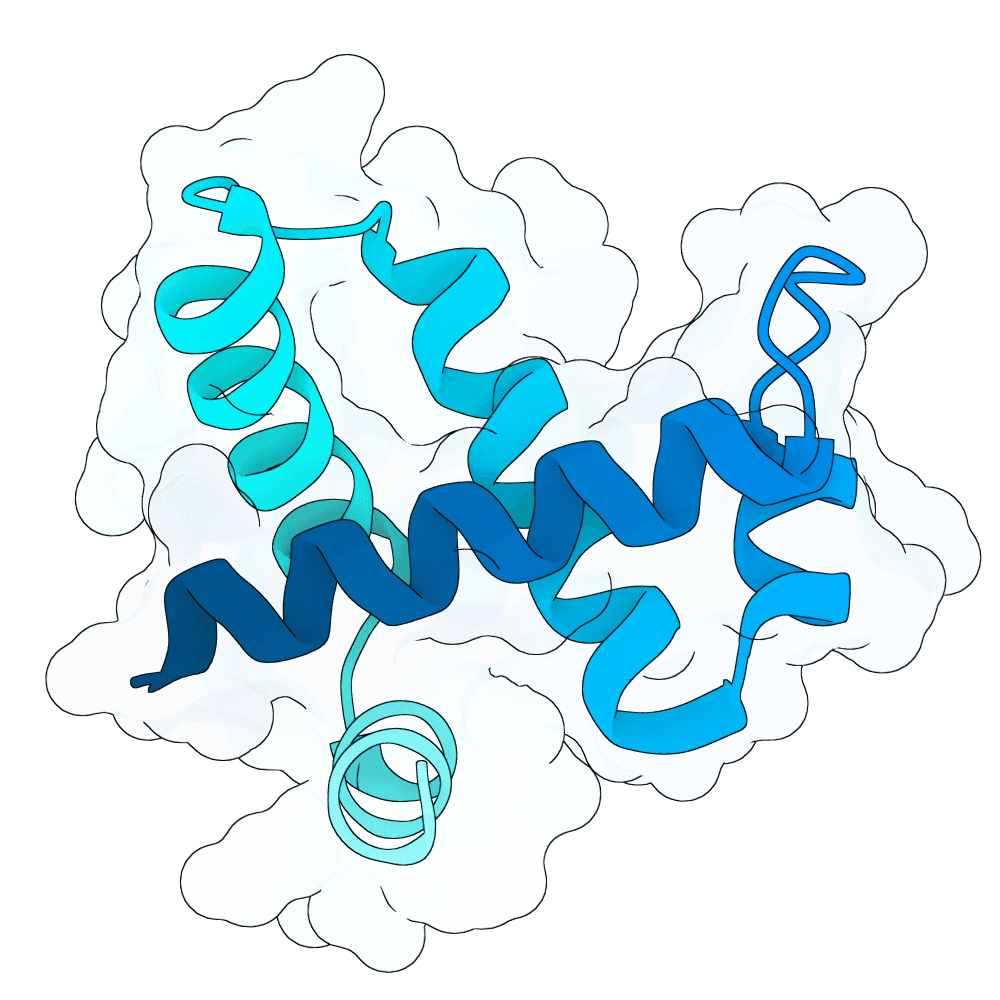
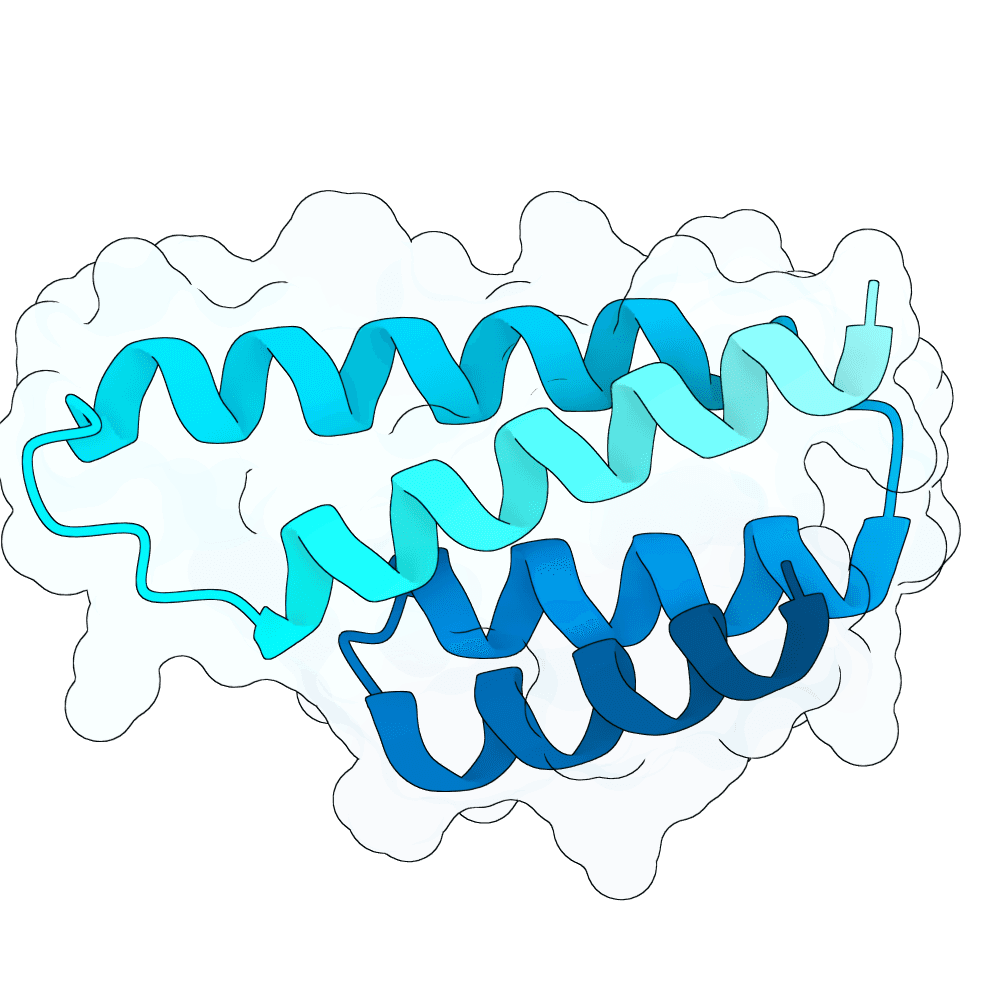
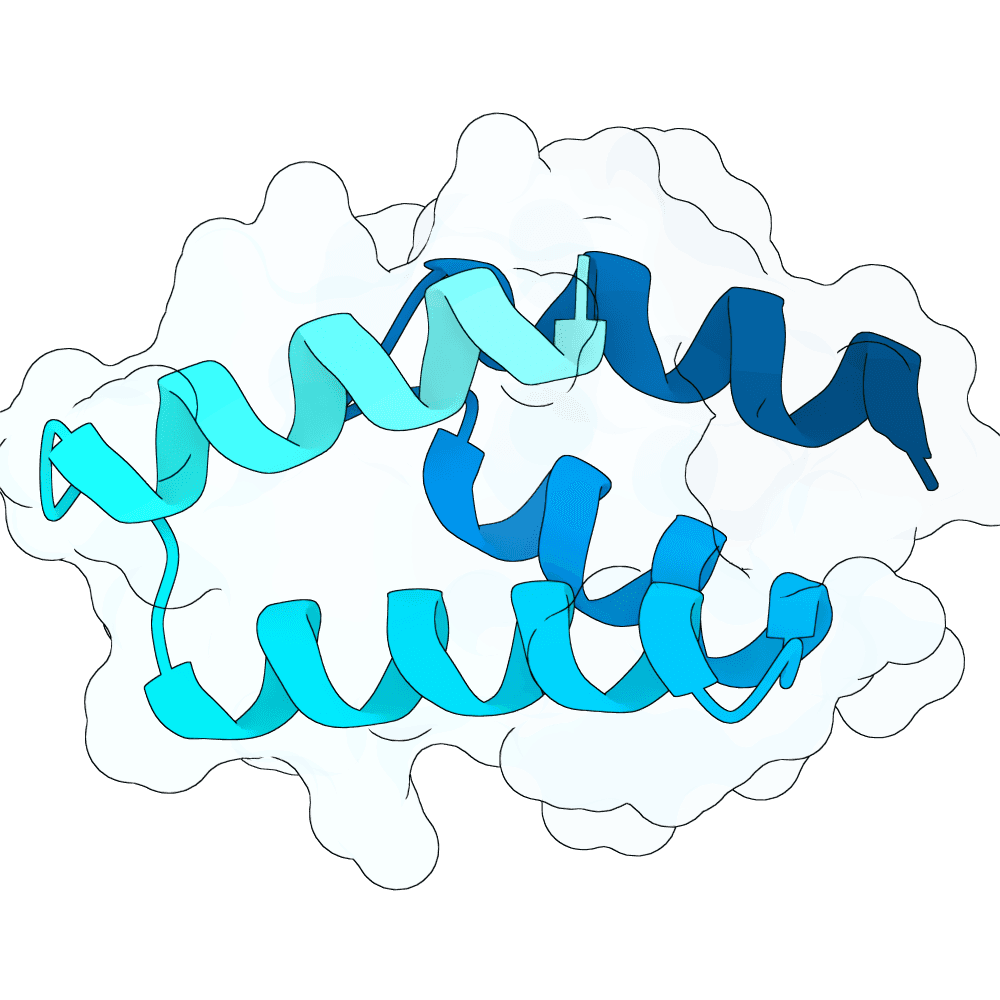
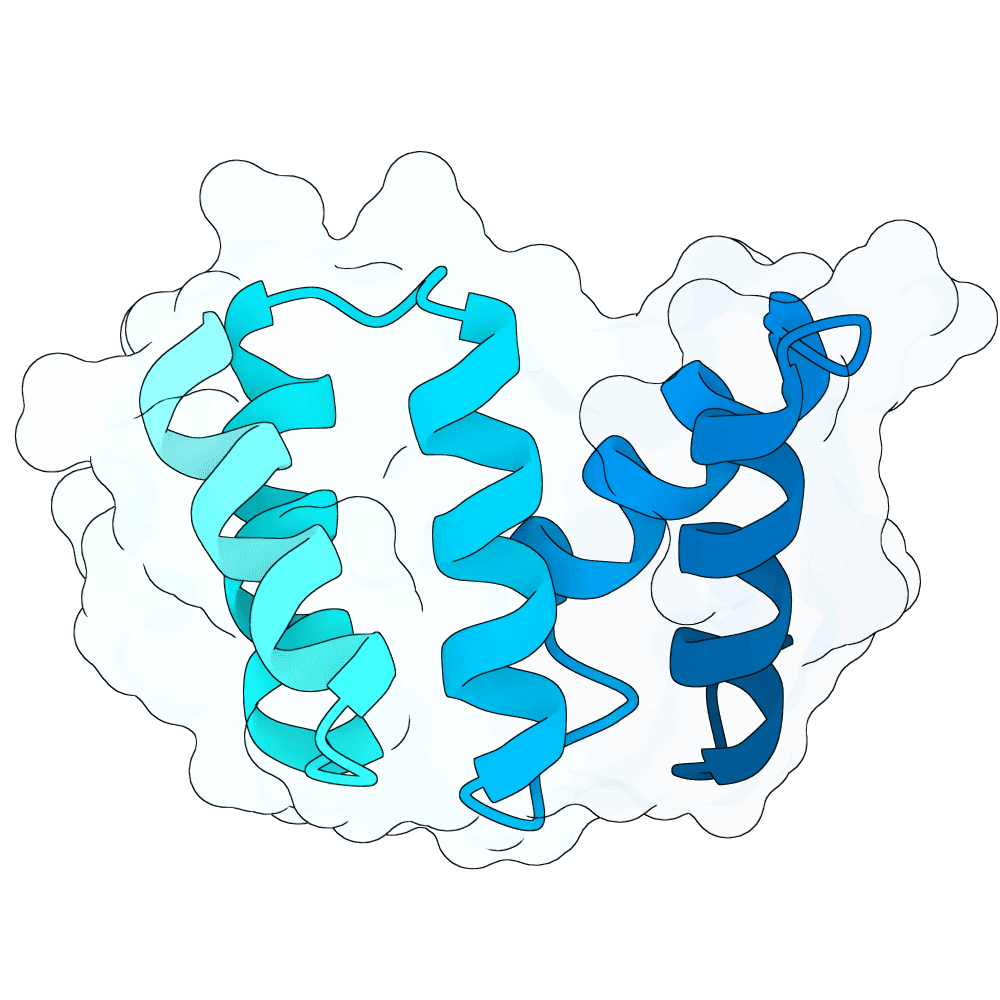
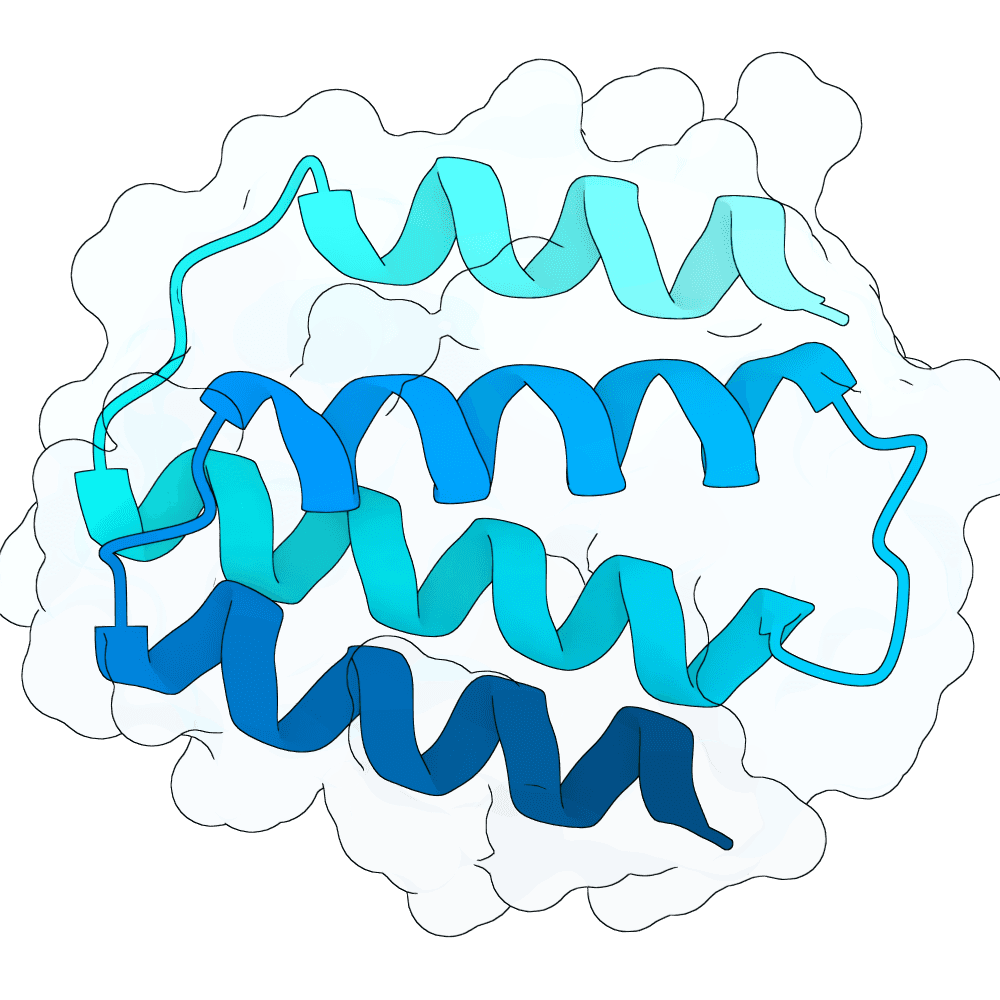
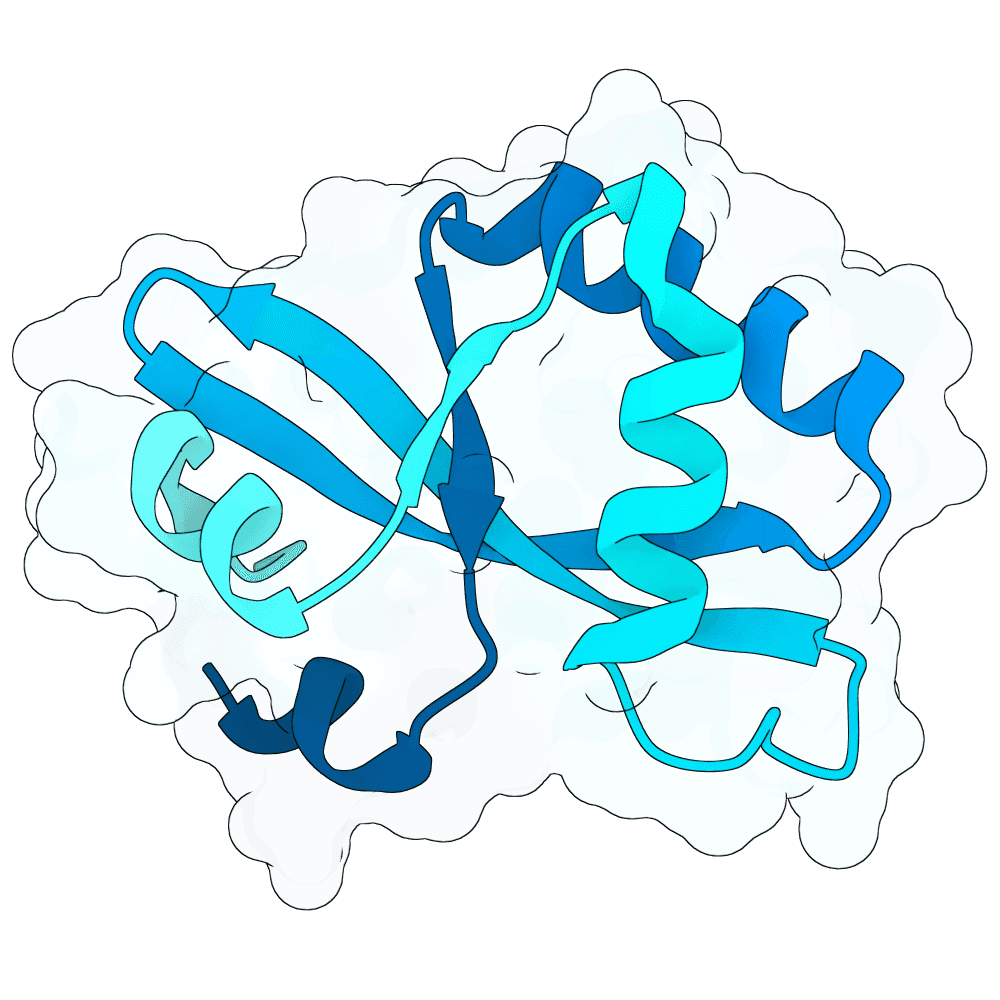
RBX1's RING-H2 domain (67 structured residues, 4,691 Ų SASA) is a challenging target — tiny, rigid, zinc-stabilized, with a flat convex surface lacking deep pockets. Known partners bury >1,000 Ų BSA via large protein-protein interfaces. Prior competitions (EGFR, Bits to Binders, Nipah) showed that diversity of design approach consistently outperforms optimization on a single binding mode, so we divided our budget across seven campaigns targeting different epitopes with two orthogonal methods.
Target selection. We aligned 8 RBX1 crystal structures against the apo NMR ensemble (2LGV), confirming the RING domain is rigid across all known complexes (<1.3 Å RMSD). We selected 1LDJ chain B (3.0 Å, complete coverage of res 40–106) as the primary design target, extracting the chain with all three structural zinc ions via gemmi.
Surface analysis. Of 67 RING residues, only 22 (33%) contact any known partner — 45 residues (67%) are completely free. The only structurally validated PPI surface is the E2/GLMN face (~9 residues in the α2 helix cluster). We mapped every known contact onto the RING surface to identify six distinct targetable regions.
RFD3 campaigns (C1–C5, 475 backbones). We used RFD3 (RosettaCommons/foundry) with low-temperature sampling (step_scale=3, gamma_0=0.2) for high designability, recovering diversity through campaign variety. SolubleMPNN designed 8 sequences per backbone (temp=0.2, no cysteine) yielding 6,656 candidates. Campaigns targeted: the validated E2-face (C1, 26%), anterior wrap (C2a, 11%), posterior/C-terminal wrap (C2b, 11%), back-face exploration (C3, 21%), β-augmentation with the N-terminal strand co-diffusing (C4a, 16%), β-augmentation against RING alone (C4b, 10%), and fully unconstrained diverse hedges (C5, 5%). C4a used select_fixed_atoms to let the disordered N-terminal strand (res 30–39) co-diffuse with the binder while keeping the RING rigid — a high-risk strategy since the BLI assay presents apo RBX1 with the strand disordered.
Mosaic campaign (C6, 50 designs). We ran Mosaic (escalante-bio) as a parallel, orthogonal method — gradient-based multi-objective optimization backpropagating through Boltz2 and SolubleMPNN simultaneously. Loss terms: BinderTargetContact, WithinBinderContact, RadiusOfGyration, bidirectional PAE, IPSAE_min, InverseFoldingSequenceRecovery, and a hard NoCysteine penalty. Two sub-campaigns: C6a (free exploration, 40 designs at lengths 60–120) and C6b (soft E2-face bias, 10 designs). Used the 1LDJ crystal chain as a Boltz2 template.
Filtering. Protein-level filters informed by Bits to Binders failure analysis: no cysteine (disulfide-mediated expression failure), K+E fraction <30% (the #1 MPNN failure mode — all-helix designs with excess K+E), EE repeats <8 (ribosomal stalling), and length ≤250 aa. MMseqs2 clustering at 65% identity collapsed same-backbone MPNN siblings (~2× reduction), selecting the best seq_recovery per cluster. This reduced ~6,700 candidates to ~1,545.
Structure prediction. All 1,545 candidates were folded as binder–RBX1 complexes with 3 Zn²⁺ ions via Boltz Lab ($39 total). We computed BSA (BioPython ShrakeRupley), CMS (distance-weighted BSA via py-contact-ms), cross-chain H-bonds with unsatisfied donor tracking, ipSAE_min (DunbrackLab IPSAE — best single predictor of experimental binding per meta-analysis of 3,766 designs), pDockQ, refolding RMSD (Kabsch alignment of Boltz vs RFD3 backbone), and K+E-in-helix ratio via DSSP.
Selection. RFD3 designs were hard-gated on refolding RMSD ≤2.0 Å and ipSAE_min ≥0.4, then composite-ranked (BSA + CMS + H-bonds + ipSAE percentile). Mosaic designs were gated on ipSAE only (self-consistent, no refolding RMSD) and ranked by BSA + CMS. Pro-rata allocation across campaigns with minimum 1 slot guaranteed diversity. Final set: 78 RFD3 + 22 Mosaic = 100 candidates.