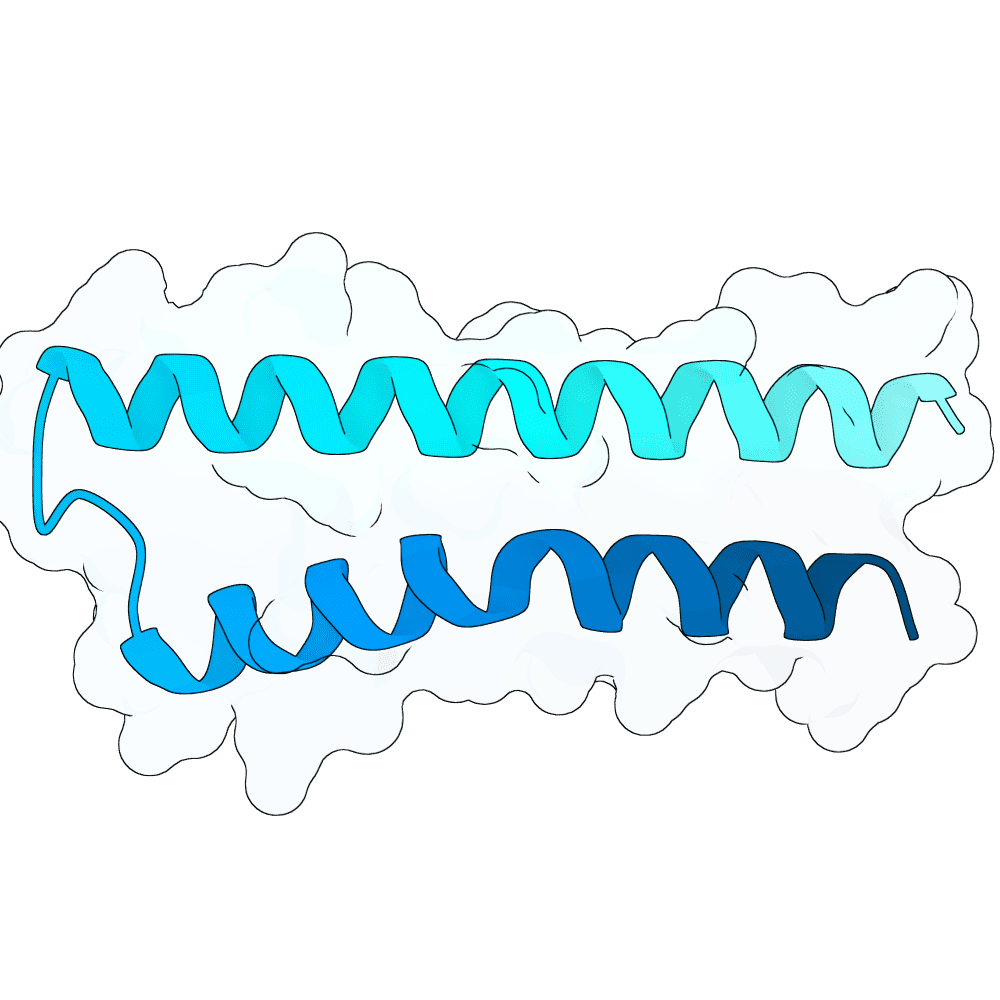
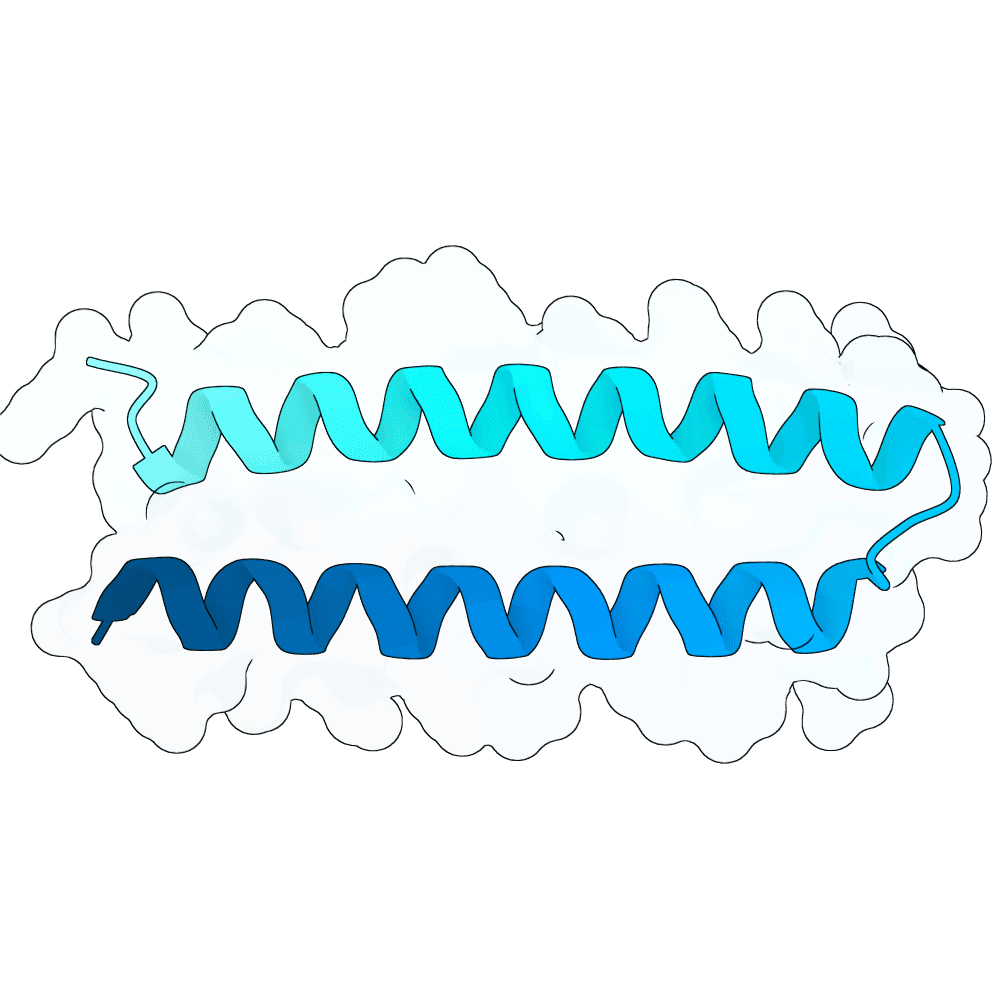
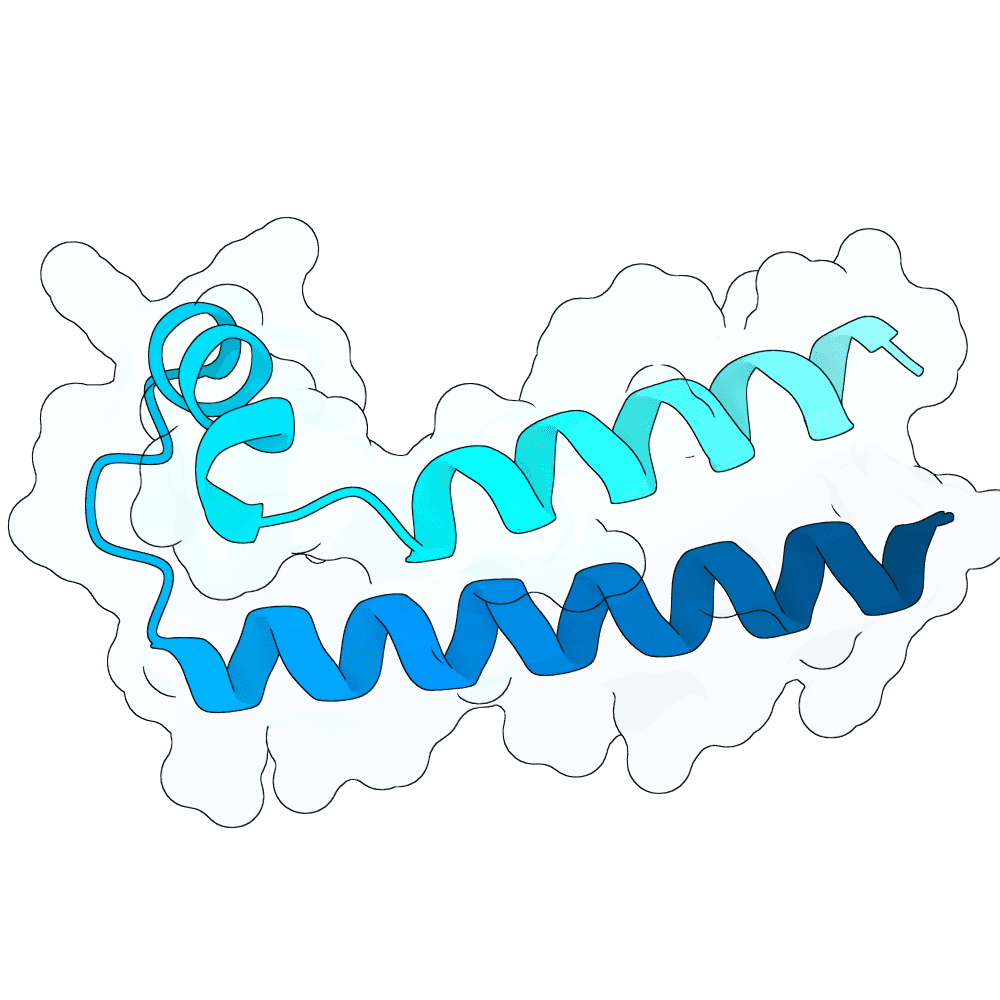
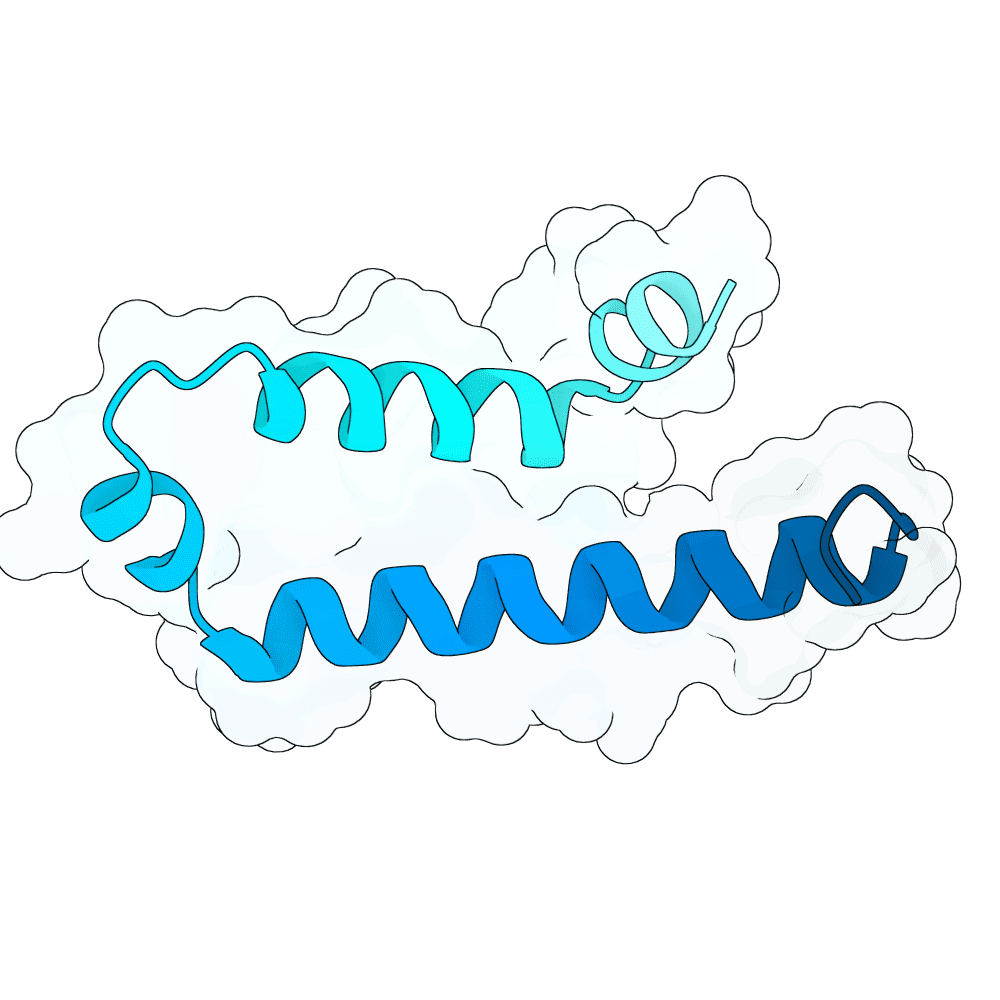
Description
This campaign targeted RBX1 (RING-box protein 1), a small 108-residue protein anchoring the cullin-RING E3 ubiquitin ligase complex. RBX1 presents a challenging design target: a compact RING-domain core stabilized by three zinc ions, a disordered N-terminus, and multiple functional interfaces buried in different complex contexts. Our central thesis was that success on RBX1 is primarily an epitope-selection and ranking problem on a difficult target, not a pure generator bake-off.
Epitope Selection, Hotspot Residues, and Panel Strategy:
We adopted a three-lane portfolio approach to hedge against uncertainty in which surface is most designable. Lane 1 (E2-face, 60% of effort) targeted the RING-domain face responsible for E2 enzyme recruitment — hotspot residues 70–78, 85–91, and 99–102 (20 residues) — guided by the 2LGV NMR structure and the 4F52 GLMN inhibitor complex. Blocking E2 recruitment is a plausible inhibition mechanism and the surface is well-exposed. Lane 2 (cullin-adjacent, 25%) targeted the opposite RING-domain face at residues 54–60, 63–69, and 103–108 (20 residues), informed by the 1LDJ cullin complex where RBX1 engages Cul1 through an intermolecular beta-sheet. Lane 3 (IDR-transition, 15%) was an exploratory moonshot targeting the disordered-to-structured transition zone at residues 31–52 (22 residues), motivated by the competition's explicit mention of the N-terminal disorder challenge. A fourth global unconstrained track applied no epitope constraints for unbiased diversity. Zinc-coordinating residues were deliberately excluded as primary hotspots — metal coordination sites are brittle targets where small perturbations disrupt binding geometry. Masks were refined through visual inspection of 2LGV, 1LDJ, and 4F52 structures.
BoltzGen Generation Pipeline:
We generated 420 structures across all lanes. BoltzGen served as the primary generator, producing 360 backbone CIFs across strict (tight epitope envelope), relaxed (broader sampling), and nanobody-anything variants for each lane, plus the global track. IgGM contributed 60 nanobody-specific structures as an orthogonal method. All jobs ran on Hugging Face Spaces. Each lane's BoltzGen configs mapped canonical hotspot masks to structure-specific binding ranges on 2LGV — E2-strict used residues 59–67, 74–80, 88–91; cullin-strict used 43–49, 52–58, 92–97.
Mosaic Lane — Hotspot-Guided De Novo Design:
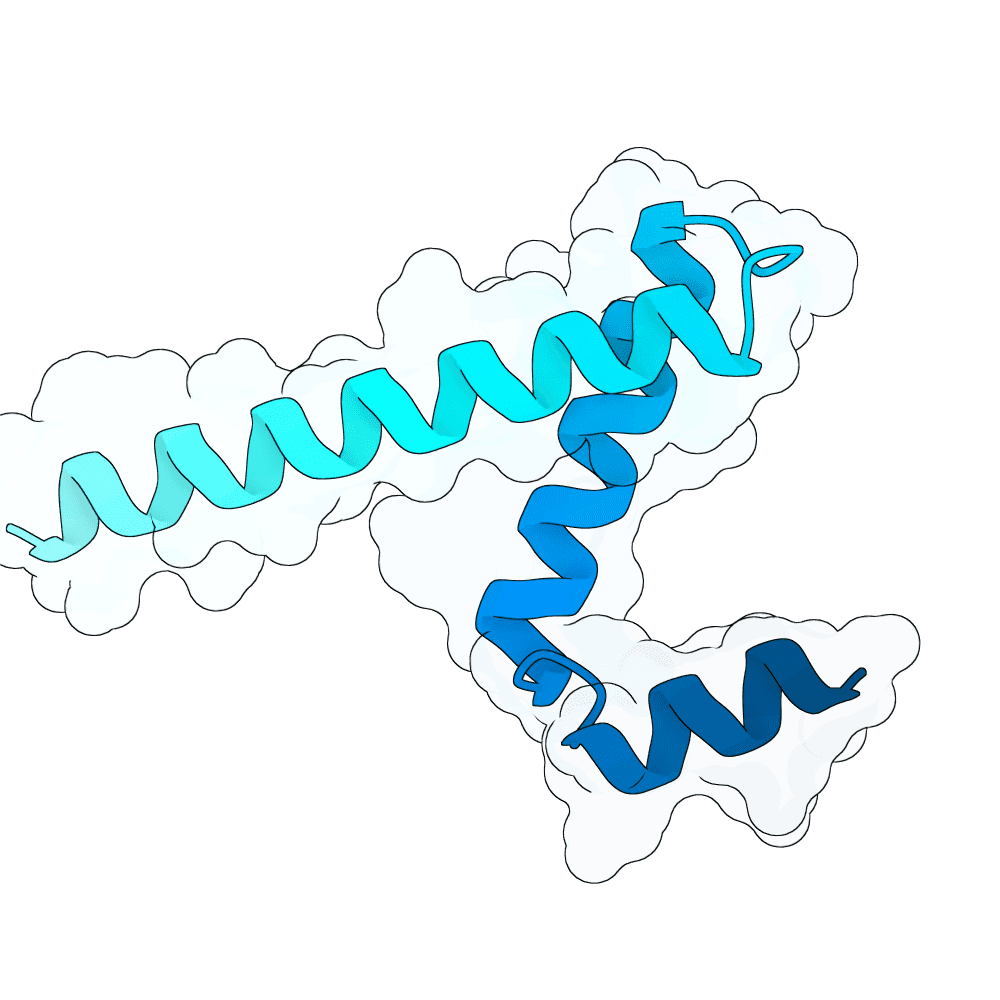
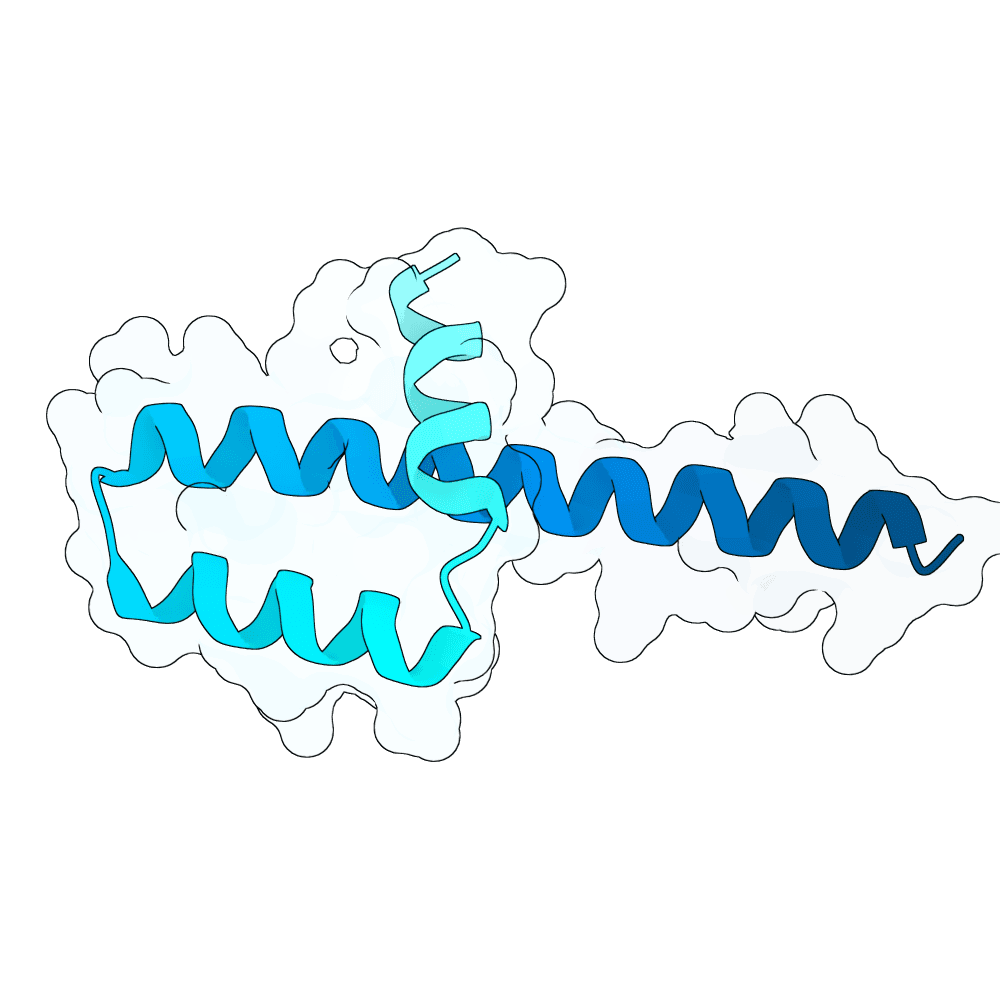
In parallel with BoltzGen, we ran a dedicated Mosaic lane (escalante-bio/mosaic) using Protenix2025 as the structure prediction backbone on Modal GPU infrastructure. Mosaic is a gradient-based binder optimizer that jointly designs sequence and structure while steering toward specified hotspot contacts. We tested four variants: the three canonical epitope sites plus a no-hotspot control, using 64-residue binders with 50 design steps, contact distance 8.0 Å, and contact weight 3.0. The no-hotspot control achieved the best raw iPTM (0.921), while cullin-adjacent reached 0.895, IDR-transition 0.859, and E2-face 0.847. Hotspot-guided variants showed strong epitope contact fractions (75–82%), confirming all three sites are targetable even if unconstrained design scores higher on raw metrics. This validated our epitope selection and provided complementary candidates from a fundamentally different design method.
Inverse Folding and Sequence Design:
Backbone structures were threaded through ProteinMPNN and SolubleMPNN in parallel Hugging Face queues. SolubleMPNN variants were prioritized based on lessons from the Adaptyv Nipah competition, where solubility-aware design correlated with better experimental outcomes.
Validation, Ranking, and Submission:
All top candidates were validated using Protenix with prebuilt MSAs, running multi-seed complex structure predictions (seeds 2, 42, and 43). No single-seed-only hits were advanced — dual-seed support was the minimum threshold. Ranking applied a multi-dimensional stack: multi-seed complex confidence (ipTM) as the primary gate, monomer pLDDT sanity, interface quality (contact counts, packing), expression/solubility heuristics, novelty compliance (MMseqs2 full-length and 30-residue sliding-window at the 75% identity threshold), and portfolio-level diversity. The strongest hits spanned all lanes: global unconstrained produced the best ipTM (0.935), cullin-strict dominated broader tiers (8 of top 20), IDR-transition contributed 3–5 per tier, and E2-face 2–3. The final submission package comprises tiered sets — top 5 (10 sequences), top 12 (24 sequences), top 20 (40 sequences) — preserving family diversity across epitope hypotheses.