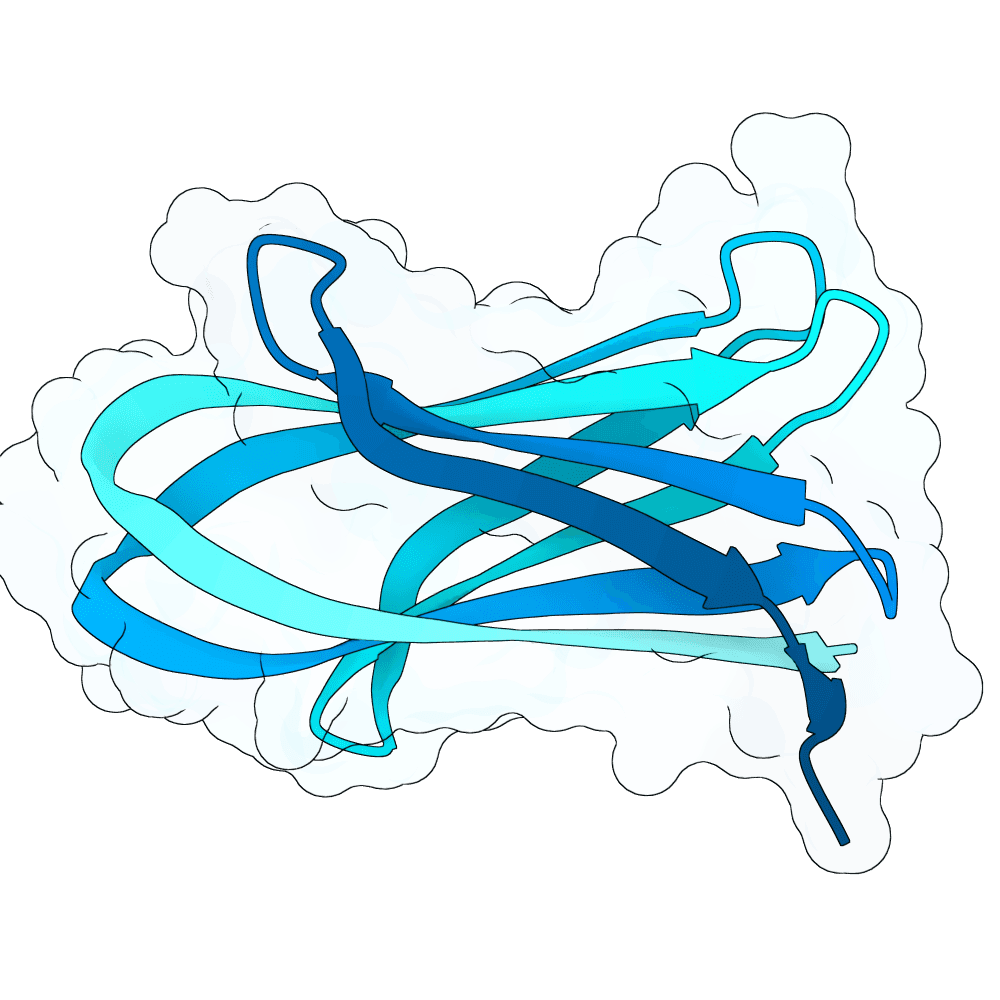
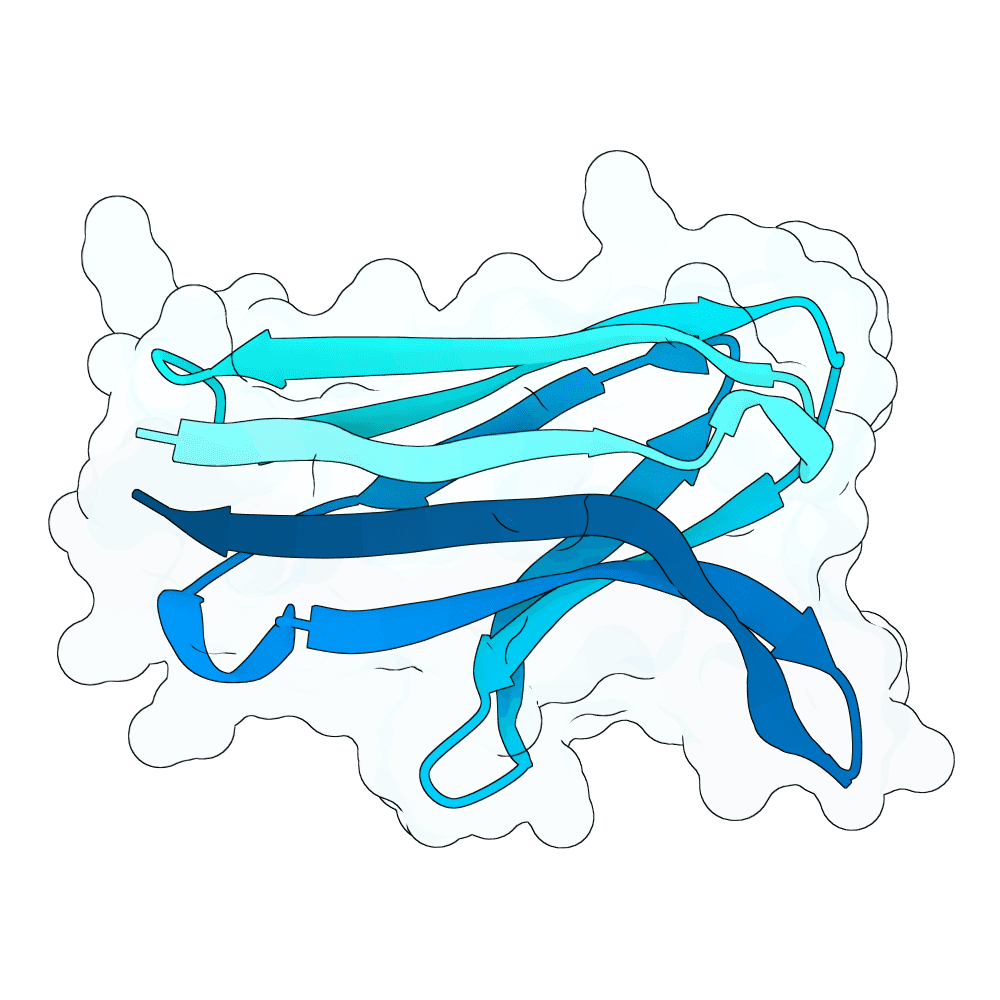
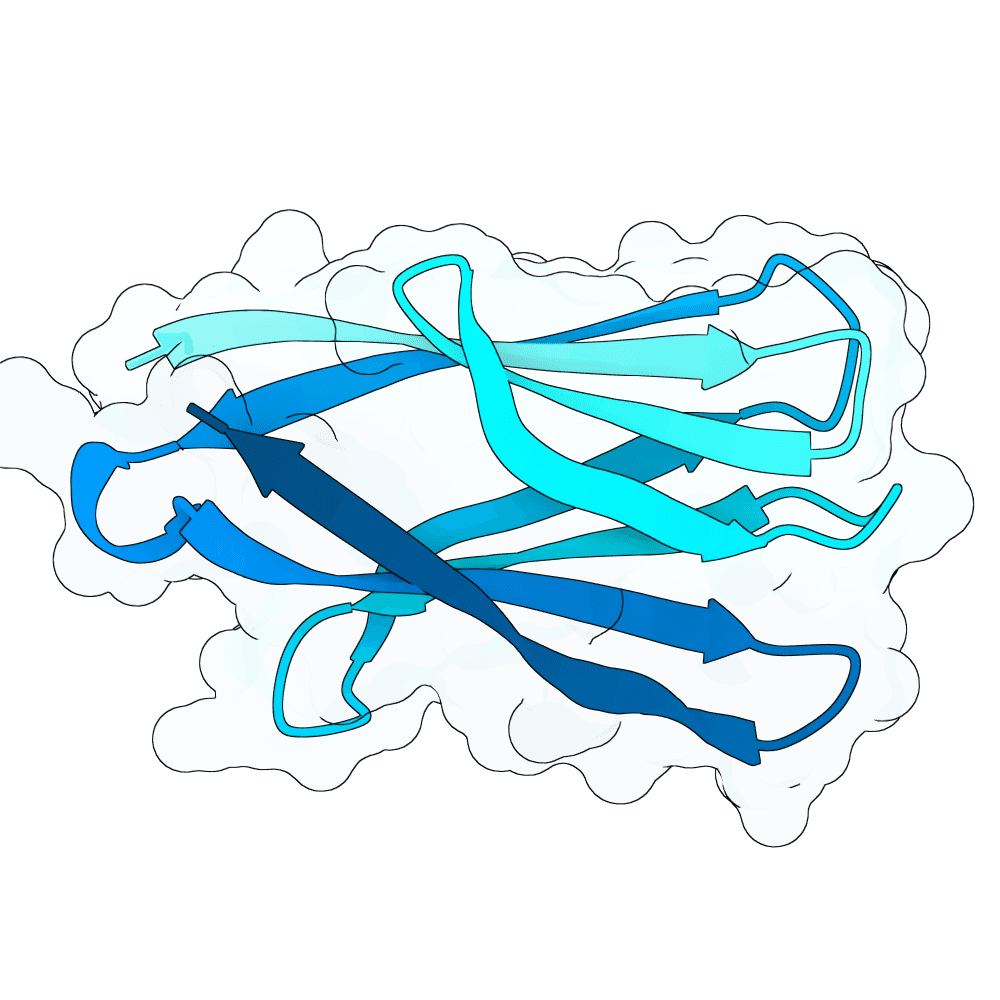
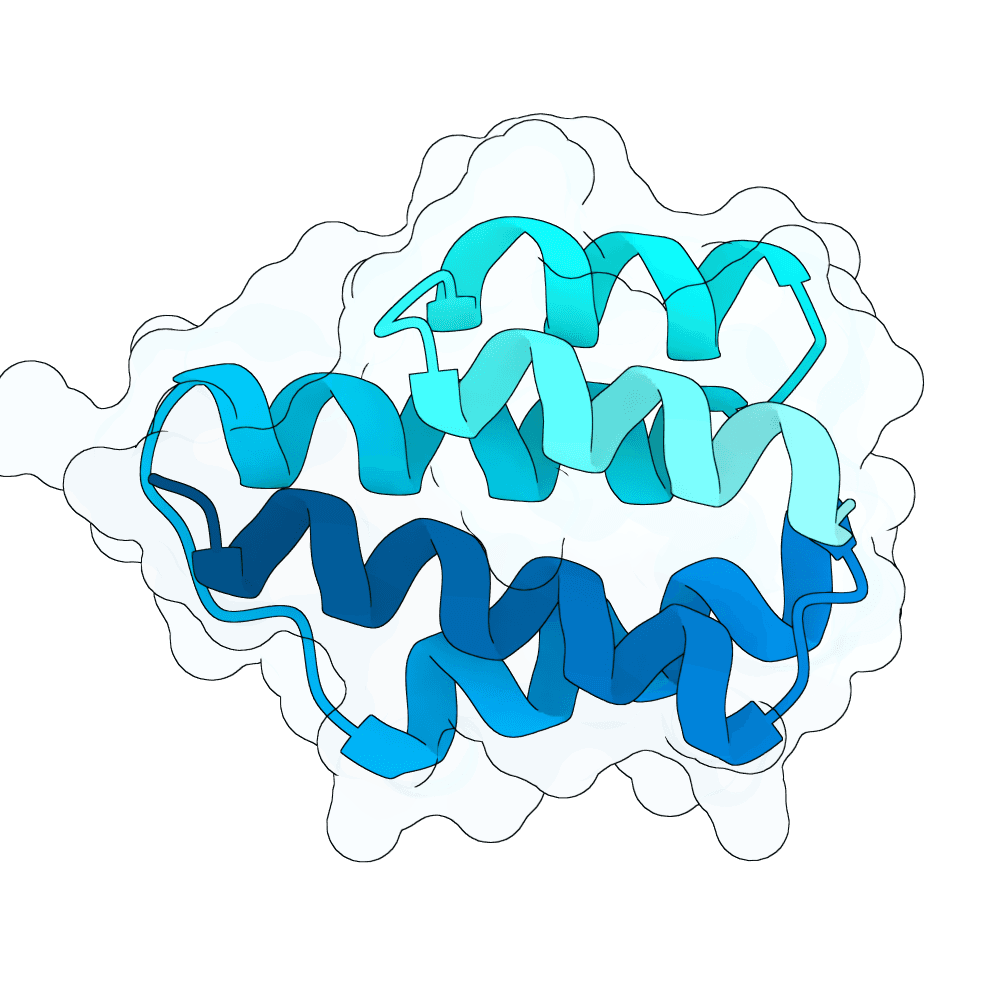
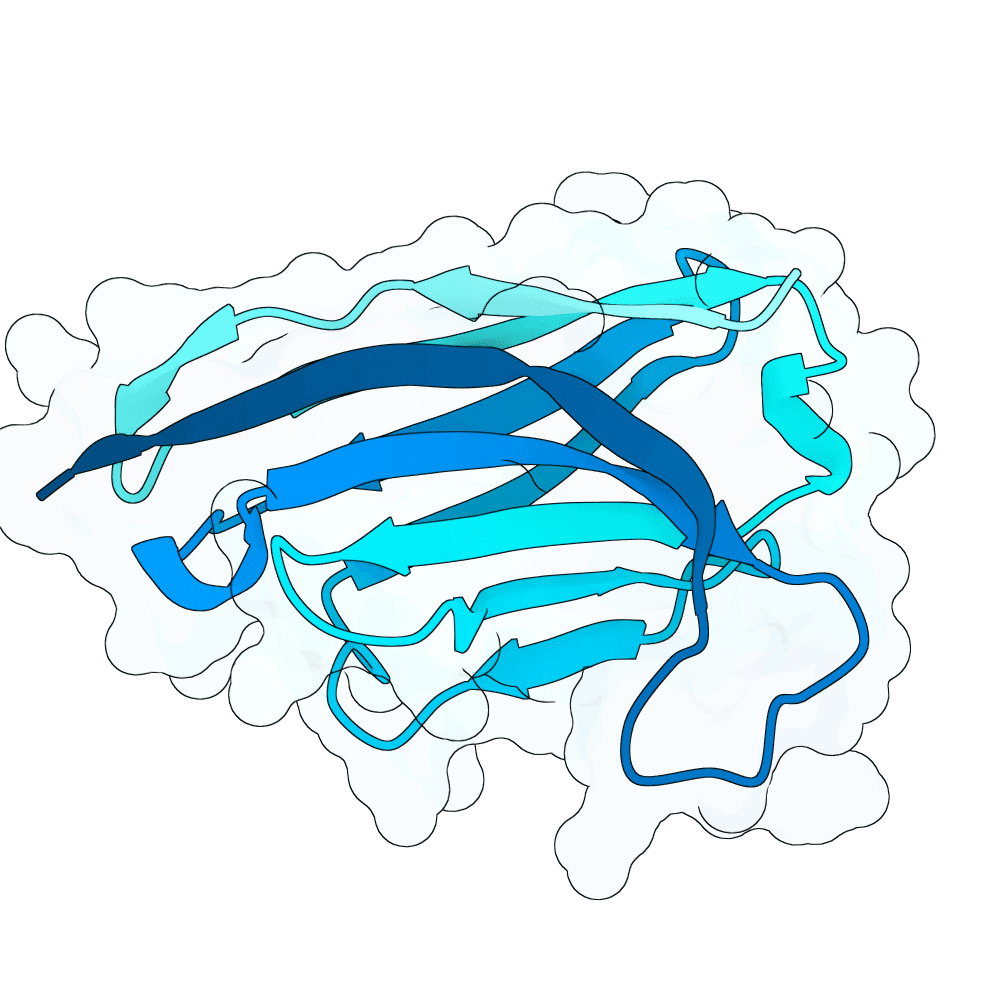
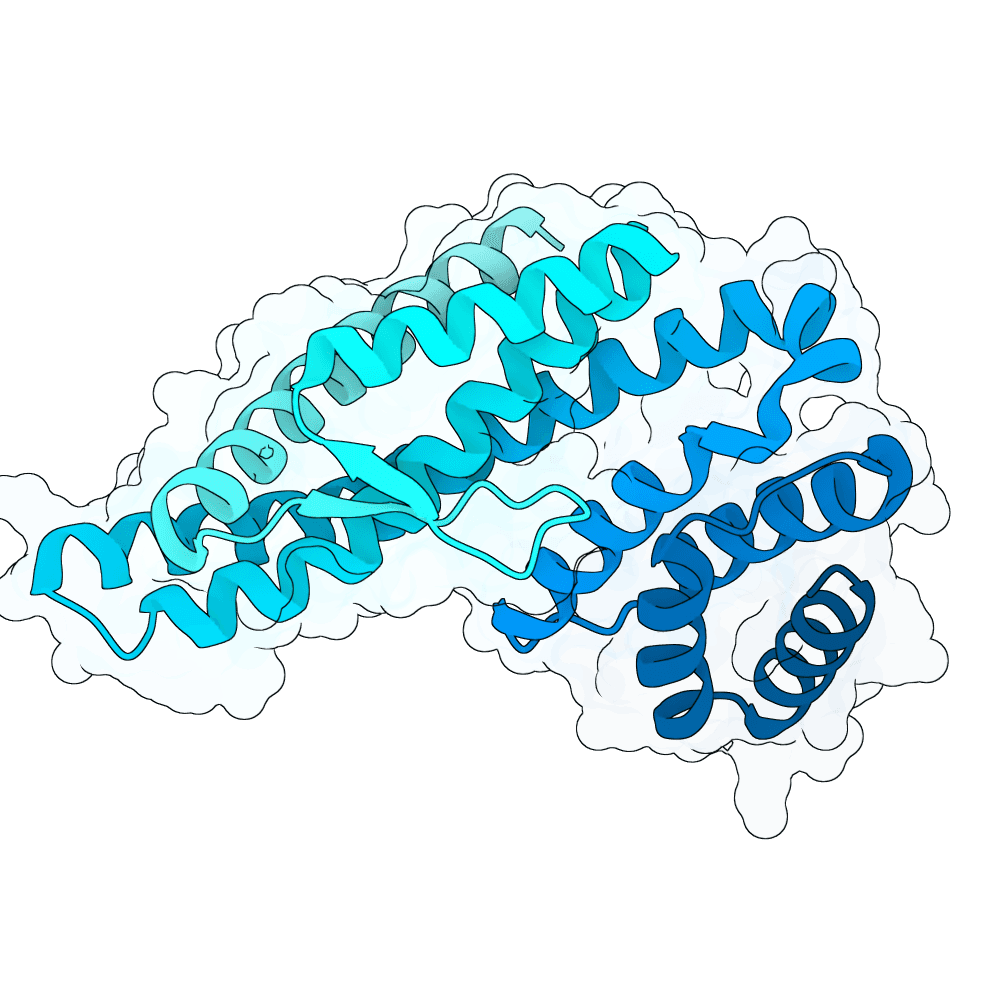
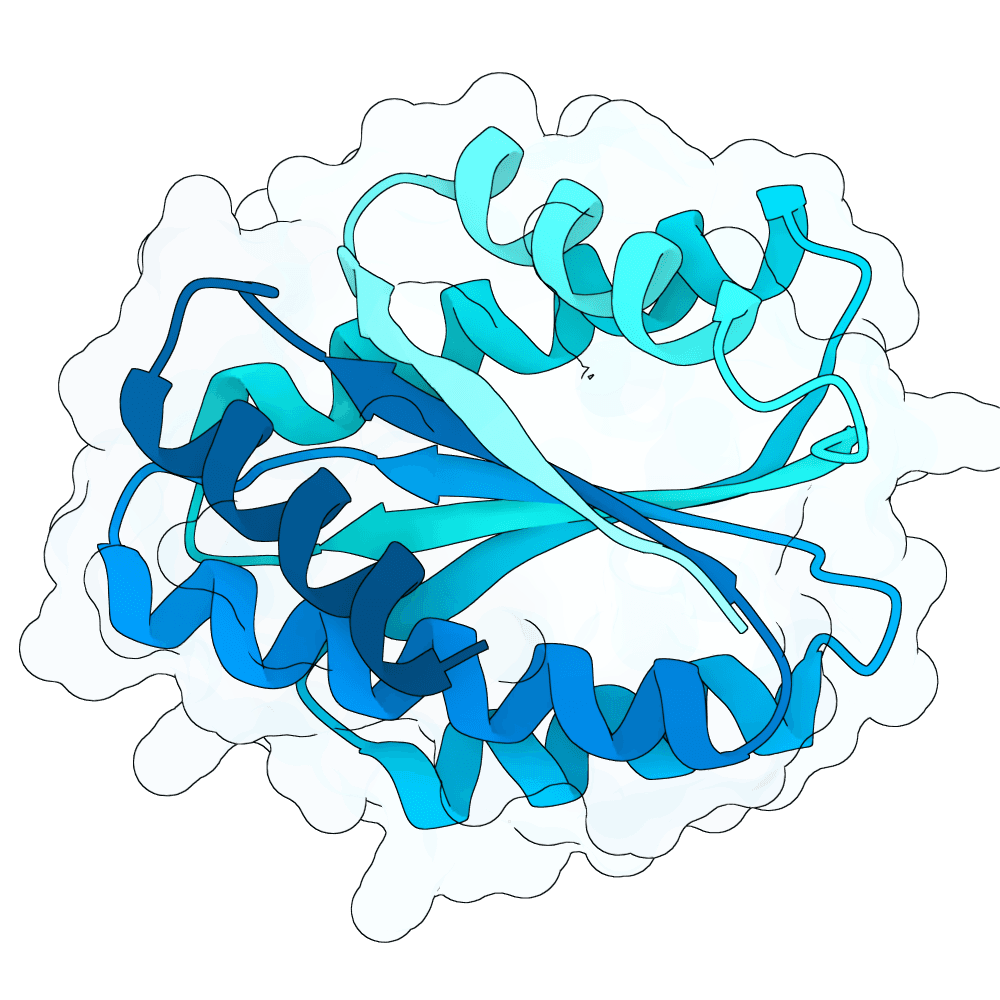
I took many methods to design these sequences, ranging from boltzgen to bindcraft to RFDiffusion - ProteinMPNN - Boltz2 to ProteinHunter. I used BoltzGen both with and without hotspots/binding cite specification. I also tried two different motif grafting approaches with BoltzGen. These two independent pieces I tried grafting come from structures I discovered after doing a literature search; namely 7ty0 and 8k0d. In 7ty0 we can see parts of a double coil system interacting favorable on the side (off-target; not in the pore) of the G-protein. I isolated the two coils and reduced them to only the parts that were within 5A of the nipah virus. The second independent piece comes from an antibody (8k0d) that binds to the nipah virus, and its H3 loop reaches very far into the pore of the nipah virus. I isolated this H3, thus creating my three pieces to graft; the H3 and the two coupled coils. Unfortunately, BoltzGen can not do multi-motif grafting in a single chain (at least that I could figure out, even after asking in their slack channel). This lead to my BoltzGen motif'ed designs only using the H3 from 8k0d (motif, no binding site specified). Other design strategies included letting BoltzGen freely design any binder shape it wants (no motif, no binding site), motif grafting via the H3 and specifying some key interacting residues (motif, binding site), and only specifying some key interaction residues (no motif, binding site). I took the top 20 designs per batch and refolded them via Boltz2, then calculated both ipSAE via the Dunbrack script, as well as tested whether the binder sat in the pore of the nipah virus or not. I noticed several designs did not actually block the binding event from happening - they were off target, even though BoltzGen thought they were good. I did this by making a dummy atom in the center of the pore at the very entrance, then doing a distance calculation from this point to all the alpha carbons in the binder. If at least 3 Ca's were within 6A of the pore entrance point, I considered it a steric occluder. I then filtered by ipSAE and only picked designs with a value >0.75.
I repeated this process without motif scaffolding, but now instead of letting BoltzGen create any binder it wants, I specified that it should produce a nanobody (protocol nanobody:anything).
While BoltzGen cannot, RFDiffusion can do multi-grafting in a single chain, so I pursued that as well. I created 2.5k backbones via RFD, splicing together the very buried H3 and the two side coils to "clamp" the binder down on 2 sides of the nipah virus. I generated 4 sequences per backbone but kept the motif sequences constant (i.e. the H3 sequence and the 2 coil sequences were not allowed to change). Afterwards I generated MSA's for all the sequences via MMseqs2, then folded the nipah virus-binder complexes in Boltz2. I then did exactly the same thing as the BoltzGen double check; fold the complexes, check for steric occlusion potential, filter by ipSAE >0.75. These 10 sequences are the top 10 sequences from each of these methods, pooled all together.
Expert panel / community vote
Specifically the binder "nipah_motif_bb2_137_1" is I think scientifically the most interesting, inducing a large conformational shift in the nipah virus, extensively interacting with both the pore, beta barrel wall, and neck of the protein, and placing lots of well-structured protein at the entrance of the pore. If I had to pick one singular protein for the community review/expert panel, this would be the one. It's ipSAE is only 0.76 (in my hands, at least. I have noticed a discrepancy in what I calculate/submit vs what you guys do - potentially due to rng in the boltz2 structure prediction?).