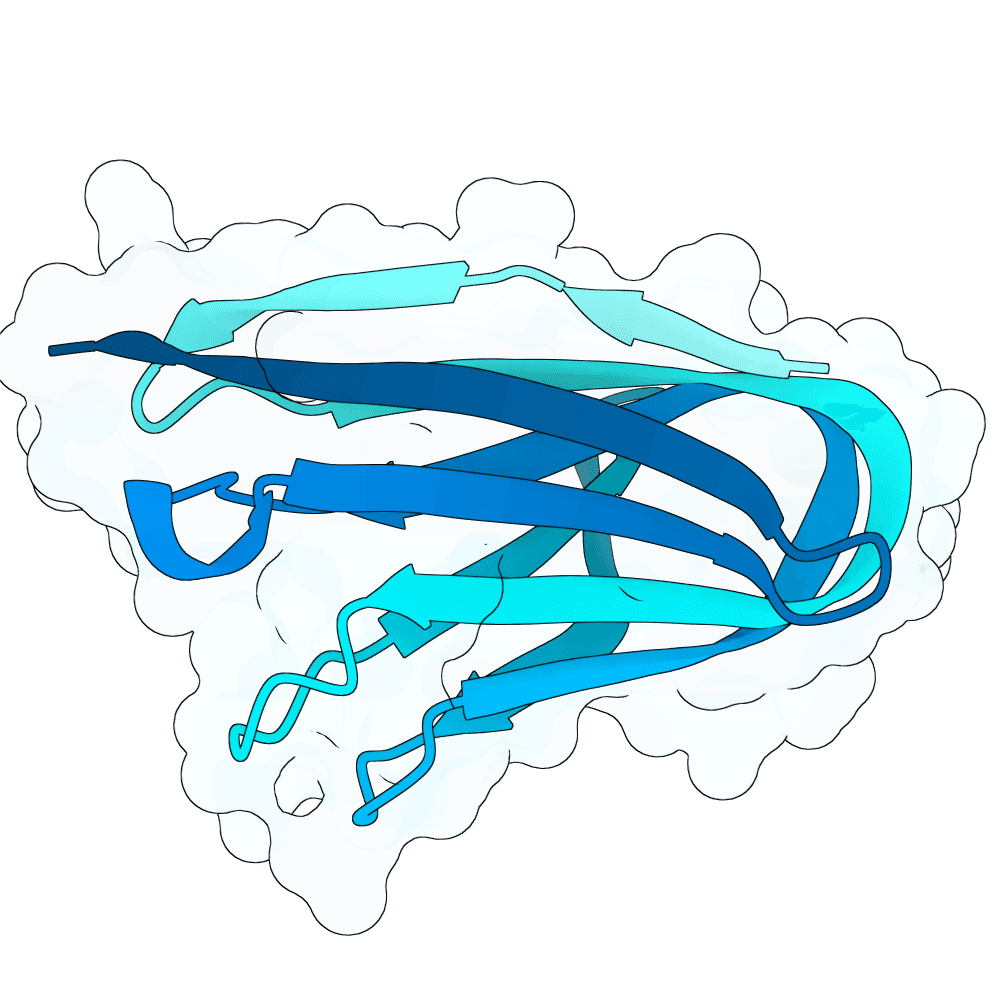
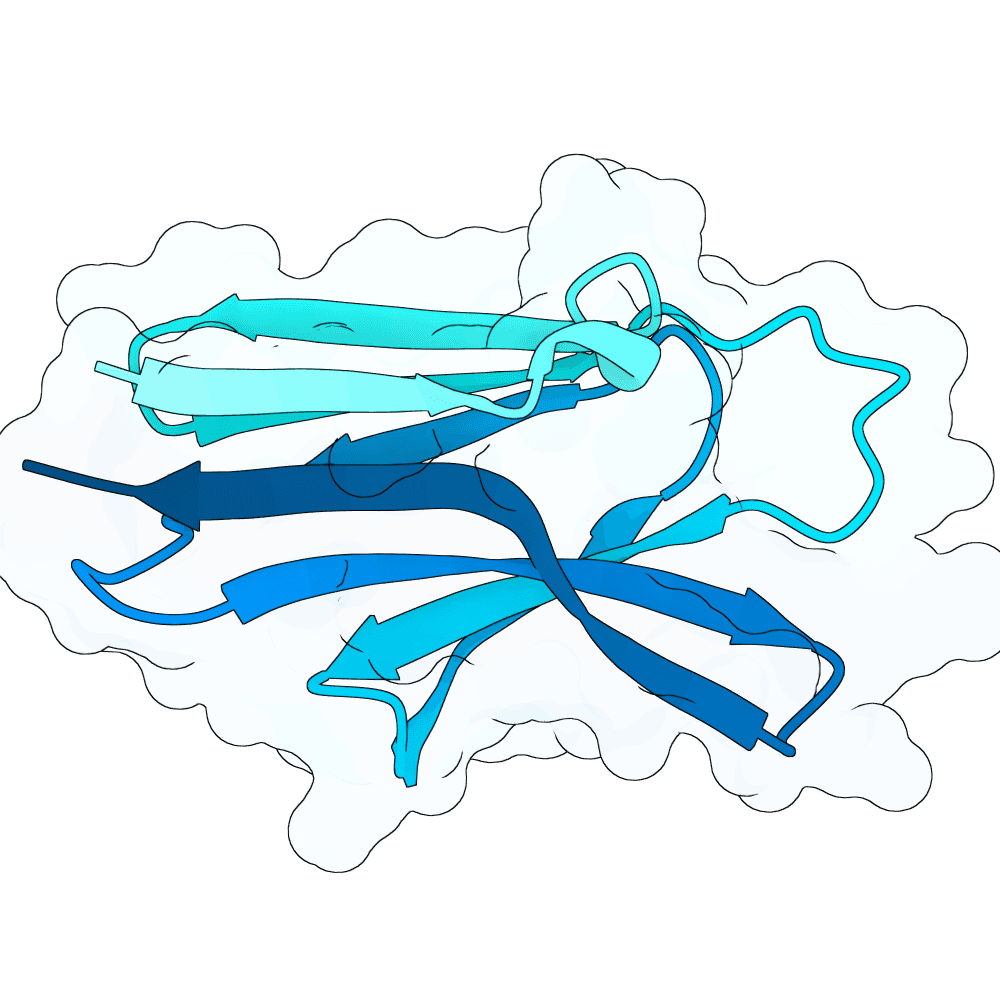
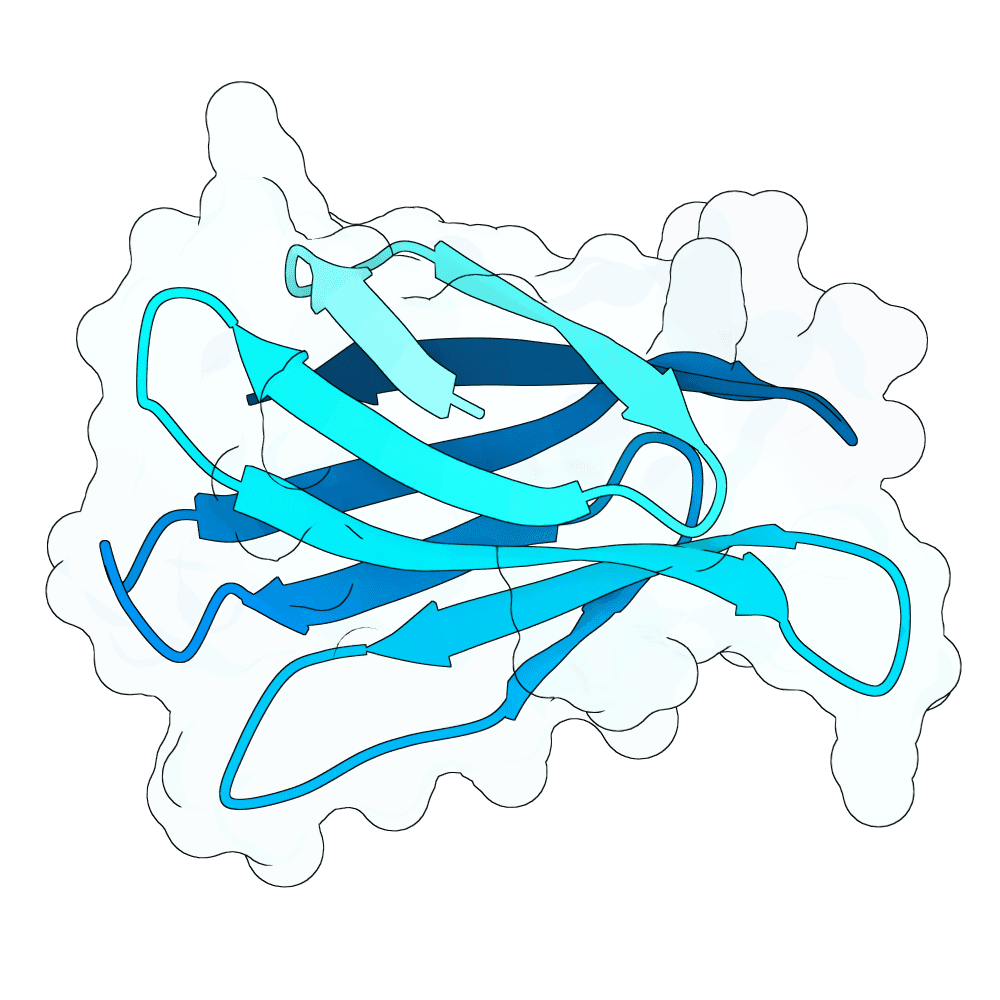
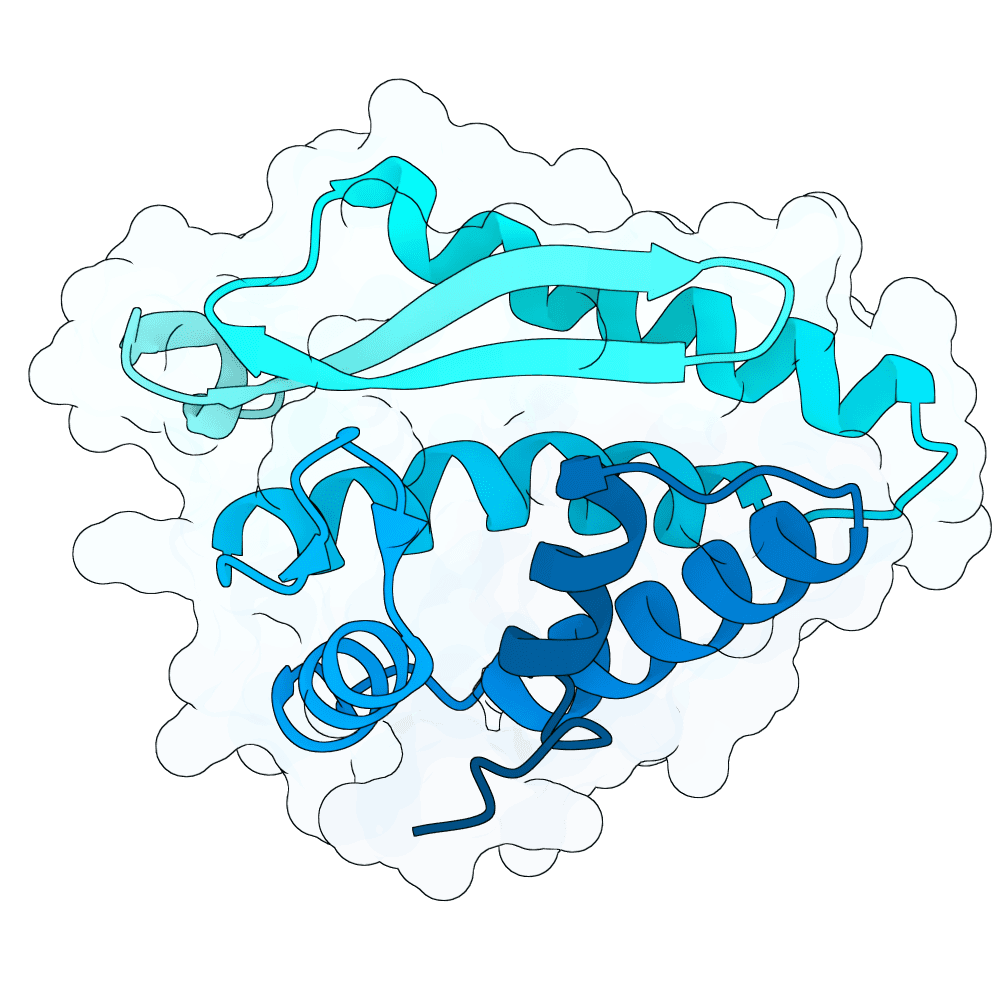
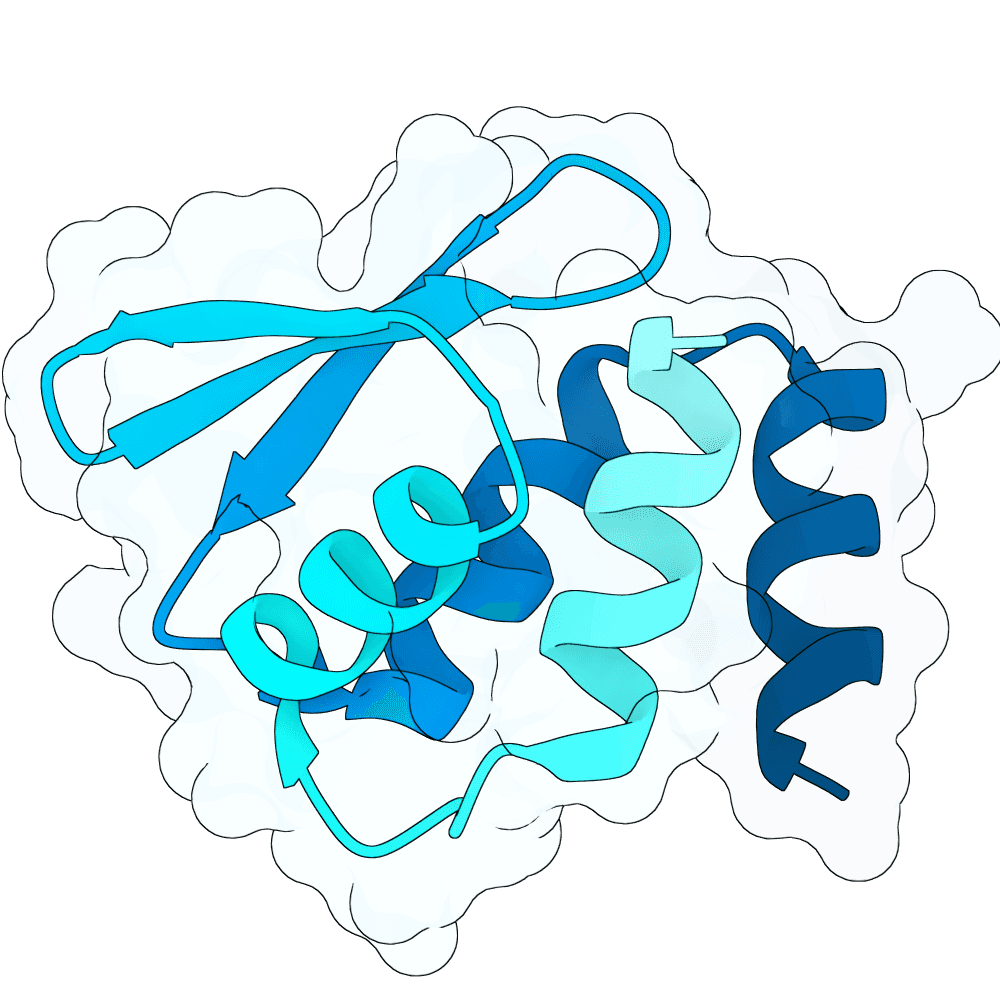
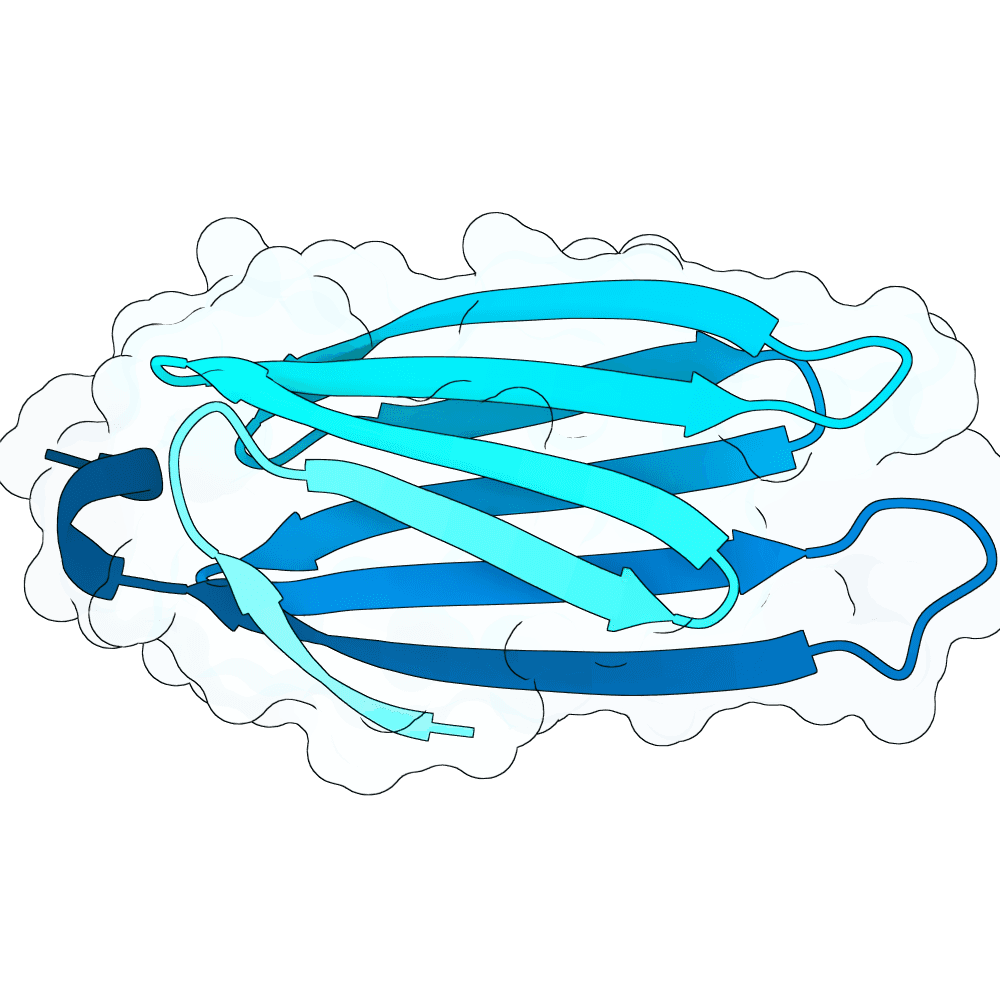
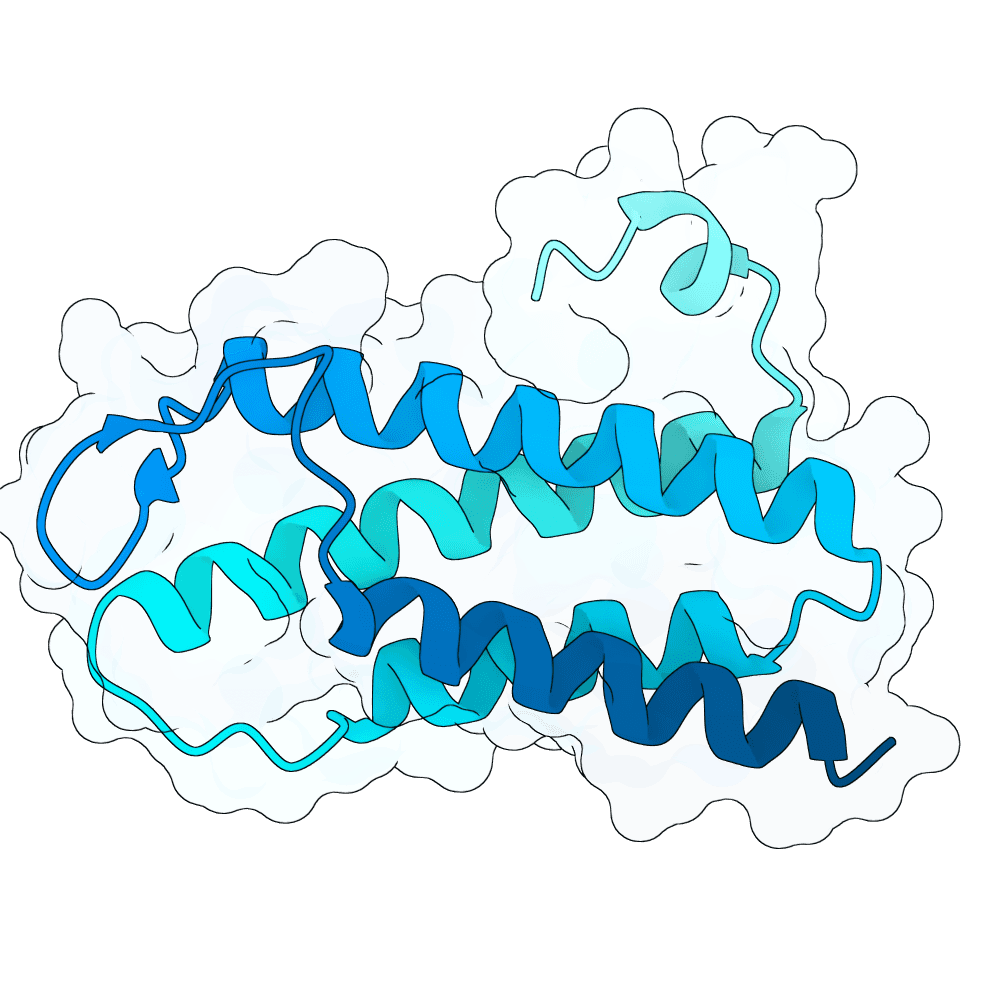
Description
Hypothesis. We started from the crystal structure of the Nipah virus G glycoprotein in complex with its human receptor ephrin-B2 (PDB: 2VSM). Our working hypothesis is that an effective neutralizing binder should competitively inhibit ephrin-B2 and ephrin-B3 by occupying an overlapping epitope. In practice, this means designing binders that engage a defined subset of the ephrin-contacting pocket residues on the G glycoprotein, with the goal of sterically blocking receptor binding while preserving the overall fold and accessibility of the target epitope.
Approach. Using this structure, we built a BoltzGen/Boltz-2 YAML specification that treats the extracellular domain of NiV-G as the fixed target and defines a de novo binder chain of 70–120 amino acids. The YAML design file constrains the binder to interact with a subset of nine hotspot residues on the ephrin interface of the G glycoprotein, effectively “pinning” the designed interface to the known receptor-binding pocket. BoltzGen then uses this specification to generate backbone-level designs and co-folded complexes in which the binder is geometrically positioned to contact these hotspots while remaining structurally compact and compatible with the target surface. Additionally we used the Bindcraft pipeline in parallel.
Context. This is the first Boltzgen run done by our team. 10k Intermediate designs were generated, filtered, and ranked to get the final ten sequences.