Description
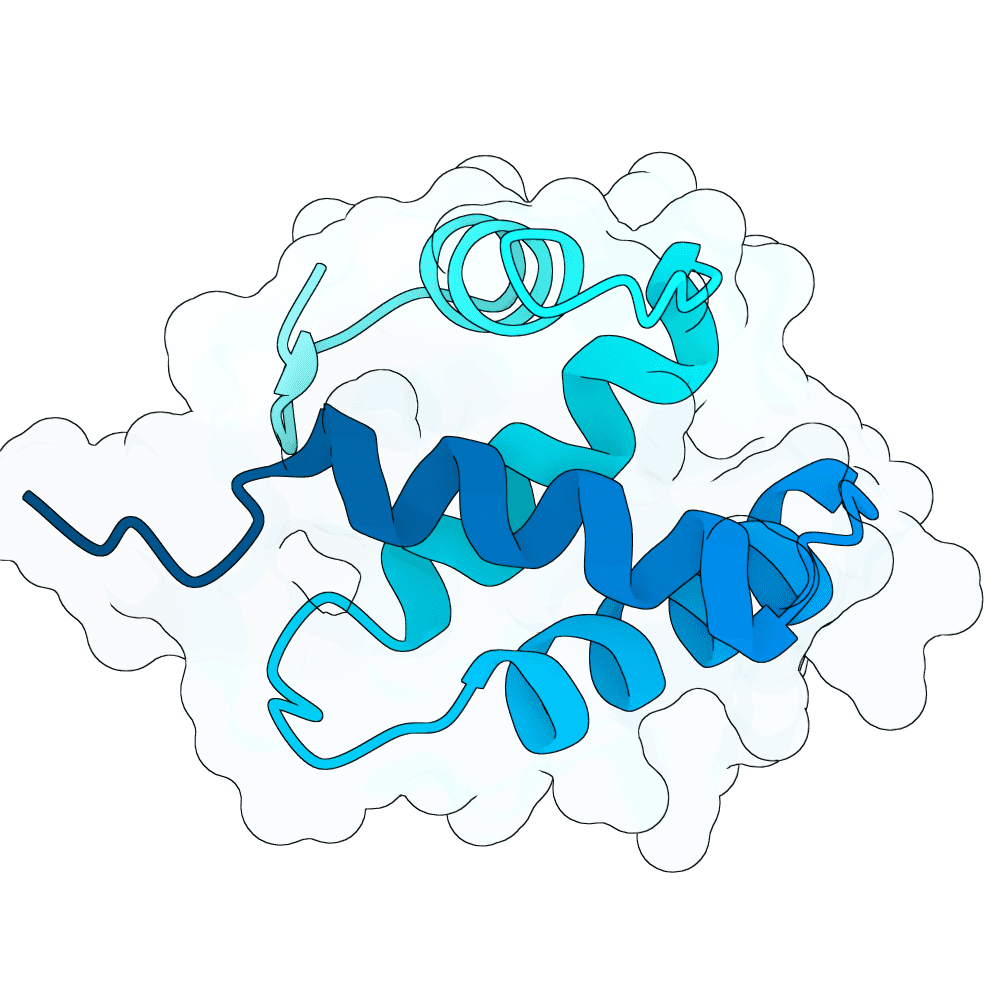
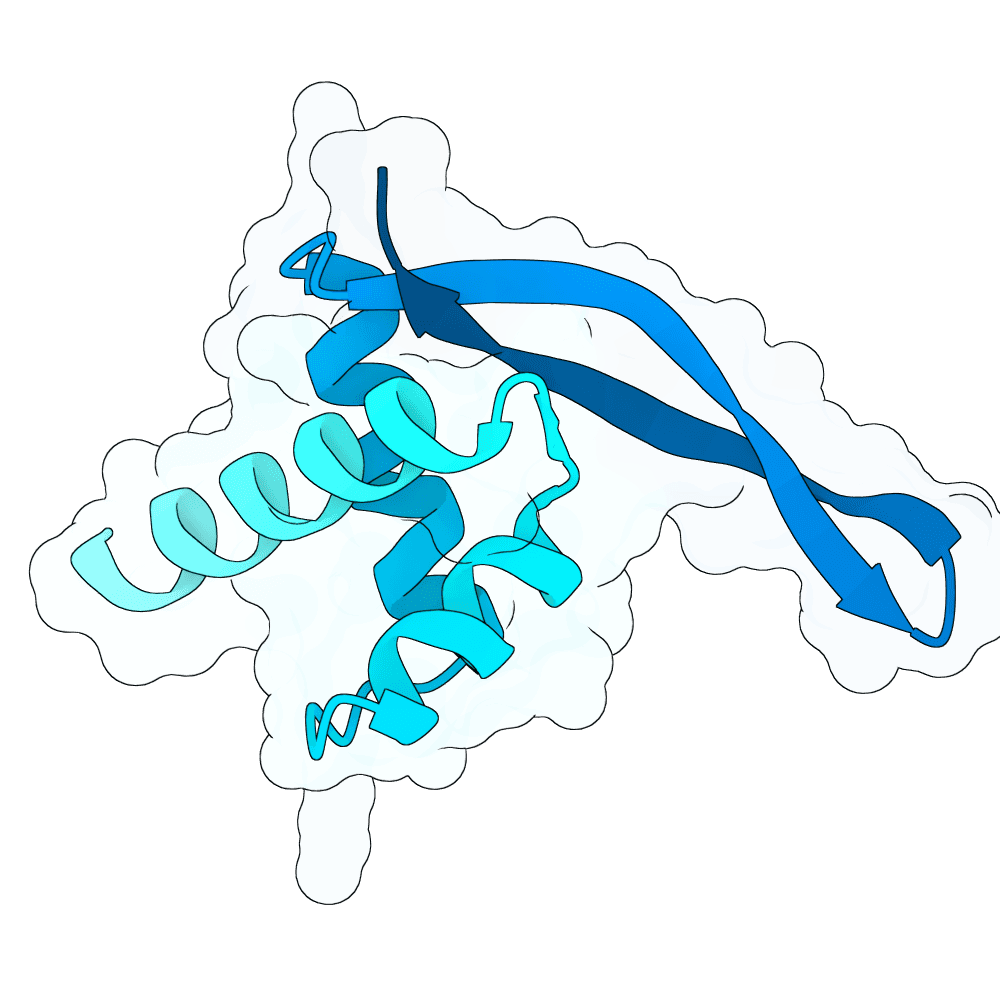
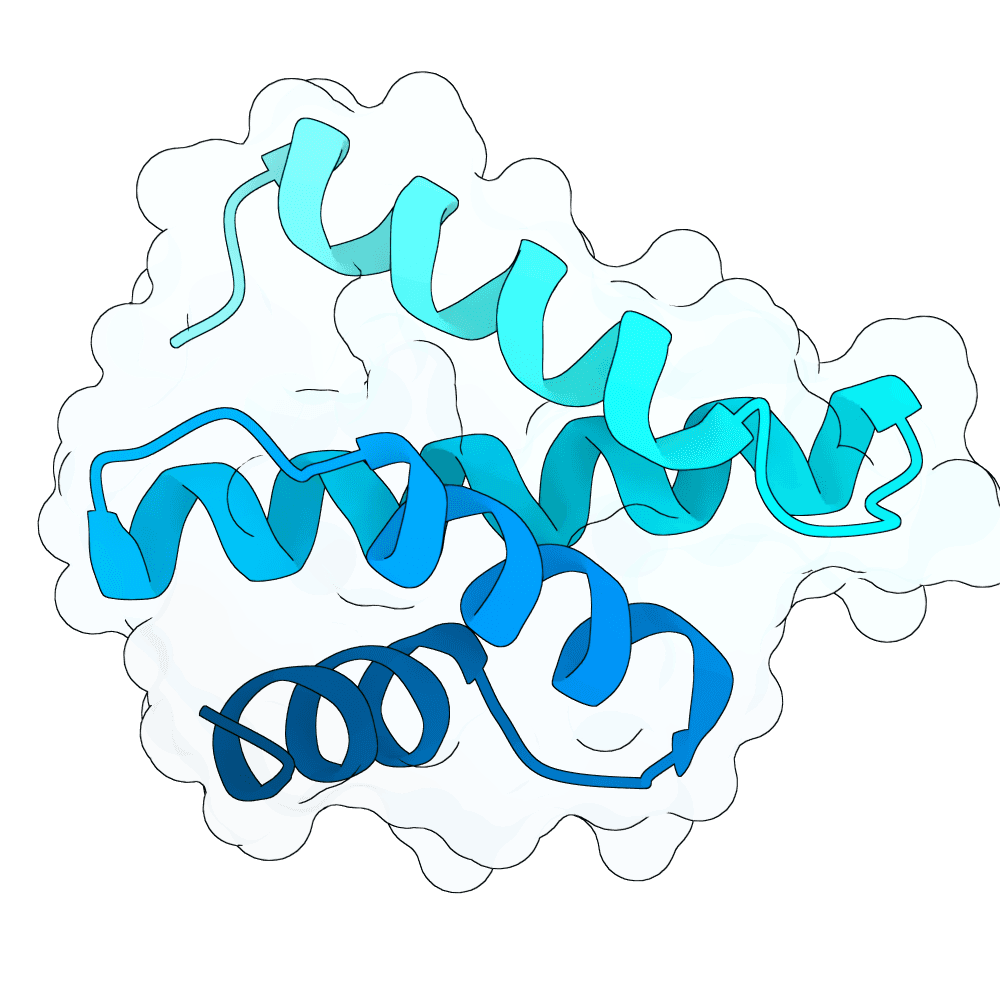
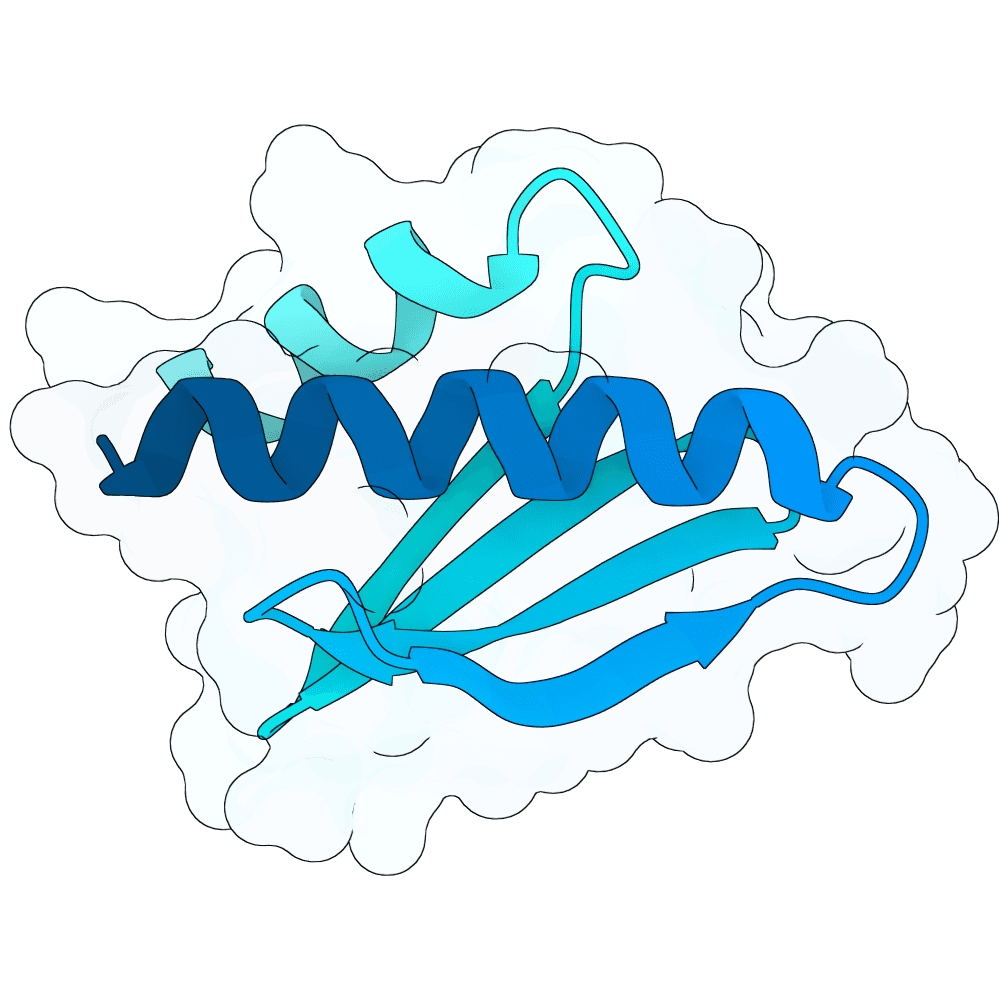
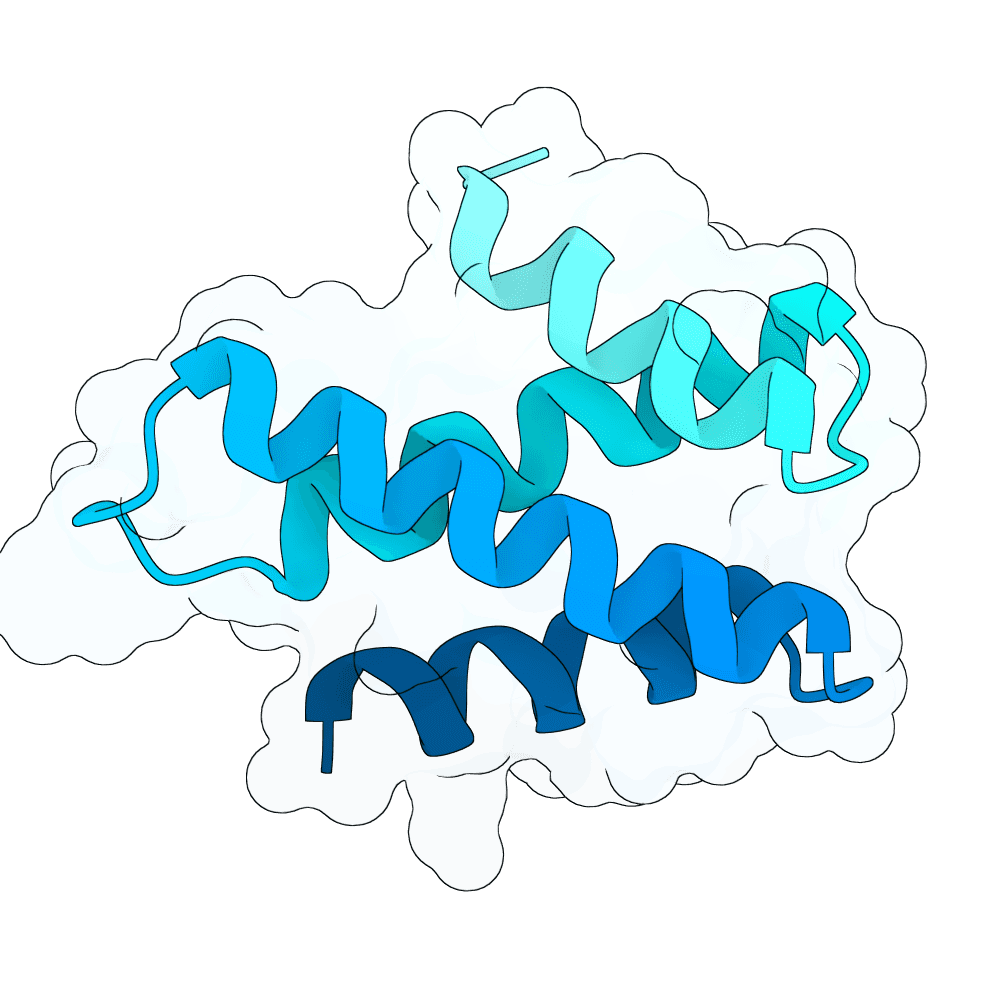
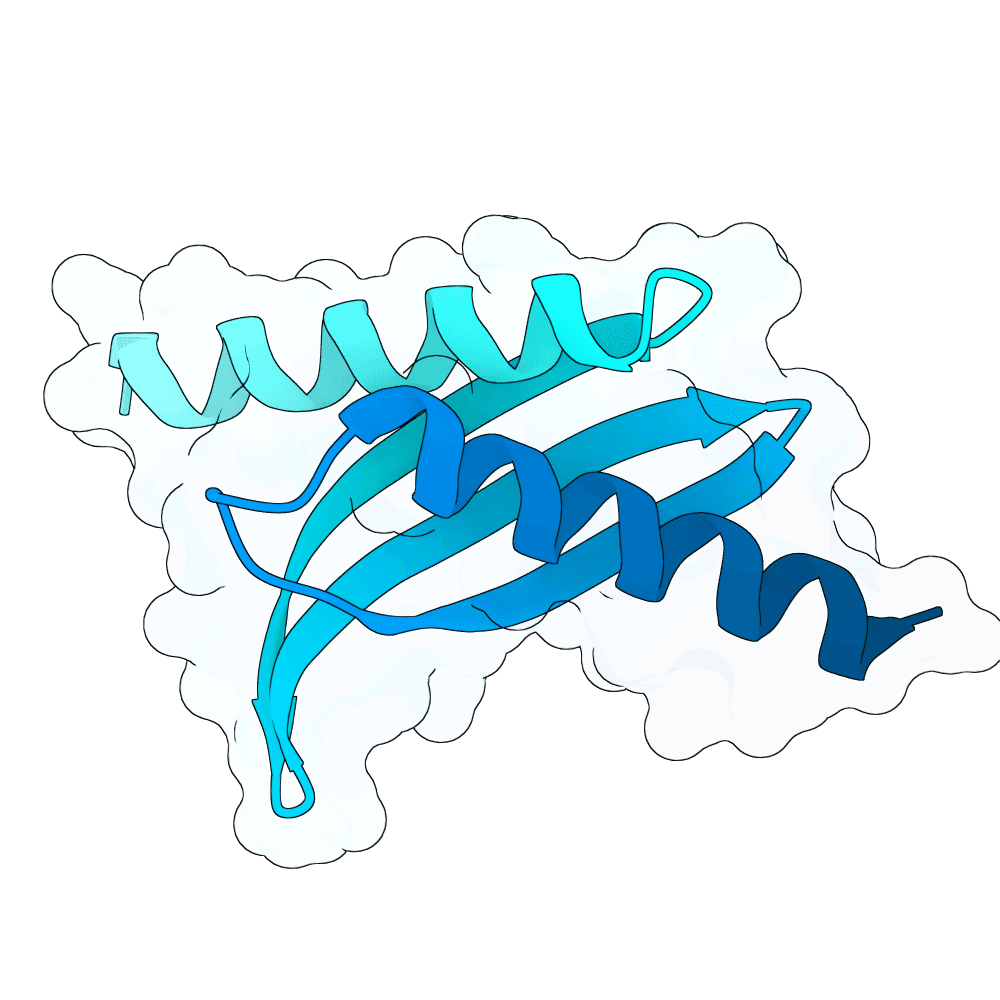
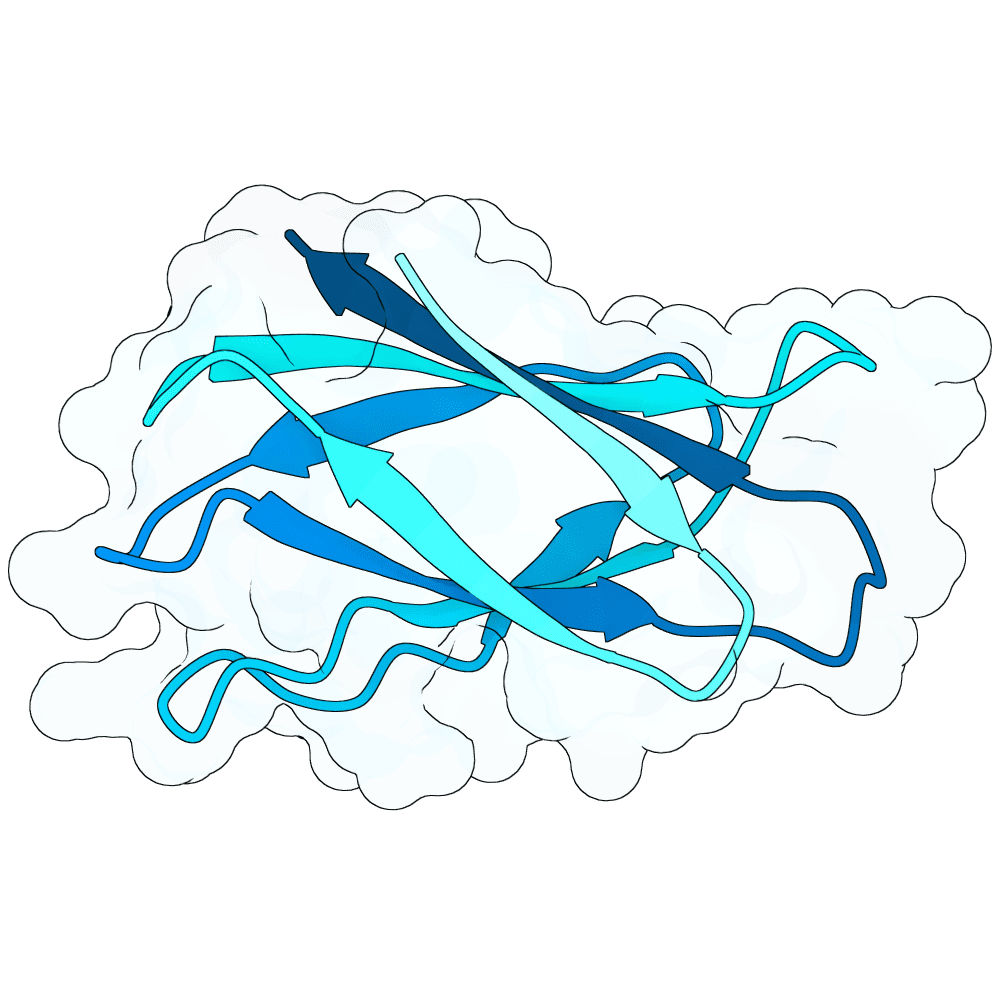
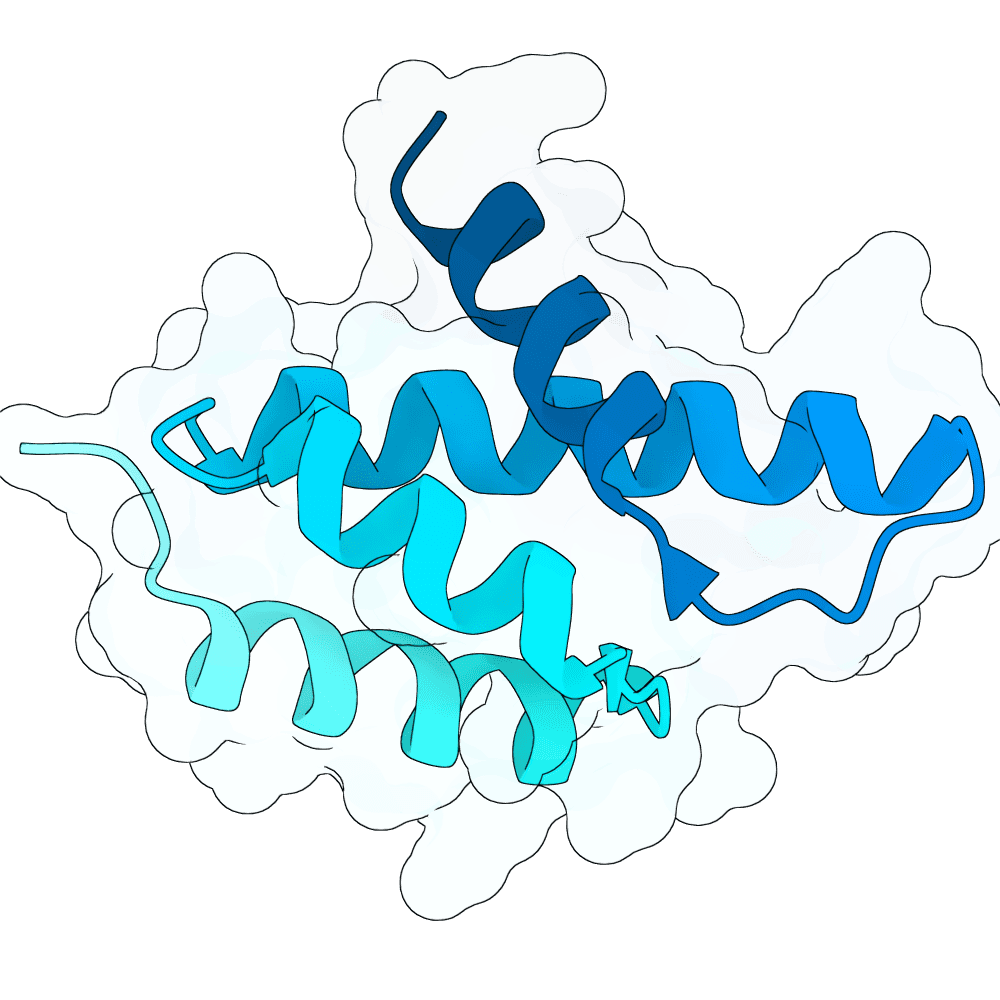
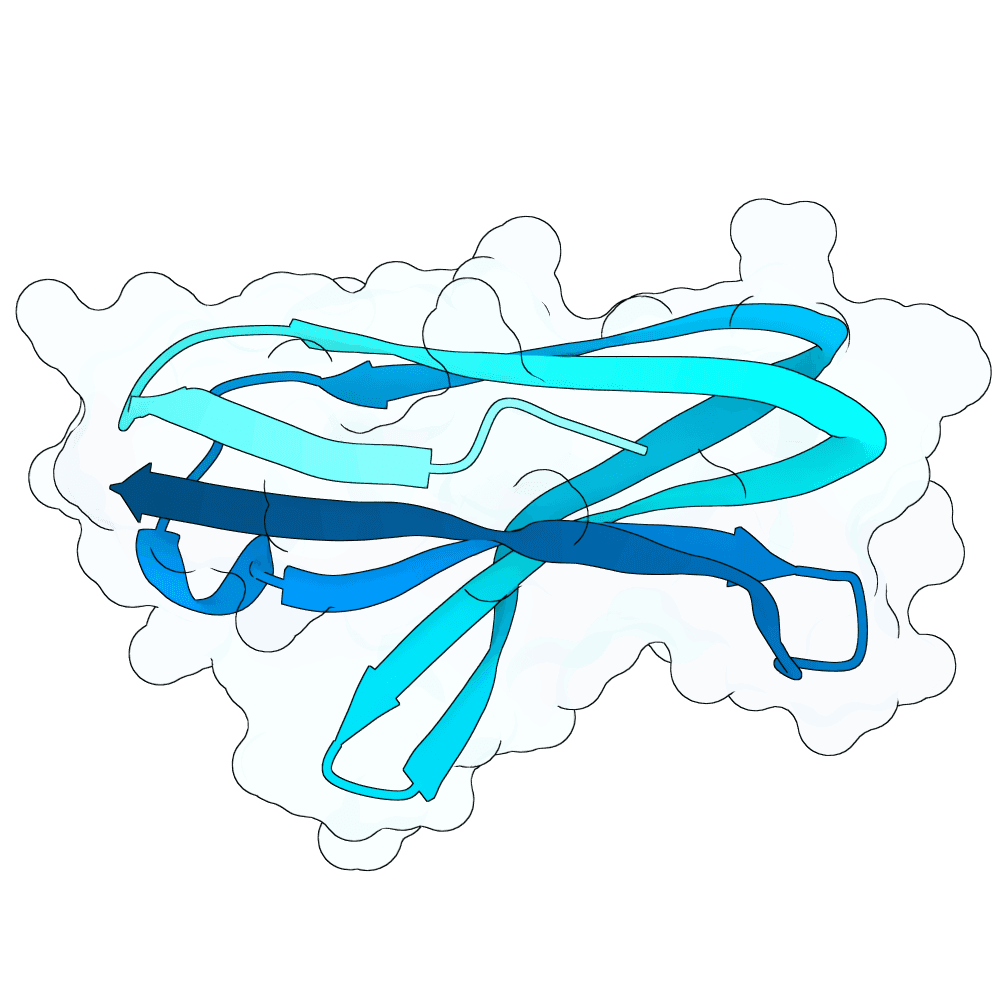
Based on comprehensive structural and functional analysis of the Nipah virus (PDB: 2VSM), i selected key residues (501,503,504,505,507,528,529,530,554,556,579,580,581,582) as simultaneous targets for AI-generated binder design, with particular focus on the critical W504 residue which appears to be a key component of the hydrophobic pocket essential for ephrinB2 receptor binding. Most of these residues collectively target the primary receptor binding interface, especially around the extensively validated E533 region and the major conformational change loop 579-590, which undergoes pronounced structural rearrangements upon receptor engagement and is critical for both binding specificity and fusion triggering mechanisms. The selection strategy encompasses both direct receptor competition sites and conformationally dynamic regions that are essential for the protein-protein interactions maintaining the extensive Nipah-ephrinB2 binding interface as demonstrated by multiple escape mutant studies and conservation analysis across henipavirus species. This multi-target approach is designed to simultaneously disrupt receptor binding, prevent conformational activation, and block the allosteric changes necessary for F-protein mediated membrane fusion, thereby providing comprehensive viral entry inhibition. These target residues have been incorporated into AI-generated binder designs using the Latent Beta platform (with a pre-filtering for which binder length gave the best scoring metrics (80aa in our case)) and BoltzGen computational frameworks (binder legnth 70-100aa) to develop high-affinity protein binders capable of competing with the natural ephrinB2/B3 receptors and preventing Nipah virus cellular attachment and subsequent infection.