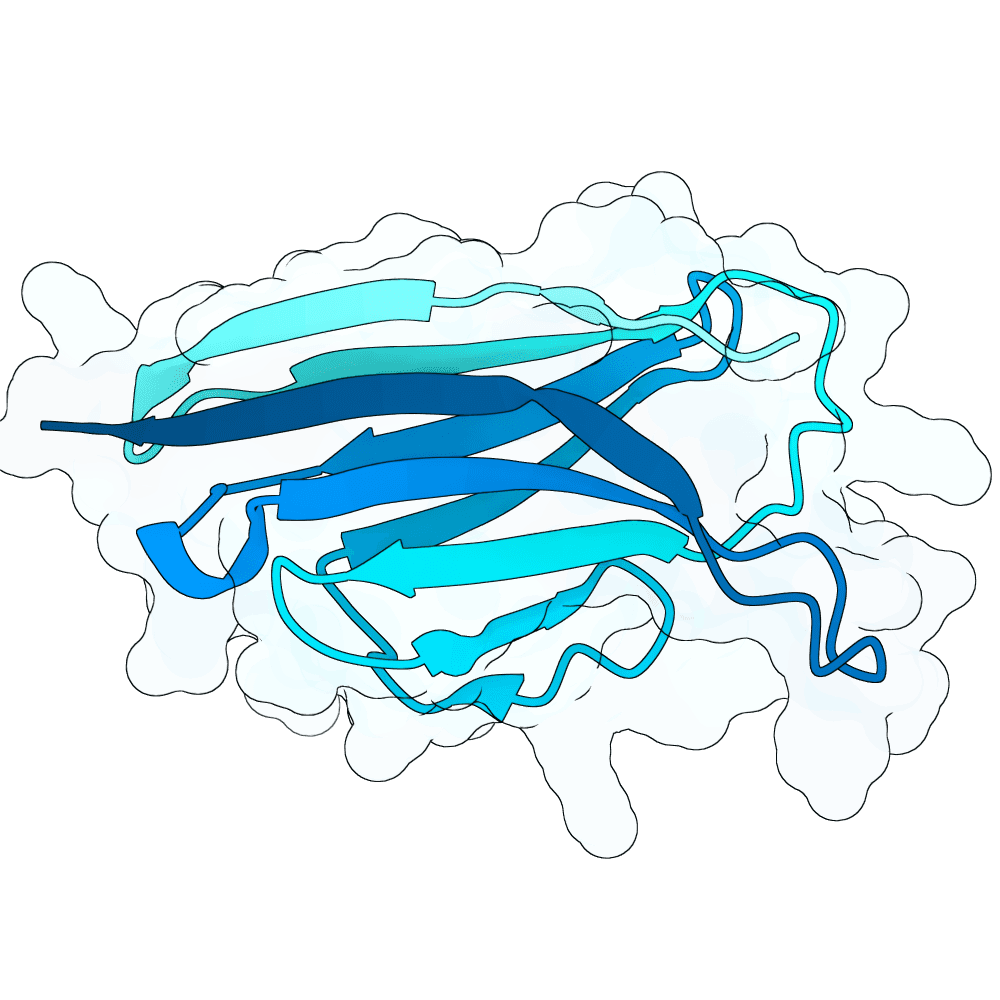
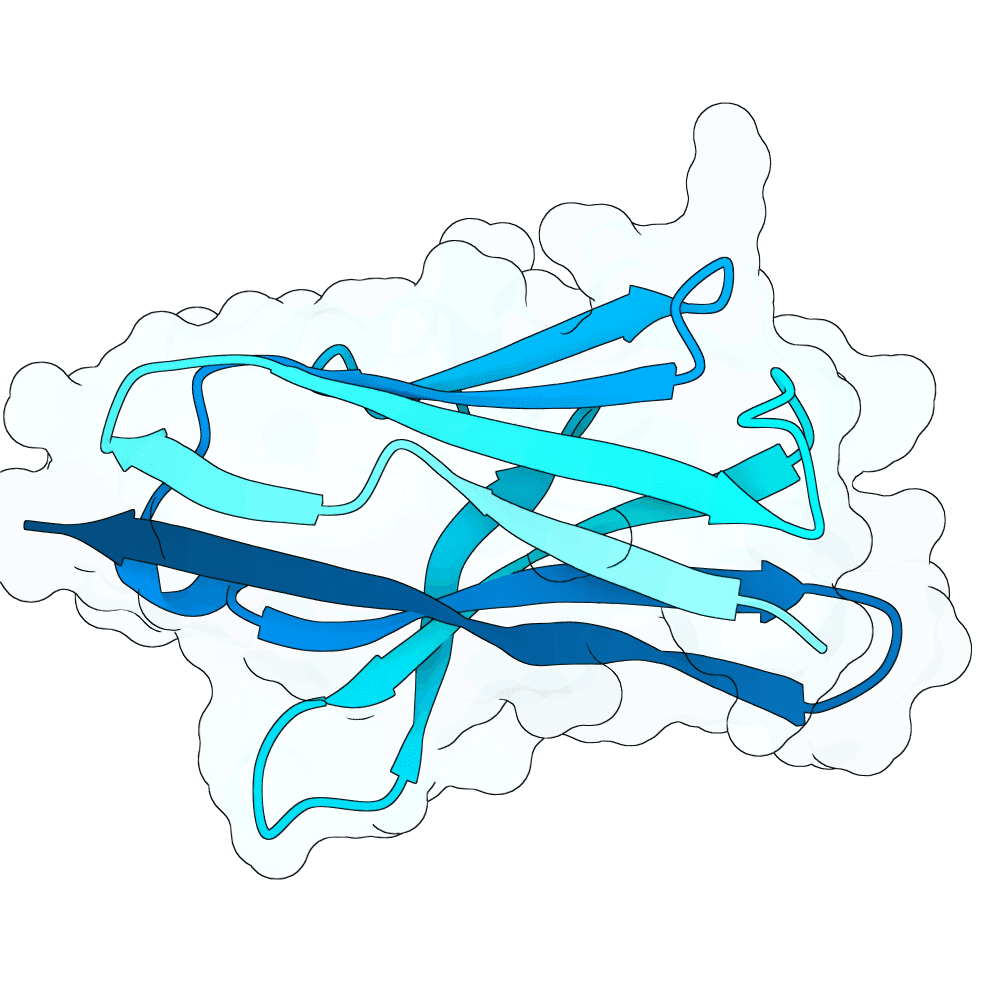
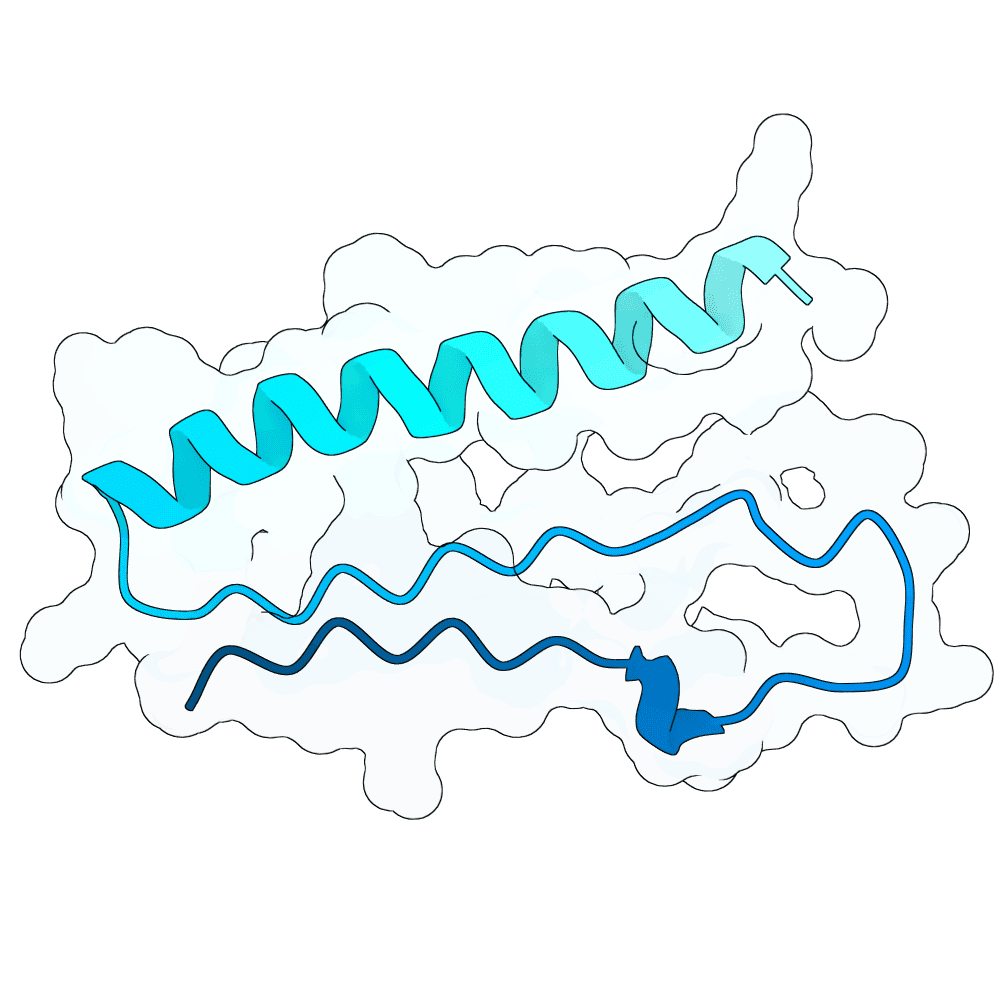
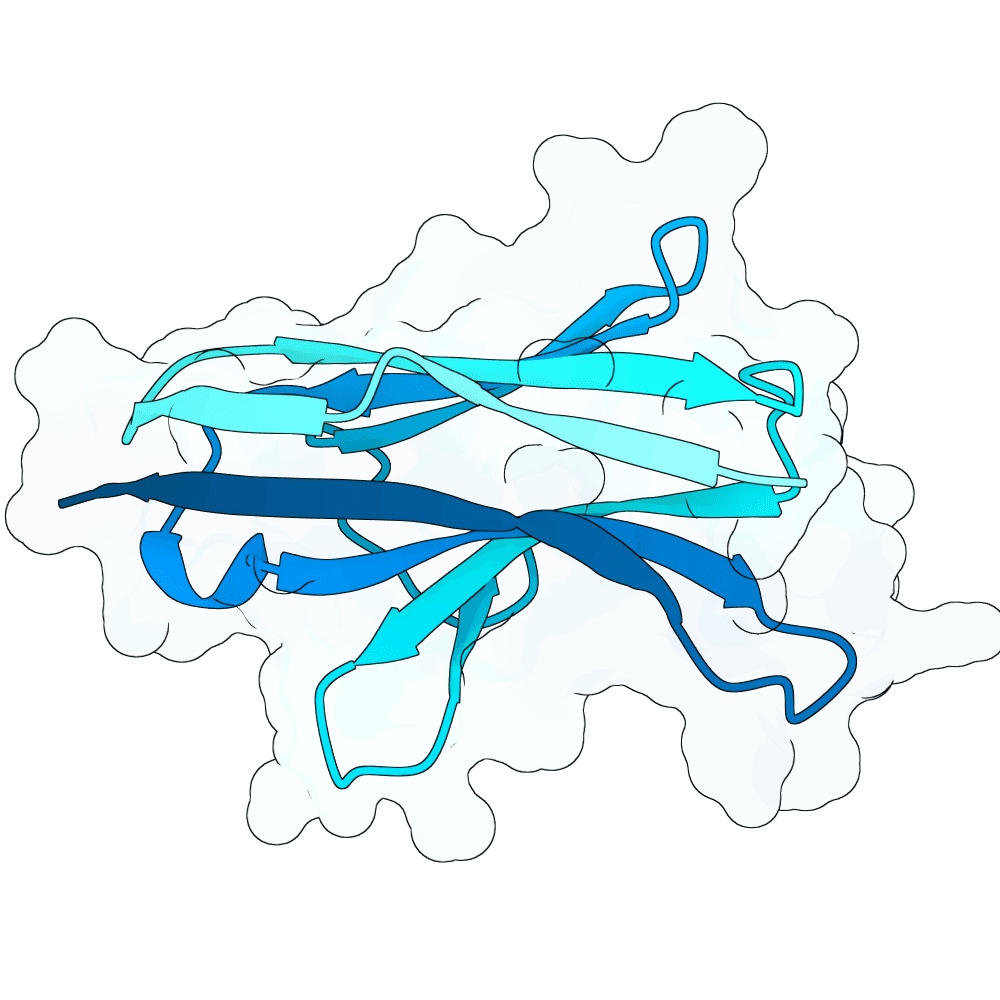
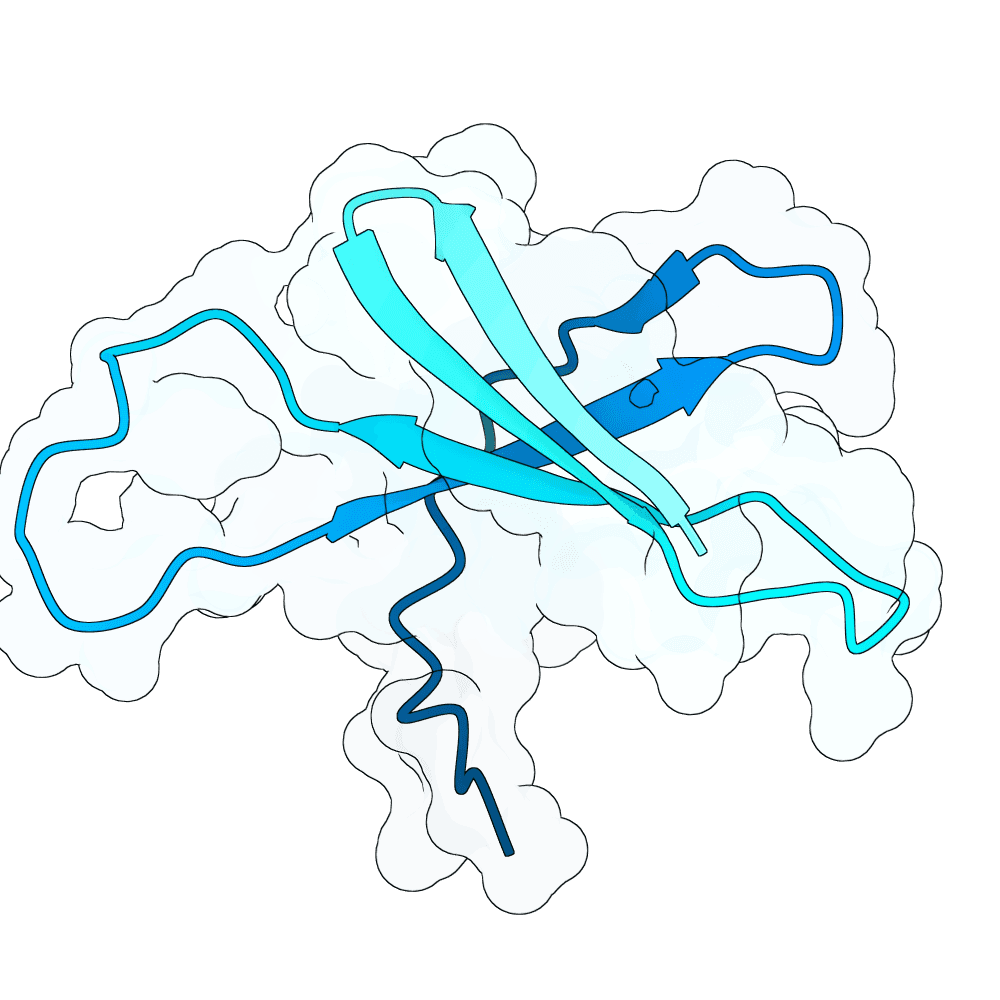
Description
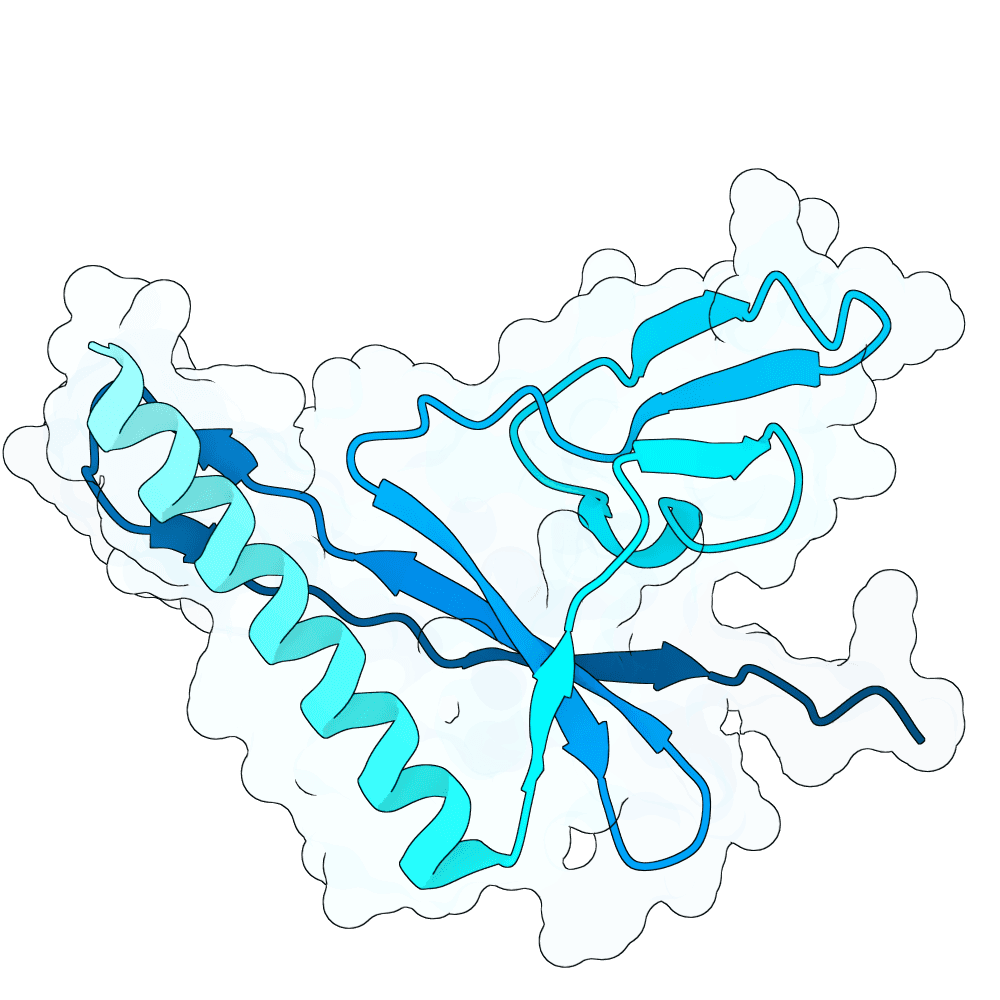
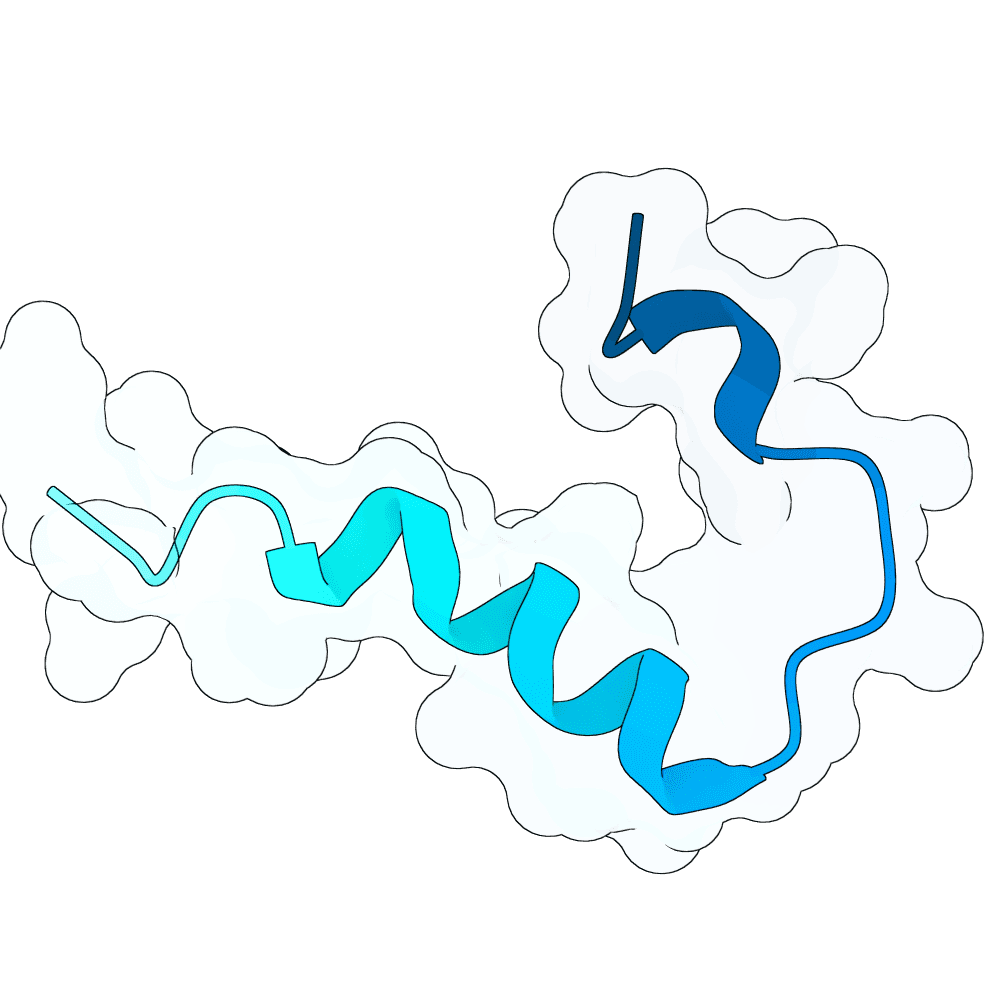
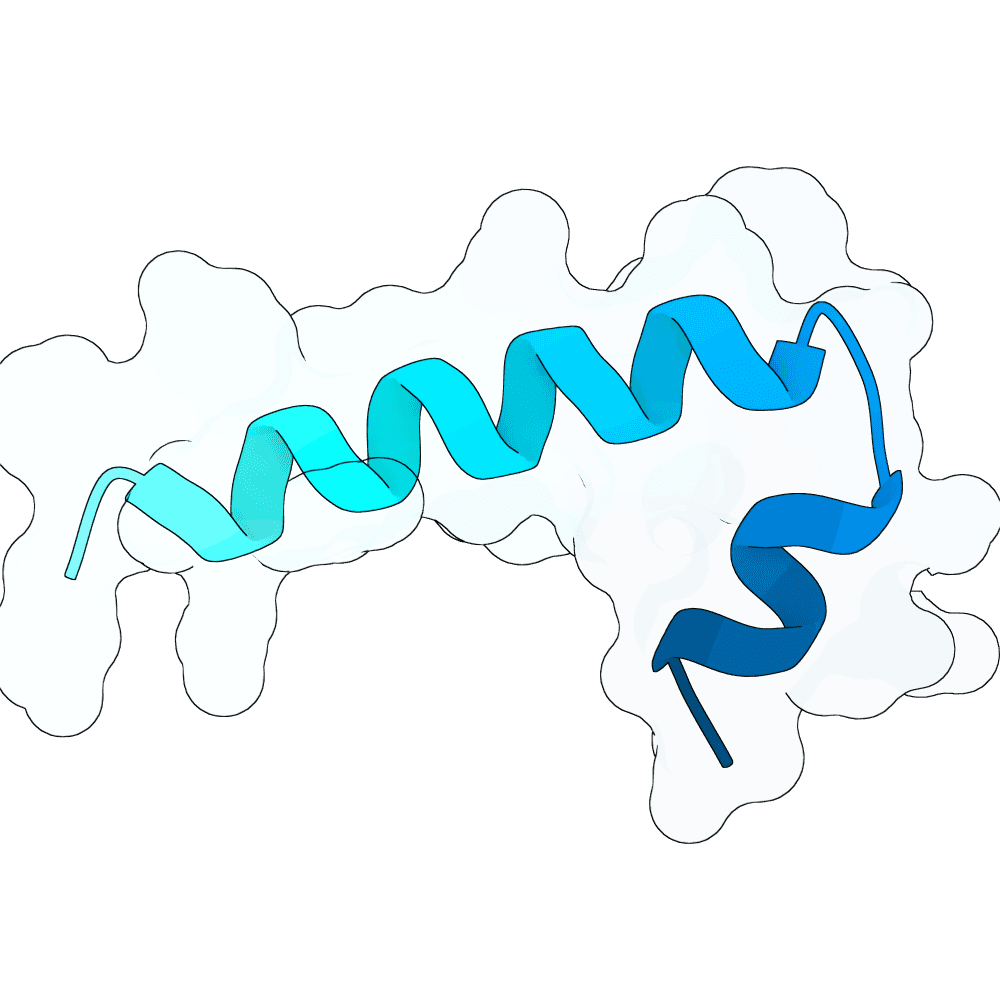
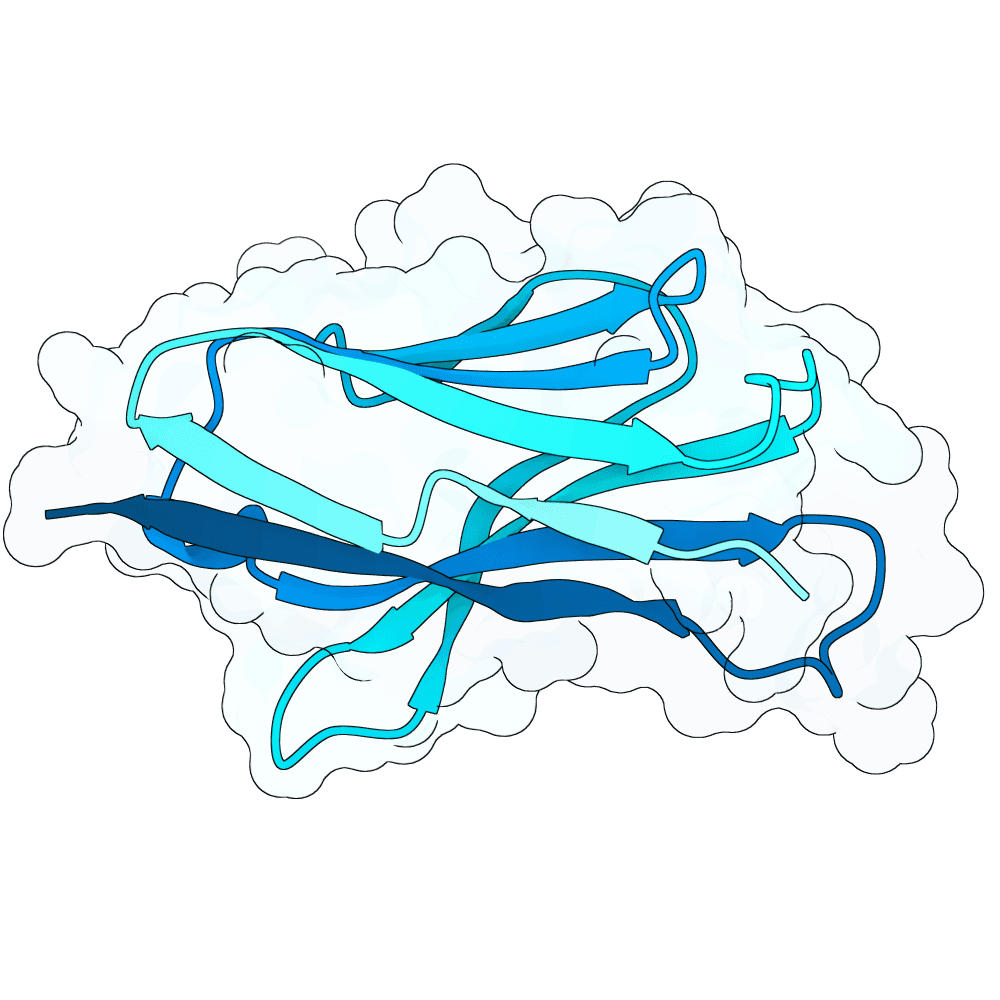
The design strategy involve a logical engineering method which performs extensive structural evaluation of NiV-G protein when bound to human Ephrin-B2 receptor (PDB: 2VSM). The main objective of was to develop strong viral binders which will block NiV-G from attaching to host cell receptors. The design process followed a methodical approach which depended on complete knowledge of NiV-G-Ephrin-B2 binding mechanisms and structural elements. The workflow consisted of four essential stages which followed each other in sequence. The research team studied PDB 2VSM at high resolution (1.8 Å) to understand the NiV-G/Ephrin-B2 complex structure. The research team identified all essential binding sites and their corresponding critical residues which form the interaction foundation. The NiV-G head contains a 6-bladed beta-propeller structure which creates a central cavity that receives a loop from the Ephrin-B2 receptor. The research chose various protein scaffolds which included scFvs, VHHs, engineered versions of fibronectin, beta-sandwich, and repeat proteins. The wide range of scaffold options enhances the chances of discovering optimal binders. The designs focus on three main epitope targets which include: RBD - Ephrin-binding cavity: The design blocks the receptor binding site through direct interaction. The design aim to block viral fusion by targeting sites that trigger structural changes in the virus. The bispecific approach uses RBD and Stalk domain to create a dual-specificity design which enhances neutralization capabilities. Rational Sequence Design: The researcher applied structural knowledge to create optimized binding areas (CDRs) for each scaffold design. Then added aromatic and charged residues to the sequences because these elements help create strong and specific bonds that duplicate the natural Ephrin-B2 binding process. The optimization process for ipSAE and novelty evaluation started with the initial rational designs. The optimization script made at least 10 protective mutations in non-essential areas of each binder to fulfill the required novelty standards. The optimization process for sequences aimed to boost a Boltz2 model-based ipSAE proxy score through the combination of sequence length, aromatic content, charge distribution, and hydrophobicity measures.