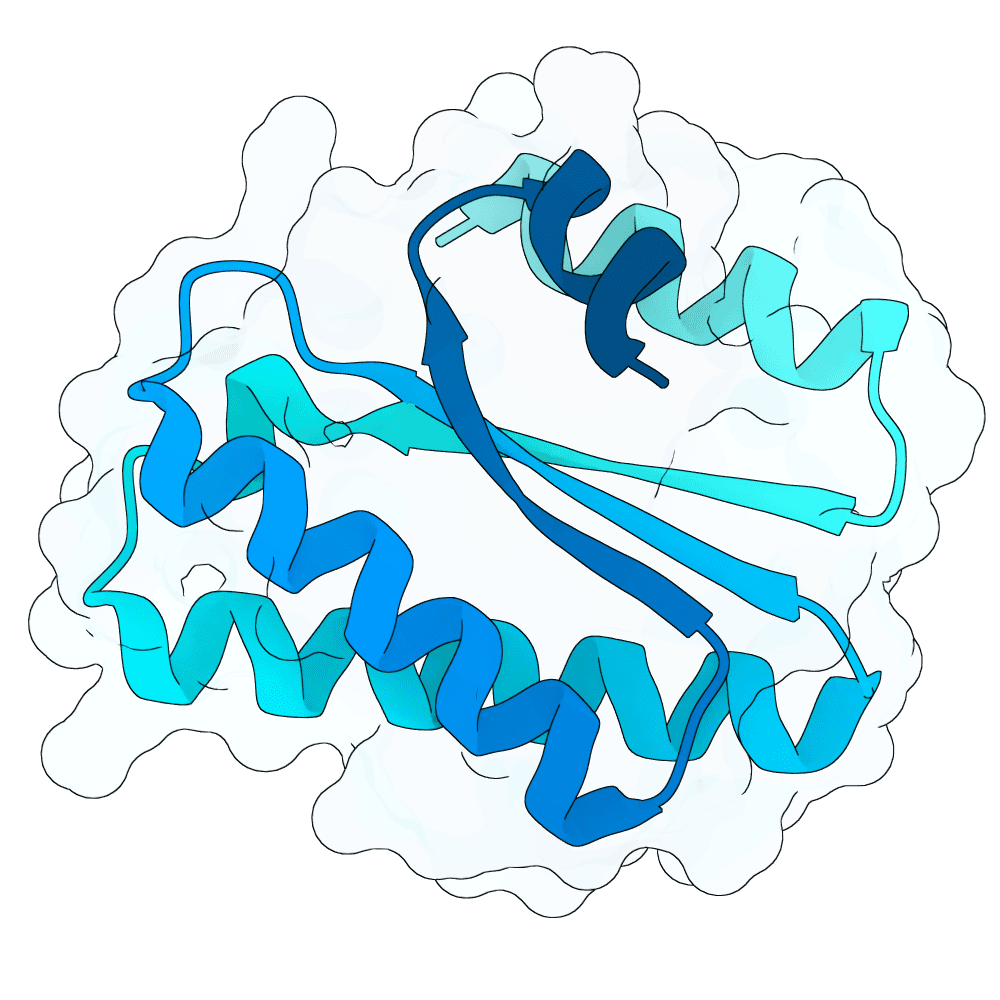
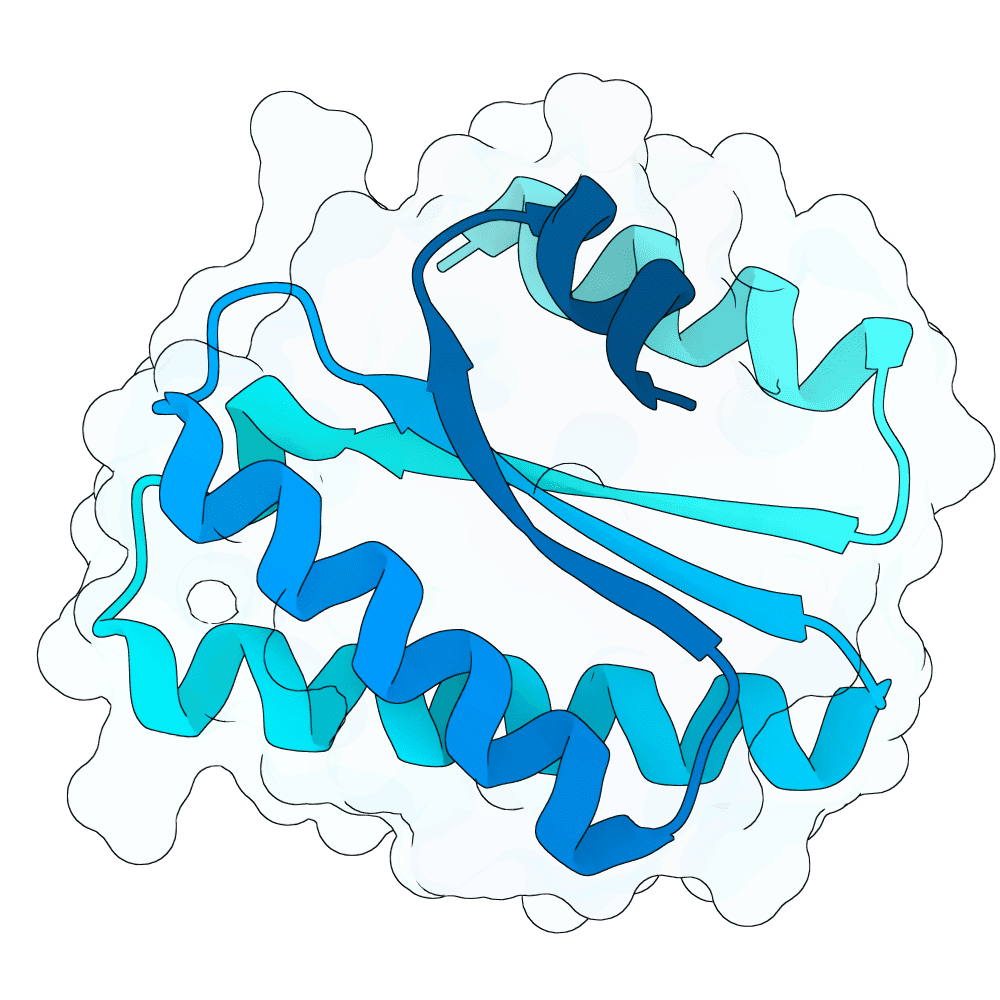
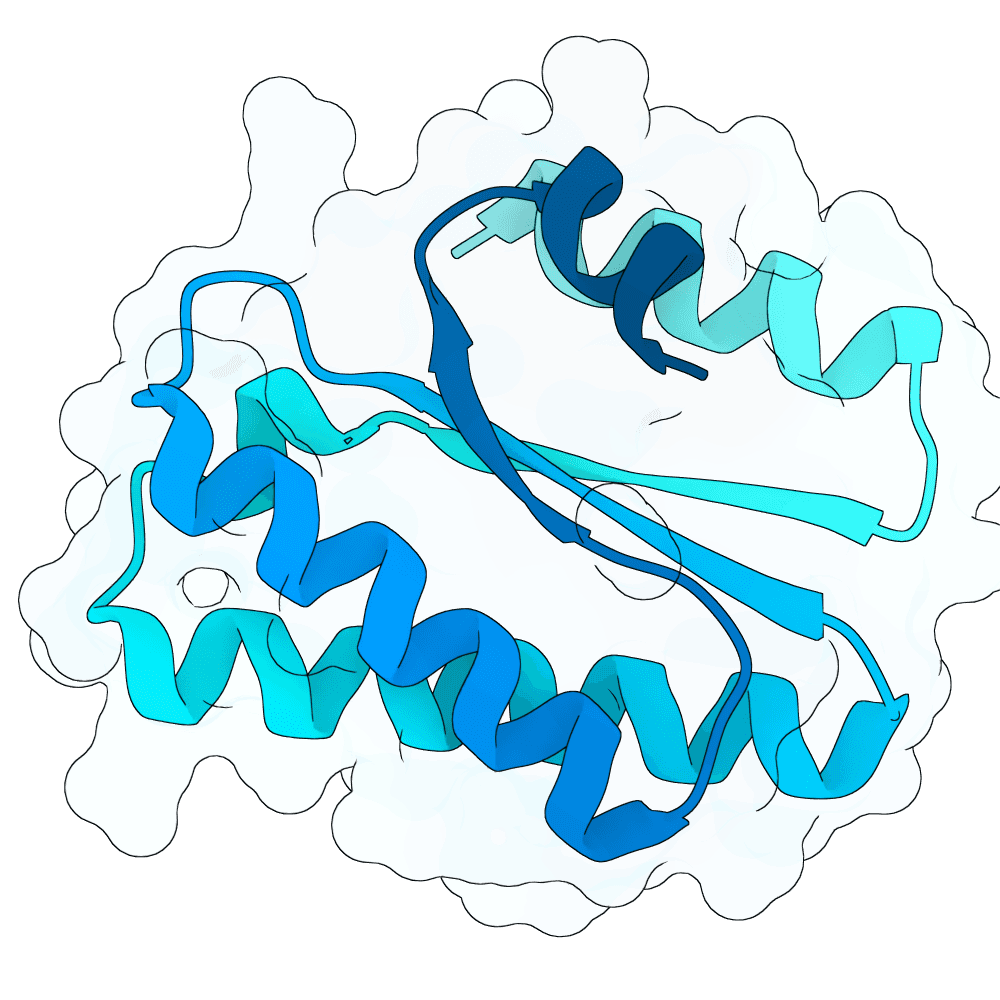
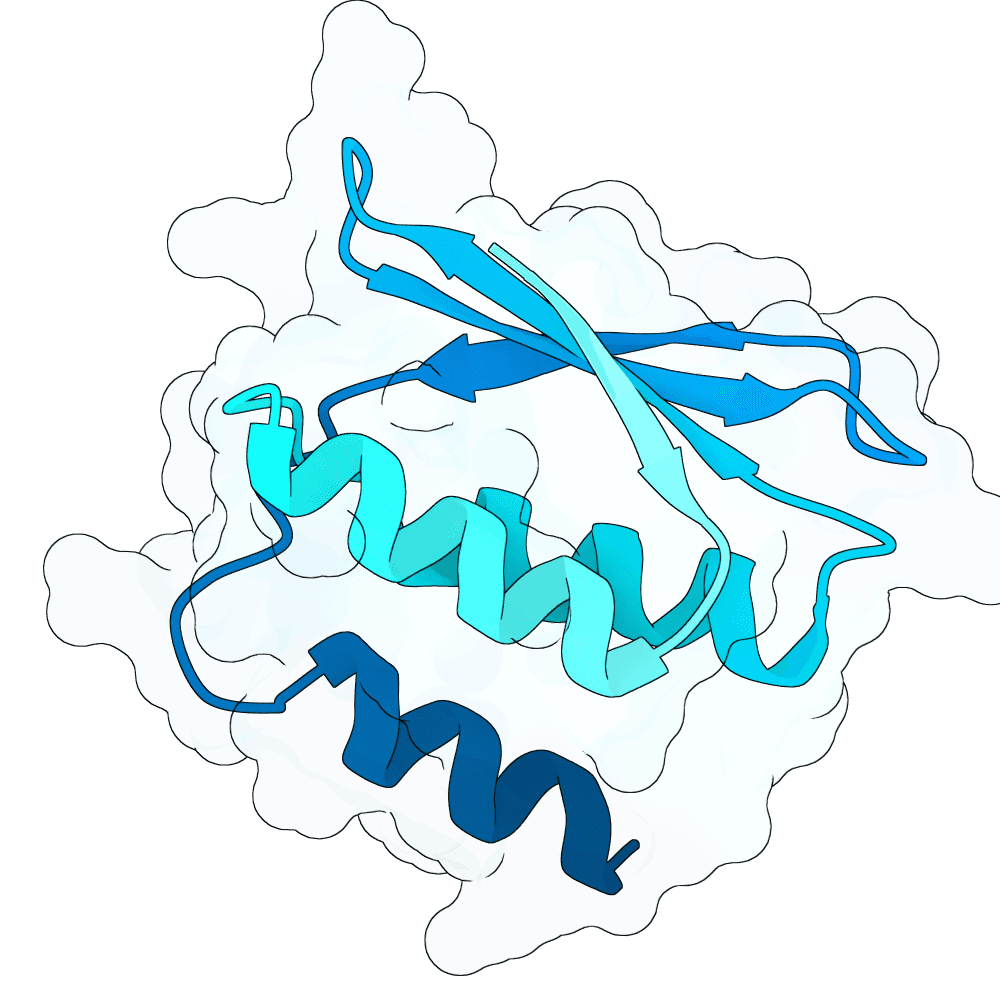
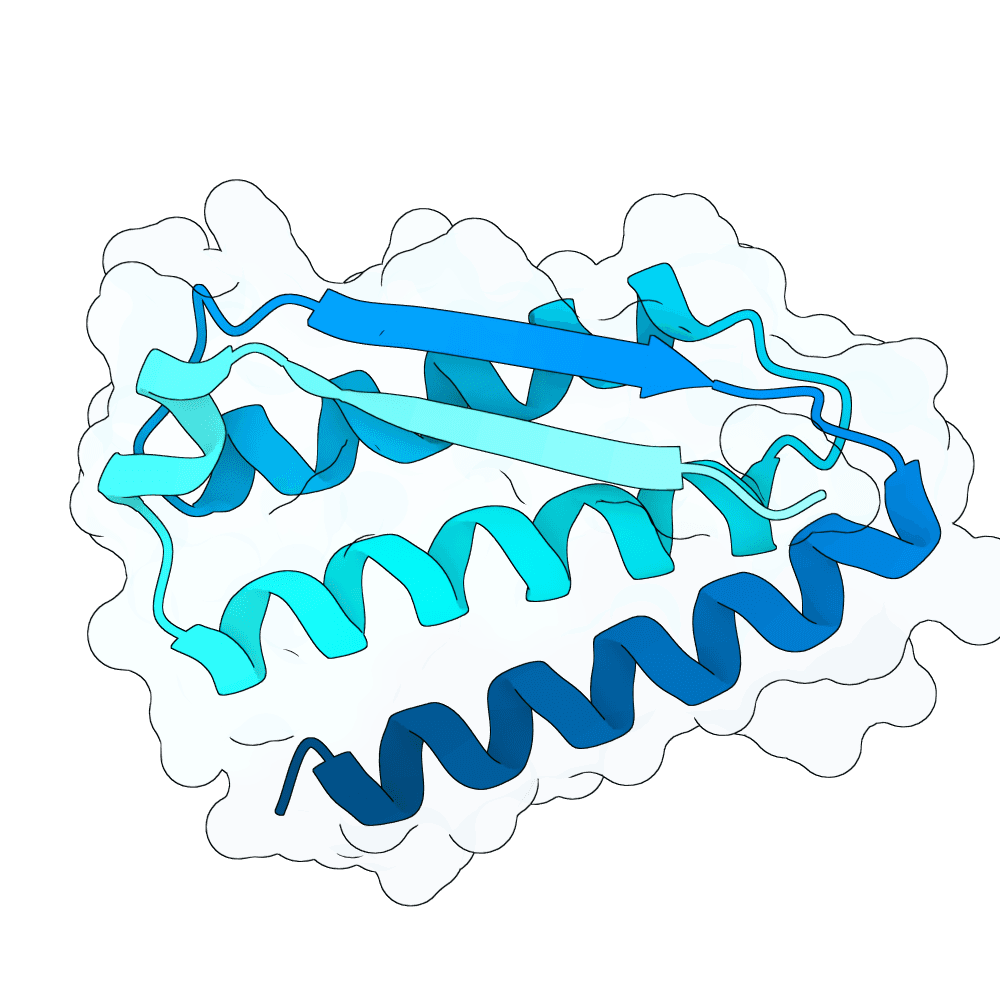
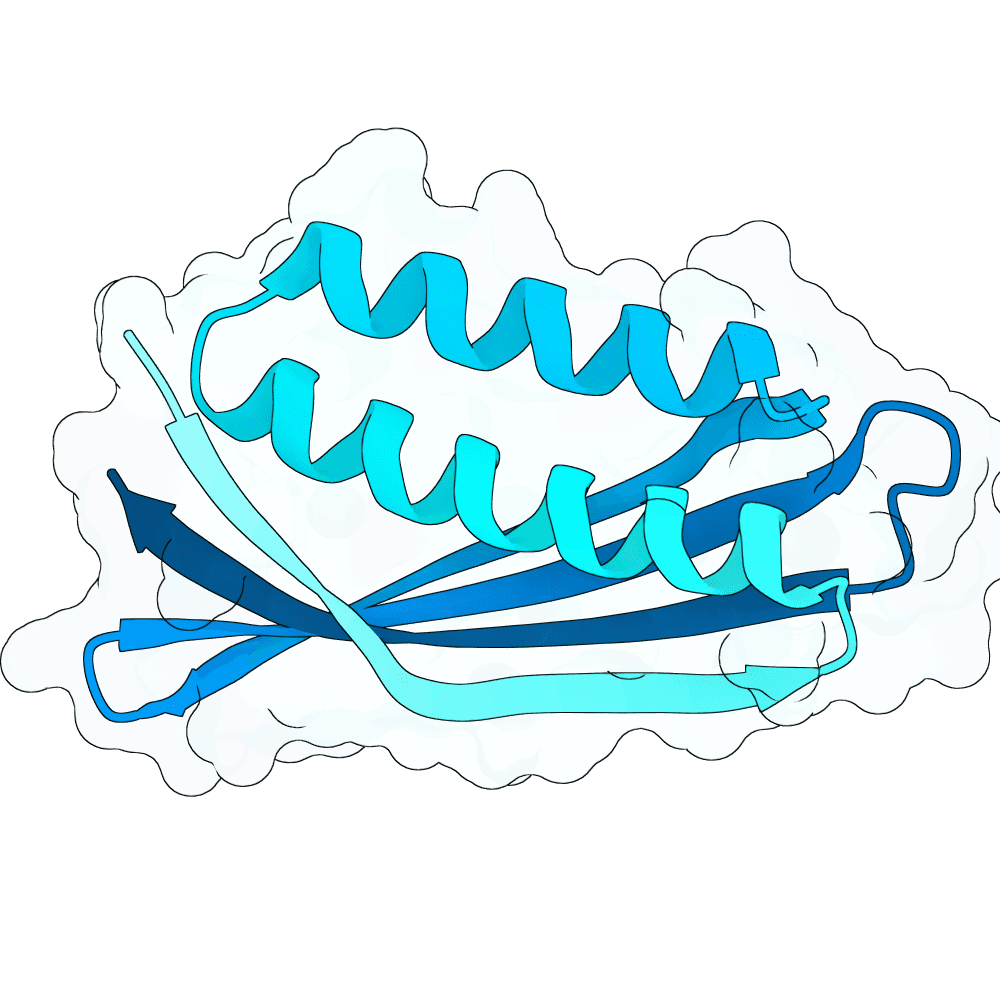
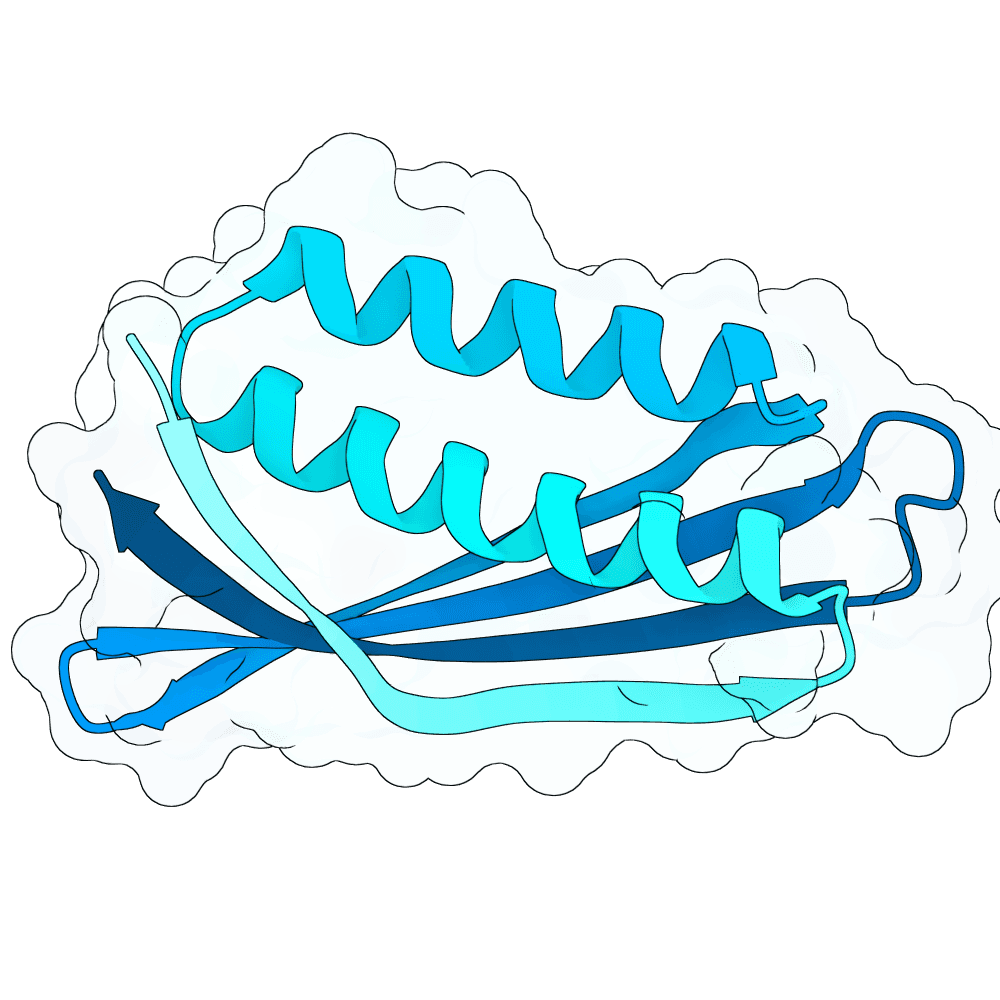
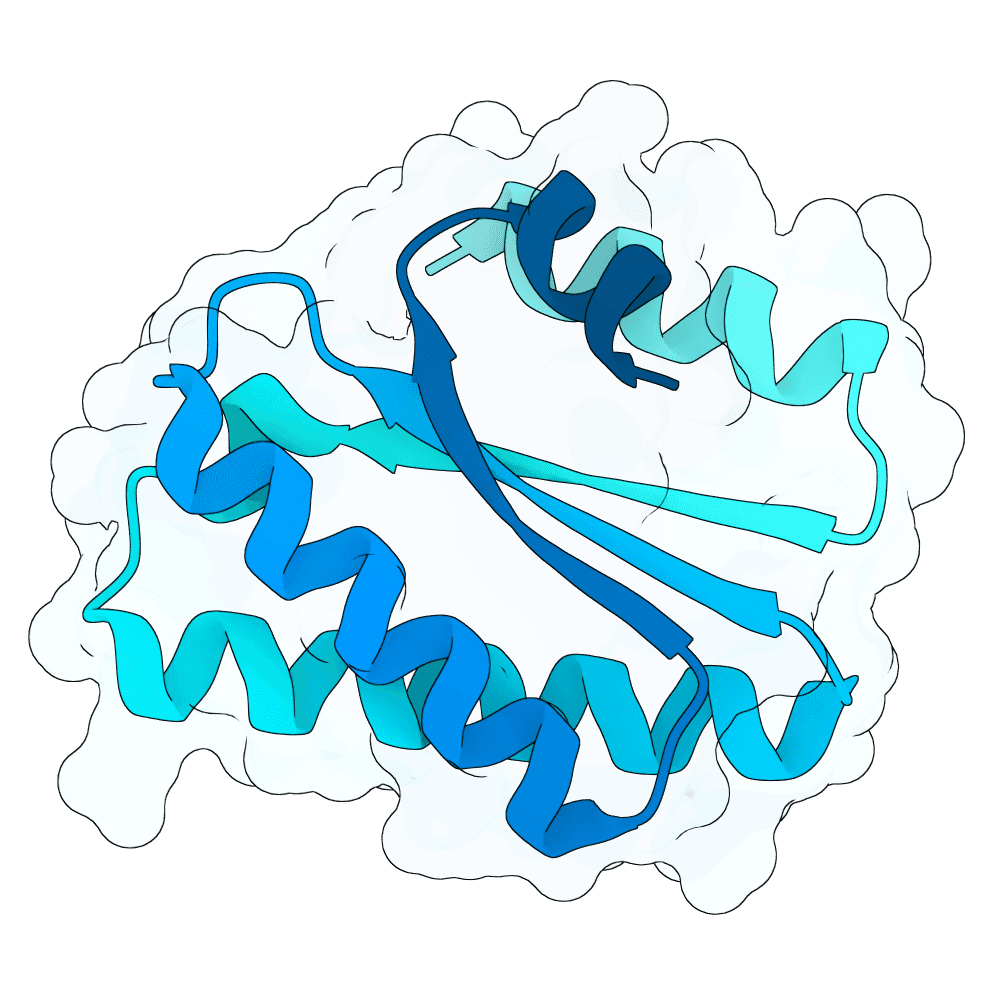
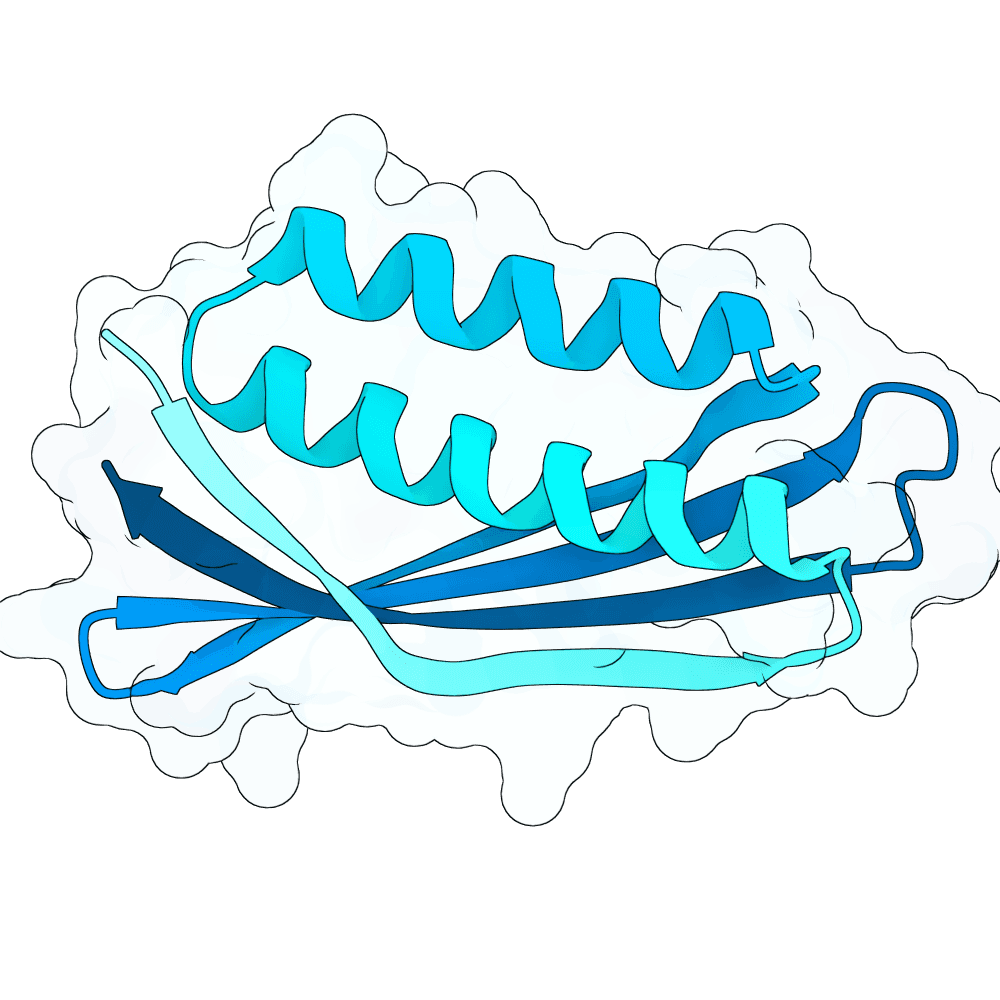
Description
Hardware — Computing was performed on a workstation equipped with a 24-core Intel i9 CPU and one NVIDIA Blackwell RTX-6000 GPU.
Strategy — RBX-1 possesses several dynamic regions that present an entropic barrier to high-affinity binding. Consequently, these regions were excluded from the initial design phase in favor of a conserved hydrophobic cleft within the RING-H2 domain. This site was selected for its proximity to a beta-strand (Q104–K106), which was exploited for edge-to-edge contacts to facilitate beta-sheet augmentation with the designed partner. The intrinsically disordered N-terminal 38 aa of RBX-1 were truncated to focus the diffusion process on the stable globular core and were only introduced during the final refinement and evaluation phases.
Software — I chose Foundry (RFD3-ProteinMPNN3-RF3) as my primary design tool because it combines an extensible Python framework with all-atom design [1]. Scripting assistance was provided by Google Gemini 3.1 Pro. Active monitoring of the design process was achieved by integrating tqdm and wandb. After the Foundry campaign was completed, I explored an alternative approach using Proteina-Complexa [2] that required some adaptation to run on Blackwell GPUs. The Proteina-Complexa workflow was modified to encourage the design of mixed alpha-beta proteins guided by binding energies determined by TMOL [3] and statistics determined by AF2 and RF3. The greatest success was achieved when a binder was sampled in the 100-120 aa range.
Method — The top designs selected for refinement were additionally filtered by manual inspection leaving three folds from Foundry and one fold from Protein-Complexa to be considered further. Sequence diversity was introduced by additional rounds of MPNN-RF3 with full-length RBX-1 at temperatures from 0.1-0.3. The MPNN-RF3 protocol filtered complexes by RF3 statistics (ipTM, PAE, pTM, RMSD), TMOL free energy filtering, a test to ensure that the distance between 1.CA and 38.CA in the RBX-1 N-terminal disordered region was at least 120 A apart, a test for proper zinc ion coordination. Candidate complexes from this stage were subjected to one short round of relaxation-minimization with Rosetta Relax.
Final selection — While earlier stages of the pipeline used RF3 for assessment, Boltz was the final arbiter since this is what the competition uses. The final candidates also scored favorably with other orthogonal assessments including AF3, Proteinix and SeedFold. Ranking was performed by calculating the ddG free energy of binding with TMOL after 1000 steps of minimization. The TMOL ddG had a linear relationship with the interface solvent accessible surface area (SASA). Amino acid sequences of all final candidates were converted into E. coli codon-optimized genes and tested for GC content (<60%), Shannon entropy (>1.90), and AA repeat content (<25%) as suggested by [4]. Since the best fold had an extensive outward facing beta-sheet, the potential for amyloid-like aggregation was measured by simulating tetramers of each design with AF3.
Biological relevance — All designs have the potential to block SCF complex assembly [5].
References — [1] Butcher J, Krishna R, Mitra R, Brent R,.. Baker D. (2025) De novo design of all-atom biomolecular interactions with RFDiffusion3. https://www.biorxiv.org/content/early/2025/11/19/2025.09.18.676967. [2] Didi K, Zhang Z, Zhou G... Kreis K. 2026. Scaling atomistic protein binder design with generative pretraining and test time computer. ICLR 2026 conference paper. https://research.nvidia.com/labs/genair/proteina-complexa [3] Leaver-Fay A, Flatten J, ... Baker D. 2020. Tmol: a GPU-accelerated, PyTorch implementation of Rosetta's relax protocol. https://github.com/uw-ipd/tmol [4] Kosonocky CW, Abel AM, Feller AL... Marcotte EM. 2026. Validation and analysis of 12000 AI-driven CAR-T designed in the Bits to Binders competition. https://doi.org/10.64898/2026.03.03.709355 [5] Shaaban M, Clapperton JA, Ding S, Kunzelmann S, Maeots ME, Maslen SL, Skehel JM, Enchev RI (2023) Structural and mechanistic insights into the CAND1-mediated SCF substrate receptor exchange. Molecular Cell. 13; 2332-2346.