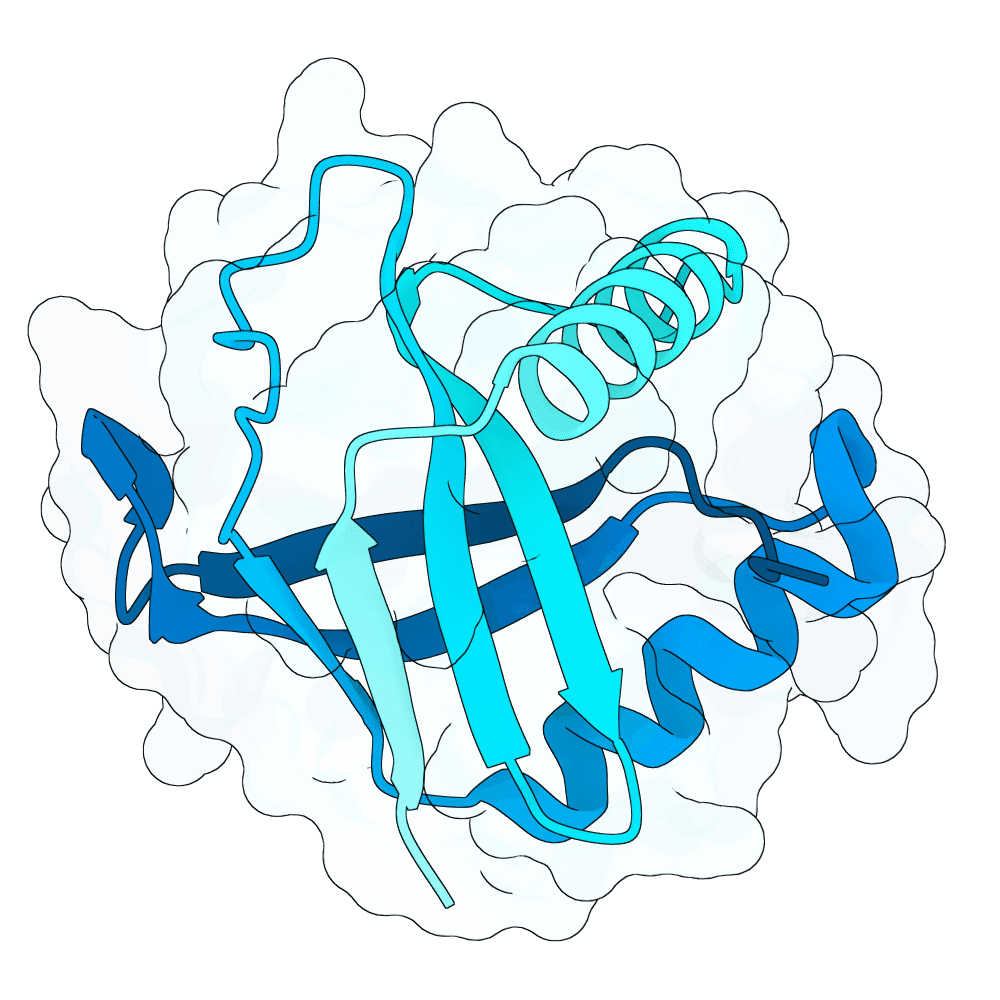
Description
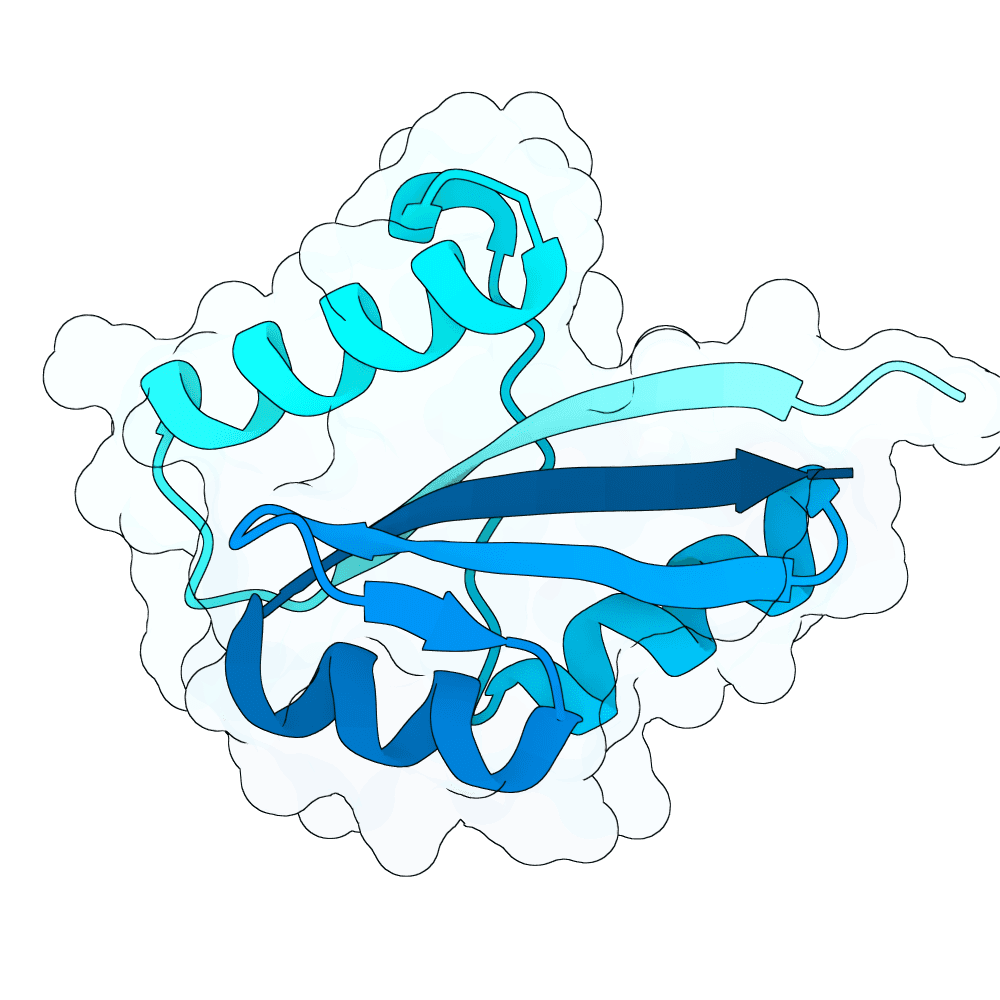
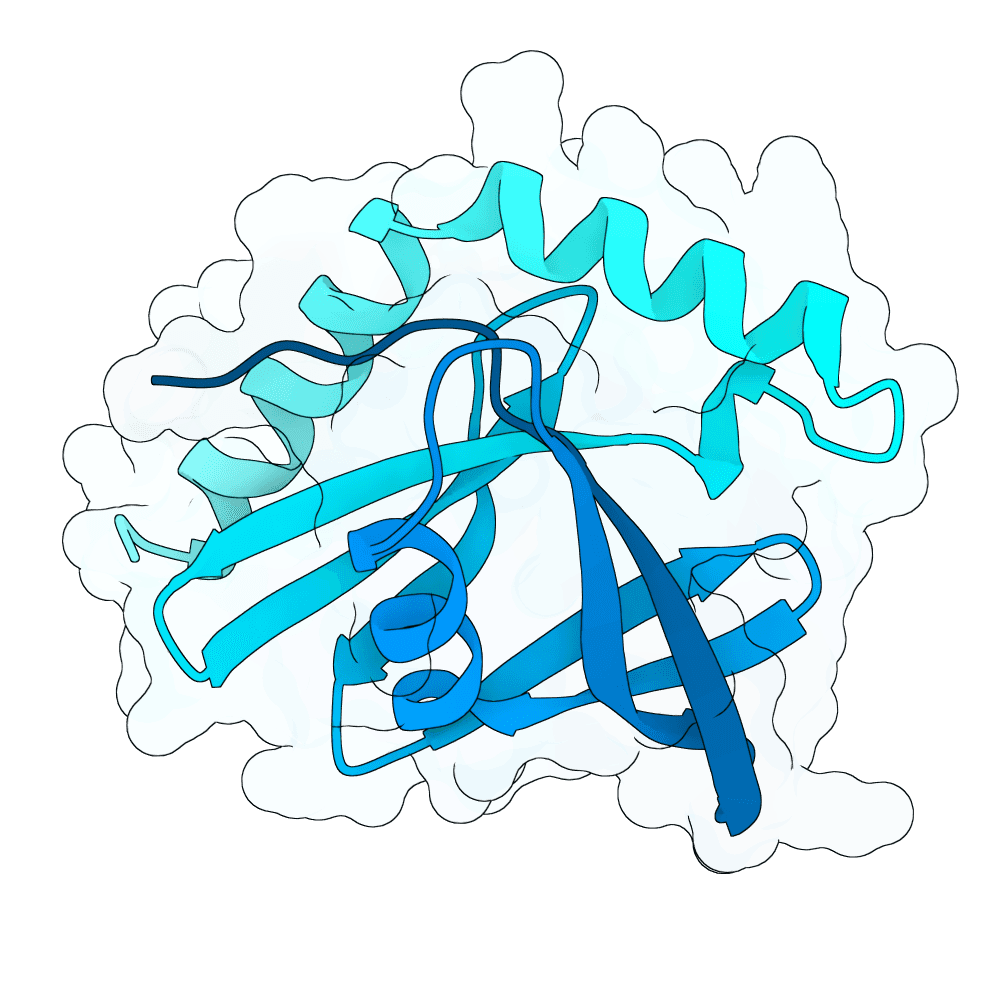
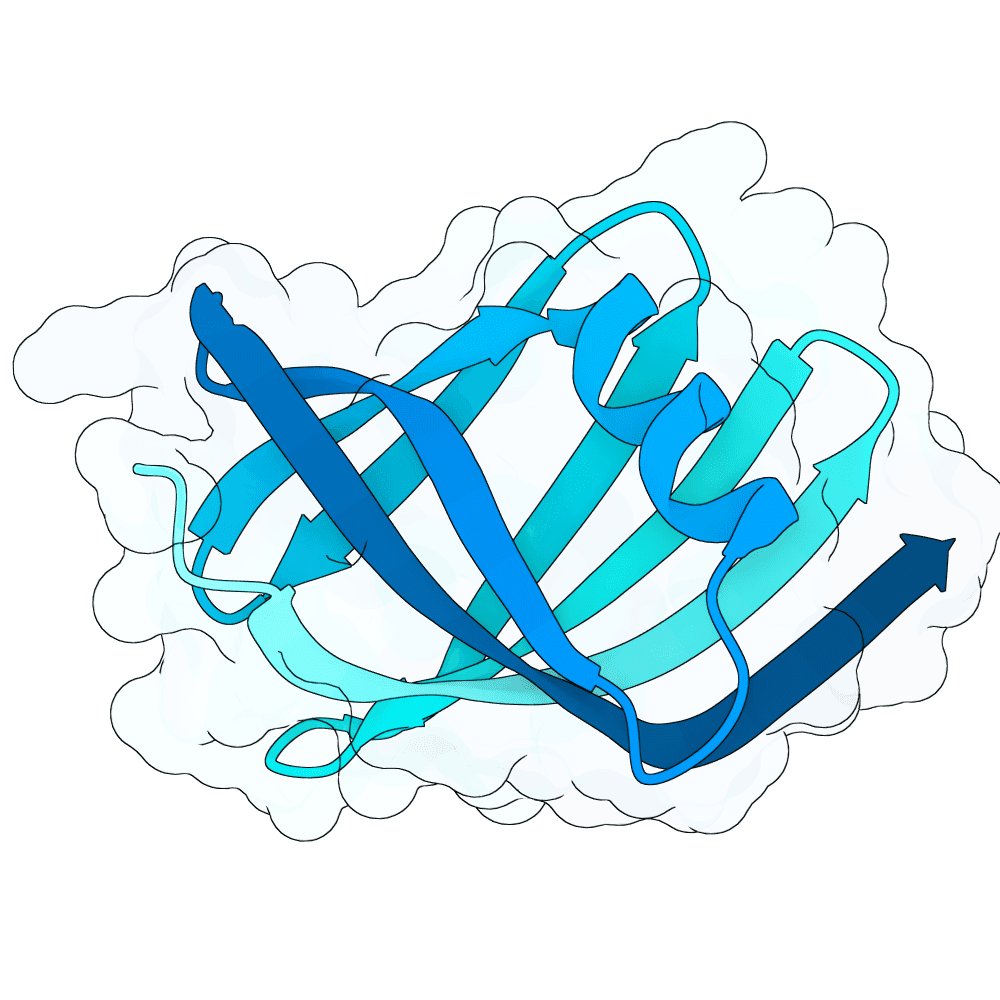
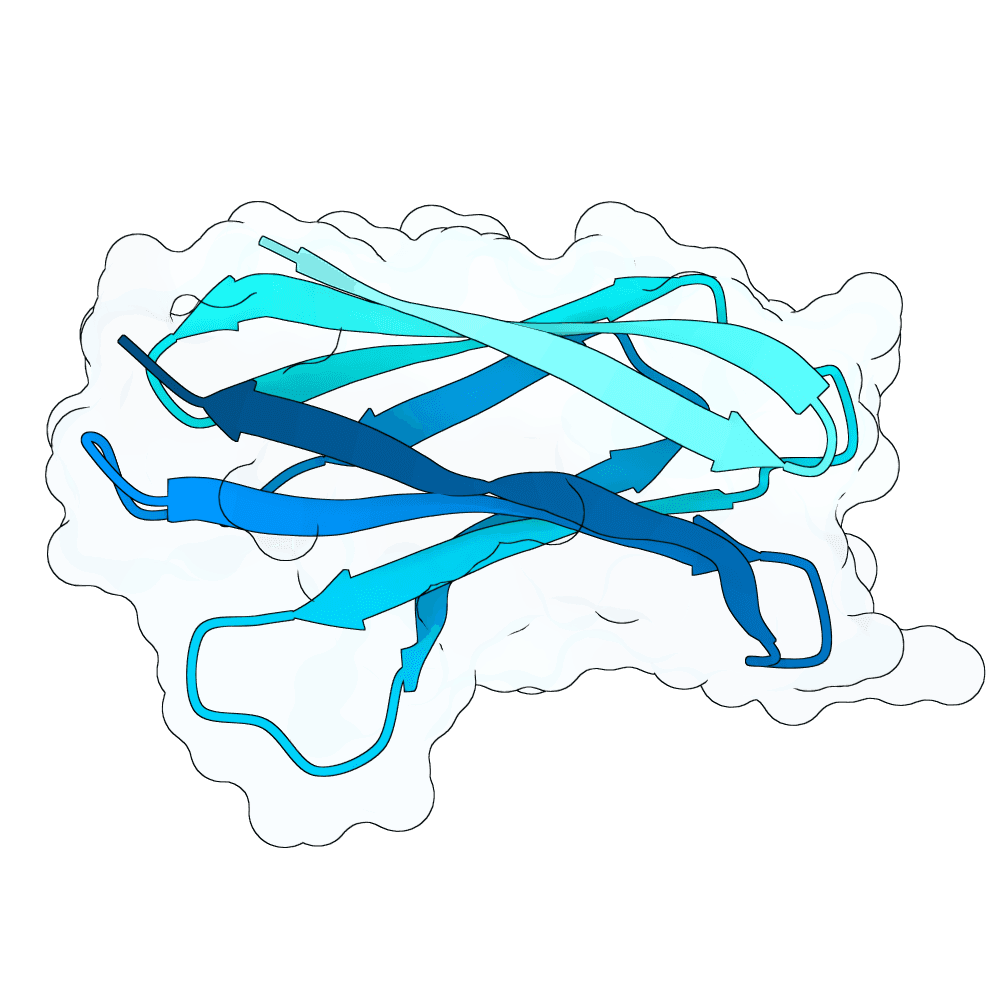
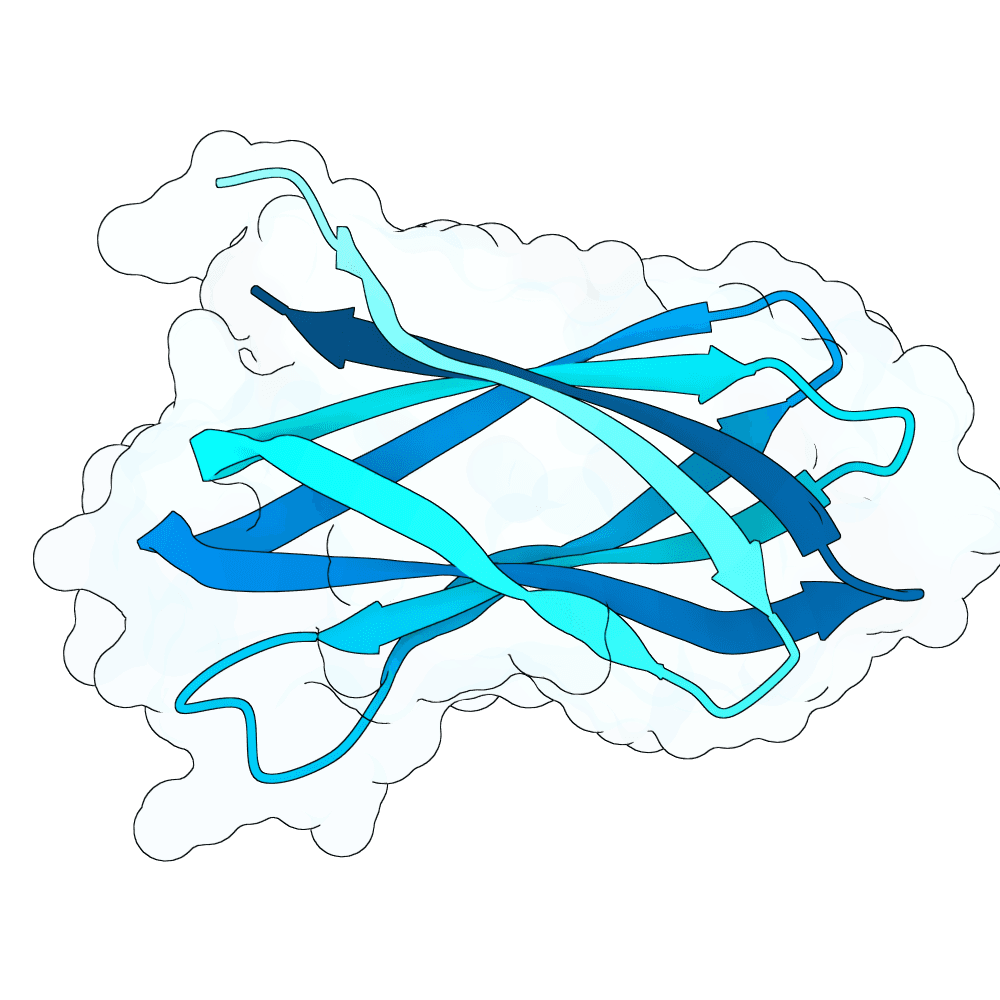
My hypothesis is that I could design a high affinity binder by targeting the intrinsically disordered N-terminus of RBX1. I can avoid design complications from the bound Zn ion at the C-terminus. The N-terminal IDP contains numerous hydrophobes that could serve as anchors for a tight interaction. My results were additionally filtered for binders that fully wrap around the N-terminal IDP in a "bear hug" conformation or at least partially like a taco. I did bias the N-terminus toward a beta-strand conformation to maximize hydrophobic surface area.
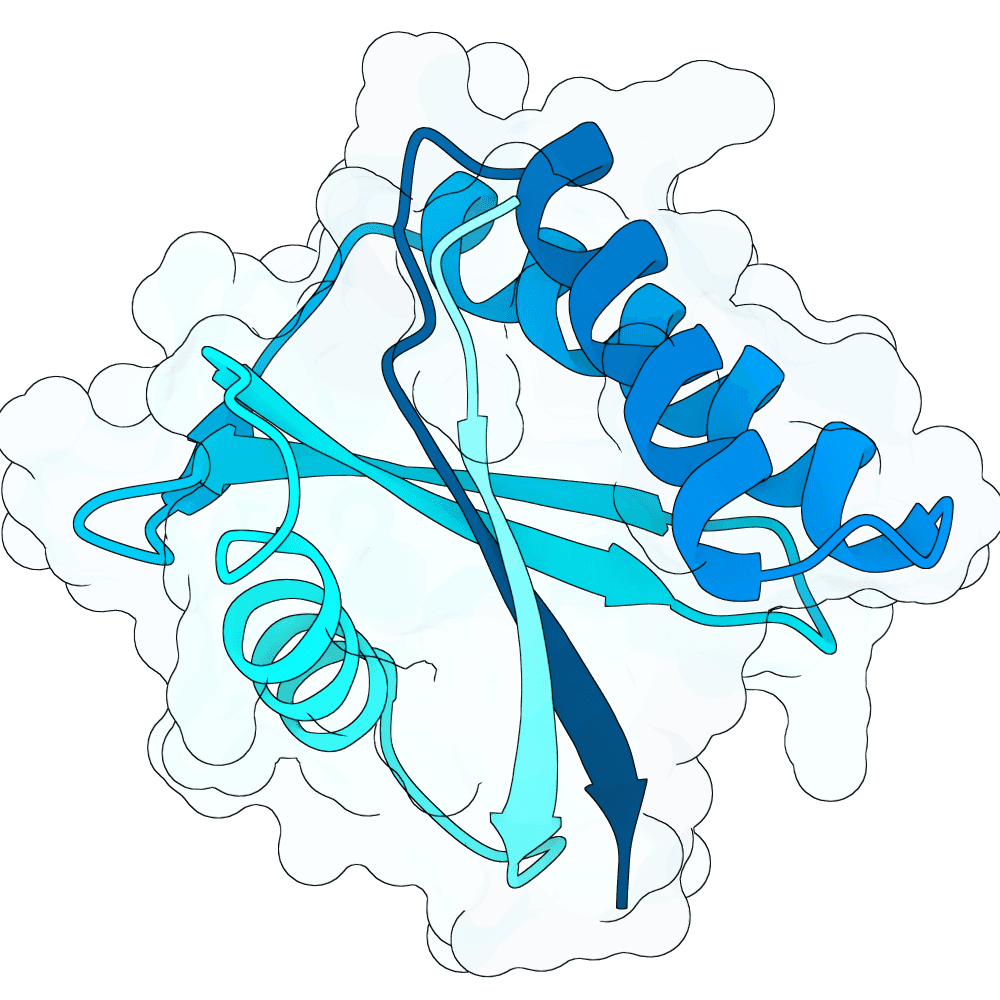
Additionally, I created binders against the folded domain at the C-terminus of RBX1. I used molecular dynamics simulations and AlphaFlow to mine additional conformations of the RING-type domain. My final input structure was a conformation of the RING-type domain that might have reduced affinity toward Glomulin.
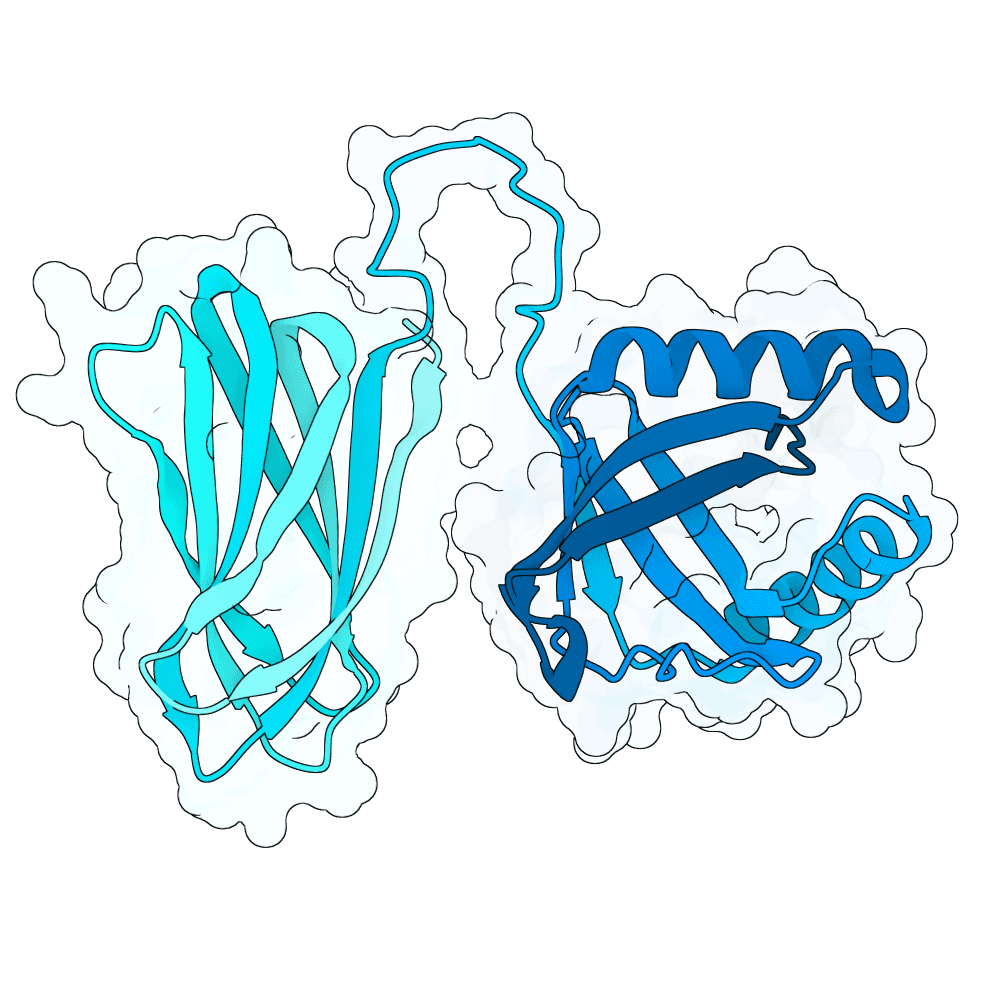
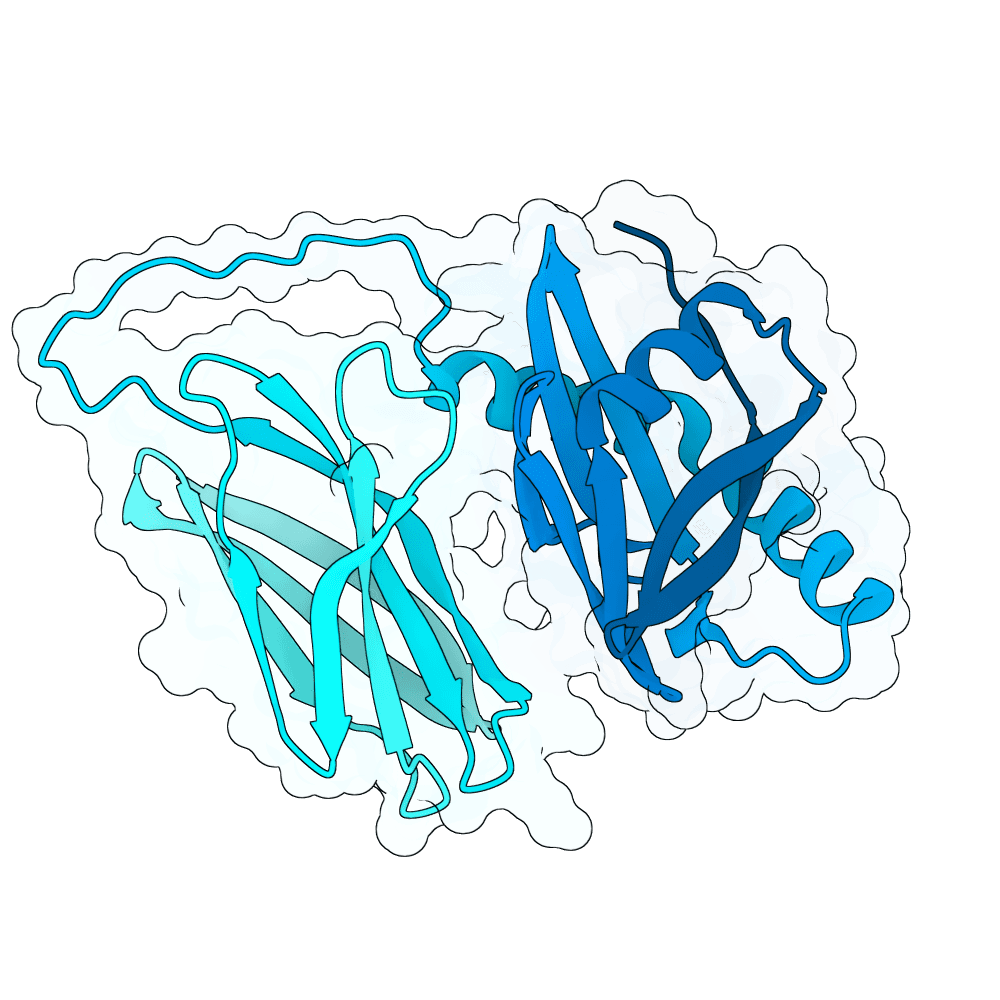
Finally, to encourage high affinity binding, I made chimeras of my top 2 binders from each category of binder; two target the folded domain and two target the IDR. I fused the binders with a SGGGGSGGGGSGGGGS linker commonly used to make scFvs.