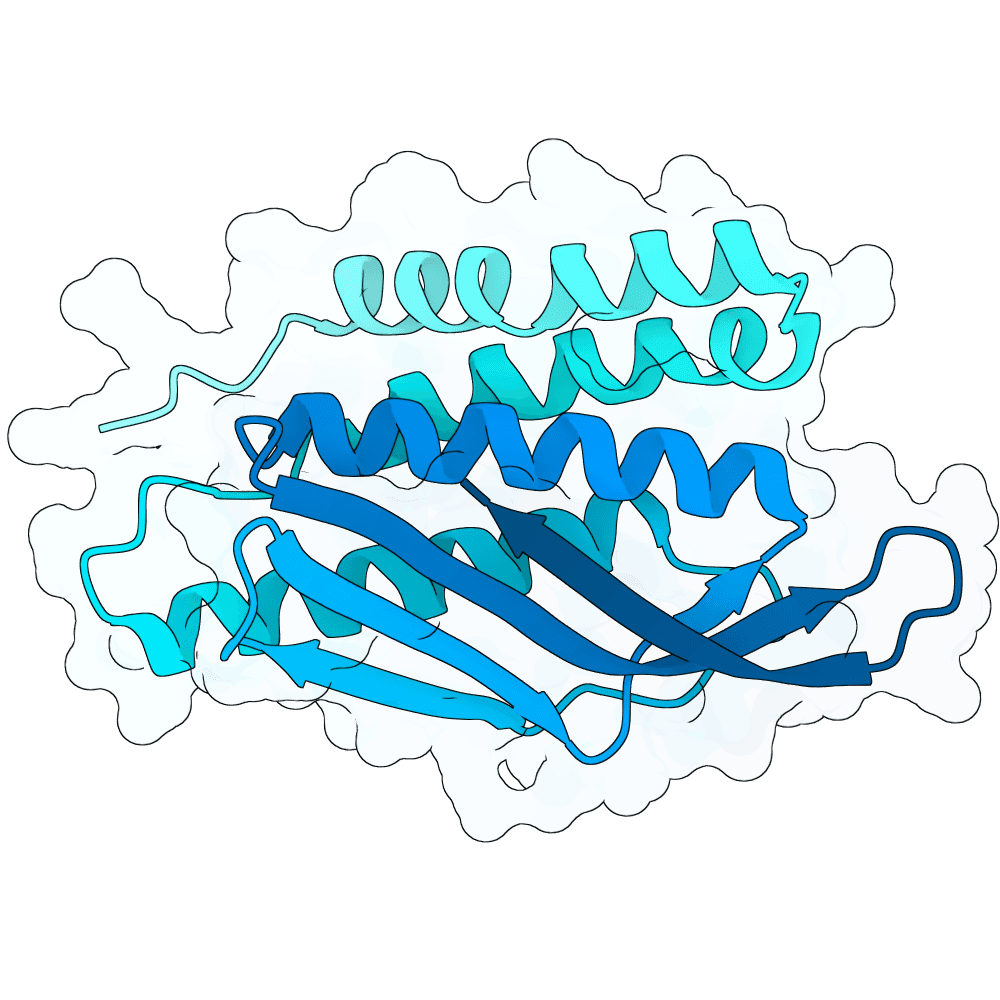
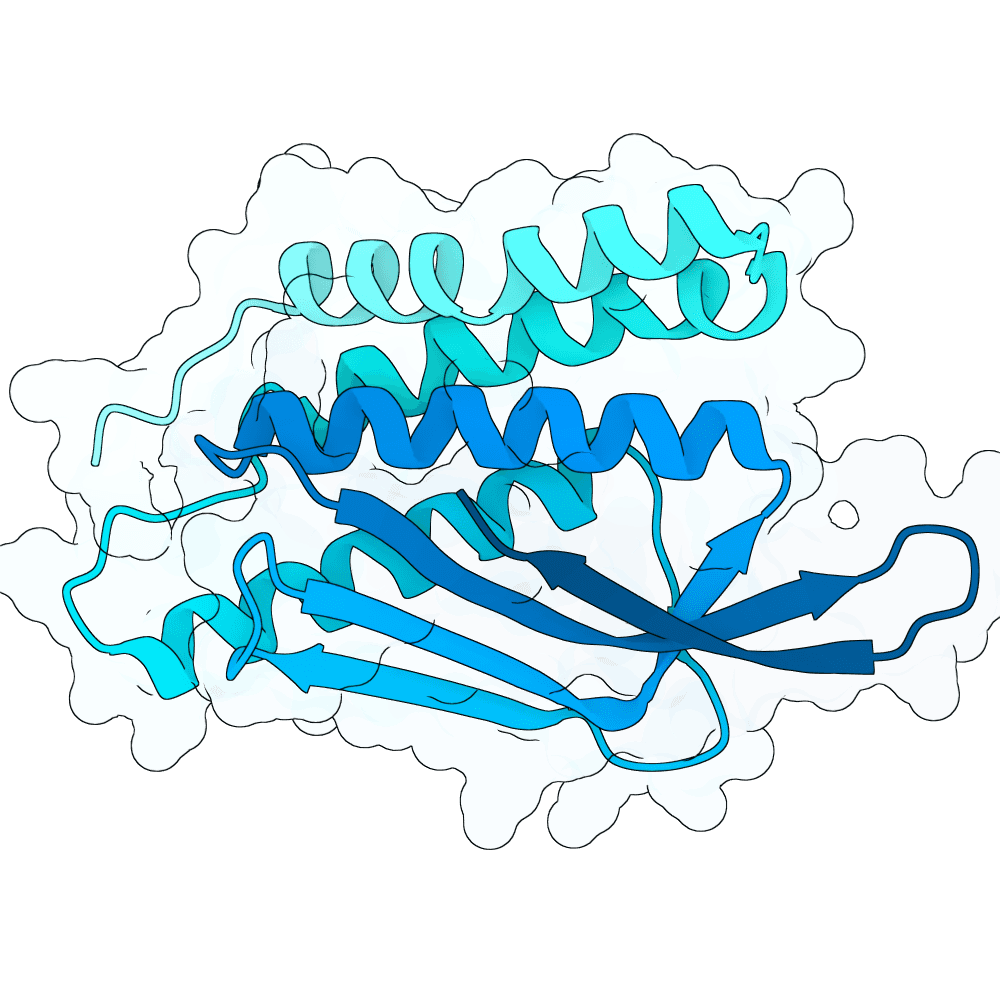
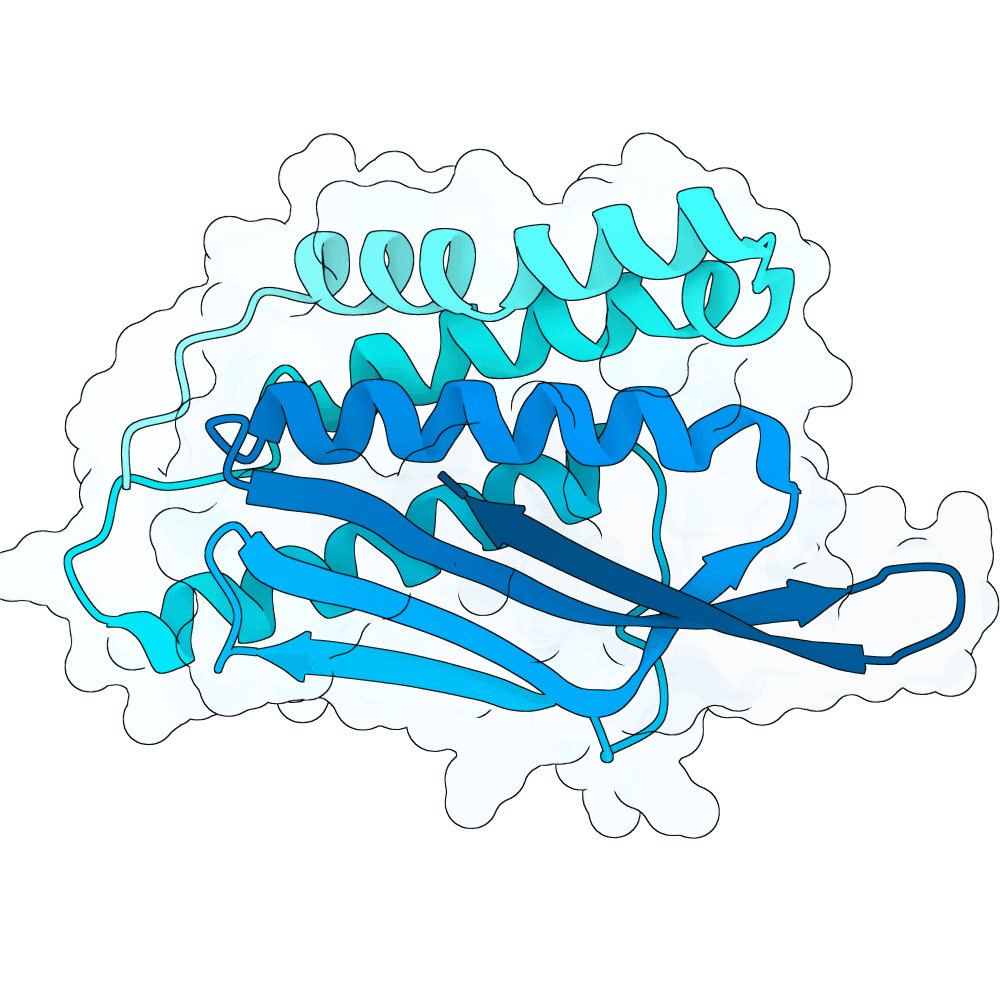
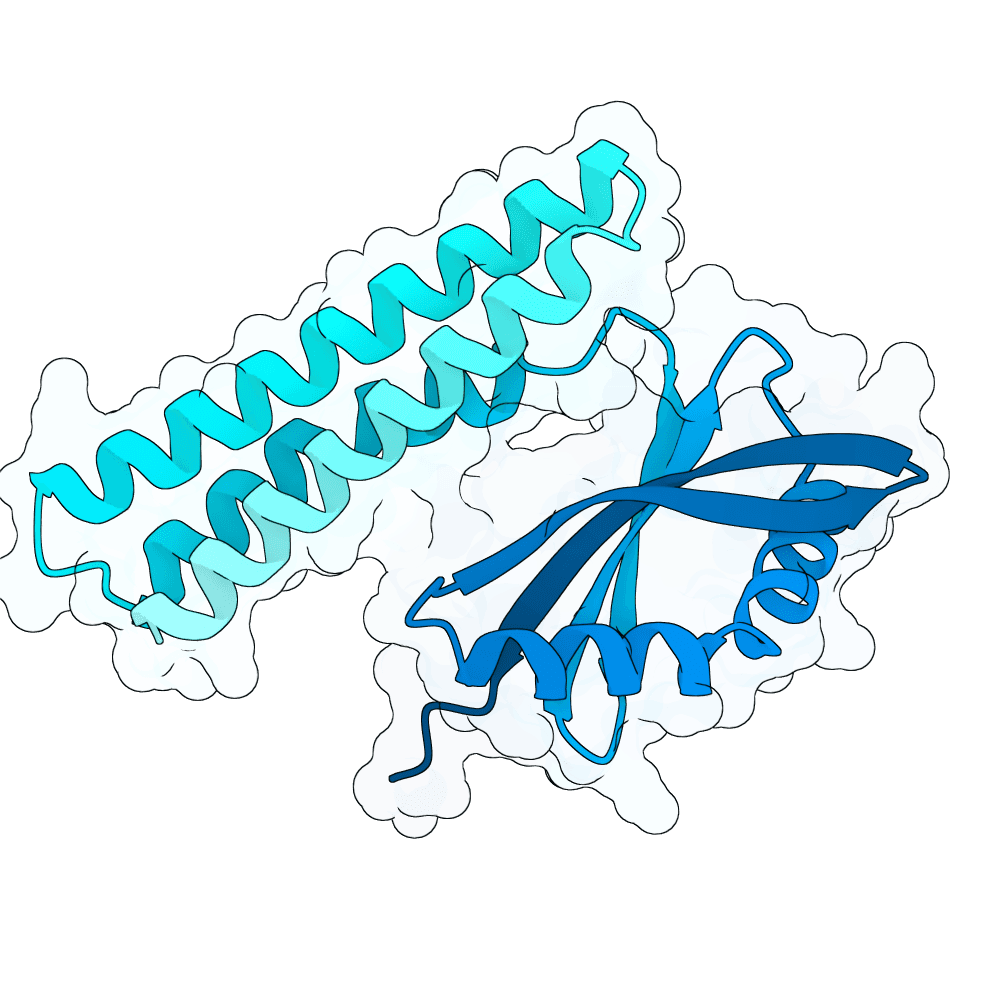
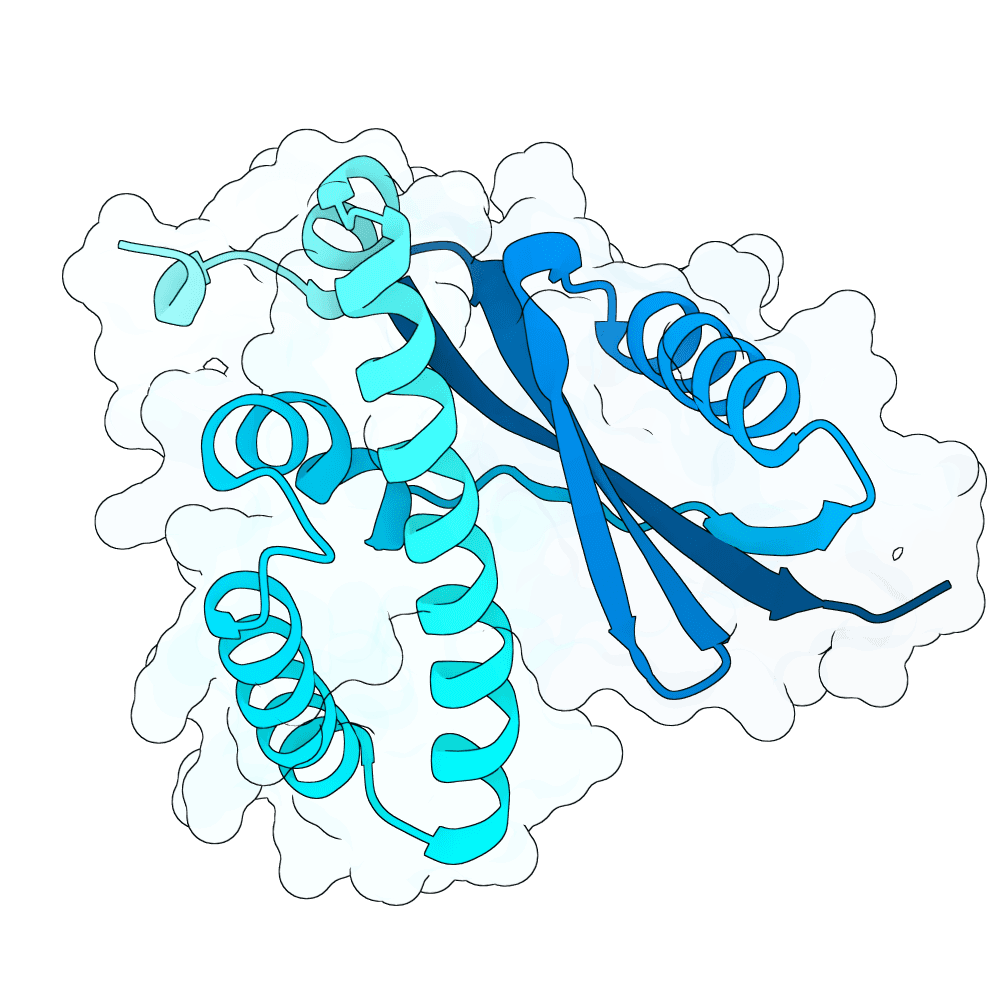
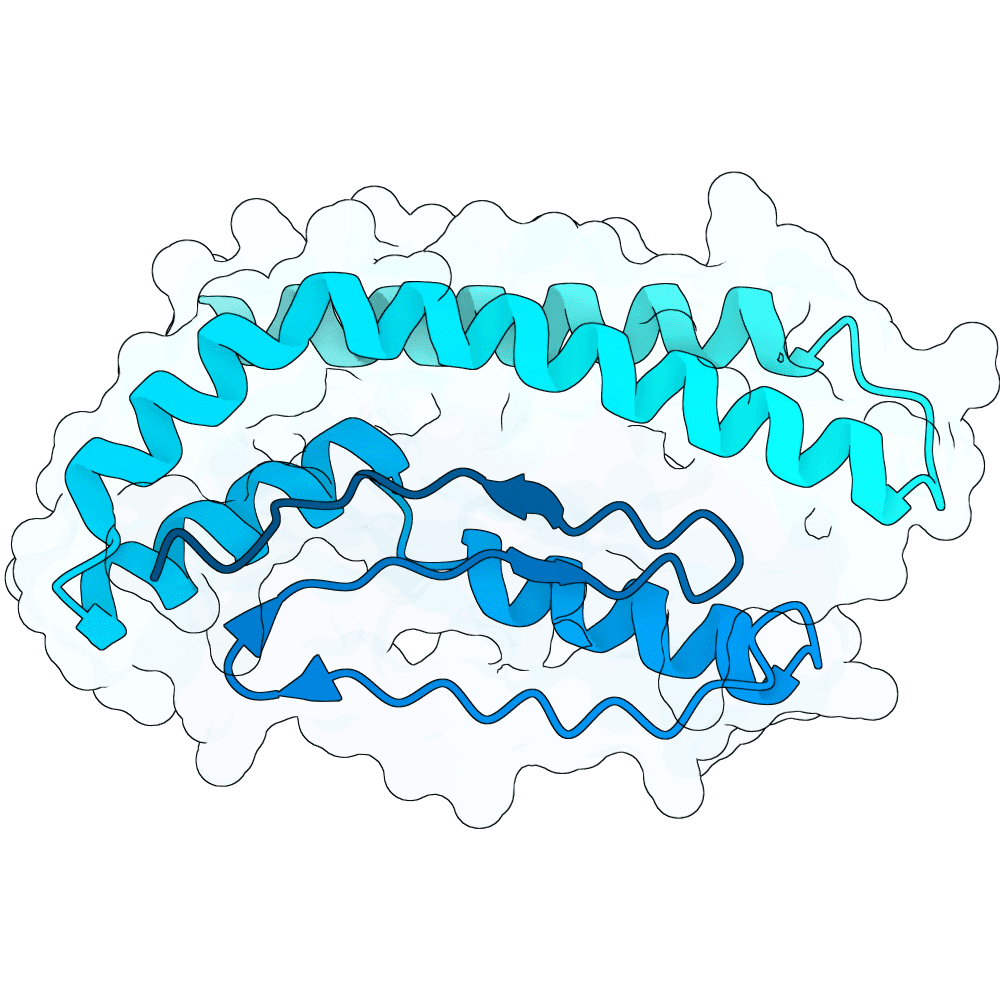
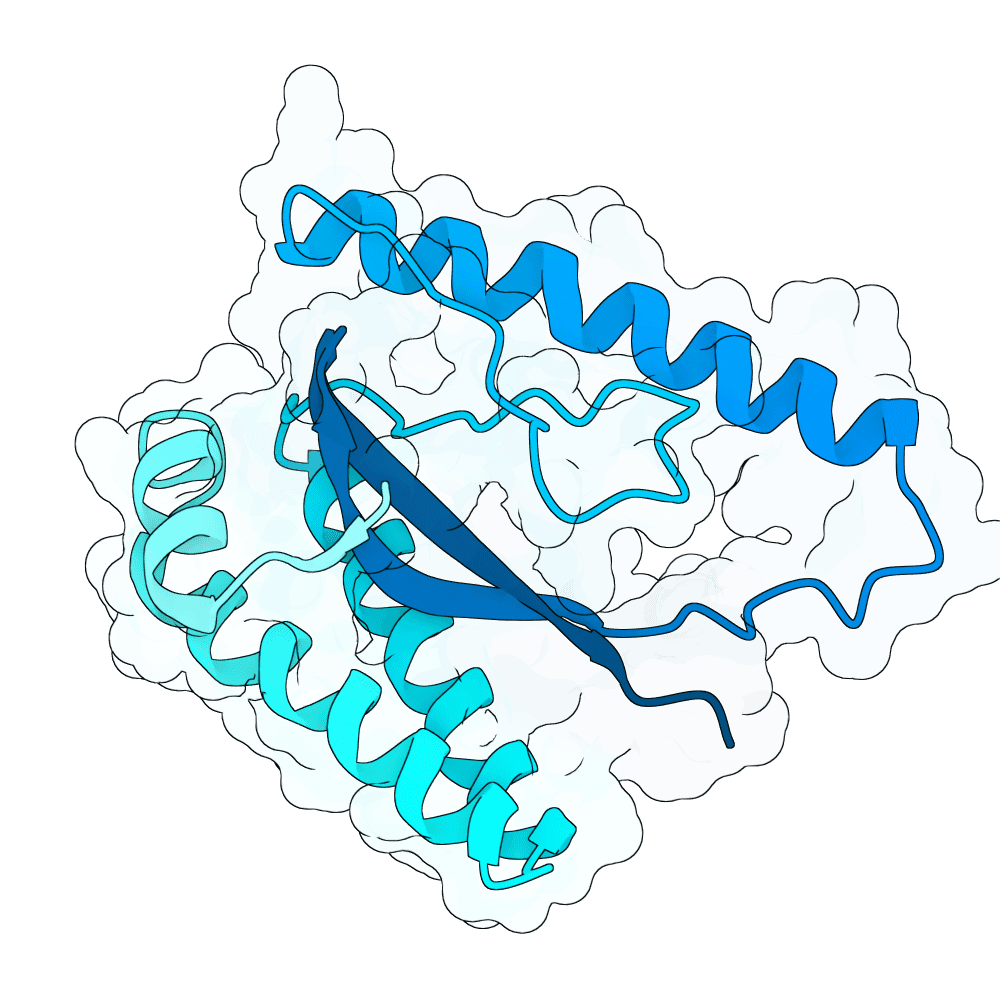
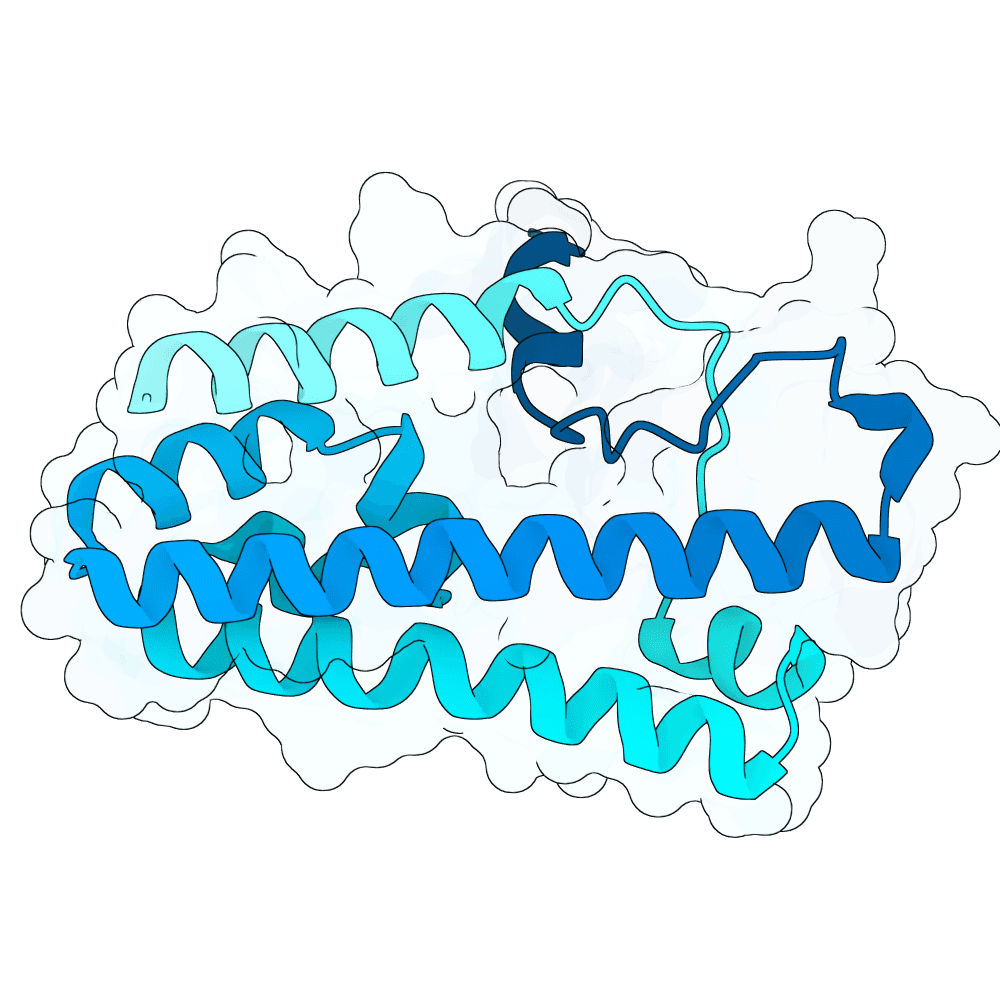
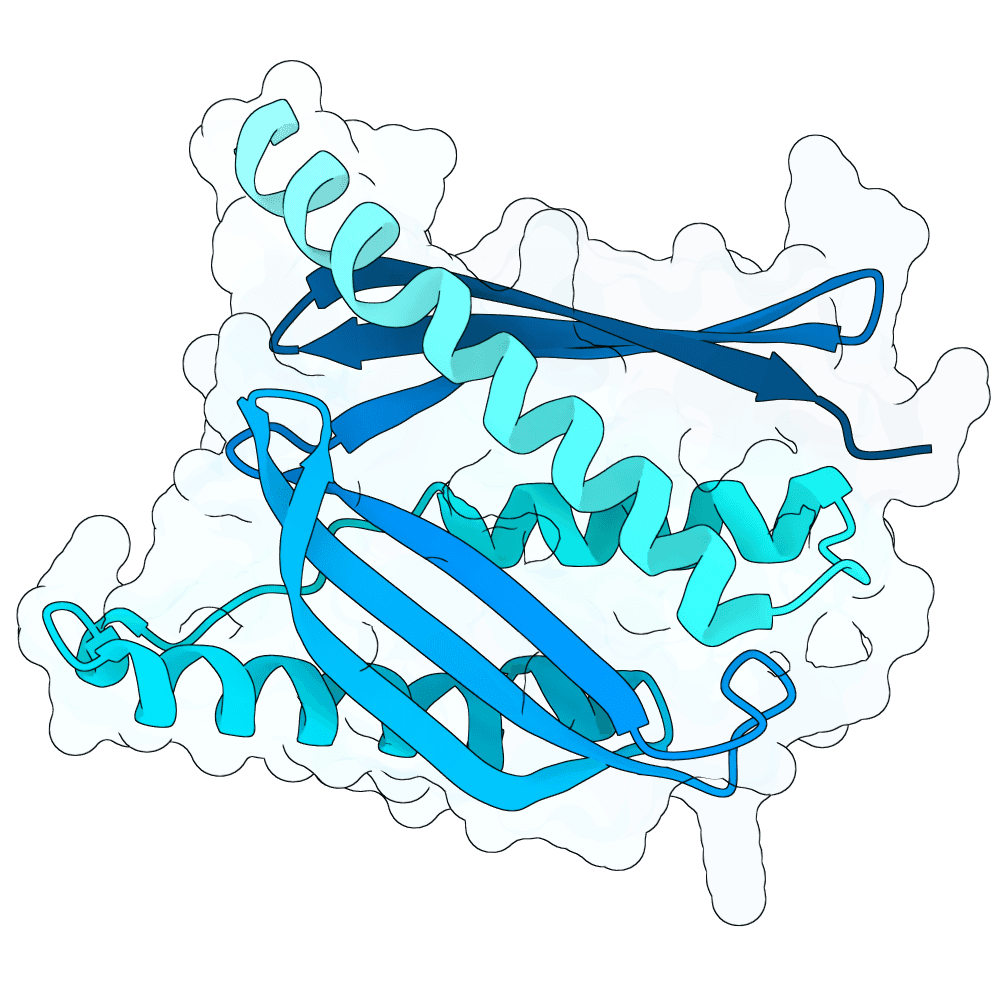
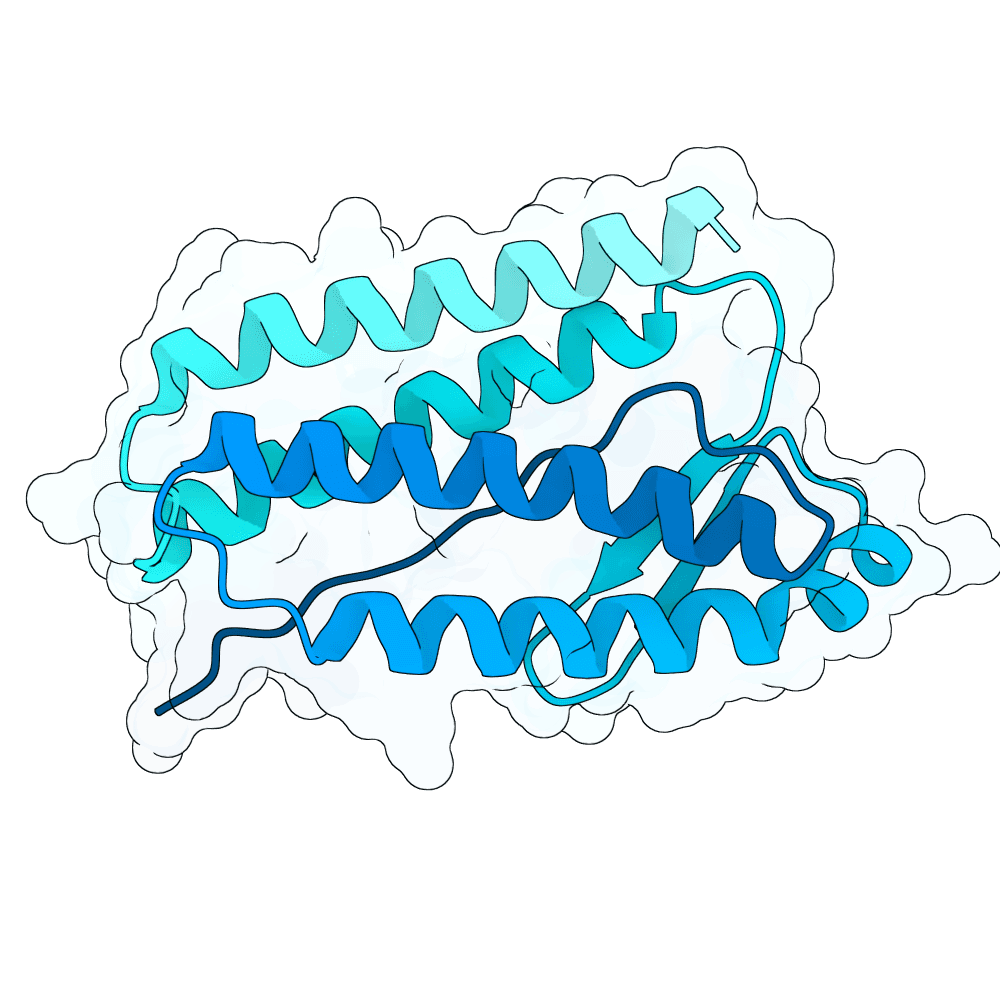
Description
PDF link: https://github.com/KhondamirRustamov/FoldCraft/blob/main/FoldCraft%20on%20Boltz.pdf
Generating fold-conditioned binders against RBX1 with FoldCraft on Boltz.
Introduction. RBX1 is a cancer-relevant target consisting of an intrinsically disordered N-terminus and a C-terminal zinc finger domain coordinating three zinc ions. In this work, we aimed to design fold-conditioned protein binders that bind and stabilize the N-terminus of RBX1 using β-paired traps generated with FoldCraft on Boltz.
Methods. To design binders against RBX1, we used our FoldCraft protocol as described in the preprint [1]. To improve its performance, we introduced several modifications to the original framework. FoldCraft performs gradient-based optimization of protein sequences by backpropagating from the AF2-Multimer contact map similarity loss. In this work, we replaced AF2-Multimer with the JAX implementation of Boltz-2 [2]. After the initial design process, we performed iterative sequence redesign using ProteinMPNN (version 010, temperature 0.1, batch size 2 for cycle 1 and batch size 1 for subsequent cycles) [3]. All designed sequences were ranked using the maximum ipSAE metric.
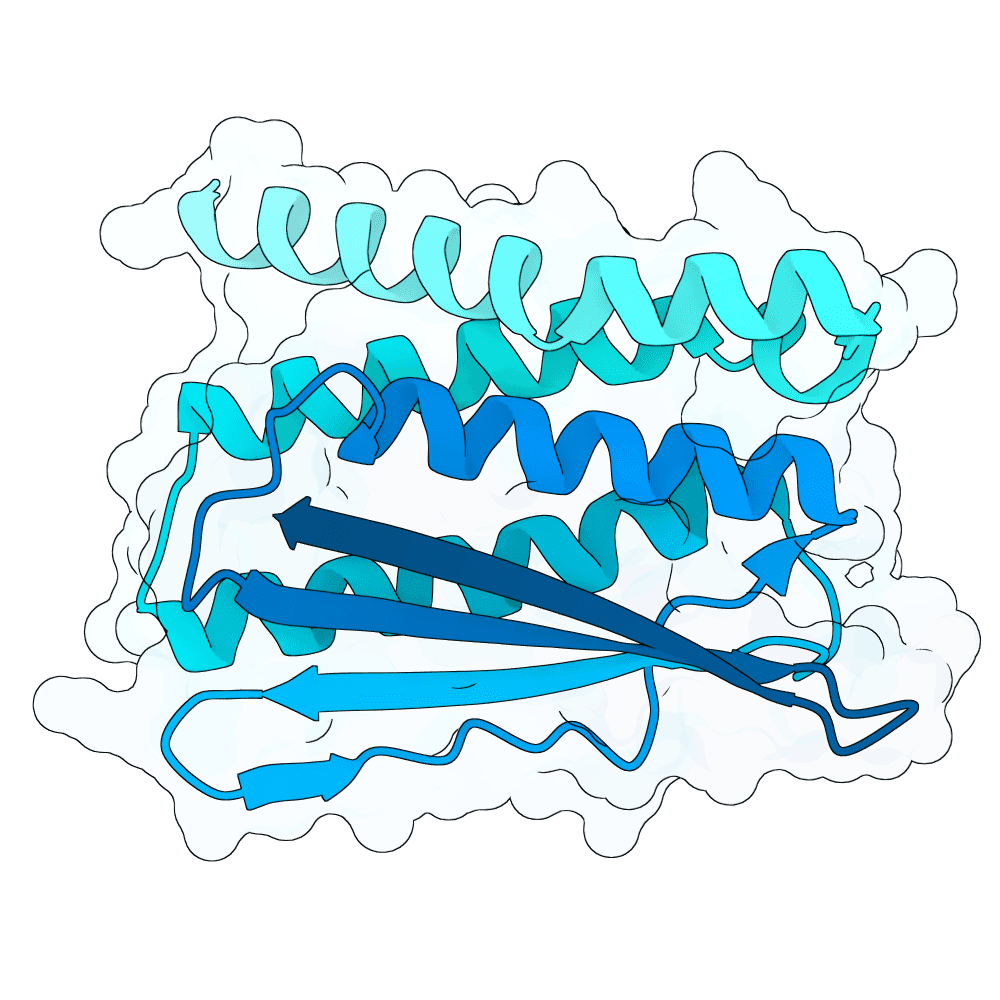
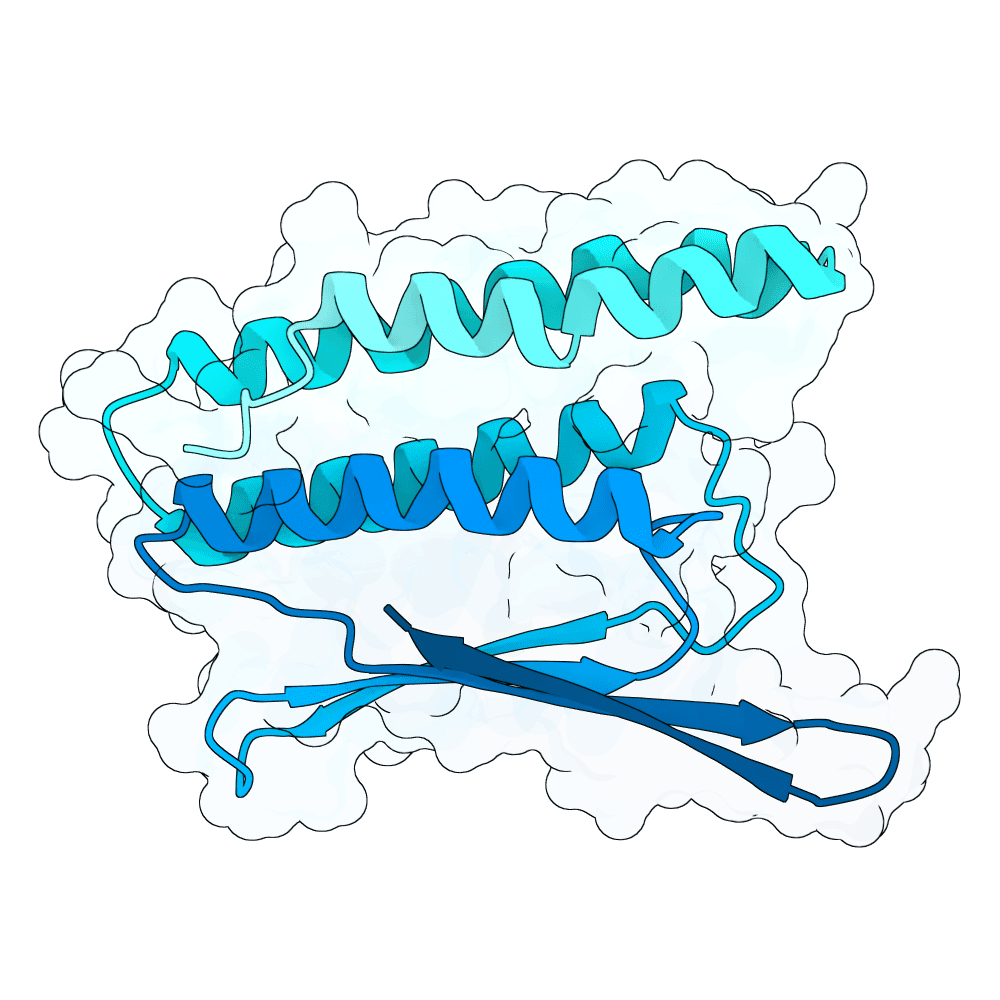
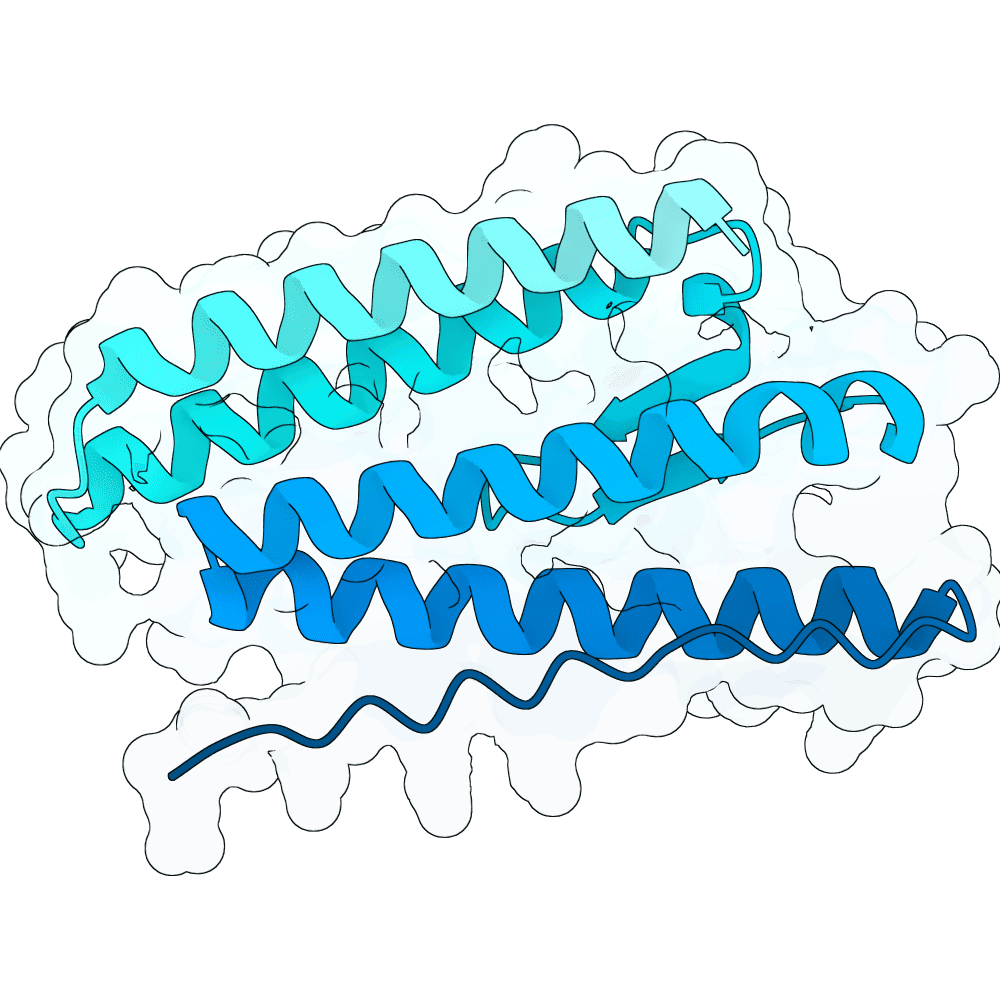
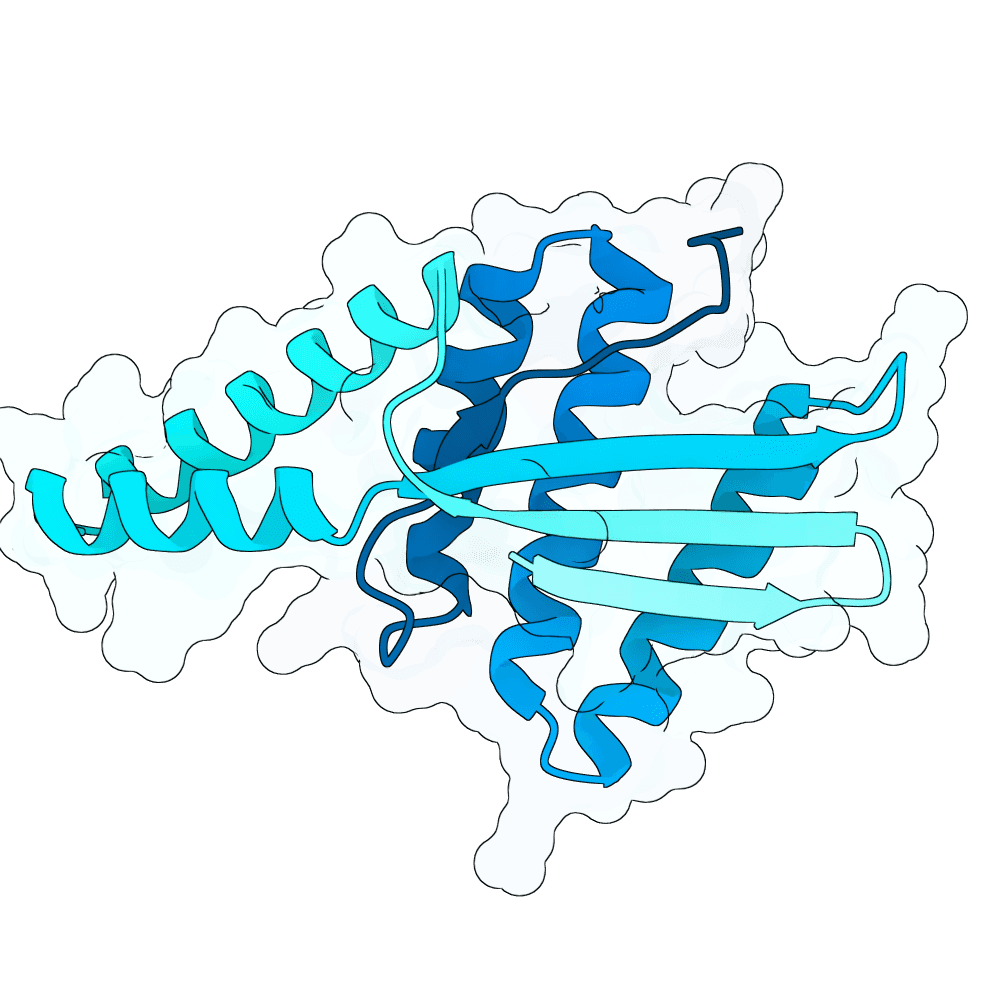
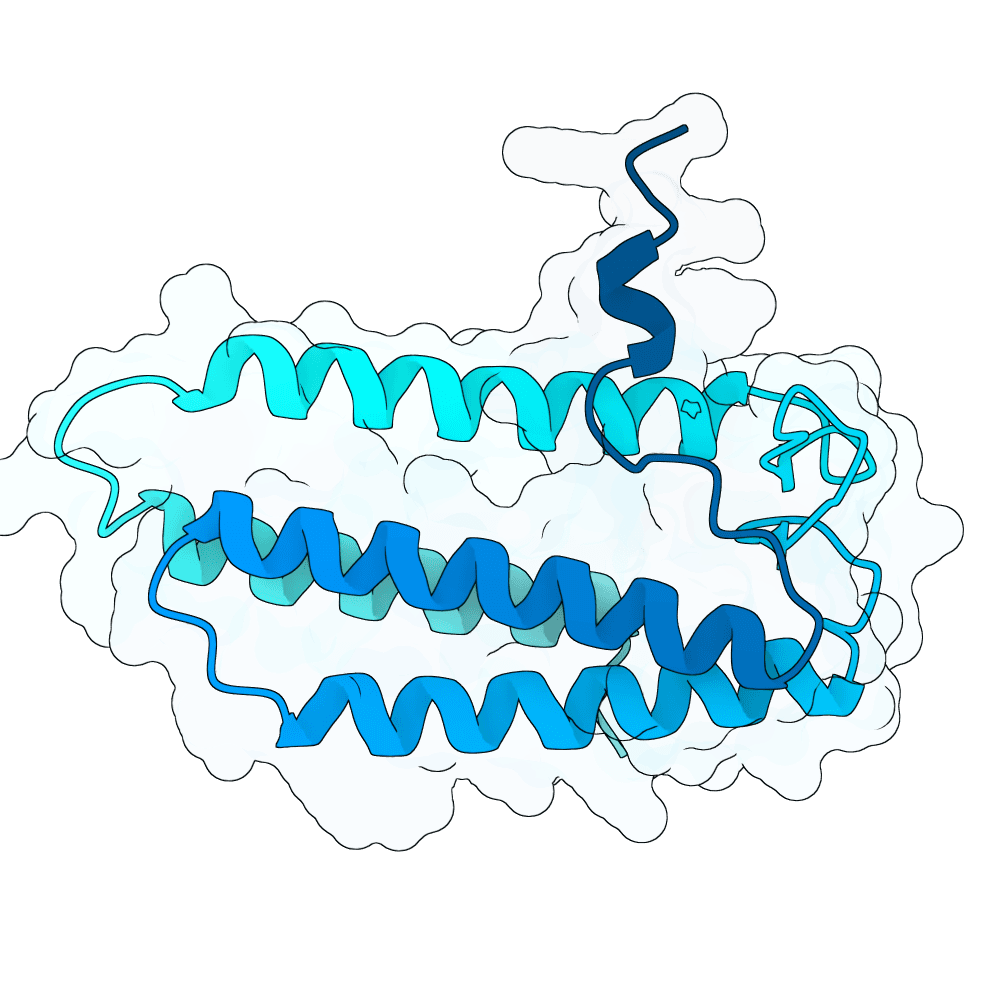
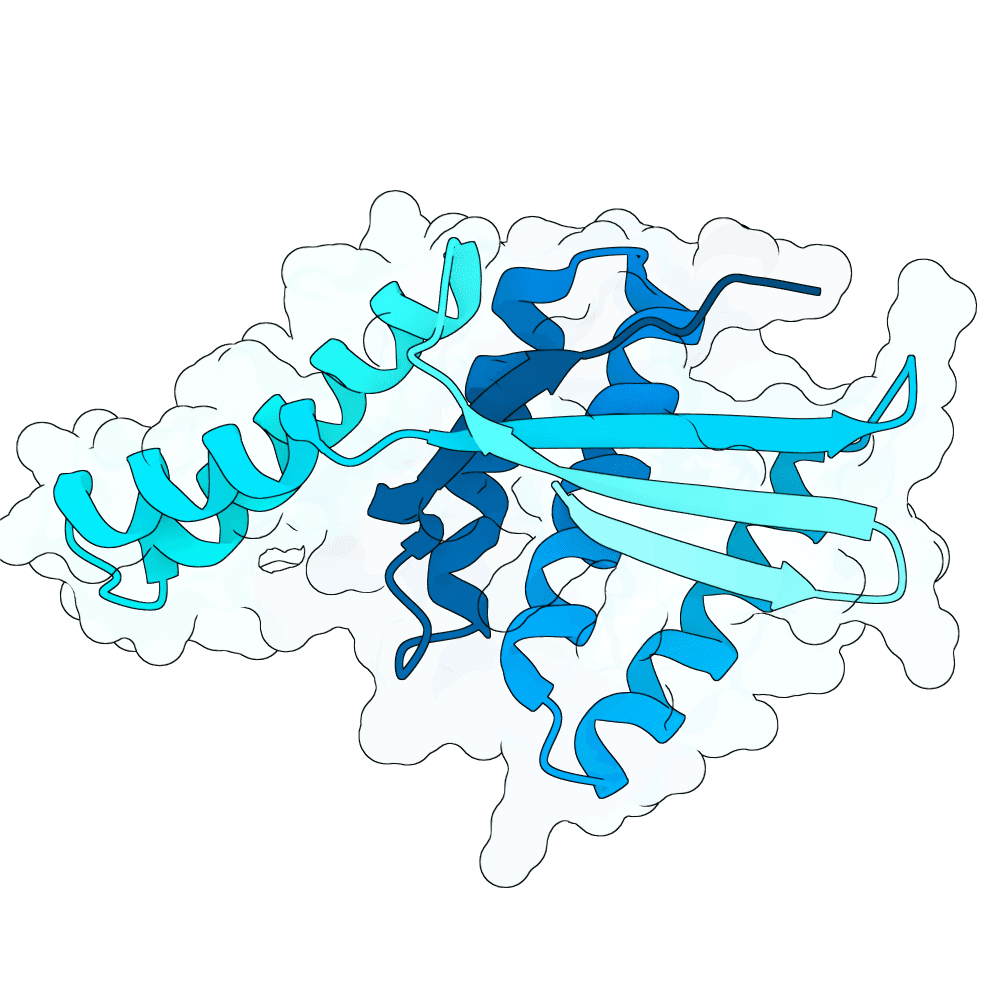
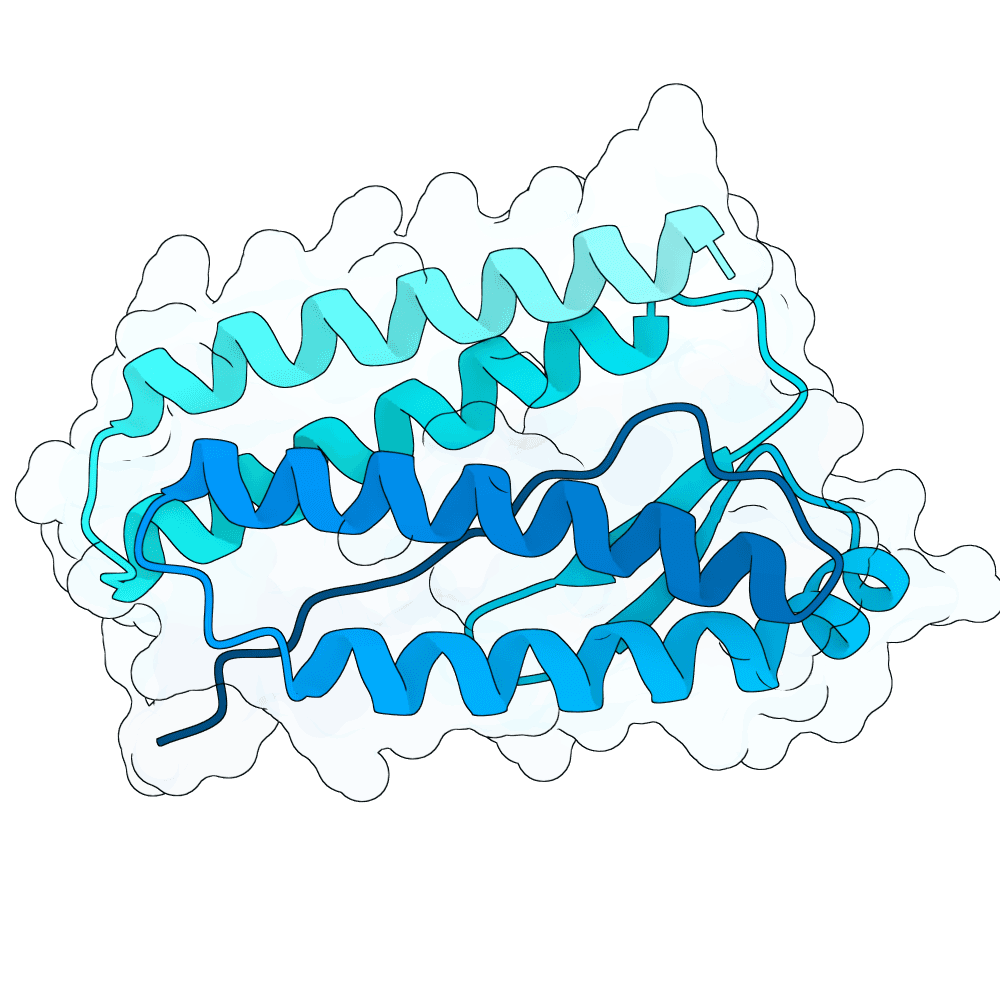
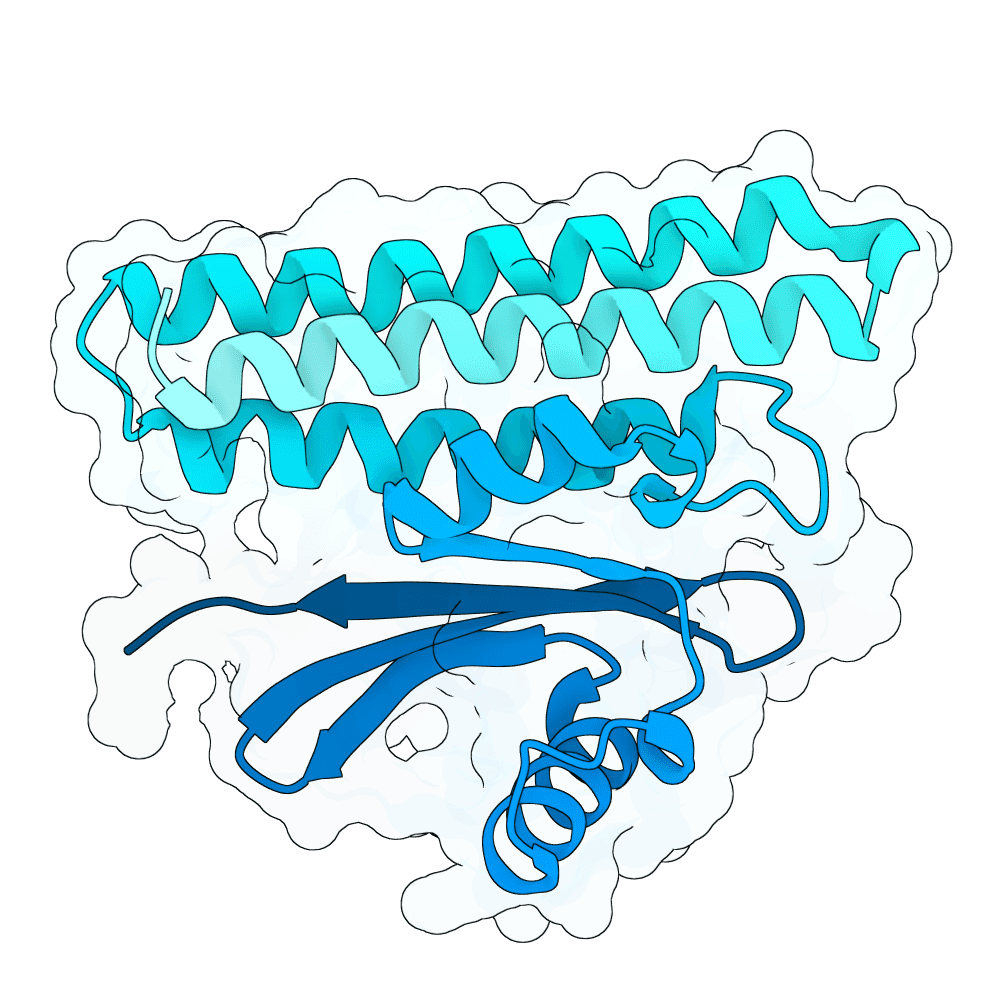
Results. In this work, we used the FoldCraft algorithm paired with the Boltz-2 structure prediction model to generate de novo fold-conditioned binders [1, 2]. Using the RBX1 crystal structure (1LDJ), we generated de novo binders targeting the partially unfolded region of RBX1 in order to trap it in an ordered β-sheet structure. To achieve this, we applied two fold-conditioning strategies: i. Designing 100 de novo binders with HHHEEHEE topology, aiming to bind the RBX1 N-terminus between paired β-sheets (full fold conditioning). ii. Designing 100 de novo binders with –EE–EE topology, following the same idea but allowing the model to design the remaining structural elements autonomously (partial fold conditioning).
In the first strategy, we applied only the FoldCraft contact map similarity loss: we conditioned the inter-chain binder contacts to get the desired topology and binder-target contacts to condition the right binding pose for β-sheets pairing (Fig 1A). In the second strategy, we incorporated additional losses to improve binding and structural integrity of the designed binders, including pLDDT, PAE, con, i_con, and i_pde losses.
After generating a total of 200 designs using FoldCraft on Boltz, we performed inverse folding of sequences using ProteinMPNN and subsequently predicted binder–target structures using Boltz-2. Recent studies have shown that repeating inverse folding and structure prediction cycles significantly improves sequence quality and structural stability [4, 5]. Based on this idea, we performed 15 cycles of iterative redesign for the generated binders. We found that the iterative redesign process significantly improved all quality metrics of the designed sequences (Fig. 1C-D).
Figure 1. Results of full and partial fold-conditioned design using Boltz-2. ... (look PDF link at the top)
After iterative redesign, all binders were ranked using the ipSAE metric, which has been shown to perform best in discriminating binders from non-binder [6]. According to the competition rules, the top 100 sequences were selected for wet-lab validation.
References.
- Rustamov, K. R. & Baev, A. Y. (2025) Fold-Conditioned De Novo Binder Design via AlphaFold2-Multimer Hallucination, 2025.07.02.662497.
- Passaro, S., Corso, G., Wohlwend, J., Reveiz, M., Thaler, S., Somnath, V. R., Getz, N., Portnoi, T., Roy, J., Stark, H., Kwabi-Addo, D., Beaini, D., Jaakkola, T. & Barzilay, R. (2025) Boltz-2: Towards Accurate and Efficient Binding Affinity Prediction, bioRxiv.
- Dauparas, J., Anishchenko, I., Bennett, N., Bai, H., Ragotte, R. J., Milles, L. F., Wicky, B. I. M., Courbet, A., de Haas, R. J., Bethel, N., Leung, P. J. Y., Huddy, T. F., Pellock, S., Tischer, D., Chan, F., Koepnick, B., Nguyen, H., Kang, A., Sankaran, B., Bera, A. K., King, N. P. & Baker, D. (2022) Robust deep learning-based protein sequence design using ProteinMPNN, Science. 378, 49-56.
- Cho, Y., Rangel, G., Bhardwaj, G. & Ovchinnikov, S. (2025) Protein Hunter: exploiting structure hallucination within diffusion for protein design, 2025.10.10.681530.
- Fang, M., Wang, C., Shi, J., Lian, F., Jin, Q., Wang, Z., Zhang, Y., Chen, P., Cui, Z., Wang, Y., Zhang, Z., Ke, Y., Han, Q. & Cao, L. (2026) HalluDesign: Protein Optimization and de novo Design via Iterative Structure Hallucination and Sequence Design, 2025.11.08.686881.
- Overath, M. D., Rygaard, A. S. H., Jacobsen, C. P., Brasas, V., Morell, O., Sormanni, P. & Jenkins, T. P. (2025) Predicting Experimental Success in De Novo Binder Design: A Meta-Analysis of 3,766 Experimentally Characterised Binders, 2025.08.14.670059.