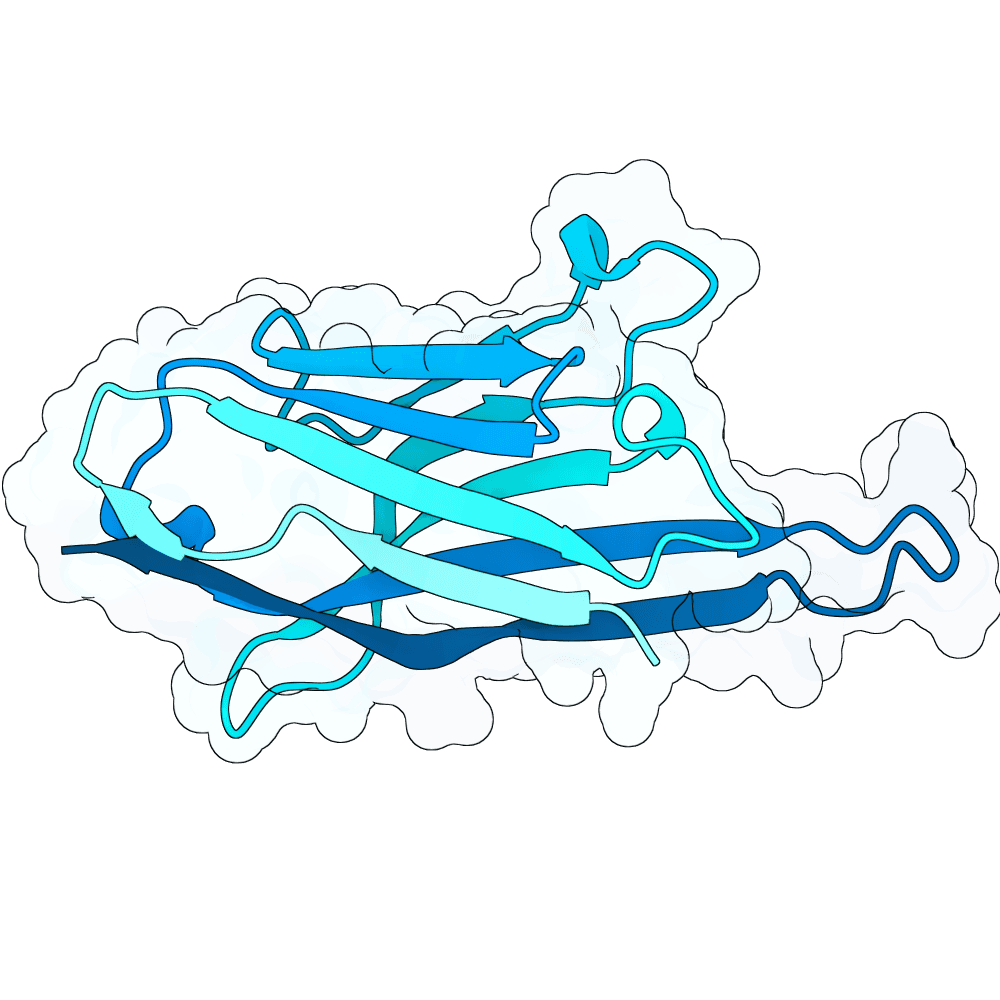
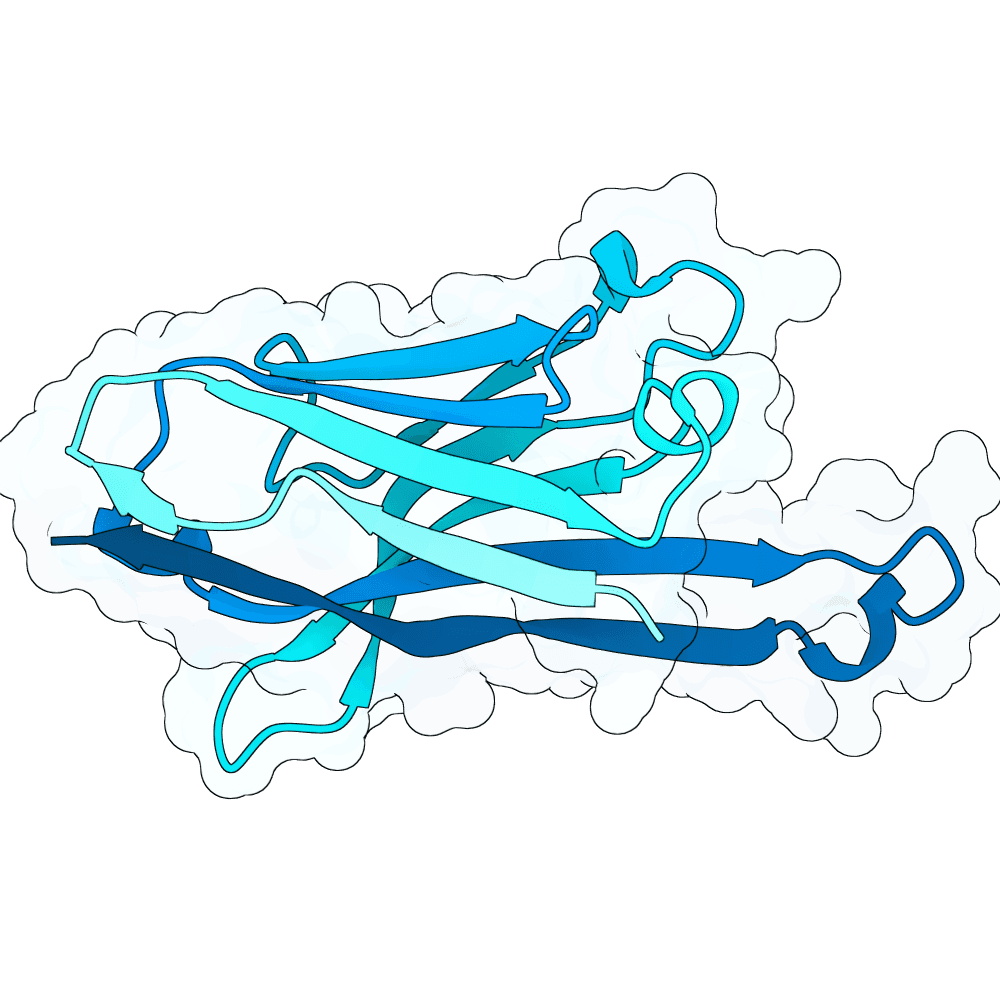
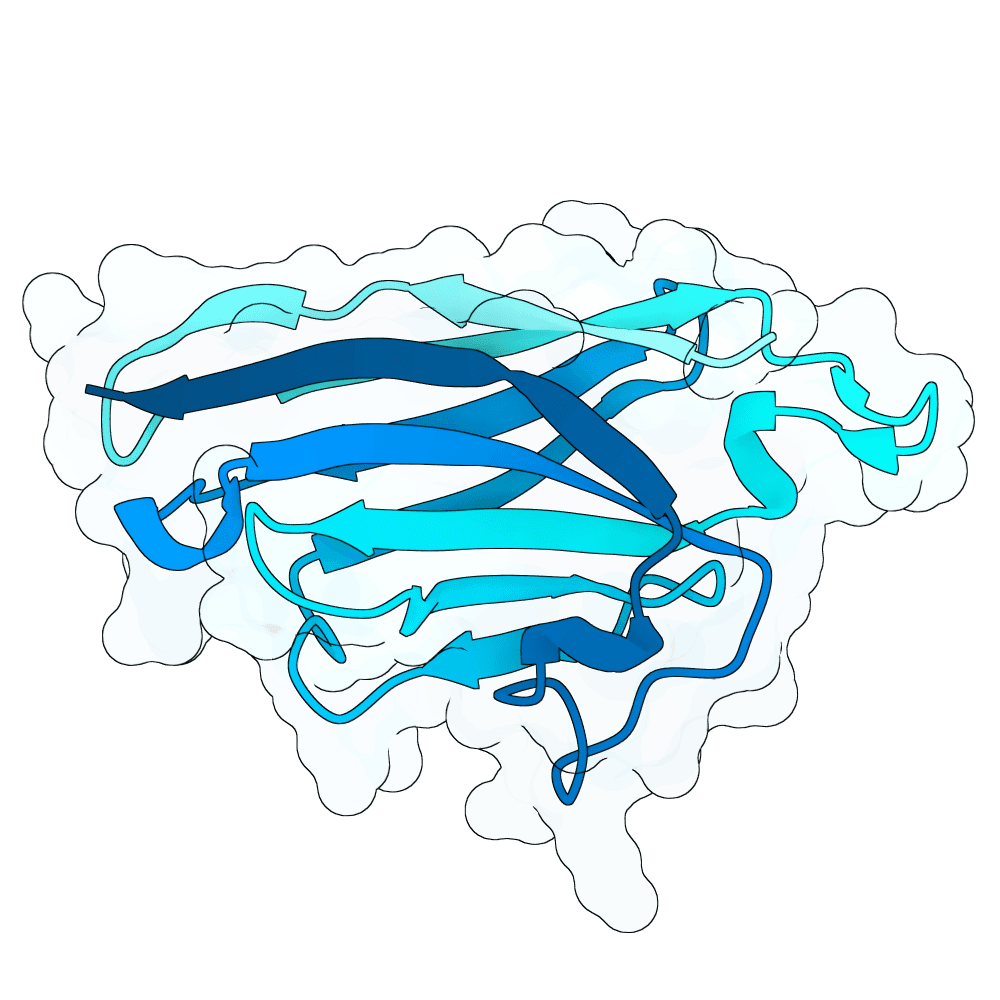
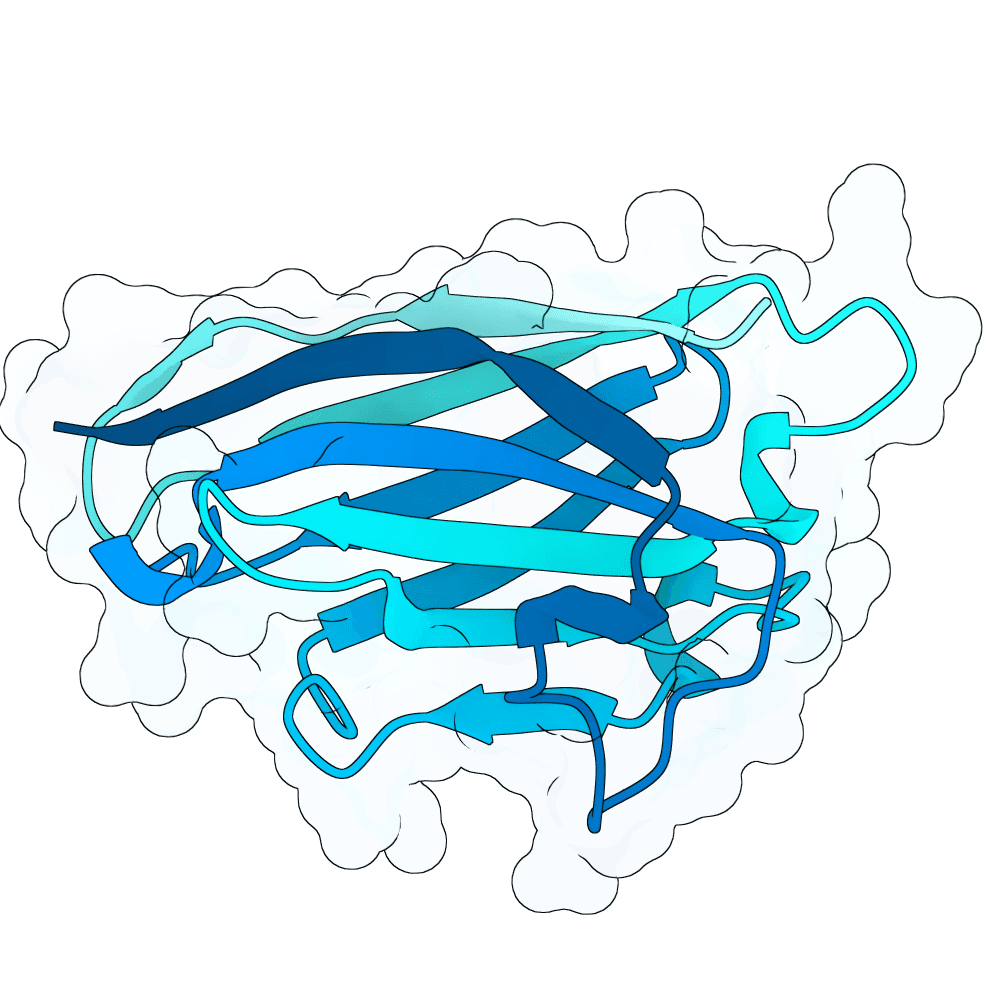
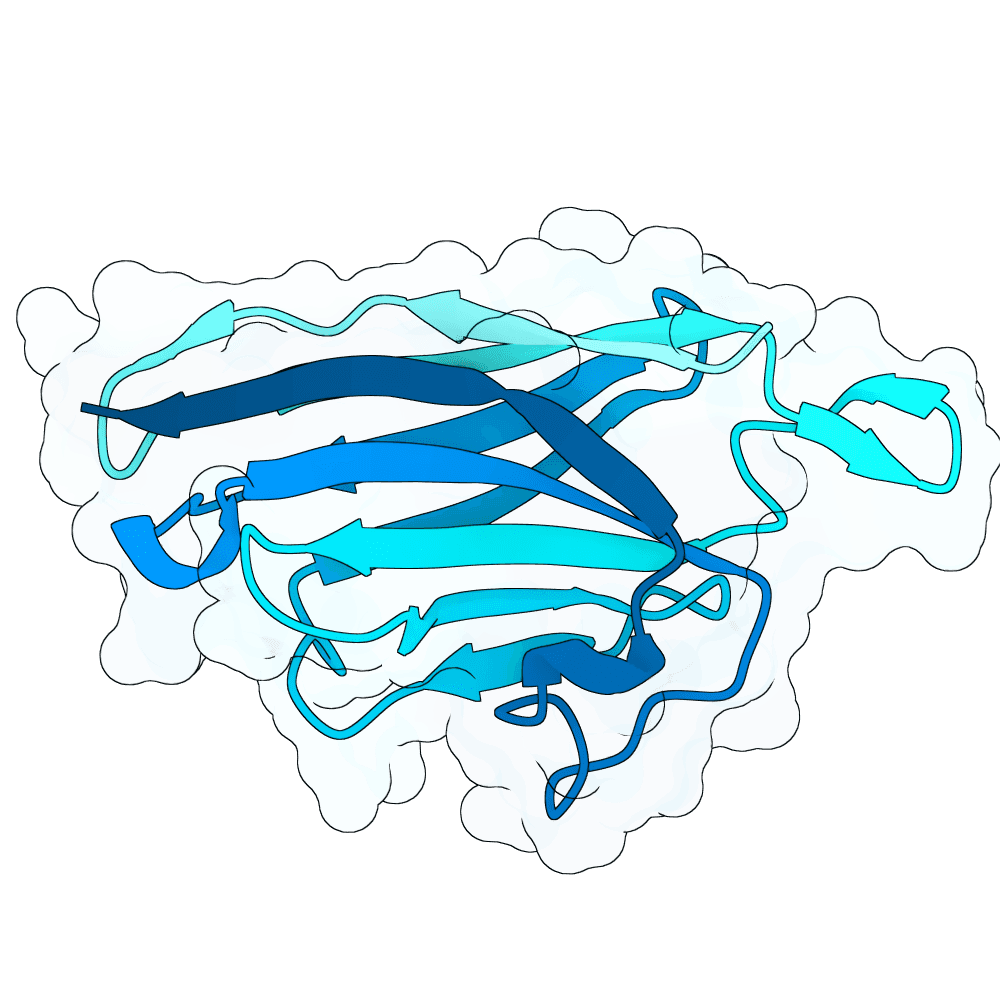
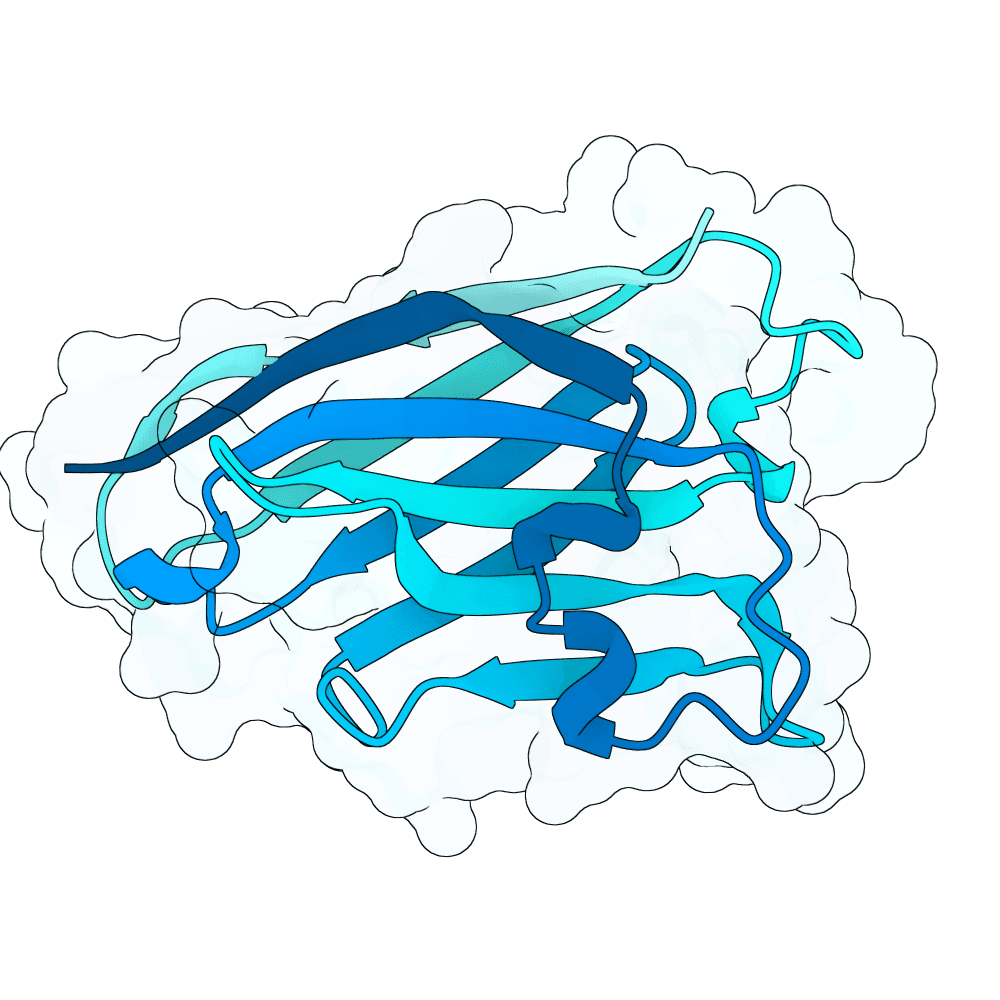
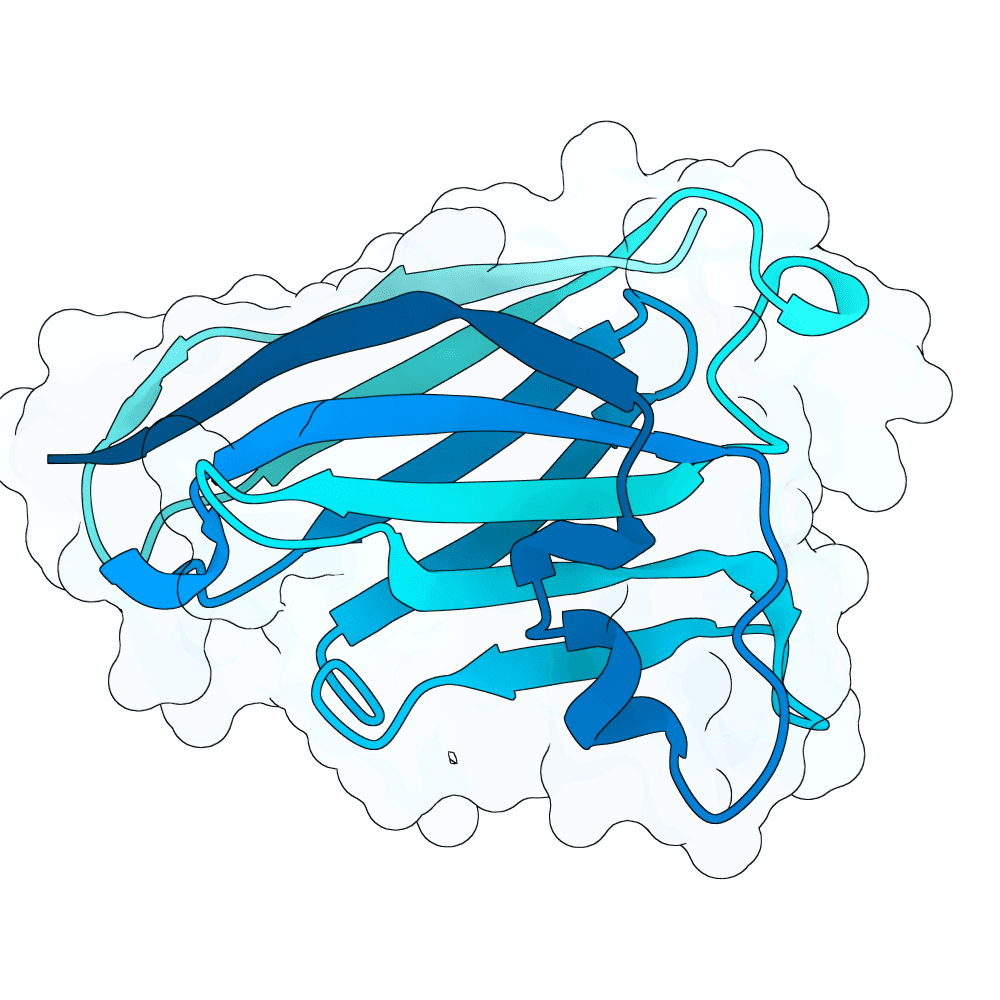
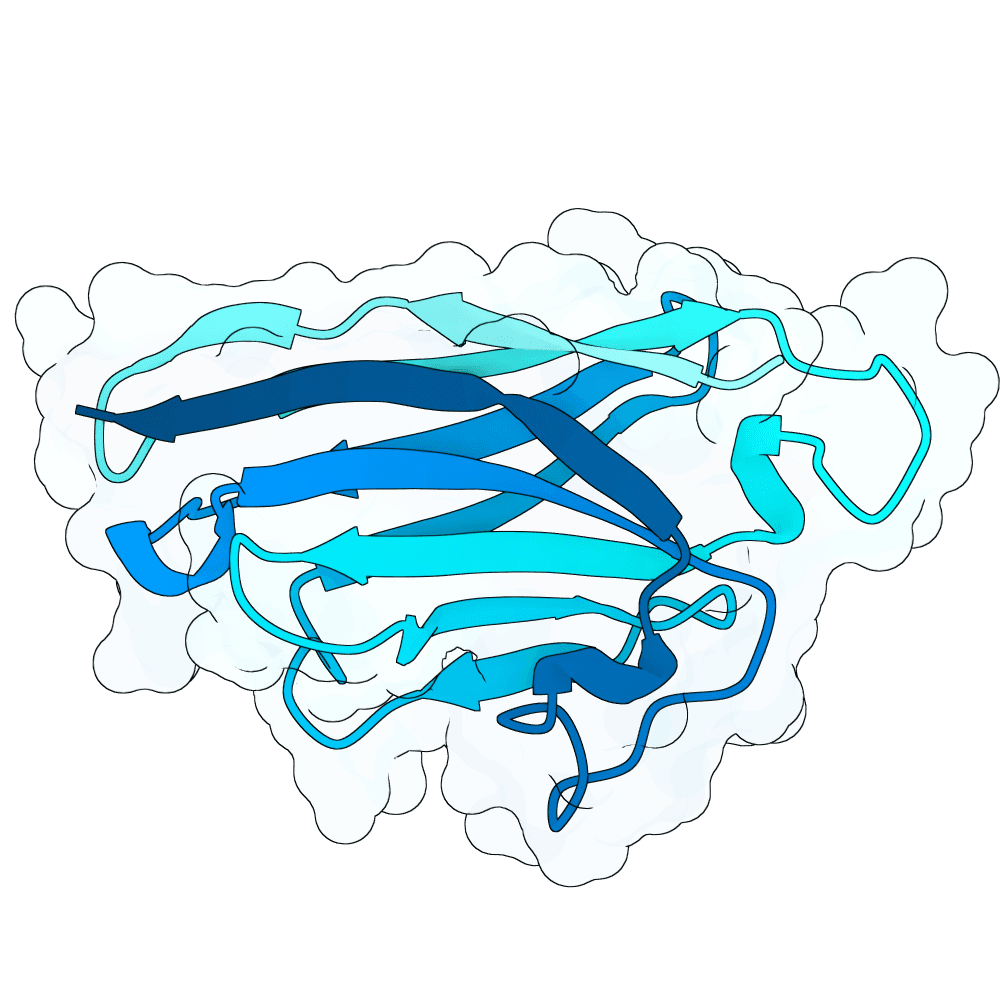
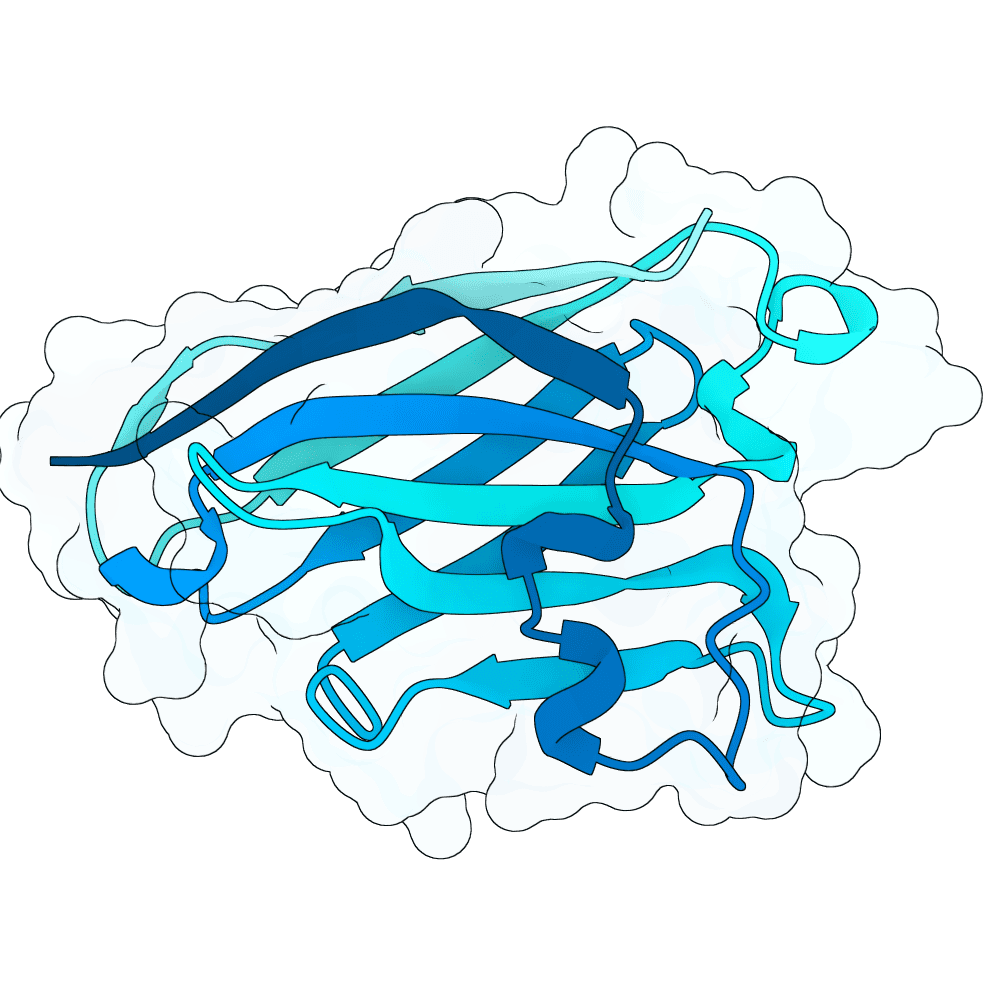
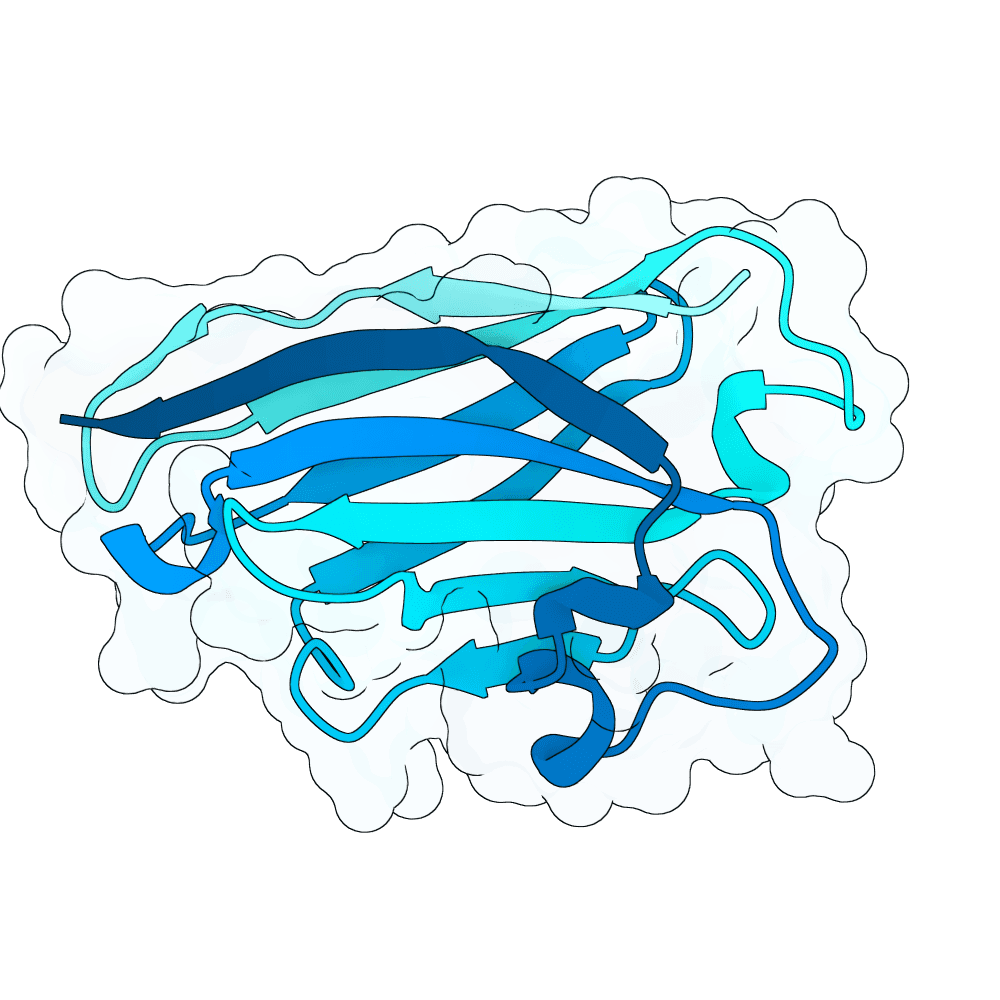
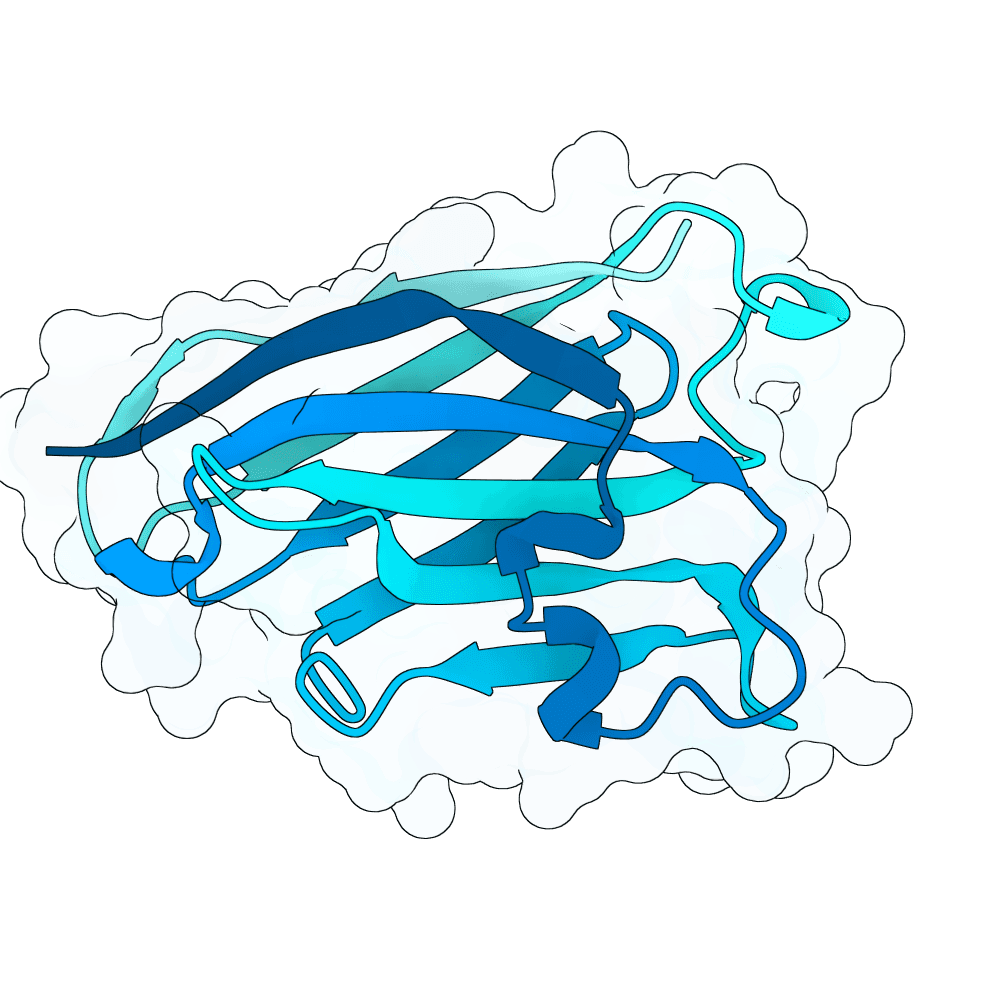
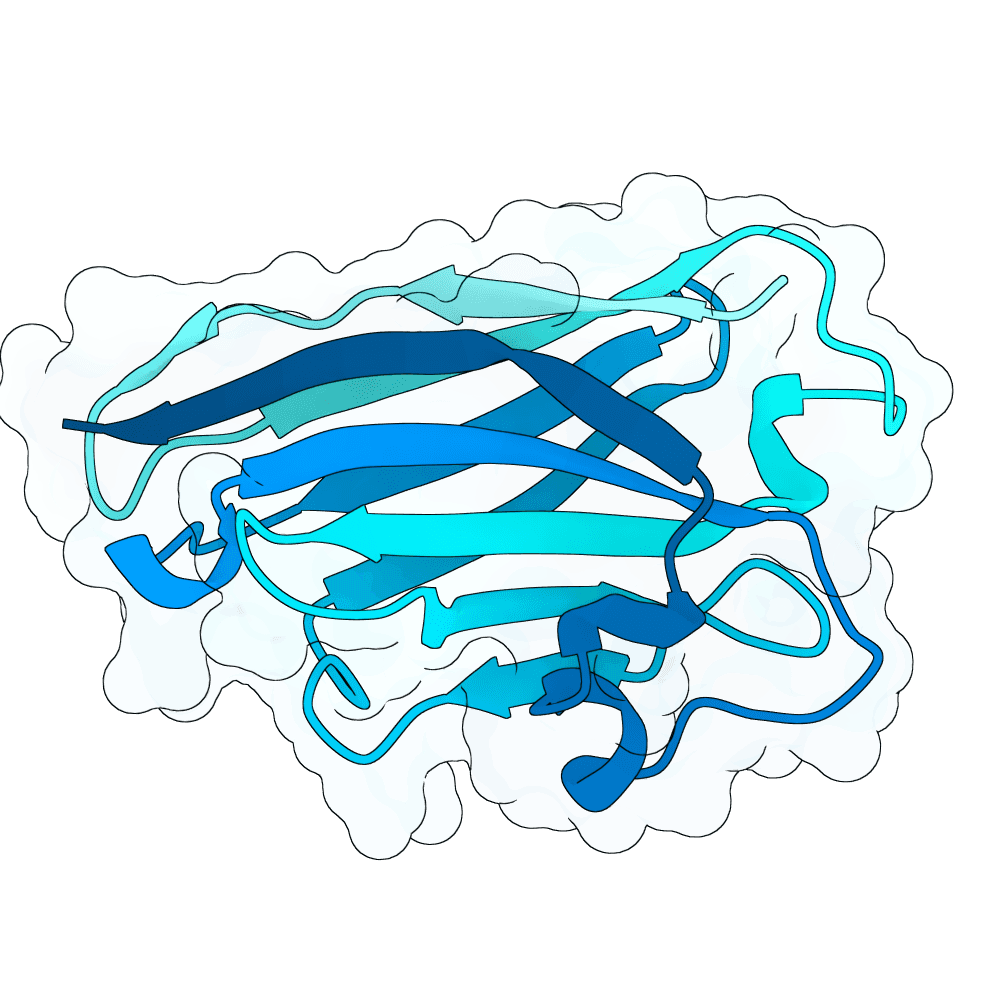
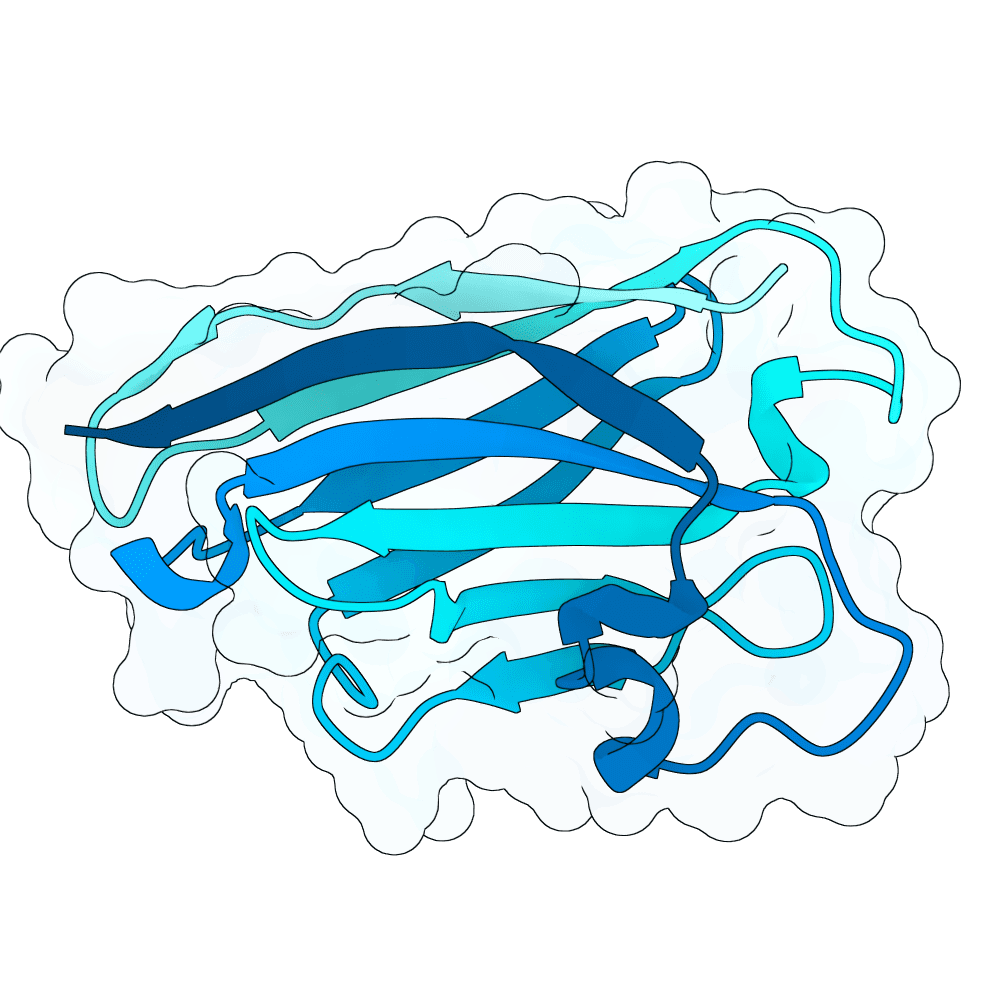
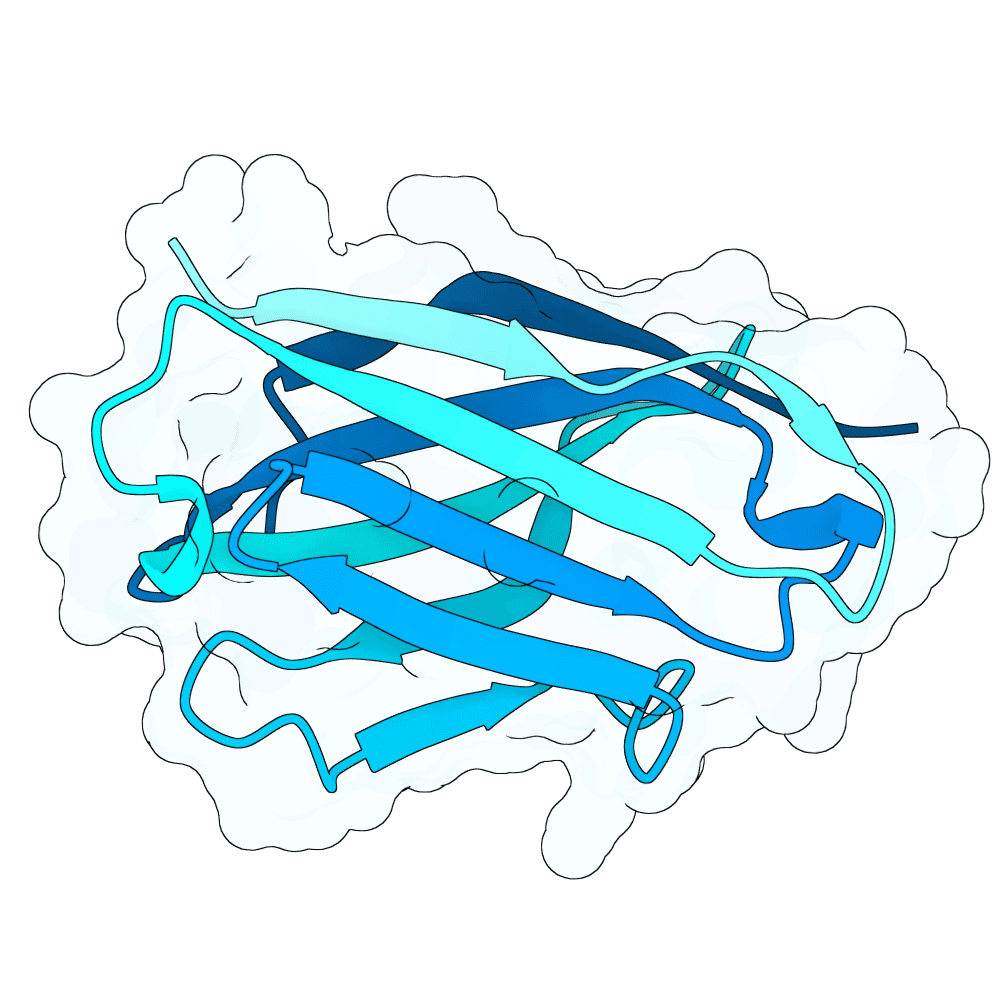
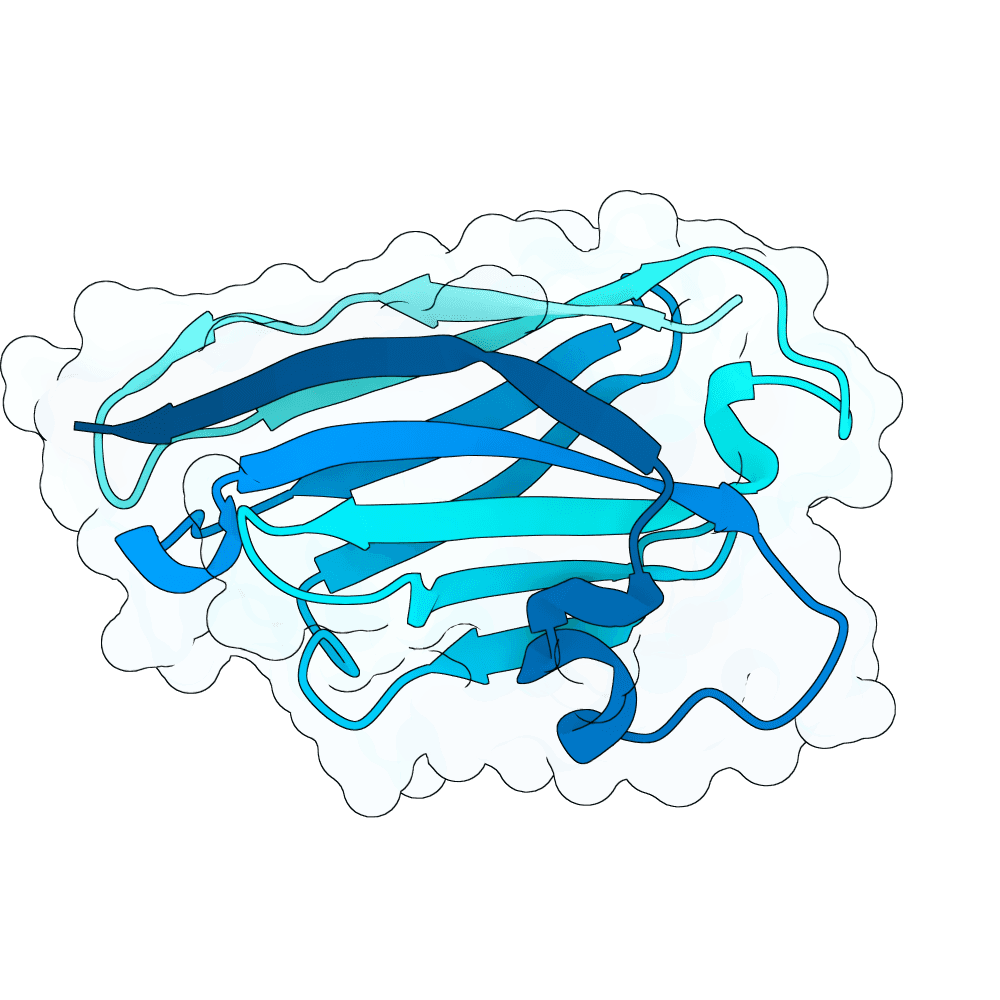
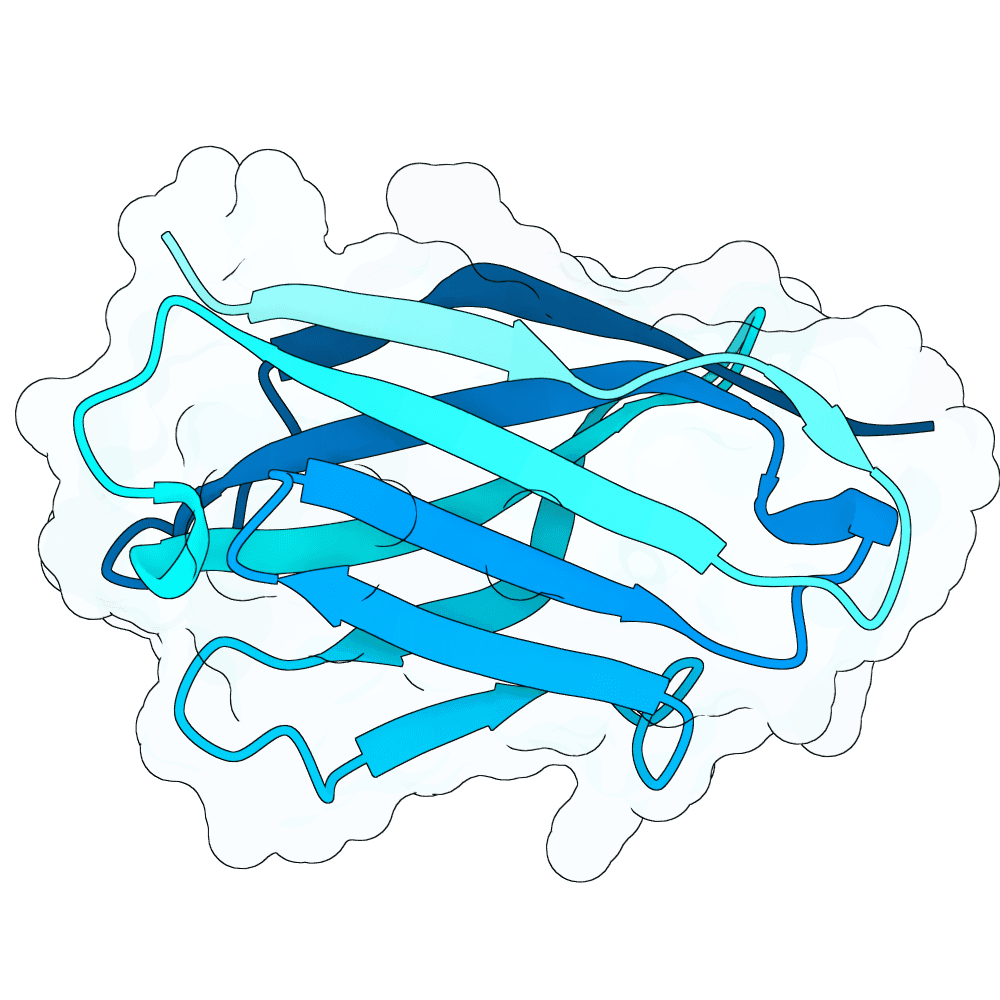
Description
De Novo Nanobody Design using canonical RFantibody pipeline by Bennett et al. (Nature 2025) Tiziana Ricciardelli, Yuko Mok, Thrimendra Dissanayake, Lee Chak Yiu, Louise Wong, Kin Hang Kok Canthevac Limited, Hong Kong Science and Technology Park, Hong Kong
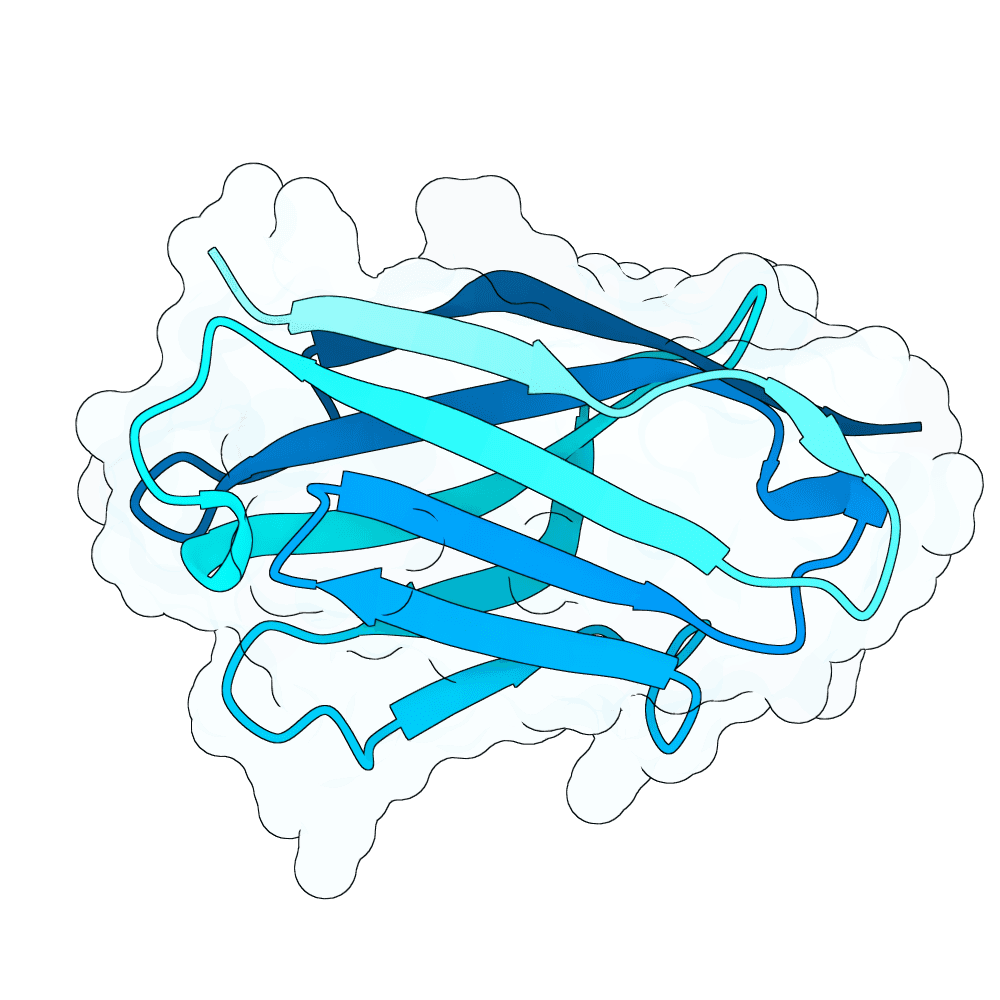
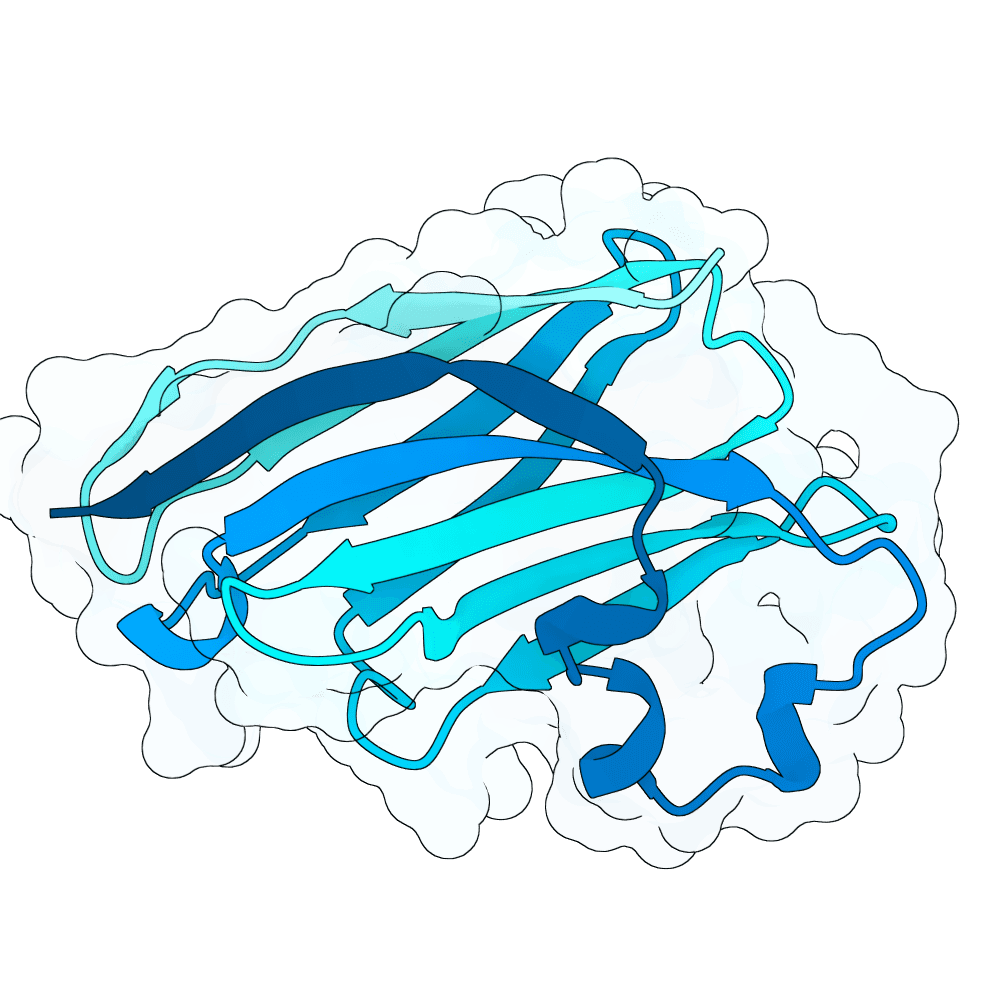
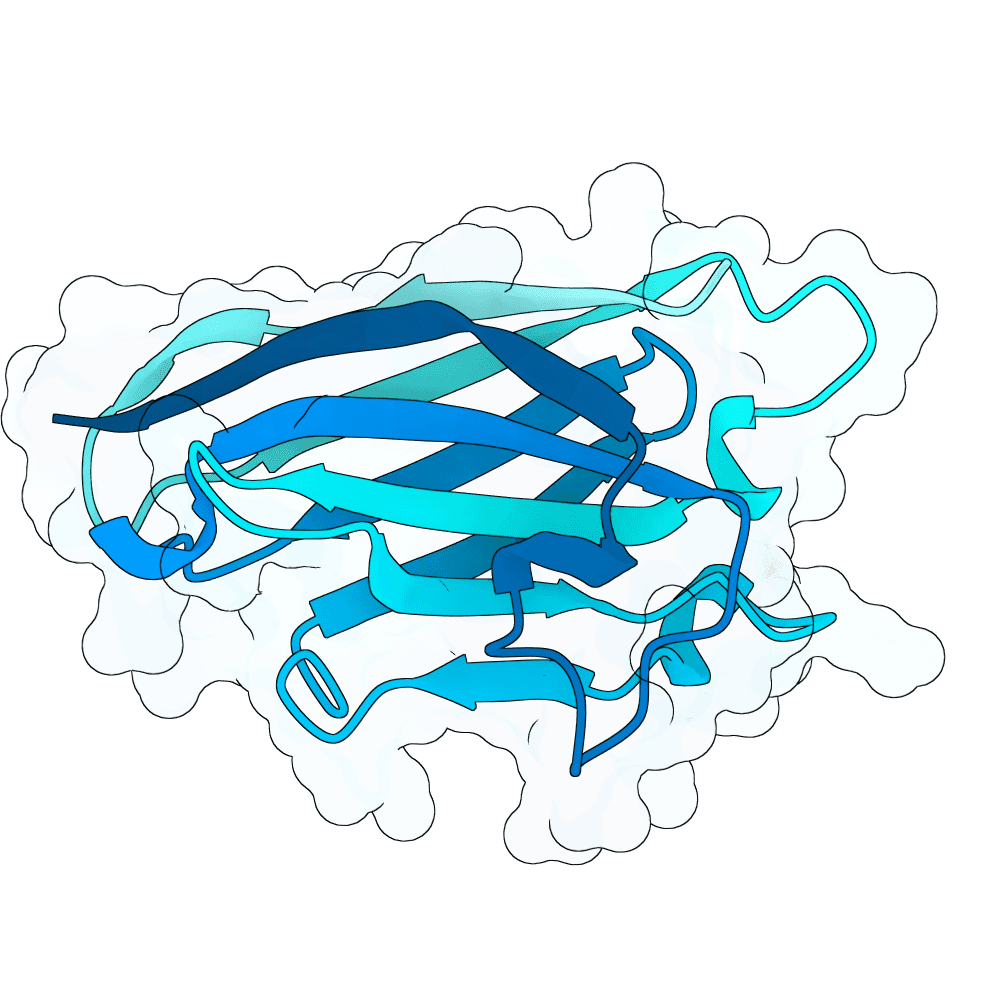
Computational Design Pipeline The pipeline proceeded through RFantibody (Bennett et al., Nature 2025) that has 3 sequential stages: backbone generation, sequence design, structure prediction. We introduce a novelty filtering method and multimeric scoring that we didn’t apply for this submission. Target Preparation The NMR ensemble of RBX1 (PDB: 2LGV, 20 models) was downloaded from the RCSB PDB. Each Model was extracted. HETATM records (zinc ions) were removed prior to diffusion, as RFdiffusion operates on protein backbone coordinates only. The ten hotspot residues of the E2-binding interface were defined as the conditioning set: A55, A58, A89, A66. Backbone Generation — RFdiffusion step De novo VHH nanobody backbones were generated using RFantibody (Bennett et al., Nature 2025), which provides an antibody-finetuned version of RFdiffusion that generates Ig-like scaffolds conditioned on a target structure and hotspot residues. Ten backbone structures were generated with the contig map placing a VHH scaffold in contact with the RING-H2 domain. The humanised VHH framework h-NbBcII10FGLA was used as the structural template. Diffusion noise scales were set to zero (noise_scale_ca = noise_scale_frame = 0) to maximise interface complementarity. Generation was performed on NVIDIA H800 GPUs (HKSTP HPC cluster).
Sequence Design — ProteinMPNN CDR loop sequences were designed using ProteinMPNN (Dauparas et al., Science 2022) as packaged within the RFantibody pipeline. The framework residues were held fixed; only CDR1, CDR2, and CDR3 positions were redesigned. Ten sequences were sampled per backbone at temperature 0.1, yielding 100 candidate sequences in total. Framework residues were constrained to match the h-NbBcII10FGLA template to preserve structural integrity and humanness.
Structure prediction Each of the 100 candidate complexes was subjected to structure refinement using RoseTTAFold2 (RF2) (Baek et al., Science 2023), in its antibody-finetuned form as distributed within the RFantibody pipeline. RF2 predicted the full nanobody–RBX1 complex structure for each candidate, providing per-residue confidence scores (pLDDT) and inter-chain predicted aligned error (PAE) as a proxy for interface quality.
SAbDab CDR Edit Distance To satisfy the competition requirement of ≥25% CDR edit distance to known antibodies in SAbDab, each candidate was processed as follows. CDR boundaries were assigned using ANARCI (Dunbar et al., Bioinformatics 2016) with the IMGT numbering scheme and allowed_species=['human', 'camel'] to correctly handle the VHH fold. CDR1, CDR2, and CDR3 sequences were concatenated and compared against the full SAbDab nanobody subset (downloaded from OPIG) using normalised Levenshtein edit distance: d_norm = edit_distance(query, ref) / max(|query|, |ref|). Candidates with minimum d_norm < 0.25 across all SAbDab entries were excluded. All 100 designs passed this filter, consistent with the de novo nature of RFdiffusion CDR loop generation.
Pipeline Summary • 10 RFdiffusion backbones generated (RING-H2 interface hotspot conditioning) • 10 ProteinMPNN sequences per backbone → 100 candidates • 100 structures predicted with RF2 • 100 / 100 passed SAbDab CDR edit distance filter (≥25%, ANARCI/Chothia) 4. References Bennett N.R. et al. (2025). Atomically accurate de novo design of antibodies with RFdiffusion. Nature. Baek M. et al. (2023). Accurate prediction of protein–nucleic acid complexes using RoseTTAFoldNA. Science 379, eabj8754 Dauparas J. et al. (2022). Robust deep learning-based protein sequence design using ProteinMPNN. Science 378, 49–56. Dunbar J. & Deane C.M. (2016). SAbDab: the structural antibody database. Nucleic Acids Res. 42, D1140–D1146. Dunbar J. et al. (2016). ANARCI: antigen receptor numbering and receptor classification. Bioinformatics 32, 298–300. Spratt D.E. et al. (2012). Selective recruitment of an E2~ubiquitin complex by an E3 ubiquitin ligase. J. Biol. Chem. 287, 17374–17385.
- Acknowledgements Pipeline design, scripting, and technical implementation were carried out with the assistance of Claude (Anthropic, claude-sonnet-4-6), an AI assistant used as a computational research collaborator throughout this project. Claude contributed to the architectural design of the six-stage pipeline and drafting of this methods document. All scientific decisions, target selection, hotspot definition, and experimental strategy were made by the authors. Computational resources were provided by the HKSTP HPC (https://hpc.hkstp.org) cluster (NVIDIA H800 GPUs) and the authors’ local workstation (NVIDIA RTX 5090D).