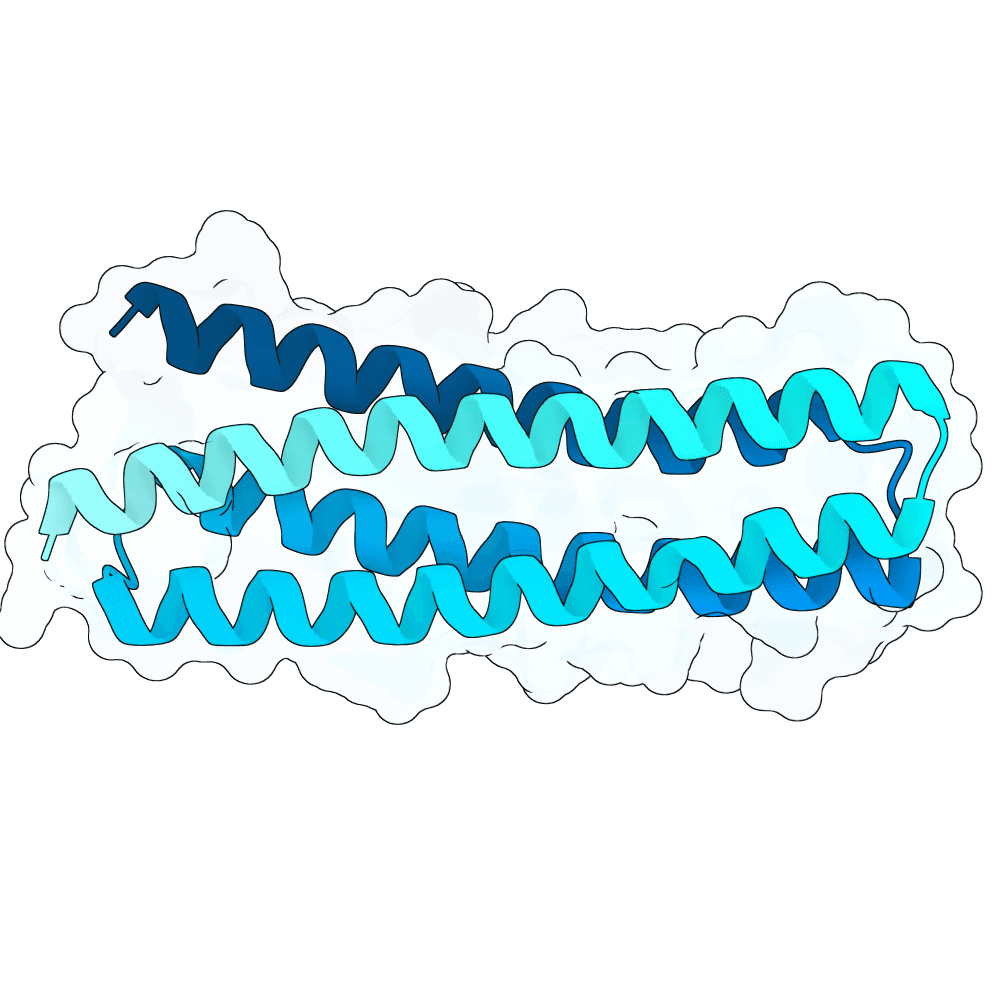
Description
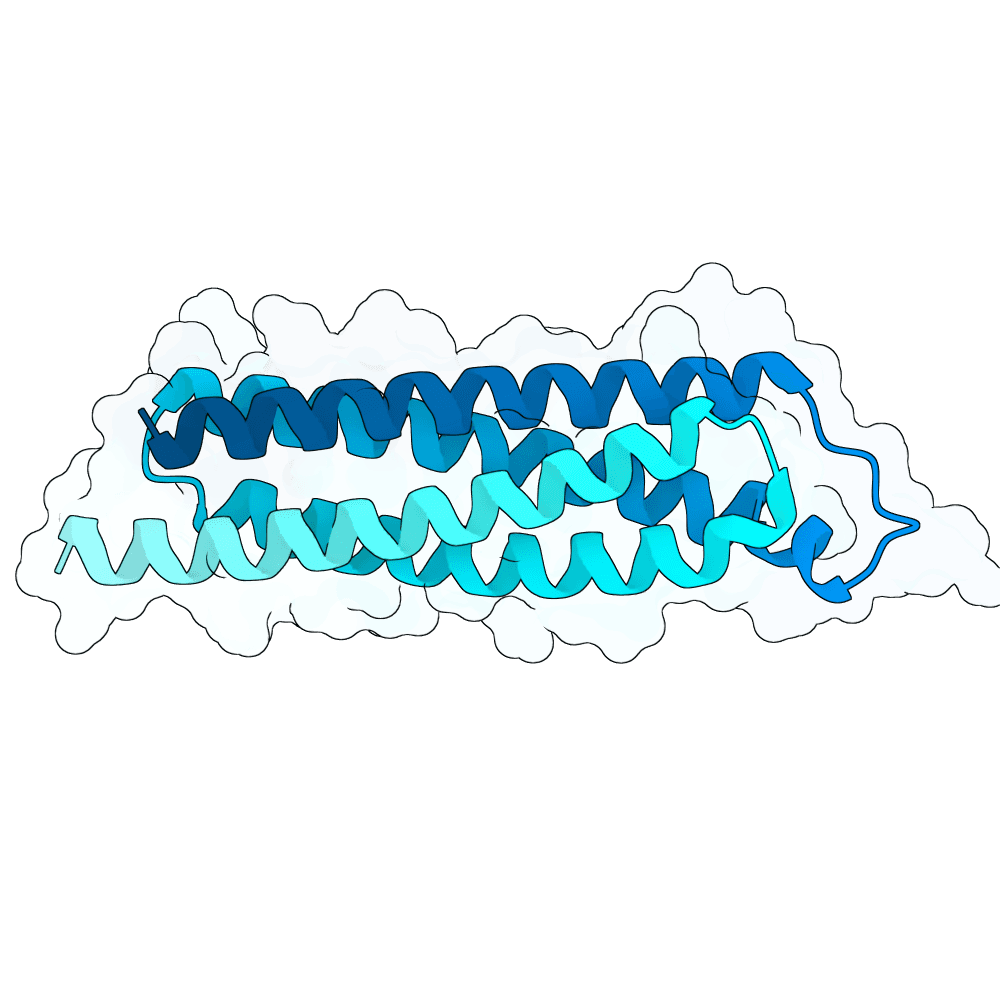
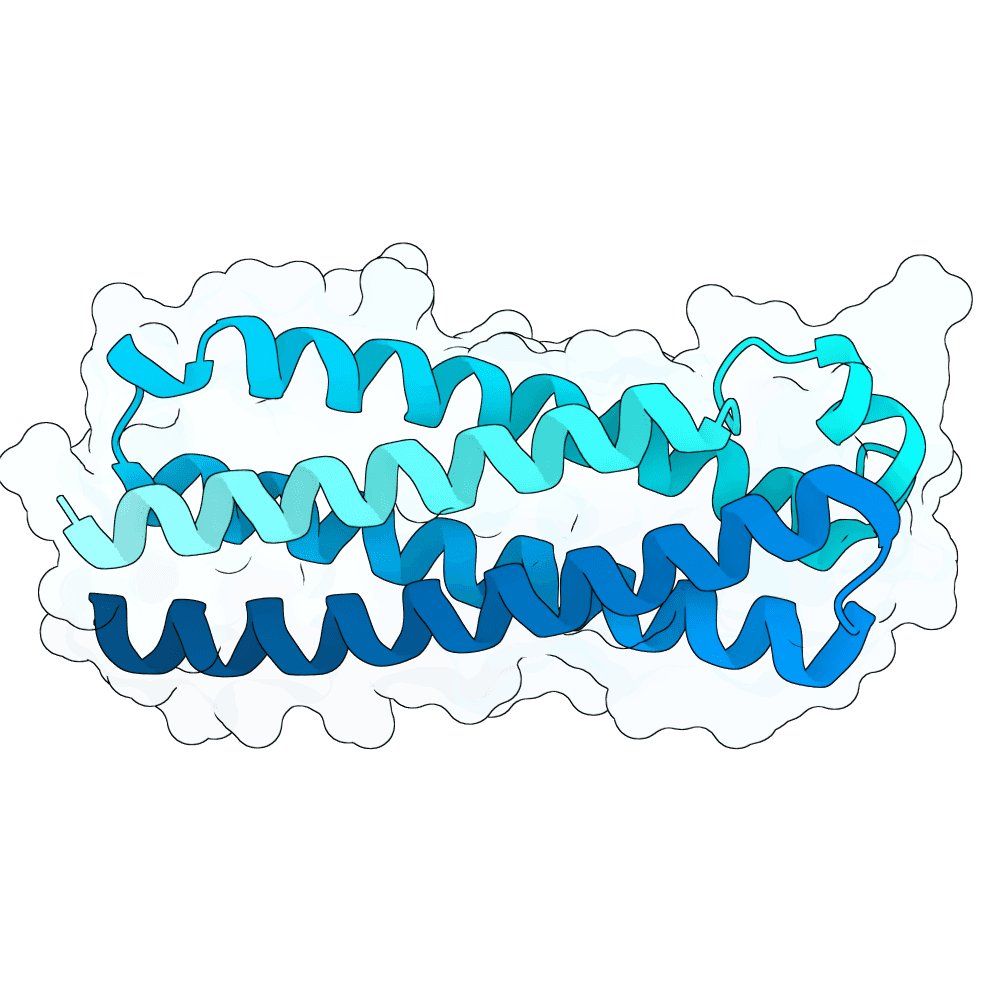
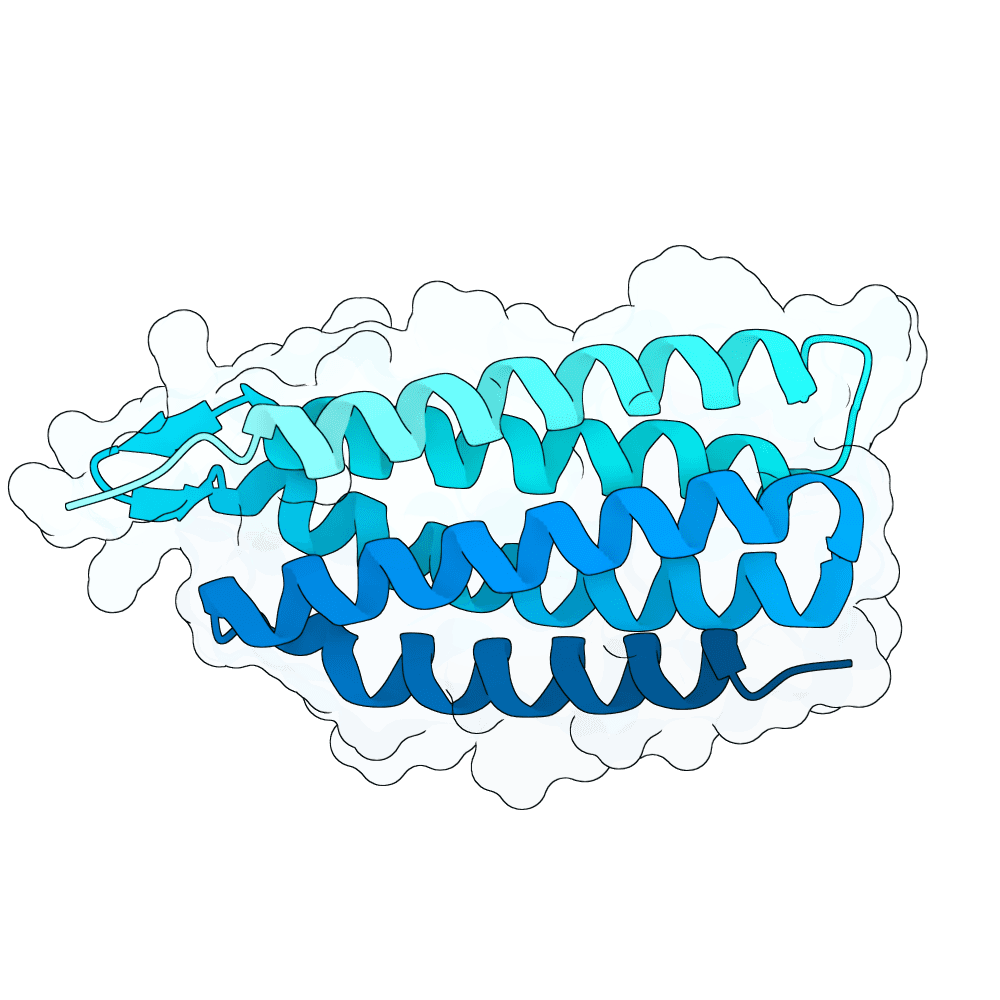
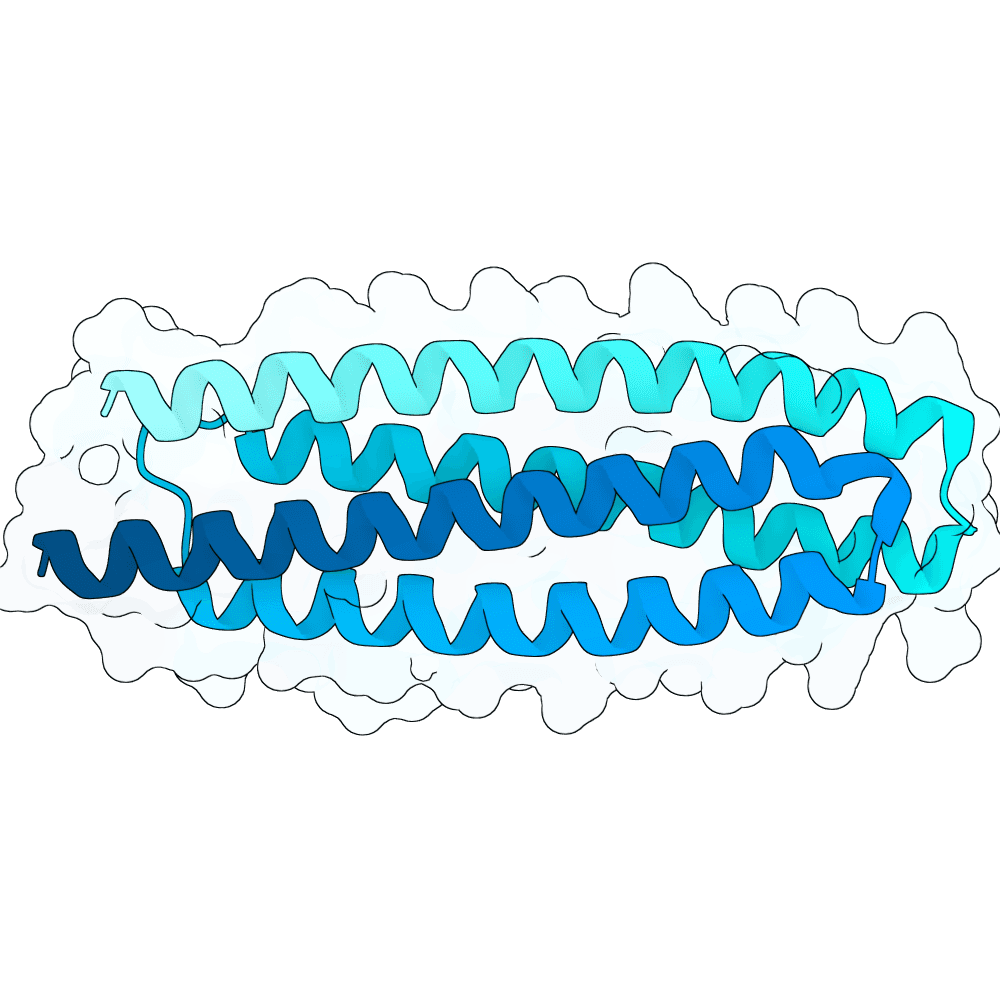
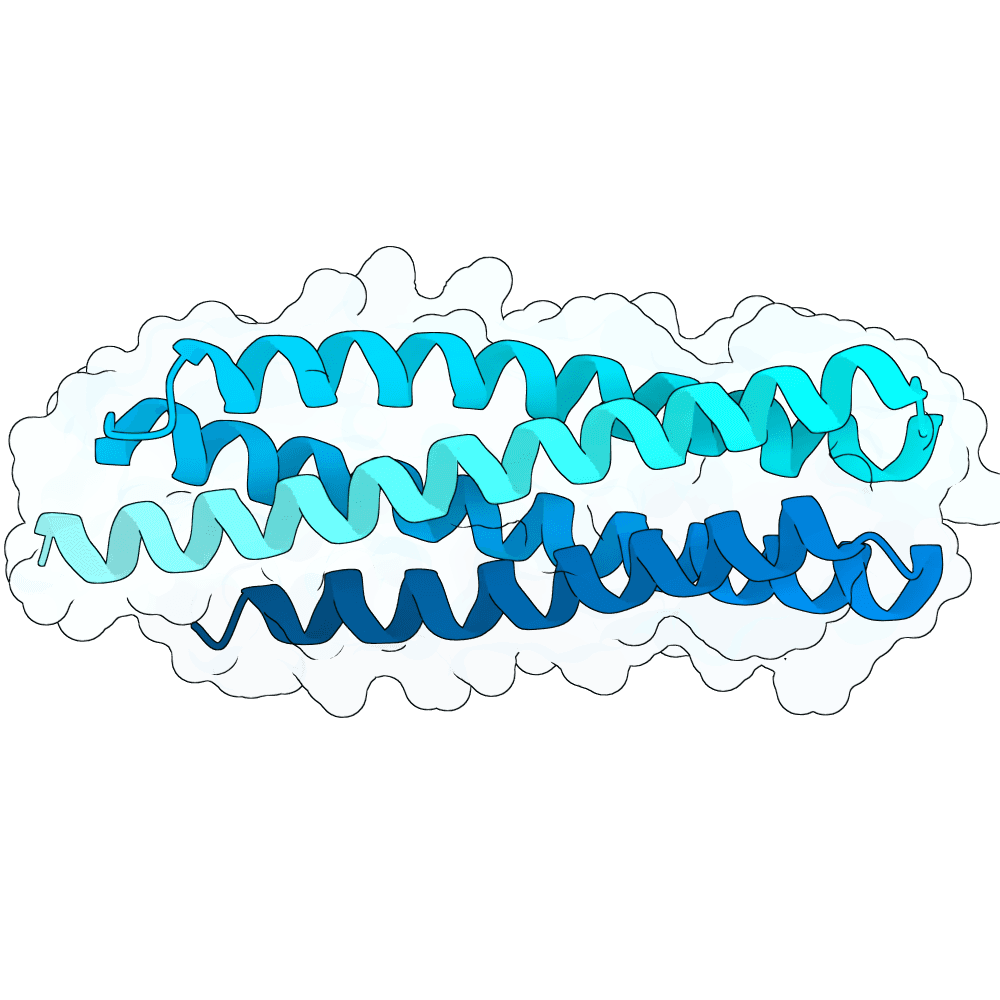
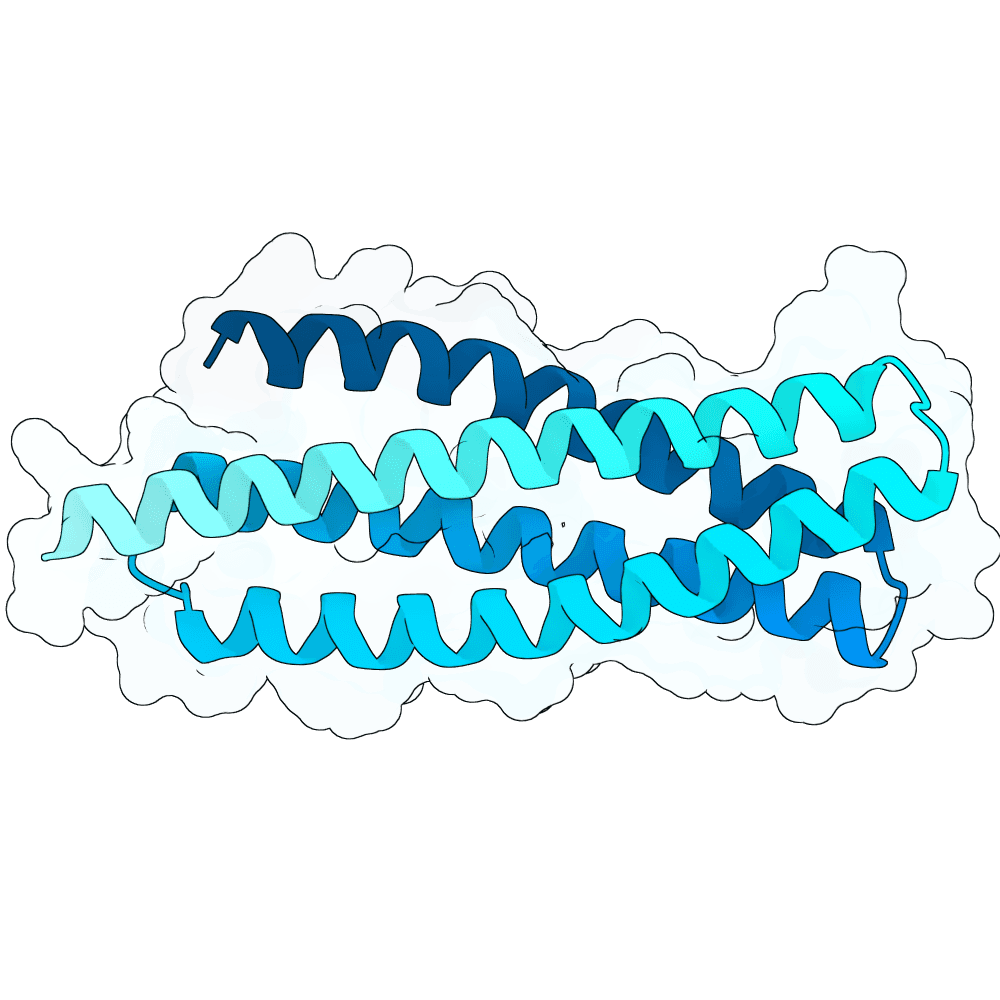
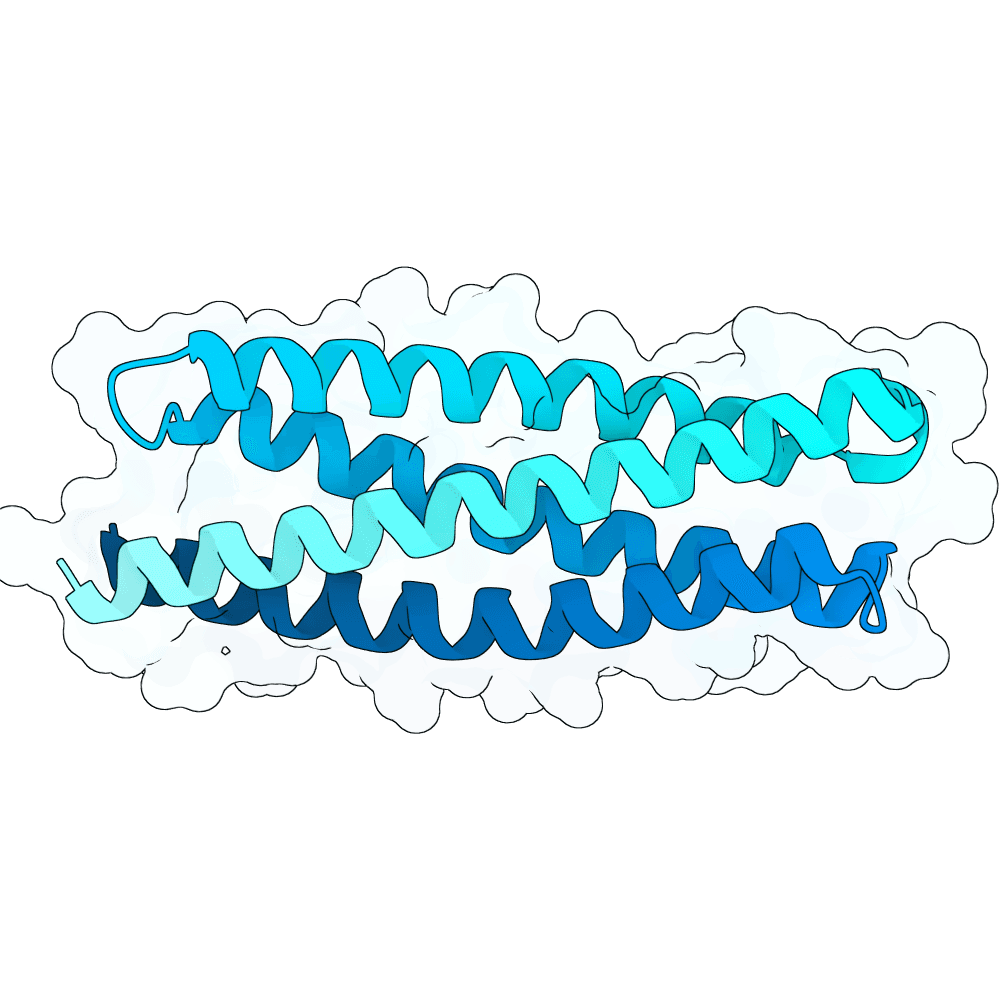
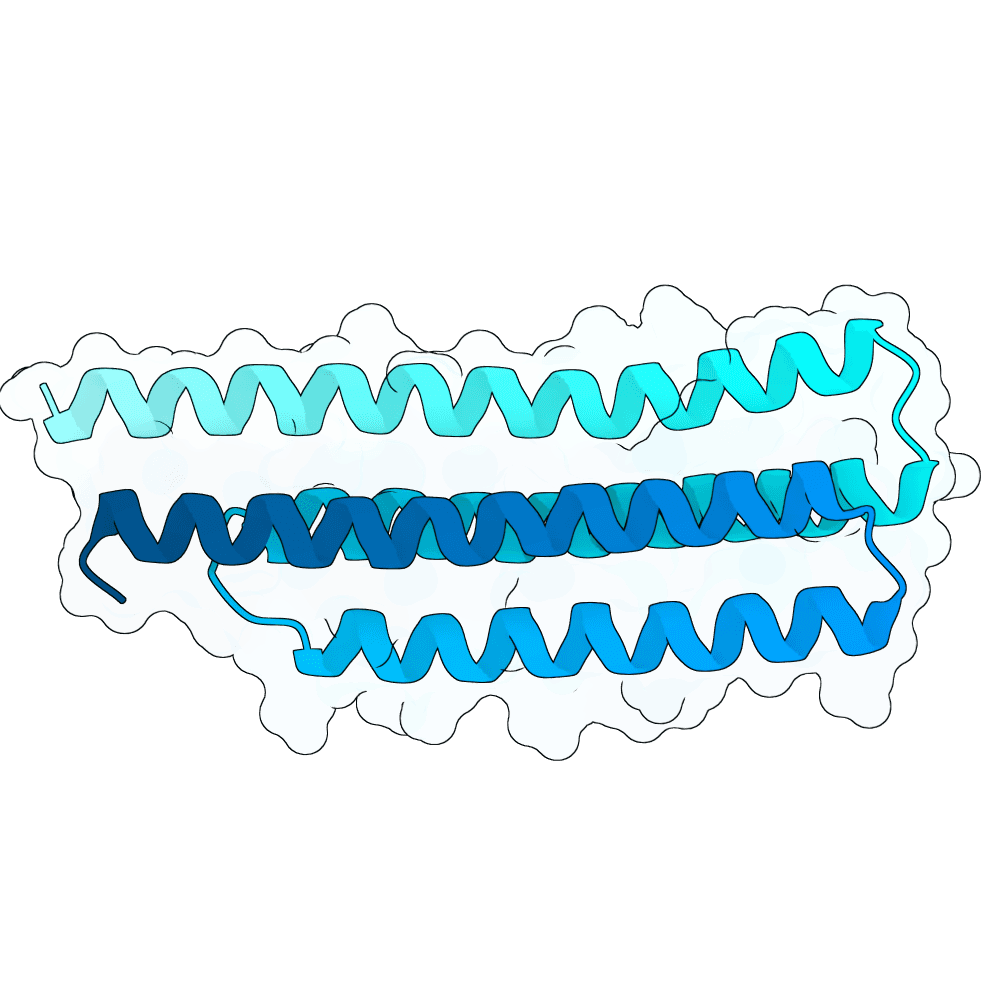
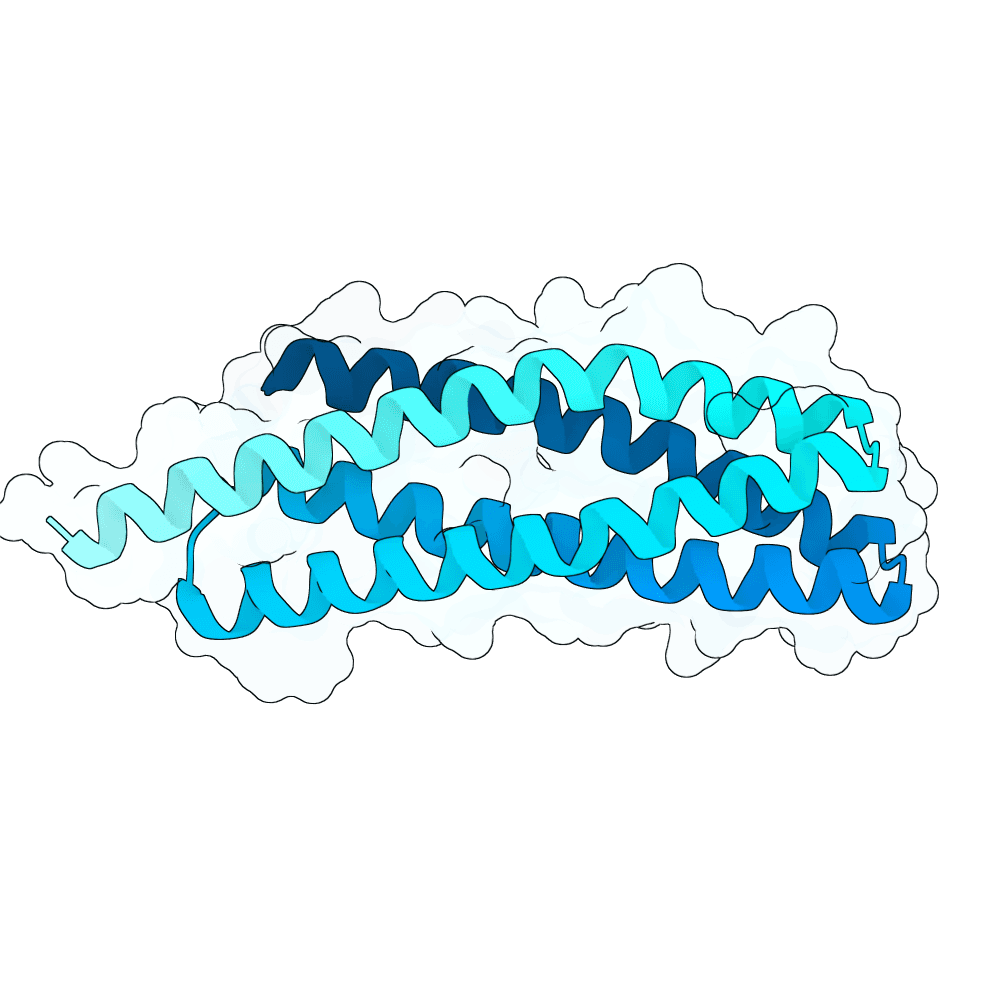
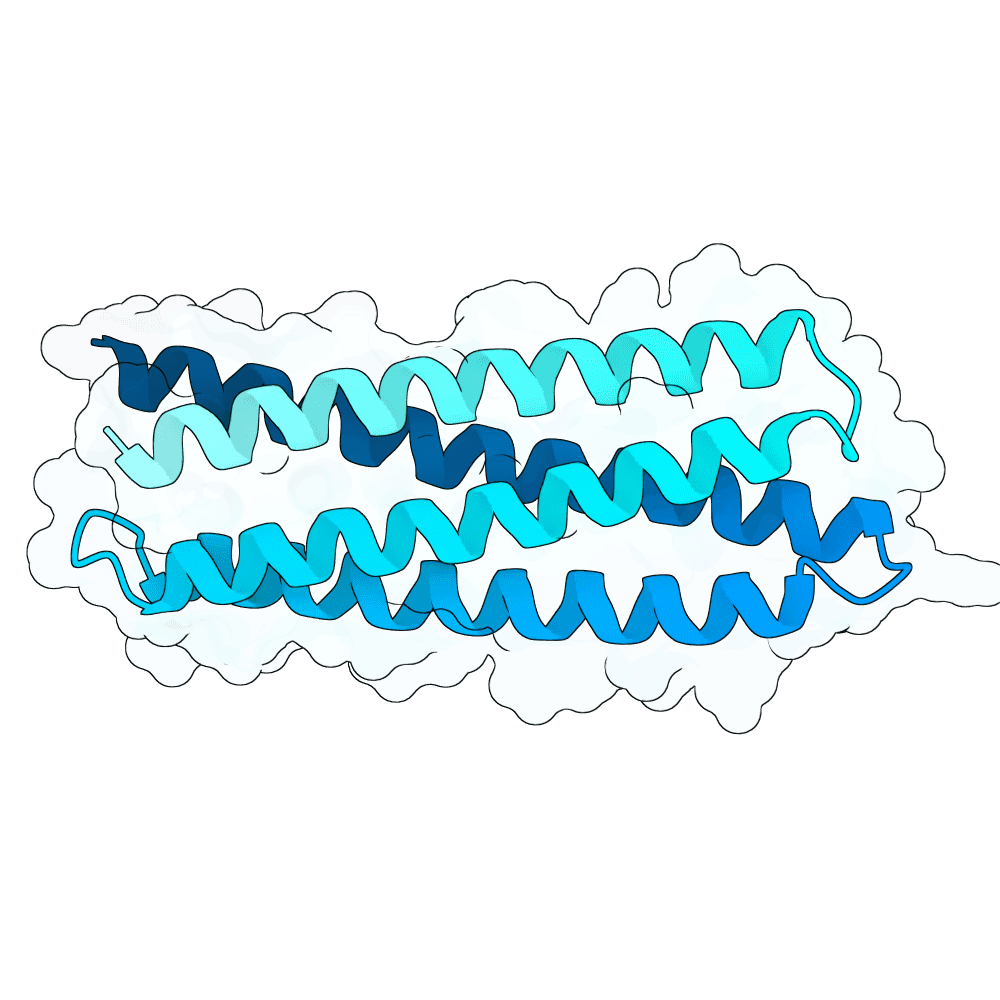
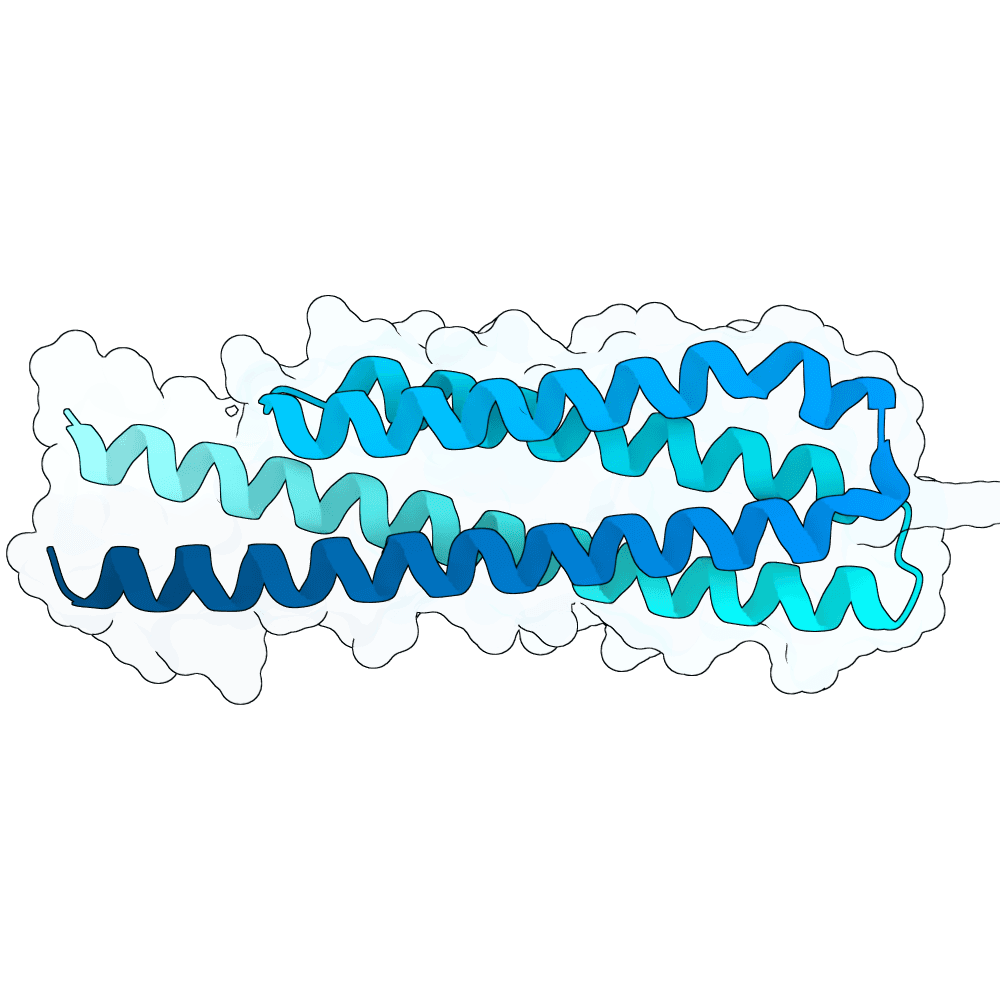
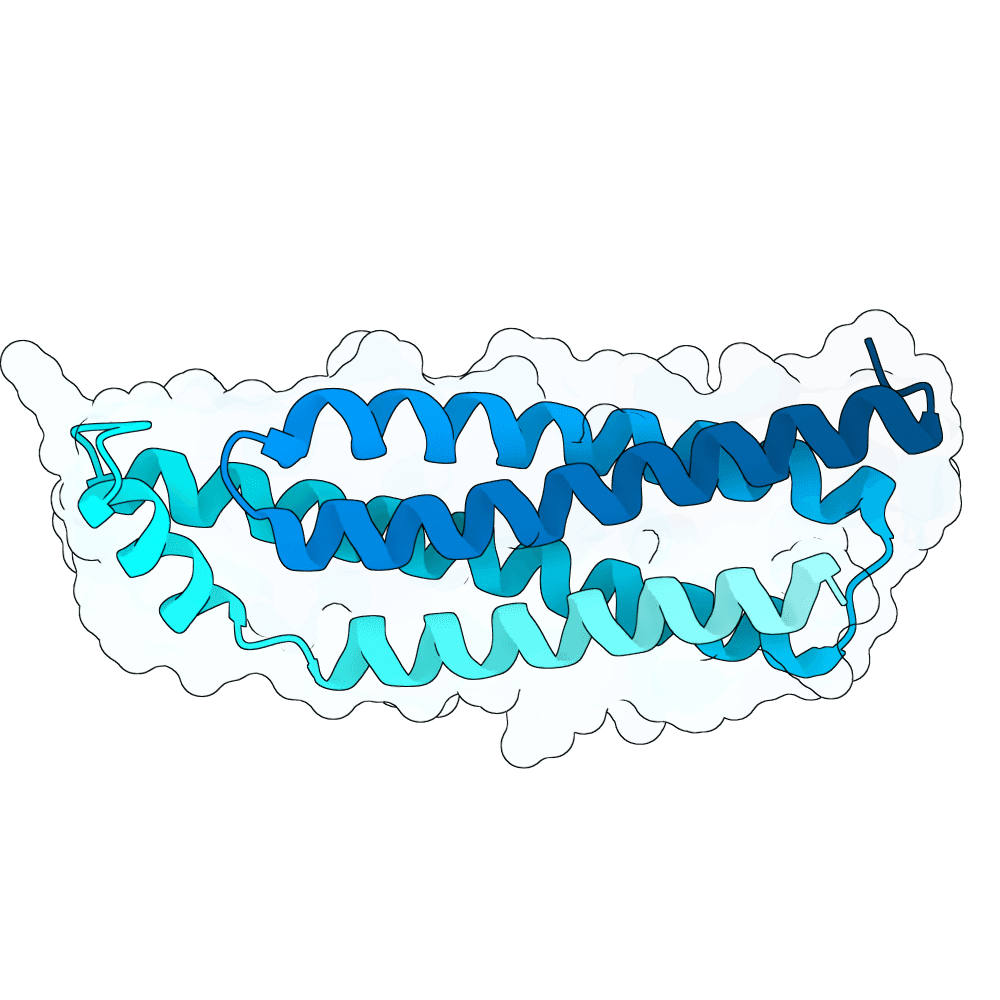
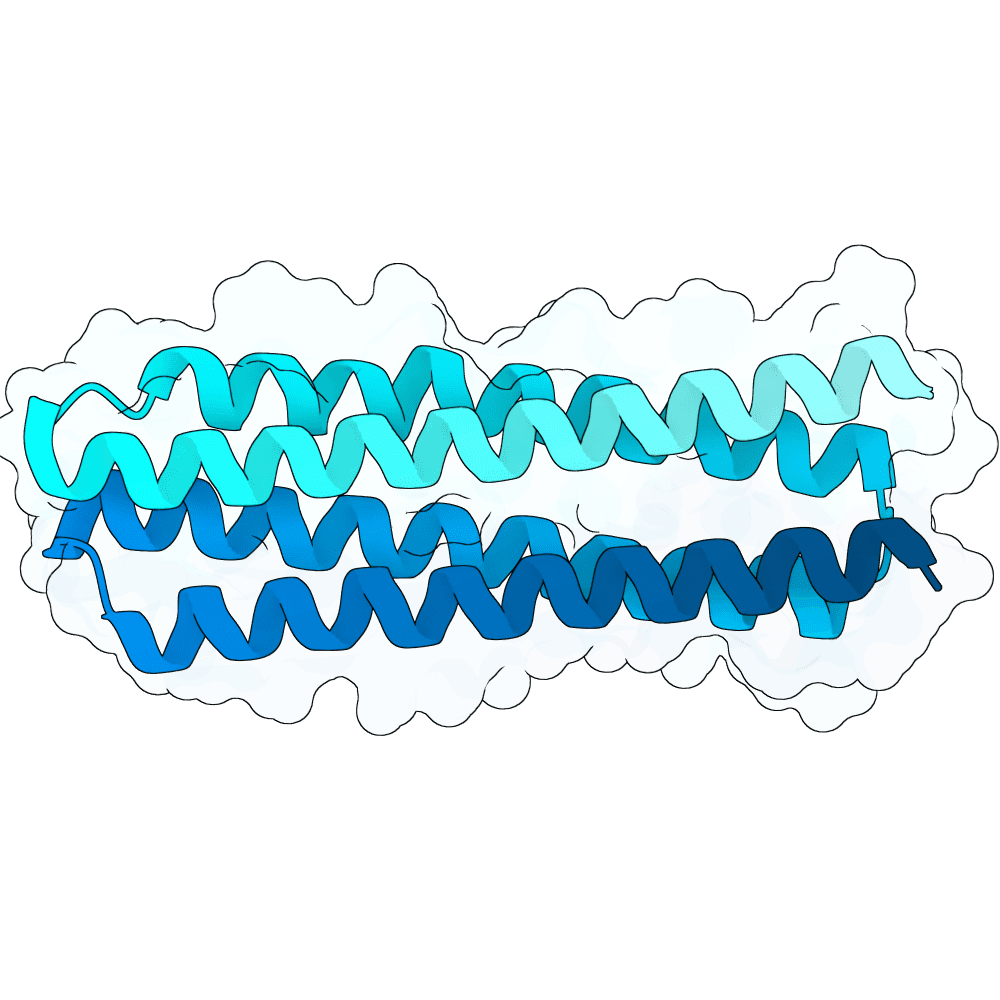
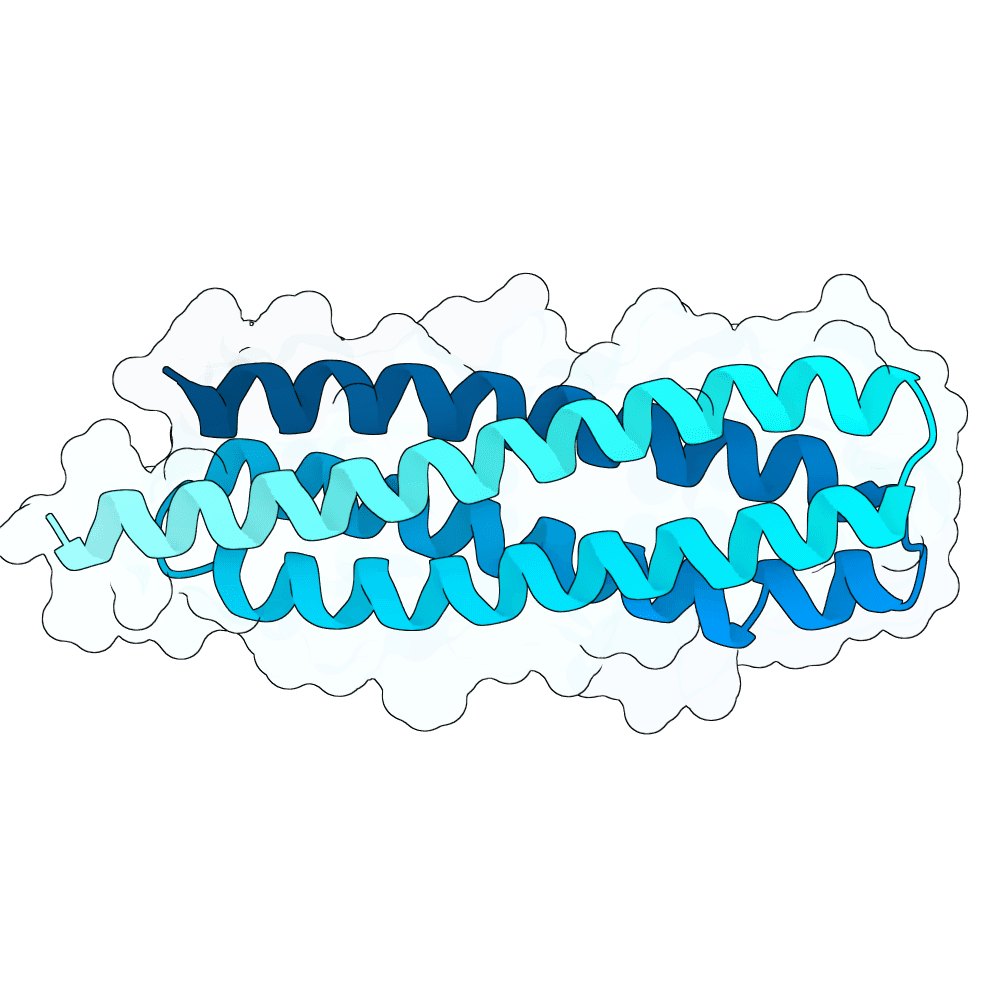
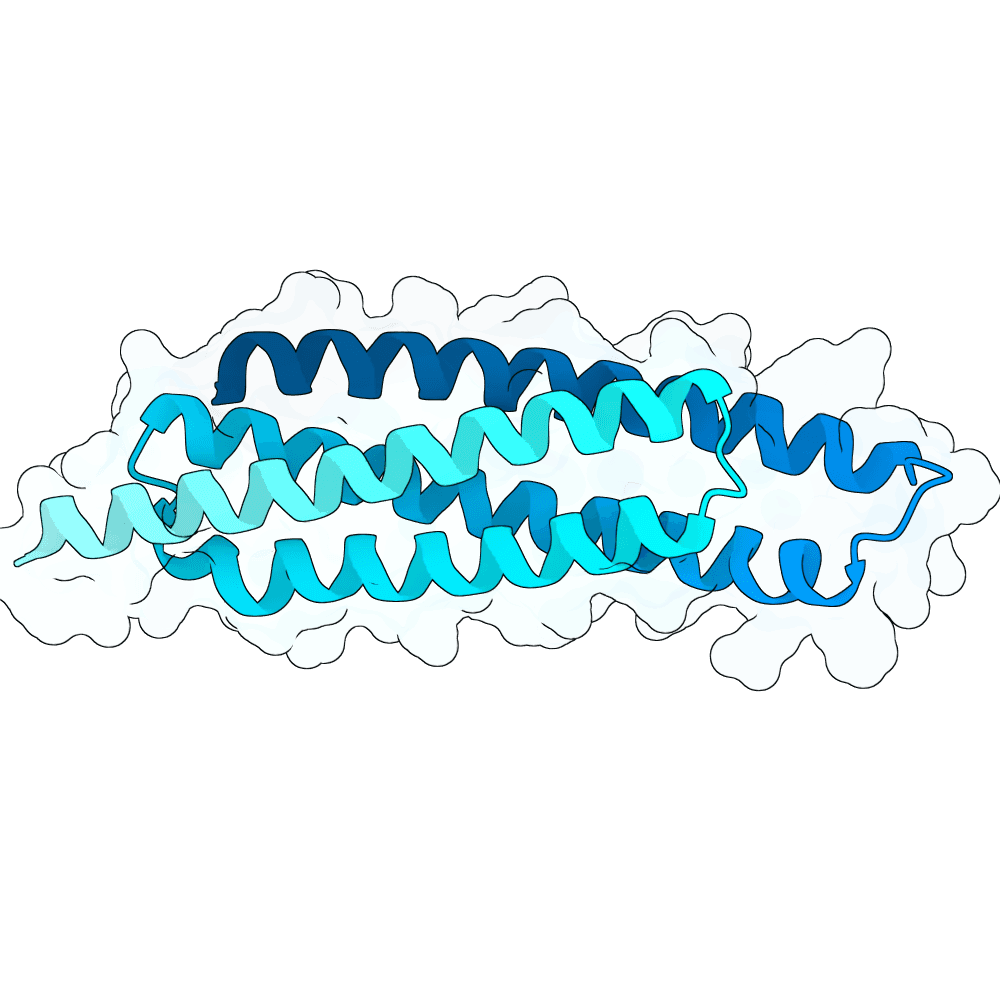
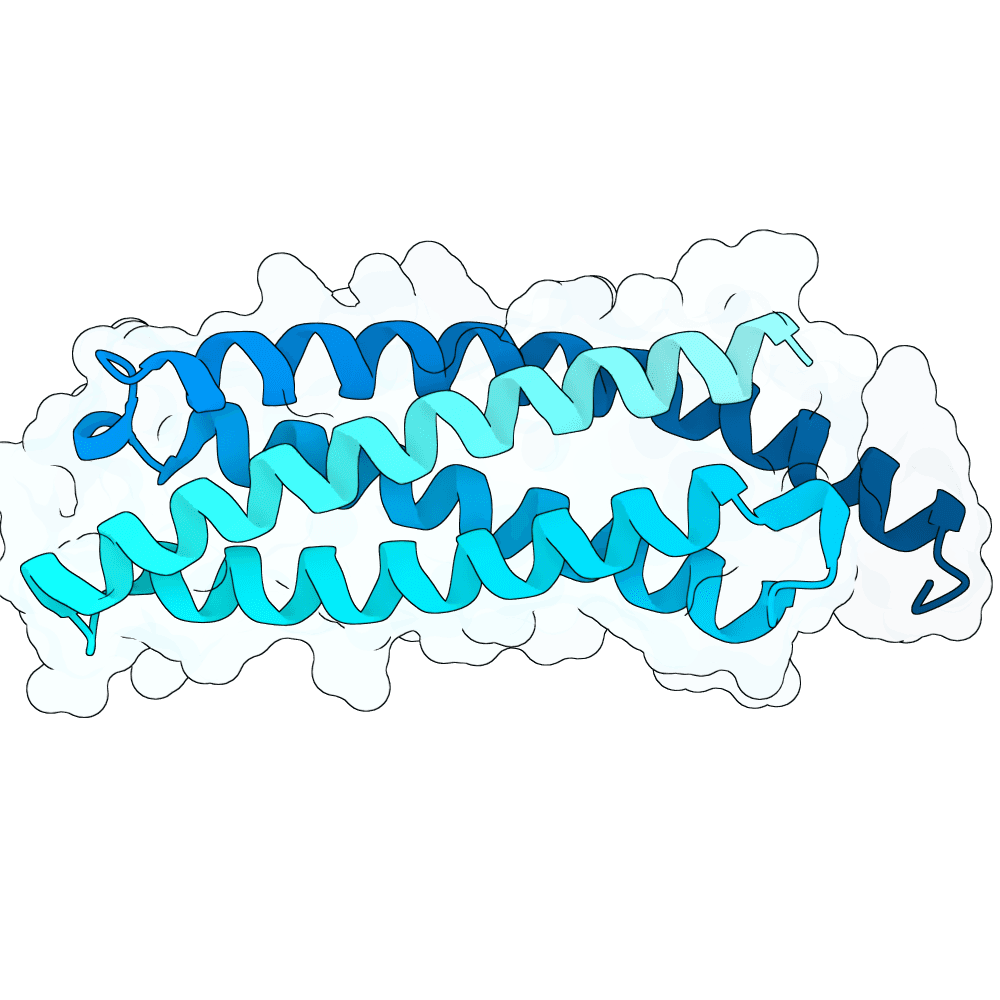
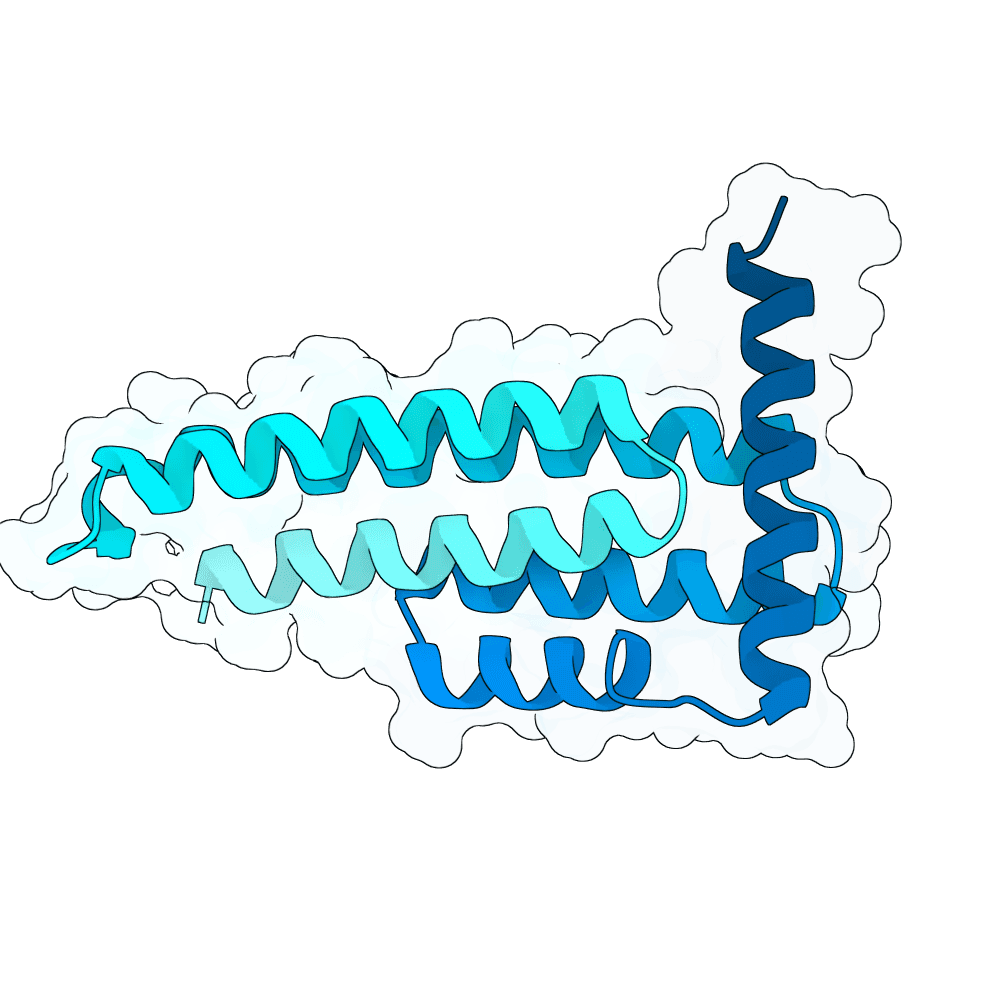
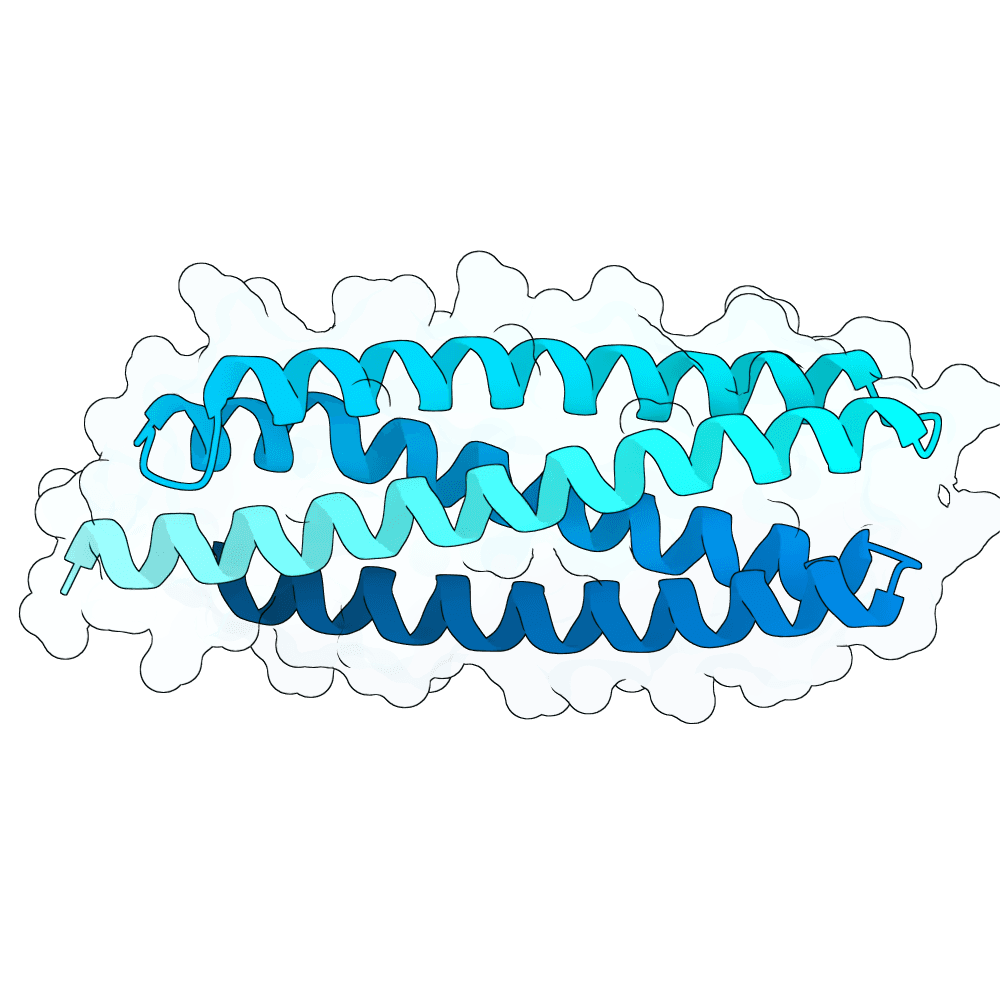
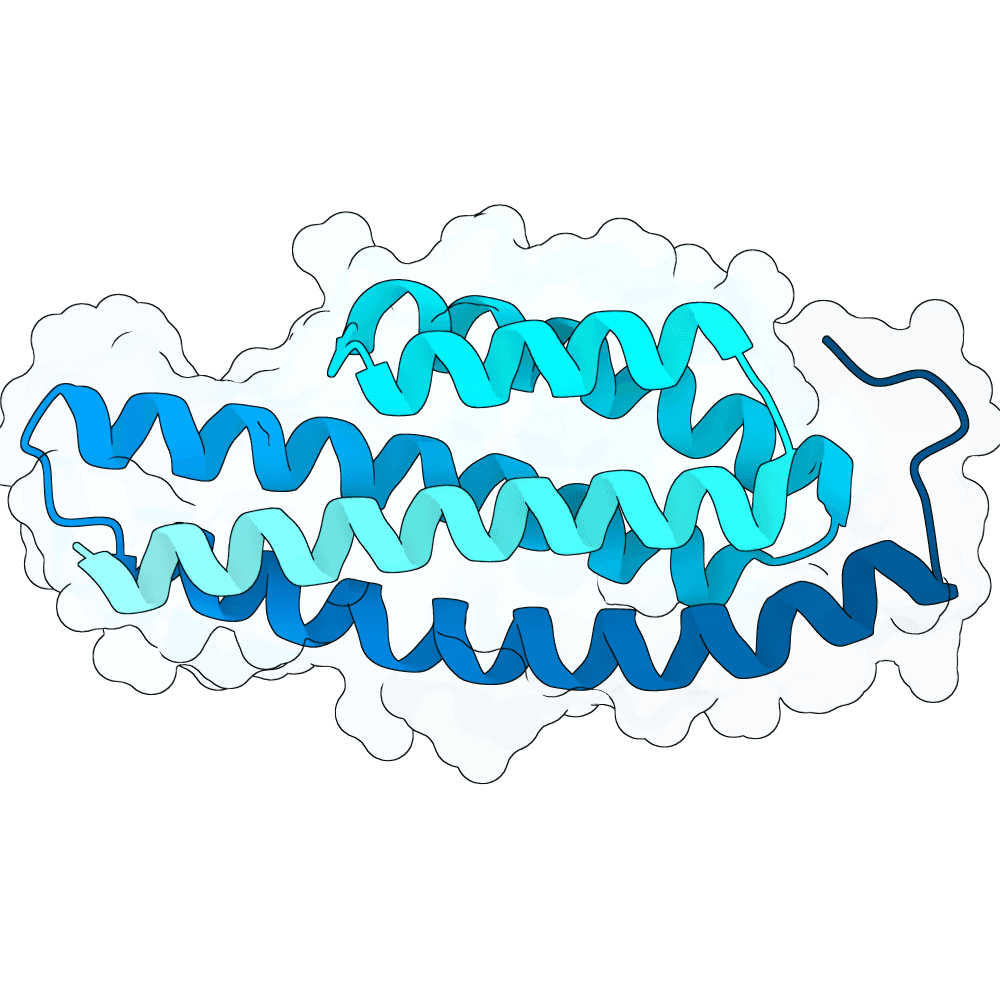
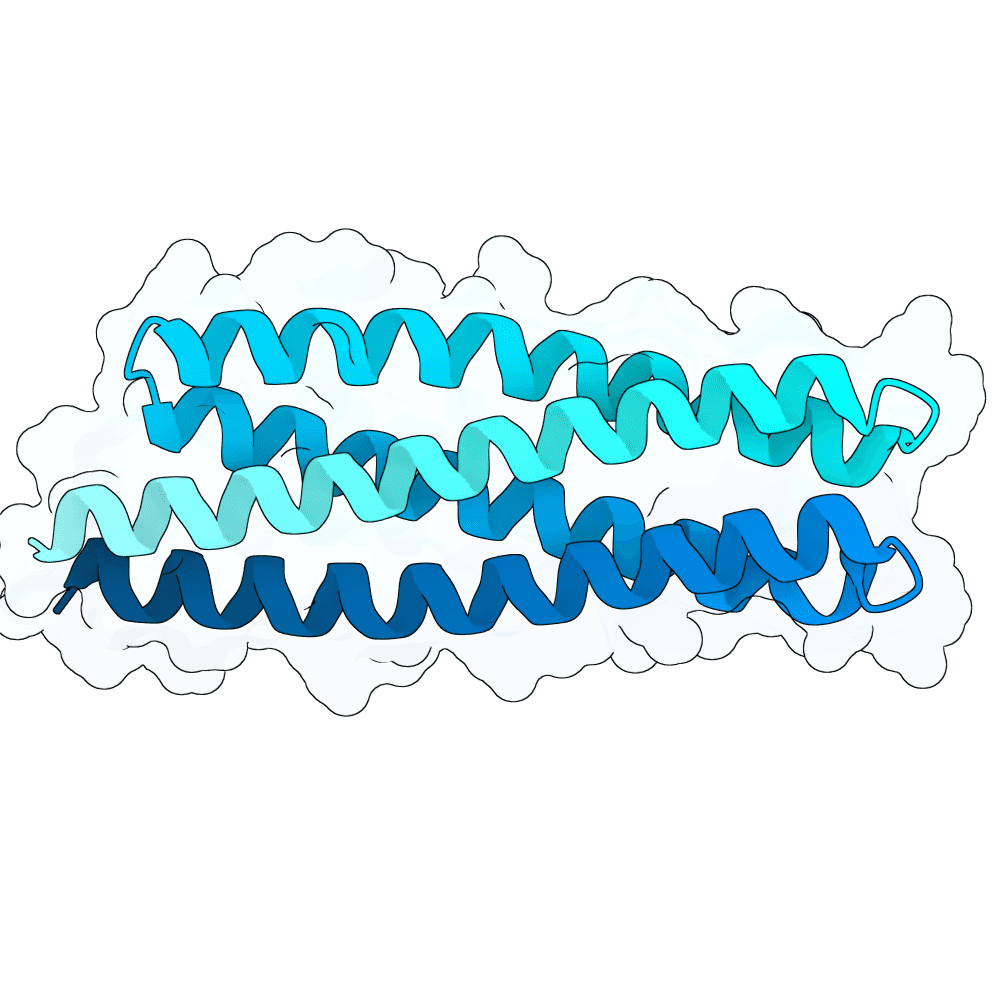
This pipeline implements an automated de novo protein binder design framework using the Boltz2 structure prediction model integrated with the Mosaic design framework and executed on GPU infrastructure through the Modal cloud platform. The primary objective of the system is to computationally generate protein sequences that can fold stably and bind effectively to a specified target protein. The workflow begins by constructing a containerized runtime environment that installs all required dependencies, including the Mosaic framework, JAX with CUDA acceleration, and the Boltz2 model weights. This environment ensures reproducibility and enables efficient large-scale computation on high-performance GPUs. Once the environment is prepared, the pipeline initializes the design configuration by defining the binder length and the target protein sequence that the designed binder will interact with. During execution, the system loads the Boltz2 model for structural prediction along with ProteinMPNN for inverse folding guidance. Boltz2 evaluates the structural compatibility between the candidate binder and the target protein, while ProteinMPNN helps guide the design toward biologically realistic amino acid sequences that are likely to fold properly. To improve structural reliability, the design process includes constraints such as suppressing cysteine residues to avoid unwanted disulfide bond formation. The binder sequence is optimized using a multi-objective loss function that balances several structural and biochemical criteria, including binder–target contact formation, internal binder stability, sequence naturalness, and structural confidence metrics such as predicted alignment error and pLDDT. The sequence design is performed through a differentiable optimization procedure that begins with a randomly initialized amino acid probability matrix. Using gradient-based optimization on the probability simplex, the system iteratively refines the amino acid distribution at each position to minimize the design loss. The optimization process gradually sharpens the probability distribution until a discrete amino acid sequence representing the final binder candidate is obtained. Once a candidate sequence is generated, the pipeline performs a final structural prediction of the binder–target complex to evaluate binding confidence and structural stability. Each design is then ranked using interface quality metrics such as predicted interface TM-score and interface predicted error. These scores help identify binder sequences that are most likely to form strong and stable interactions with the target protein. The pipeline runs iteratively within a runtime loop, continuously generating and evaluating new binder sequences until the allotted computational time is reached. All candidate sequences and their associated scores are recorded, enabling selection of the highest-ranking designs for further validation or experimental testing. Overall, this system provides a scalable and automated approach for computational protein binder discovery, combining modern deep learning–based structure prediction, inverse protein design, and gradient-based sequence optimization to efficiently explore large regions of protein sequence space and identify promising binder candidates.