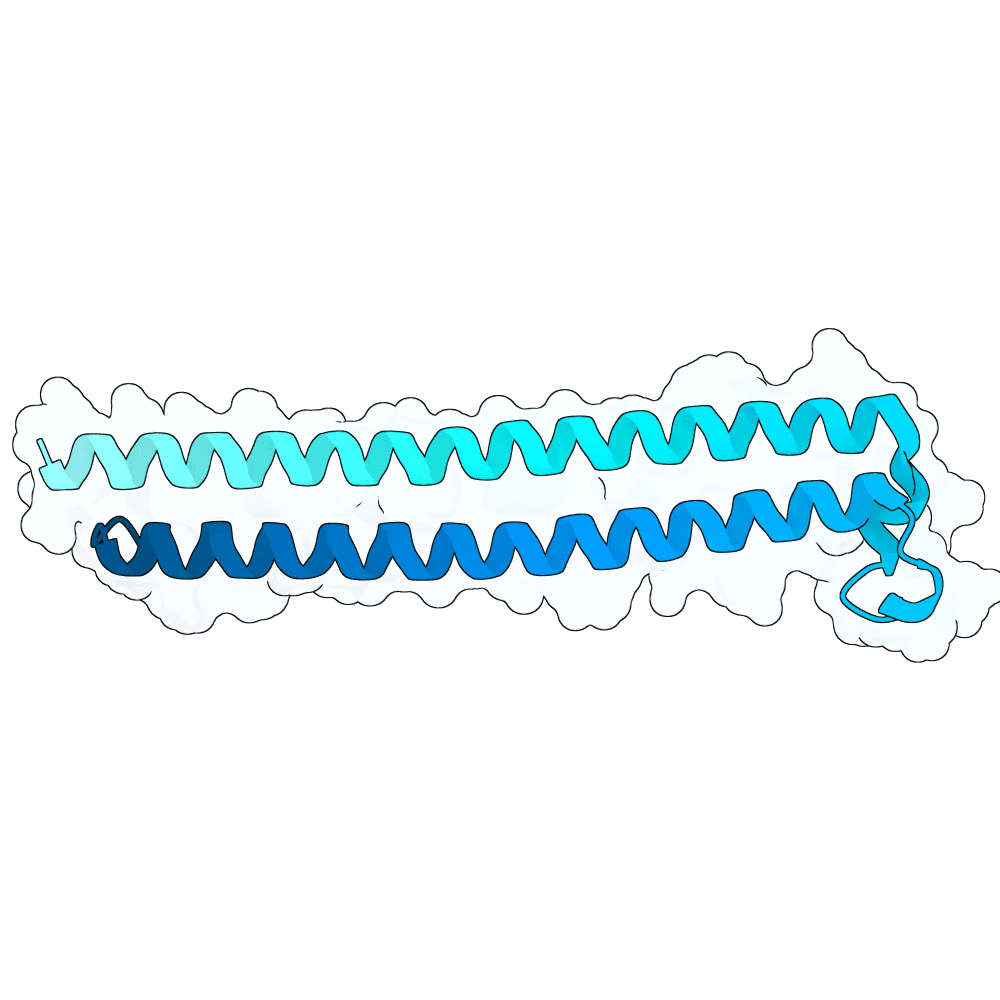
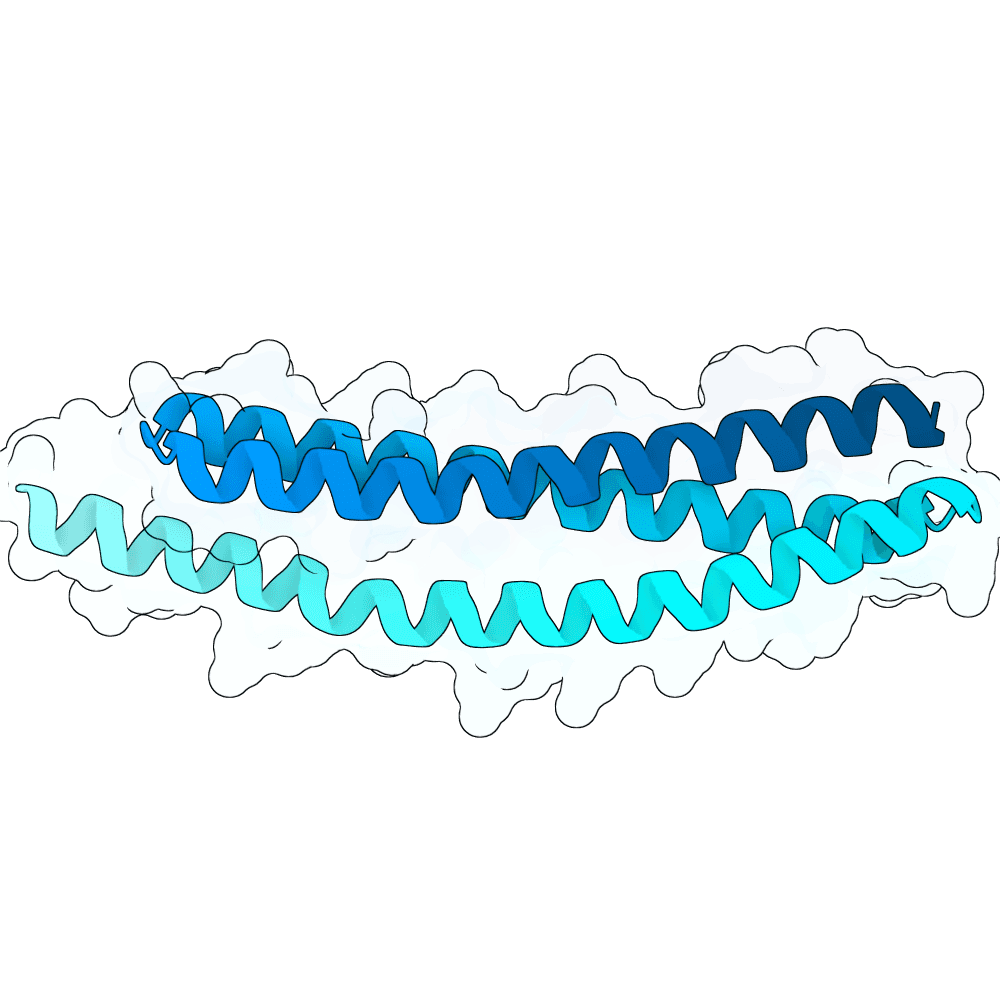
Description
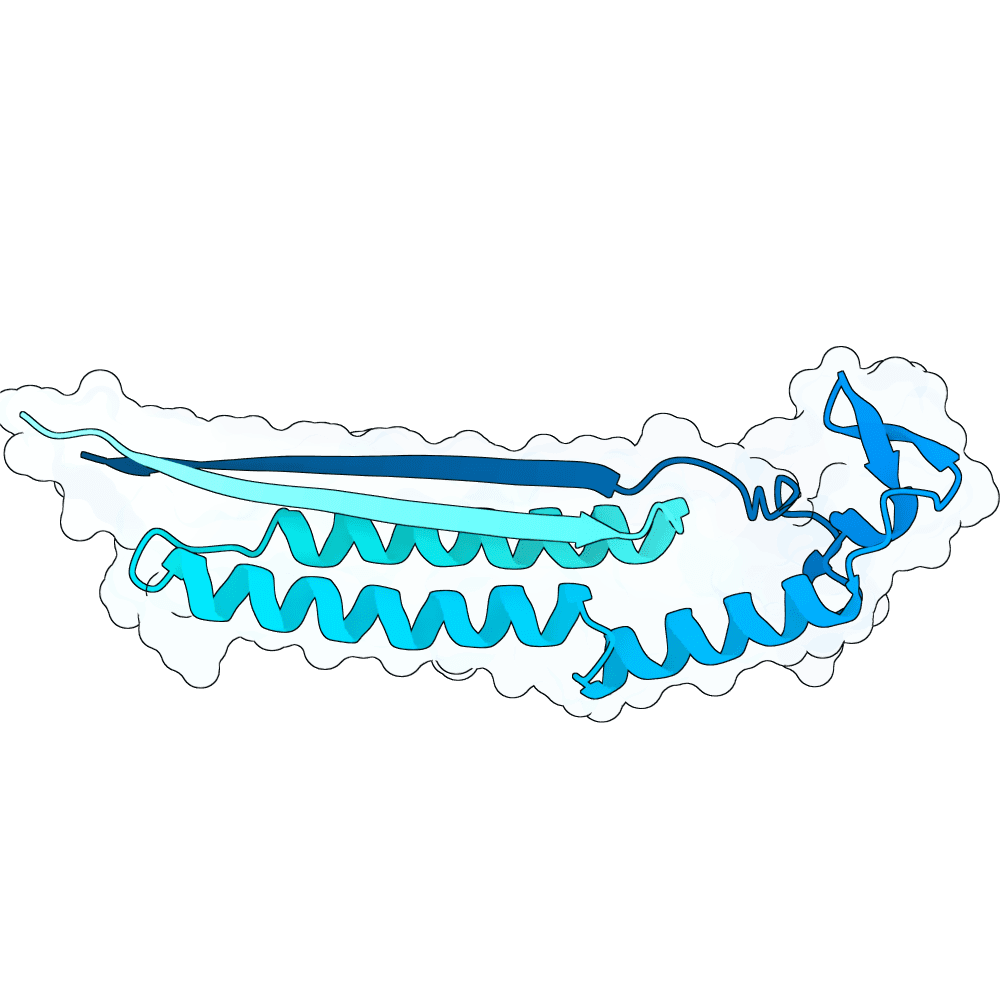
Structurally, RBX1 consists of a structured C-terminal RING domain (residues 40–108), which recruits the E2 enzyme, and an intrinsically disordered N-terminal tail (residues 12–39). In its native biological context, the N-terminal region is highly "greasy," containing a cluster of hydrophobic residues (Trp-27, Val-30, Leu-32, Trp-33) that become buried upon interaction with Cullin1, forming an intermolecular beta-sheet. Because these residues naturally drive a thermodynamically favorable binding event, offsetting the entropic cost of ordering the tail via strong enthalpic gains, we identified the N-terminus as a highly amenable recruitment interface. Similarly, the RING domain exhibits extensive endogenous protein-protein interaction interfaces.
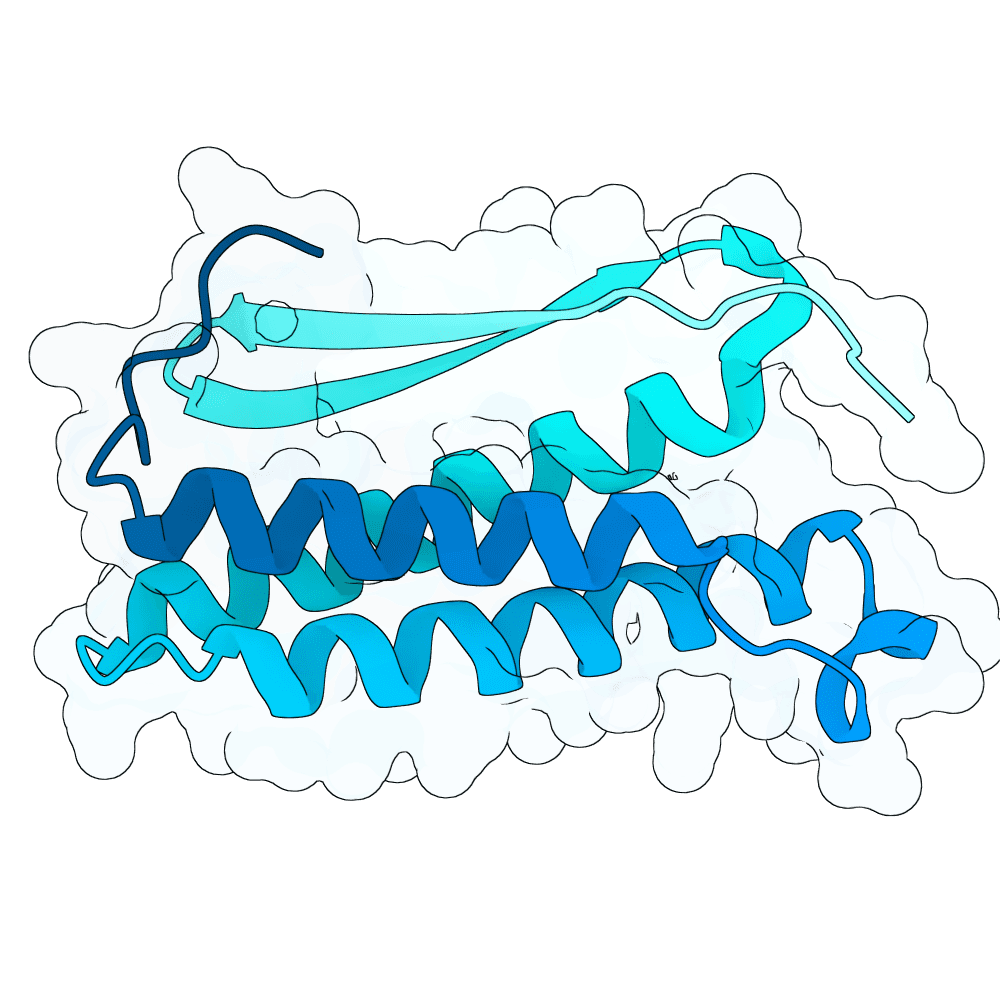
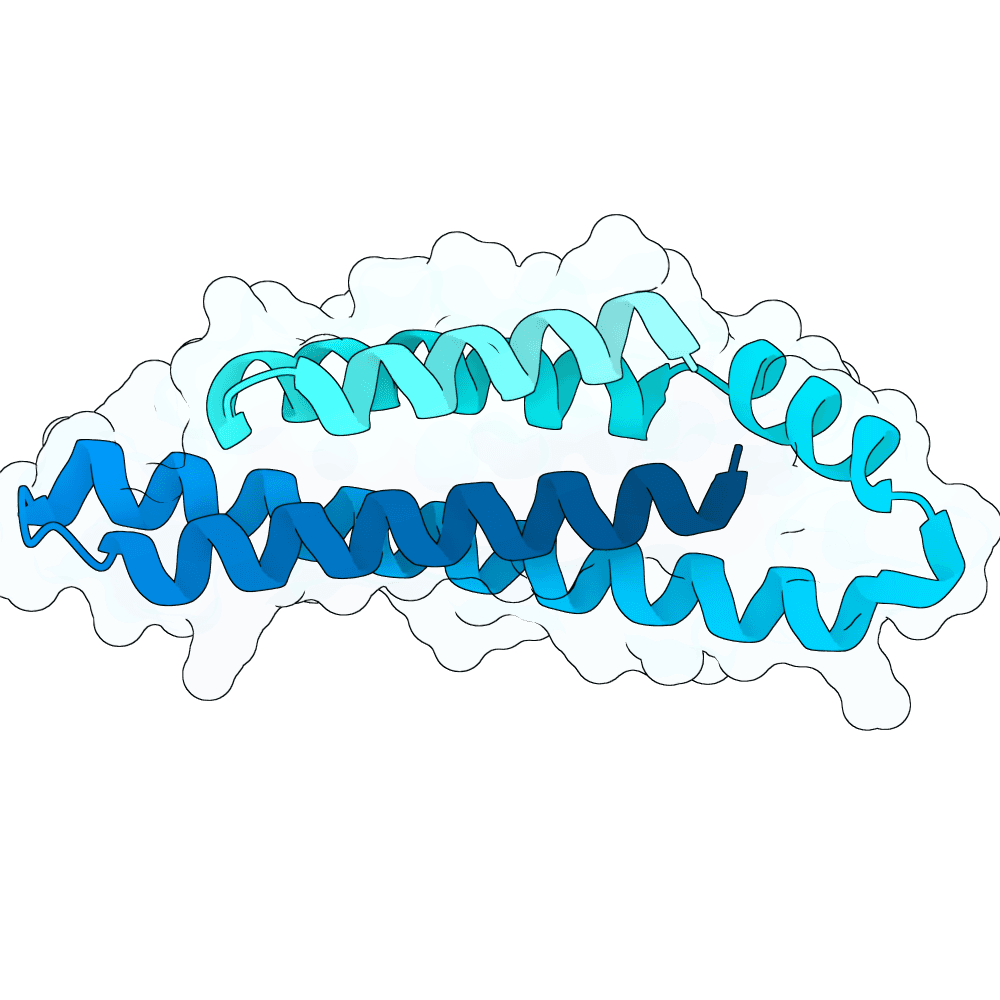
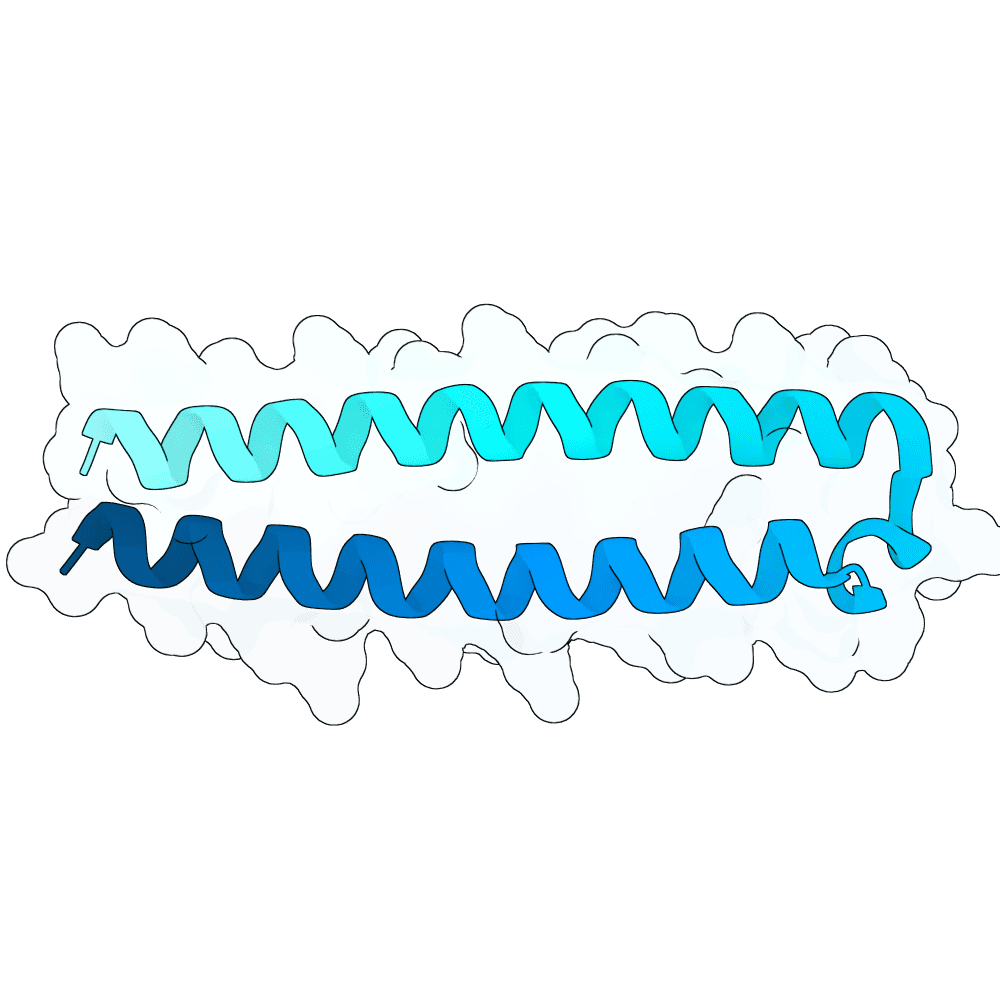
Given that nearly every functional domain of RBX1 is primed for interaction, we hypothesized that the optimal strategy is to generate an encapsulating binder. This binder is designed to target both the natively disordered N-terminus and the structured RING domain simultaneously.
Inspired by the success of Mosaic and generative hallucination pipelines in the Nipah Binder Design Competition, our core generation strategy relies on sequence-space hallucination.
To achieve the encapsulating geometry and leverage the specific thermodynamics of the RBX1 sequence, we developed a modified hallucination protocol utilizing a consensus-based approach. We ran hallucination trajectories using Boltz2 and Proteinix simultaneously. To guide these models toward our structural hypothesis, we focused on two loss terms into the hallucination pipeline:
-
To force the generation of an encapsulating topology, we significantly upweighted the contact loss term. This pushes the models to maximize the interacting surface area across the entirety of the RBX1 target, rather than settling for localized, single-domain binding.
-
Recognizing that ordering the N-terminal tail is key to high-affinity binding, we added a loss term that explicitly encourages the formation of secondary structure (specifically, beta-strand pairing) within the target’s N-terminus (residues 12–39). This forces the hallucinated binder to mimic the native Cullin1 interaction, providing a structural scaffold that stabilizes the hydrophobic cluster.
Following the generation of candidate backbones and sequences, we filtered using the following. All consensus-generated designs were folded complexed with RBX1 using AlphaFold2 Multimer. We evaluated the structural integrity and predicted binding characteristics of the outputs. We applied an ipSAE filter to the AF2 results. Finally, the sequence candidates that passed the topological and confidence filters were subjected to an orthogonal physics-based evaluation. We utilized the OMol V3 forcefield to estimate the binding free energy of the complexes. These filtering guidelines were adopted from the "Predicting Experimental Success in De Novo Binder Design" by Overath et. al.