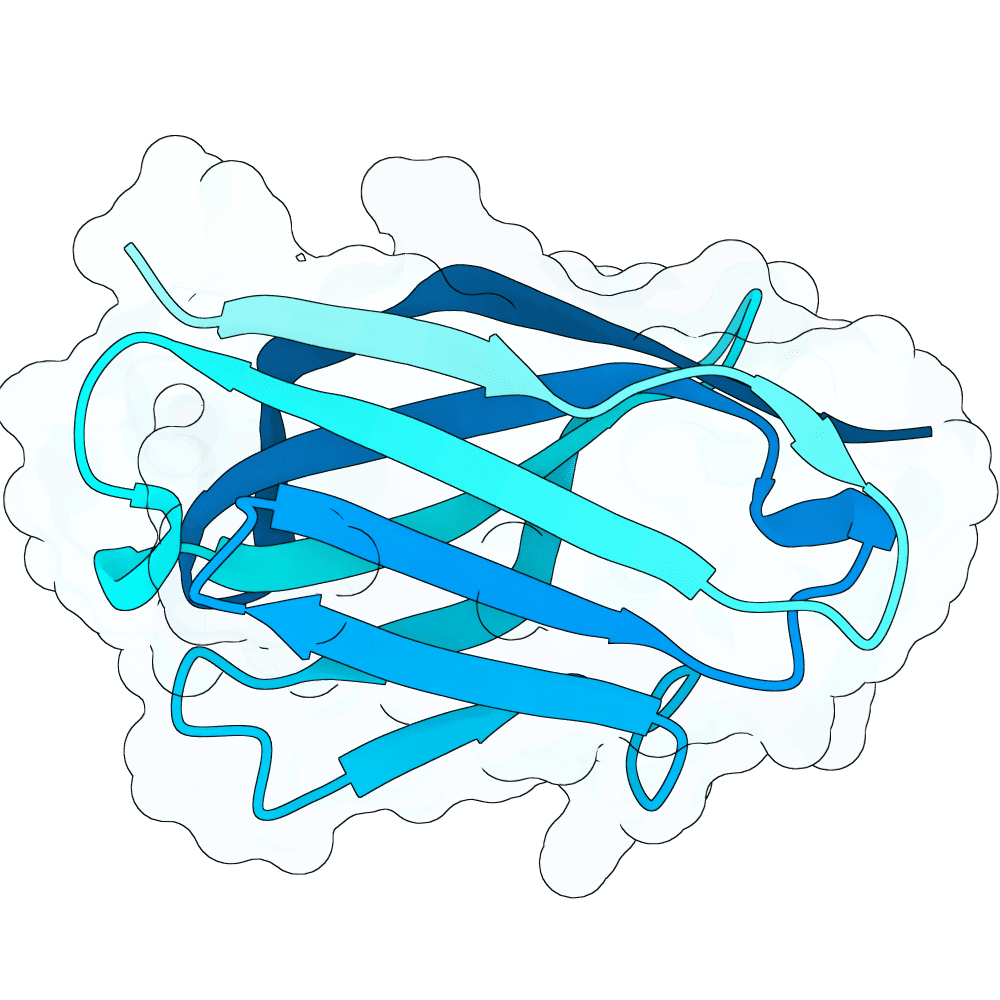
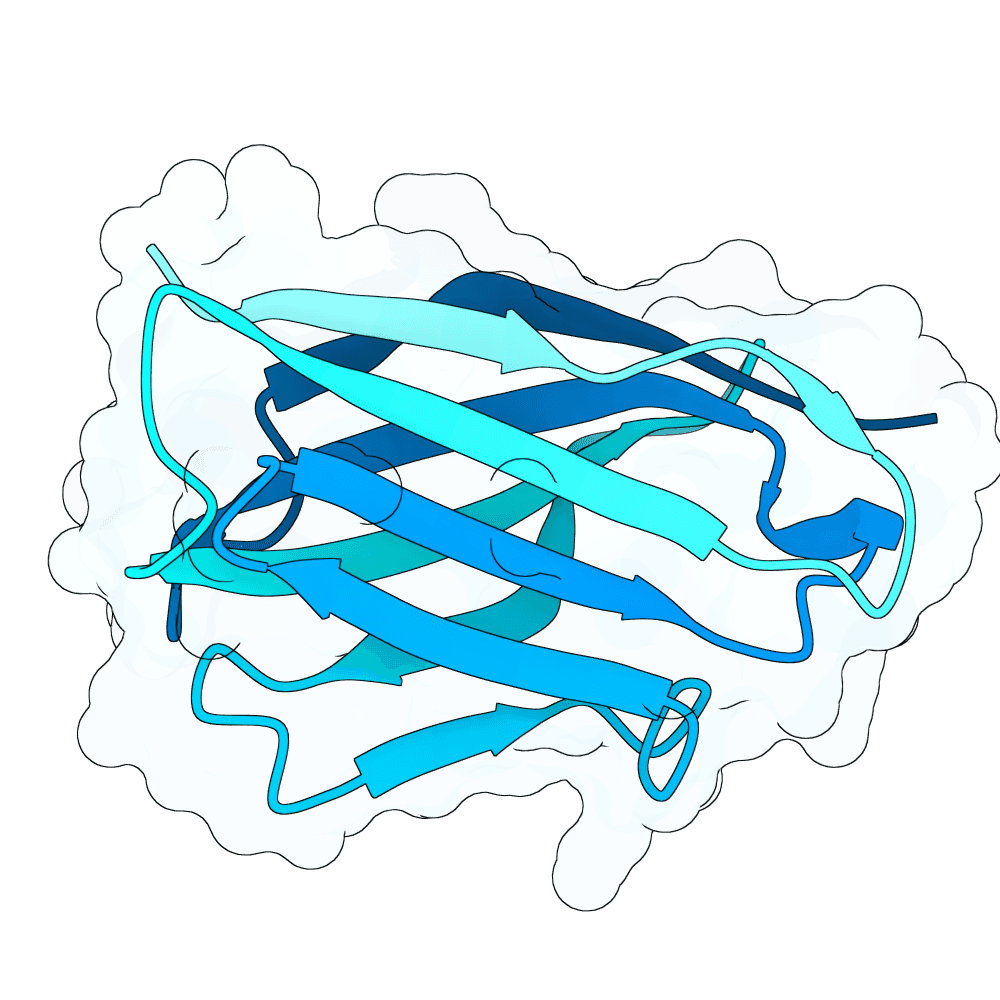
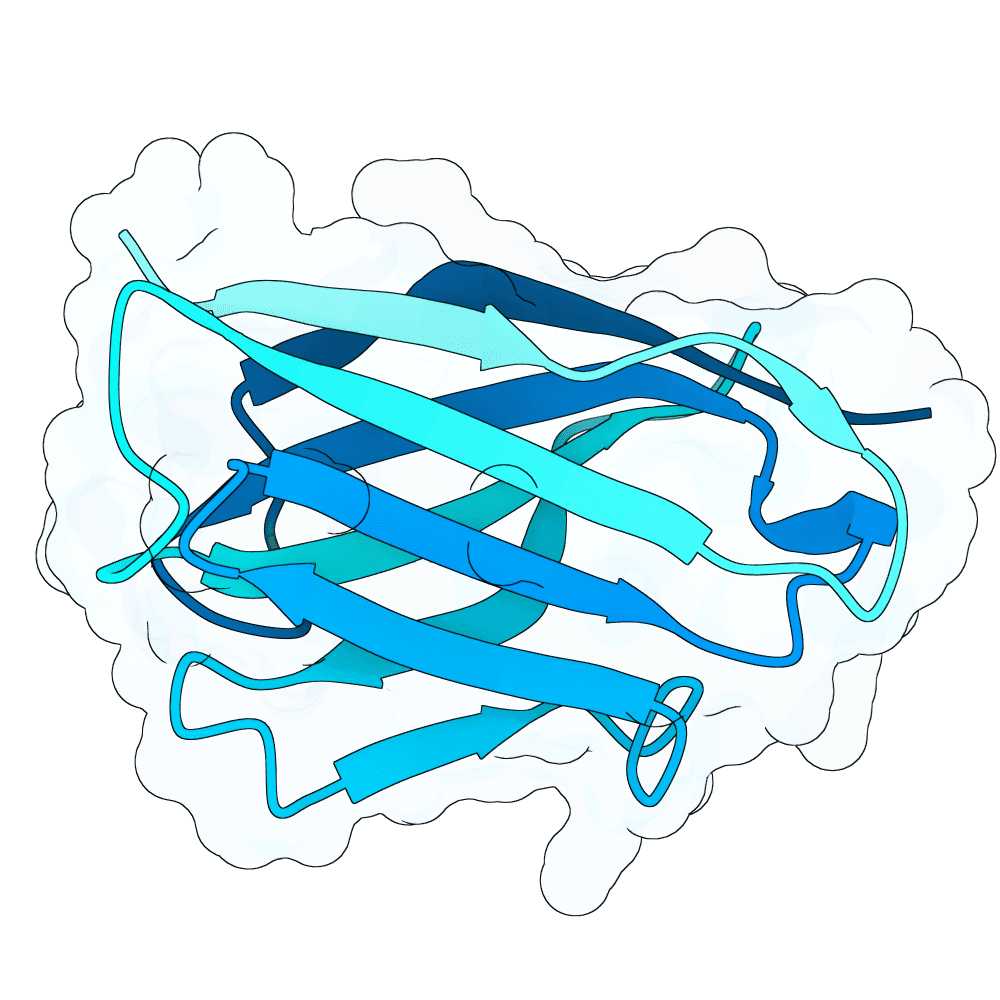
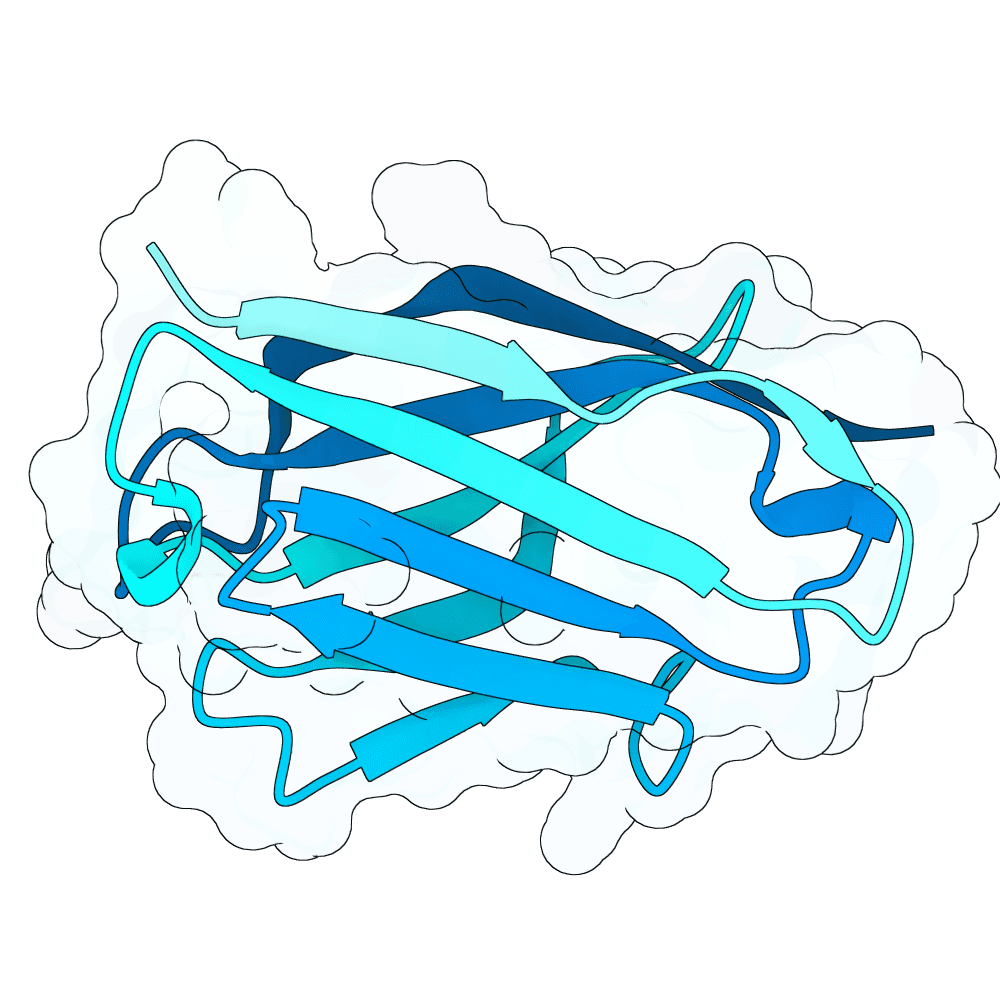
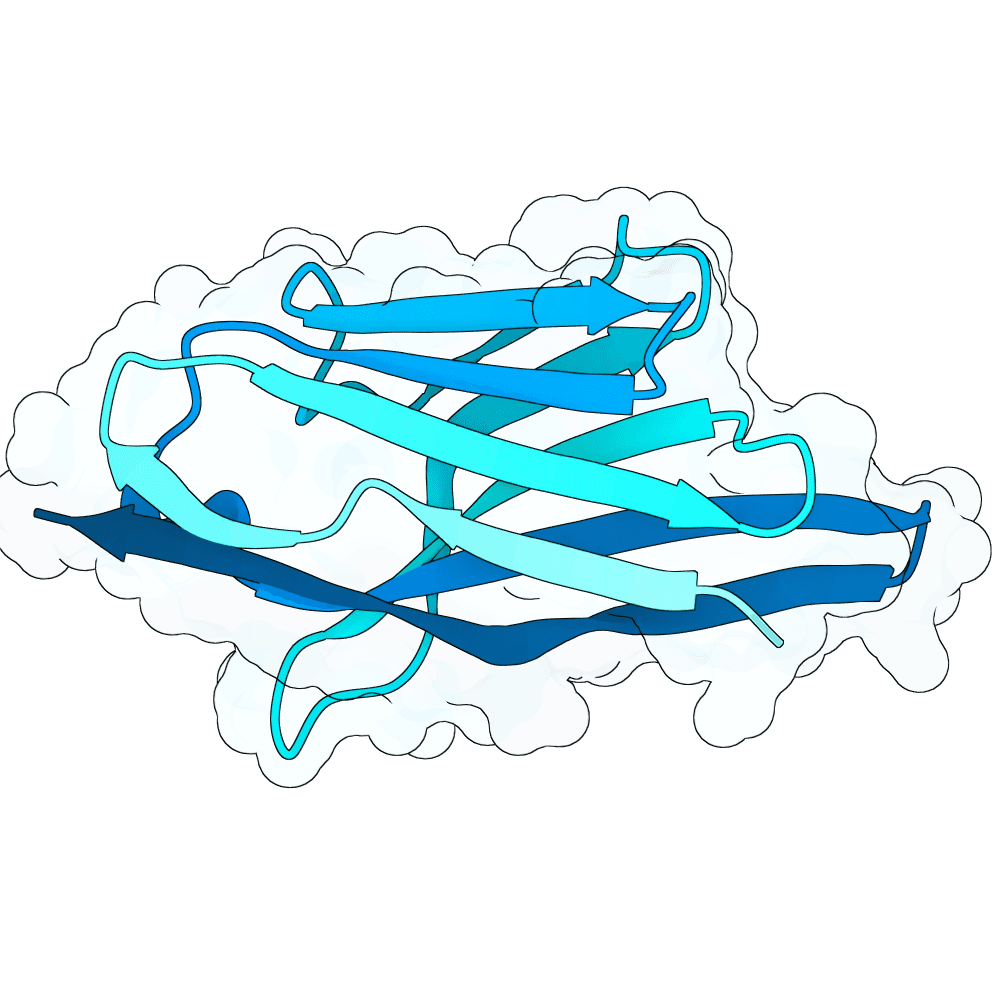
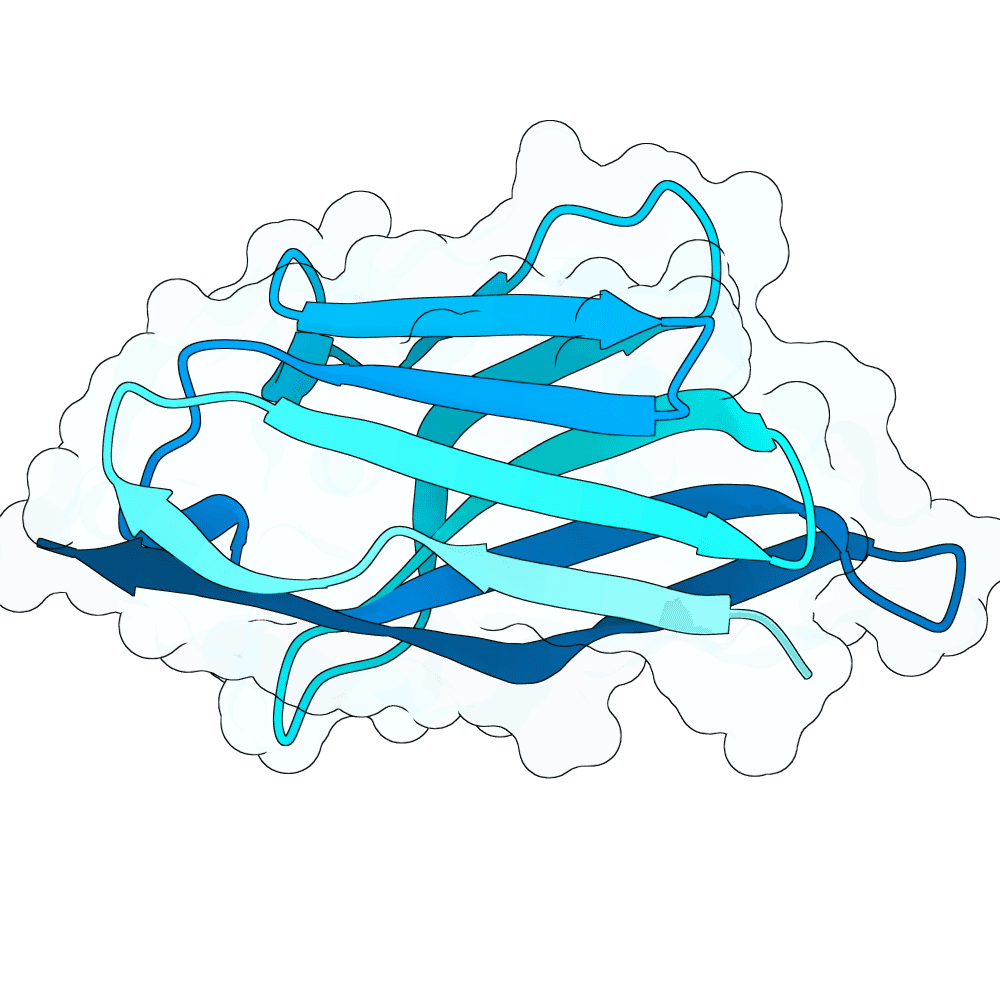
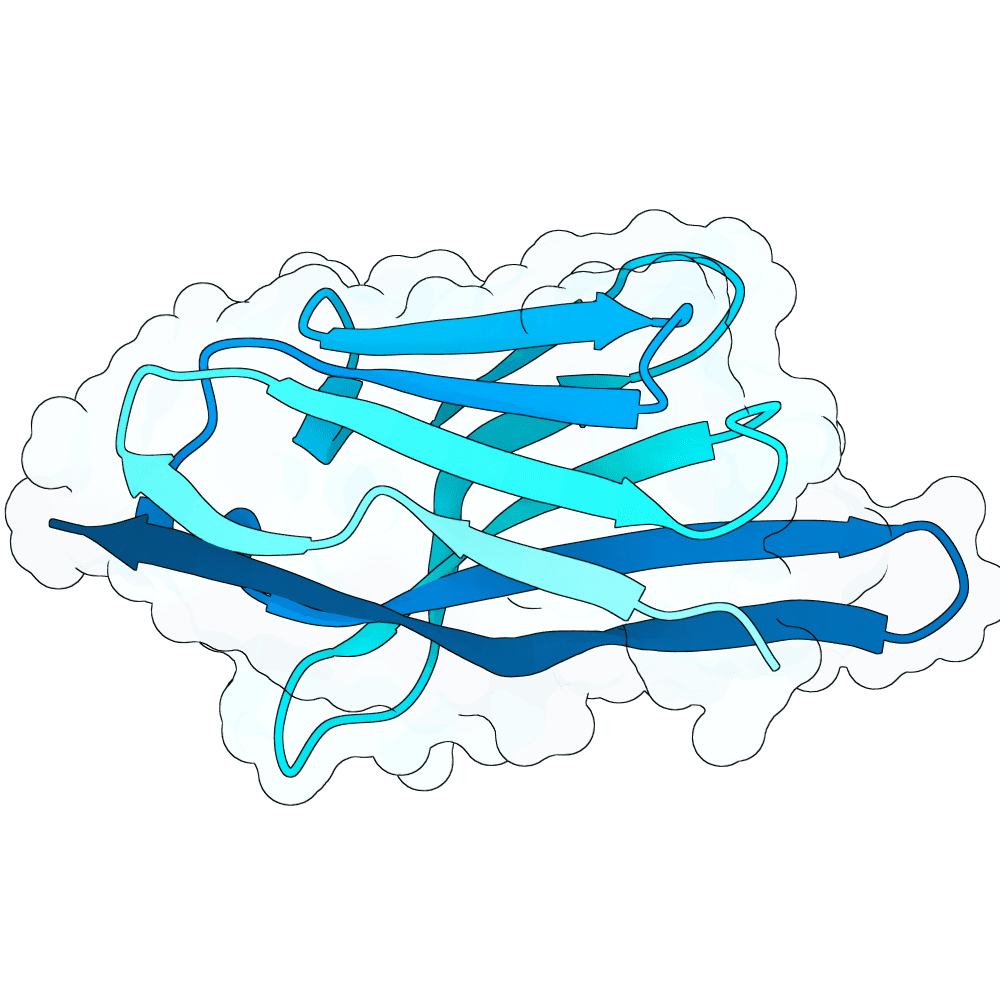
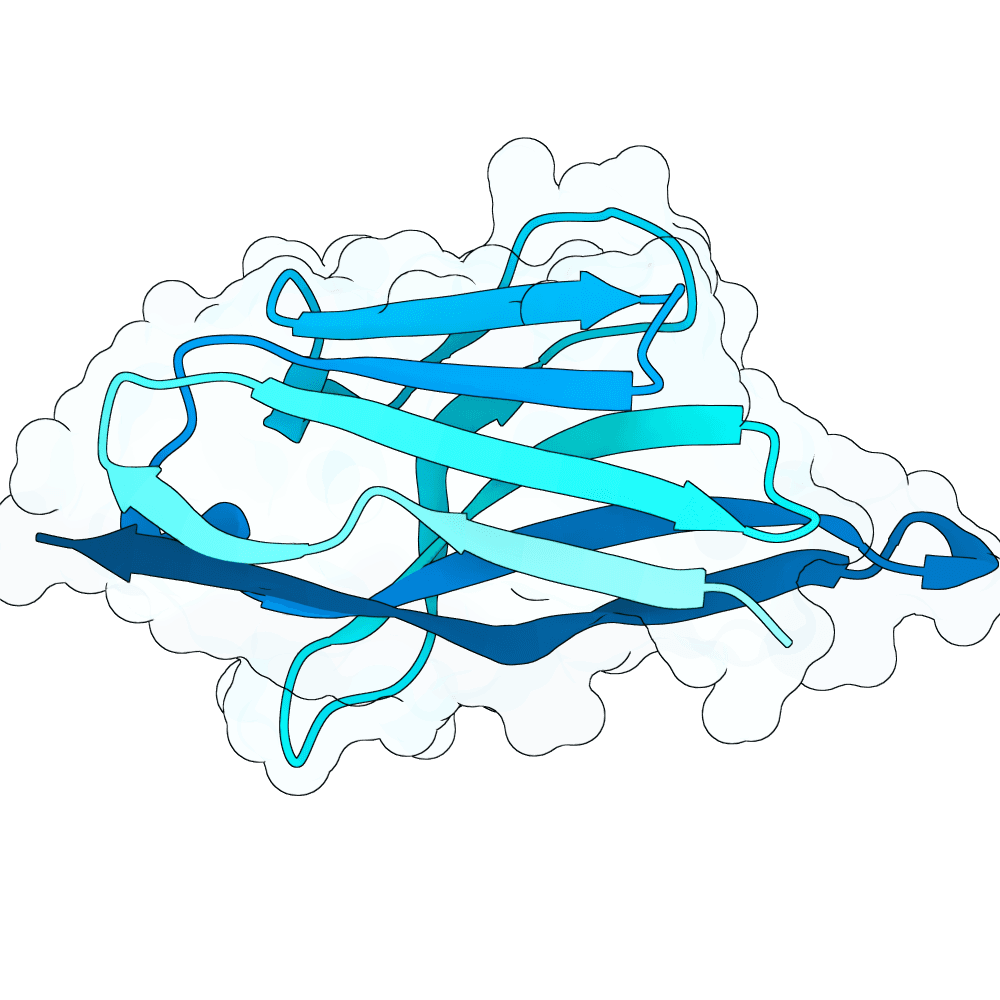
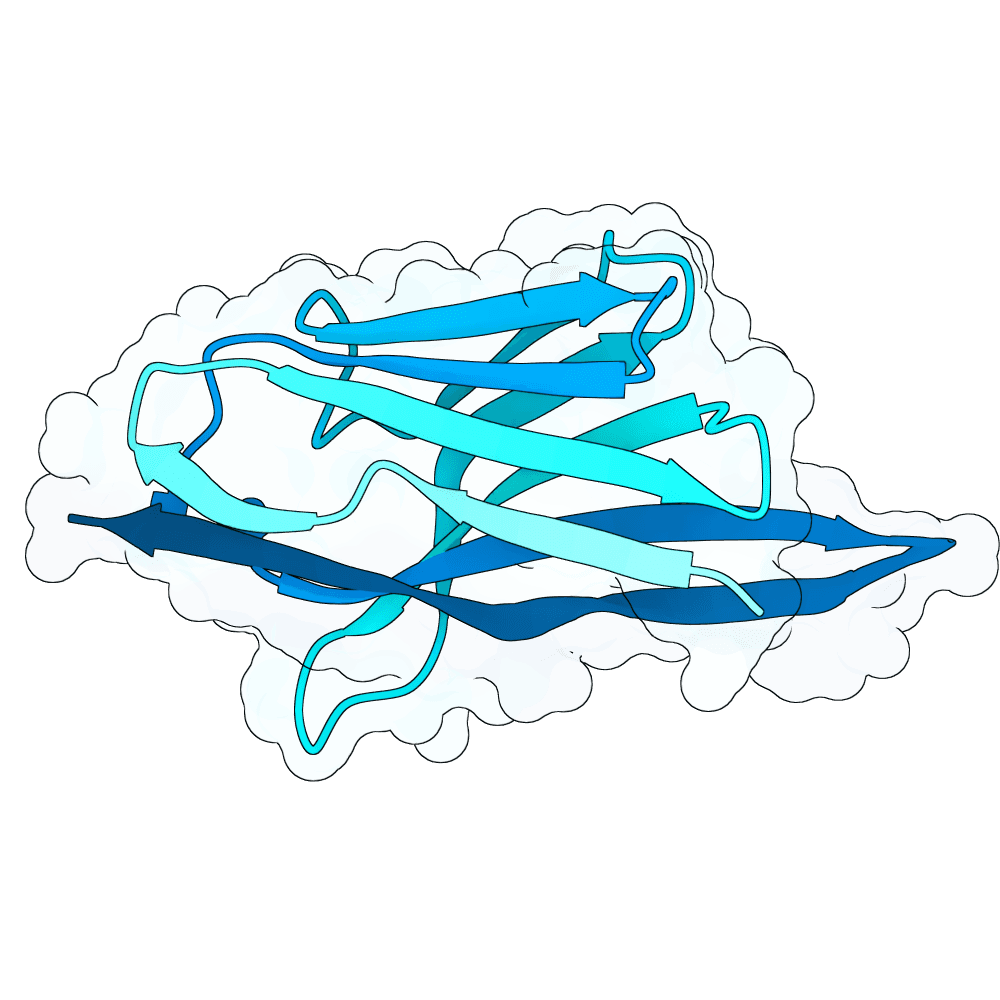
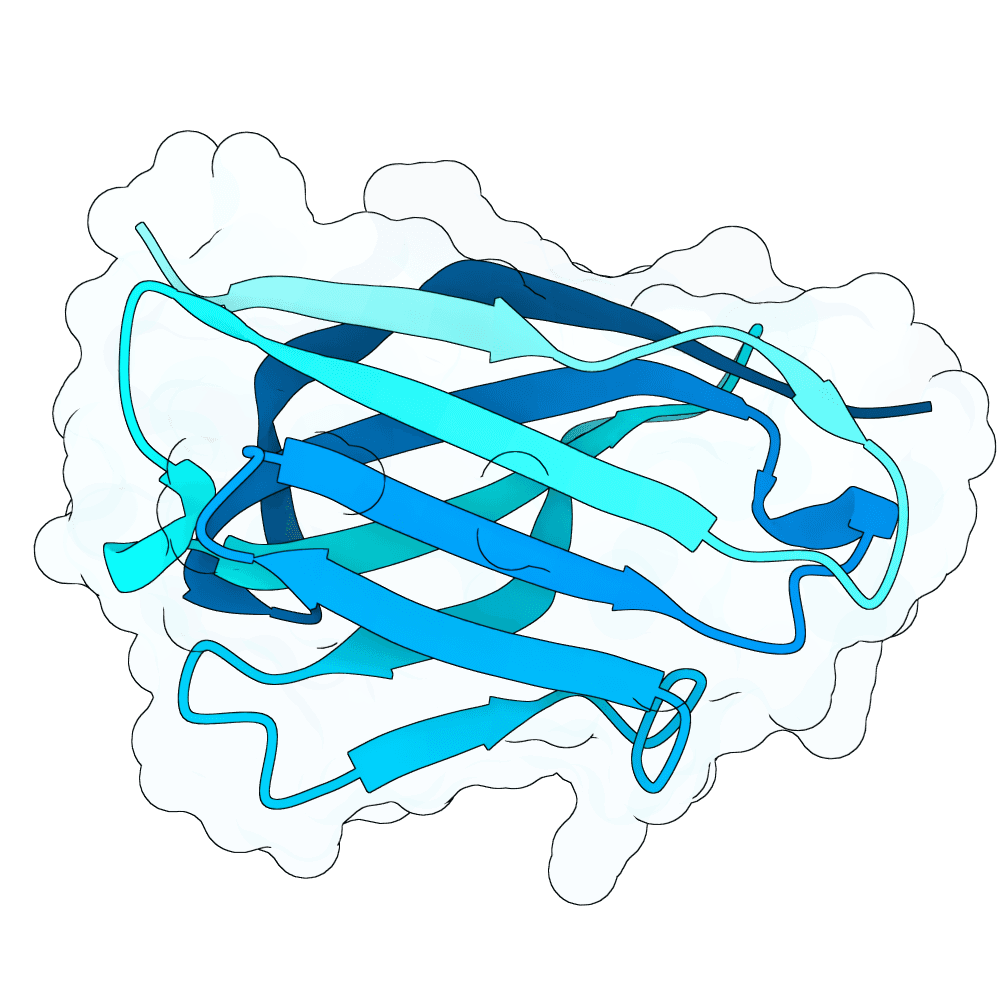
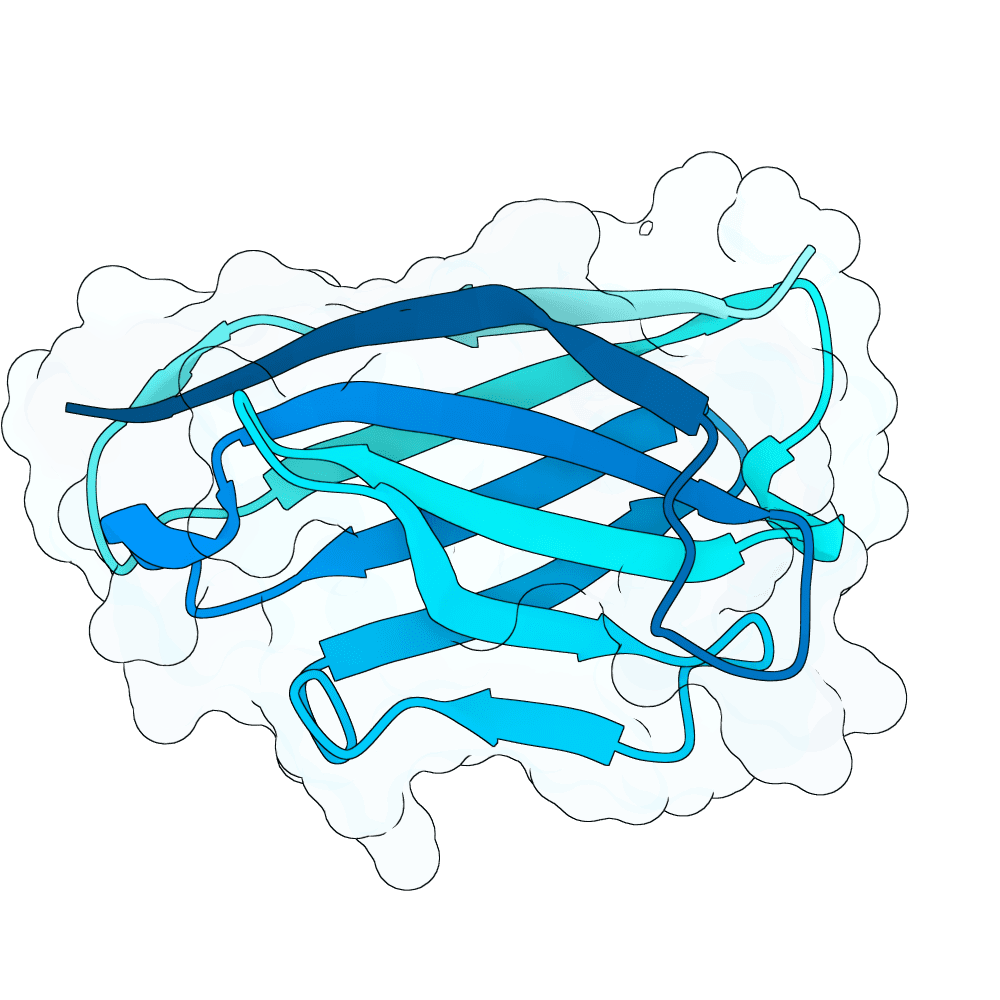
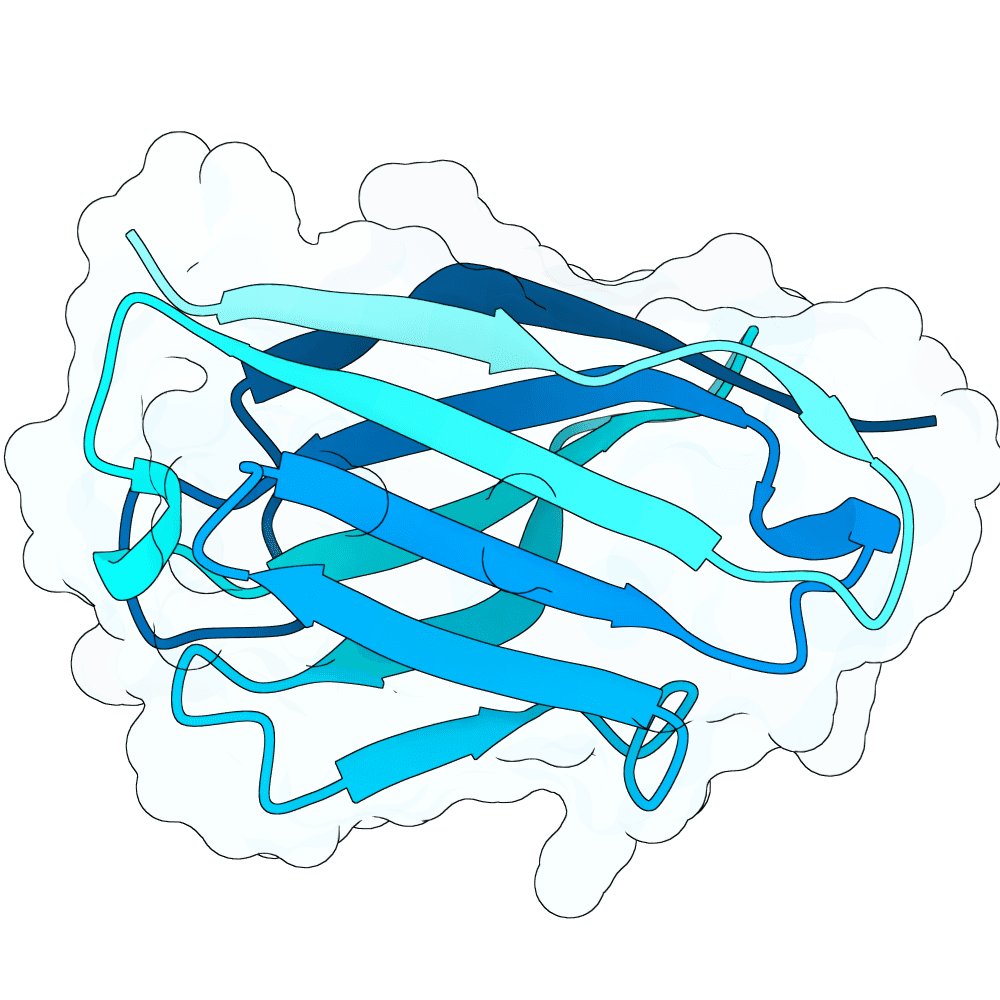
Description
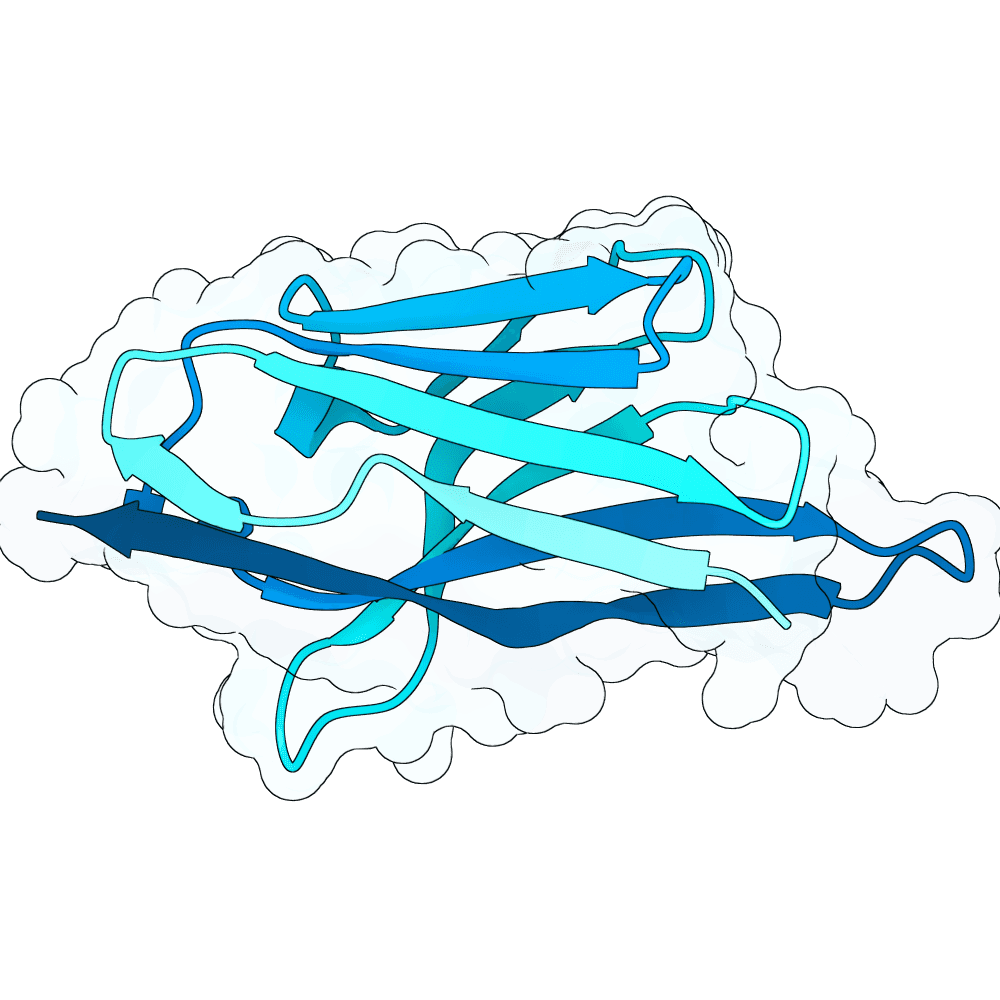
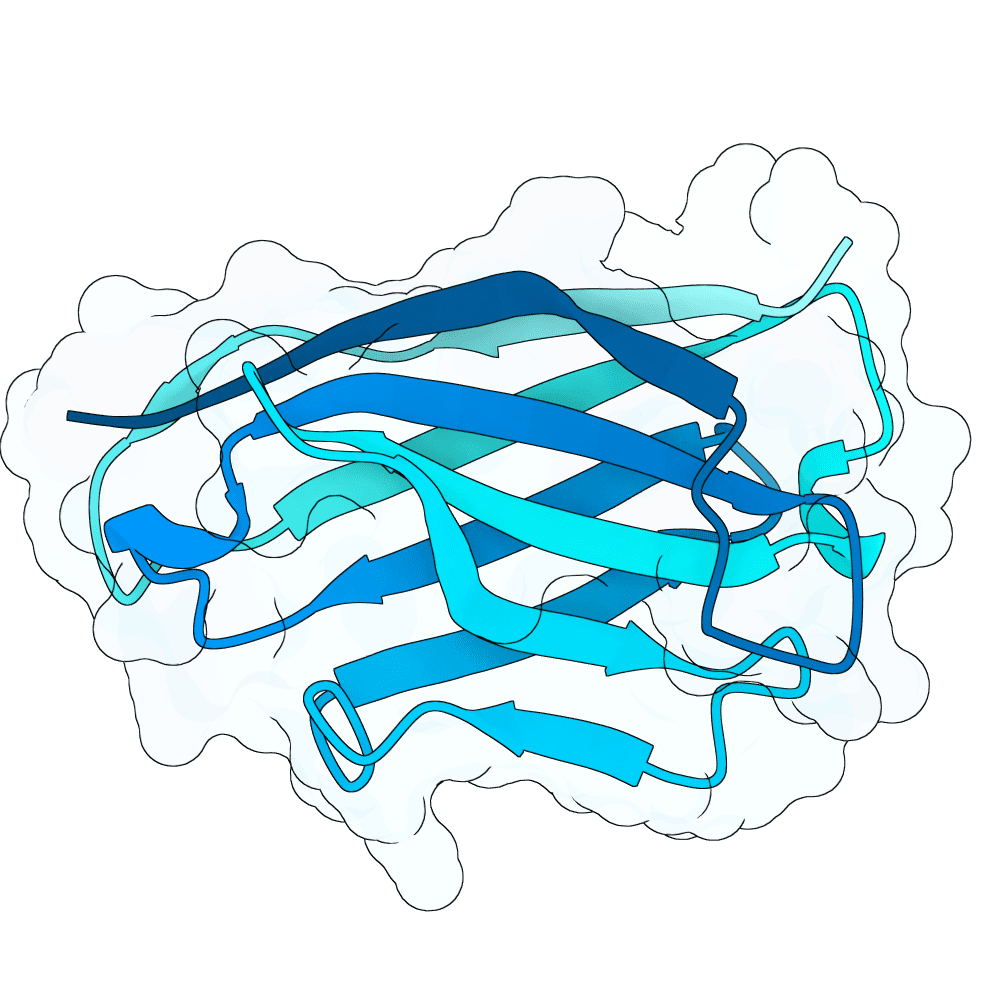
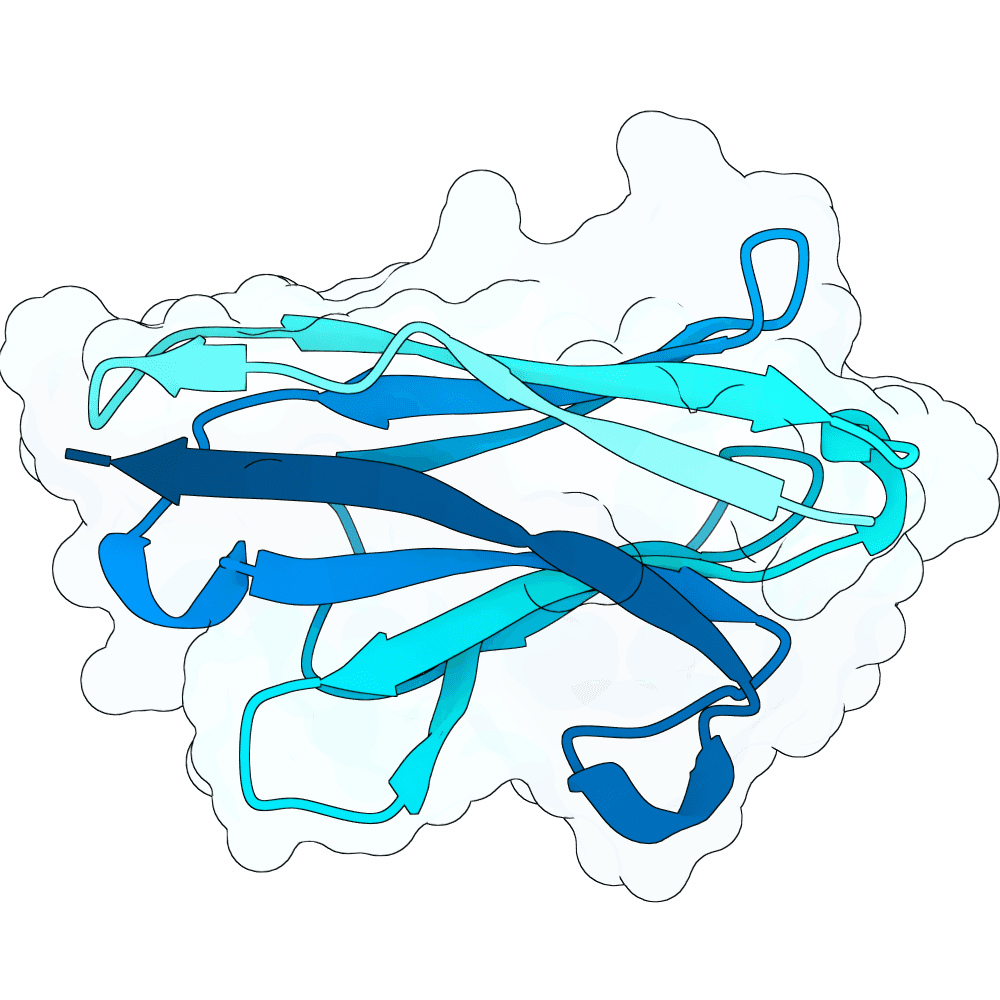
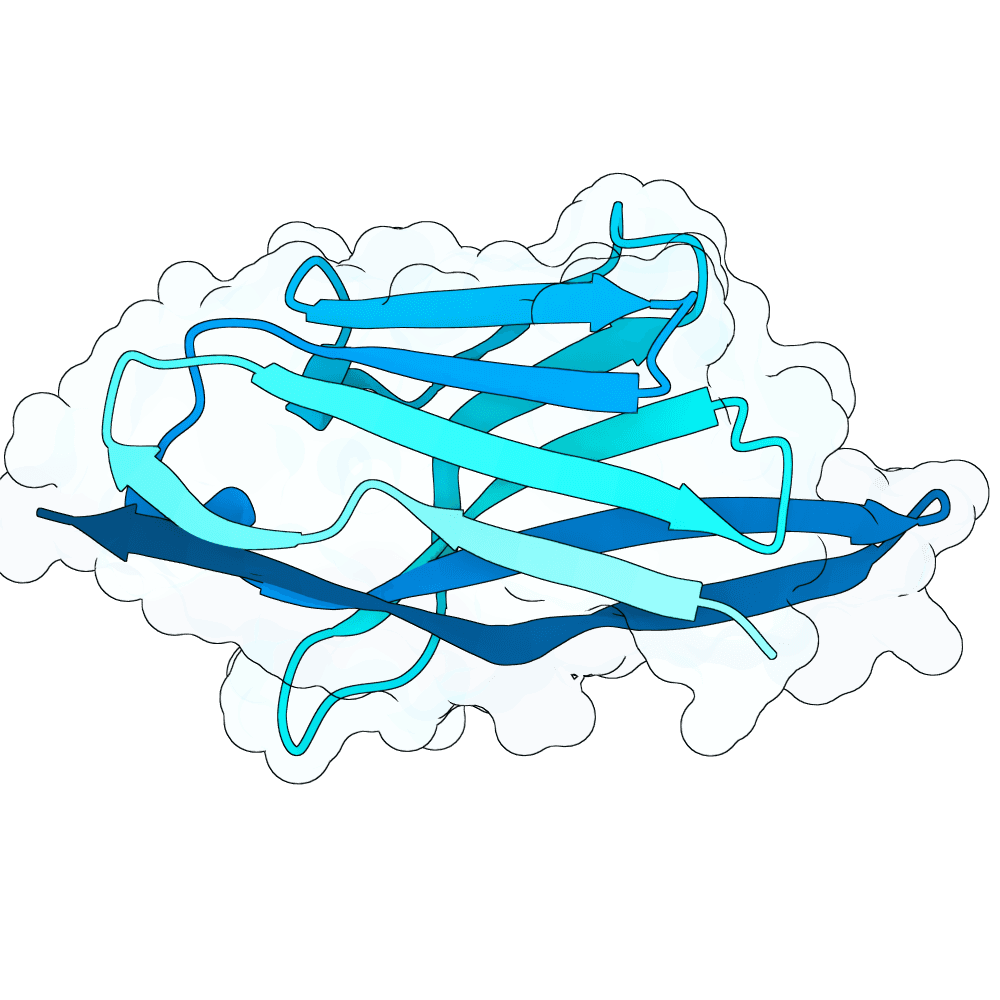
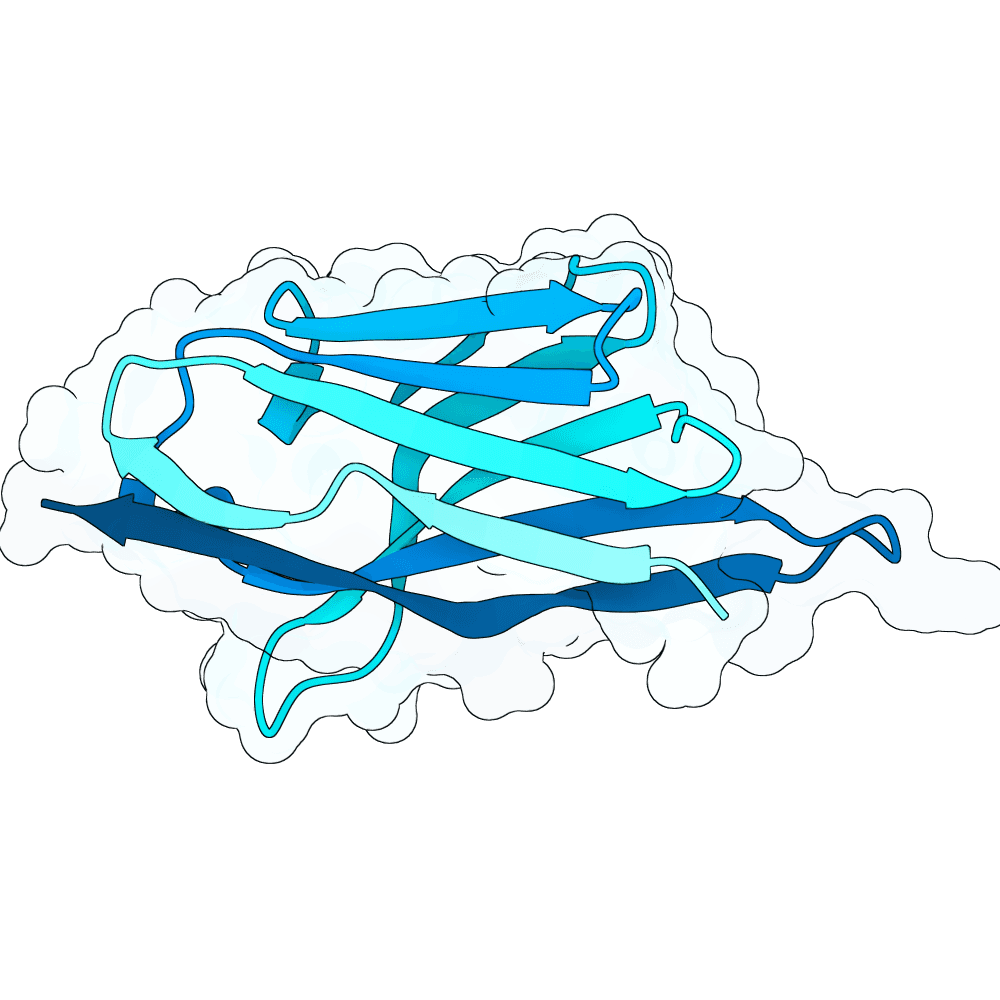
Approach: We used two independent de novo nanobody design pipelines targeting the E2-binding α-2 helix surface of RBX-1 (residues W87–V93, PDB 2LGV). In the first pipeline, we applied RFantibody (Baker Lab) with an iterative 5-cycle RFdiffusion refinement strategy. This started from free diffusion (Cycle 1) and progressively refined selected structures using decreasing partial timesteps (T = 20, 15, 10, 5), followed by AbMPNN sequence design with fixed frameworks at each stage. In parallel, we used IgGM to generate an independent set of de novo VHH designs targeting the same epitope. Top candidates from both pipelines were evaluated using AlphaFold3 complex prediction (nanobody with full-length RBX-1), filtered for sequence diversity and SAbDab novelty, and ranked by ipTM score.
Hypothesis: We hypothesize that the E2-binding α-2 helix region of RBX-1 (W87–V93) represents a druggable epitope that can be effectively targeted by nanobody binders. This region plays a central role in recruiting E2 ubiquitin-conjugating enzymes, so blocking it could disrupt SCF complex activity. We also hypothesize that combining diverse backbones from early diffusion stages with an independent generative model (IgGM) leads to a more structurally diverse and higher-confidence set of candidates, improving the chances of success compared to relying on a single pipeline.
Additional Context: A key insight from our campaign is the importance of backbone diversity in the initial generation stage. Free diffusion (Cycle 1) produced the highest AF3 ipTM designs, while progressive refinement cycles — though improving sequence-structure compatibility and geometric interface metrics — converged toward a consistent backbone geometry with lower structural variance. This observation is consistent with recent findings in diffusion-based protein design that early-stage stochasticity is critical for sampling productive binding modes. Rather than treating this as a limitation, we leveraged it explicitly: our final submission pools designs from all five cycles, capturing both the high-confidence binders from Cycle 1 and the geometrically refined candidates from later cycles. Combined with IgGM as an orthogonal generative model, our submission represents broad coverage of the RBX-1 epitope binding landscape — maximizing the probability of wet-lab hits across diverse structural solutions.