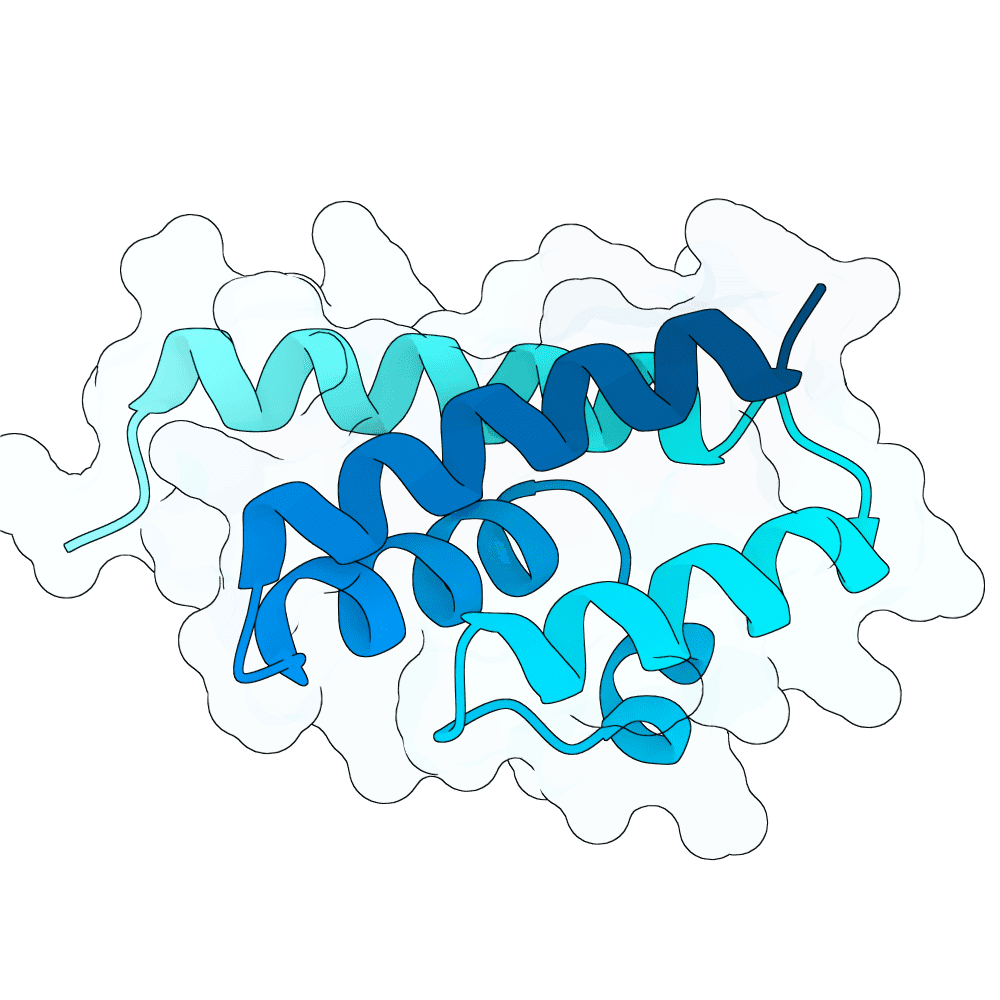
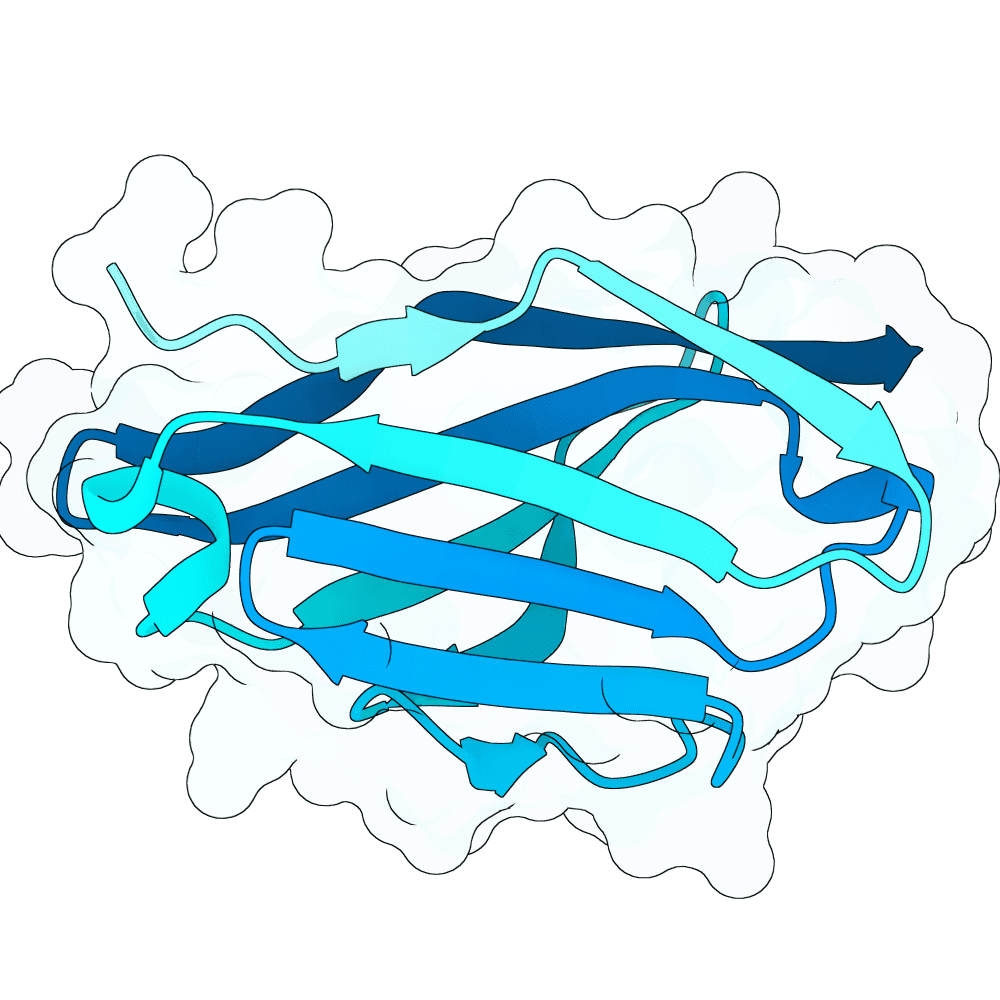
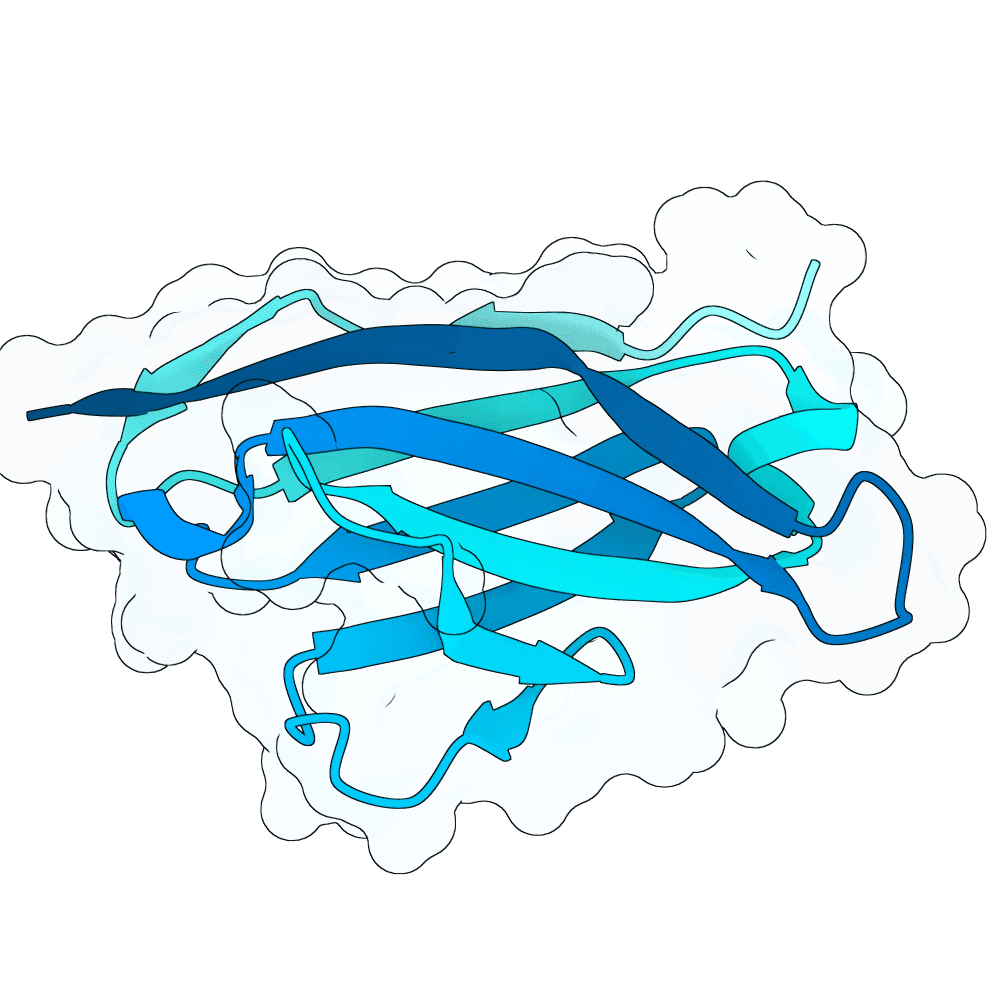
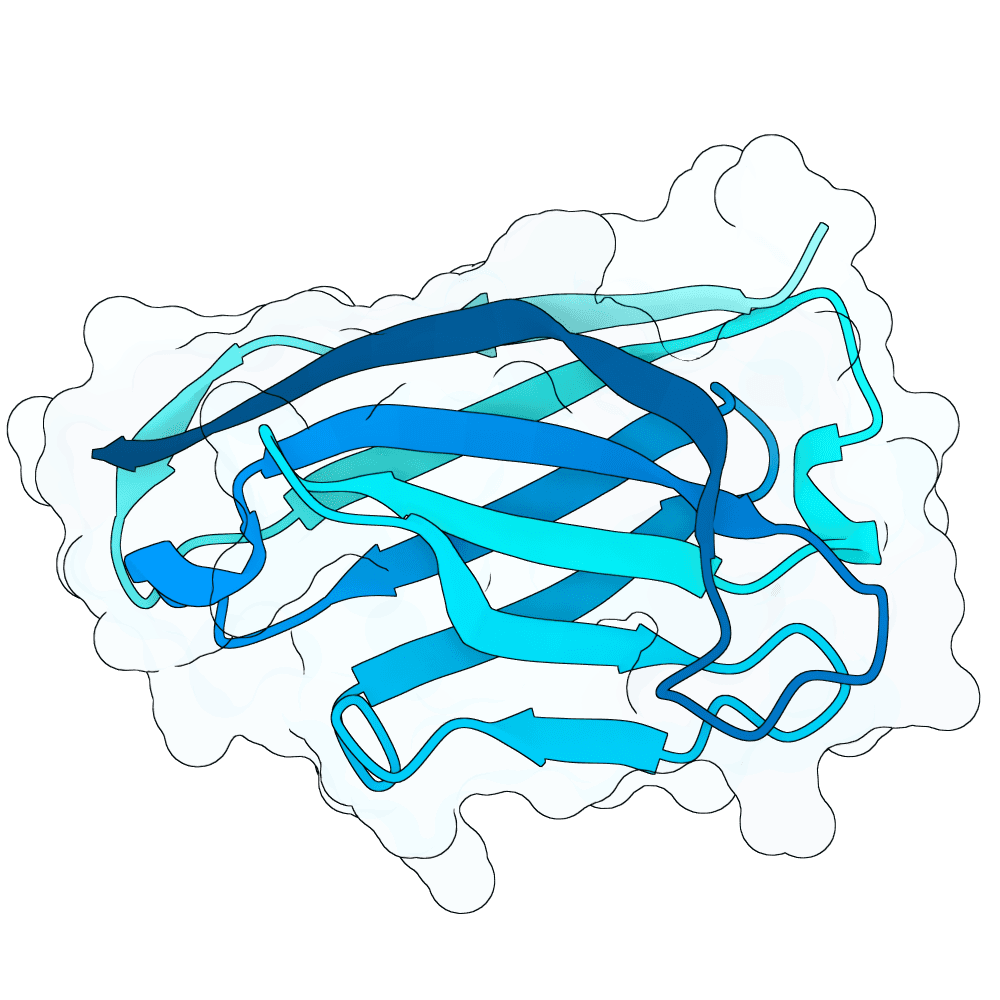
Description
Protein–Protein Interaction Binder Design Using BoltzGen
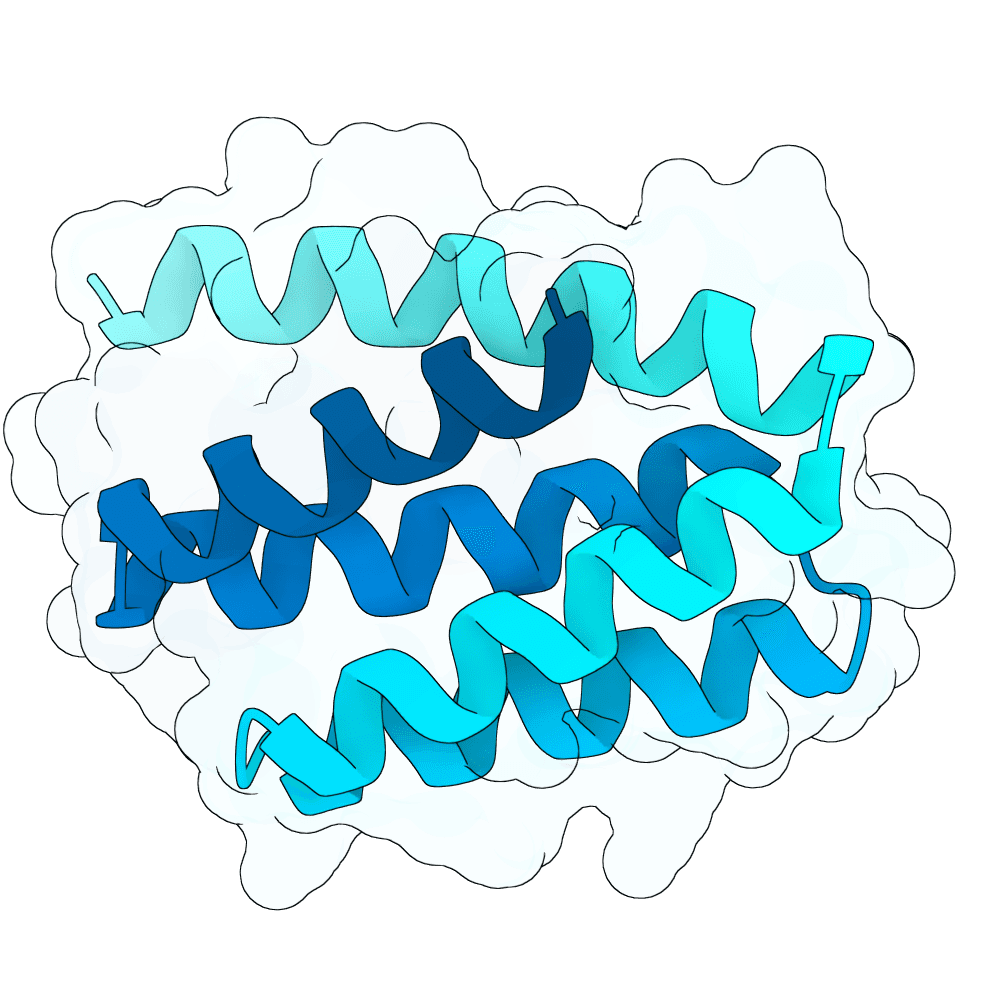
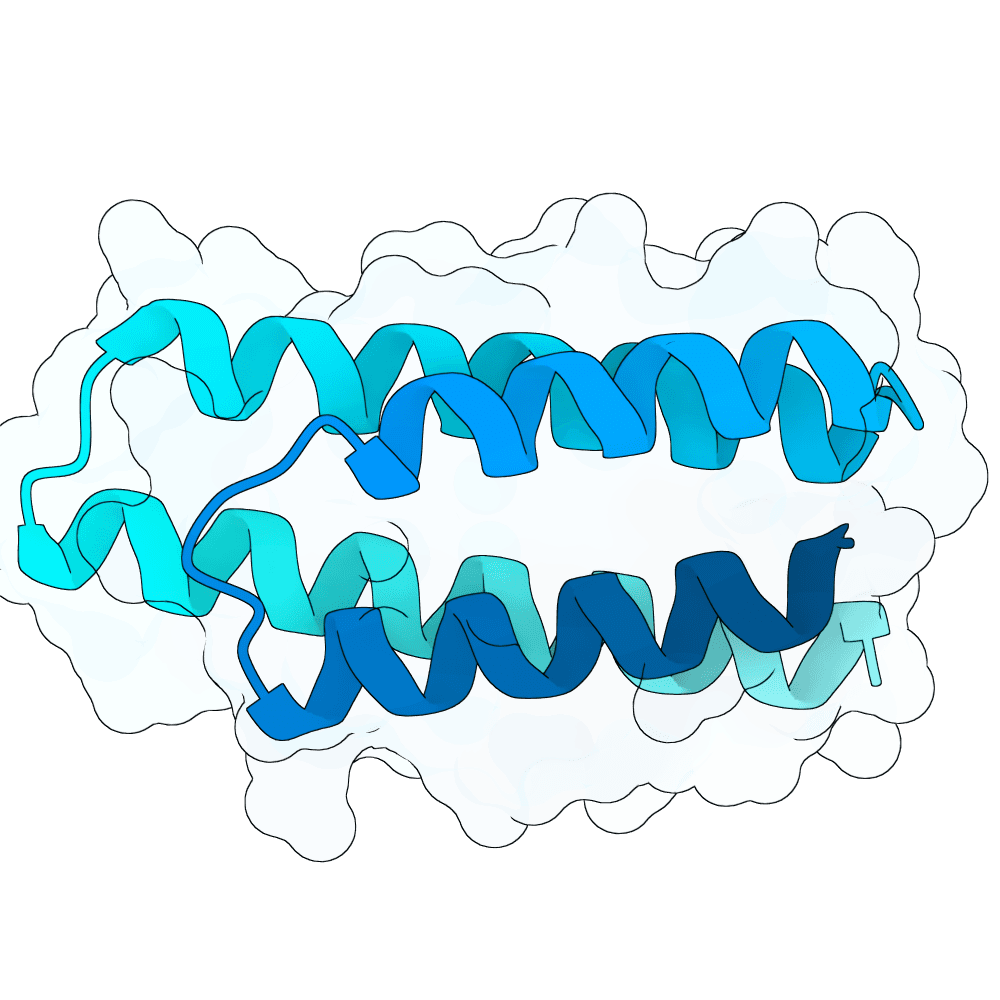
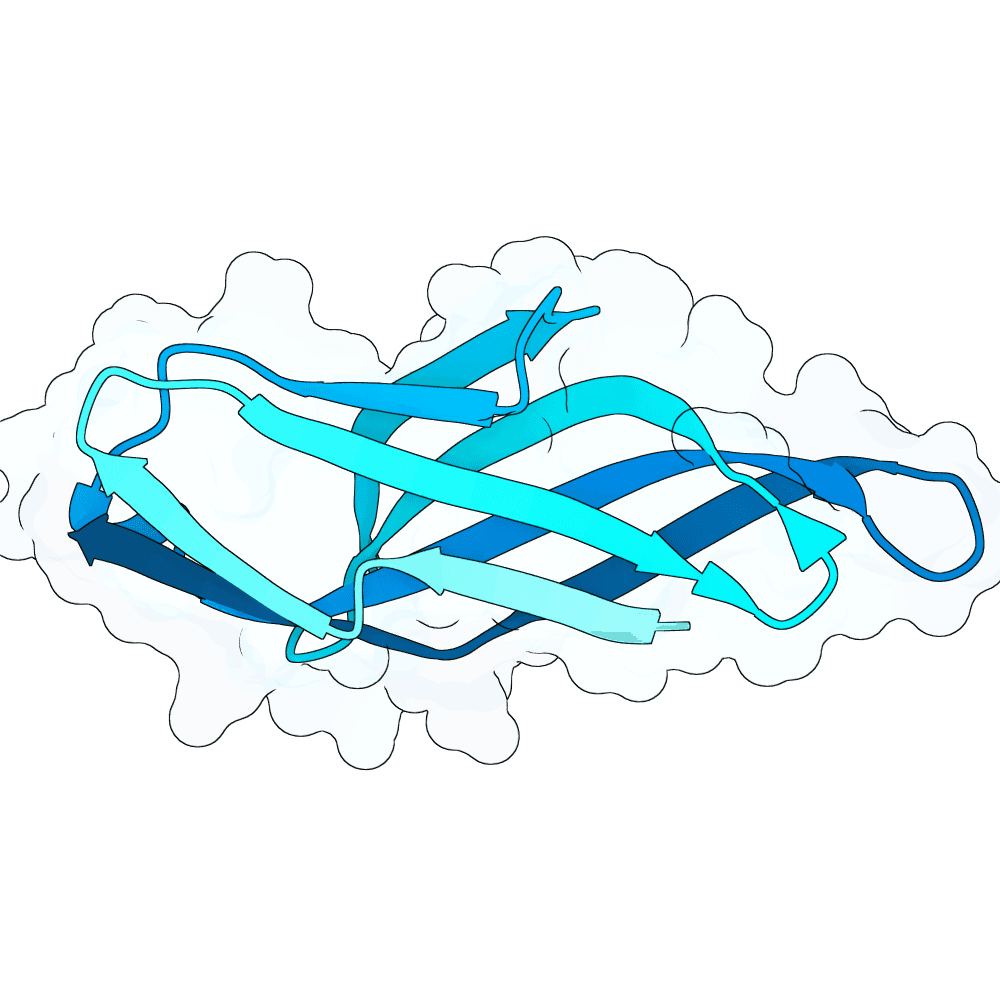
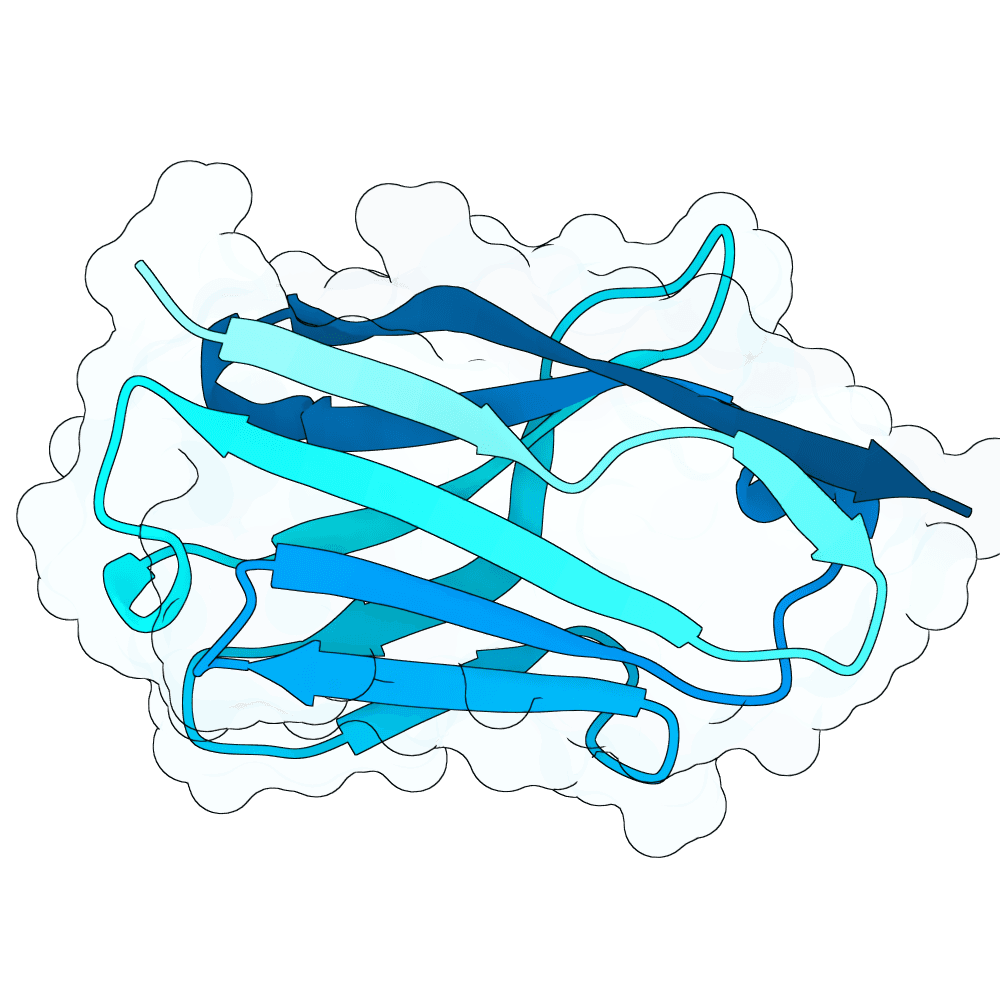
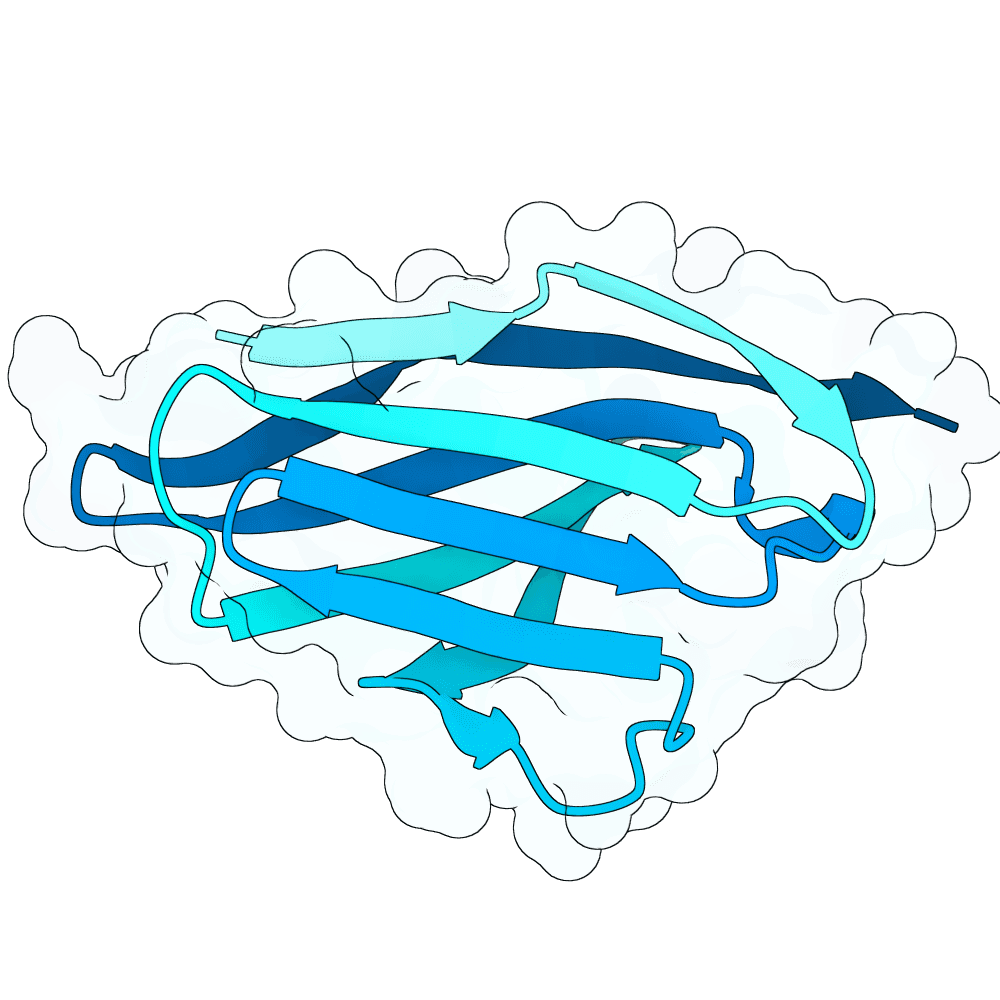
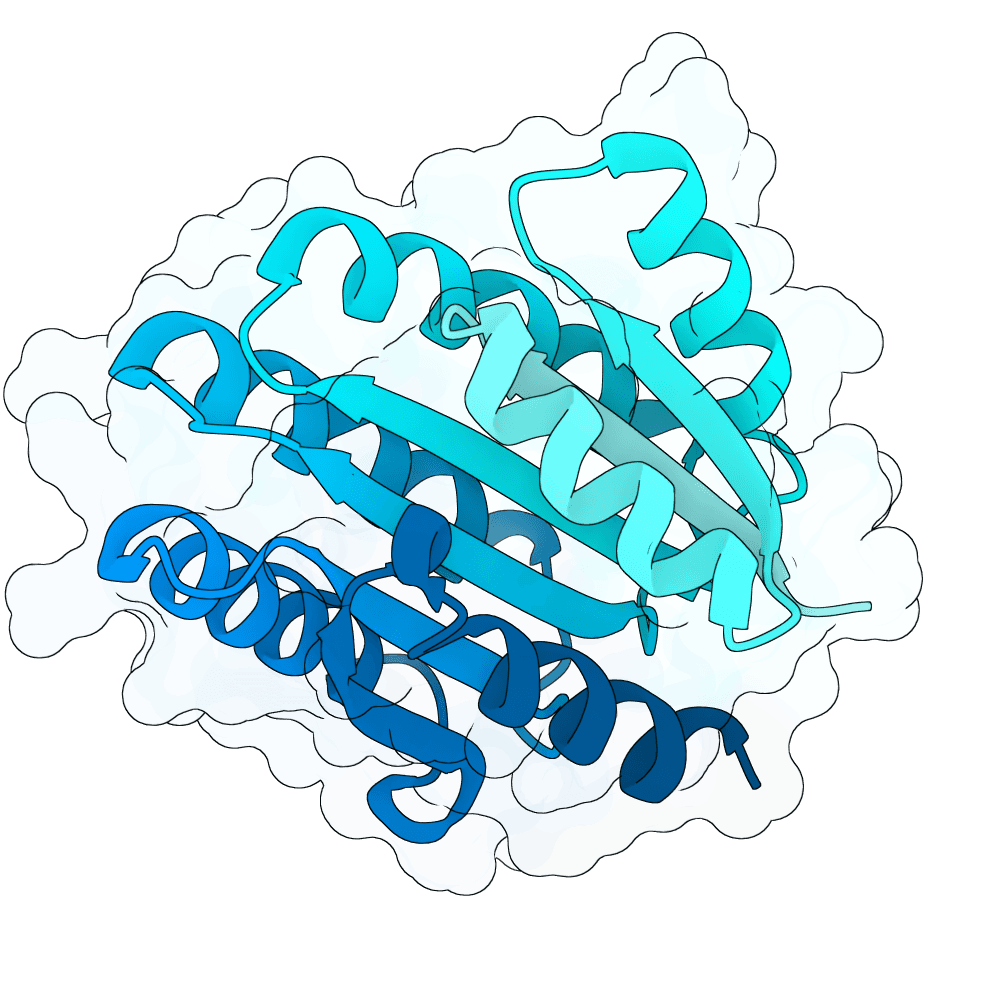
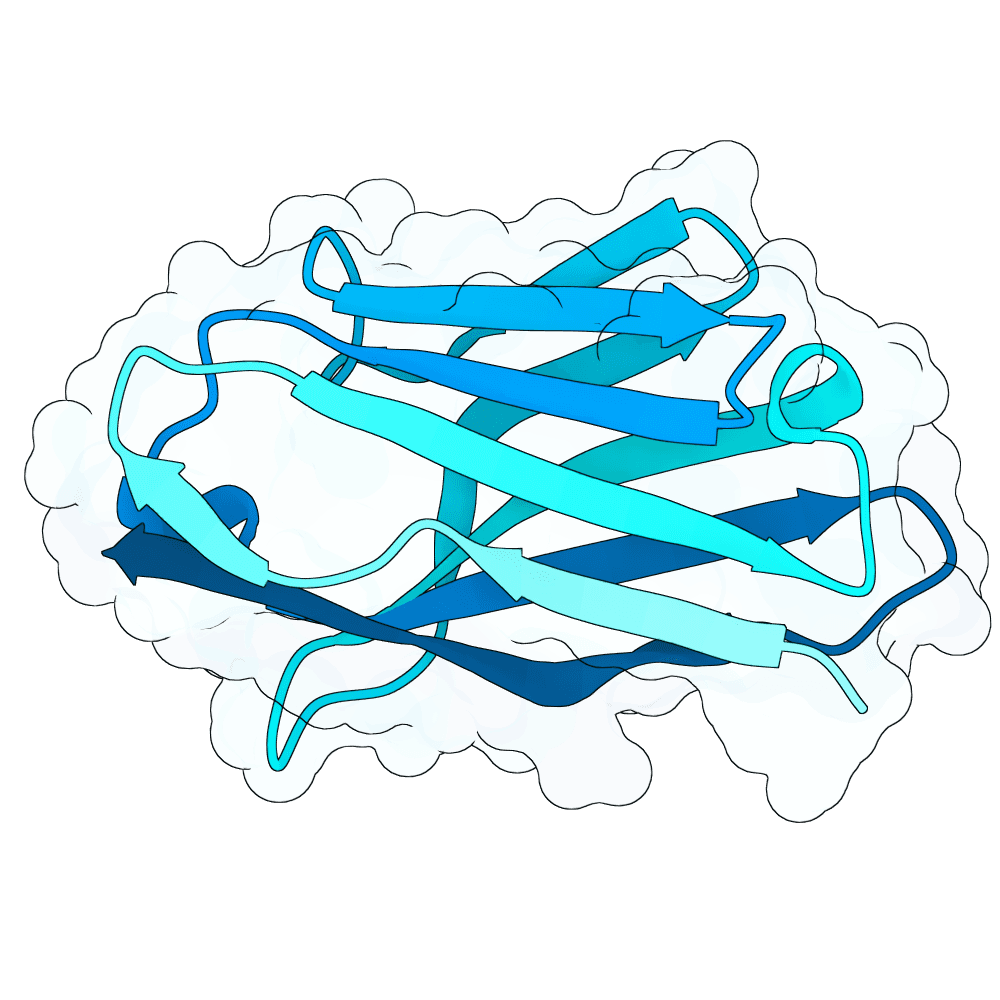
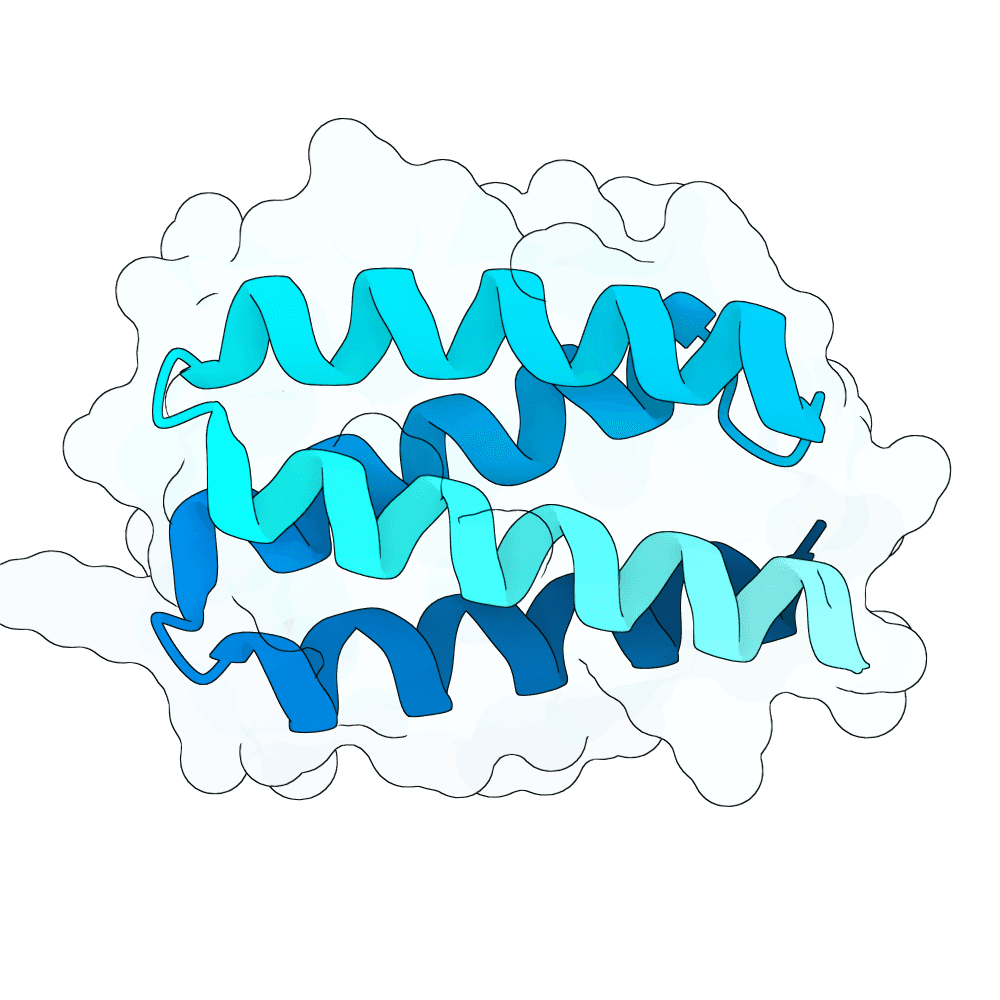
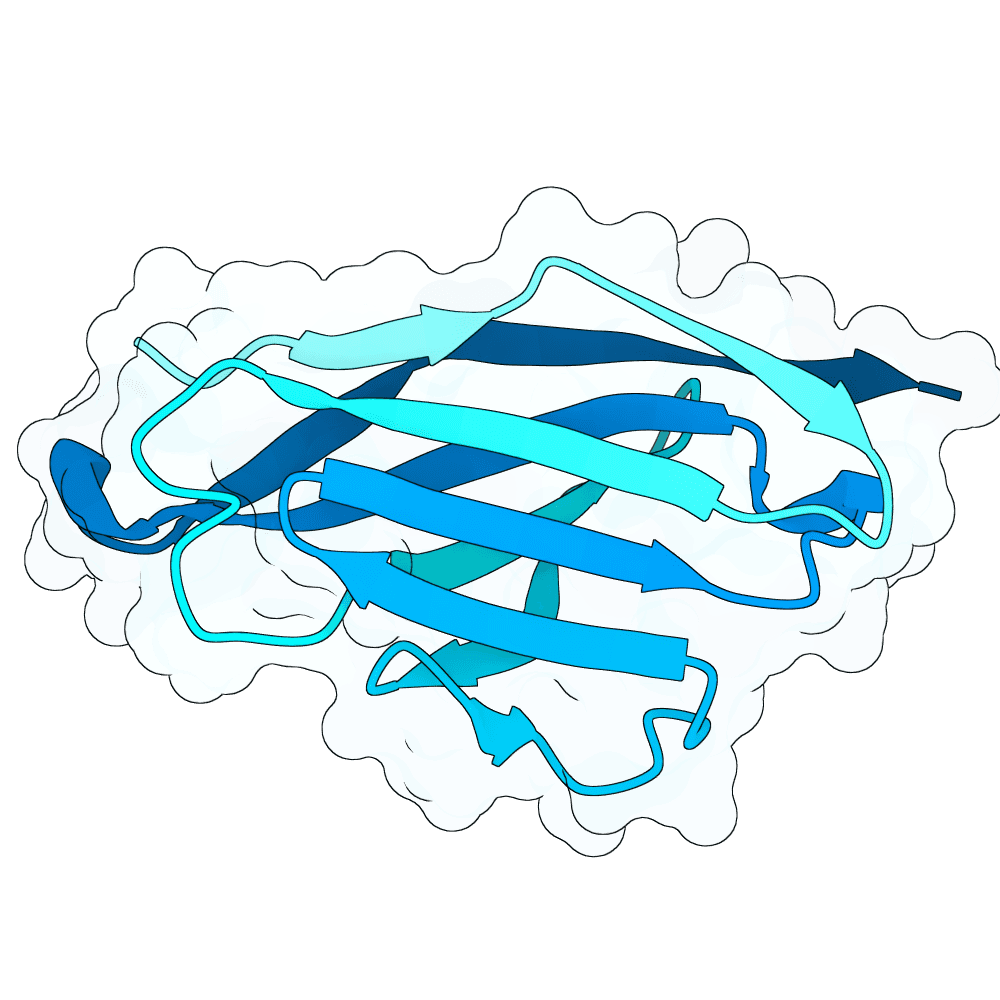
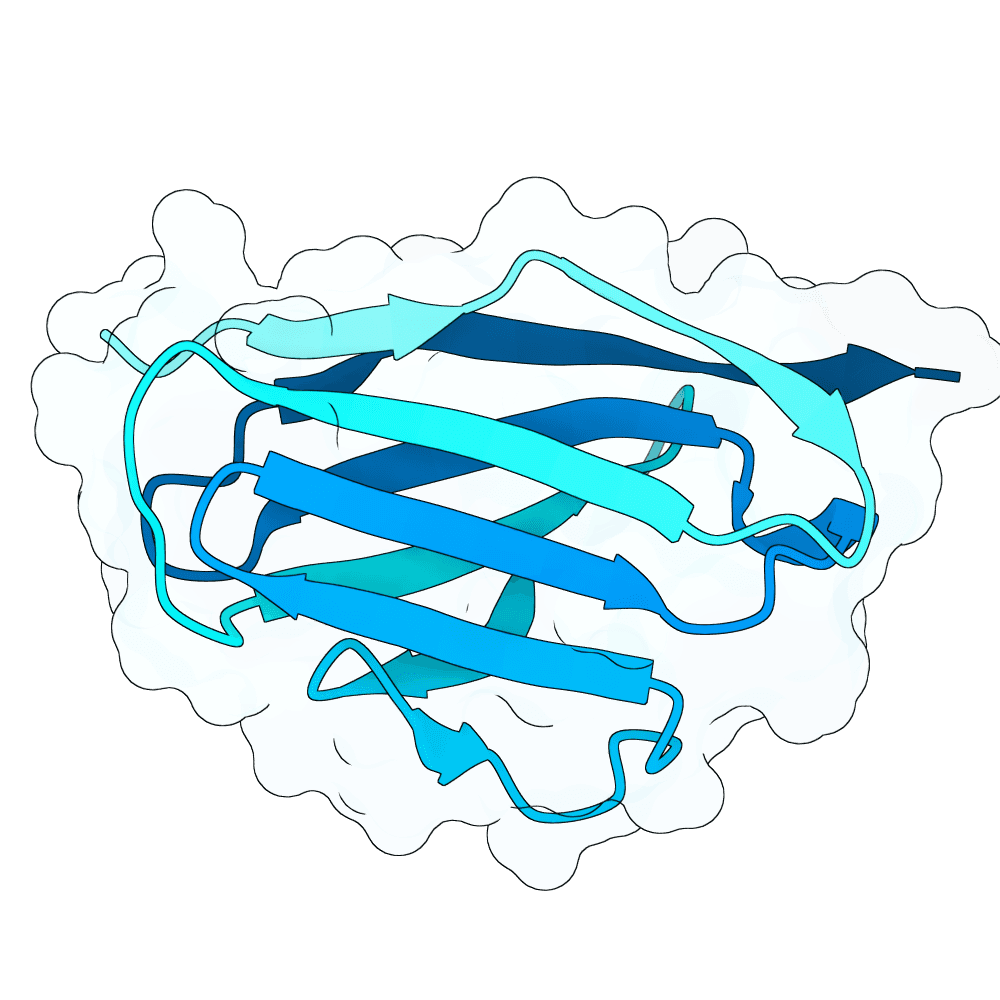
BoltzGen is a computational pipeline for de novo protein binder design that uses generative modeling and structure prediction to create binders targeting specific protein–protein interaction sites. It focuses on producing binders that are structurally valid, stable, and optimized for interaction with the target.
The pipeline follows a staged workflow consisting of backbone generation, sequence design, filtering, and validation with ranking. This process starts with a large number of generated candidates and progressively refines them into a small set of high-confidence binders suitable for experimental testing.
In the backbone generation stage, BoltzGen creates diverse protein backbone structures using generative models. These models can be conditioned on the target binding site, allowing the generated structures to align with the interaction region. Users can control parameters such as binder length and the number of samples, enabling large-scale exploration of structural space while maintaining realistic geometries.
During sequence design, the generated backbones are converted into amino acid sequences using inverse folding models. Multiple sequences are typically generated for each backbone, and they are optimized for structural compatibility, folding stability, and interaction potential. This step ensures that the designed structures can exist as physically stable proteins.
Sequence-level filtering is then applied to remove low-quality candidates. Sequences are evaluated based on length constraints, valid amino acid composition, and physicochemical properties such as hydrophobicity and charge distribution. Additional filters assess stability using metrics like instability index and check for developability risks such as aggregation propensity, problematic cysteine residues, and potential post-translational modification issues. Only sequences that pass these checks move forward.
To ensure novelty and diversity, candidates are compared against known protein databases to eliminate designs that are too similar to existing proteins. Clustering techniques are used to remove redundant sequences, ensuring that the final set covers a broad and diverse region of sequence space.
In the structure-based validation stage, binder–target complexes are predicted and evaluated using advanced structure prediction models. Several metrics are used, including binding confidence scores such as ipTM and pDockQ, interface quality measures like buried surface area and contact formation, predicted binding affinity values, and structural reliability metrics such as pTM and PAE. Designs that do not meet quality thresholds are discarded.
Finally, the remaining candidates are ranked using a composite scoring strategy that considers binding strength, interface quality, and structural stability. The top-ranked binders are selected for further experimental validation or downstream optimization.
Overall, BoltzGen is a scalable and efficient framework for designing novel, diverse, and high-affinity protein binders, combining generative modeling with rigorous filtering and validation to produce candidates suitable for real-world protein engineering applications.