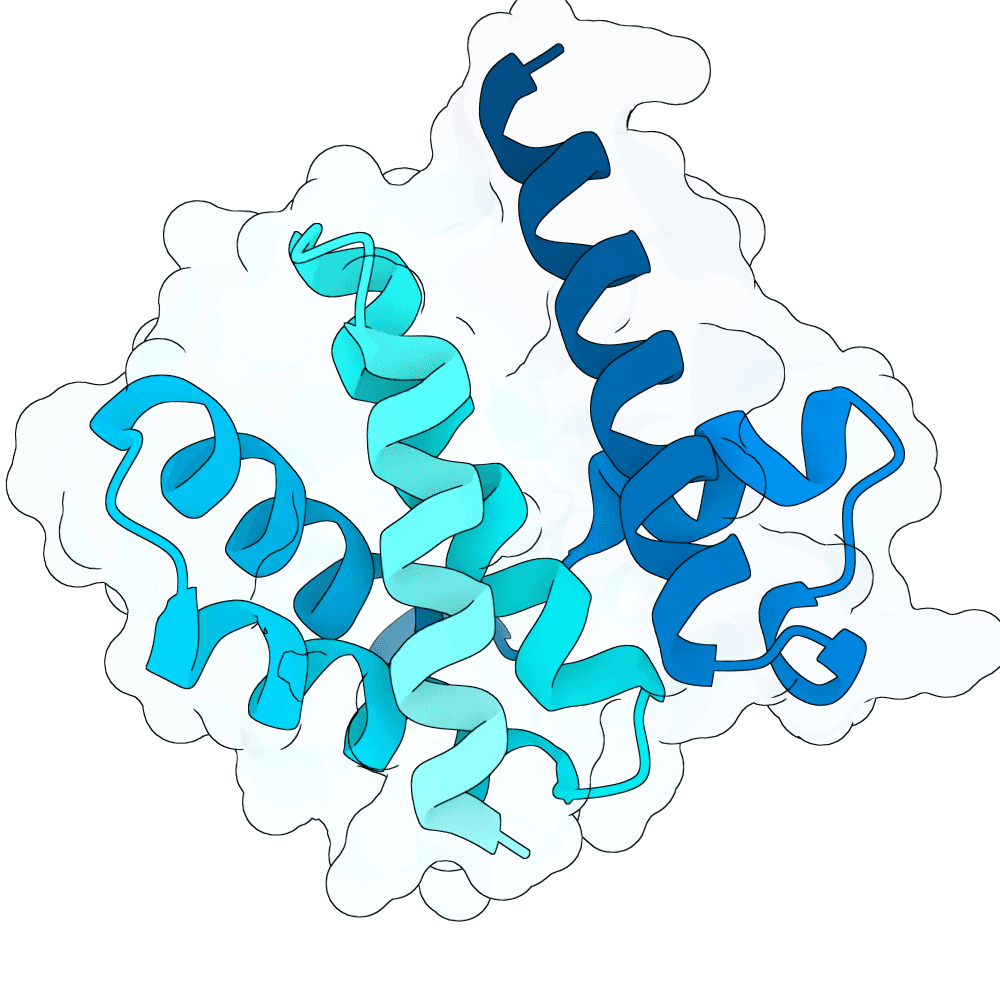
In this submission, various methods were employed to design binders for the NiV-G protein. The different approaches aimed to explore the scope of possible scaffolds, from peptides and small proteins to nanobodies.
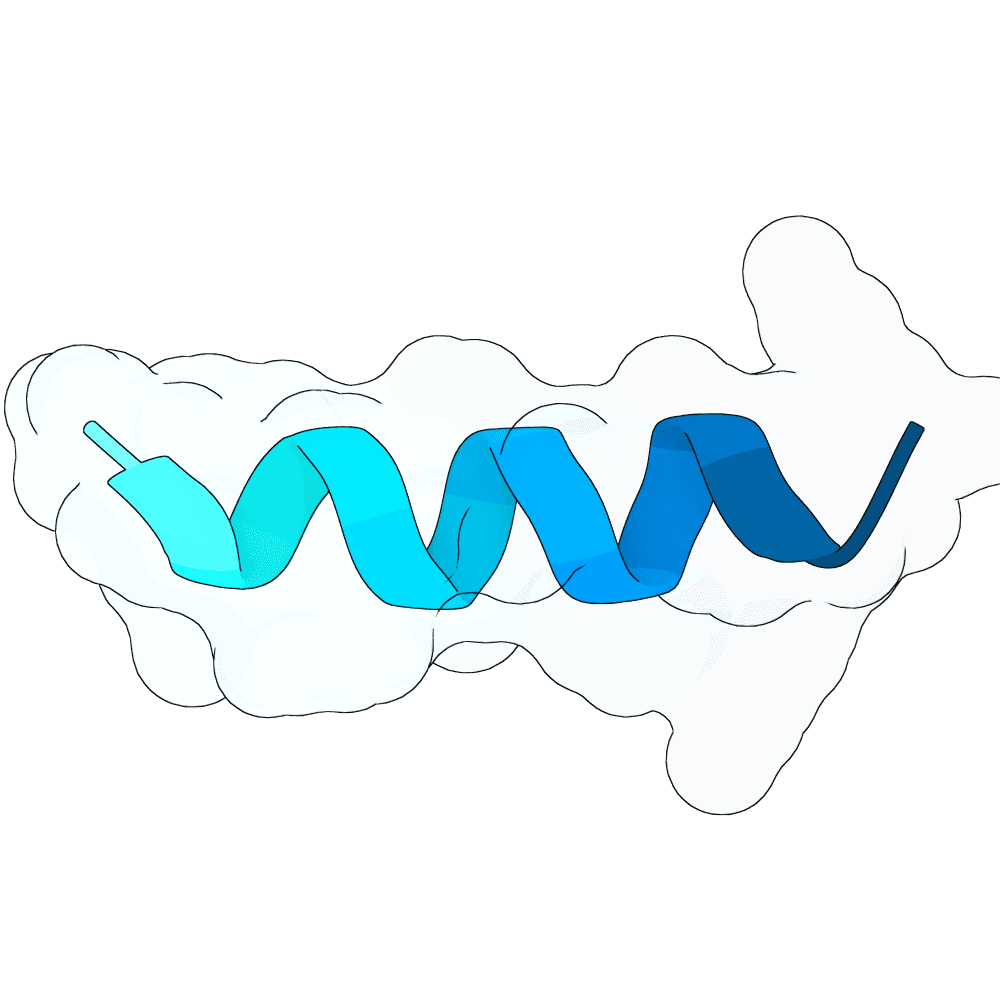
For the peptide design, PepMLM was used (doi:10.1038/s41587-025-02761-2). This method quickly explores the sequence space and assigns possible binder sequences. By relying solely on the target sequence, it is possible to generate a large number of binder sequences, which can then be analyzed after protein-peptide structure prediction (Boltz2). The peptides' balance of efficacy and developability compared to larger biologics was the main reason for this exploration. When developing therapeutics against a pathogen, the choice of modality must take into account biological potency and pharmacological attributes like production scalability and chemical tractability. Peptides offer rapid and cost-effective chemical synthesis, providing a significant advantage in speed and cost over the recombinant production of antibodies or larger proteins. They are also suitable for further chemical modifications, such as cyclization, to enhance stability and binding affinity. Their smaller size also facilitates their delivery, which can be a limitation for larger moieties. Additionally, peptides can be designed to mimic the native binding interface, resulting in the high specificity and potency required to disrupt the target interaction.
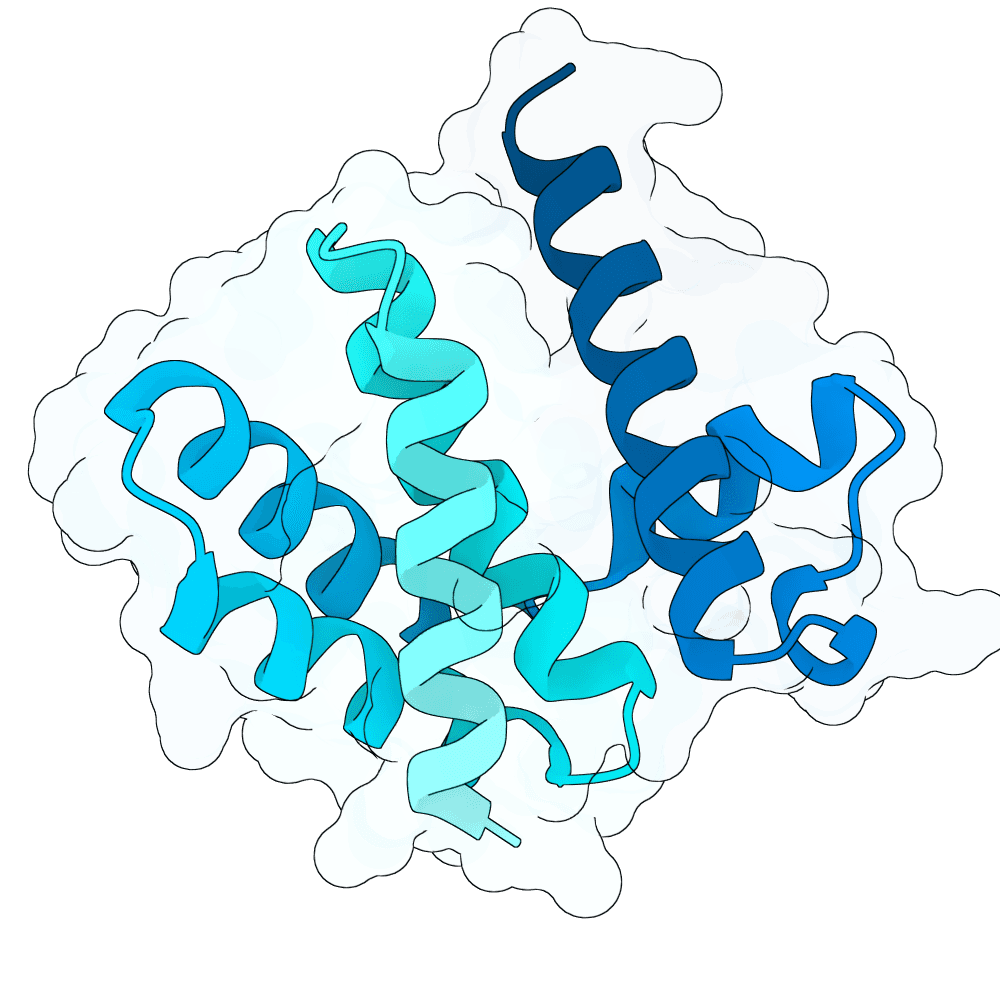
Nevertheless, an increase in sequence size can also lead to an increase in the contacts' interface, enhancing the stability of the binding. Thus, we also explored the recently released BoltzGen for the generation of proteins that could bind to the NiV-G protein, by providing the residues that we believed to be important to the binding. The best models were submitted to the competition, yet divergent results from our Boltz ipSAE score calculation and the ones provided by the competition led us to try to improve the sequences while maintaining the same structure. For this, we additionally explored Protein Hunter (Chai) for refinement (doi:10.1101/2025.10.10.681530). The best models were added in this submission.
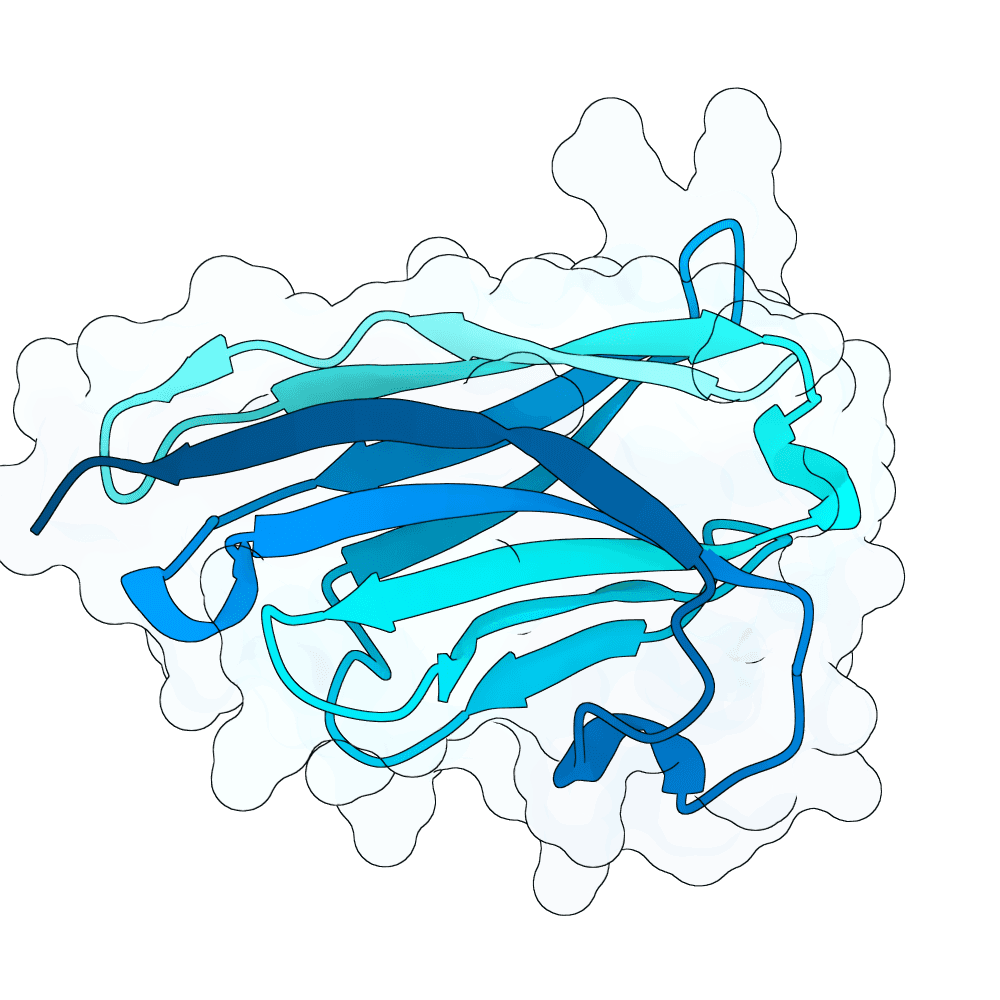
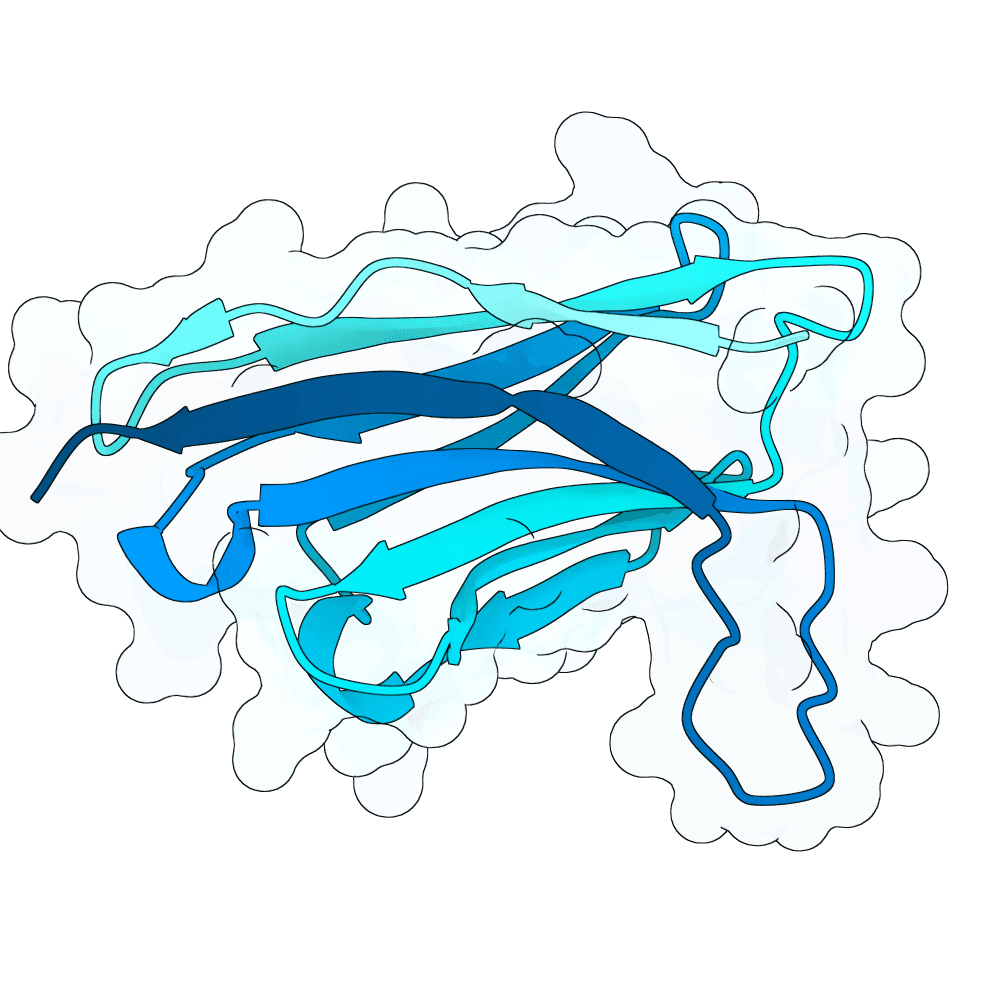
Finally, given the current SotA and relevance of antibody design, we also explored BoltzGen for the design of nanobodies. Nanobodies offer an optimal balance of high antibody-like affinity and superior developability features (small size, high stability, and cost-effective recombinant production). BoltzGen utilizes nanobody structures as starting templates, designing the CDR region to improve binding, thereby introducing a structurally distinct, robust inhibitory motif. The underlying hypothesis is that by employing this advanced generative design method, the resulting scaffolded nanobodies will yield superior inhibitory potency and a more viable drug profile than other protein candidates, specifically by achieving higher affinity due to the enlarged, conformationally constrained binding surfaces created by the scaffolds and the rigid structure of the nanobodies, and overcoming the limitations of shorter proteins/peptides flexibility and short in vivo half-life, leading to candidates with greater stability, solubility, and manufacturing scalability.