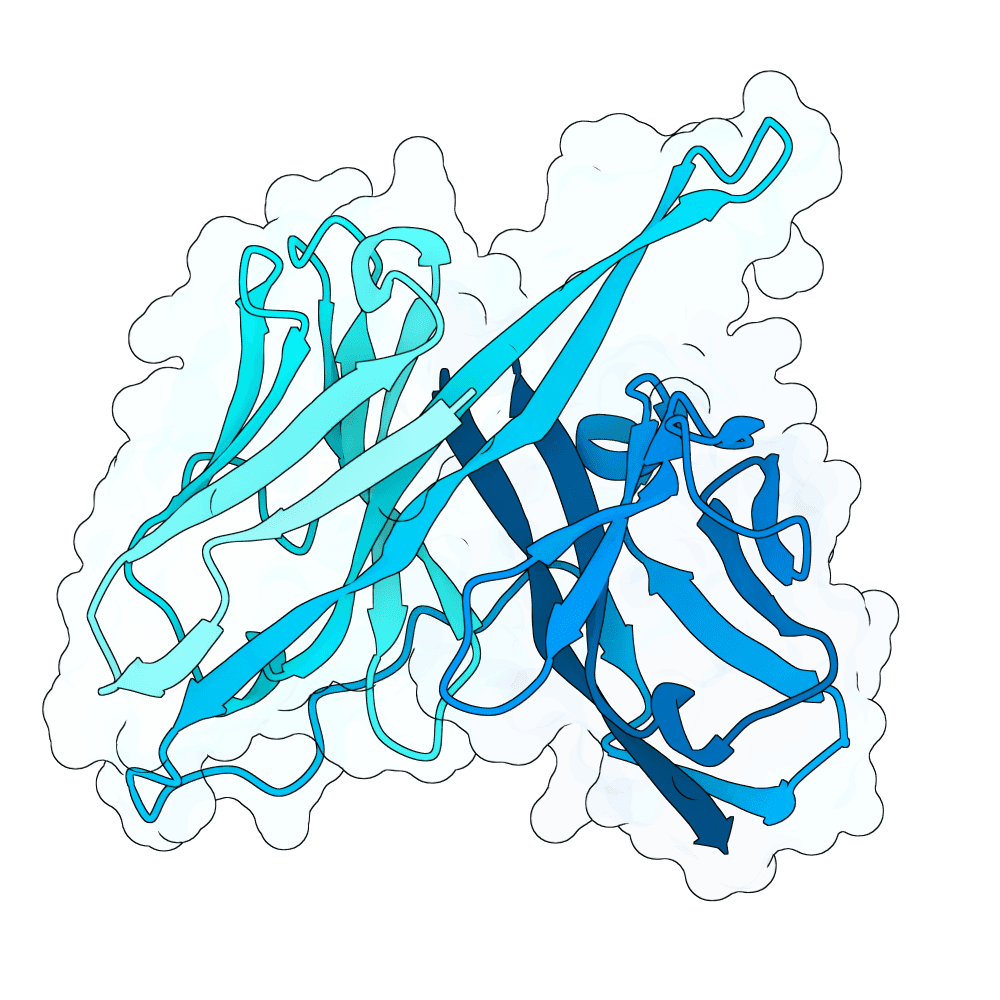
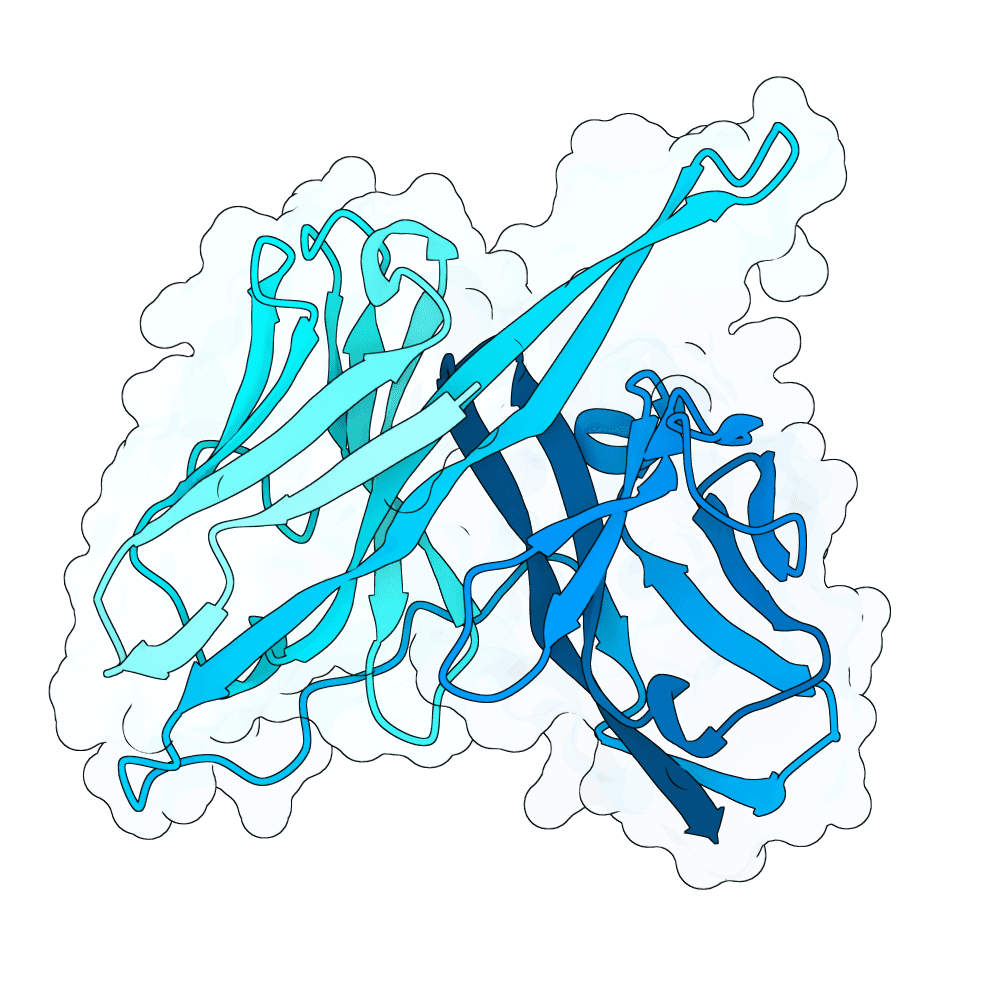
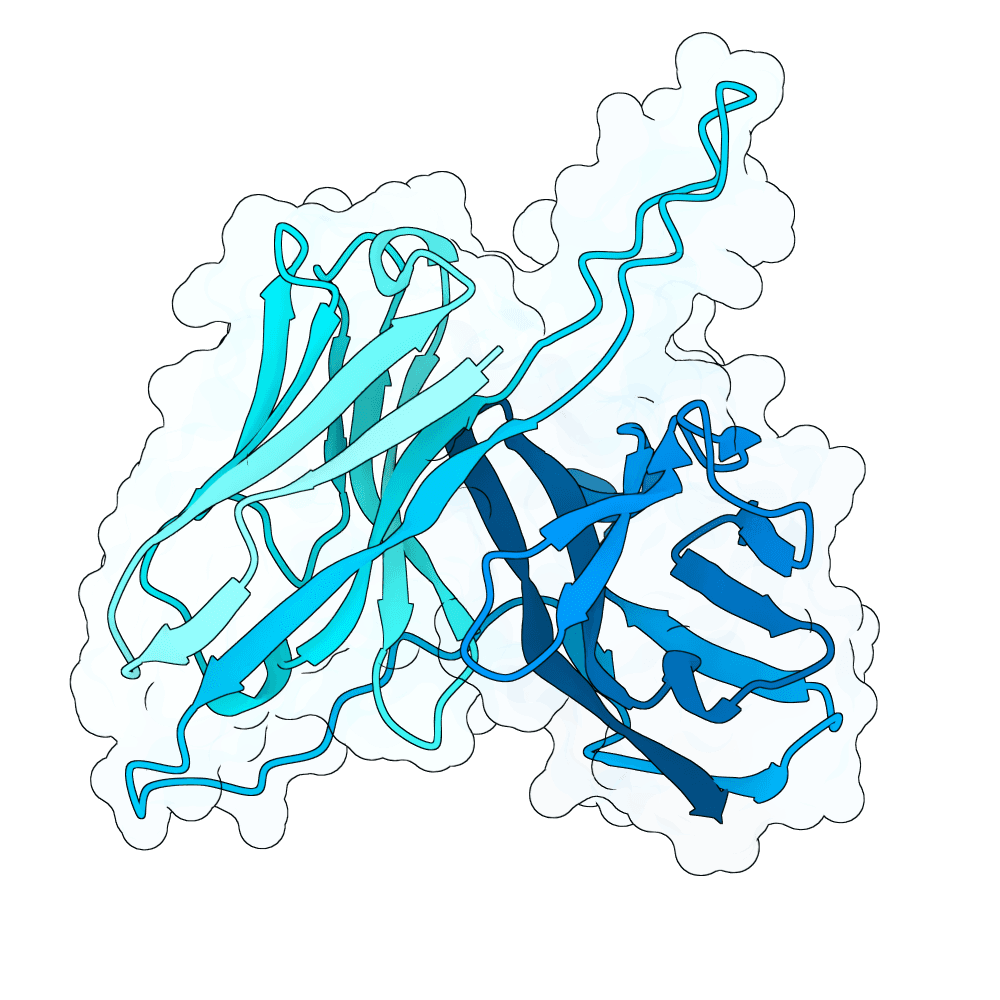
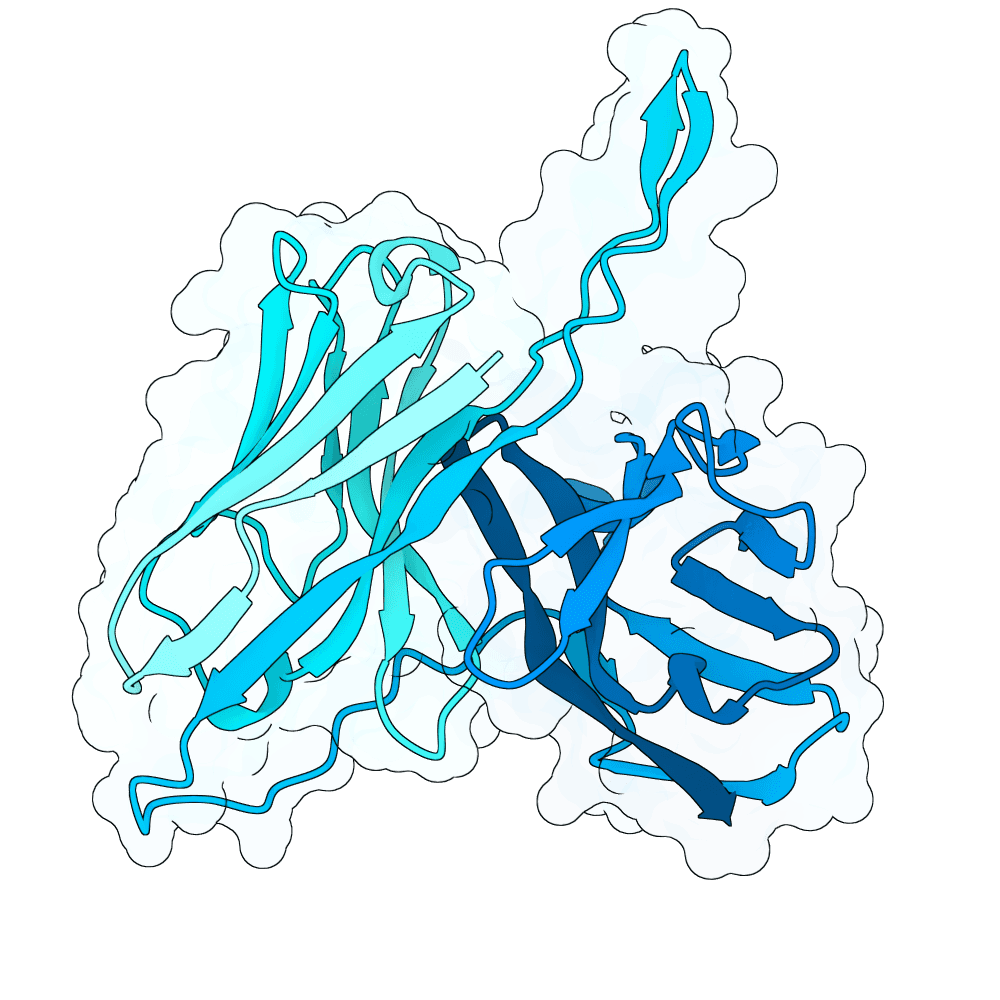
Our sequences were generated through an iterative, in-silico maturation pipeline inspired by natural B-cell maturation in the germinal center. This approach integrates natural-like mutation processes with structure-guided optimization, yielding antibody candidates that maintain evolutionary plausibility while targeting improved binding.
Starting from an initial antibody lead, we applied two complementary computational models to design better binders. First, an LLM-based somatic hypermutation model introduced biologically plausible, natural-like antibody mutations aimed at improving intrinsic properties such as stability and developability. Next, we applied LigandMPNN to impose antigen-driven selection pressure by refining the antibody CDRs to enhance interaction with the Nipah virus target. These two steps were repeated until the designs converged, meaning that no further mutations were predicted or previously favored sequences reappeared, indicating stabilization of the design landscape.
id: frozen-yak-granite

Nipah Virus Glycoprotein G
0.71
85.81
--
26.5 kDa
250
id: gentle-bee-ash

Nipah Virus Glycoprotein G
0.65
78.37
--
26.5 kDa
250
id: silver-bee-leaf

Nipah Virus Glycoprotein G
0.60
86.27
--
26.7 kDa
250
id: azure-heron-topaz

Nipah Virus Glycoprotein G
0.49
77.93
--
26.6 kDa
250
id: shy-ibis-stone

Nipah Virus Glycoprotein G
0.47
85.53
--
26.5 kDa
250