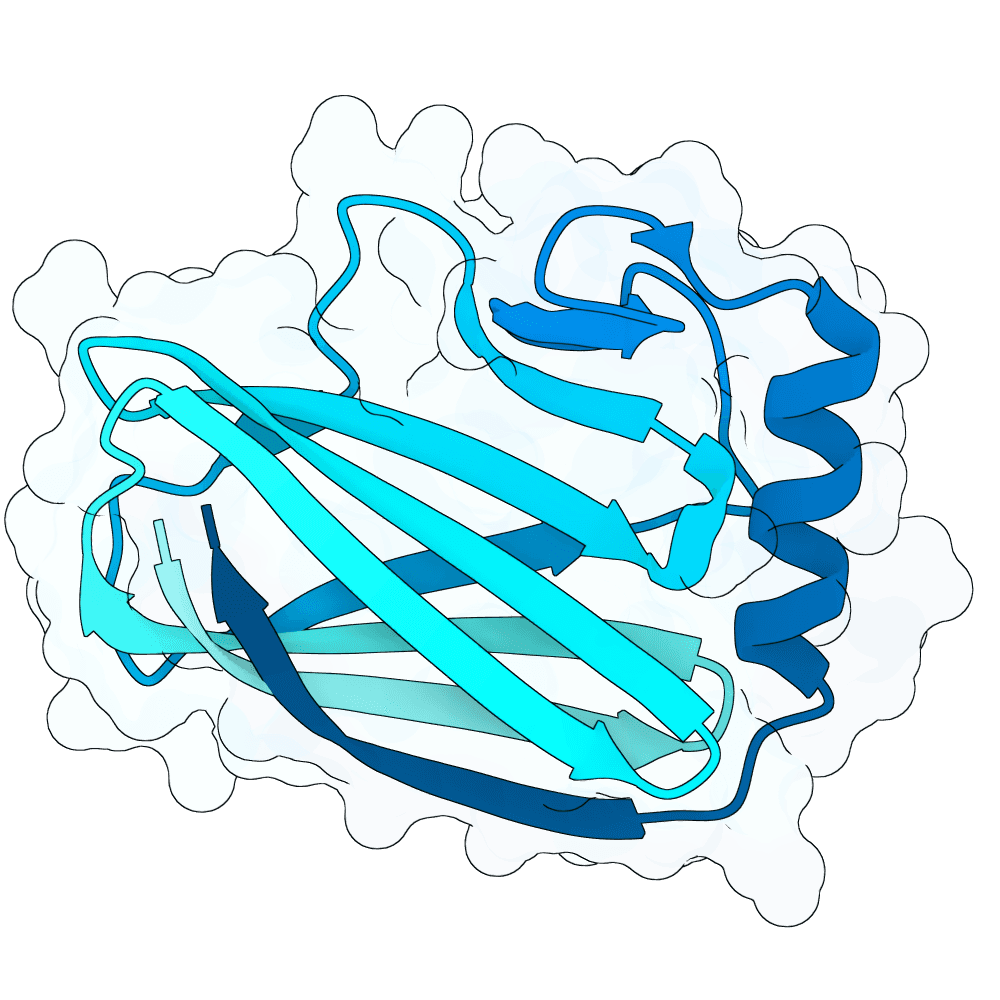
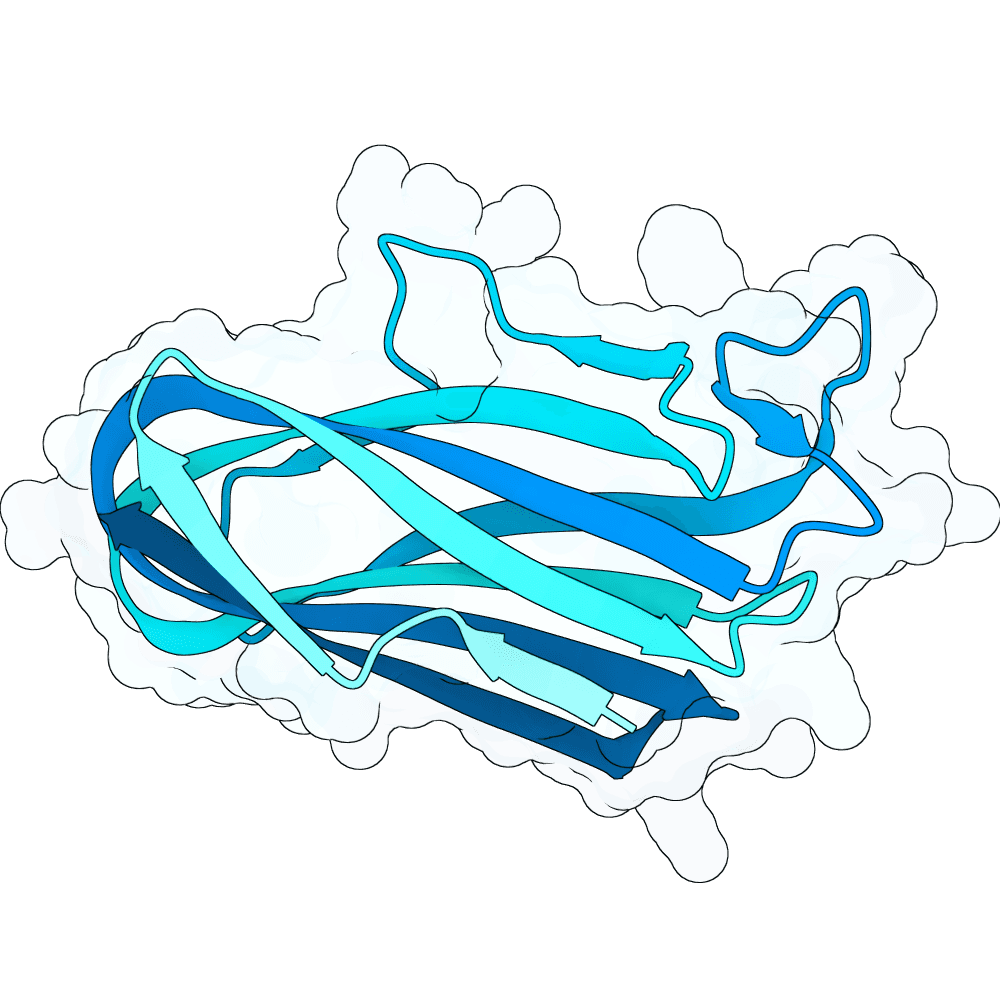
Description
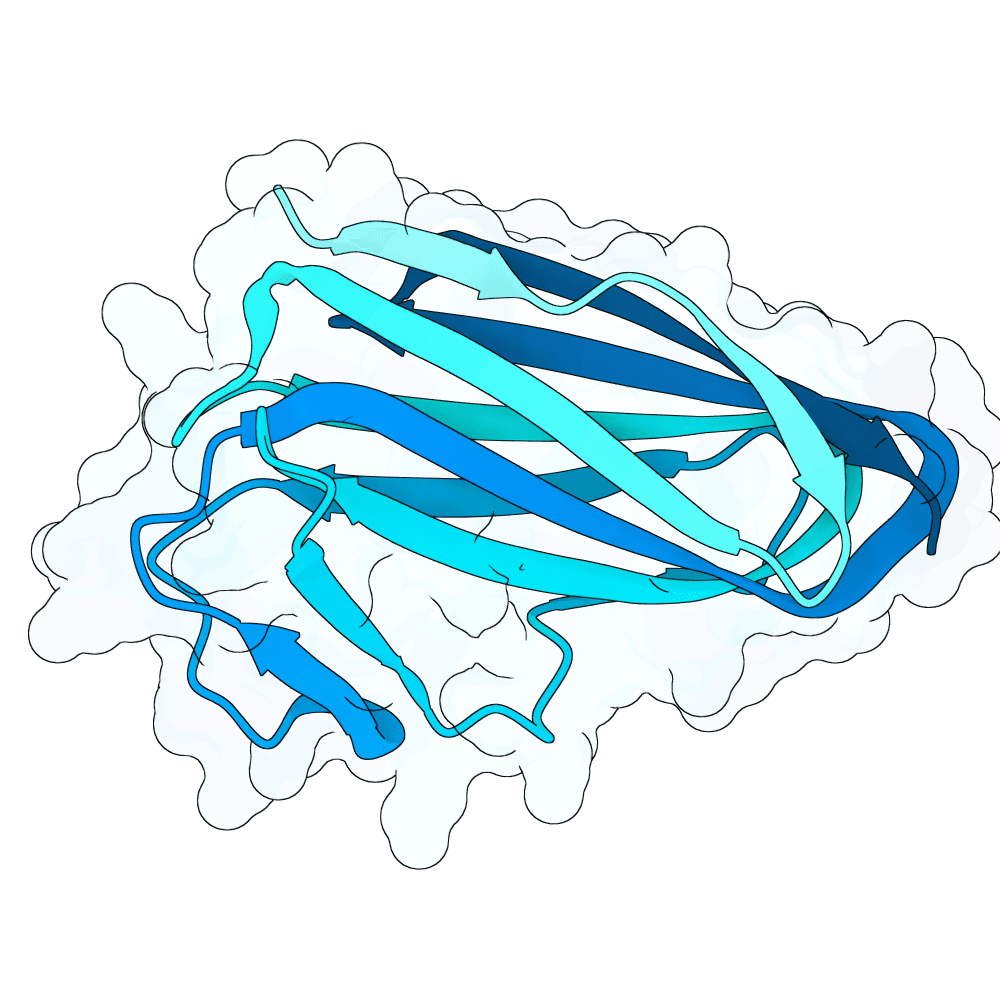
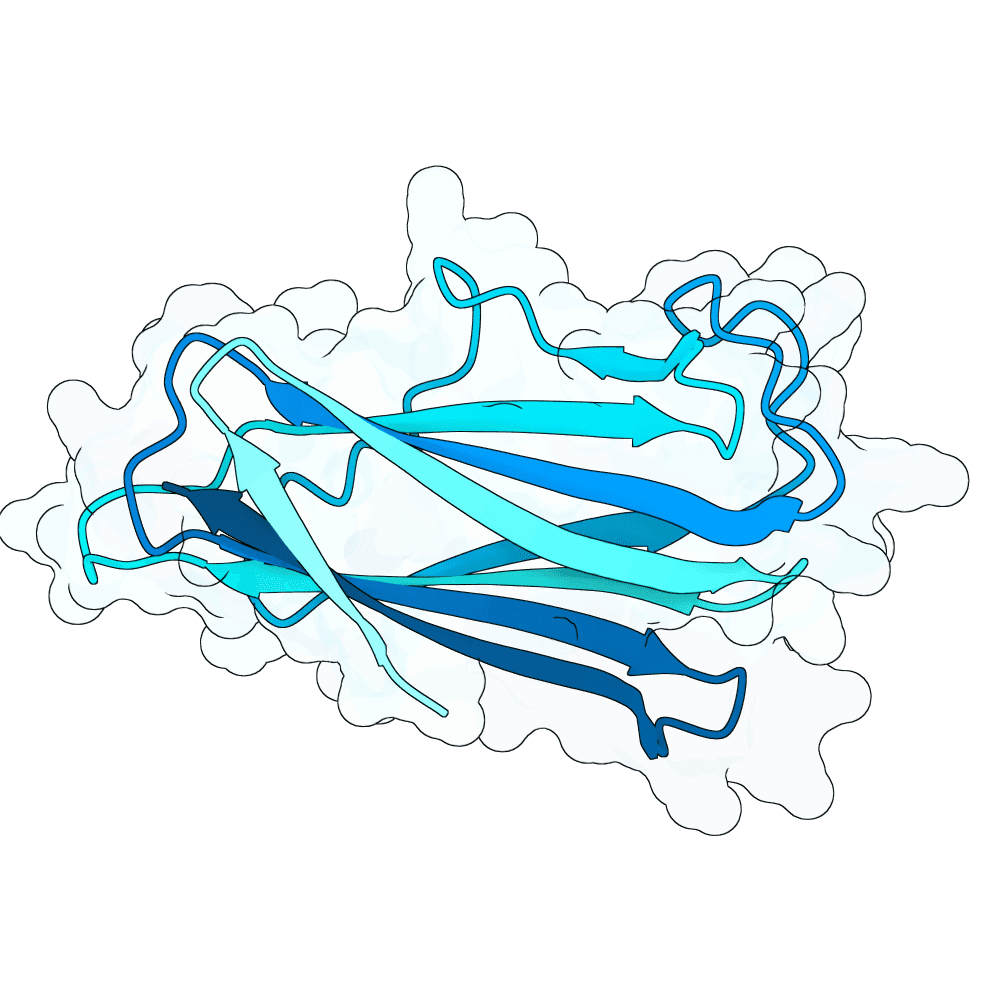
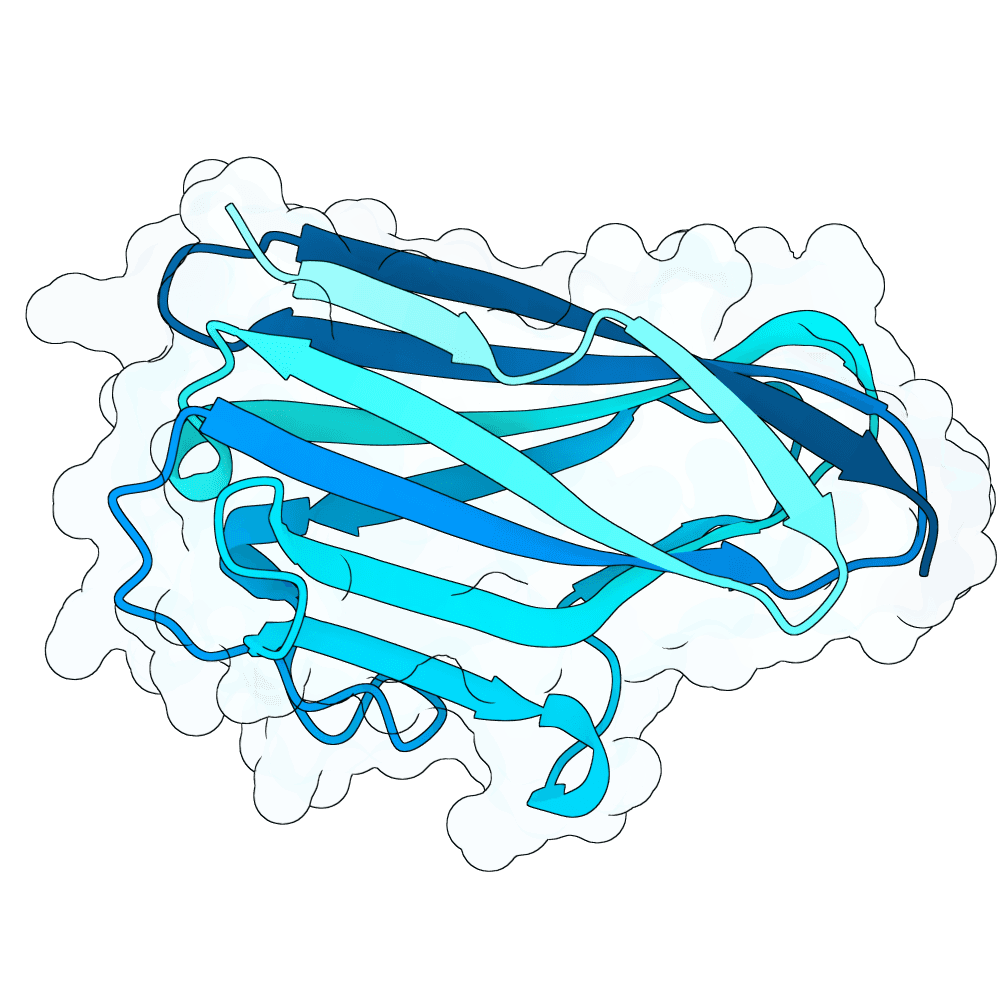
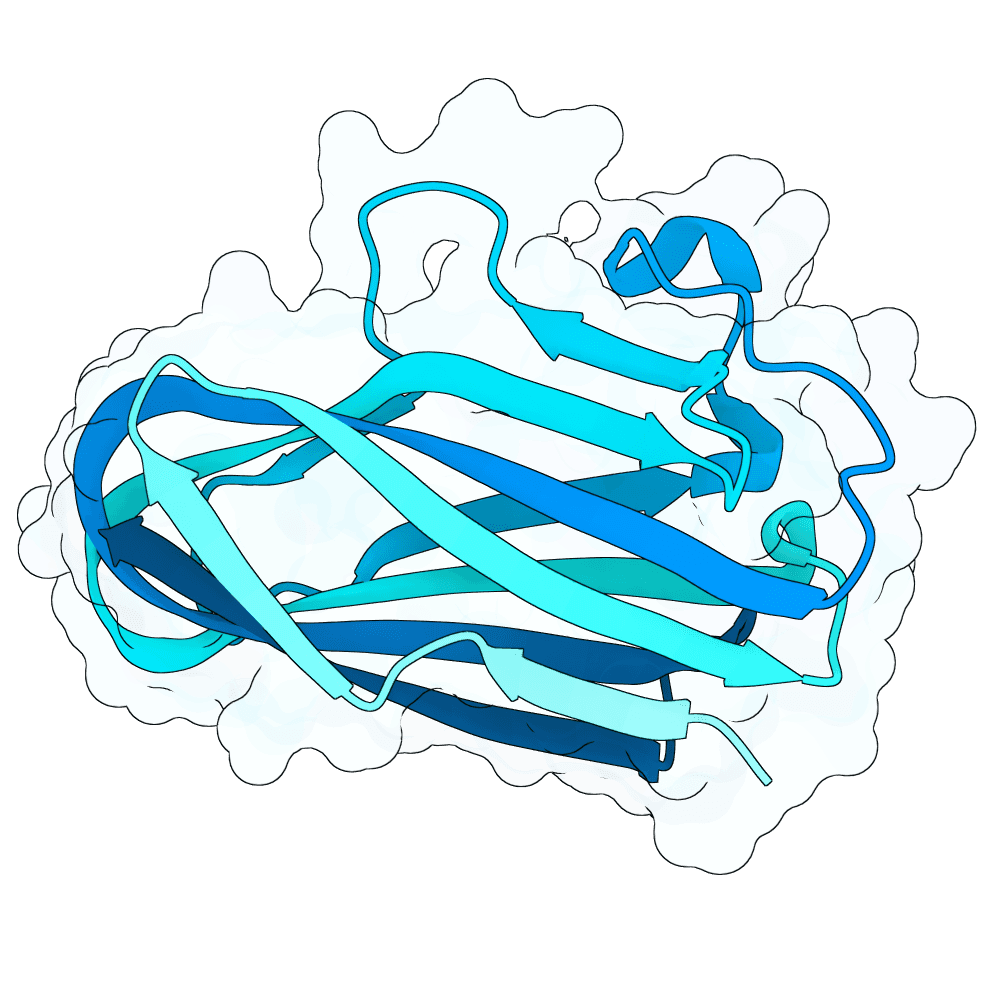
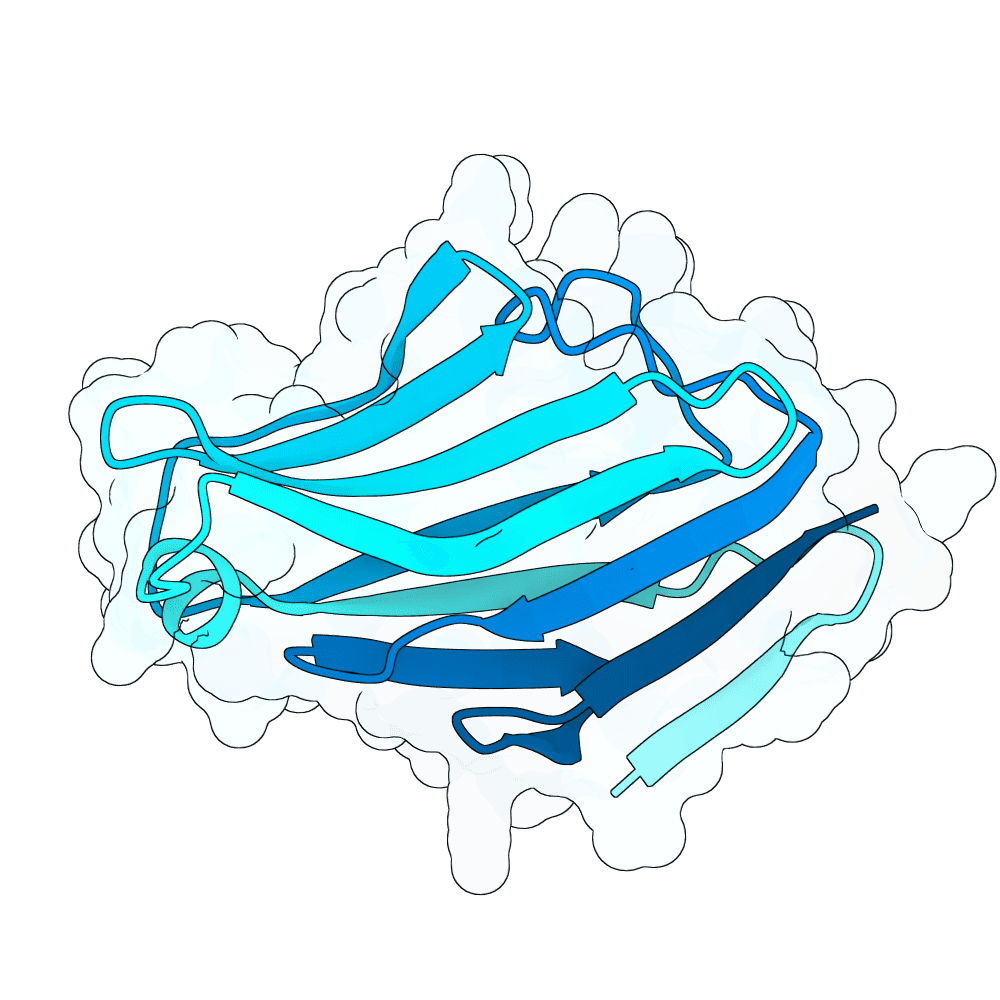
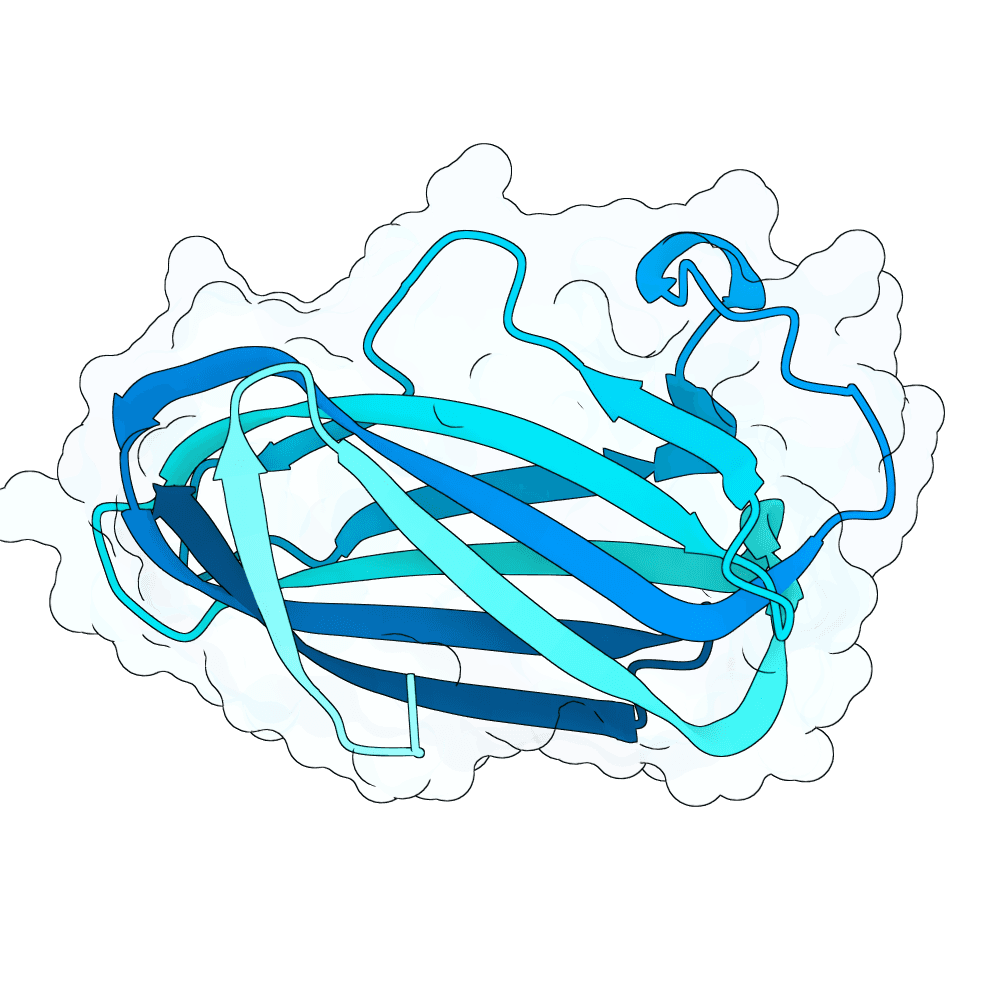
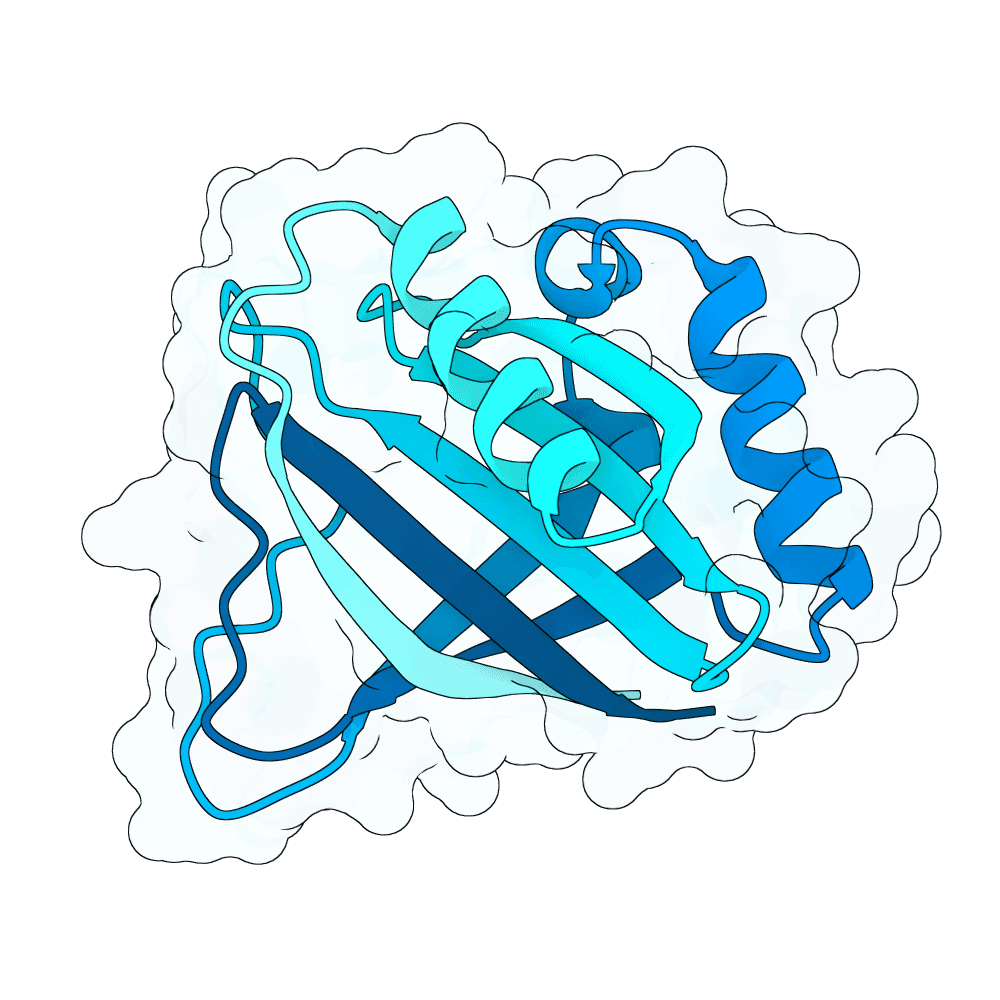
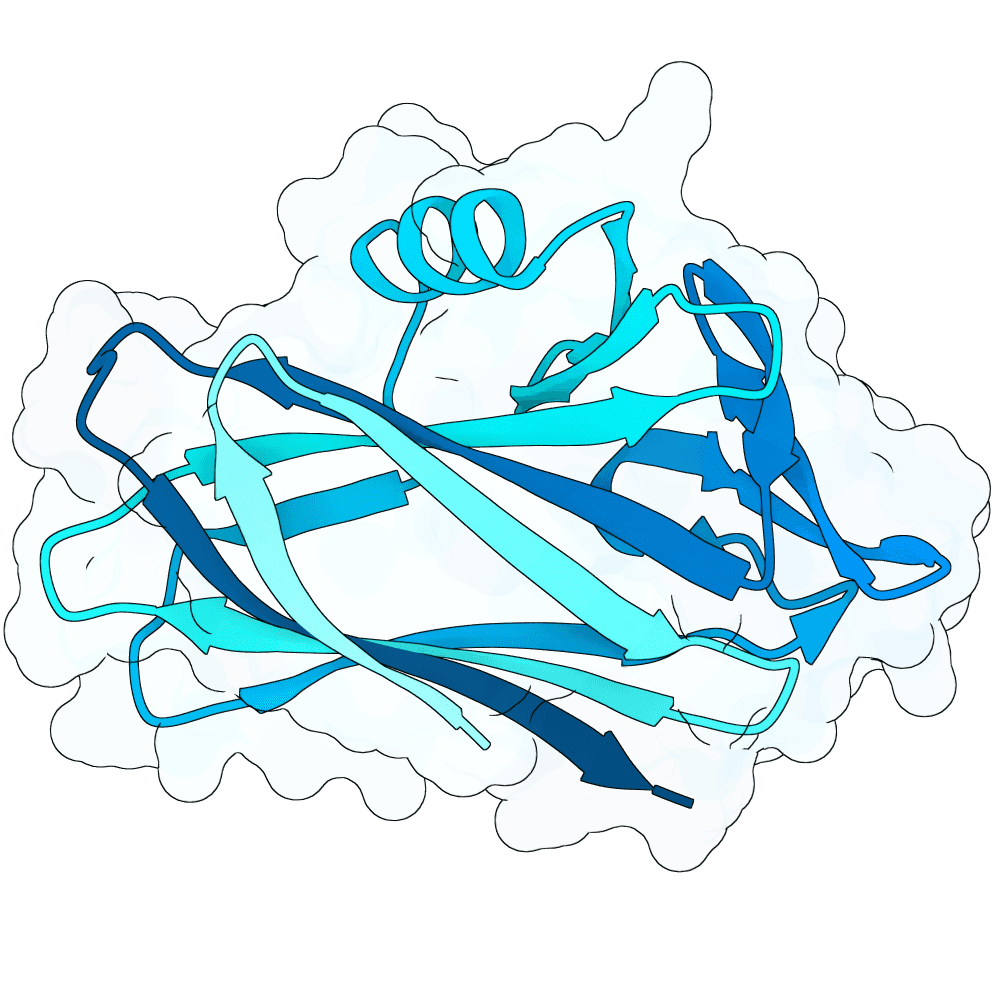
Since the objective of the competition is to disrupt the native interaction between EphrinB2 and the Nipah Virus glycoprotein, we reasoned using the existing binding interface as our starting point may both be more computational efficient and epitope specific. As such, we used Boltzgen to generate 30000 candidate binder sequences, where the interfacial sequences "KENTPLLNCAKPDQDIKFTIKFQEFSPNLWGLEFQKN" are kept fixed, and the N-terminus was allowed to diffuse between 60-70 residues, and C-terminus was allowed to diffuse between 30-50 residues to keep the overall length of the de novo binders similar to that of EphrinB2. After the binders have been generated, we applied the default Boltzgen filters to narrow down the candidates, and sorted the filter passing binders by "interaction_pae" and selected all binders meeting with interaction_pae < 12 for secondary screening. These binders are then refolded via Boltz1 and those with top max ipSAE averaged across five diffusion models with 10 recycling steps are selected for this submission.