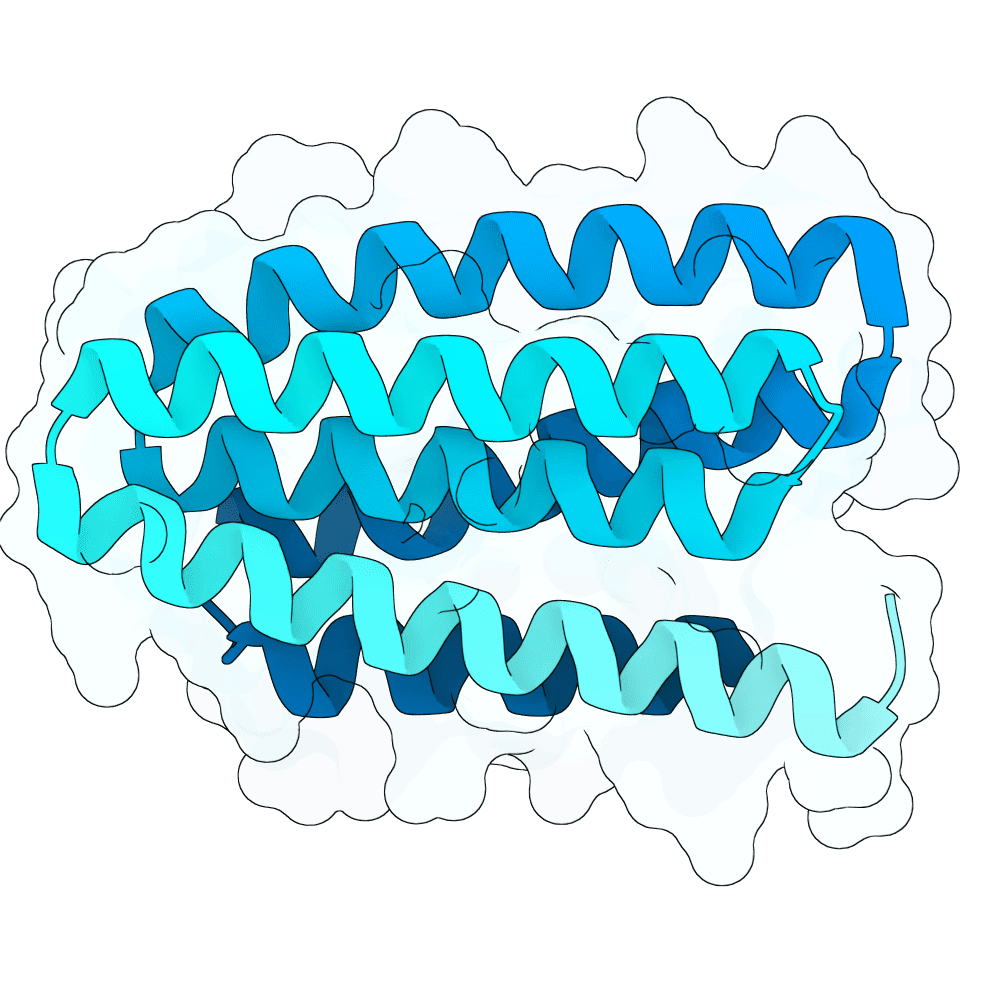
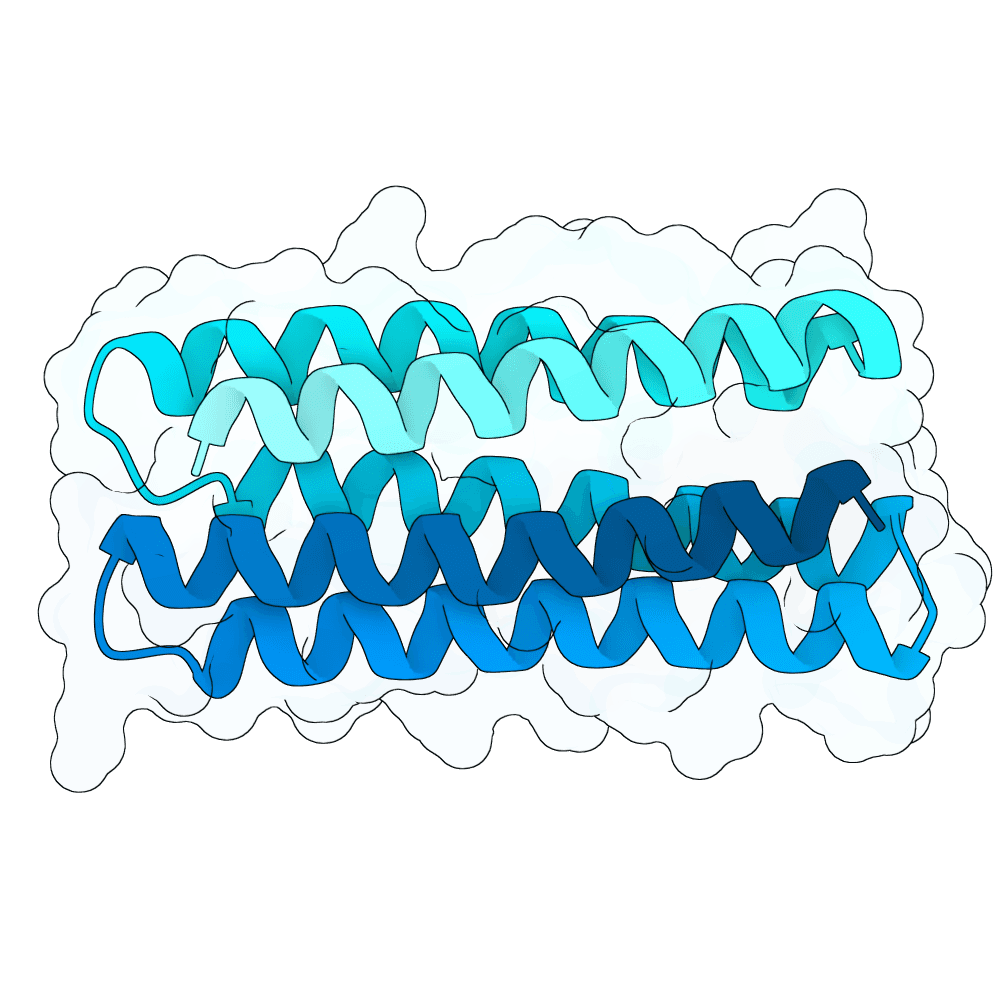
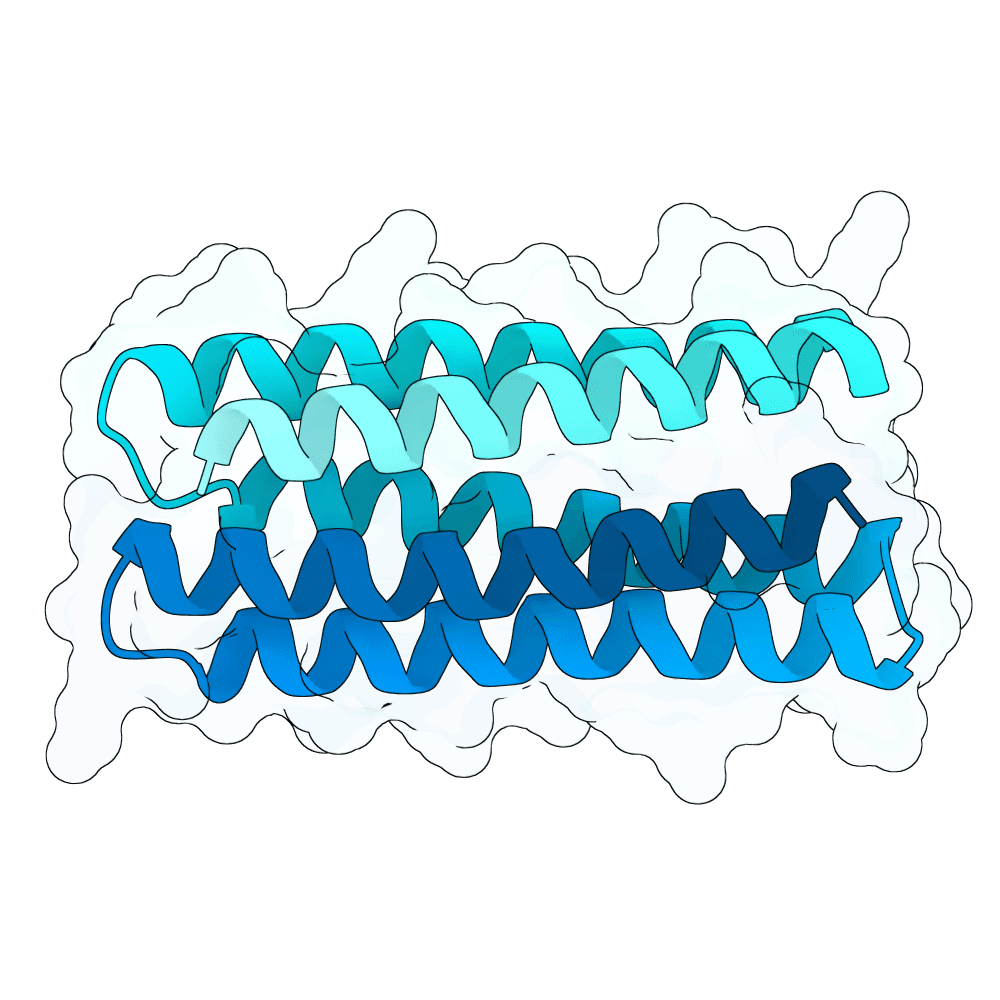
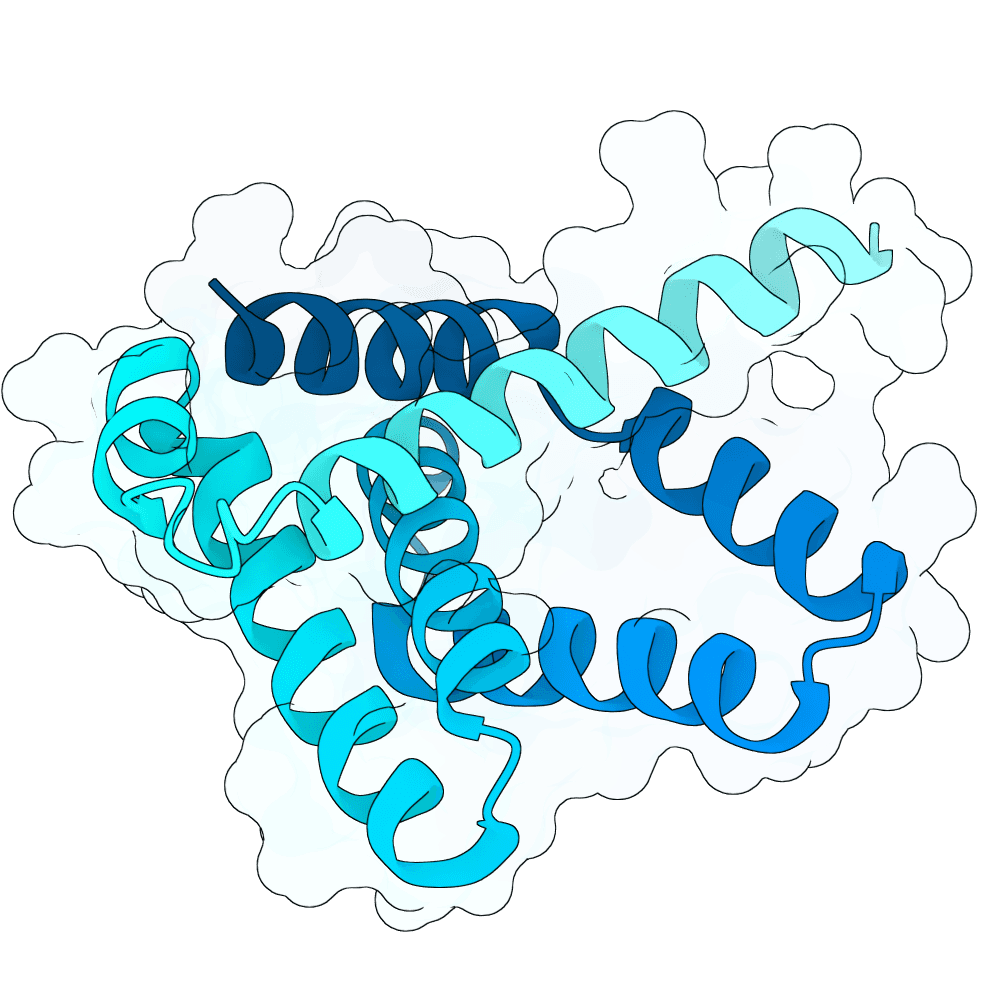
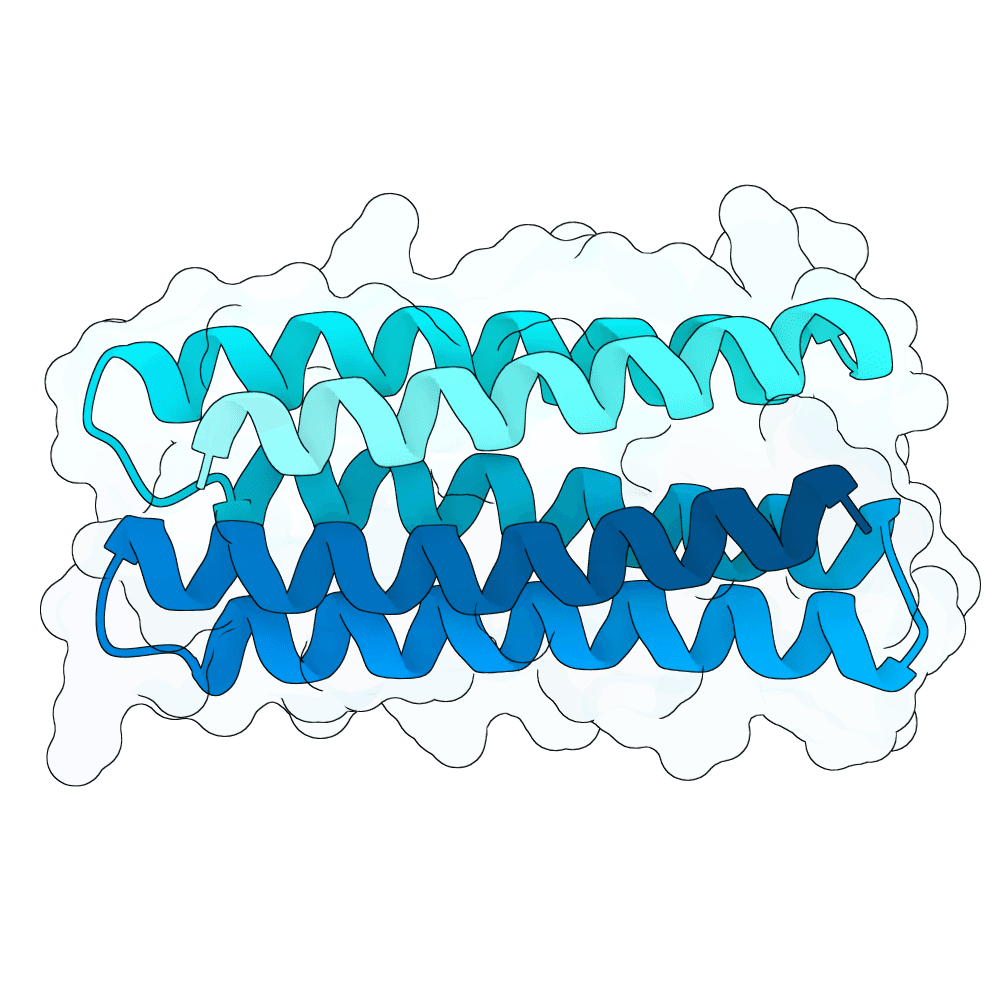
Description
Protein scaffolds are initially diffused with RFdiffusion selecting any combination of these 4 residues in the co-receptor binding pocket (369_349_371_378). ProteinMPNN (soluble model) was then used assign amino acids followed by boltz-2 structure prediction for initial hits for further development.
De novo scaffolds were then optimised in various ways: All designs from MPNN had "C" omitted in the design process. Either continued proteinMPNN optimization so that global score was <=1 and sequence identity >=0.5 and boltz-2 metrics were satisfied. To reduce charge while maintaining solubility, a bias (while at temp 0.1) was added for example: A,E,K -1, D -0.5, Q,N,S,R +0.5 Although in many cases this prevented the global score thresholds listed above in many cases boltz-2 scores were satisfied.
Many designs although only one was included in the final round utilized mutations informed for free amino acid cosolvent MD simulations performed as described in: https://pubs.acs.org/doi/10.1021/acs.jcim.4c01398