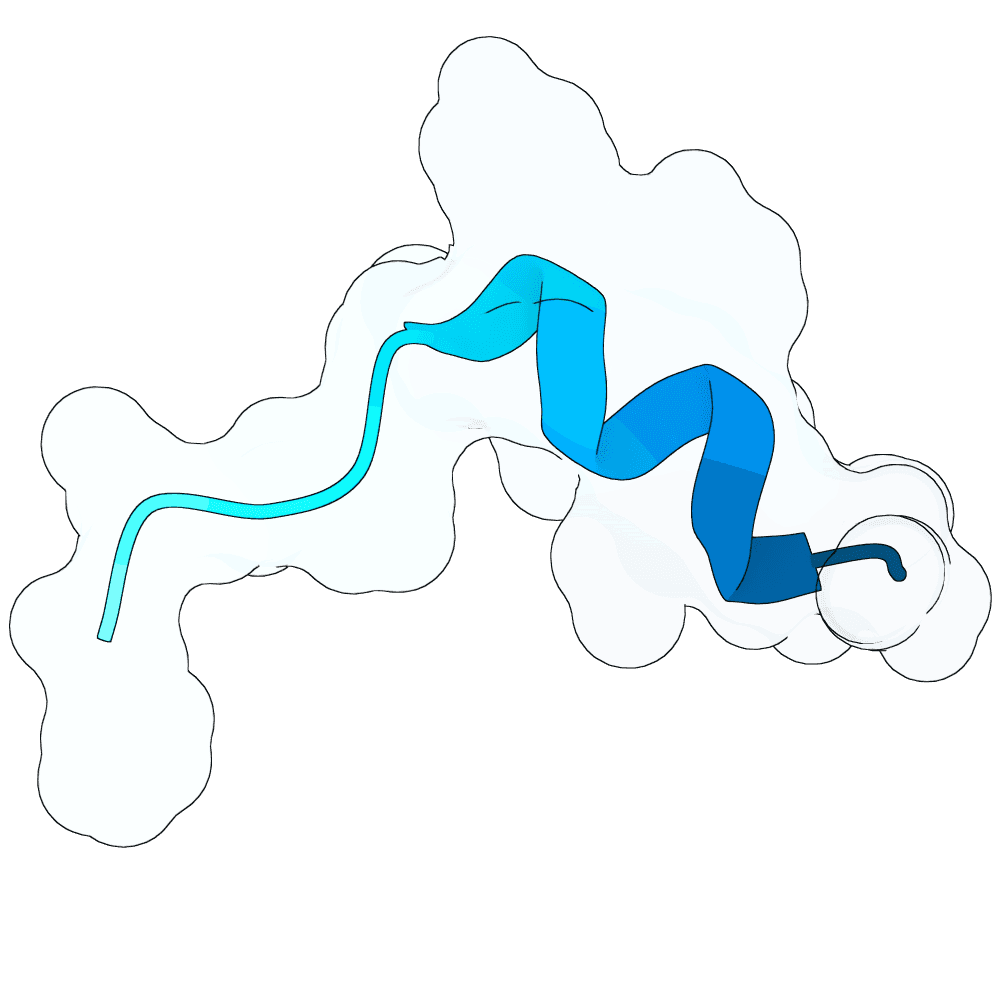
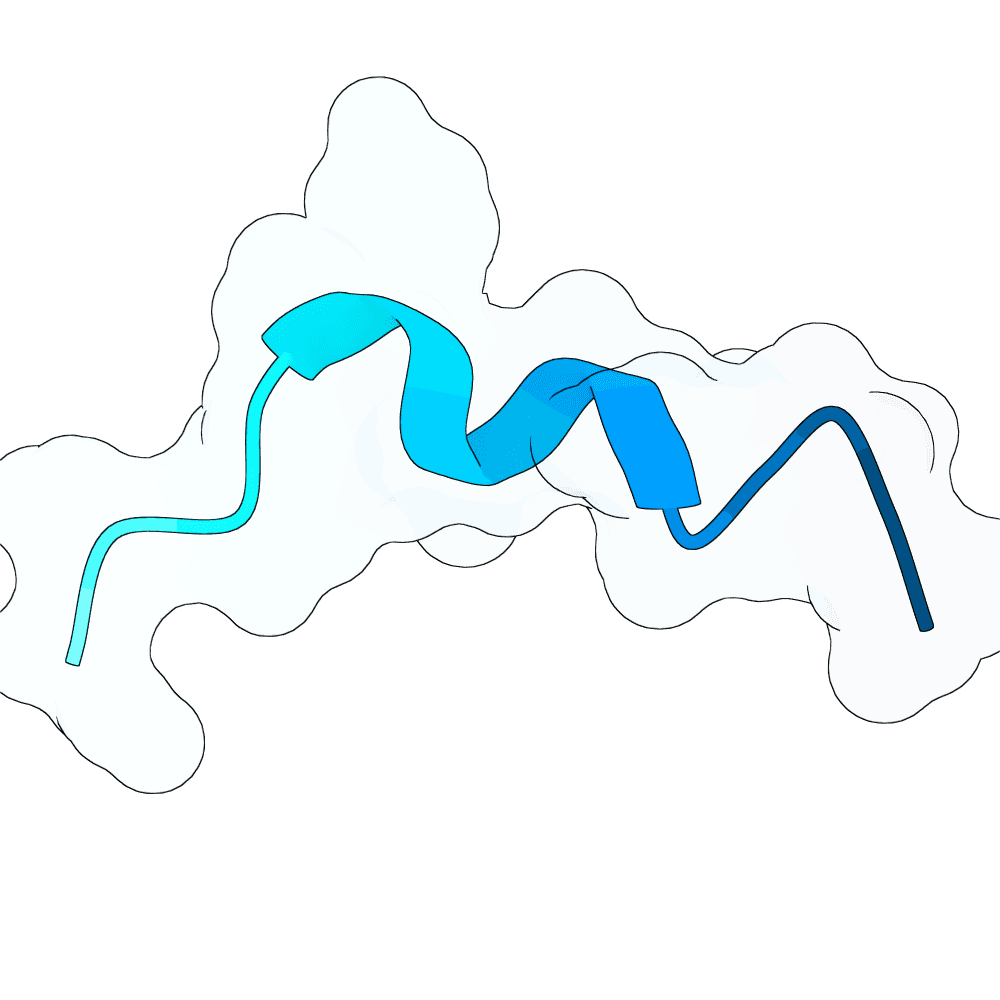
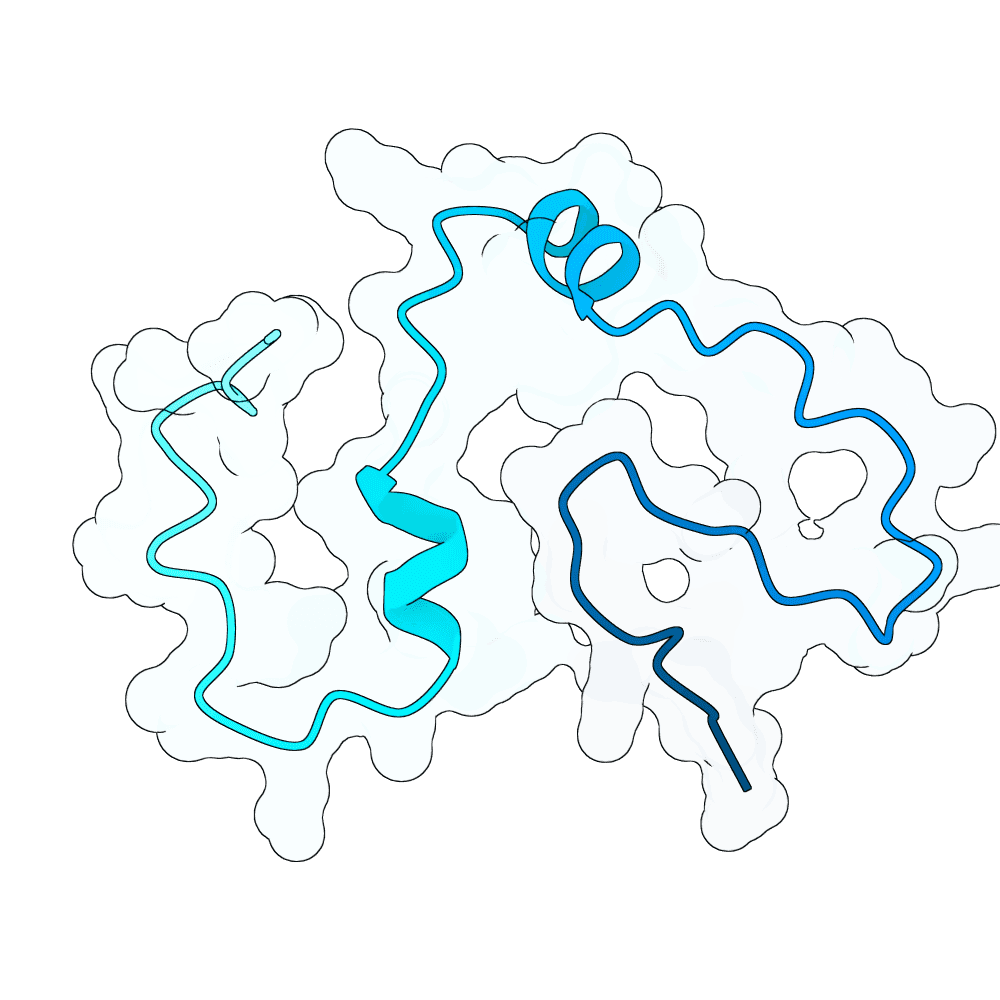
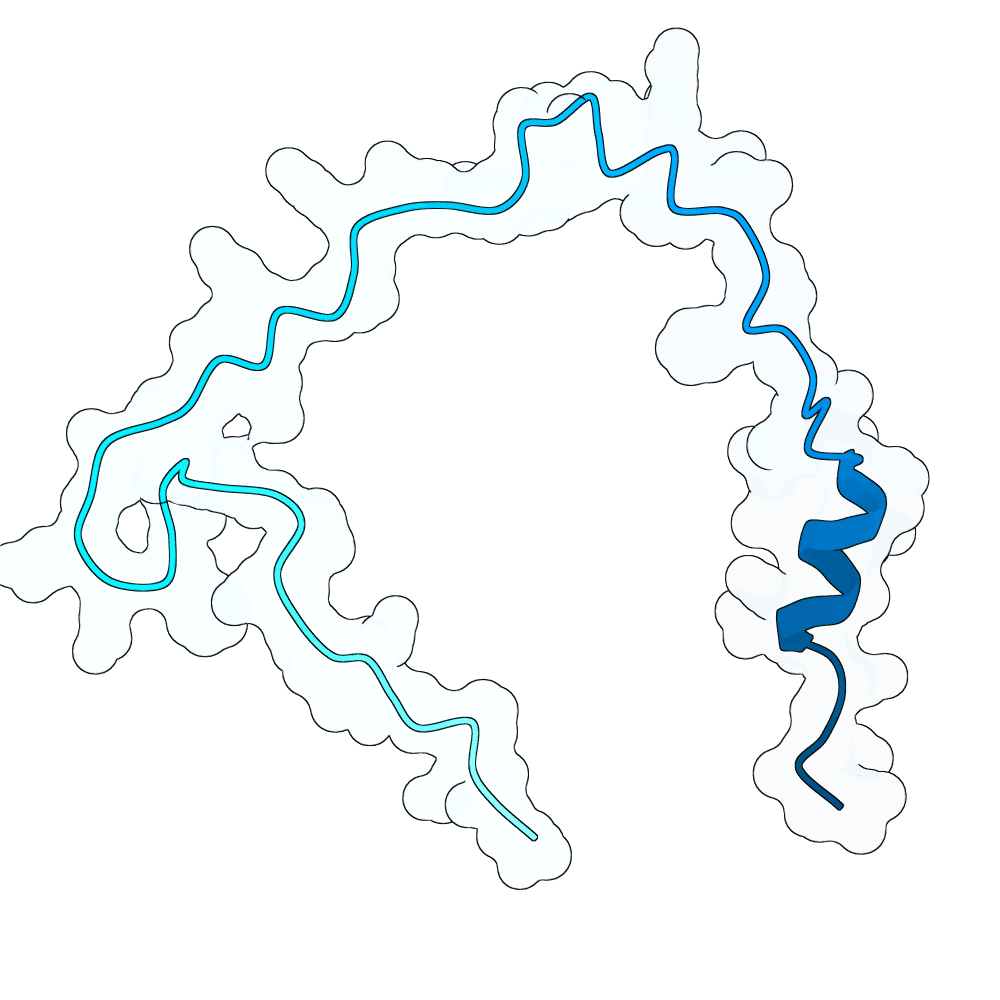
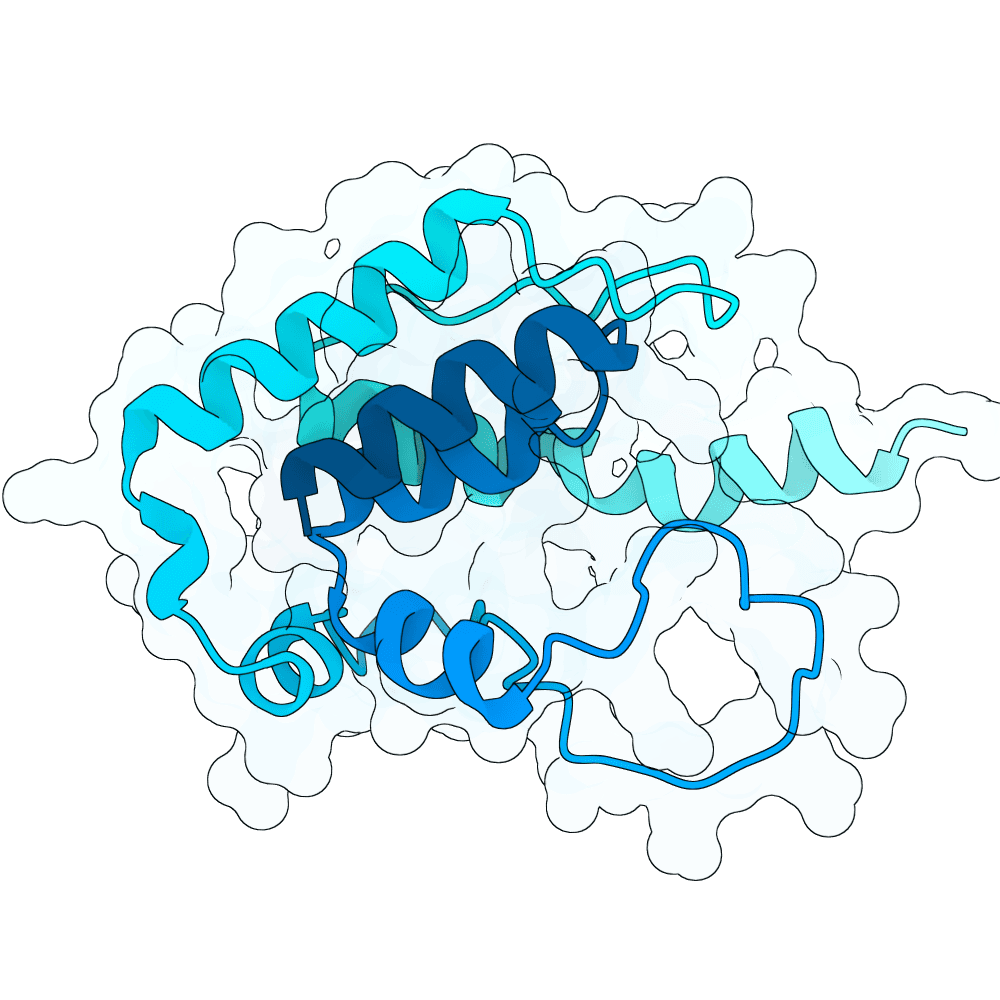
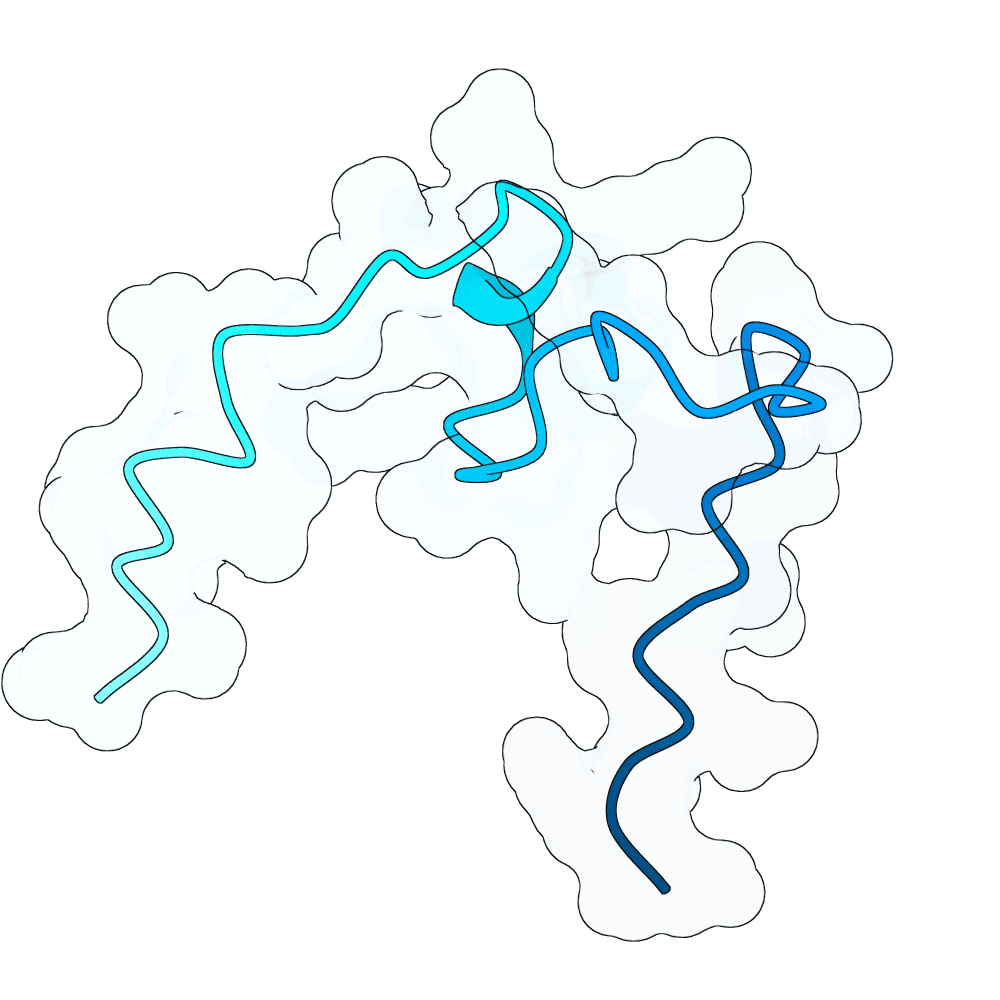
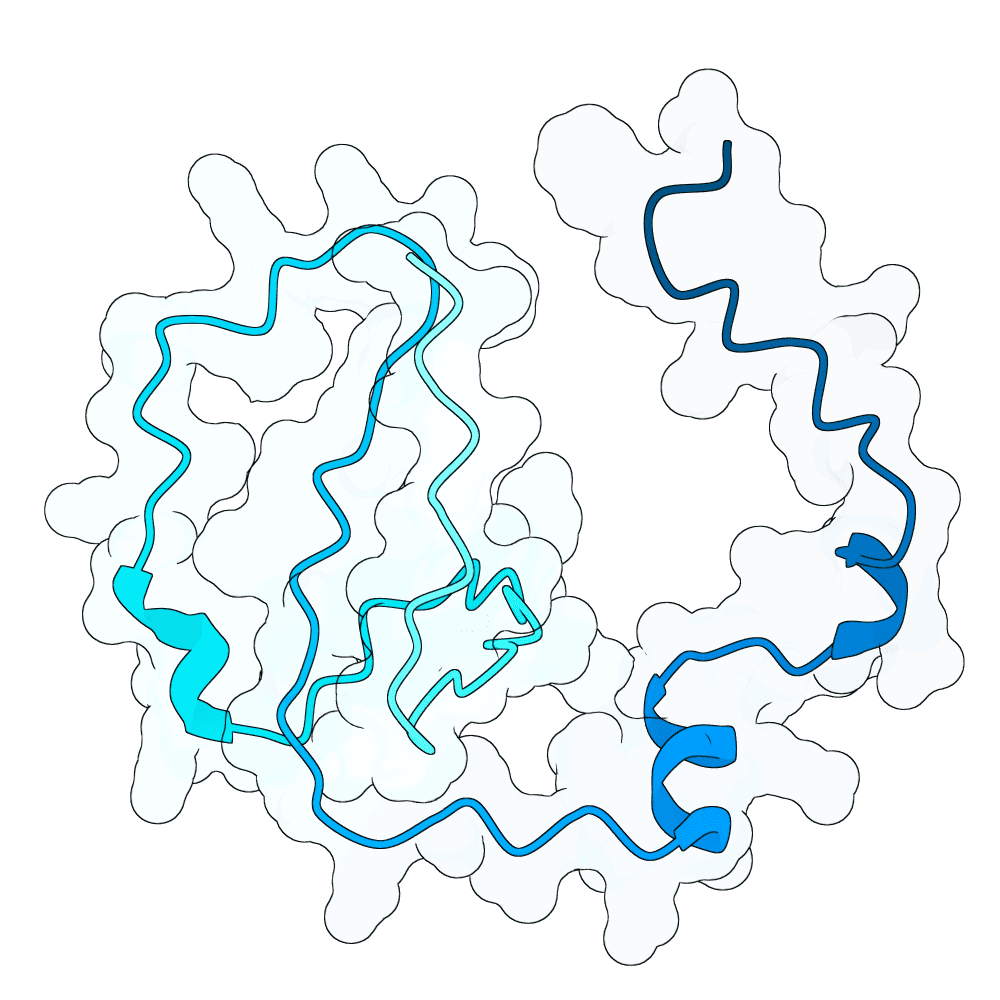
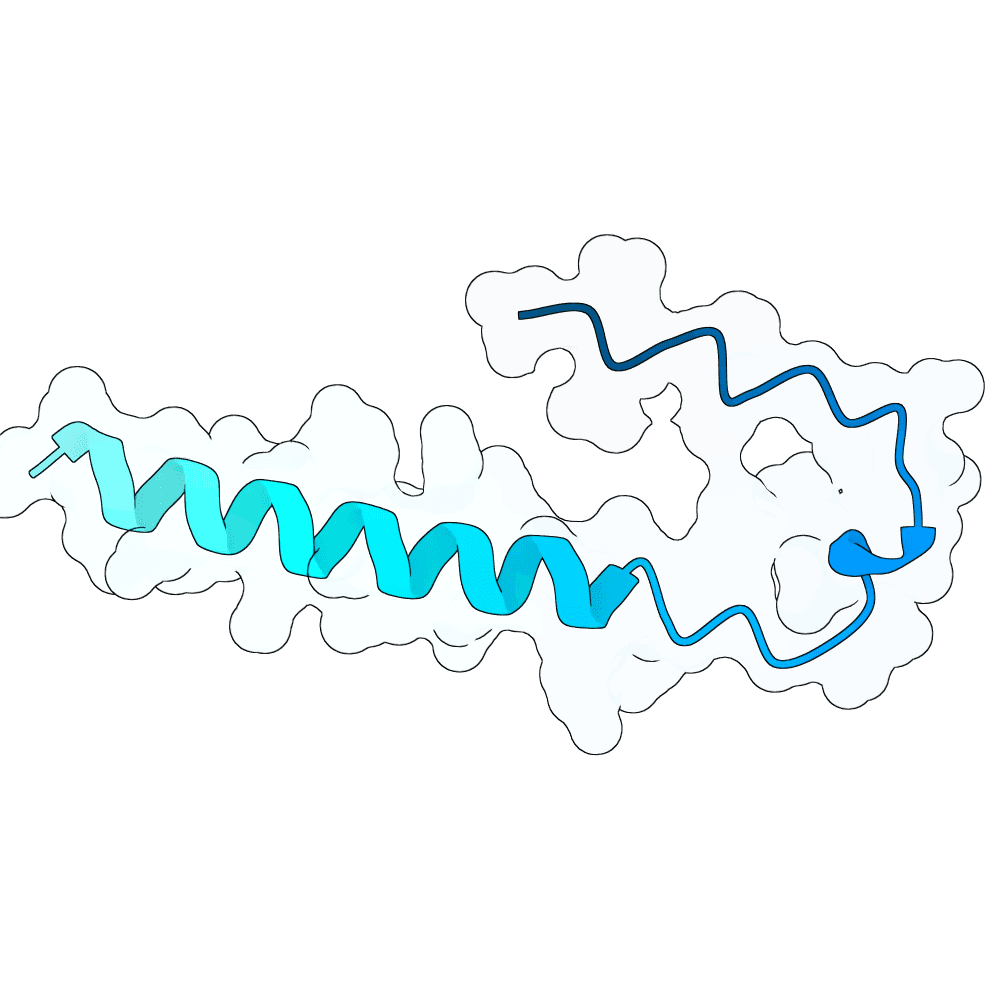
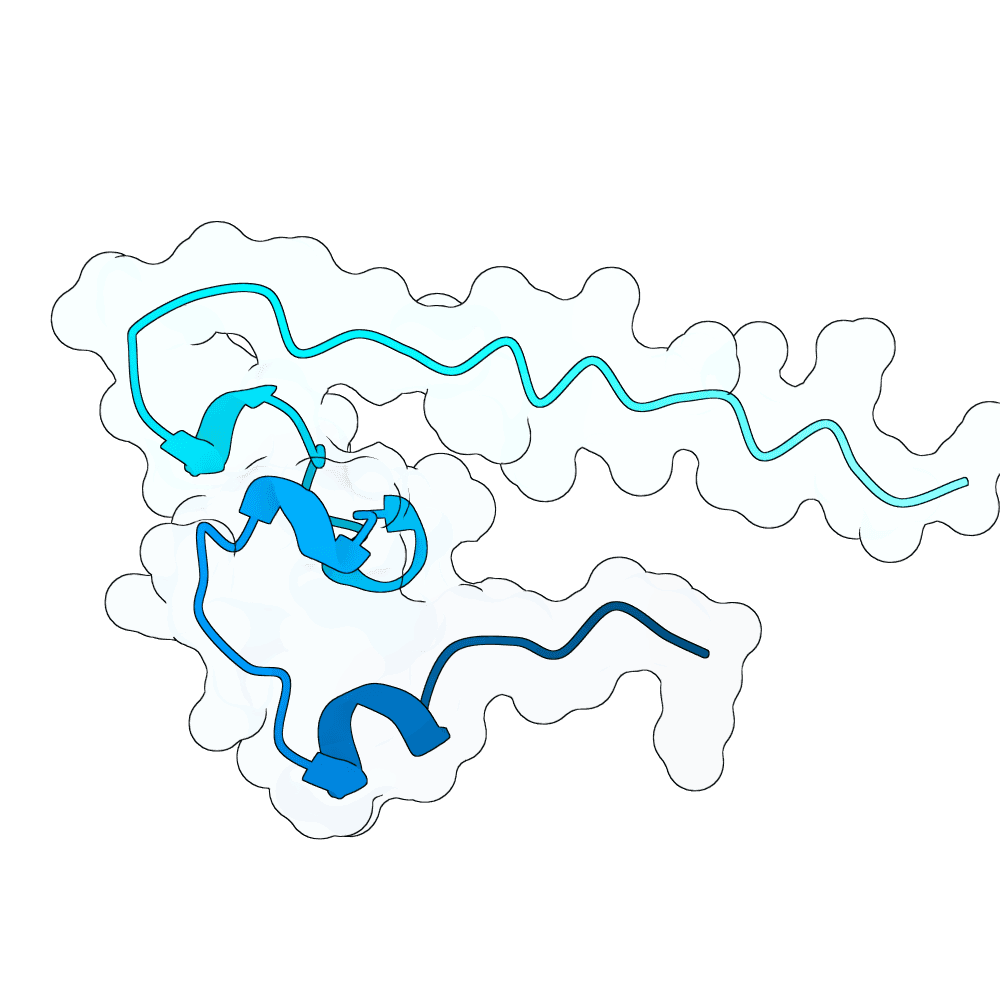
My general idea was to generate a large number of designs then score them using an MSA-augmented PLM like MSA Pairformer or Profluent E1. My hypothesis was using the evolutionary context existing natural binders for the NiV-G protein could help judge the designed binders better. Potentially, in a longer time horizon project, these models could be finetuned on specific protein-binder complex grading. Given they have latent contact point prediction abilities, this could work well. I think my idea is interesting but I was too short on time to really give it a good try.
id: noble-crane-clay
No preview available
Nipah Virus Glycoprotein G
0.69
42.35
--
5.0 kDa
45
id: scarlet-hawk-quartz

Nipah Virus Glycoprotein G
0.62
65.26
--
1.6 kDa
15
id: strong-lion-oak

Nipah Virus Glycoprotein G
0.62
64.17
--
1.6 kDa
15
id: rough-raven-flint

Nipah Virus Glycoprotein G
0.54
67.41
--
1.7 kDa
15
id: bright-raven-granite

Nipah Virus Glycoprotein G
0.42
43.44
--
7.1 kDa
65
id: golden-bee-leaf

Nipah Virus Glycoprotein G
0.29
47.83
--
5.0 kDa
45
id: azure-raven-lava

Nipah Virus Glycoprotein G
0.28
35.18
--
10.4 kDa
95
id: strong-wolf-oak

Nipah Virus Glycoprotein G
0.25
31.88
--
16.3 kDa
145
id: radiant-crane-thorn

Nipah Virus Glycoprotein G
0.08
47.17
--
7.0 kDa
65
id: mellow-goat-marble

Nipah Virus Glycoprotein G
0.00
43.49
--
5.9 kDa
55