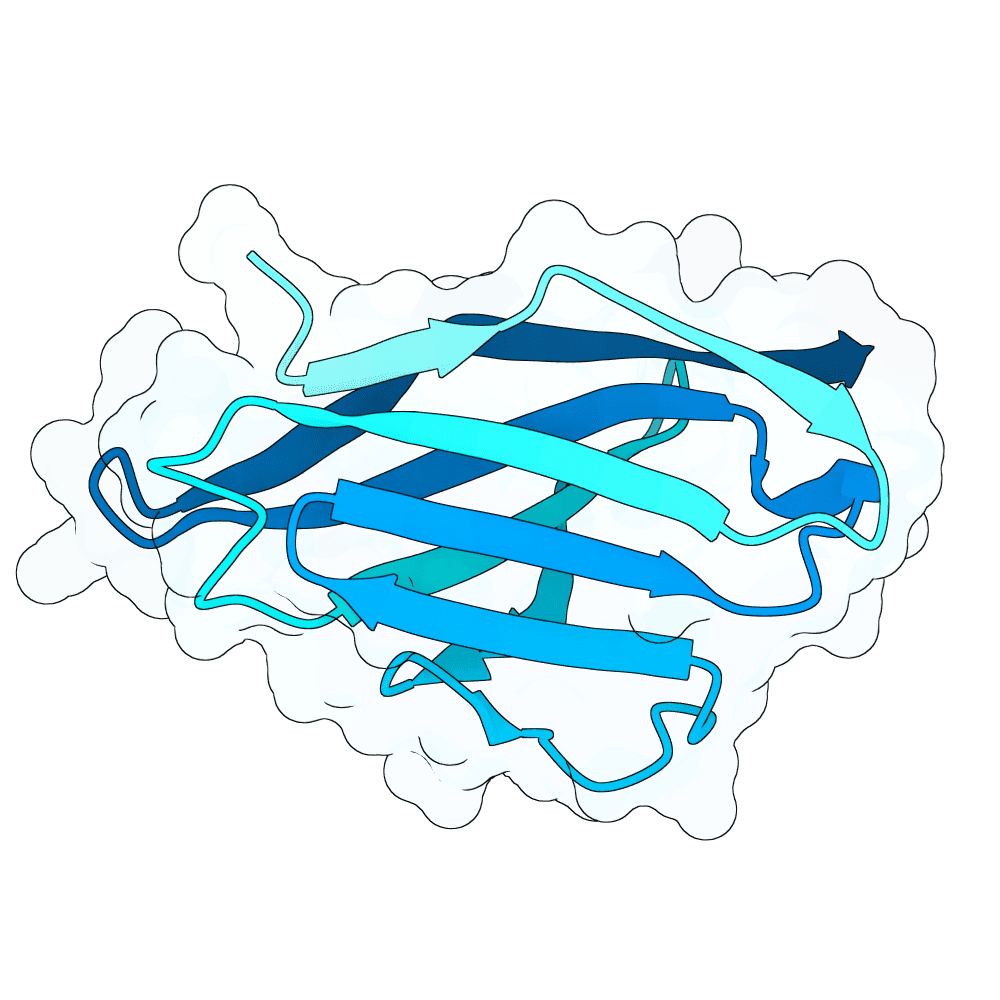
Description
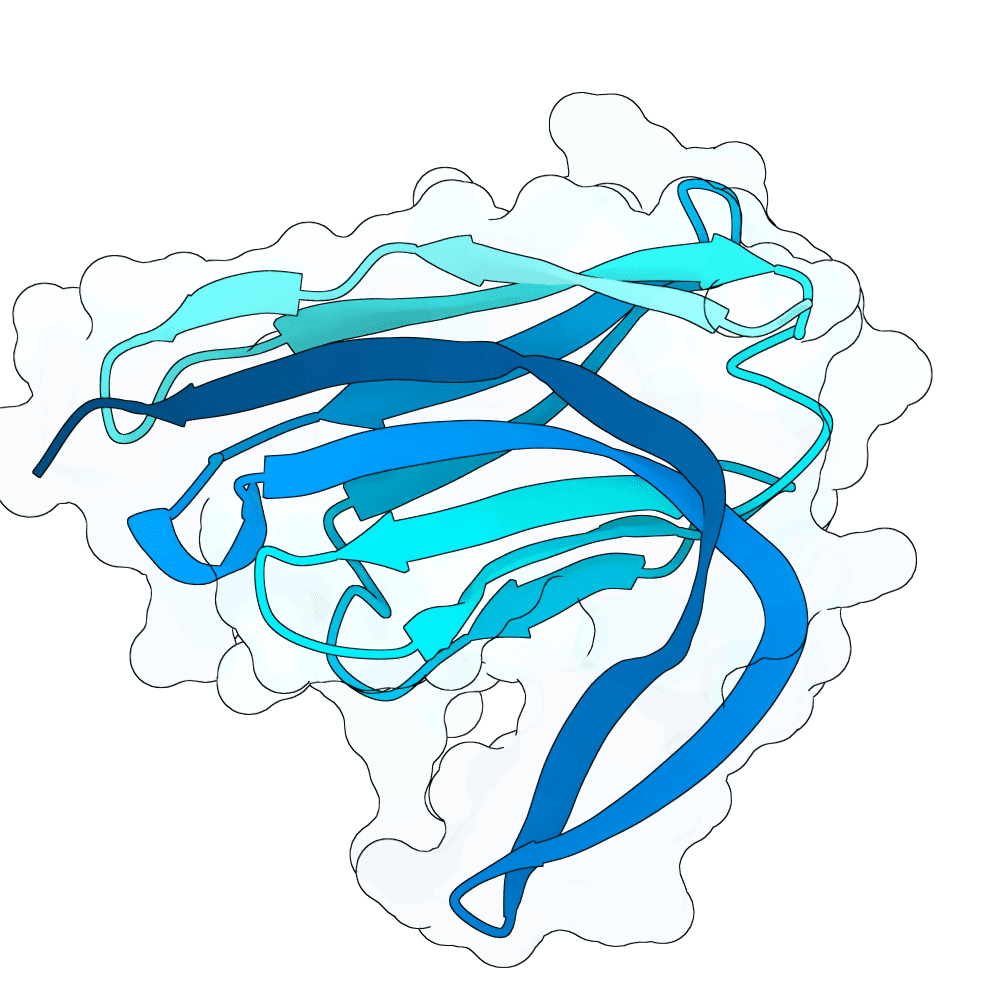
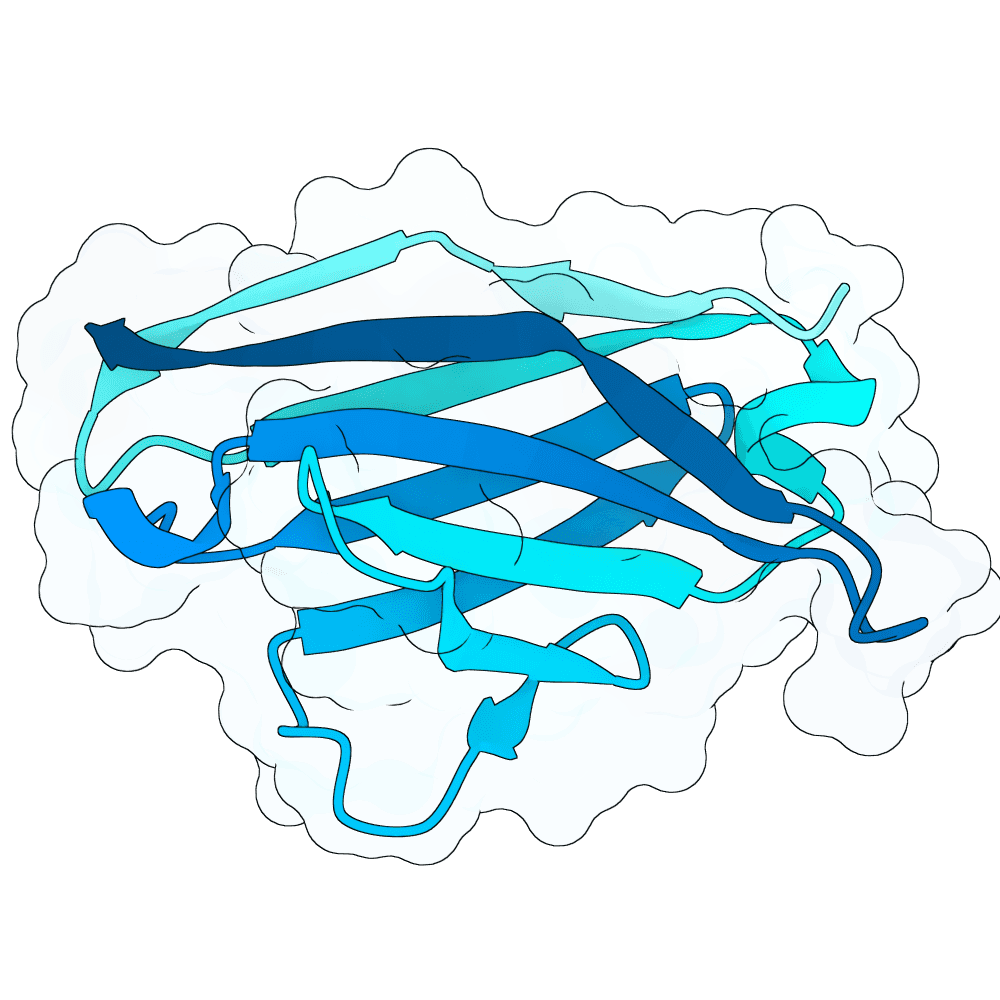
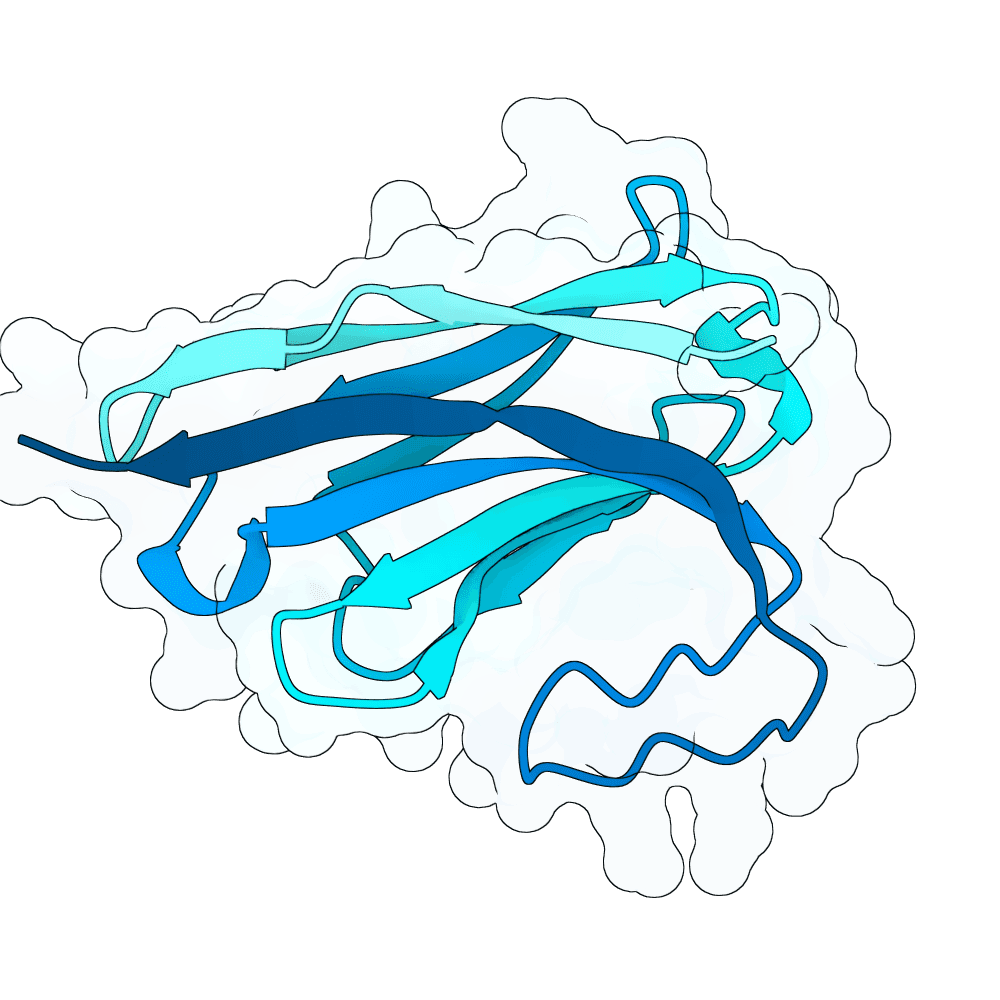
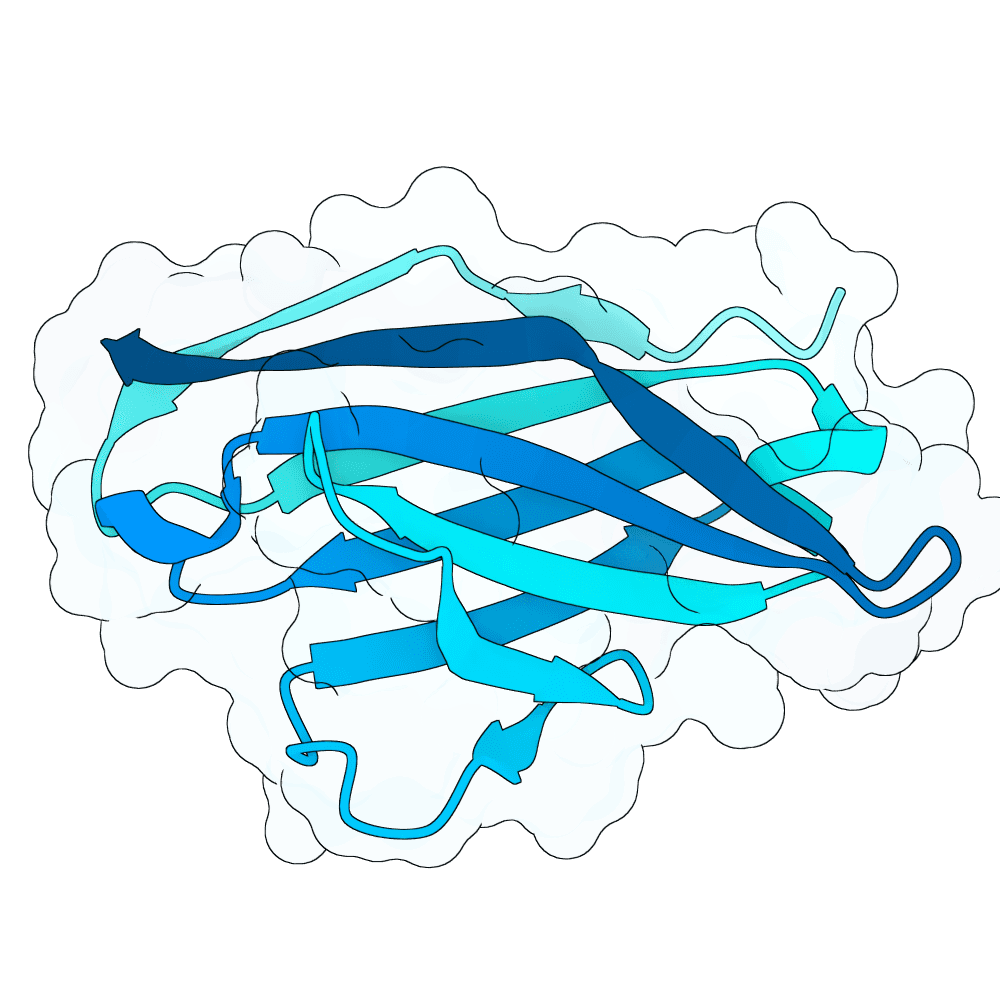
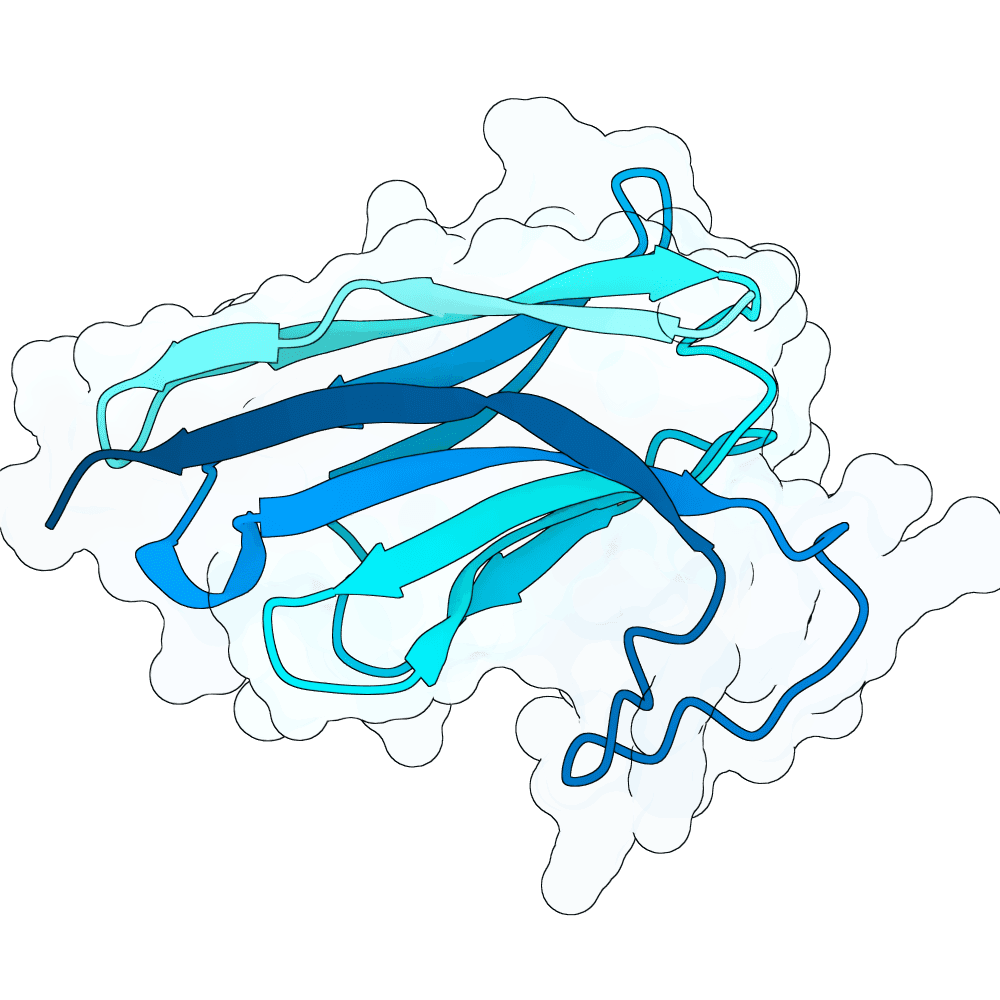
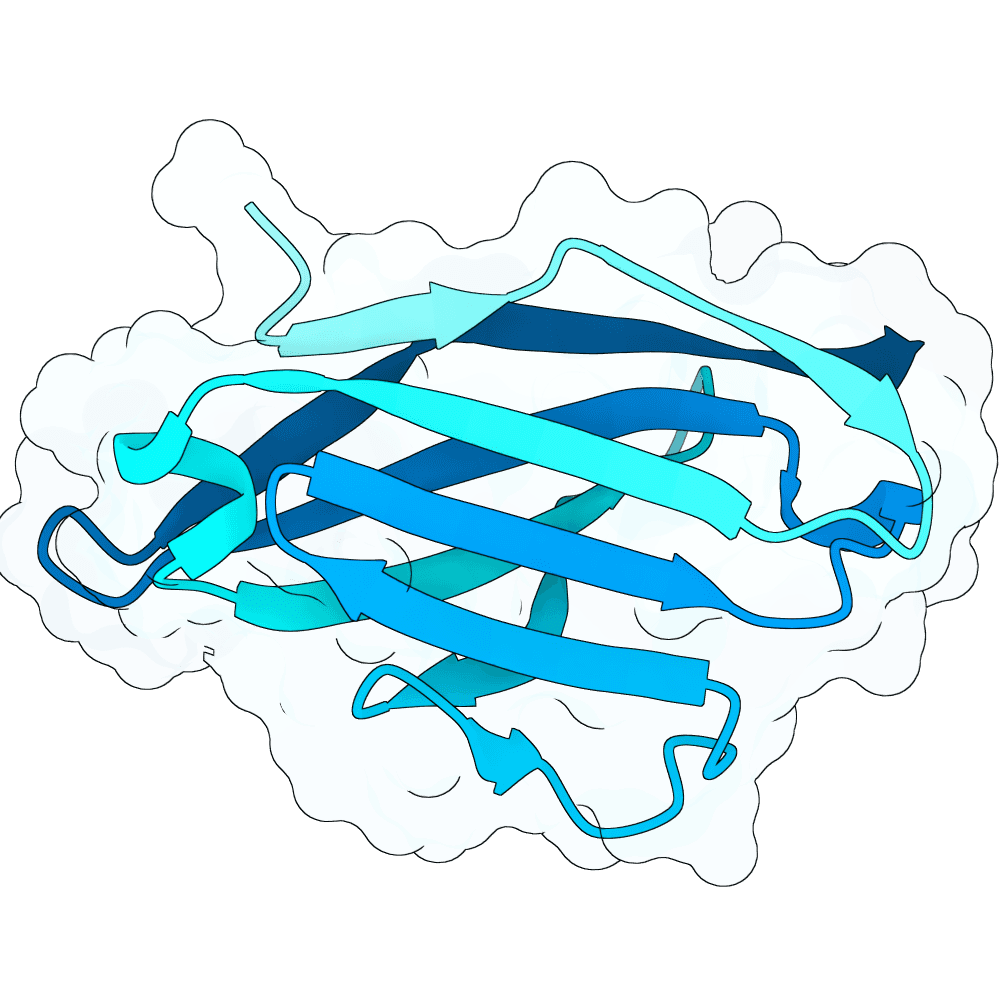
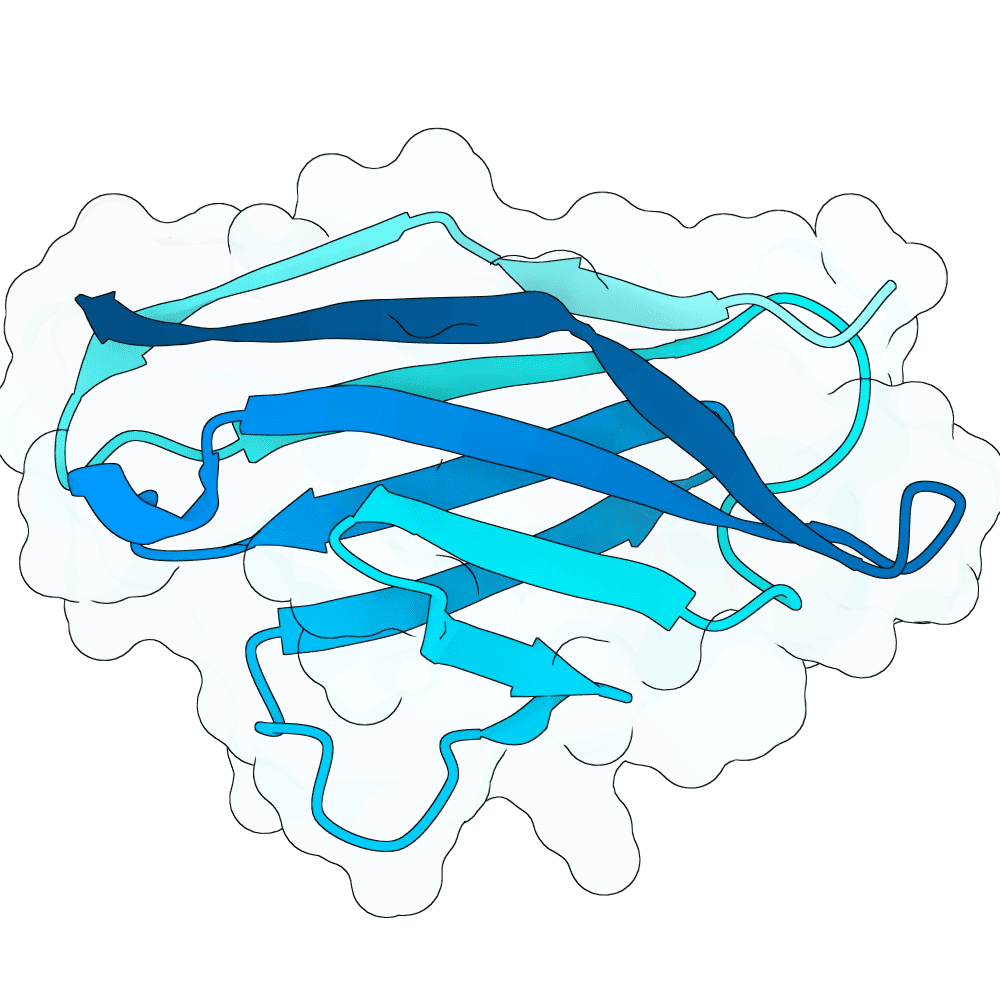
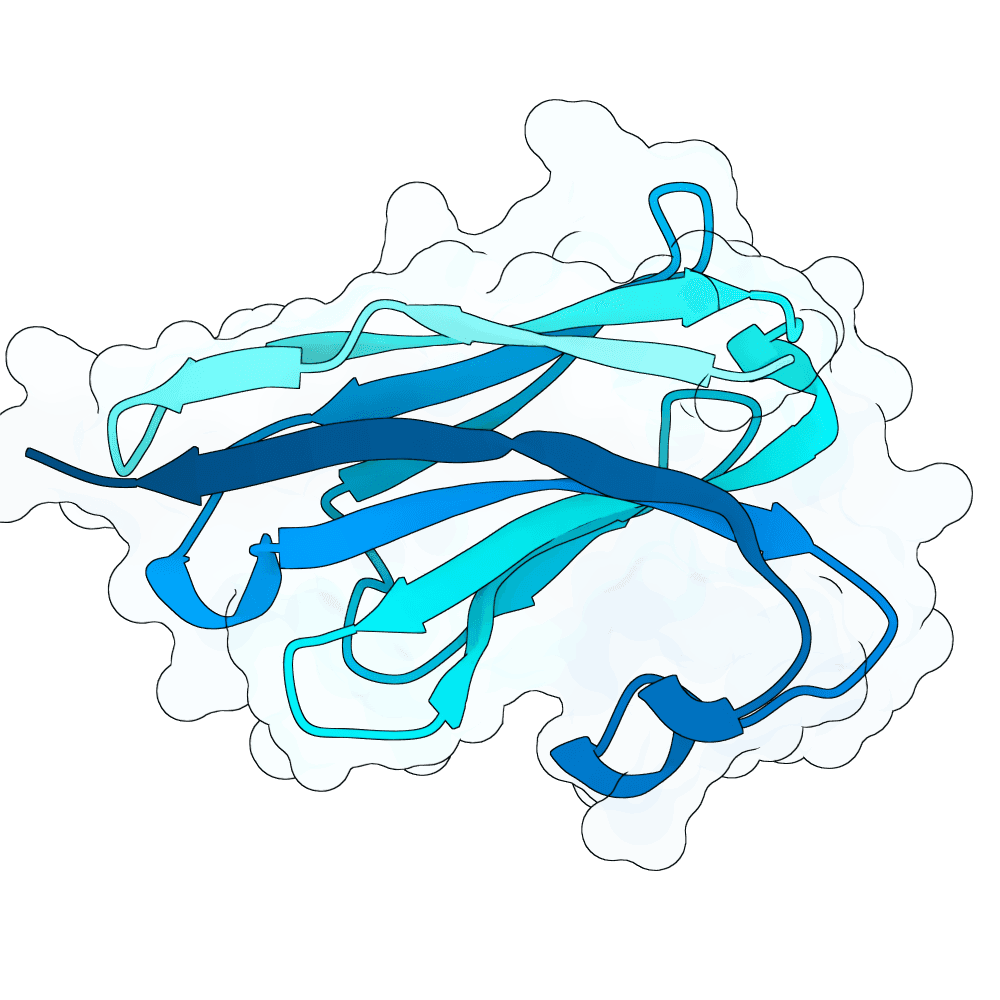
The antibody design workflow for Nipah virus utilized two batches of candidates generated through an in-house pretrained protein language models (pLM) called AbSynth. Target-agnostic antibody sequences were first produced using custom pLMs (AbSynth) trained on over one million human antibodies, followed by targeted CDR3 redesign using the same models. Structural prediction was performed with tFold-Ab for its high accuracy on immunoglobulins, while AlphaFold 3 was used to model the Nipah viral target. The resulting antibody–target complexes were further optimized using RFAntibody to enhance binding affinity and stability. Key metrics—including ipAE, mean pAE, and ddG—were used to select the most promising designs. The overall pipeline was intentionally kept minimal to ensure simplicity, efficiency, and robustness.