Description
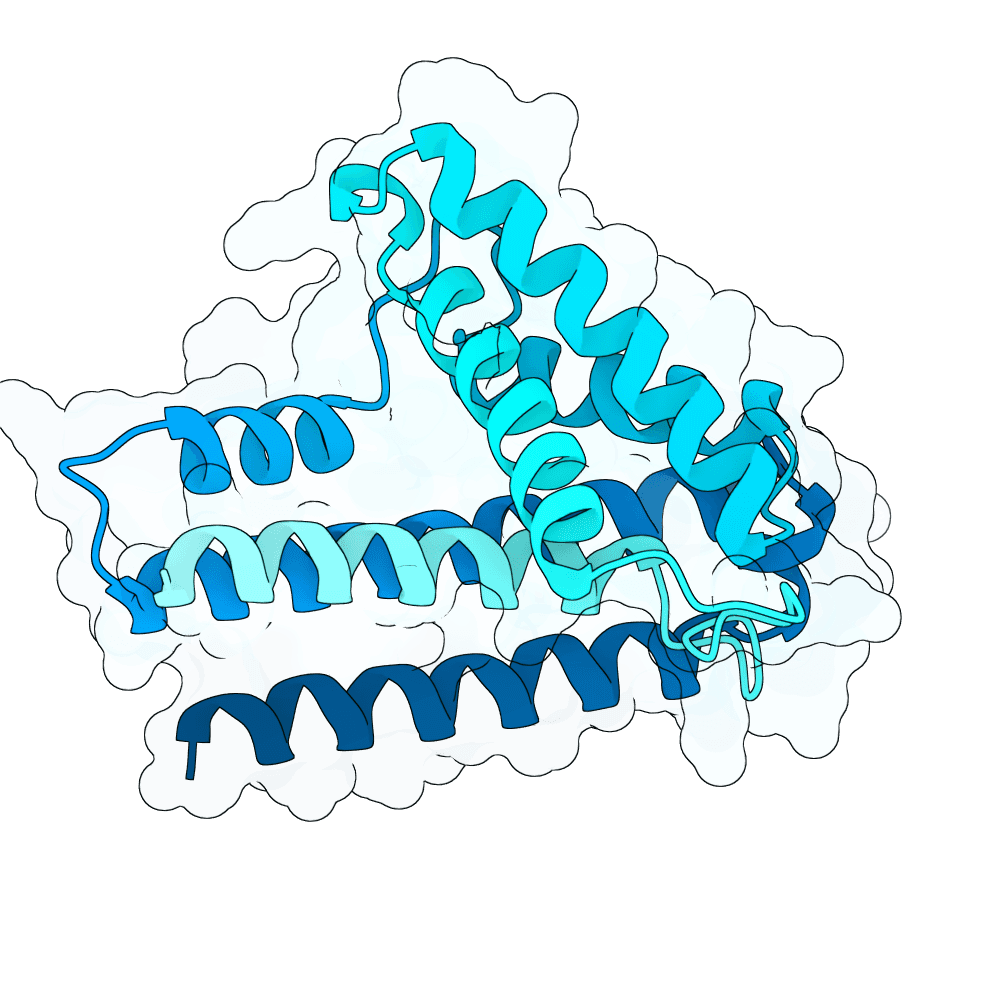
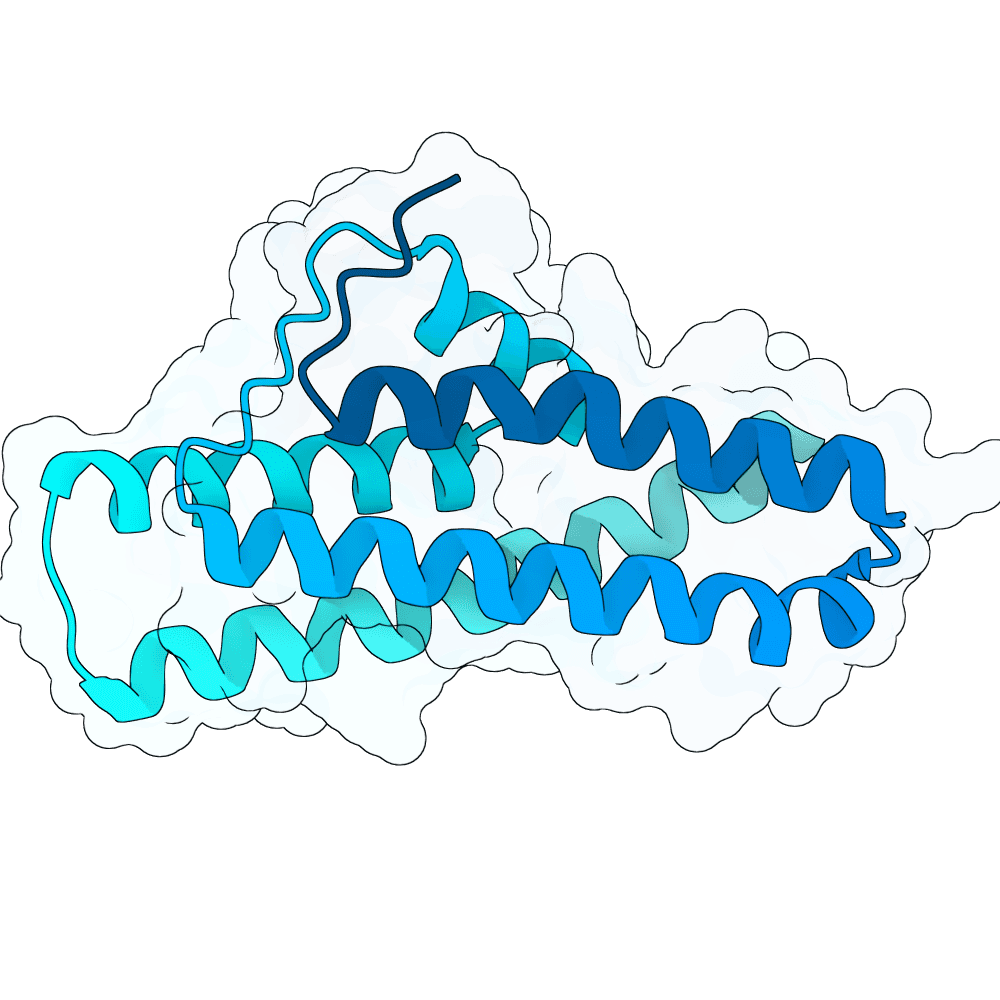
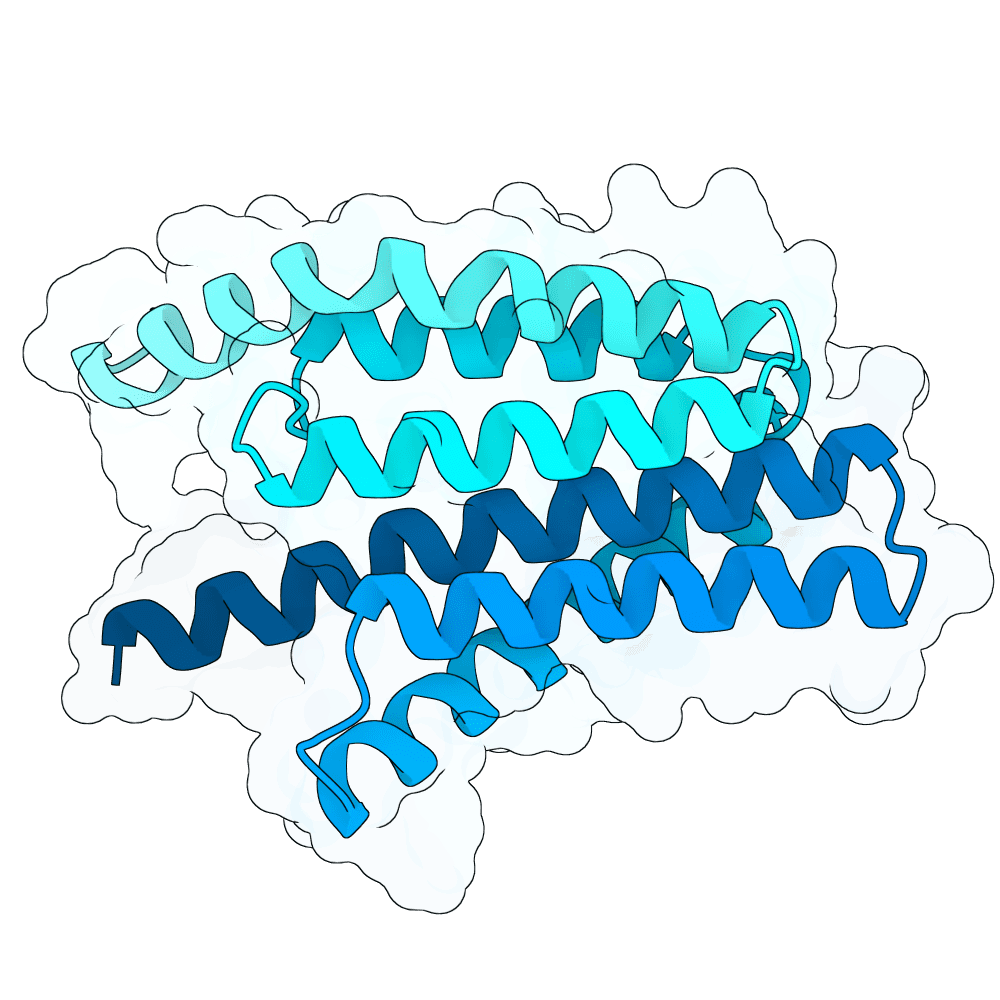
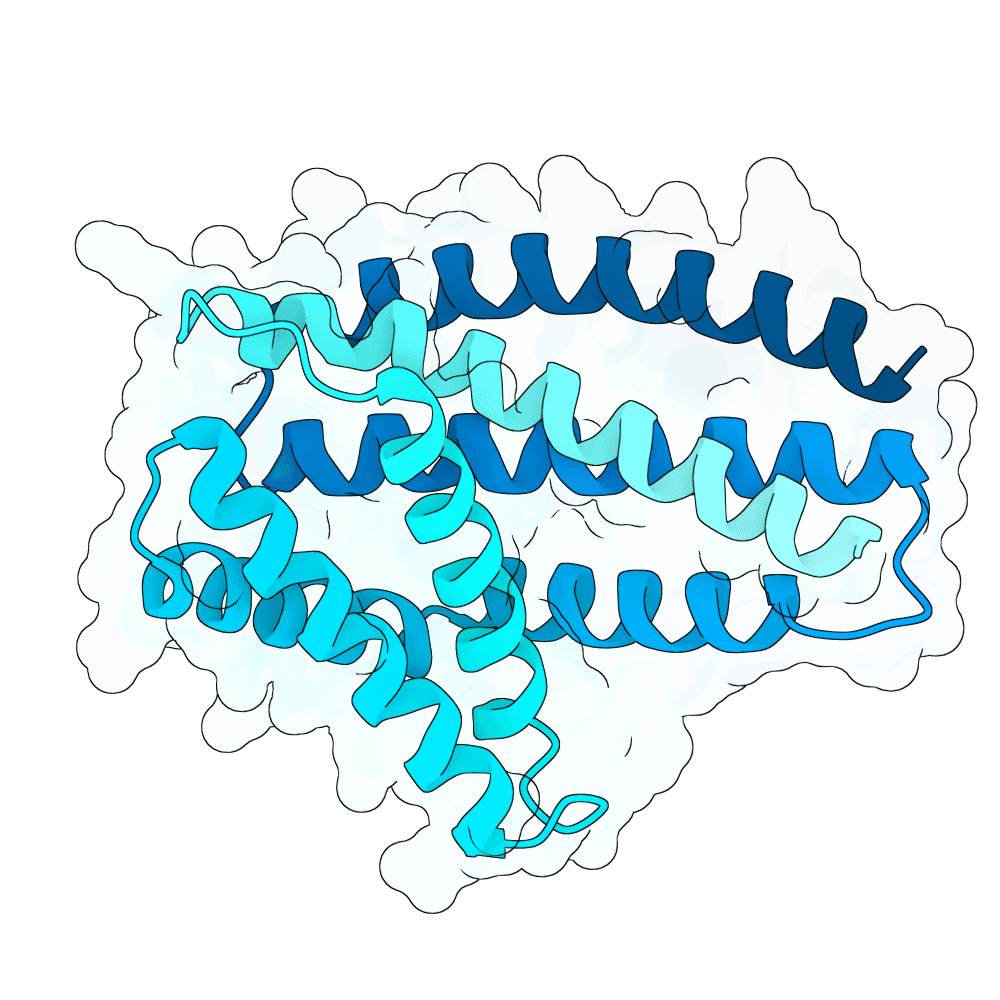
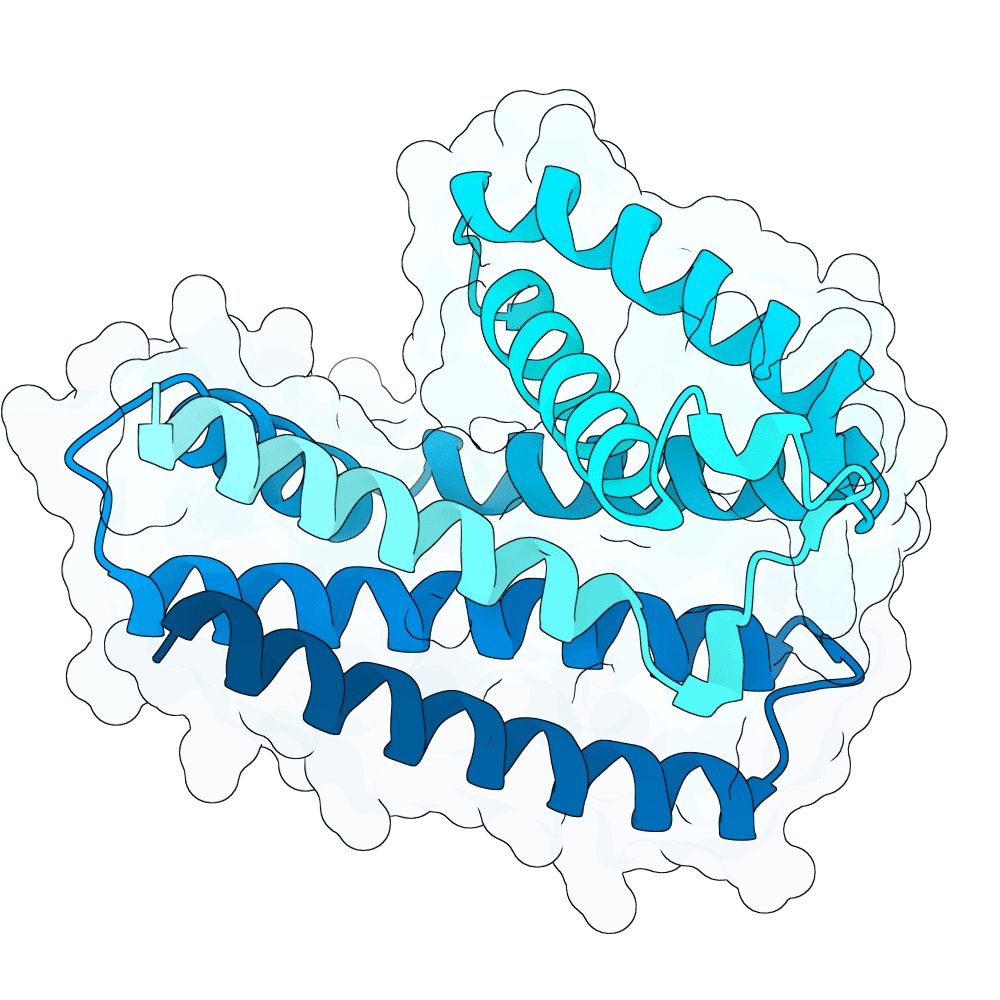
Overall my process started with using BindCraft to generate de novo binders for the supplied Nipah structure. However, under the BindCraft algorithm (in my specific case) no 'accepted' designs (i.e. designs passing all the BindCraft design metrics) were achieved. Therefore outputs were sorted by quality metrics and the best designs were determined from the outputs as both passing the most of the inbuilt BindCraft quality metrics and possessing the highest i_pTM, pLDDT, pAE and pTM). These designs were tested in AlphaFold2 multimer to ensure they interfaced with the appropriate surface/region, and the binder design was ran through AF2 monomer to predict whether the sequence would yield the desired protein structure. The best output designs were partially diffused in RFDiffusion to attempt to maximize the interface between the novel binders and protein target. Then RFD diffused outputs were run through SolubleMPNN to generate a sequence that would encourage a soluble binder design, and the predicted success of these sequences in folding into out diffused structures was determined through AlphaFold2 multimer.