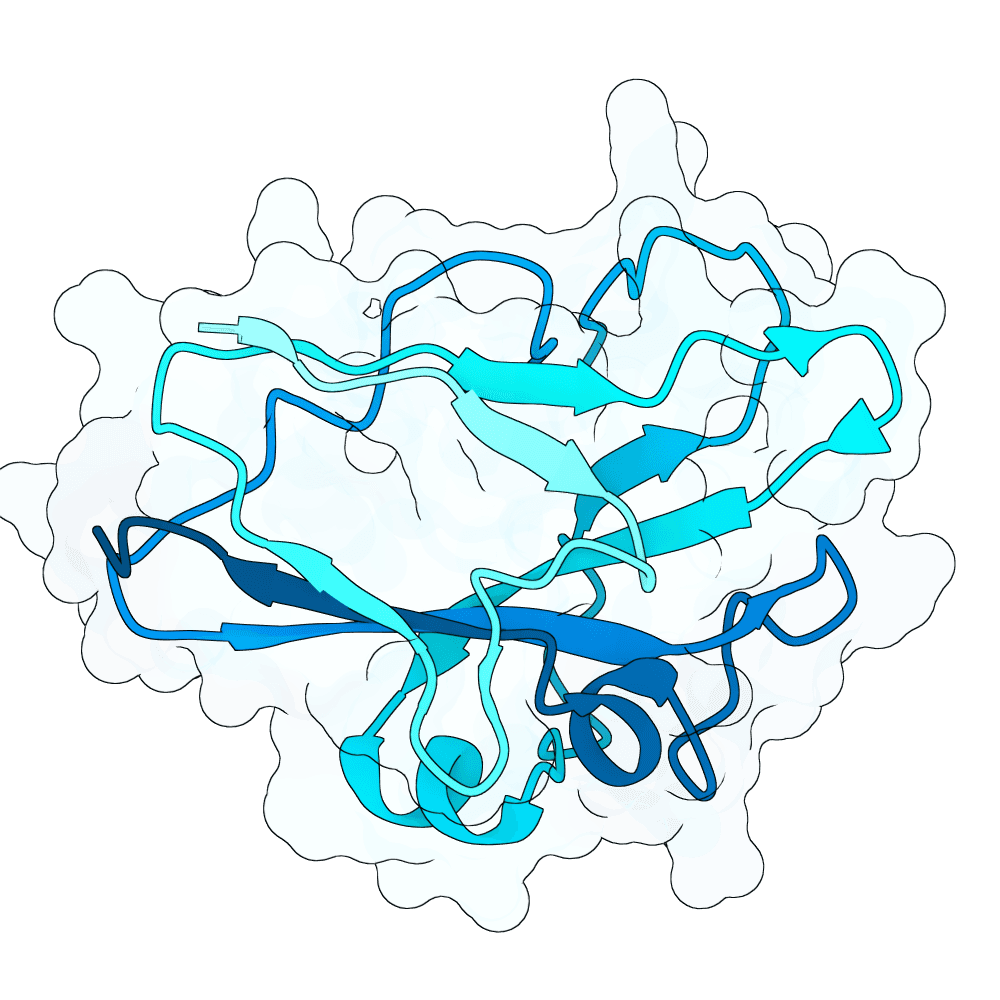
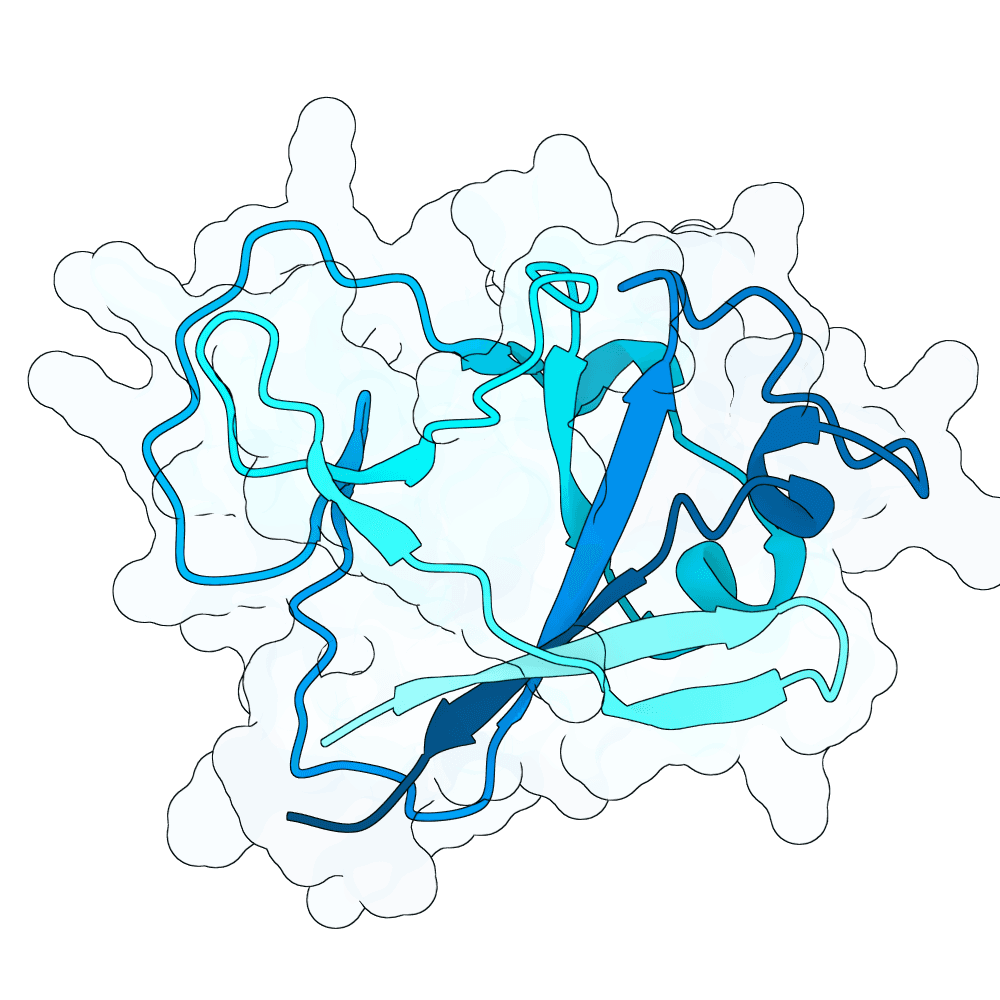
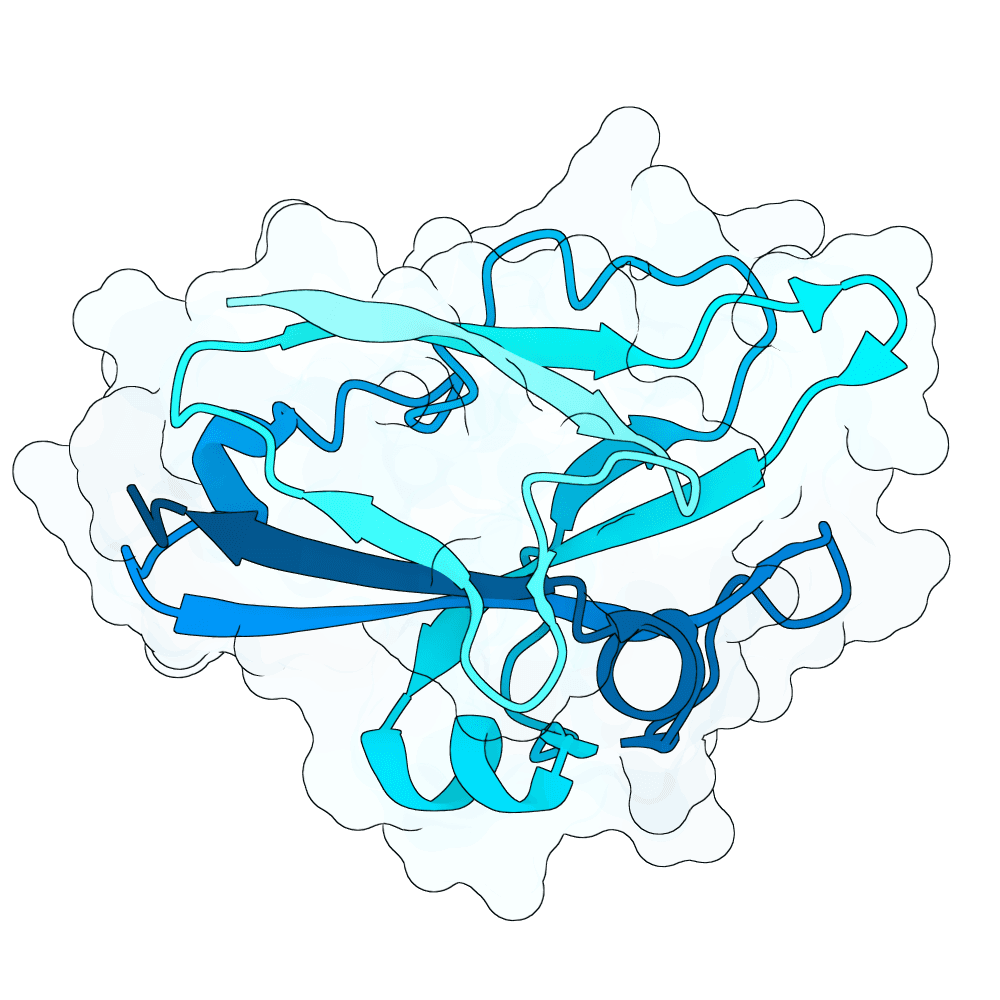
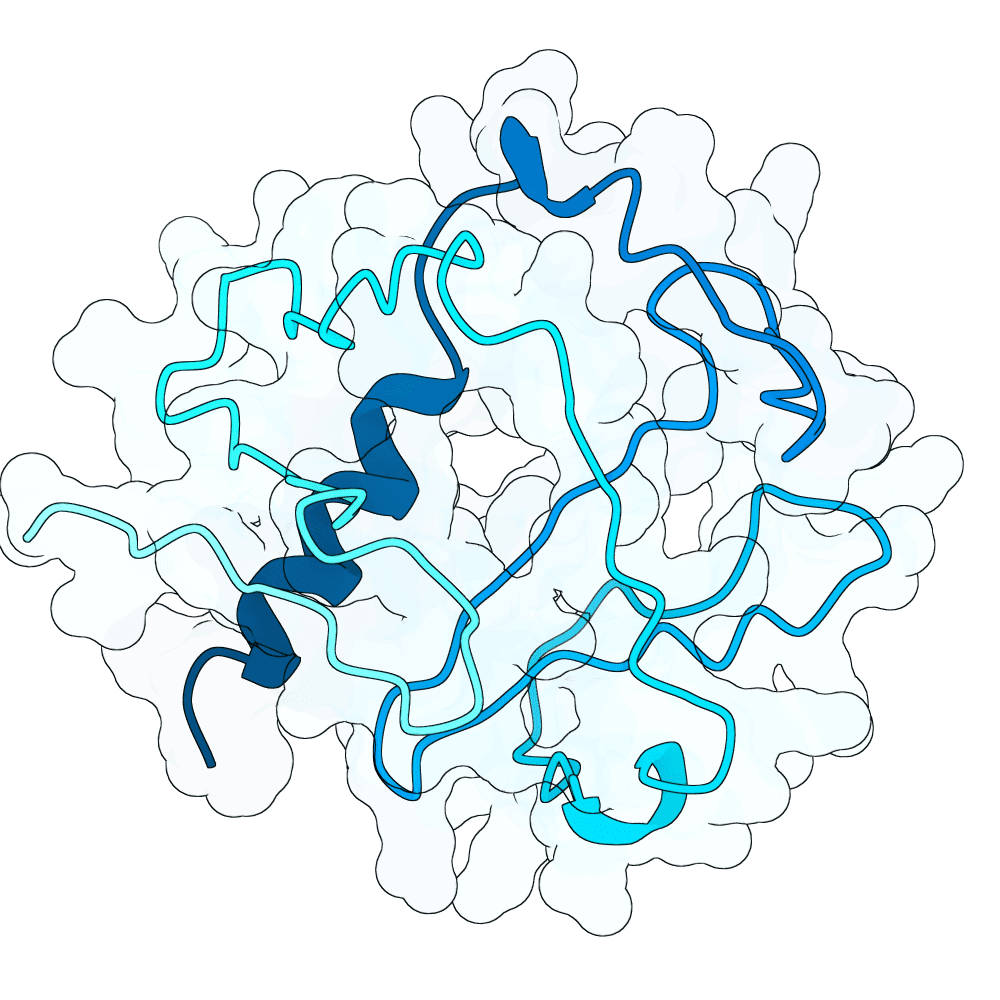
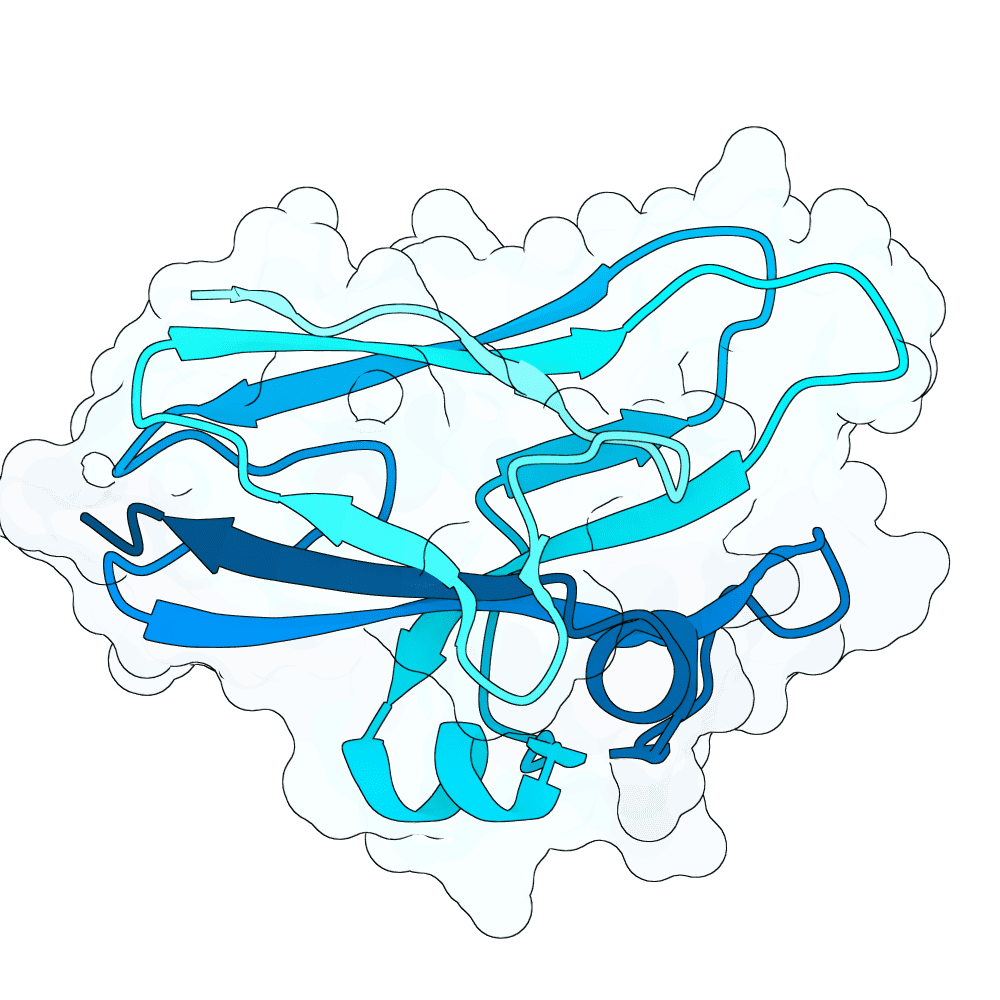
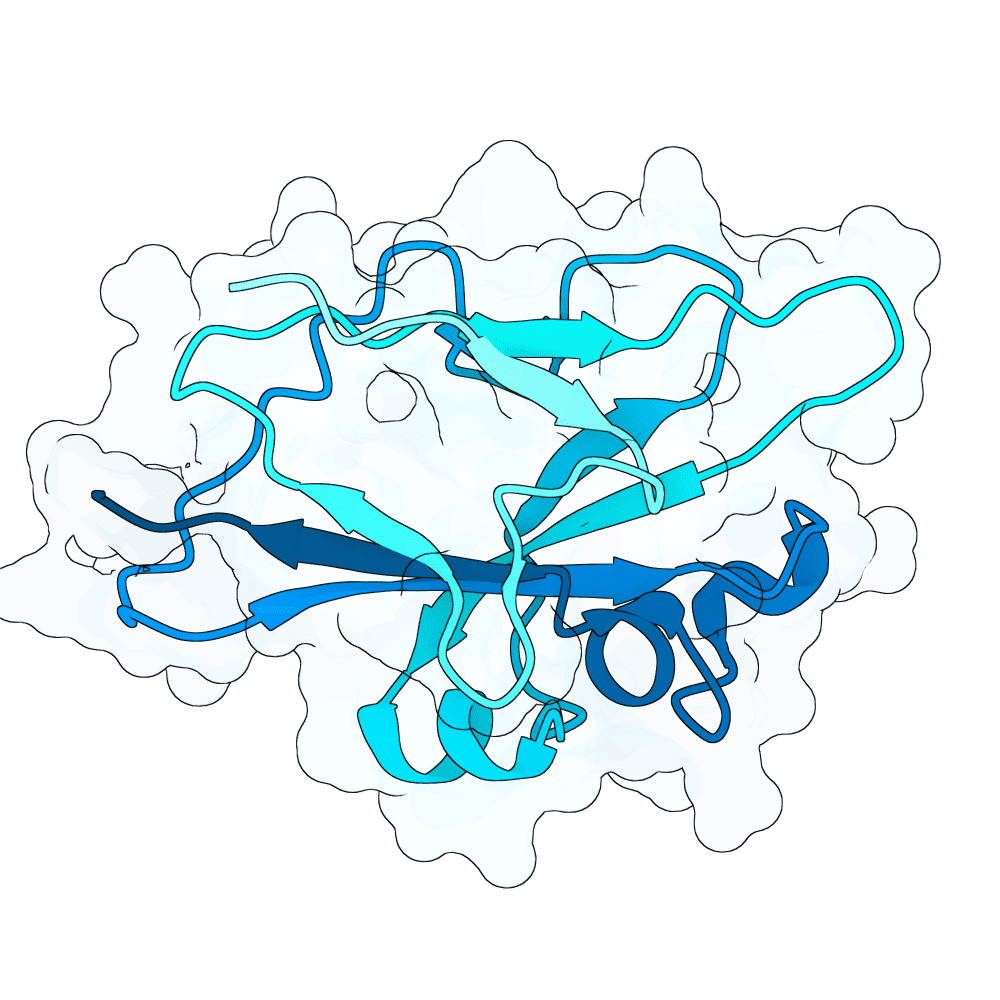
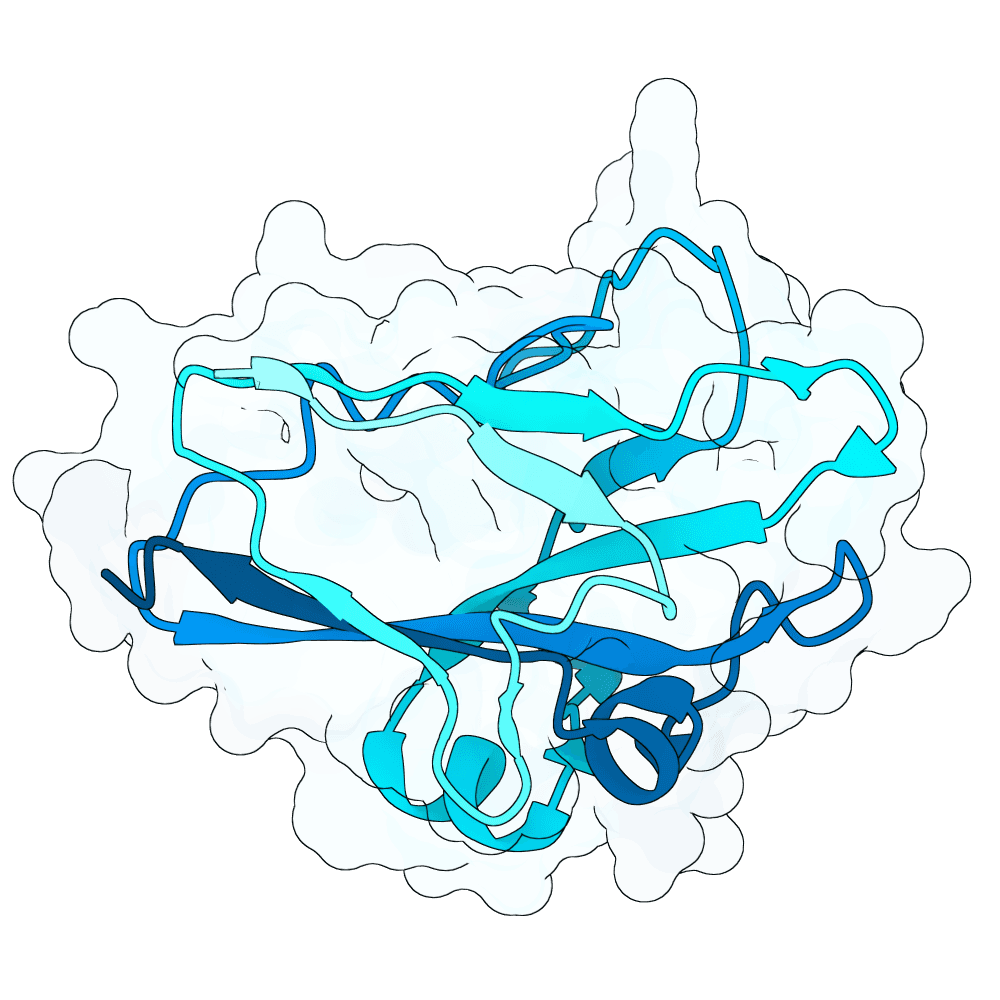
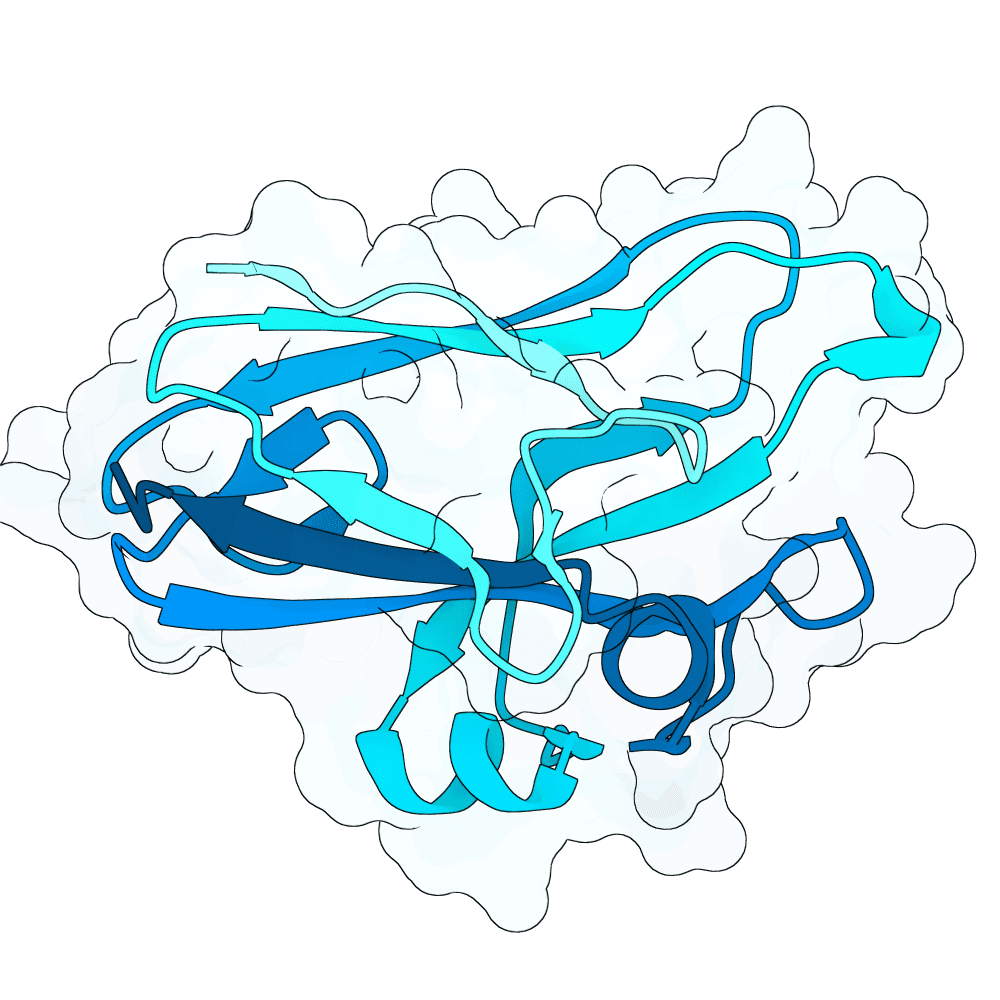
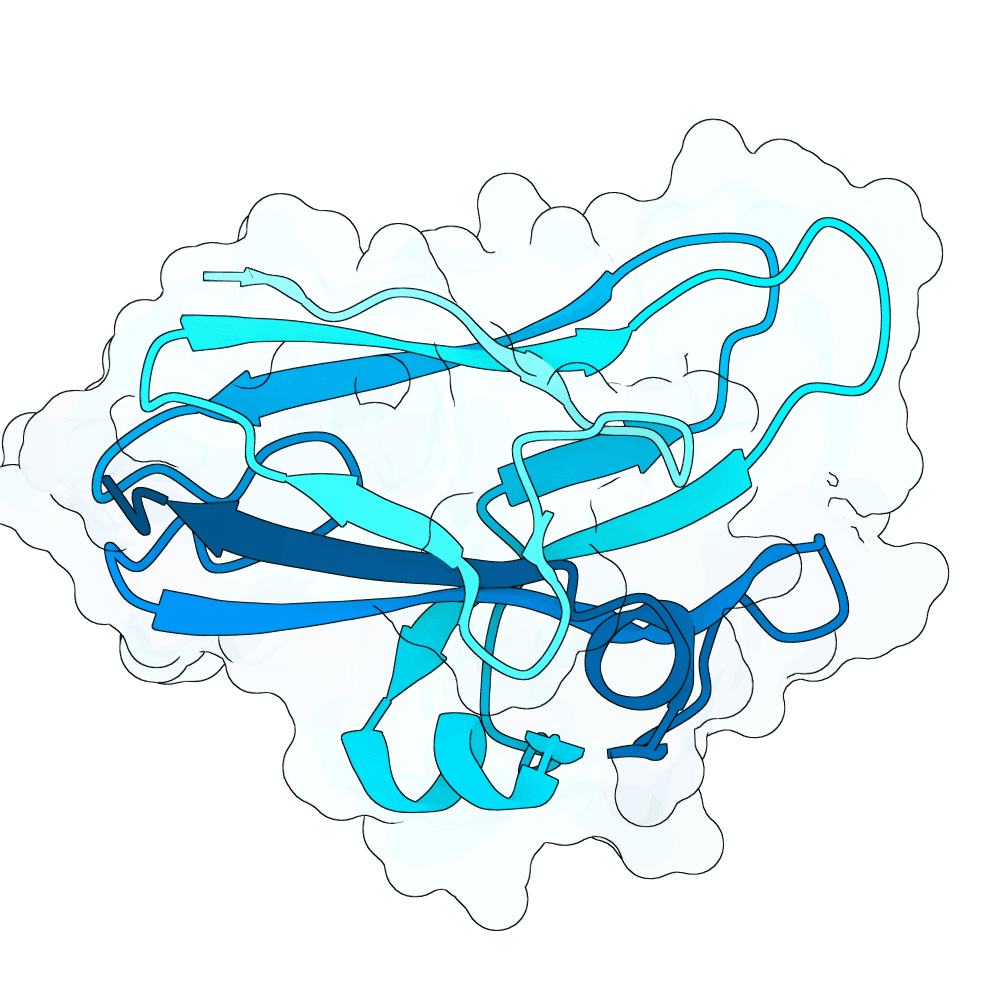
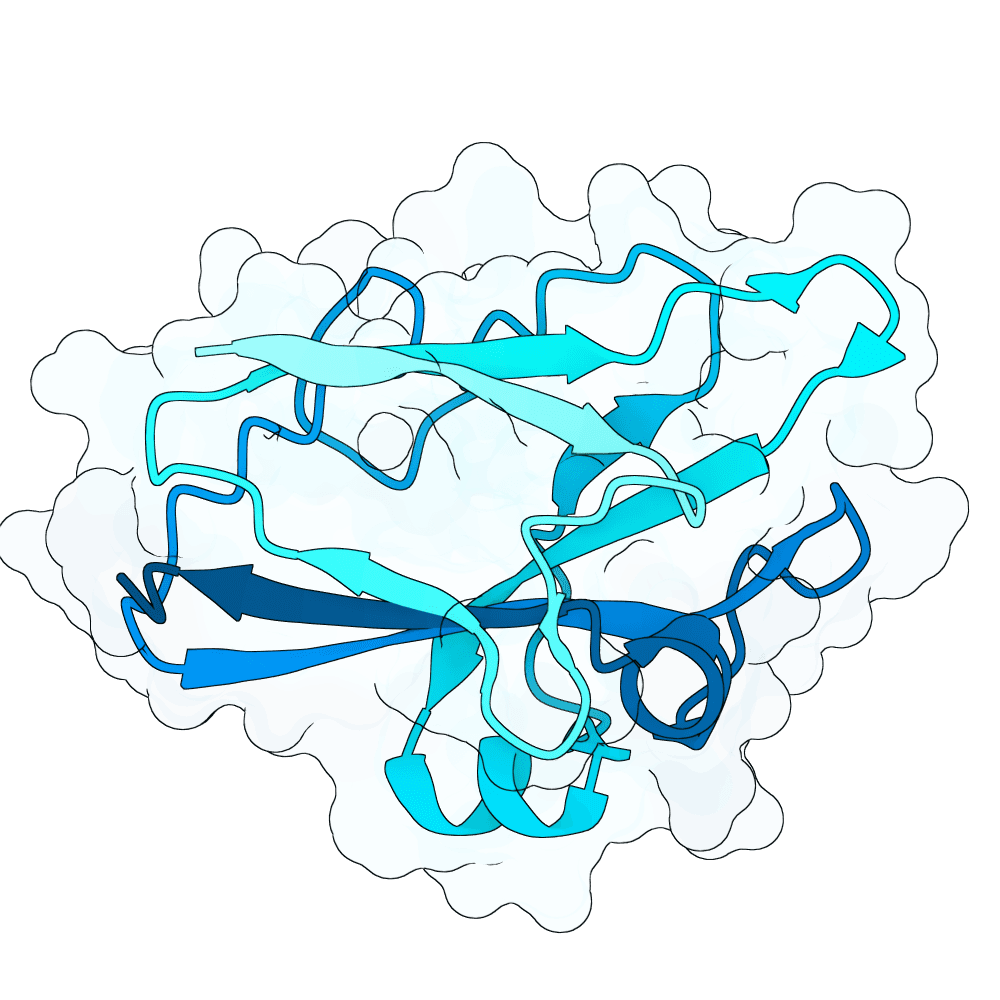
Description
This submission evaluates Ligandal's ΔForge, LigandAI's physics-based thermodynamic engine for peptide binder optimization. ΔForge performs rapid O(n) serial mutagenesis across protein-protein interfaces, computing residue-level ΔΔG contributions to systematically identify affinity-enhancing mutations.
The underlying thermodynamic modeling approach was originally developed and experimentally validated for SARS-CoV-2 therapeutic peptide design in 2020:
• Peptide Antidotes to SARS-CoV-2 (COVID-19): https://www.biorxiv.org/content/10.1101/2020.08.06.238915v2 • Identification of biomimetic viral peptides and uses thereof: https://patents.google.com/patent/US20230242592A1/en
For this competition, ΔForge was applied to optimize Nipah virus binder candidates through iterative mutational scanning, ranking designs by predicted binding improvement (ΔΔG < 0) while preserving structural compatibility with the target interface.