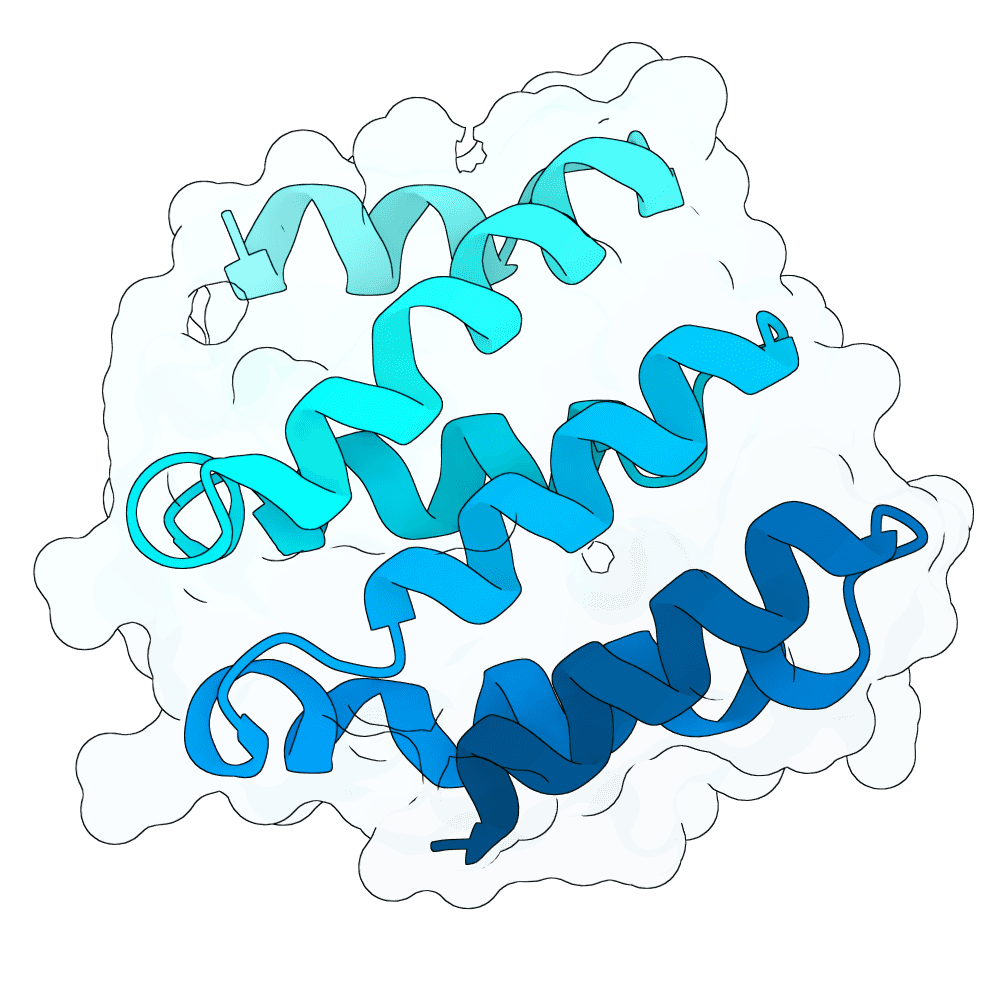
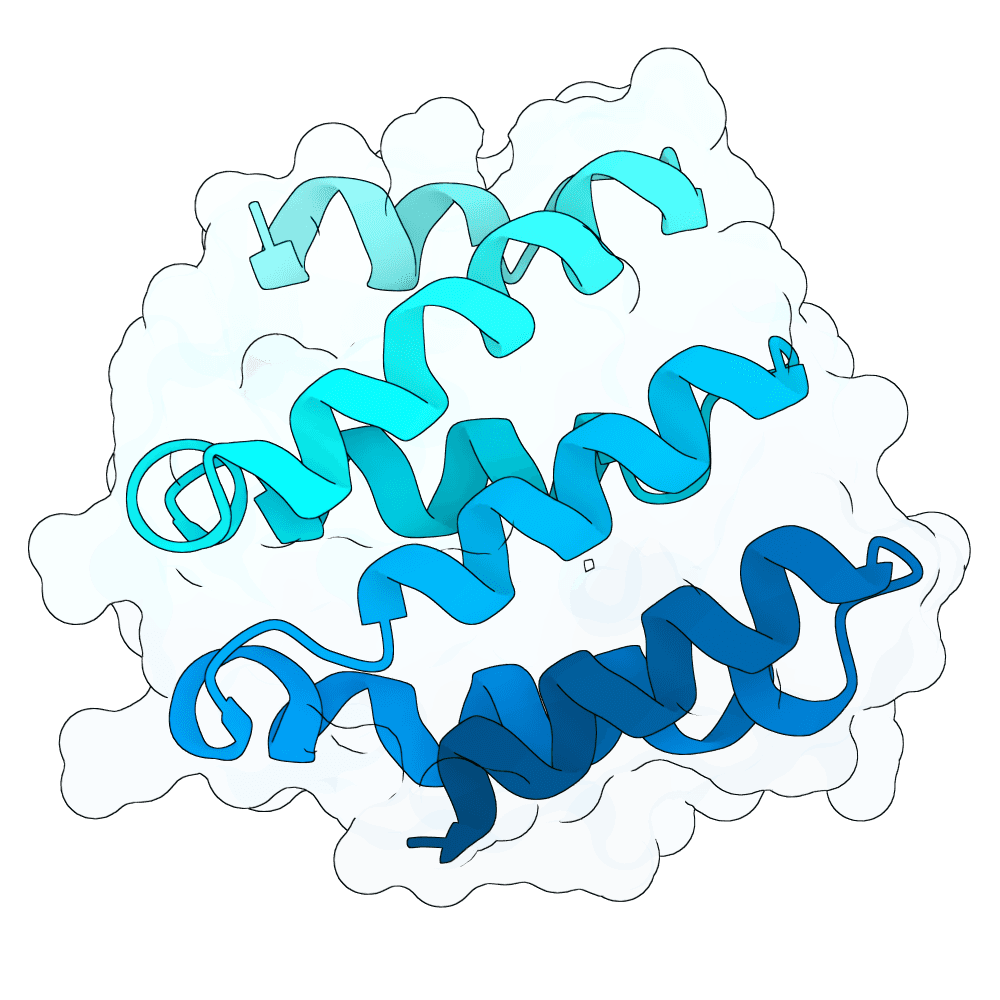
Description
De novo LRR binder design for RBX1 via entropy-guided exhaustive ProteinMPNN sampling and Boltz-2 structural validation
Broadly, the idea of this submission was to test whether we can design improved binders by adding a second affinity maturation step on top of a de novo design pipeline.
1. Hypothesis
We explore repeat-protein folds as starting points for de novo binder design. The rationale is that many natural repeat proteins mediate protein–protein interactions, are modular and autonomously foldable, and therefore provide stable backbones for engineering. A canonical example is the DARPin scaffold, which is derived from ankyrin repeats. More broadly, repeat architectures such as ankyrin, HEAT-like, and leucine-rich repeat (LRR) proteins offer curved, adaptable binding surfaces that can engage a range of target geometries. In addition to these favourable biophysical properties, repeat domains are well represented in structural databases. Our submissions span several repeat-protein superfamilies and topologies: ankyrin repeats (CATH 1.25.40.20), classic LRR (CATH 3.80.10), and LRR variants (CATH 1.25.10.10). This submission focuses on the LRR variant scaffold.
2. Final Scaffold Selection
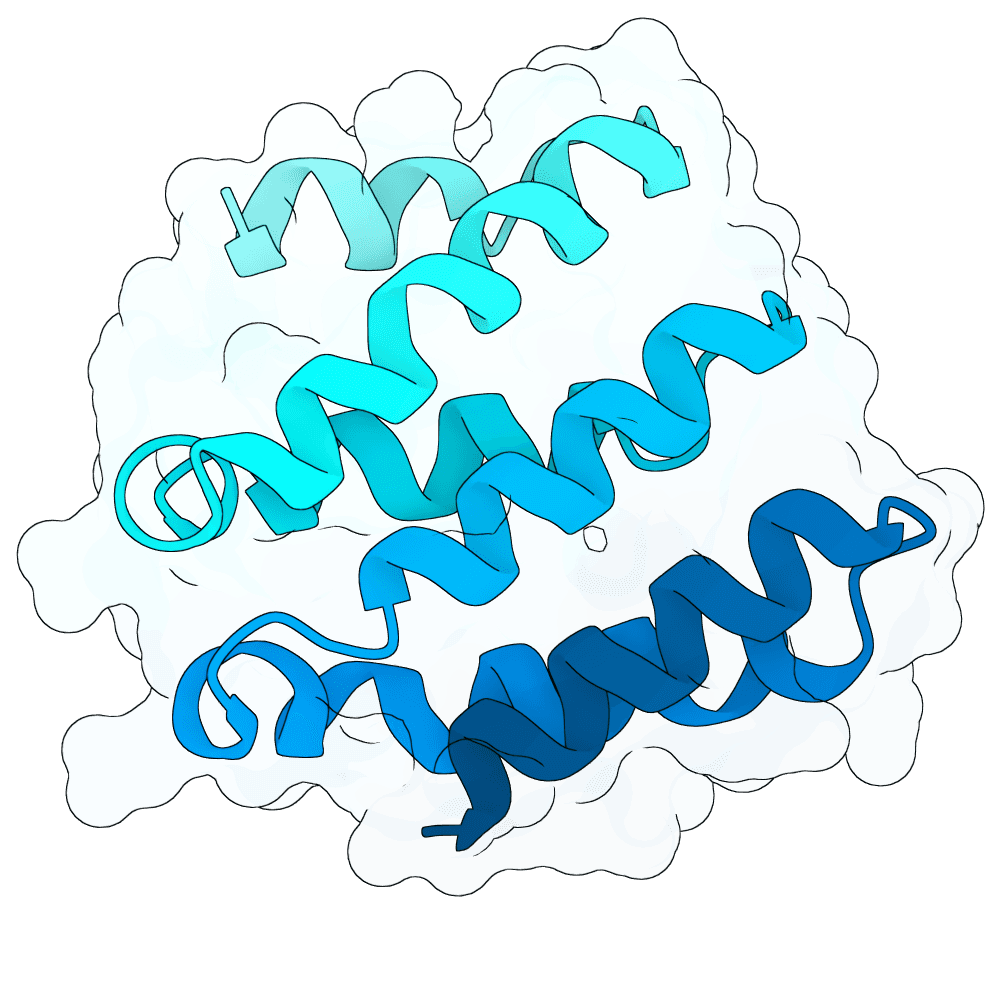
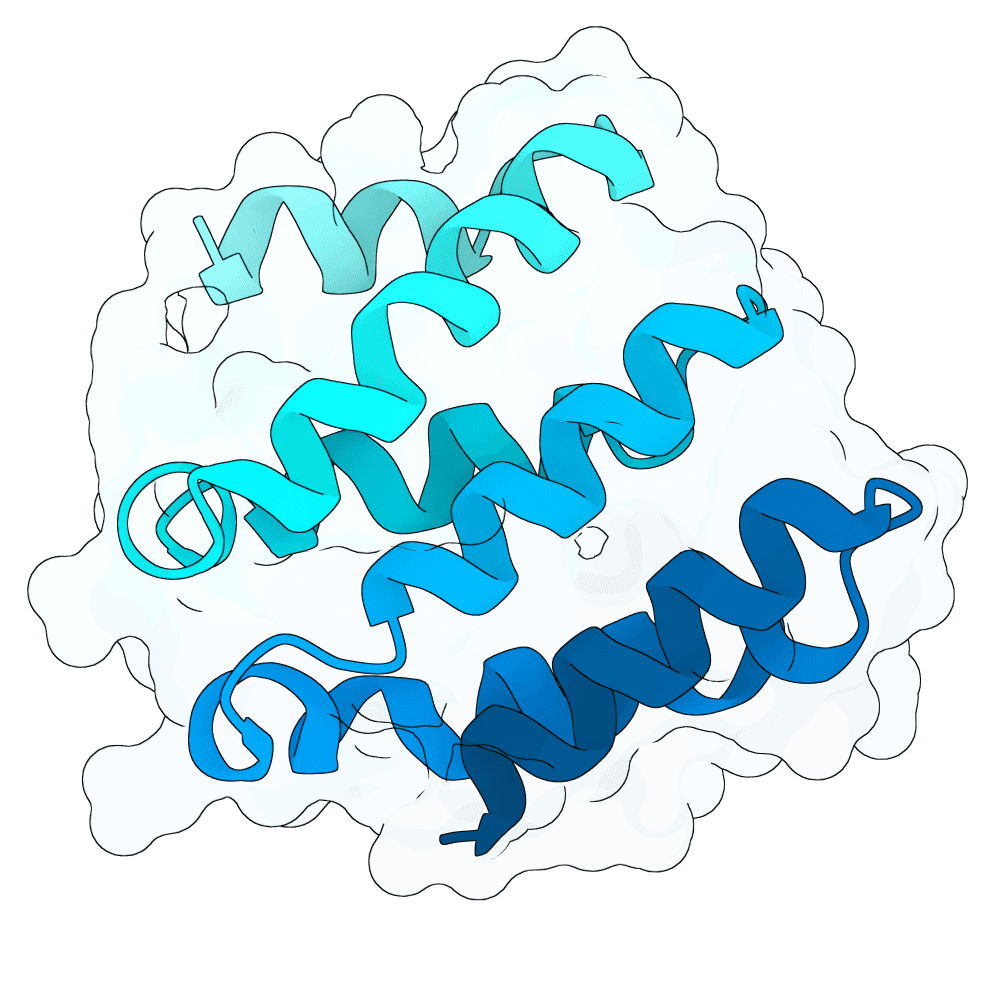
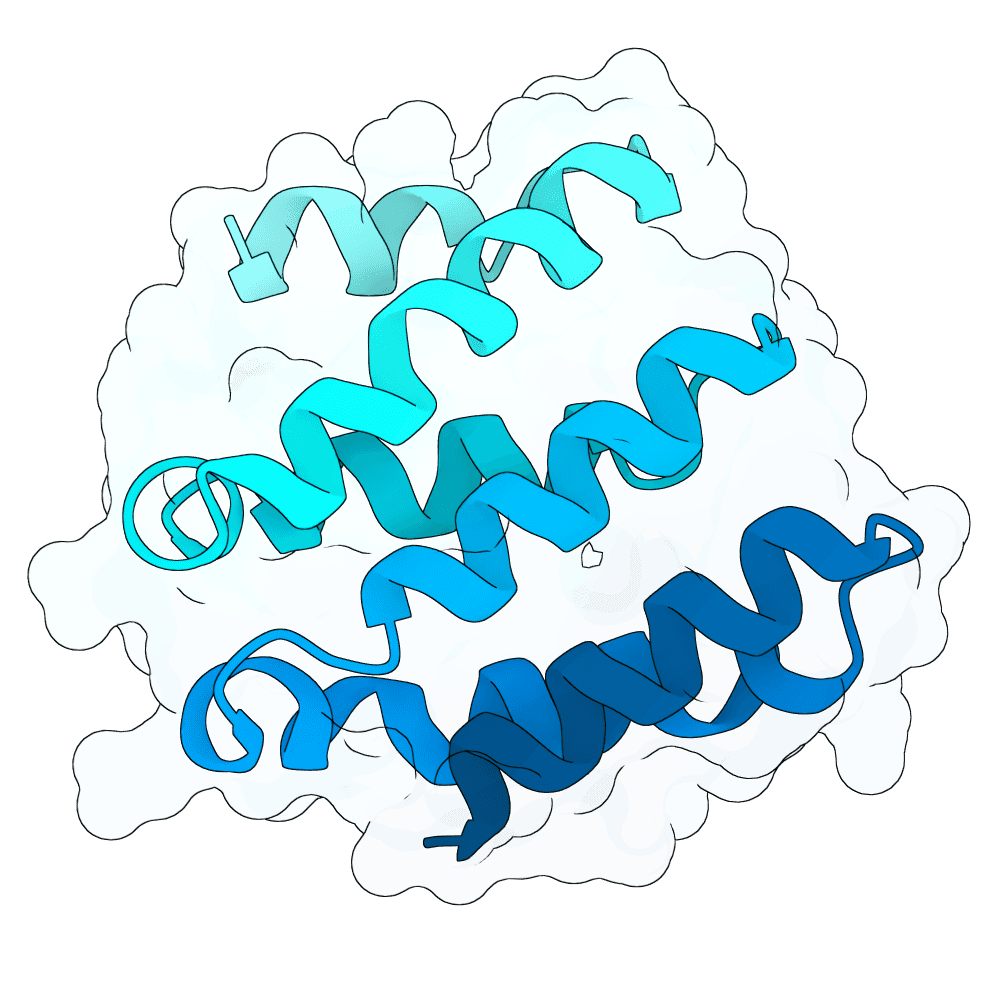
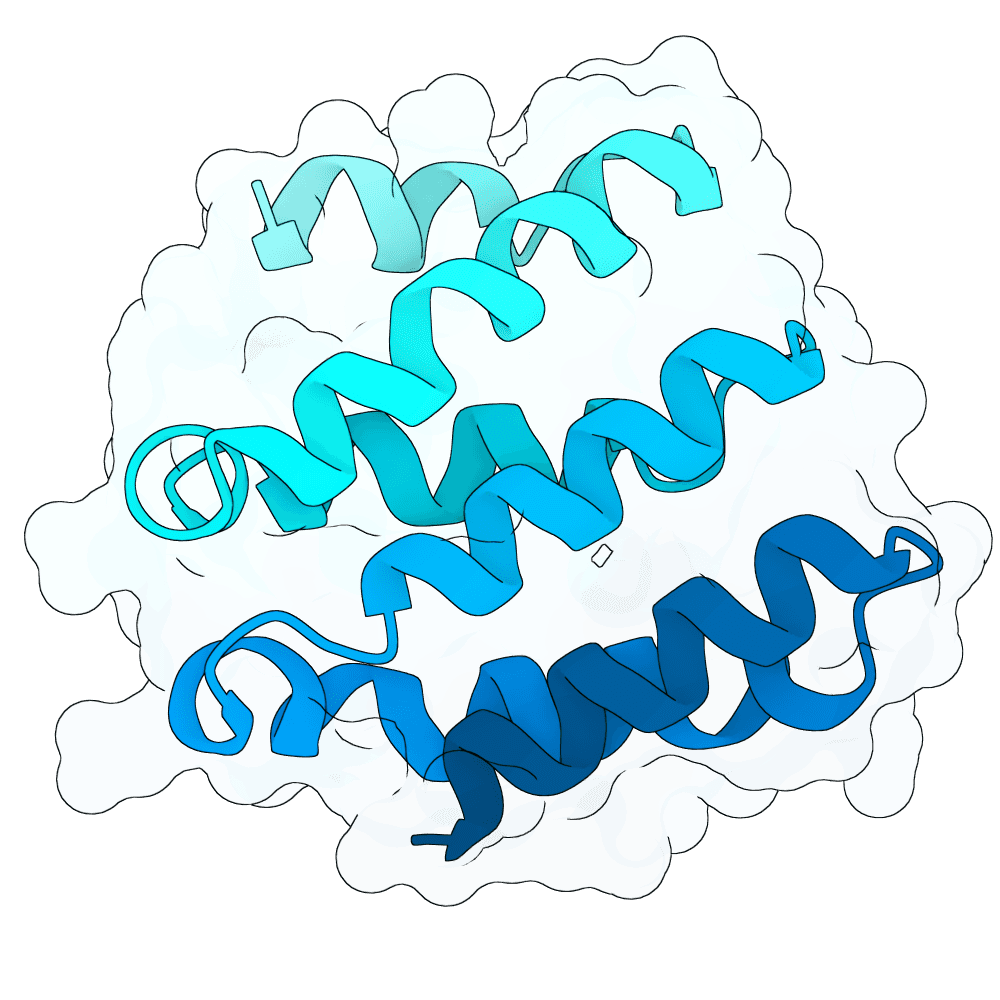
A leucine-rich repeat (LRR) binder scaffold (111 designed residues) was selected from 100 BoltzGen-generated backbones conditioned on the RBX1 RING domain structure based on the best average log-likelihood scores from Boltz-IF; these sequences were then discarded as they were only used to select the scaffold.
3. Entropy-Guided Exhaustive Sequence Design
We then employed exhaustive ProteinMPNN sampling for this single backbone. We initially generated 700,000 sequences for this scaffold at T=0.1. We then used these to calculate per-position shannon entropy, before generating another 700,000 sequences forcing the decoding order of ProteinMPNN to decode the lowest entropy positions first, In this way we enable highly variable positions to be chosen with the context of already decoded, highly conserved positions, providing maximum sequence context for uncertain decisions. We saw this give a ~10% improvement in the average score assigned to sampled sequences in this second batch of 700k. This yielded 466,000 unique designs. Saturation analysis confirmed that score distributions plateaued after approximately 200,000 sequences, we had exhaustively sampled the best sequences for this scaffold.
4. Structure Validation with Boltz-2
The top 300 sequences by ProteinMPNN log-likelihood were folded with Boltz-2 using the complete complex (receptor, binder, and three zinc ions as CCD ligands). Binder backbone Cα RMSD was computed after USalign superposition on the receptor chain. Thirty sequences (10.0%) achieved RMSD below 2.5 Å, and 20 of these passed some basic quality filters (Boltz iptm > 0.7, confidence > 0.8, pLDDT > 0.85, ipSAE > 0.2).
5. Candidate Selection
Five of these designs were then selected for affinity maturation based on ProteinMPNN score, Boltz iptm and ipSAE.
6. Affinity Maturation
Interface-targeted affinity maturation was performed on Boltz-z models of each of the five parental designs using ProteinMPNN. At each iteration, 4–6 of 13 binder interface residues (identified at a 4.5 Å contact threshold) were randomly masked and redesigned by ProteinMPNN, with mask resampling every 500 sequences. Each campaign generated 100,000 variant sequences (500,000 total across five parents), yielding 805 unique mutant sequences. All 805 were folded with Boltz-2. Of these, 115 (14.3%) achieved binder Cα RMSD below 2.0 Å (a slightly stricter threshold as the parental variants were already known to fold well with Boltz-2).
7. Final Sequence Selection
Fifteen final candidates were submitted: 10 affinity-matured sequences (candidates 1–10) selected by mean wild-type-to-mutant ProteinMPNN logit difference with a per-mutation diversity constraint (each individual mutation appearing at most three times across the set), and 5 parental-generation sequences (candidates 11–15) ranked by ipSAE.