Summary
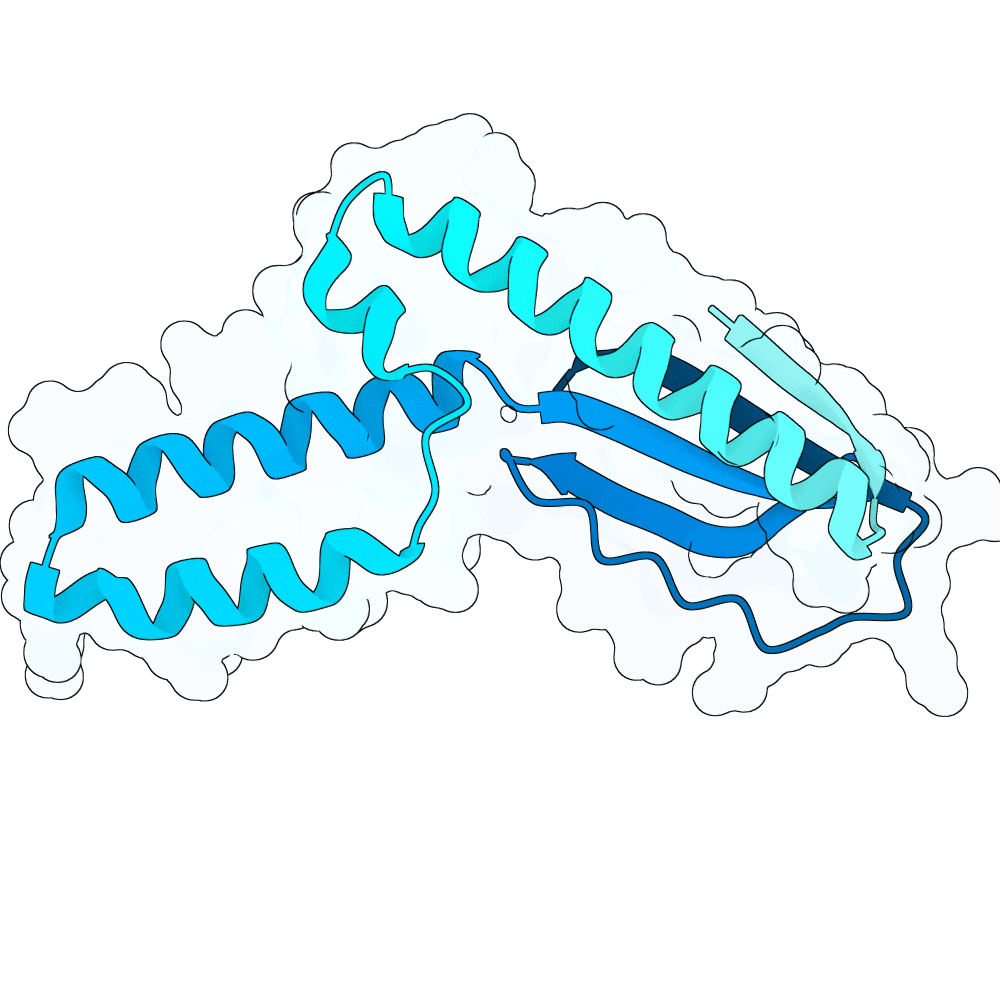
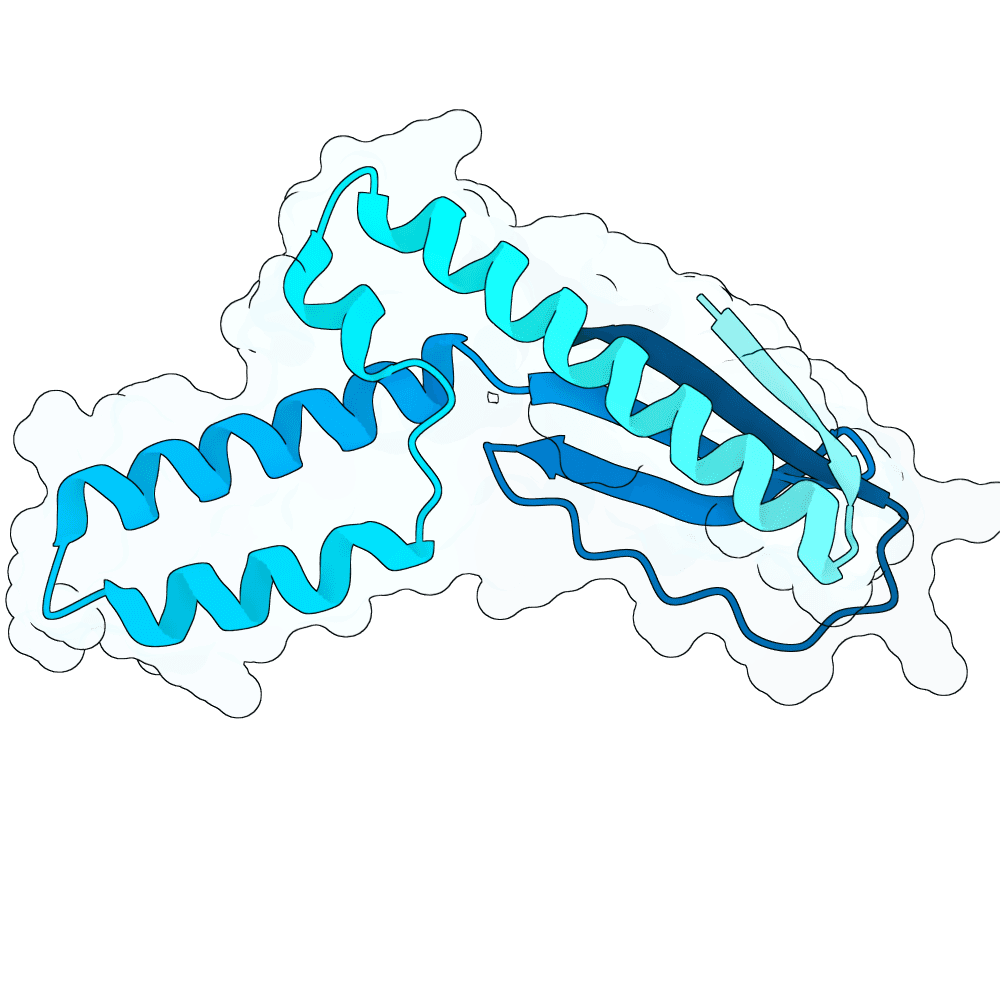
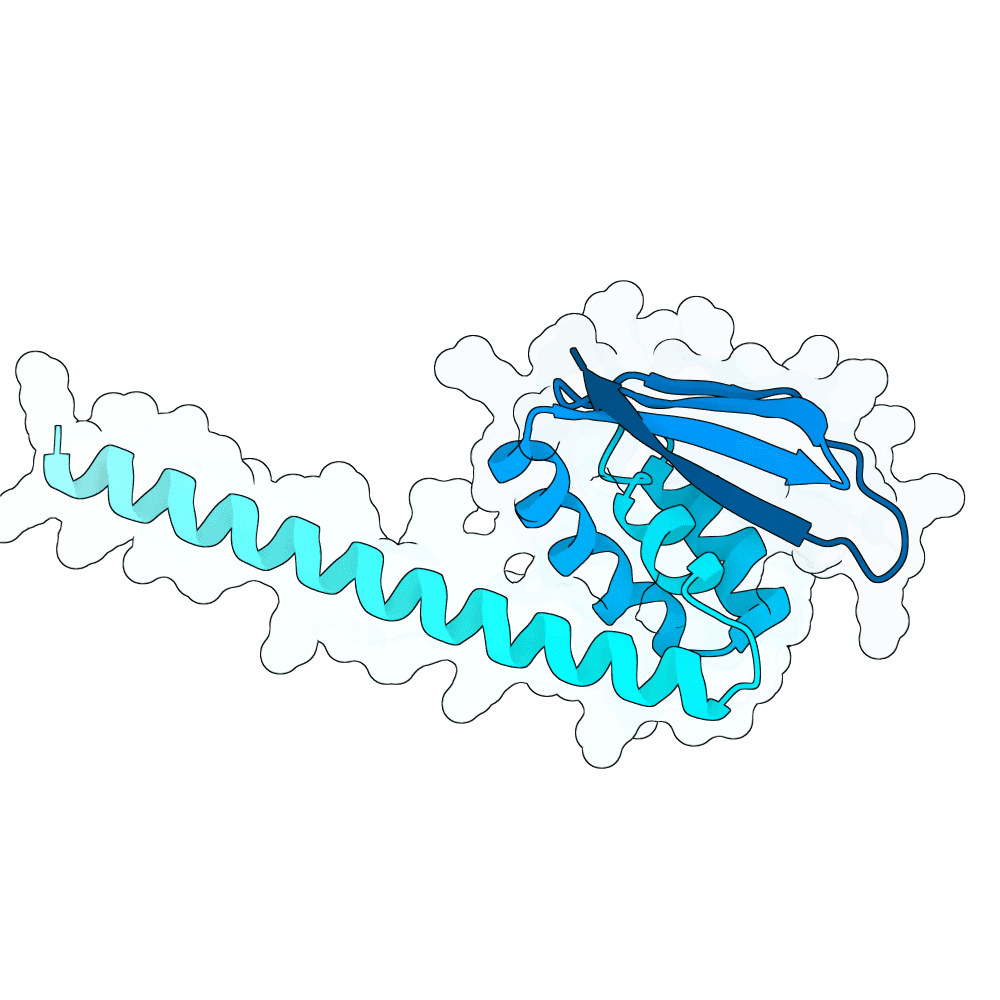
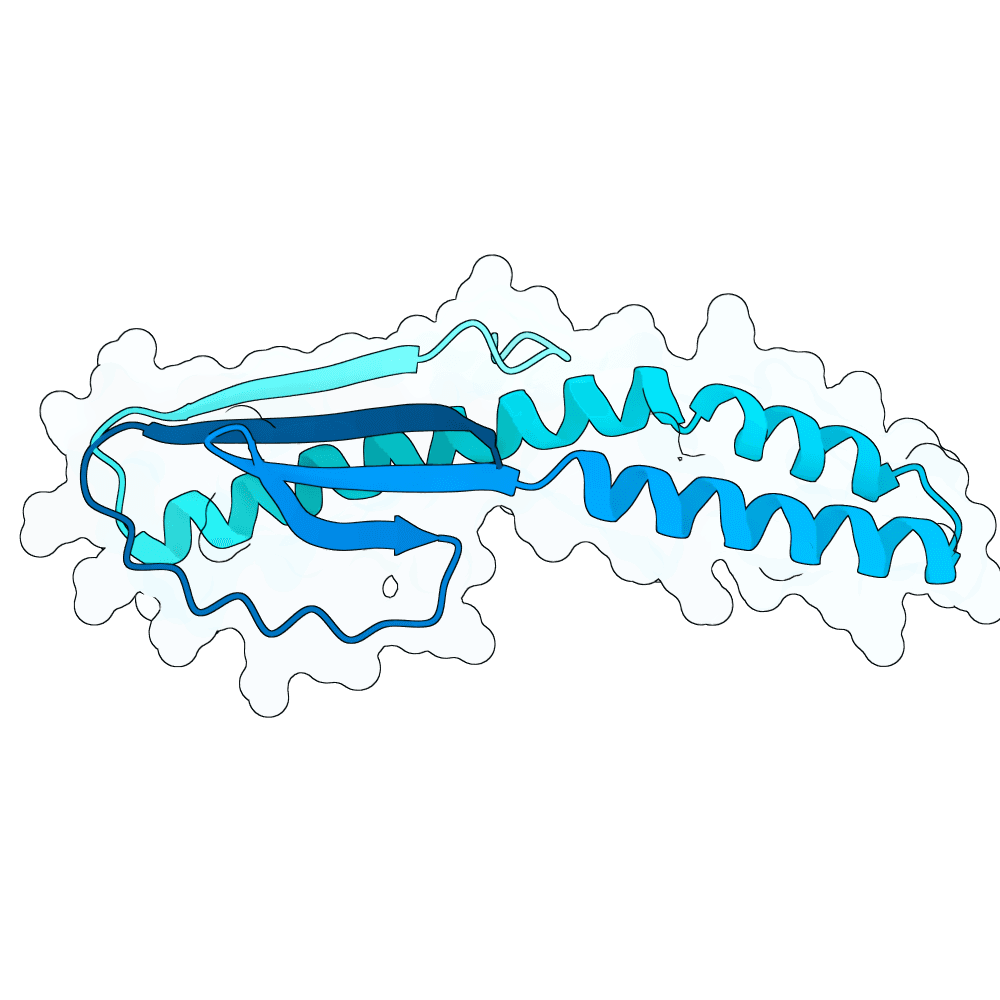
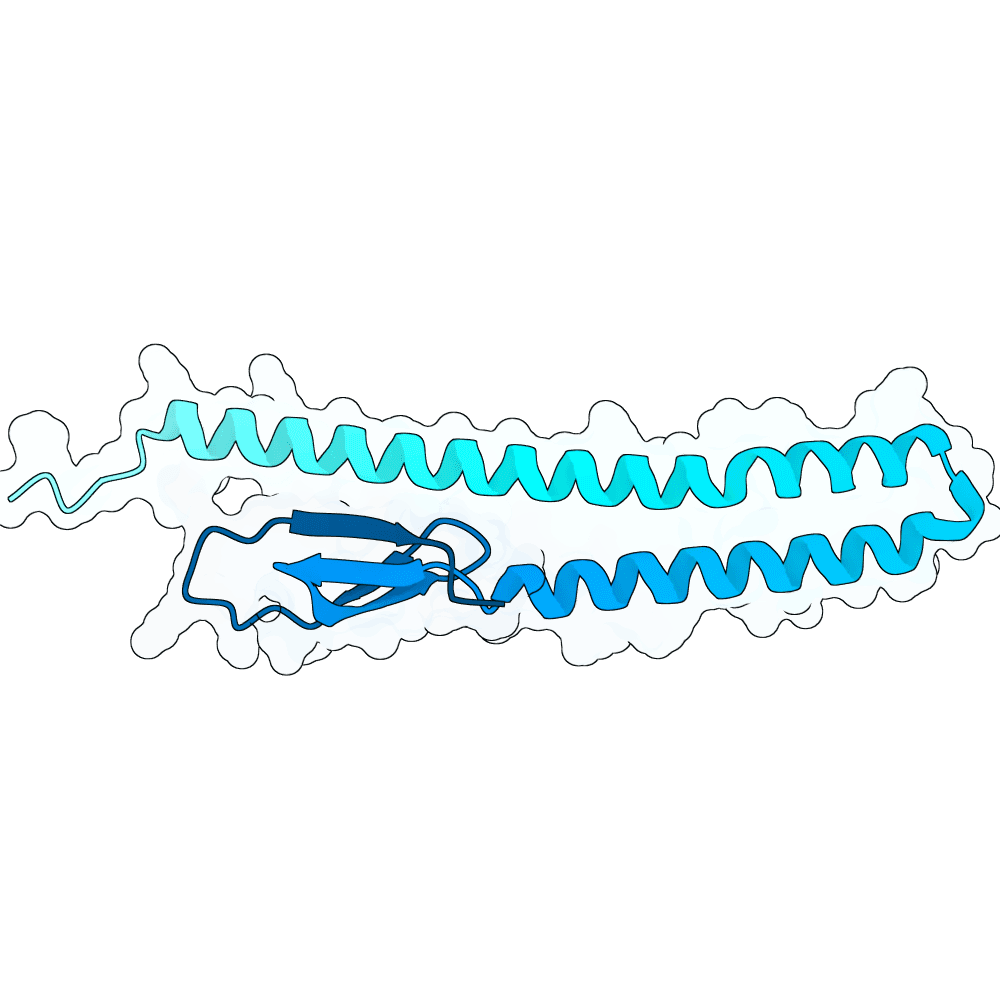
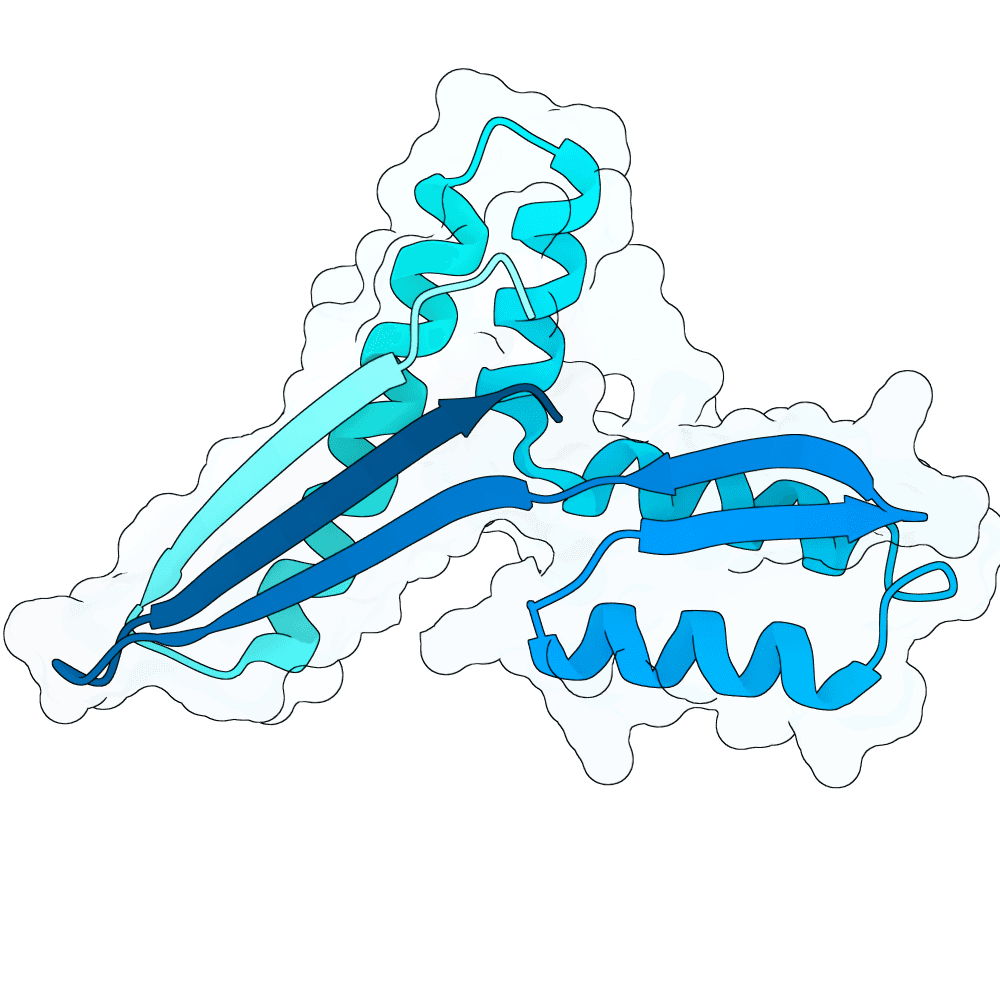
In this work, we developed a diffusion-hallucination-based pipeline to design minibinders targeting both structured and unstructured regions of RBX1. Our goal was to create a highly efficient approach leveraging Boltz2, without relying on input crystal structures, that can design at least 10 high-scoring minibinders (with the ipSAE_min score > 0.8 score) within less than 2 days on a single L4 GPU.
Methodology
To achieve this, we built an efficient backbone generator based on hallucinations produced by the Boltz2 diffusion module, in which UNK tokens are introduced into the input sequence of the generated binder. This approach is conceptually similar to the Protein Hunter method; however, we found that it leads to excessive helical content . To improve the binding propensity of the generated binders toward disordered regions of RBX1, we developed a beta-strand-conditioned approach, in which fragments of beta-strand proteins are provided as structural templates. These beta-strand template structures were drawn from a library of miniproteins designed by us for the Nipah Binder Competition.
To conduct inverse folding and assign sequences to the UNK positions, we employed ProteinMPNN, yielding ~100k candidate designs. To improve throughput, we rescored the designs using a distogram-based metric derived from running only the Boltz-2 Pairformer trunk. Using this evaluation pipeline, we rescored the unbound states of all 100,000 candidates in approximately 5 hours and selected the top 10,000 variants with favorable unbound metrics.
We applied a similar approach to obtain scores for the 10,000 variants in the bound state, narrowing the pool to ~1,000 variants with both high unbound and bound scores. These candidates were then refolded with standard Boltz2.
The structures were further optimized using a pipeline inspired by ProteinHunter, in which designs were iteratively refolded with Boltz2 and redesigned using LigandMPNN. For each sequence with ipSAE > 0.5, we performed 10 rounds of optimization. Starting from initial ipSAE values of 0.40-0.67, this protocol improved the best candidates to an ipSAE_min of up to 0.87, with 12 out of 91 candidates exceeding 0.80 after 10 rounds.
As a result of this pipeline, we selected 10 binders via diffusion-hallucination conditioned on beta-structural templates with highest ipSAE_min predicted to target both flexible and structured regions of RBX1.