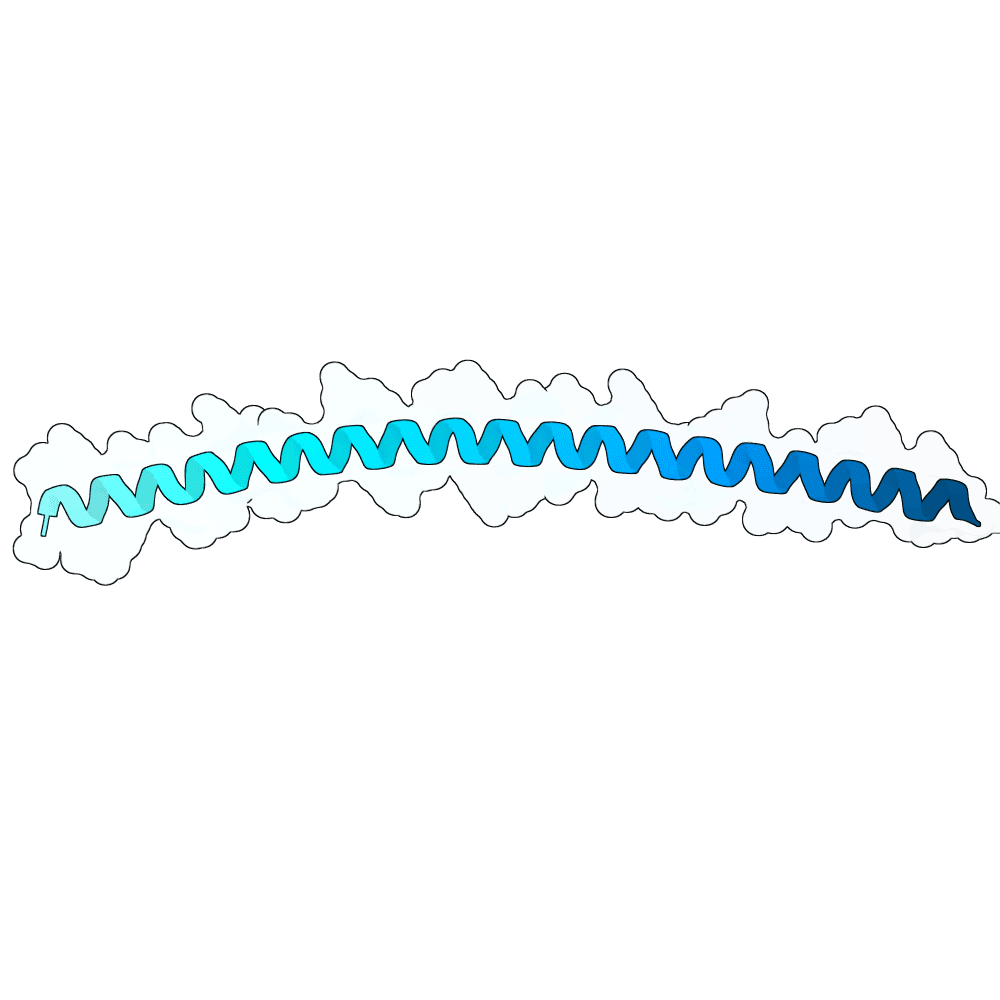
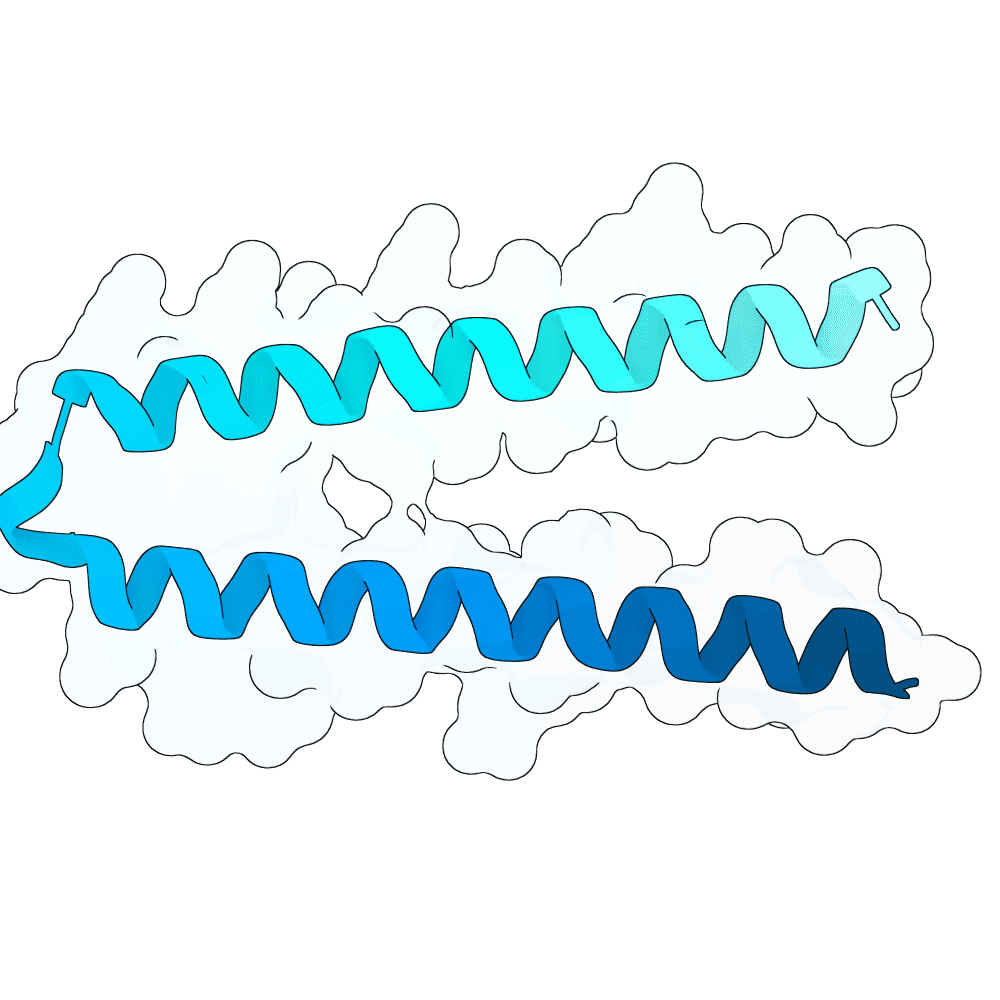
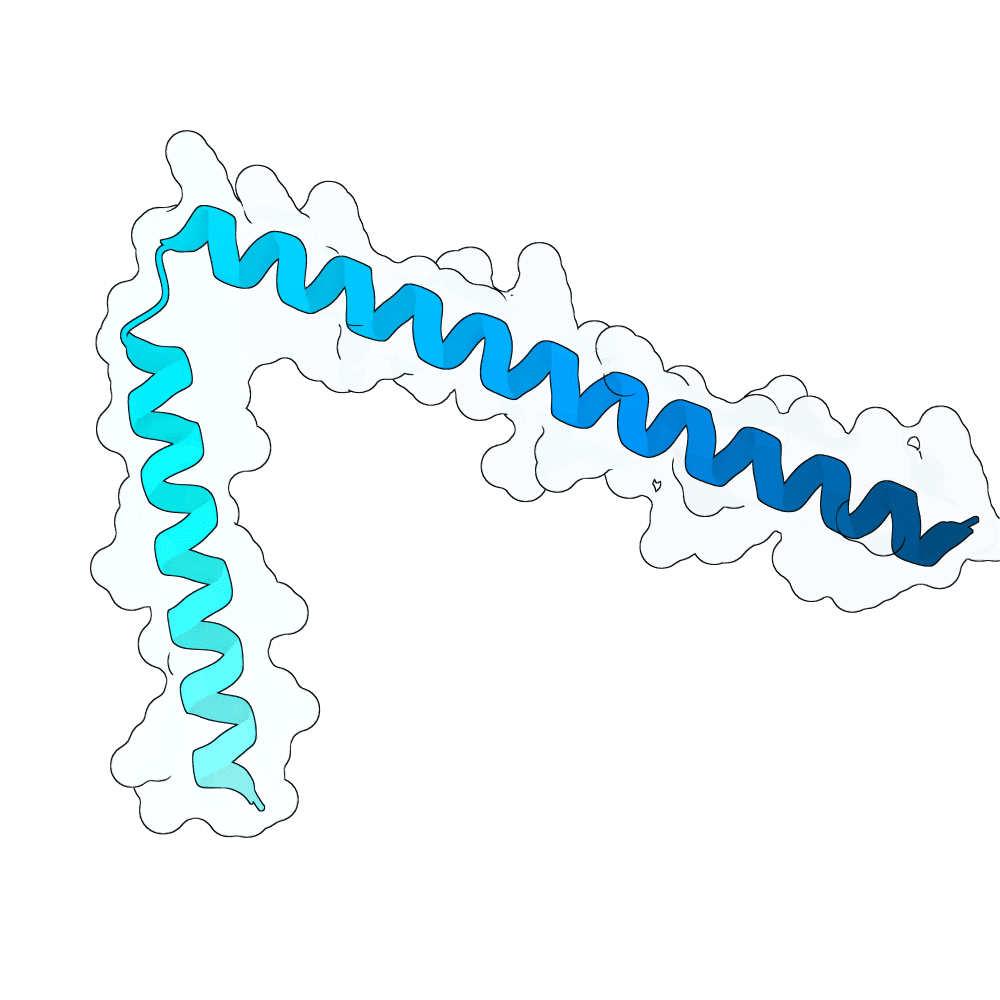
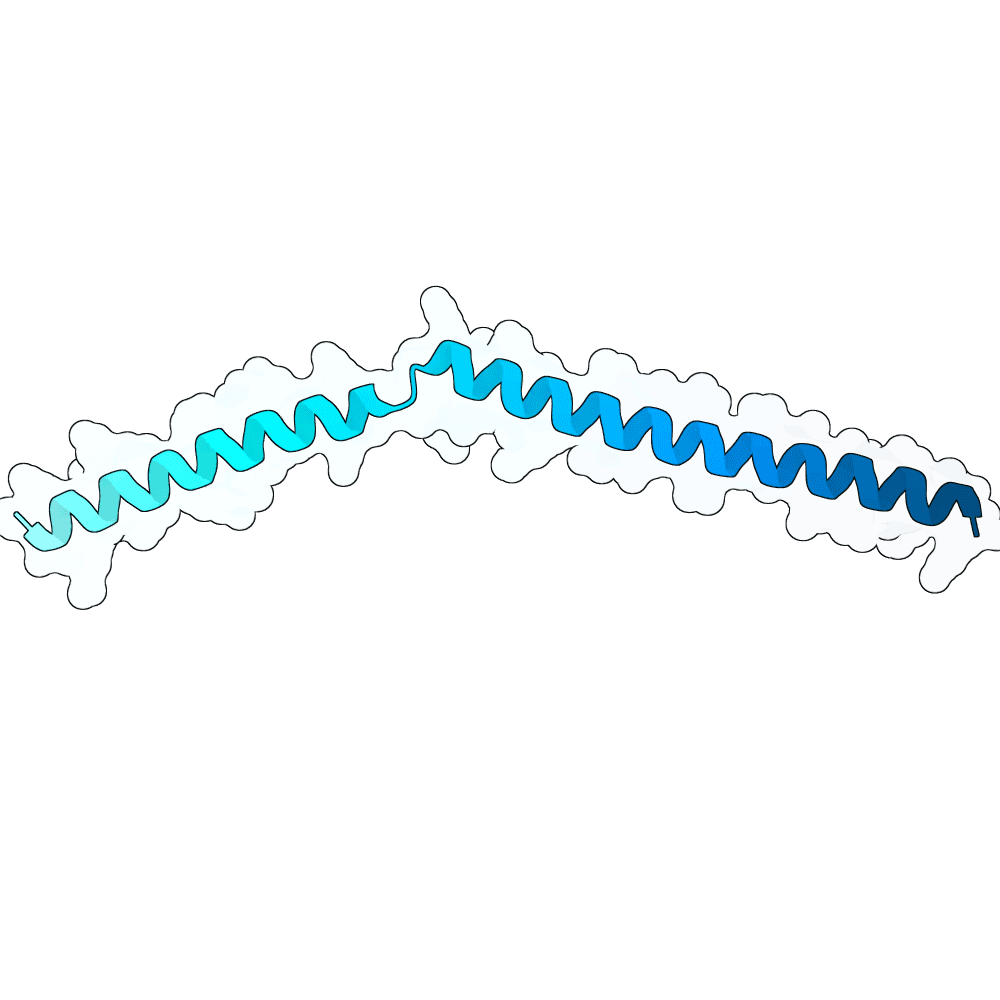
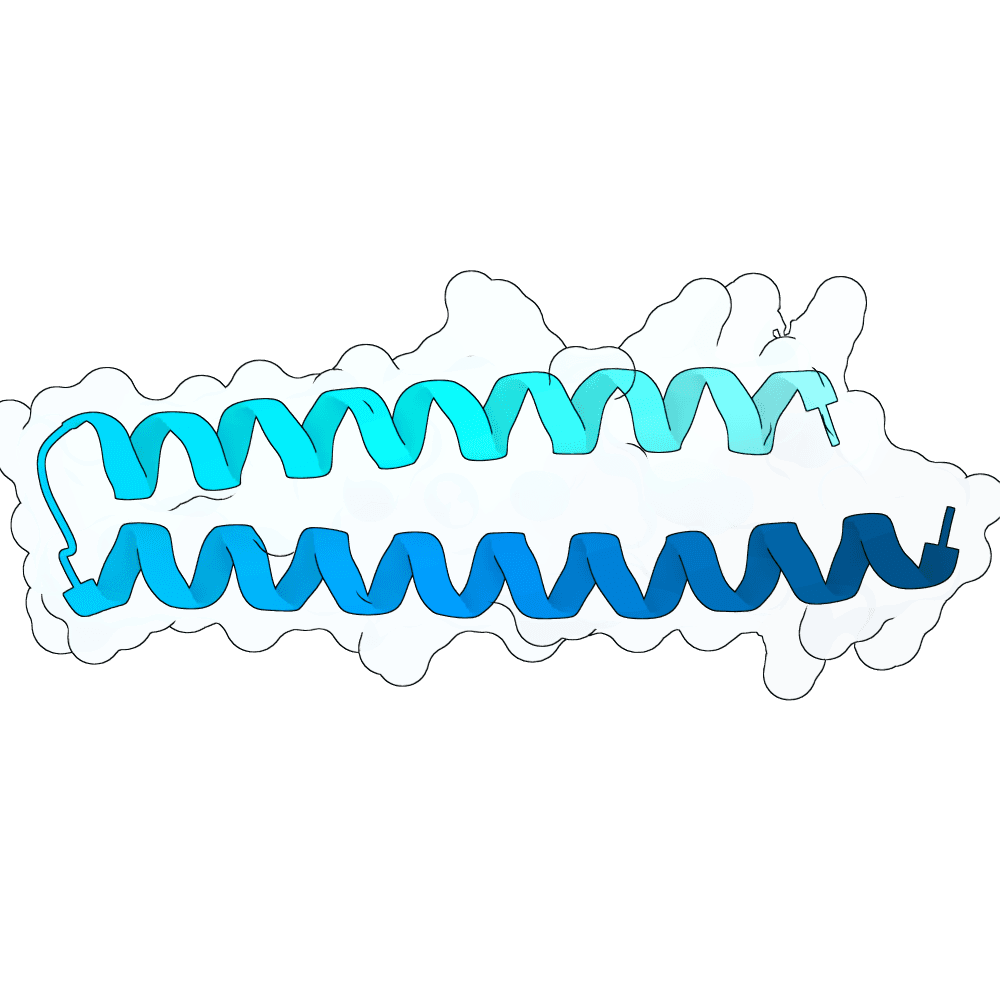
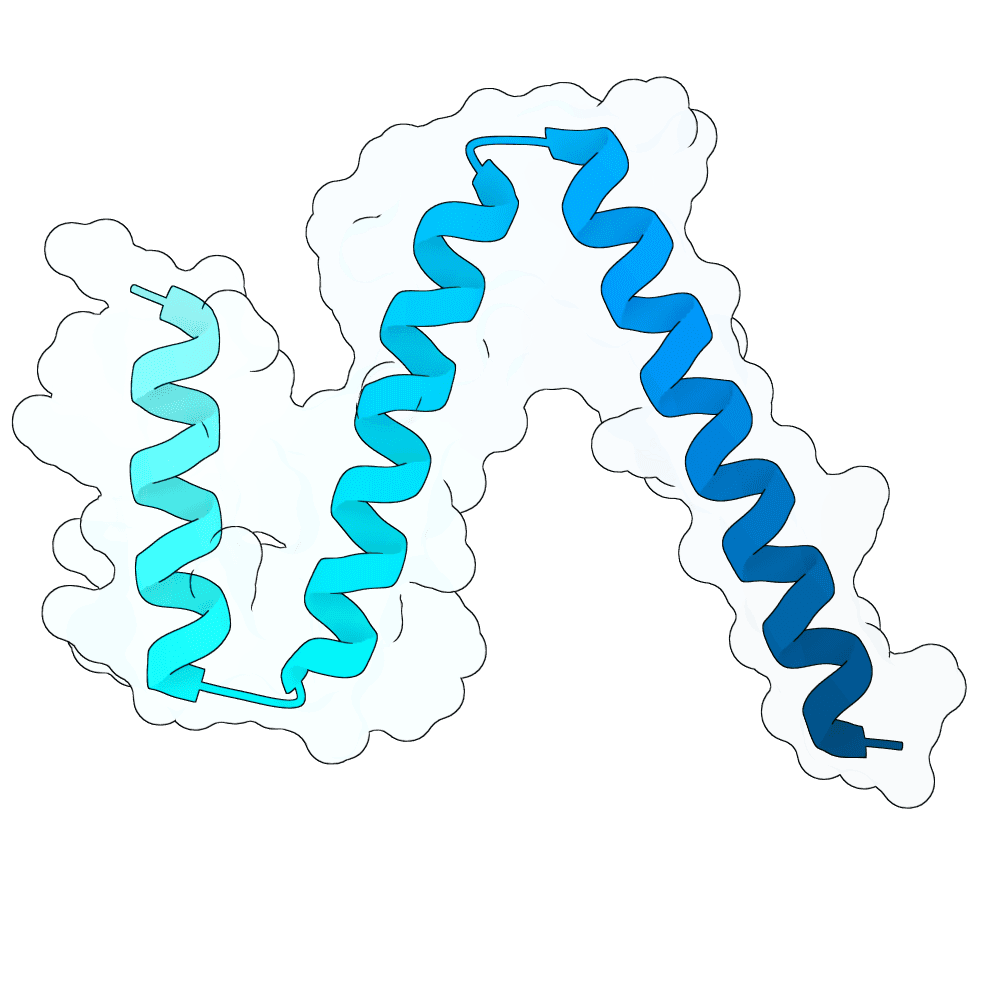
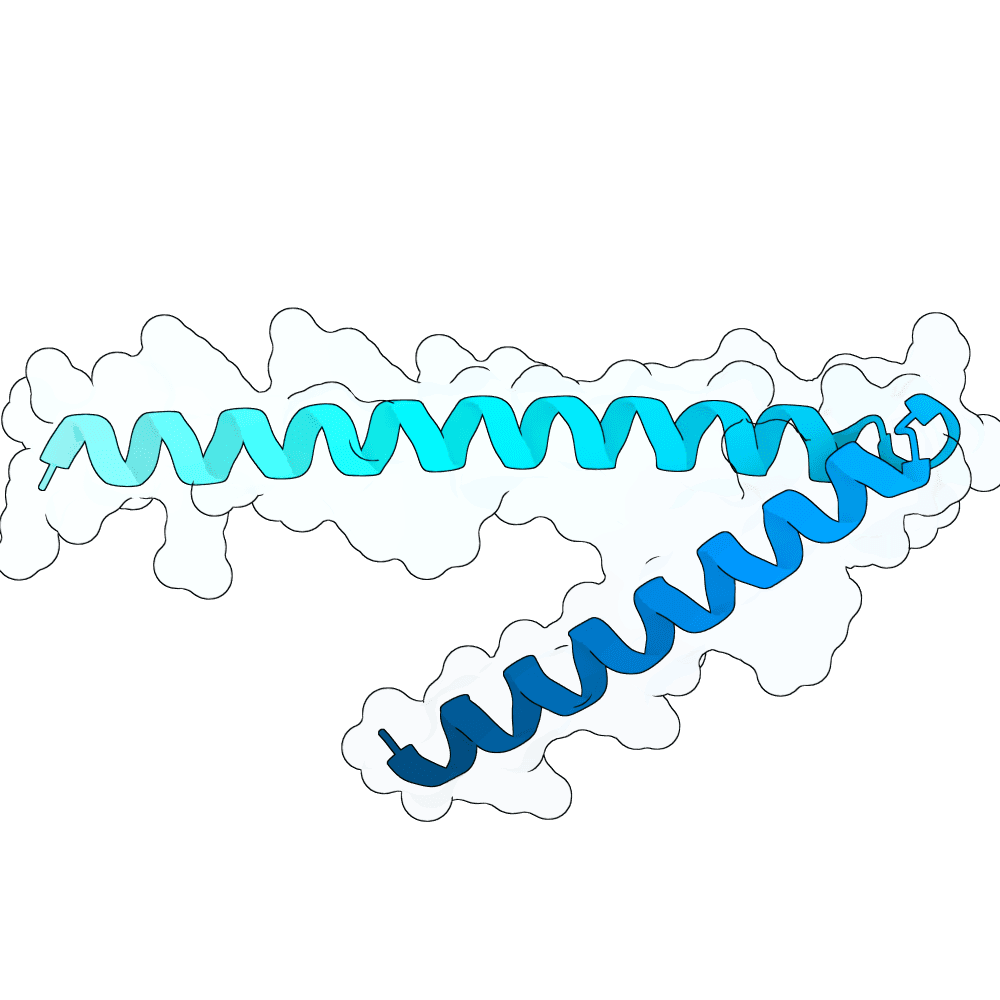
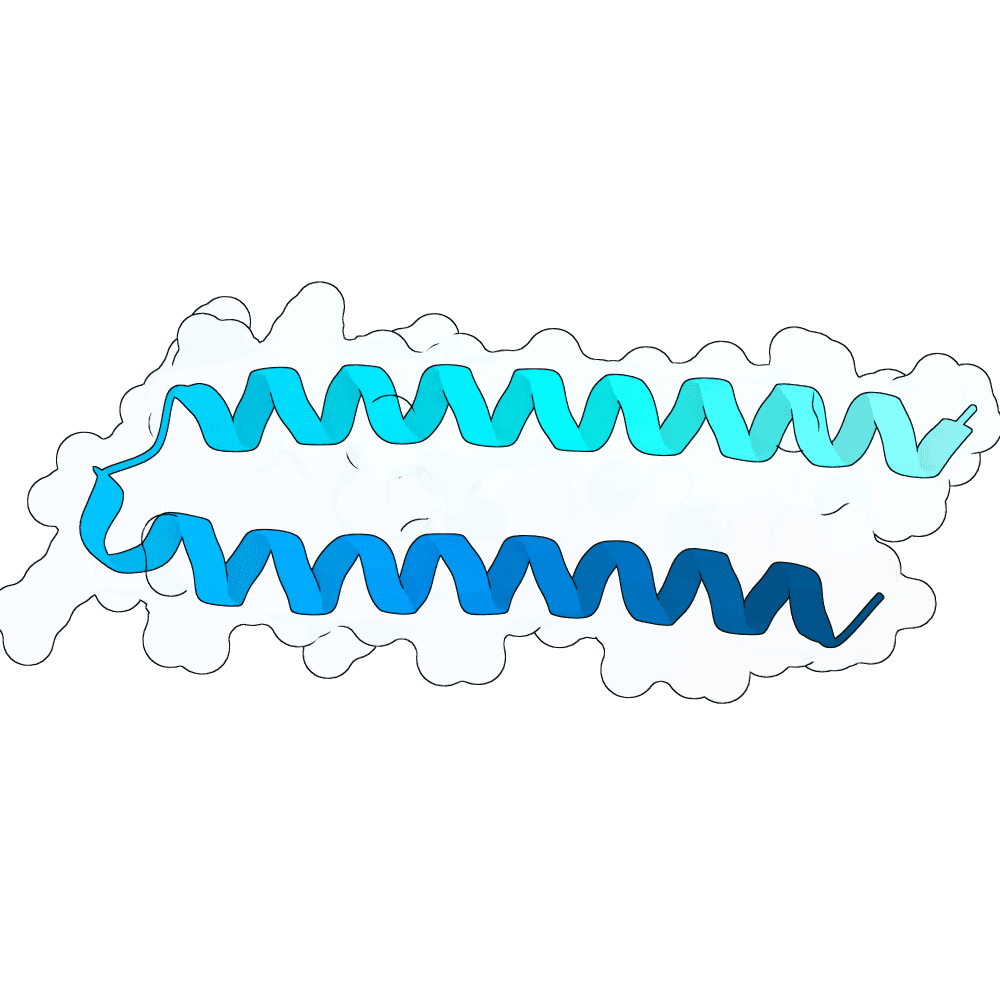
Description
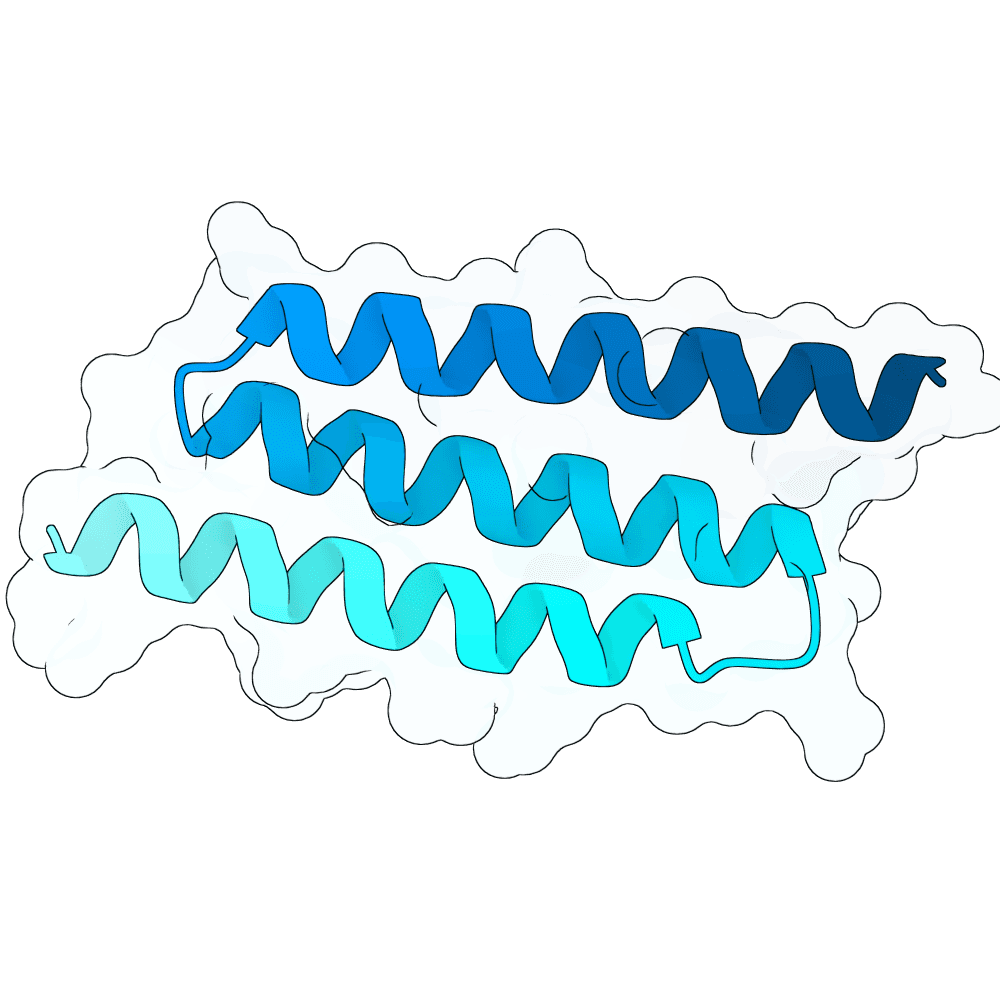
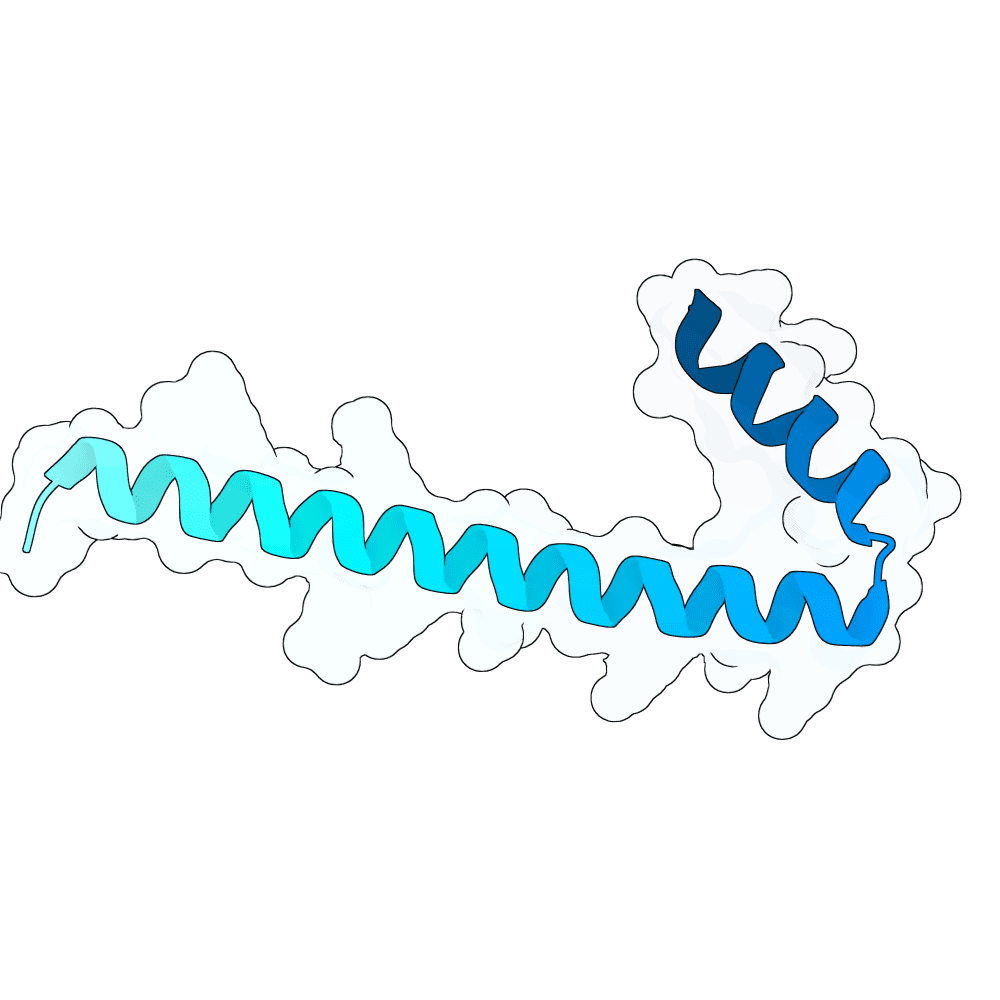
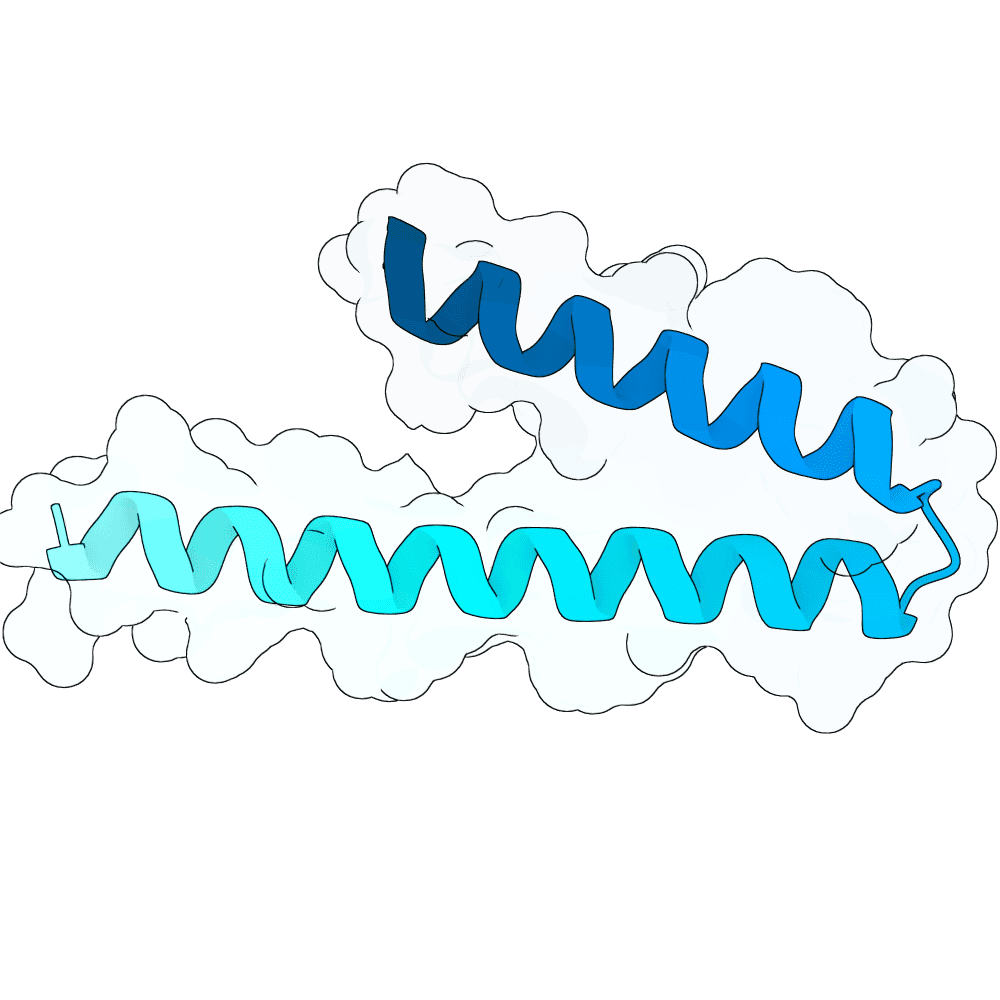
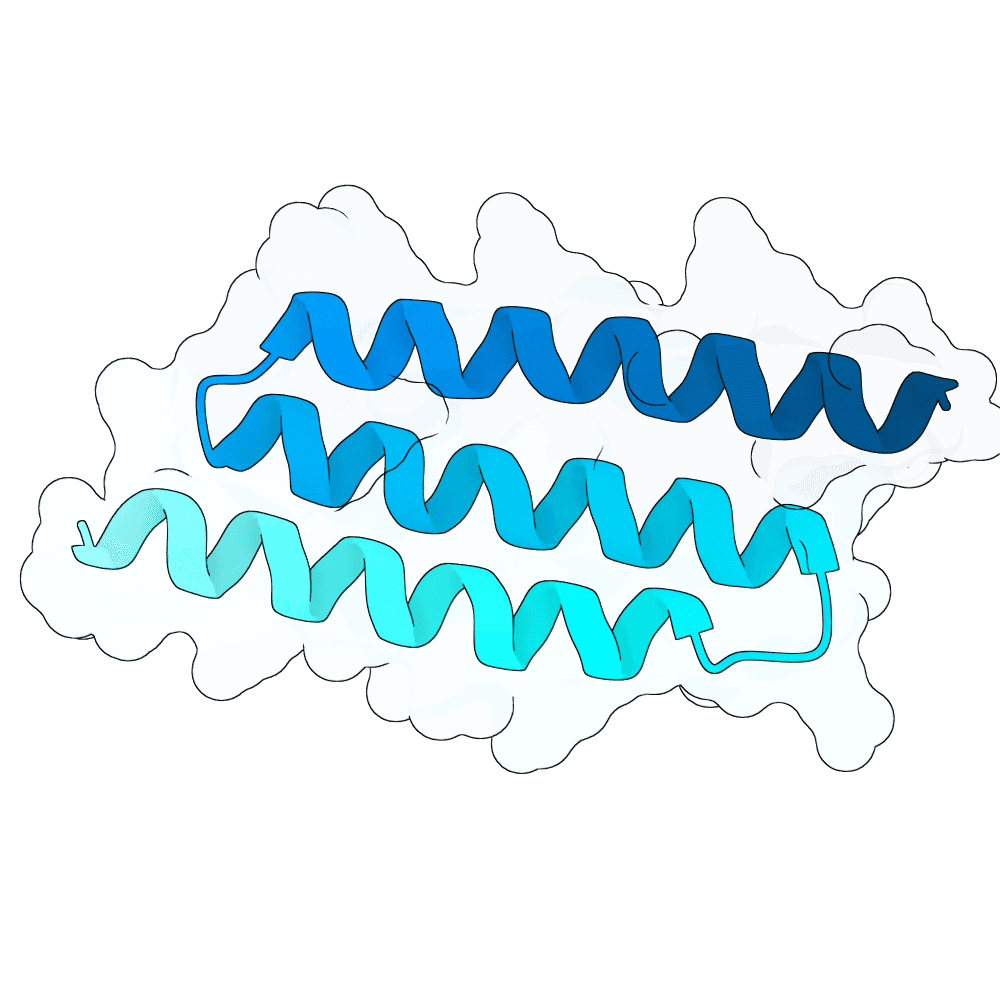
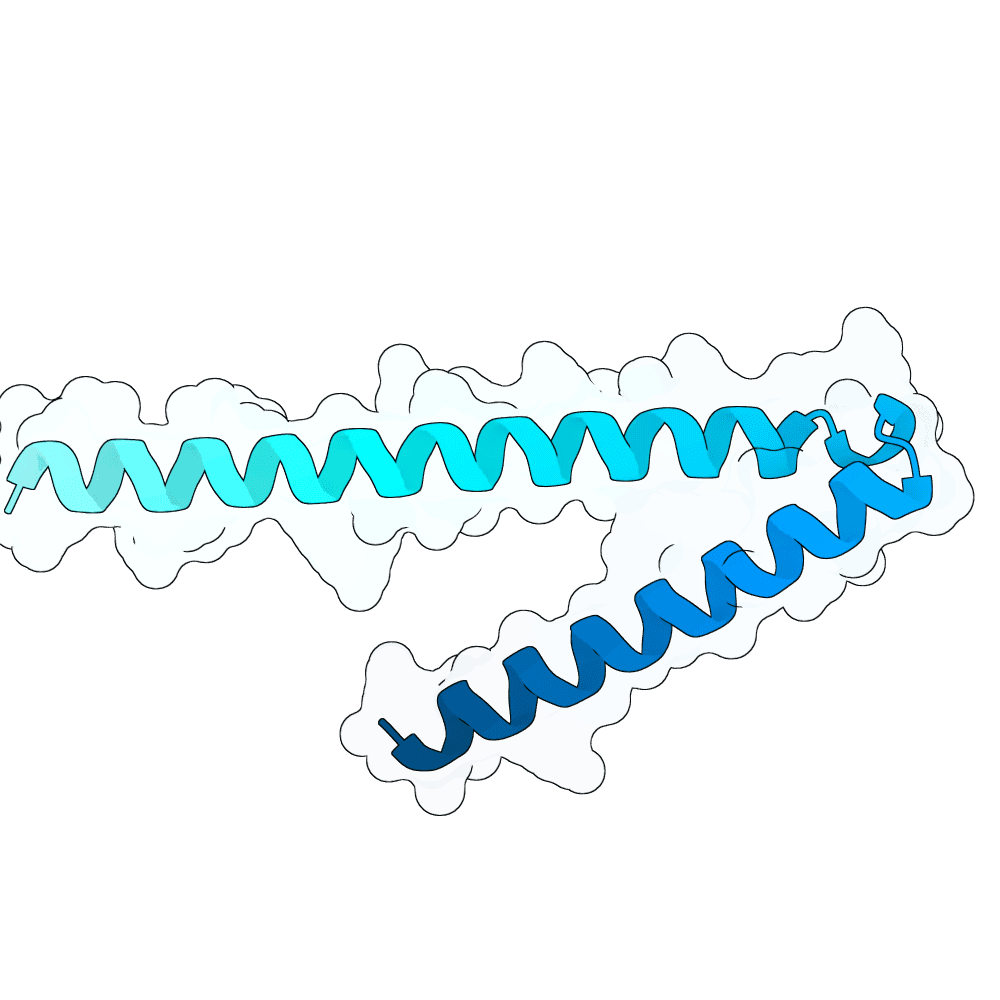
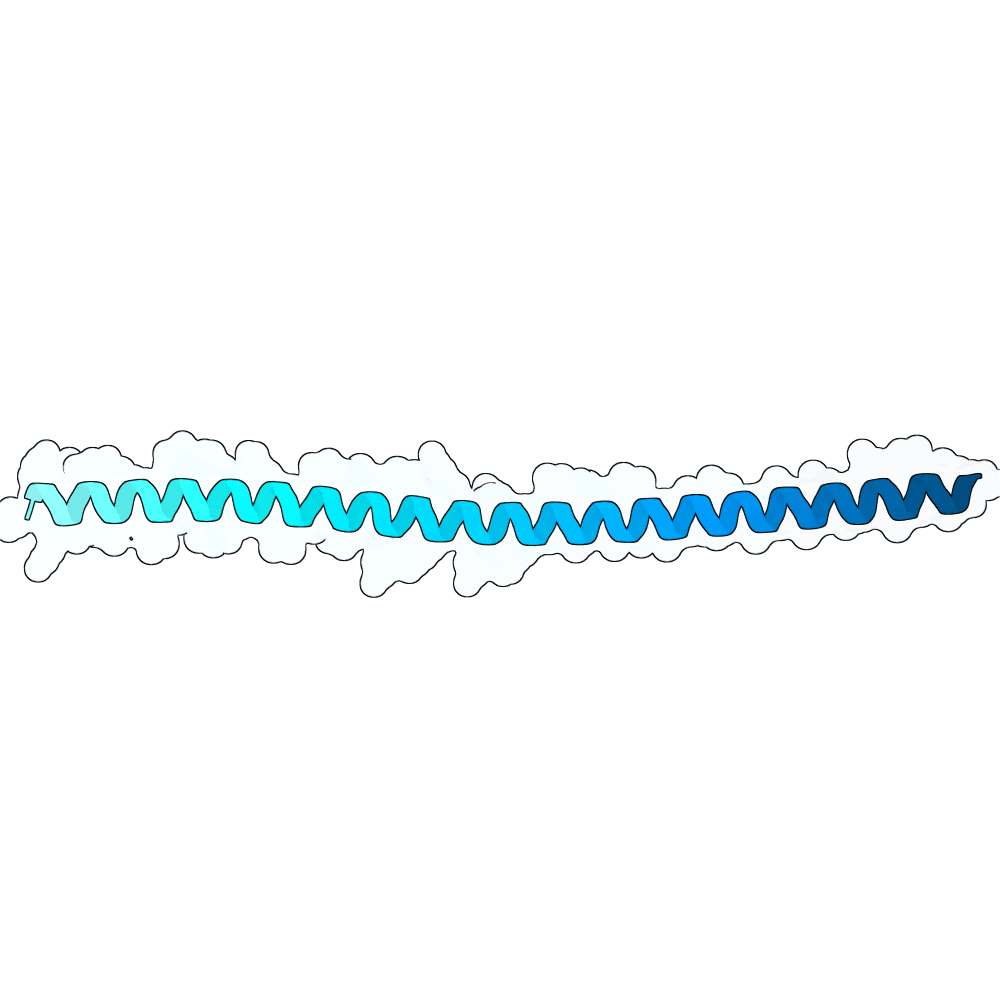
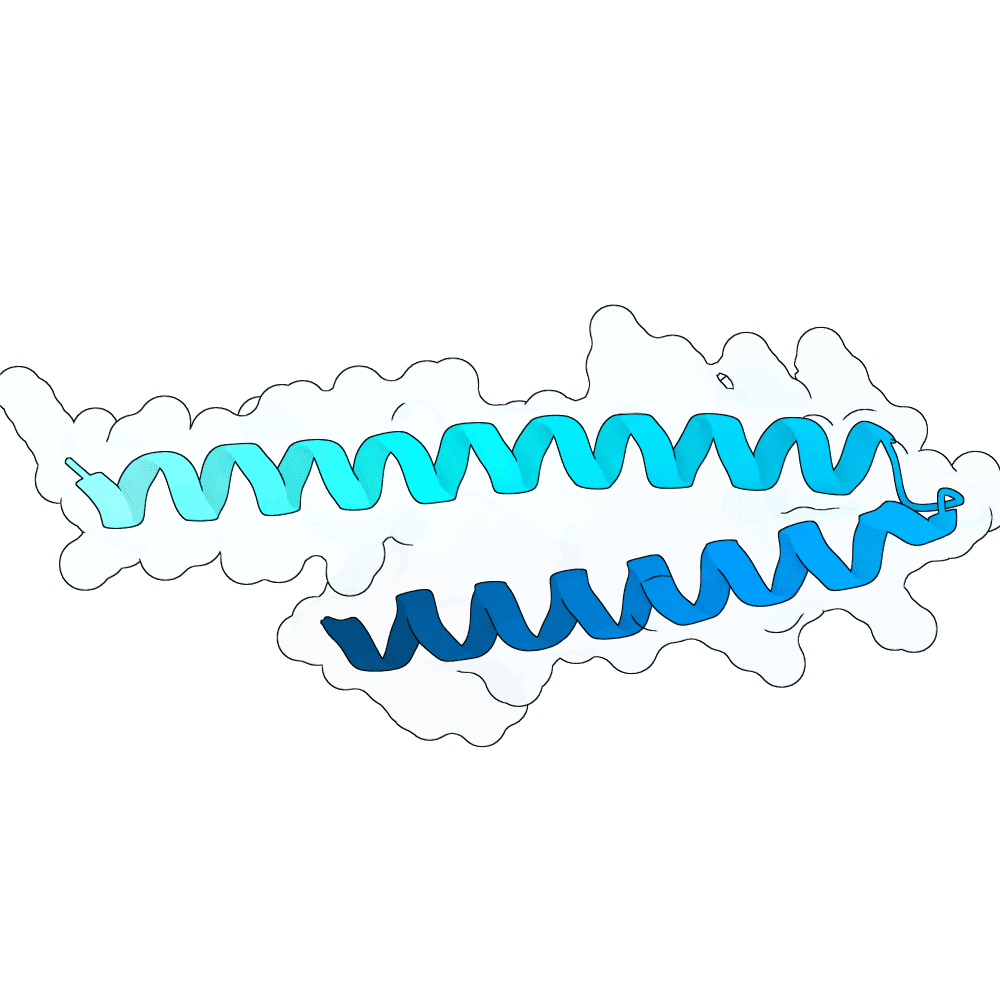
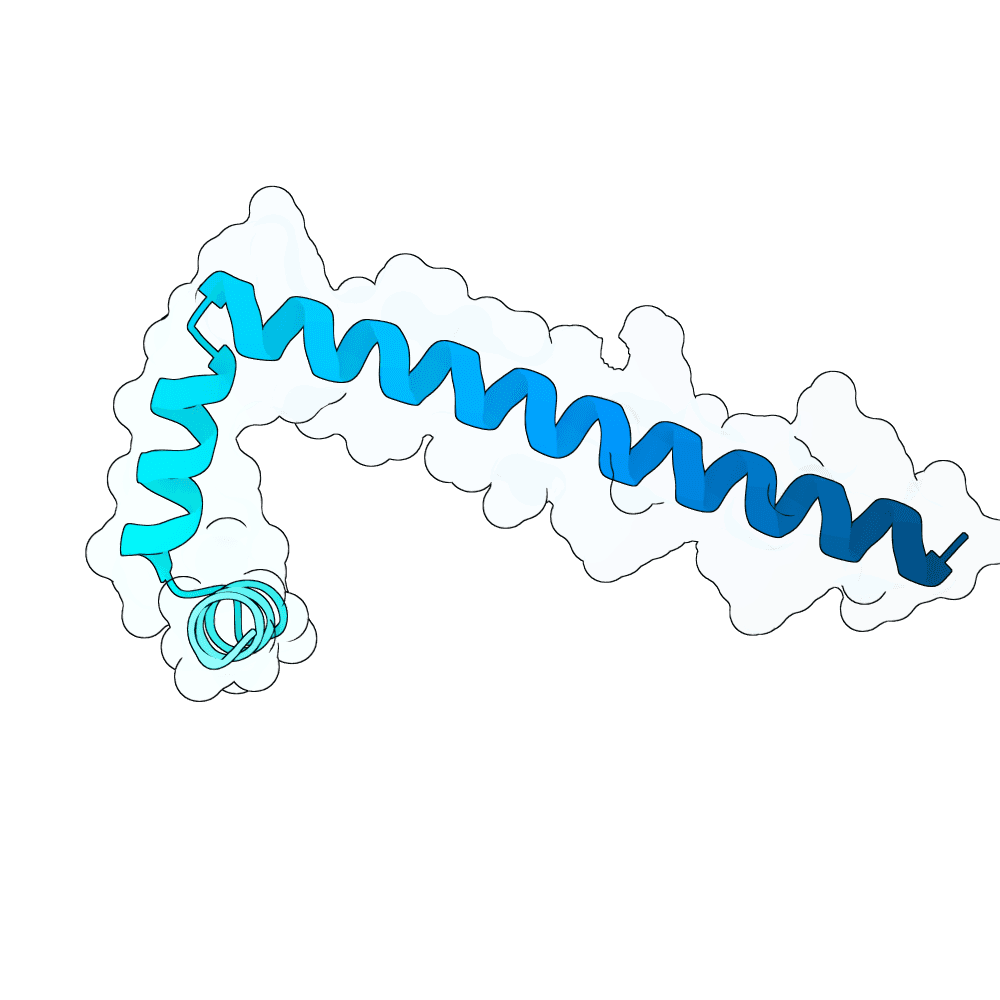
I designed de novo protein binders targeting RBX1 using a staged computational pipeline prioritising structural plausibility, interface confidence, and backbone diversity rather than maximising submission size.
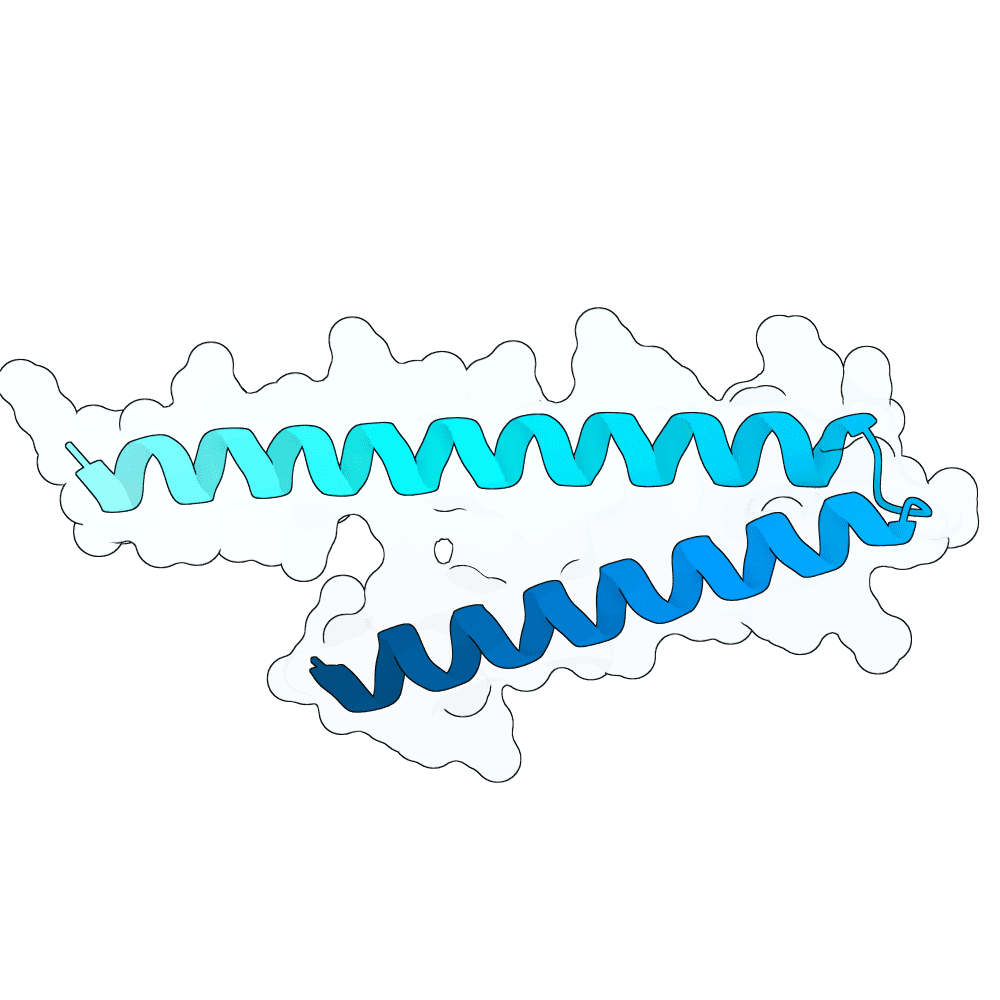
Backbone generation was performed using RFdiffusion with hotspot conditioning on the RBX1–CUL1 interface derived from the RBX1-containing complex (PDB: 1LDJ). This produced compact helical scaffolds positioned to engage the RBX1 surface. I then performed sequence design using ProteinMPNN with three sampling temperatures (0.1, 0.2, 0.3) and five sequences per temperature to generate diverse sequence realisations for each backbone.
Generated sequences were filtered using explicit biophysical heuristics to remove degenerate designs while retaining helically consistent binders. These included constraints on single-amino acid dominance, positively charged residue fraction (R+K), aromatic residue fraction (F+W+Y), net charge magnitude, and proline fraction. These filters were calibrated to avoid pathological sequences while allowing the amino acid biases expected from helical backbone designs.
I screened monomer structures using ESMFold and retained candidates with high predicted confidence (mean pLDDT > 75) to ensure foldability prior to interface evaluation.
Interface evaluation was performed using Boltz-2. I prioritised candidates primarily by pair_iptm_AB as a proxy for interface confidence, with monomer pLDDT and structural stability upon binding (ΔpLDDT between monomer and complex) used as secondary criteria. Designs showing a strong interface signal with limited structural degradation upon complex formation were prioritised.
This submission consists of 25 sequences spanning 18 distinct backbones. I intentionally did not fill the 100-sequence quota, instead selecting only candidates that consistently passed all computational stages. Sequence lengths range from approximately 55–76 amino acids.
I treated ESMFold and Boltz-2 outputs as model-based prioritisation metrics rather than direct predictors of experimental binding affinity. The goal of this pipeline was to maximise the likelihood of structurally well-formed binders engaging RBX1 while maintaining backbone-level diversity.
All designs are de novo at the backbone level. I did not perform an explicit sequence-similarity screen against UniRef50; novelty is therefore defined structurally rather than sequence-homology verified.