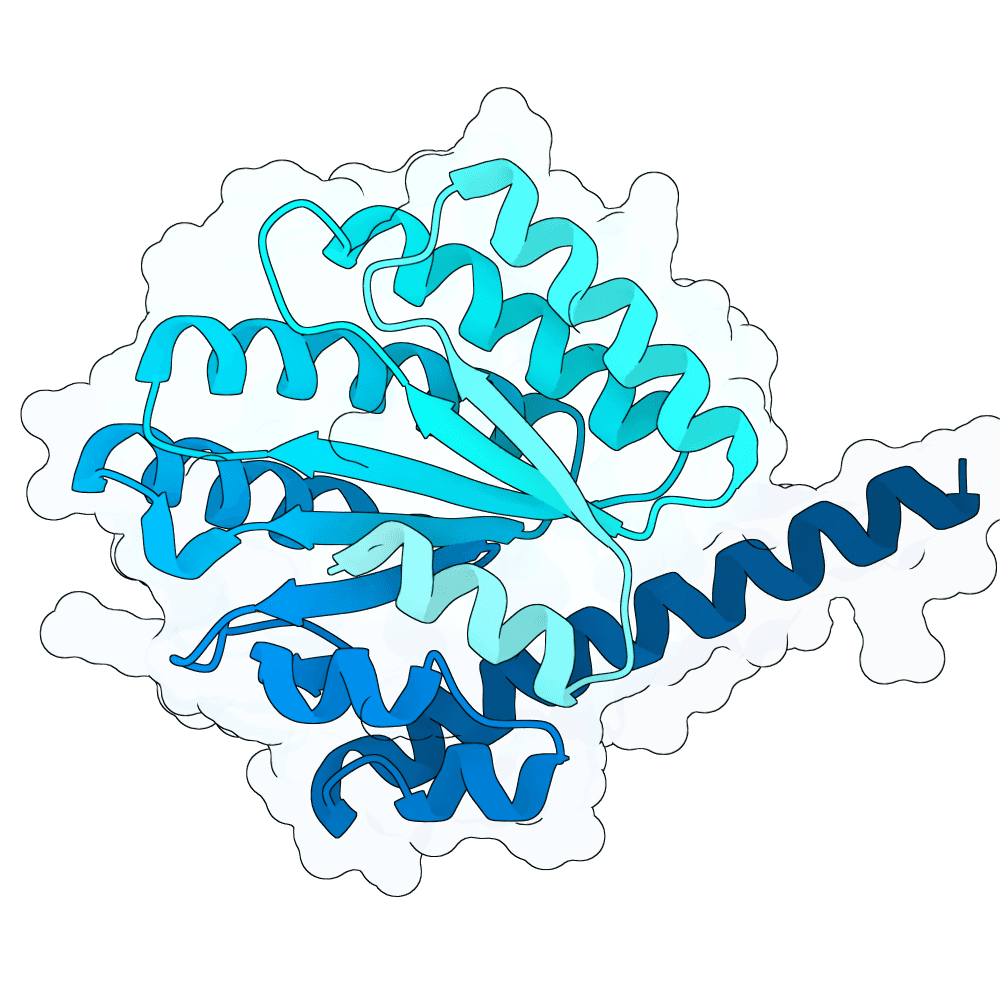
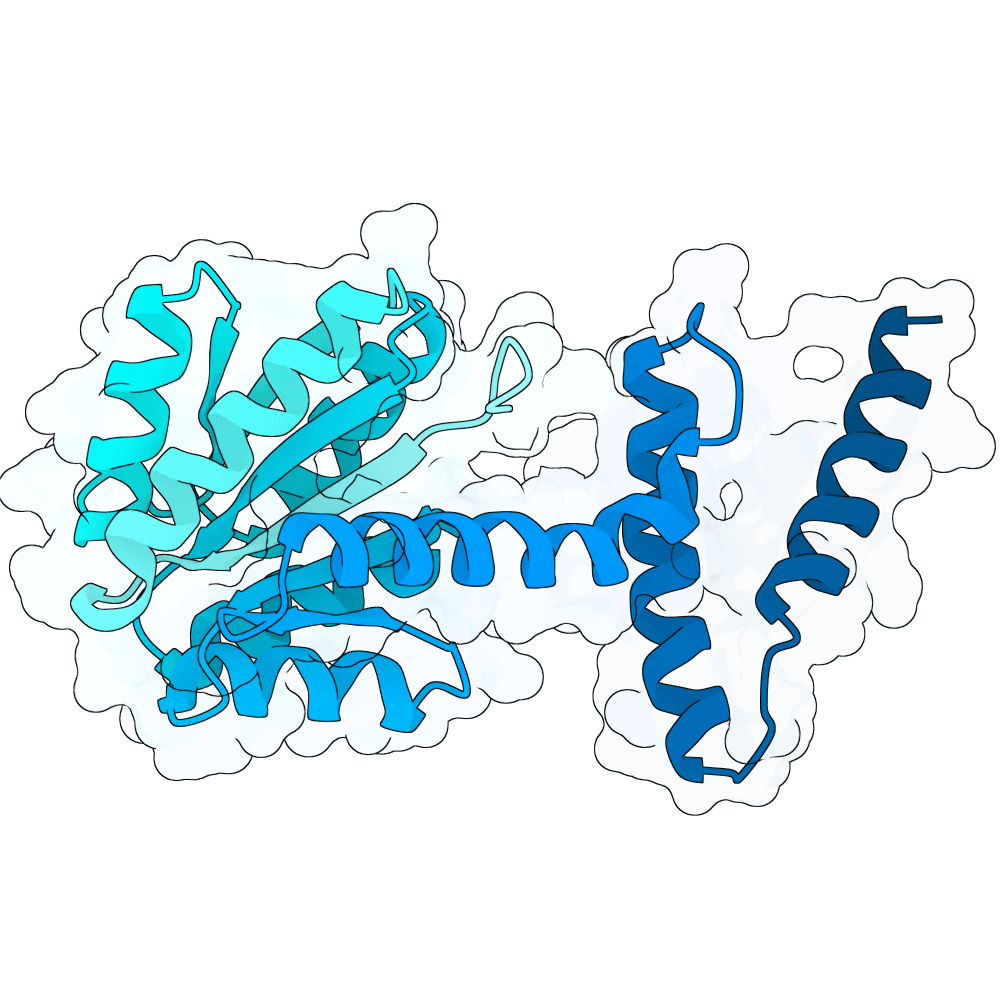
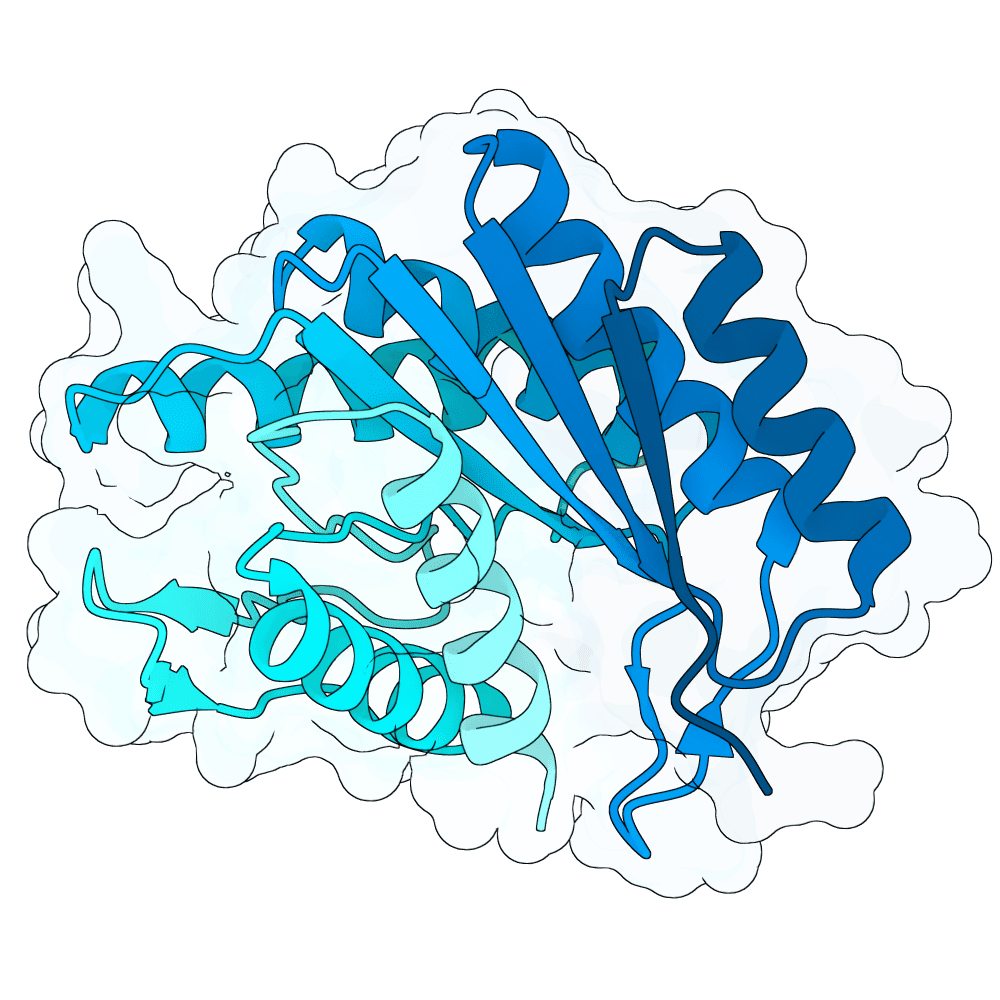
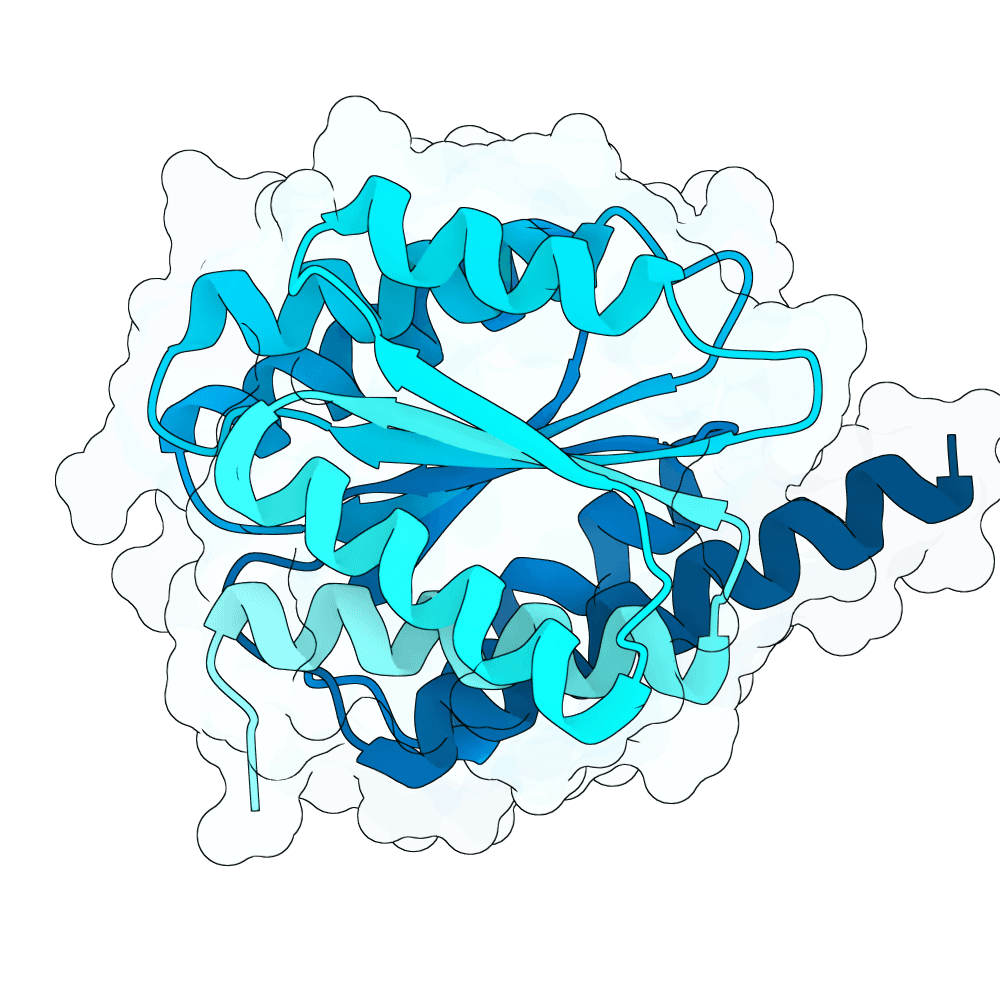
Description
RBX1 Binder Design — Method Description
I. RBX1 Structure Preparation
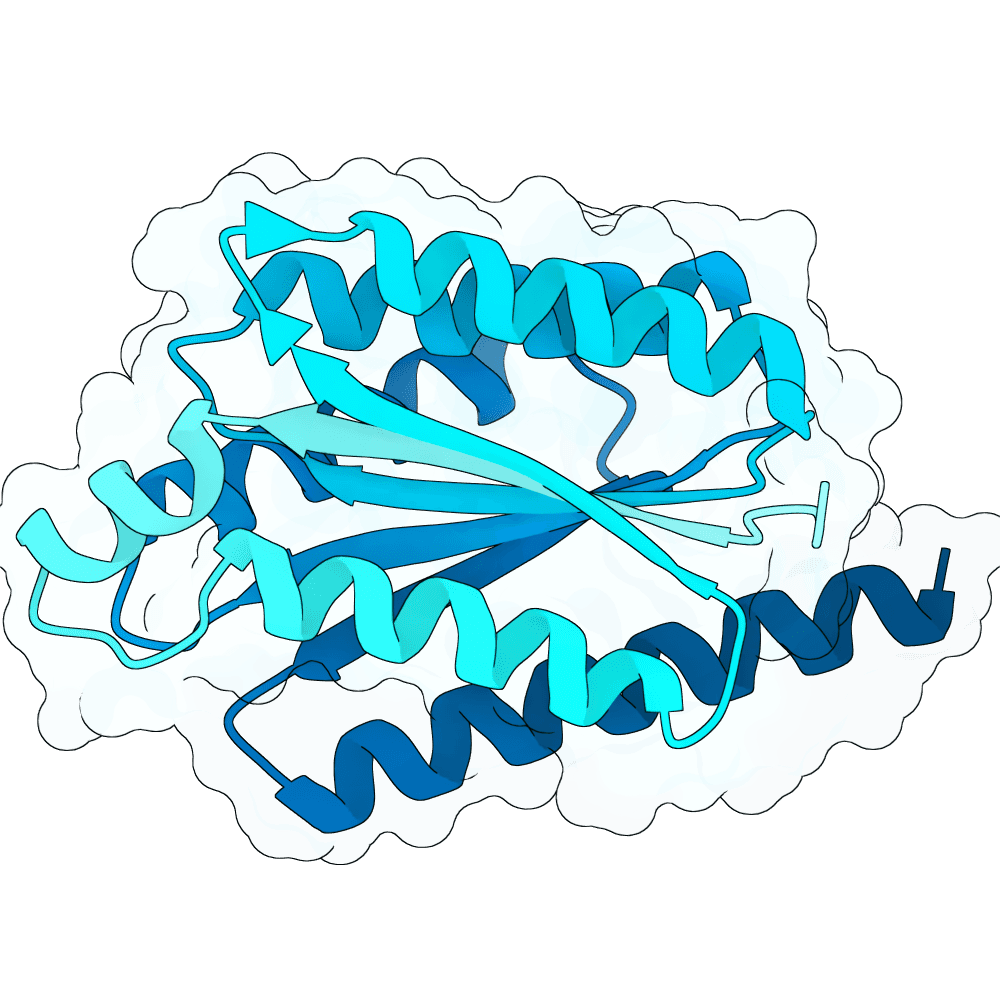
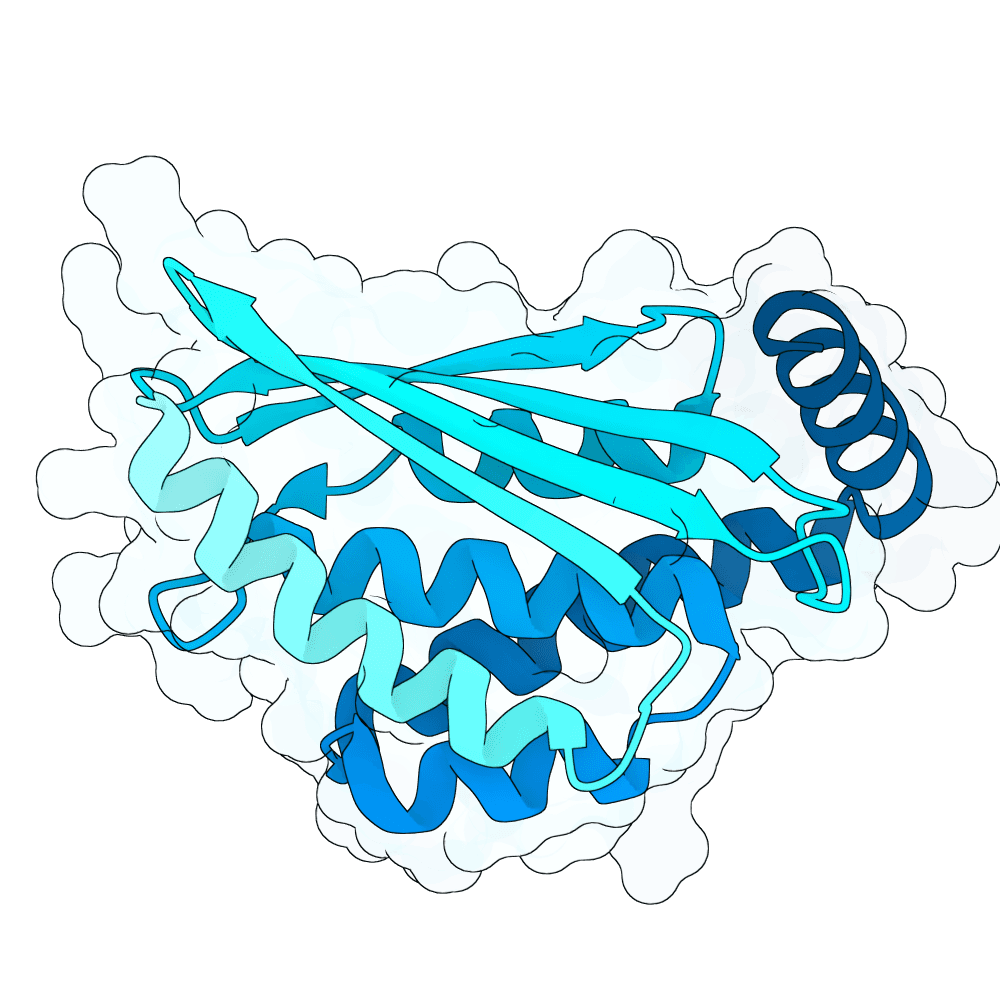
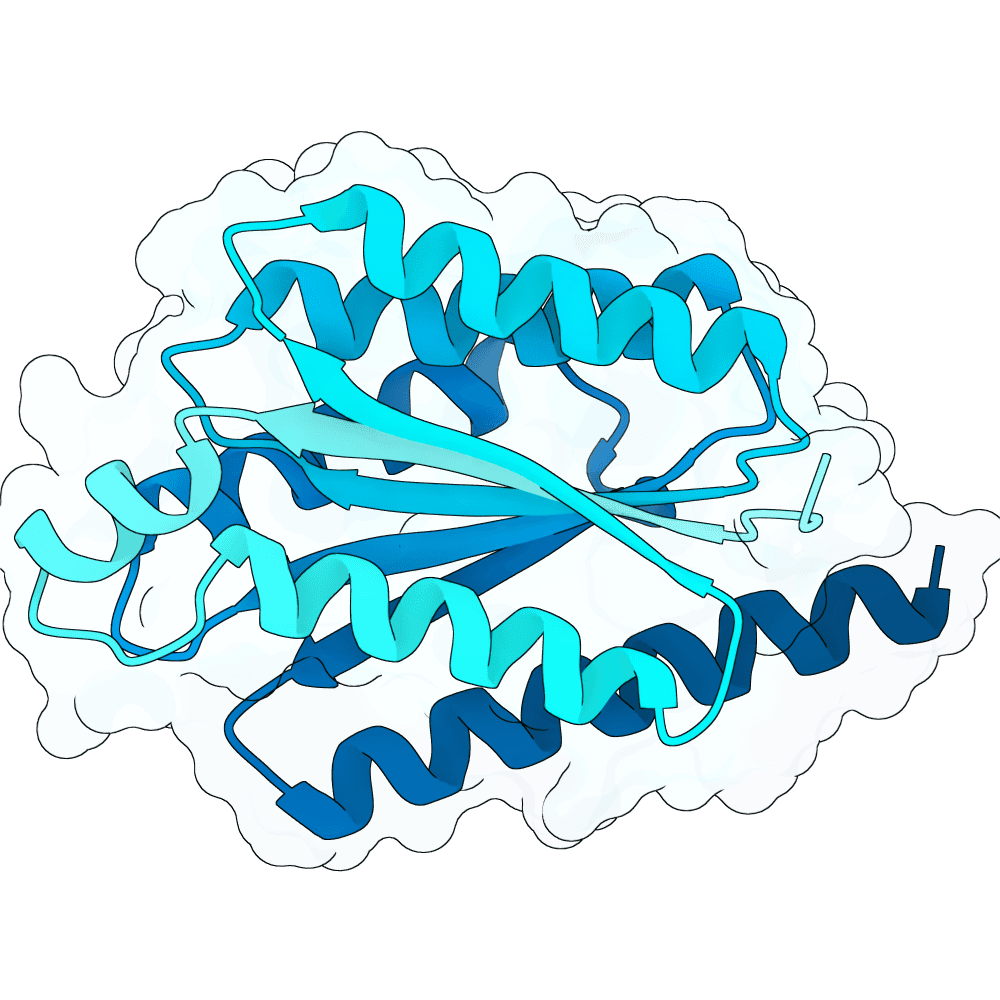
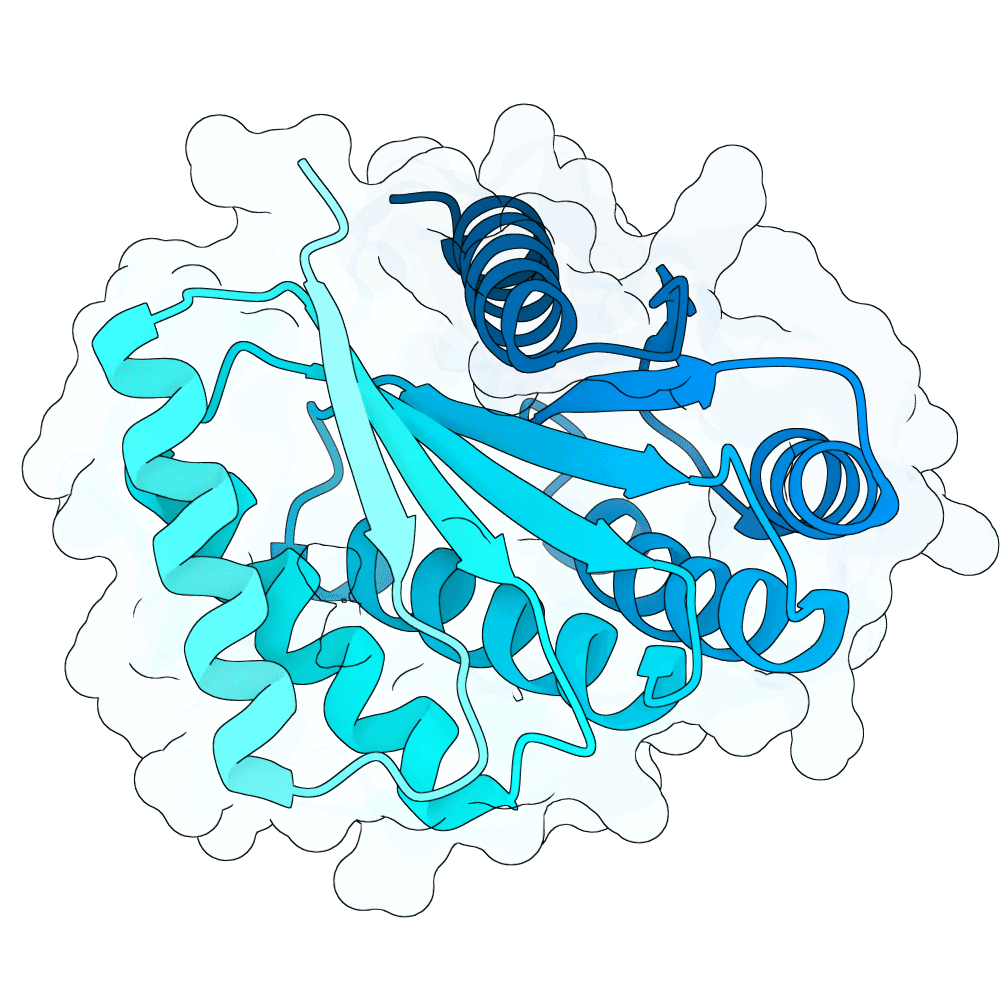
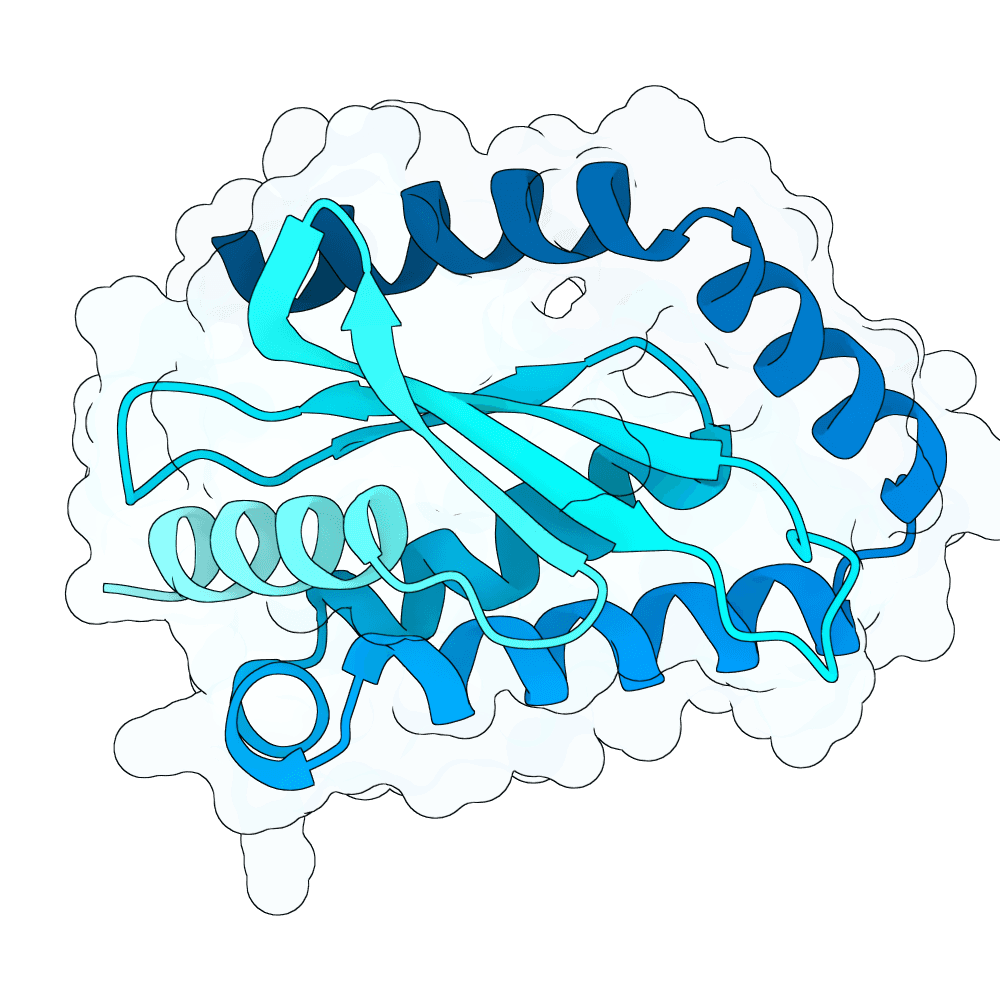
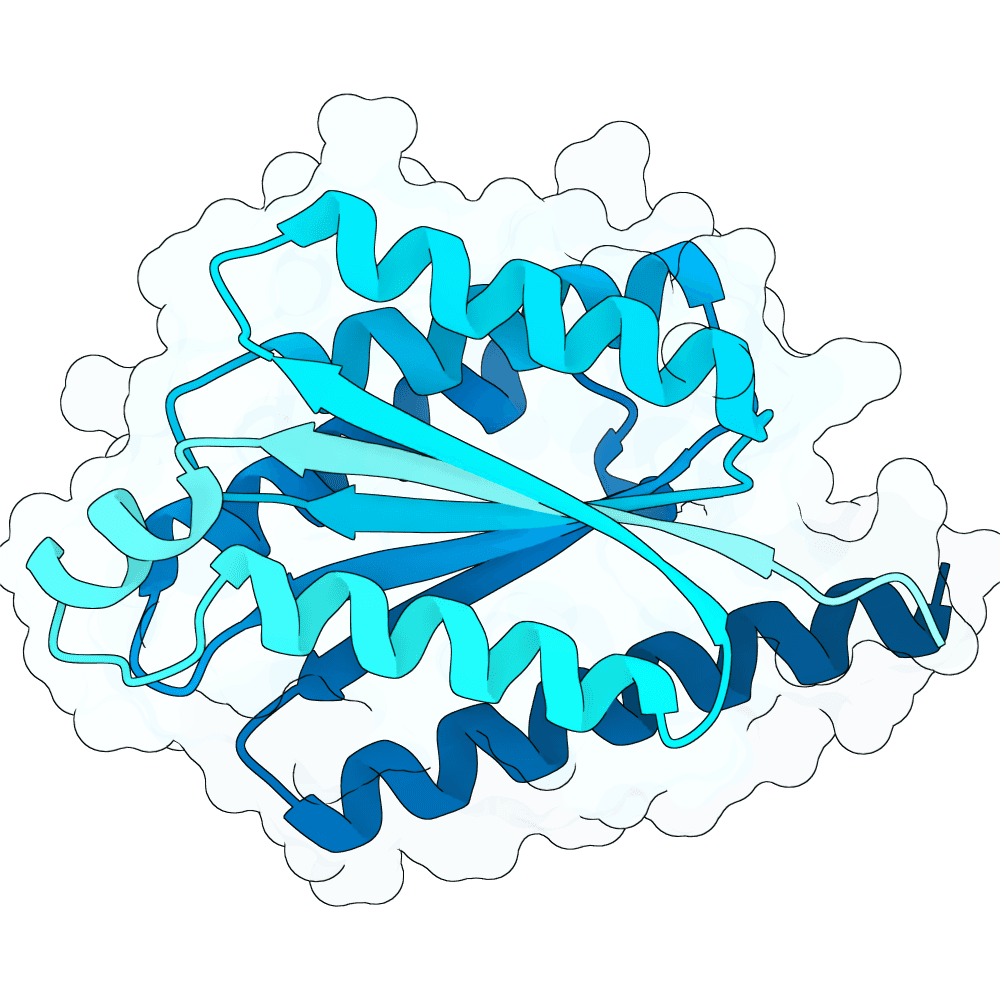
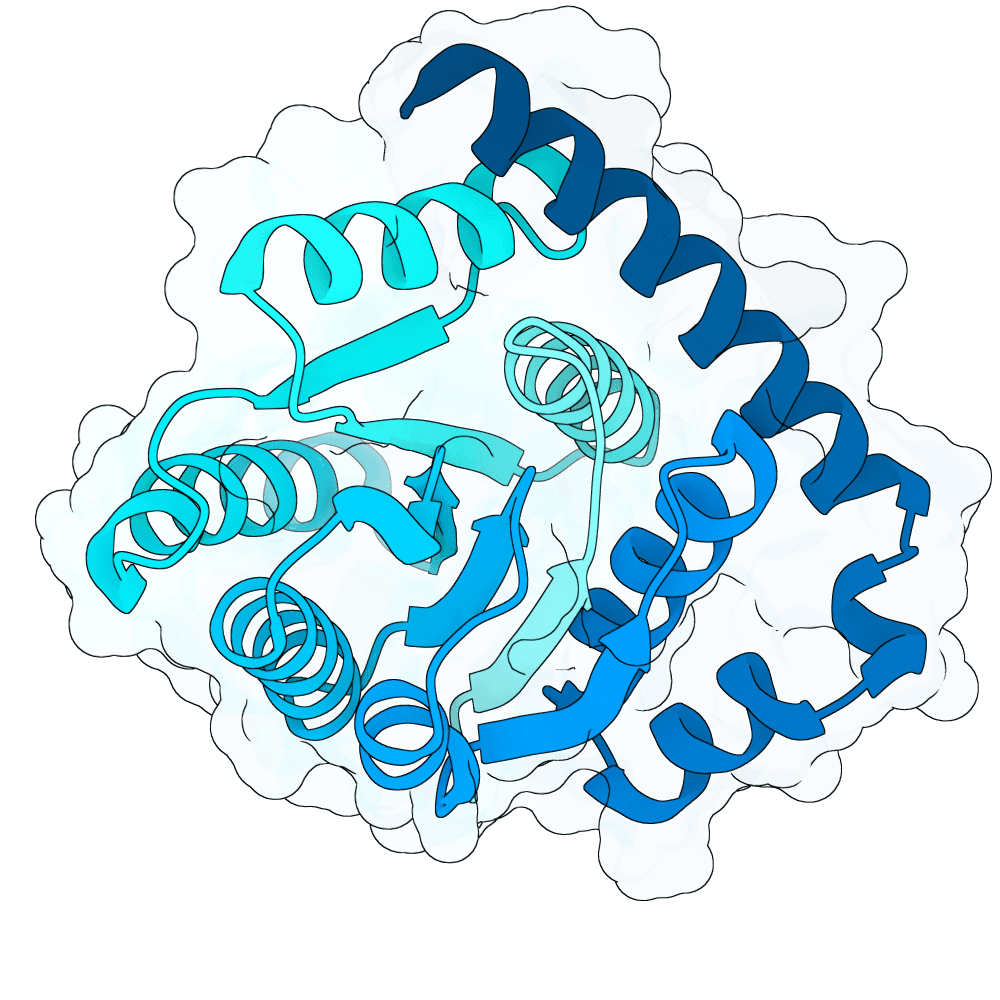
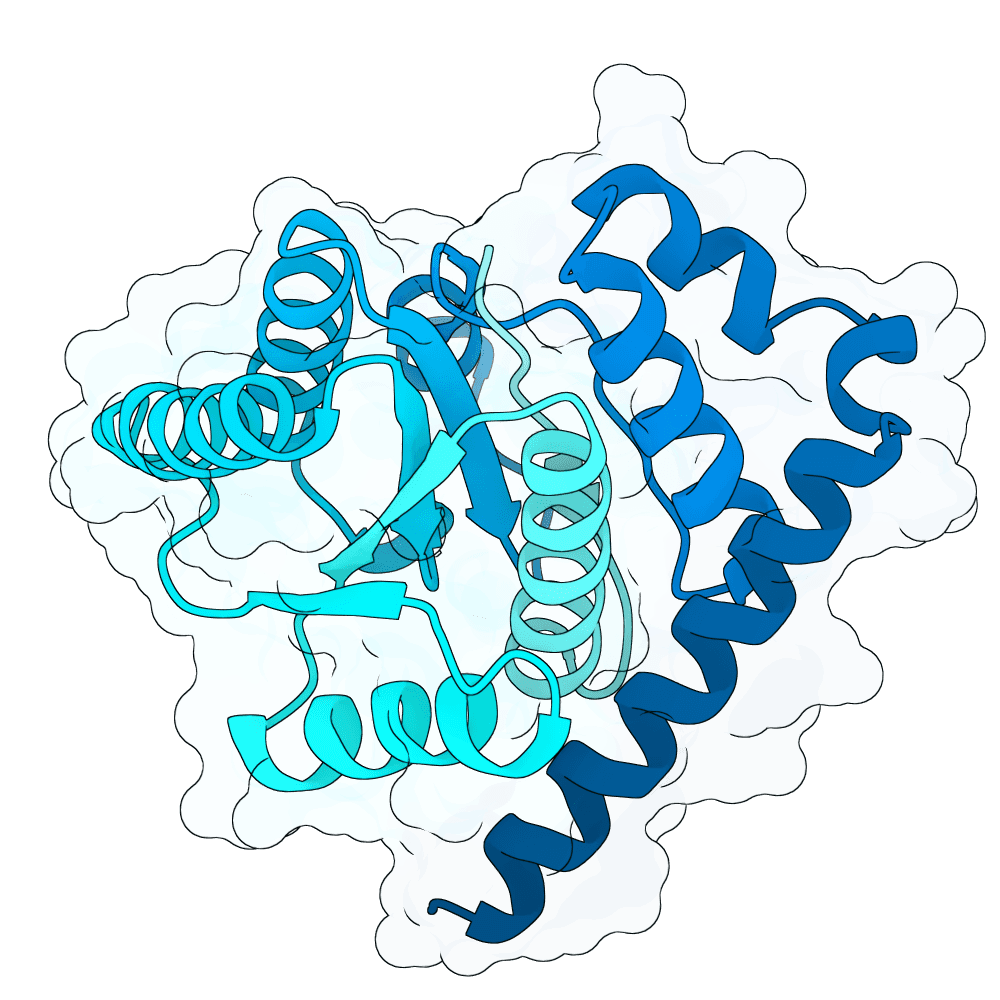
We downloaded two PDB structures: 2LGV (RBX1 monomer) and 4F52 (Glomulin–RBX1–CUL1 complex). Hotspot residues on the RBX1–CUL1 interaction interface were identified and selected as the primary binding target. Structural analysis of 4F52 revealed that the disordered N-terminal region of RBX1 forms a β-sheet with Glomulin, motivating us to design binders that simultaneously engage the RBX1–CUL1 interface and stabilize the N-terminal disordered region through induced secondary structure formation.
To define the usable N-terminal region, we queried UniProt for known post-translational modification (PTM) sites on RBX1 and excluded these residues from the design target to avoid occluding functionally critical modifications (Figure 1). The final input structure used for design was the 2LGV monomer with PTM-bearing N-terminal residues excluded.
II. Binder Backbone Generation
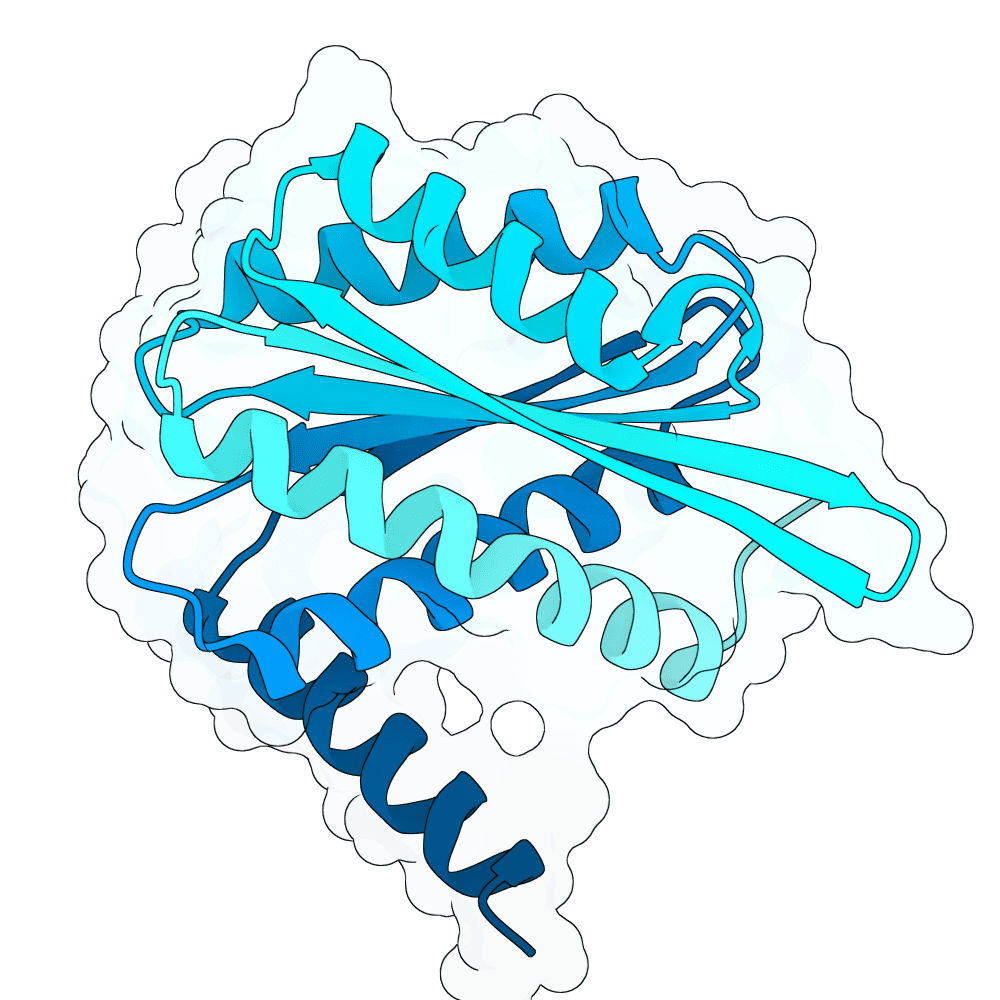
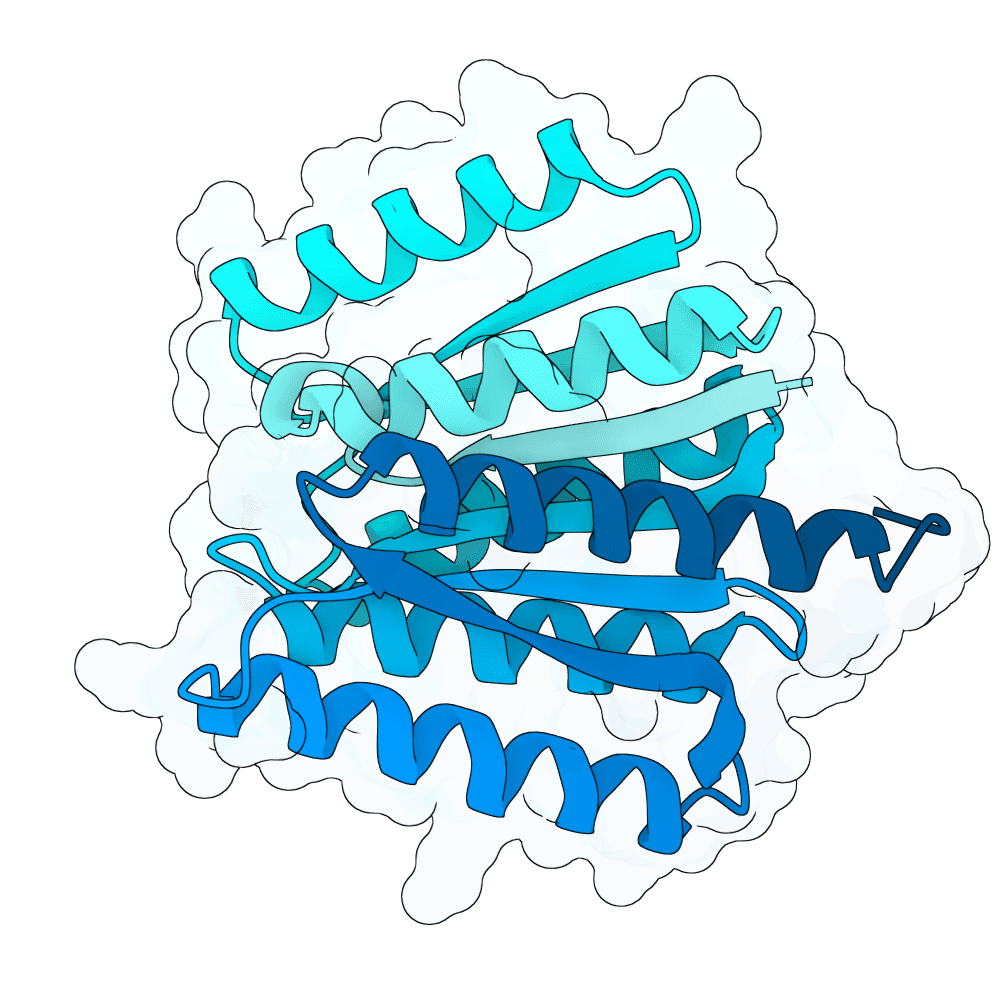
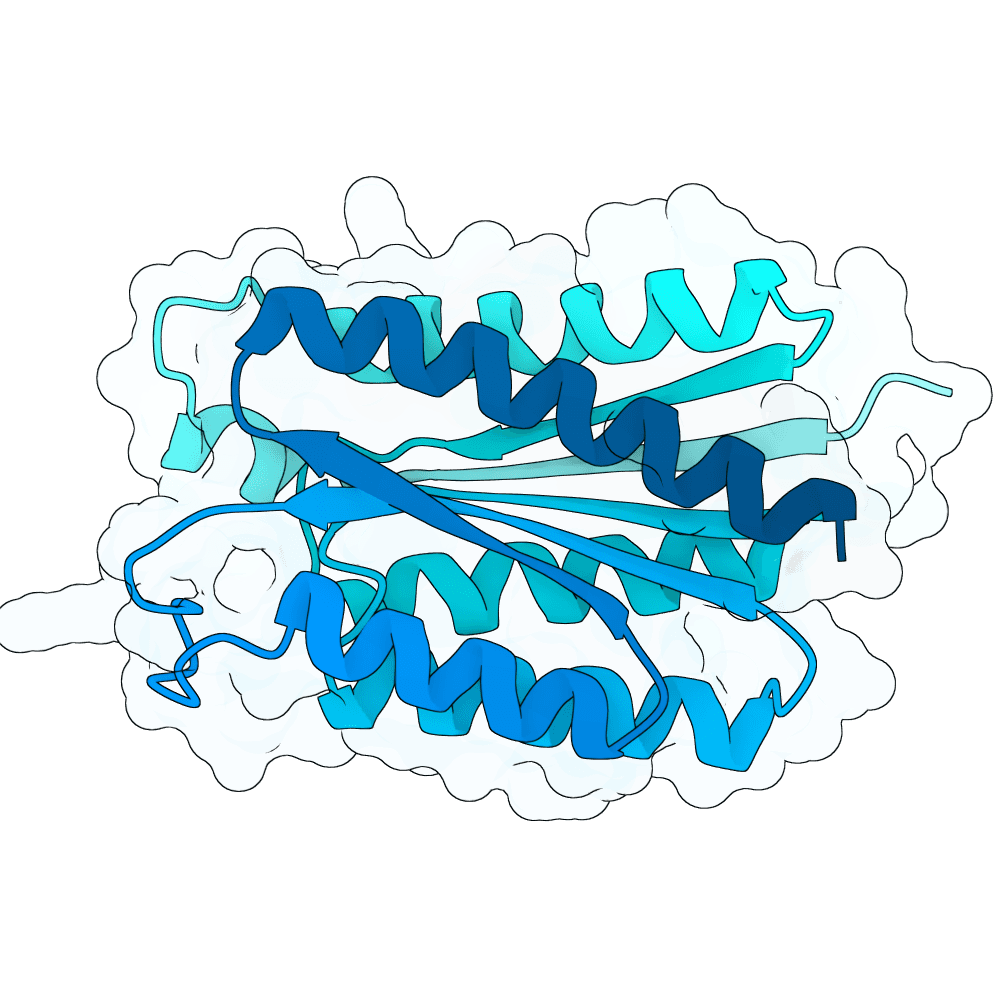
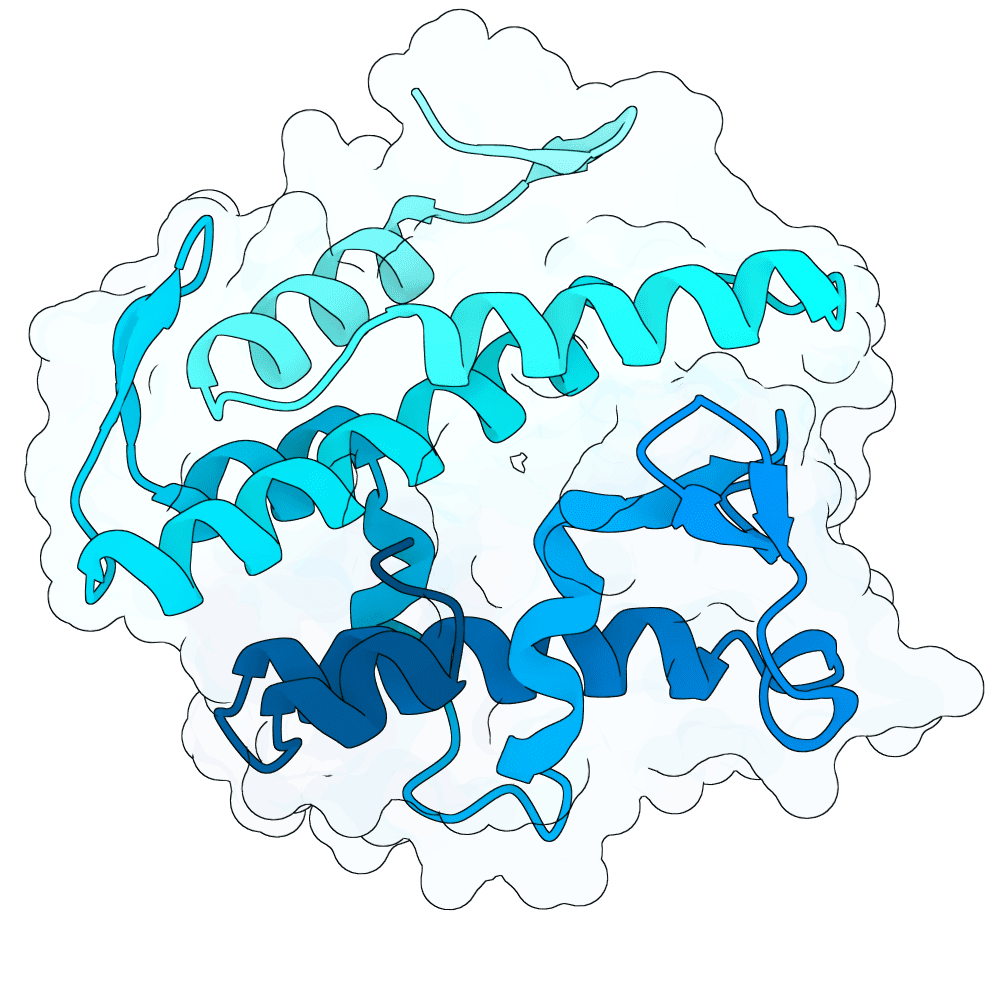
Binder backbones were generated using BoltzGen with hotspot residues specified at the RBX1–CUL1 interface. The N-terminal disordered region of RBX1 was treated as structurally invisible during generation to allow the binder to freely engage it. The YAML configuration is shown in Figure 2. Approximately 50,000 backbone candidates were generated. Each candidate was assessed for β-sheet formation with the RBX1 N-terminal region using PyDSSP; backbones forming the desired secondary structure interaction were retained, yielding a filtered set of >7,000 backbones.
III. Binder Optimization
Retained backbones were optimized using AlphaSculptor, an in-house platform currently under development that serves as an extensible framework capable of leveraging various diffusion models to guide protein design tasks through manipulation of diffusion trajectories, in which each backbone undergoes iterative refinement followed by sequence design with ProteinMPNN. Designed sequences were then evaluated by Boltz-2 structure prediction, with the following acceptance thresholds:
- Binder chain pLDDT ≥ 90
- ipTM ≥ 85
- ipSAE_min ≥ 75
- Global RMSD ≤ 1.5 Å
200 sequences passing structure prediction were searched against UniRef50 using MMseqs2; all confirmed an edit distance ≥ 25% to any database entry, ensuring the novelty of the entire candidate set. Selection of the final 100 sequences was conducted through a combination of Rosetta-based scoring and manual curation, with candidates prioritized based on three complementary metrics: minimized ΔΔG, maximized contact molecular surface area, and maximized side chain–side chain hydrogen bond count.