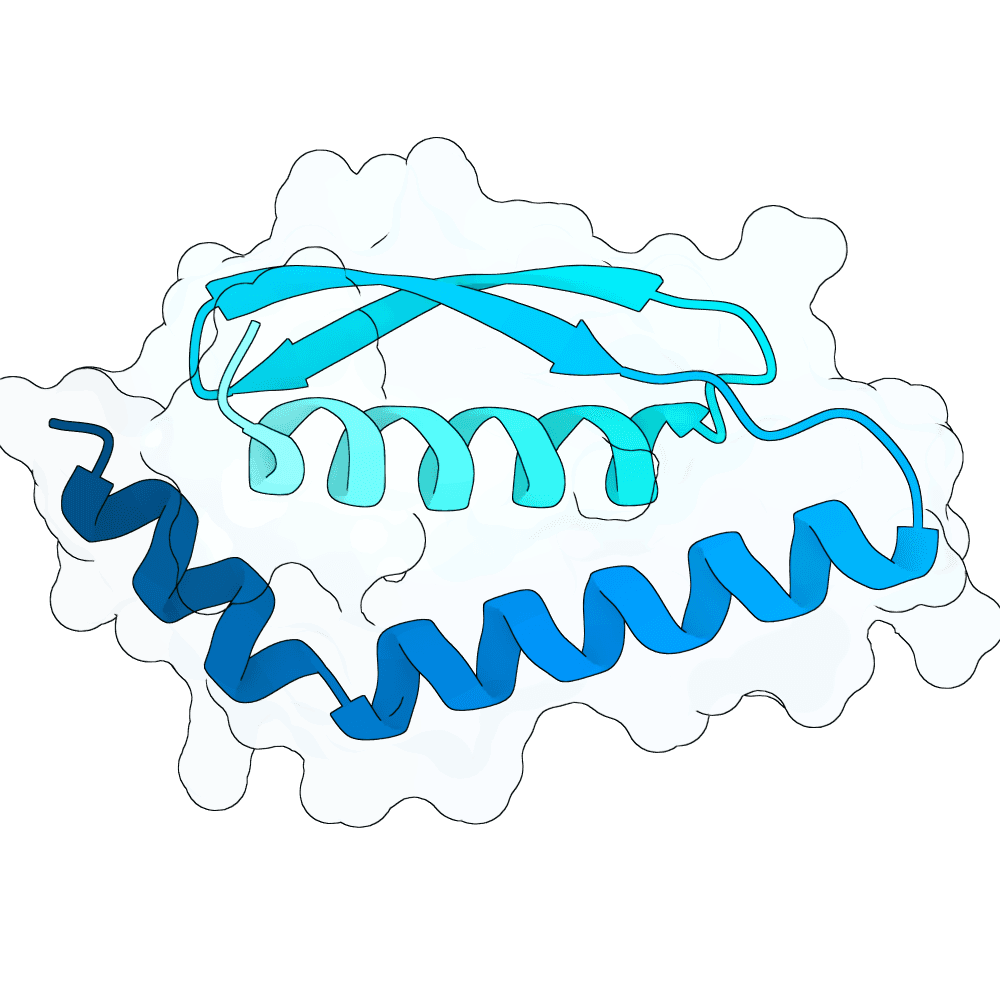
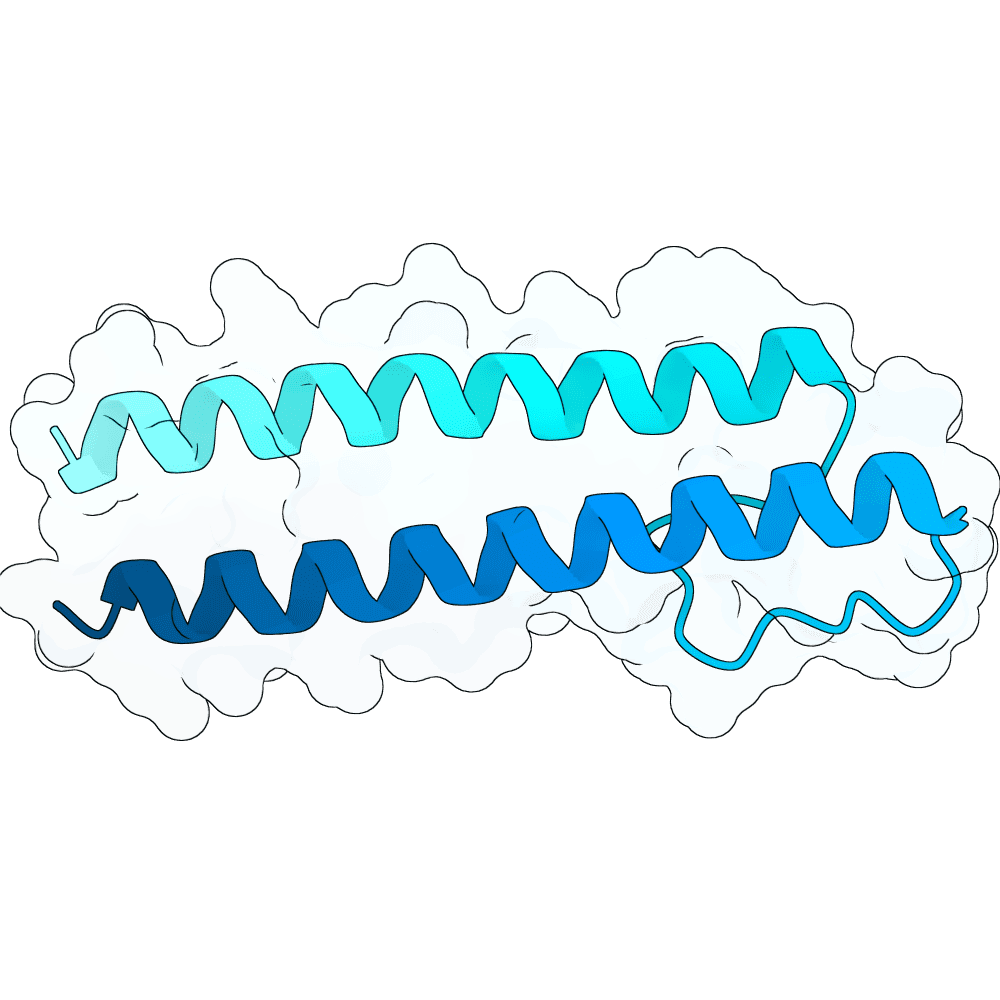
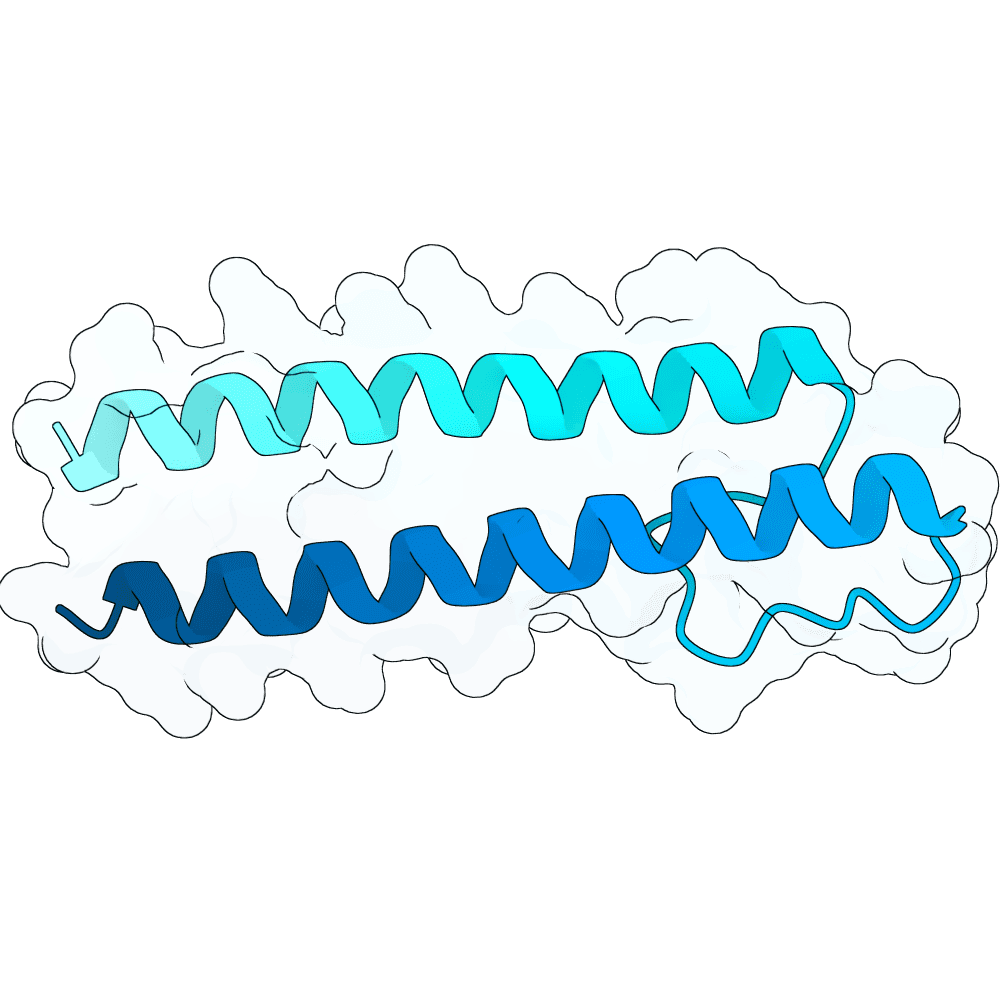
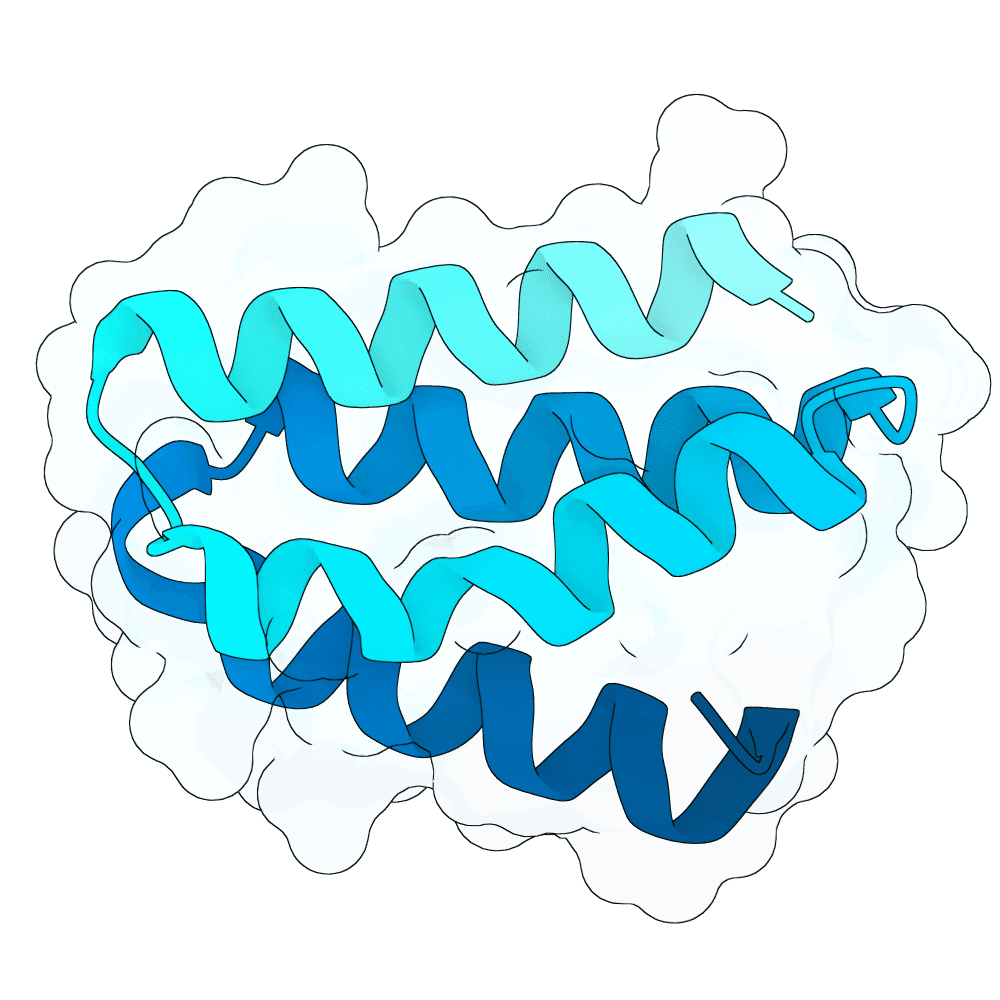
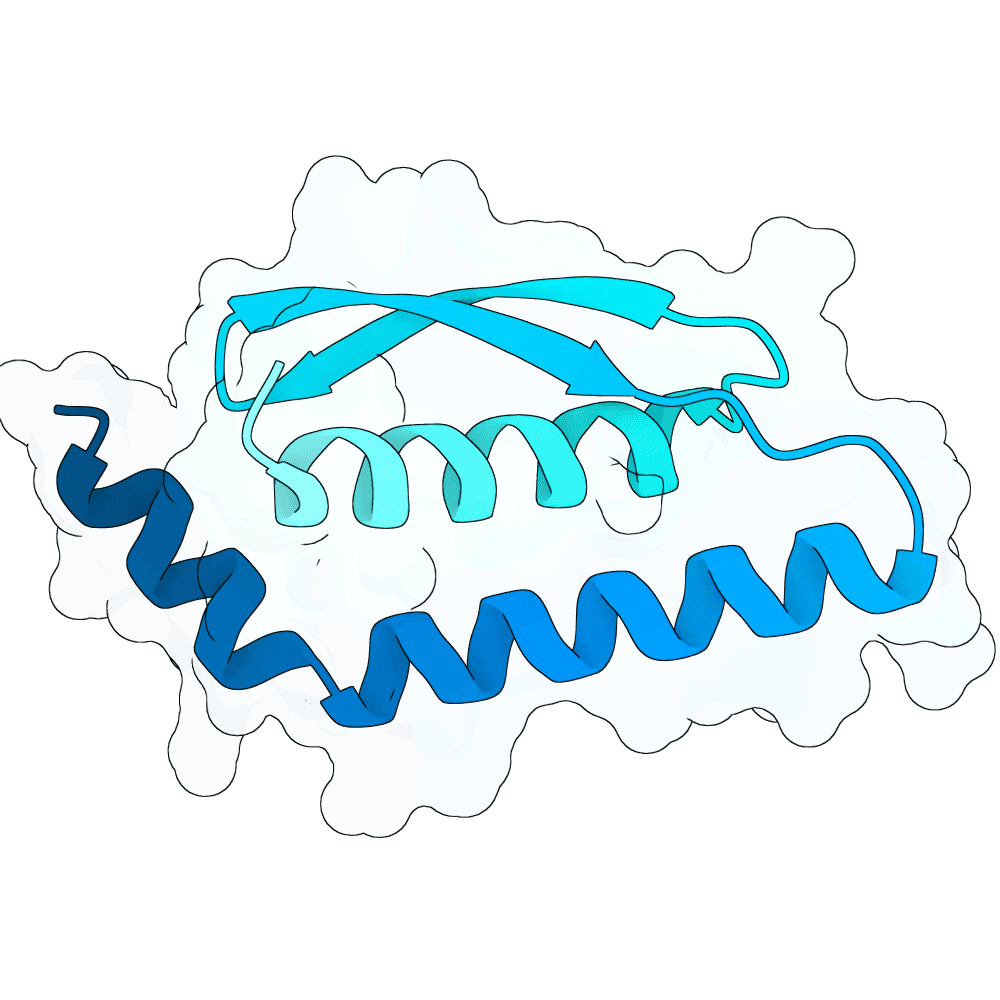
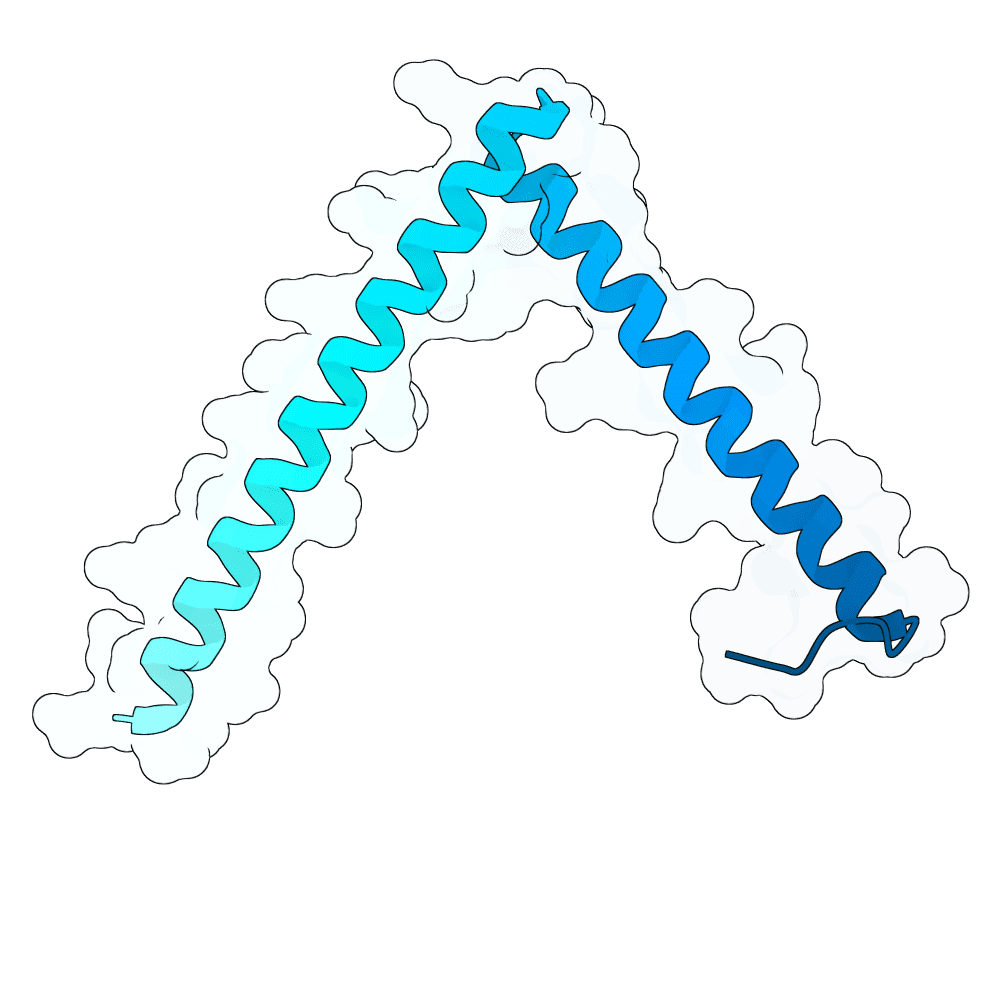
Having won 3rd in the Adaptyv Nipah Binder Competition, I decided to give this one a go.
Note: of thousands of sequences and variants generated, only the top ten sequences are included herein. This is to prevent unfavorable sequences from being tested.
Binders were generated using MOSAIC, such that the target sequence was that provided by Adaptyv and the pipeline identical to that used in the Nipah Binder Competition. Binders were designed to be 80 amino acids long to minimize computational cost and reduce potential binding interfaces that could interfere with high-affinity binding. Generated binders were evaluated using the native MOSAIC loss function before being visually examined in Alphafold 3 and Boltz-2 predictions to confirm structural viability. For sorting purposes, the Mosaic loss score was converted from negative to positive, with favorable candidates possessing higher positive values.
Upon generating a set of favorable candidates, Scramble was used to optimize the binders using the known complex between RBX1 and Glomulin (4F52). RBX1 contacting residues (<4.0Å) on glomulin were trimmed before being inserted with candidate sequences into Scramble, where candidate binder-RBX1 complexes were aligned onto the known Glomulin-RBX1 complex. Scramble then evaluated residues on the designed binders that satisfied initial loose spatial constraints (RMSD<3.0Å, PAE <10Å, SASA>5Å) when aligned against the Glomulin-RBX1 complex, producing combinations of variants that each possessed unique grafts from glomulin residues. For the purposes of this competition, the trunk module was used to rank candidate substitution positions within each binder by their predicted interface involvement with the target, prioritising positions with the strongest cross-chain pairformer signal for variant generation. Variants and parent binders were then reassessed using Boltz-2 and the corresponding MOSAIC ranking-loss function to determine the most favorable candidates. A RMSD filter was also implemented to eliminate variants that deviated from the correct binding interface. The ranking-loss score was used for relative comparison to evaluate the performance of variants compared to their parent binders. Of the generated variants, a number of generated variants outperformed their parent binders in the MOSAIC ranking-loss assessment and also Alphafold 3 predictions, with the final submitted list of binders being a selection of original MOSAIC binders and their Scramble-generated variants.
This is not motif scaffolding, for the binders were not designed around the known residues. Instead, known residues are introduced as variants of the de-novo designed binders while maintaining the original character of the designed binder. Binder first, Boltz-driven optimization second. All submissions align with competition rules.
I hope the designs contained herein can all be tested. It would be nice to see how Scramble-generated variants perform.
Protocol report: https://docs.google.com/document/d/1dSwW3Jf61JN1Wi0yjNrVsT7cdBB7UtTcAe5x2W55f7I/edit?tab=t.0