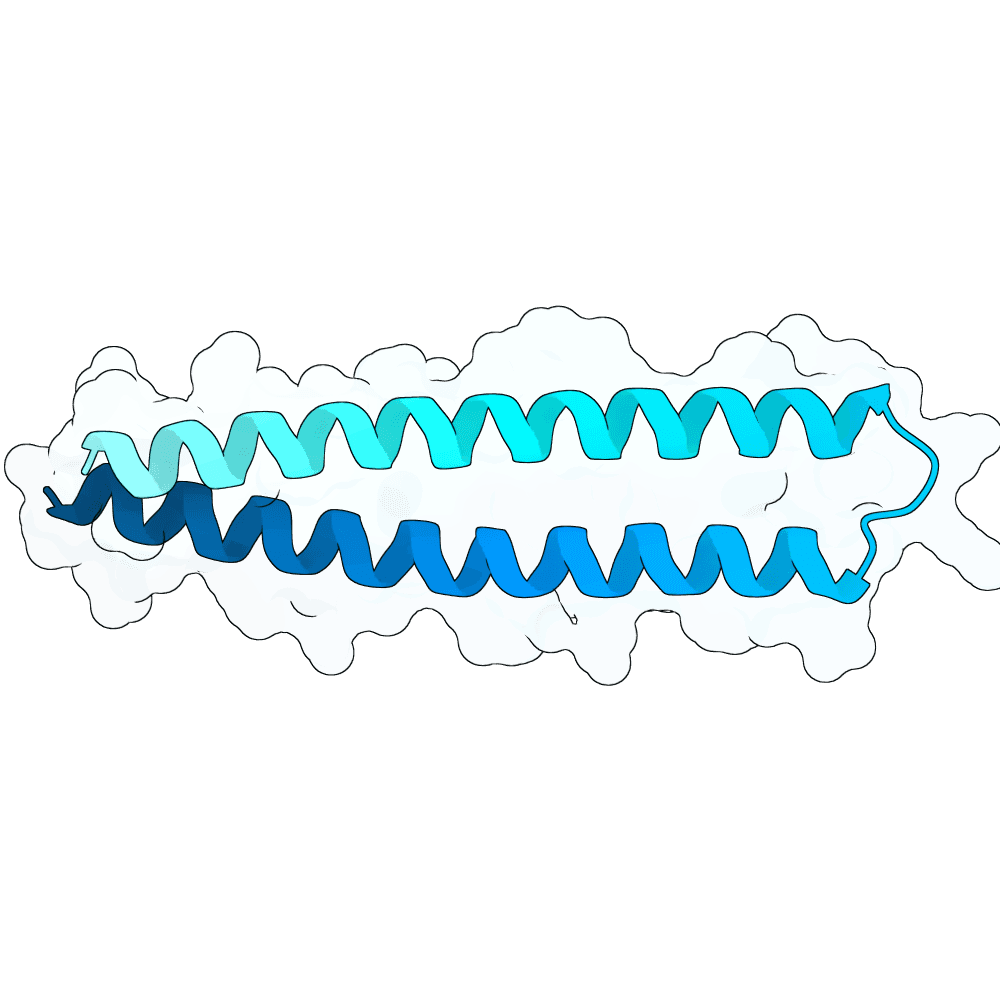
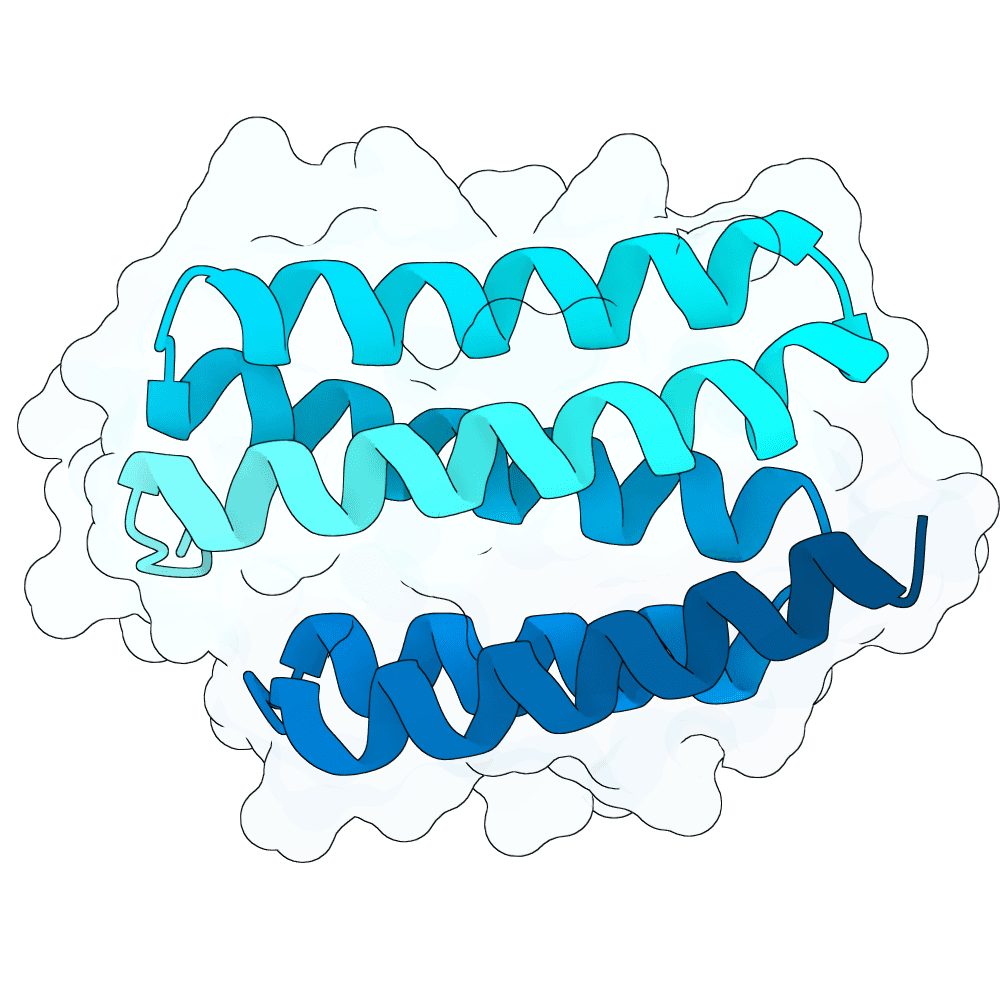
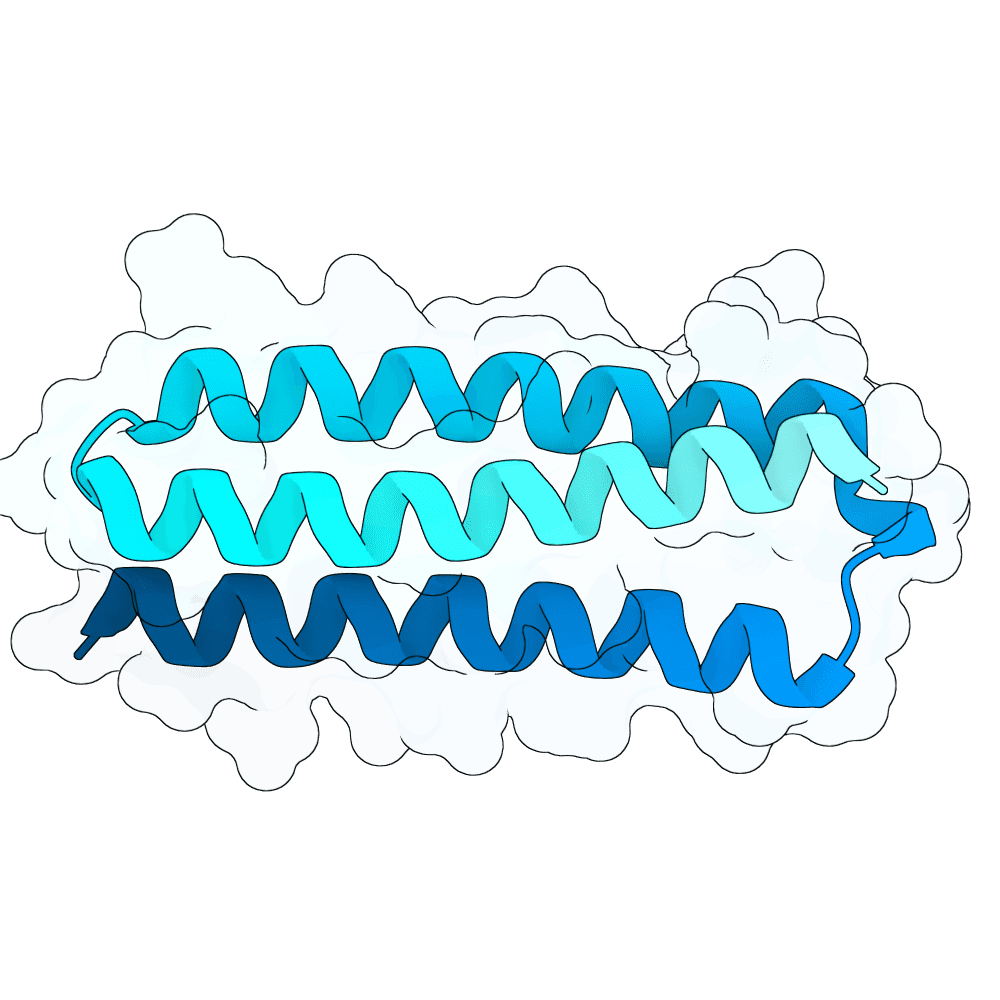
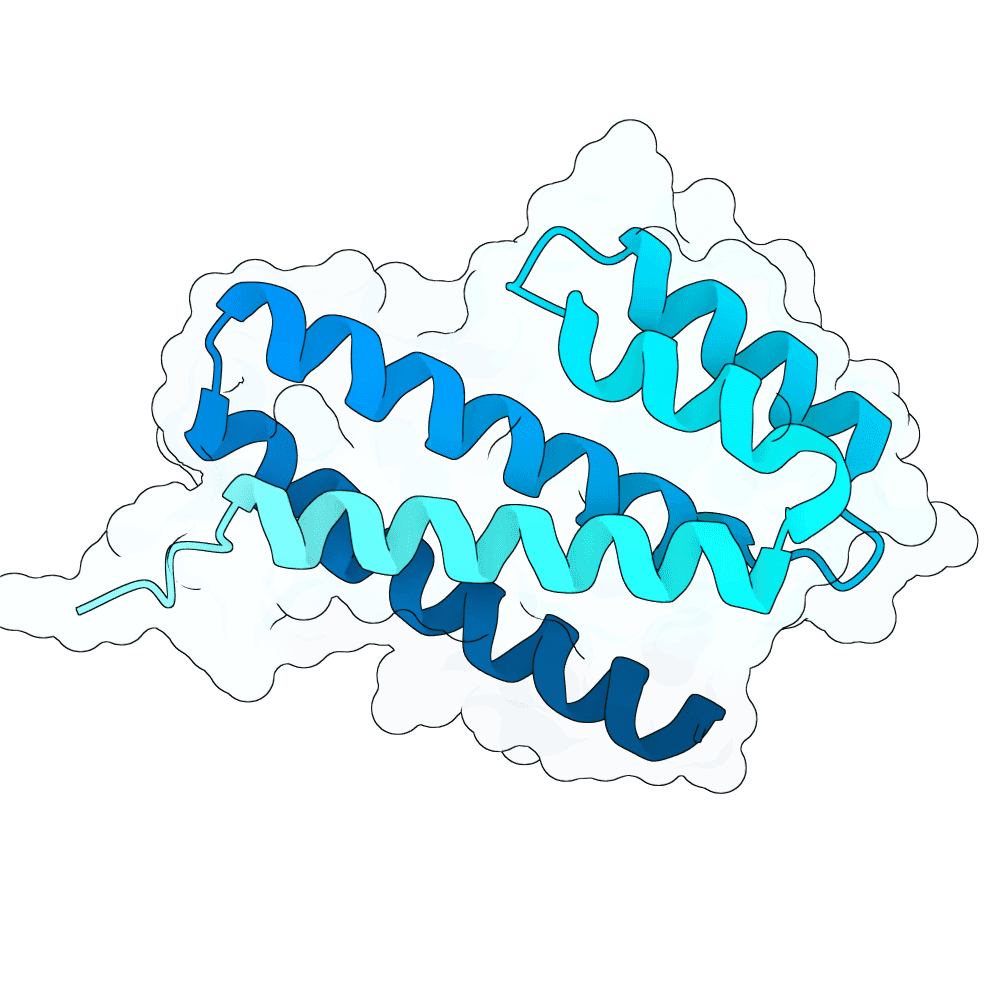
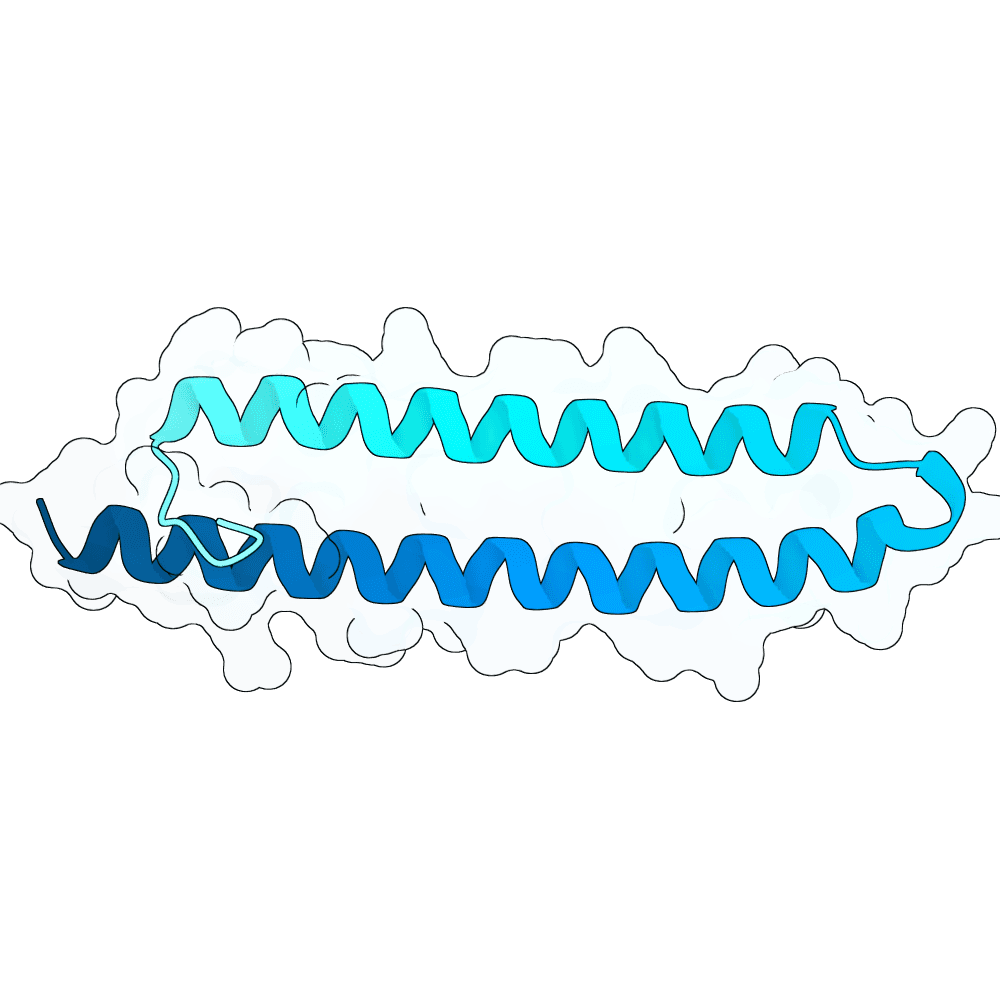
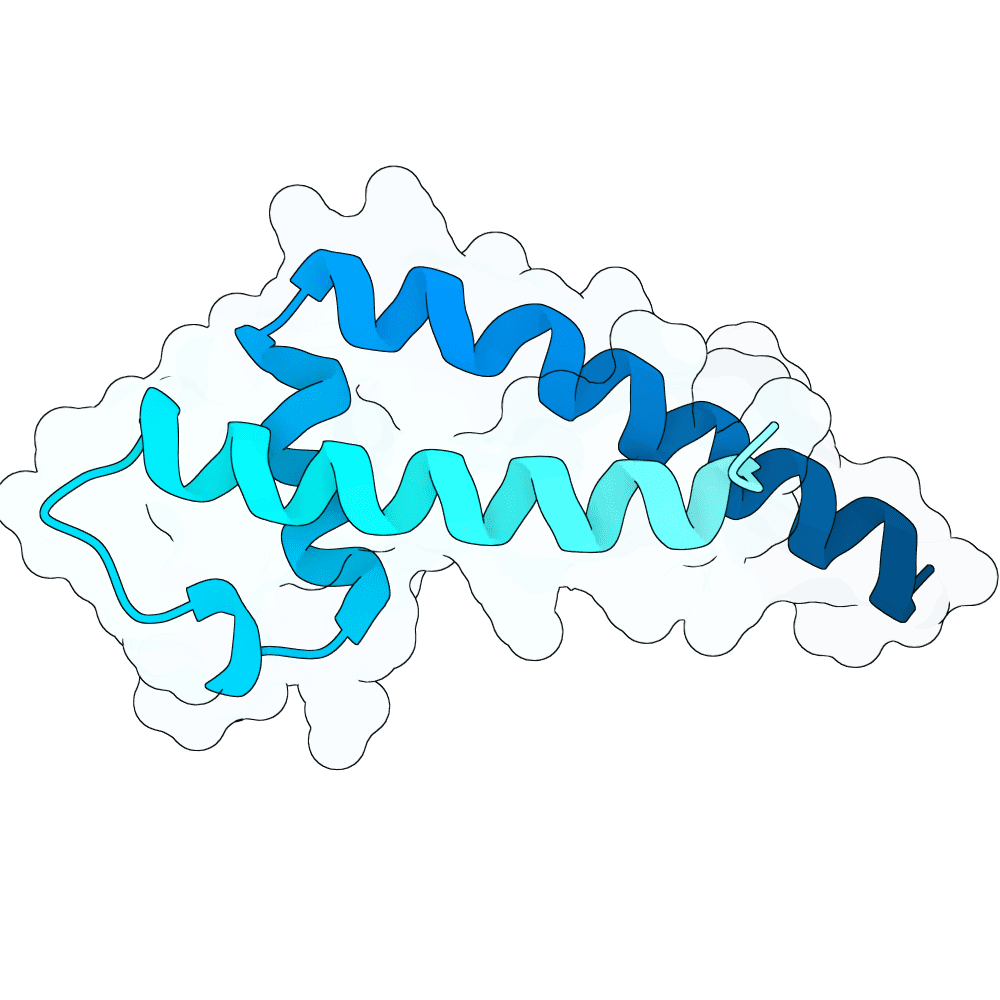
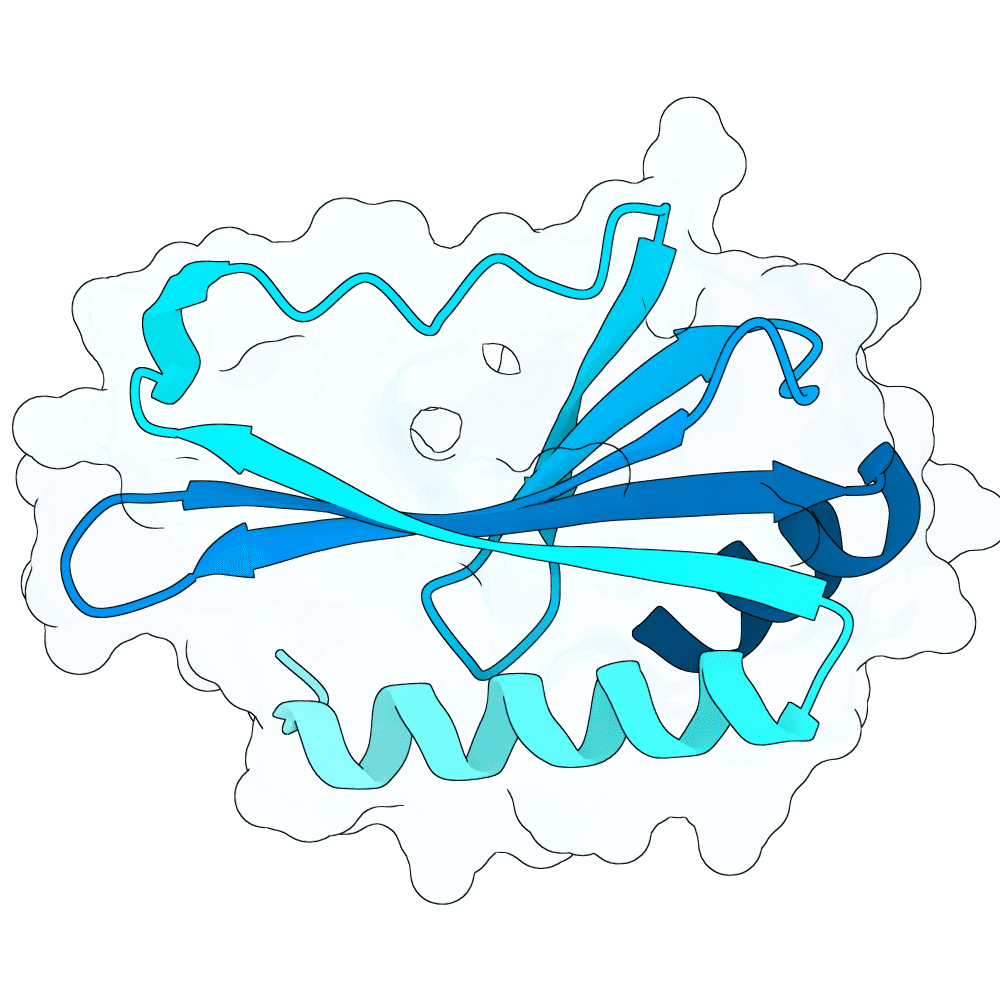
Description
De Novo Binder Design for RBX1: A Multi-Pipeline Approach
Method Overview
We designed de novo protein binders targeting the RING-H2 domain of human RBX1 (UniProt P62877, residues 27–108) using a two-pipeline strategy combining structure-guided hallucination and backbone diffusion, followed by rigorous independent AlphaFold2 Multimer validation.
Pipeline A: BindCraft (Primary)
We used BindCraft (Pacesa et al., Nature Methods 2025), which iteratively halluccinates binder structures via AlphaFold2 followed by ProteinMPNN sequence design and Rosetta-based energy filtering. The target structure was prepared from PDB 2LGV (isolated RING-H2 NMR structure) with all three zinc ions retained. Hotspot residues W72, R86, and W87 on the RING domain surface were specified to direct binding toward the E2-interaction face. Binder lengths ranged from 60–120 residues, and the 4-stage multimer protocol was used with default advanced settings. A total of 157 designs passed BindCraft's internal filters.
Pipeline B: RFdiffusion v3 + Sequence Design (Supplementary)
We generated 200 peptide backbones (15–30 residues) using RFdiffusion v3 (RFD3) with the same target PDB and hotspot residues, zinc ions specified as ligands, and is_non_loopy=true for structured peptide generation. Backbone sequences were designed using both LigandMPNN (Dauparas et al., Nature Methods 2024) with zinc-aware side-chain context and ProteinMPNN, yielding 1,398 unique peptide sequences. Fixed residues ensured the target chain remained unmodified during sequence design.
Independent Validation with AlphaFold2 Multimer
All candidates were scored using AlphaFold2 Multimer v3 (ColabDesign implementation) independently from the design process. Each sequence was evaluated with 2 AF2 models (models 0 and 1) at 3 recycles, computing interface pTM (ipTM), interface PAE (iPAE), and pLDDT. This independent validation was critical: we observed that Boltz-2 confidence scores were severely miscalibrated for de novo designs against RBX1 (Boltz-2 ipTM ~0.8 corresponded to AF2 ipTM ~0.1 for RFdiffusion-designed binders), rendering Boltz-2 unreliable as a filter for this target.
Selection Criteria
Final candidates were ranked by AF2 ipTM. The top 100 sequences were selected, comprising 41 BindCraft designs (AF2 ipTM 0.43–0.83), 58 RFD3 peptides (AF2 ipTM 0.34–0.65), and 1 RFD3 large binder. The AF2 ipTM cutoff for inclusion was 0.34. All sequences are ≤250 residues and designed de novo without motif scaffolding or lead optimization.
Computational Resources
- BindCraft: NVIDIA H100 80GB GPU (dgx-h100-2), BindCraft with AF2 hallucination
- RFD3 + MPNN: 4× NVIDIA RTX 4090 24GB (ubun), RFdiffusion v3 for backbone generation, LigandMPNN/ProteinMPNN for sequence design
- AF2 Validation: H100 GPU, ColabDesign AF2 Multimer v3, 2 models × 3 recycles per sequence
Key Design Decisions
- Zinc-aware design: RBX1's RING-H2 domain is stabilized by three structural zinc ions. All zinc-coordinating residues (Cys 42/45/53/56/68/75/83/94, His 48/77/80/82) were protected during sequence design.
- Flat PPI target: The RING-E2 interface is shallow and hydrophobic, making binder design challenging. We compensated with large candidate pools (>1,500 sequences) and diverse backbone sampling.
- Multi-scale approach: Combining larger structured binders (60–120 AA, BindCraft) with short peptides (15–30 AA, RFD3) to explore different binding modes.
- Stringent validation: Independent AF2 scoring eliminated designs with inflated internal confidence scores, substantially improving expected experimental success rate.
References
- Pacesa et al., BindCraft, Nature Methods 2025
- Dauparas et al., LigandMPNN, Nature Methods 2024
- Watson et al., RFdiffusion, Nature 2023
- Jumper et al., AlphaFold2, Nature 2021