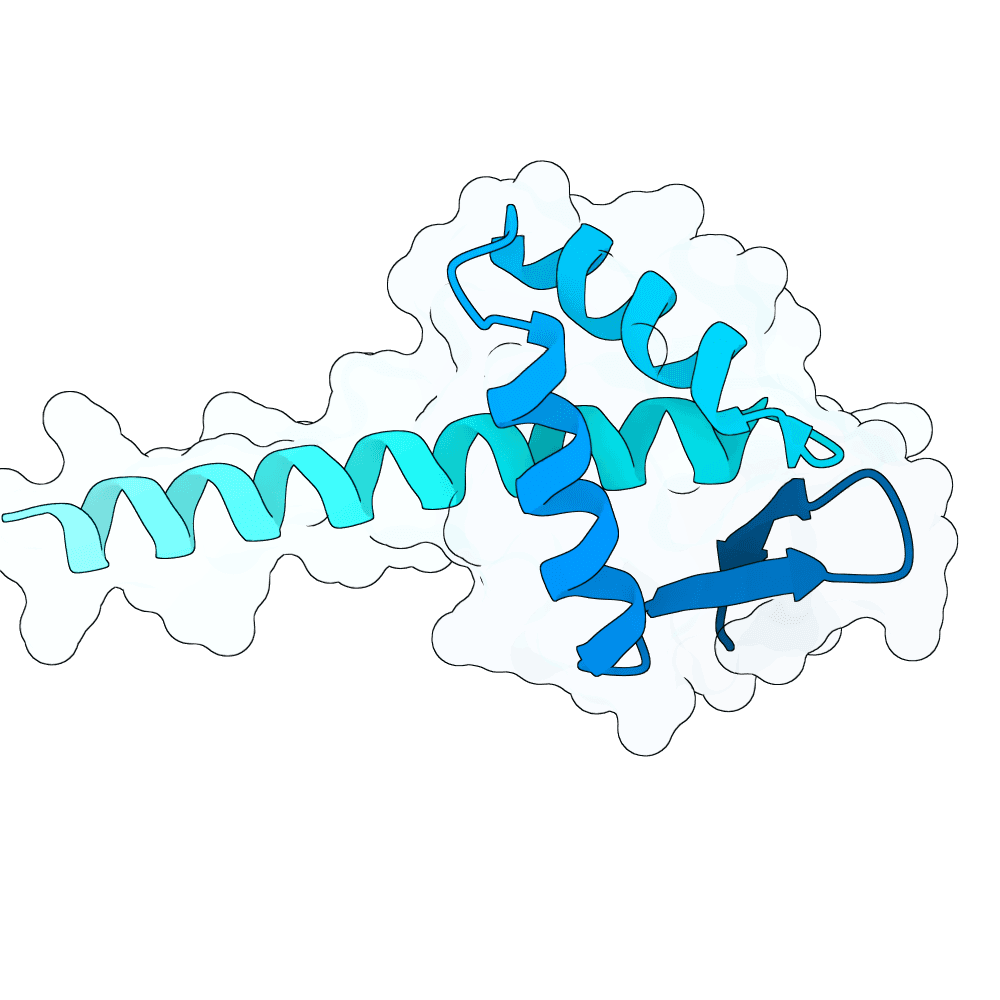
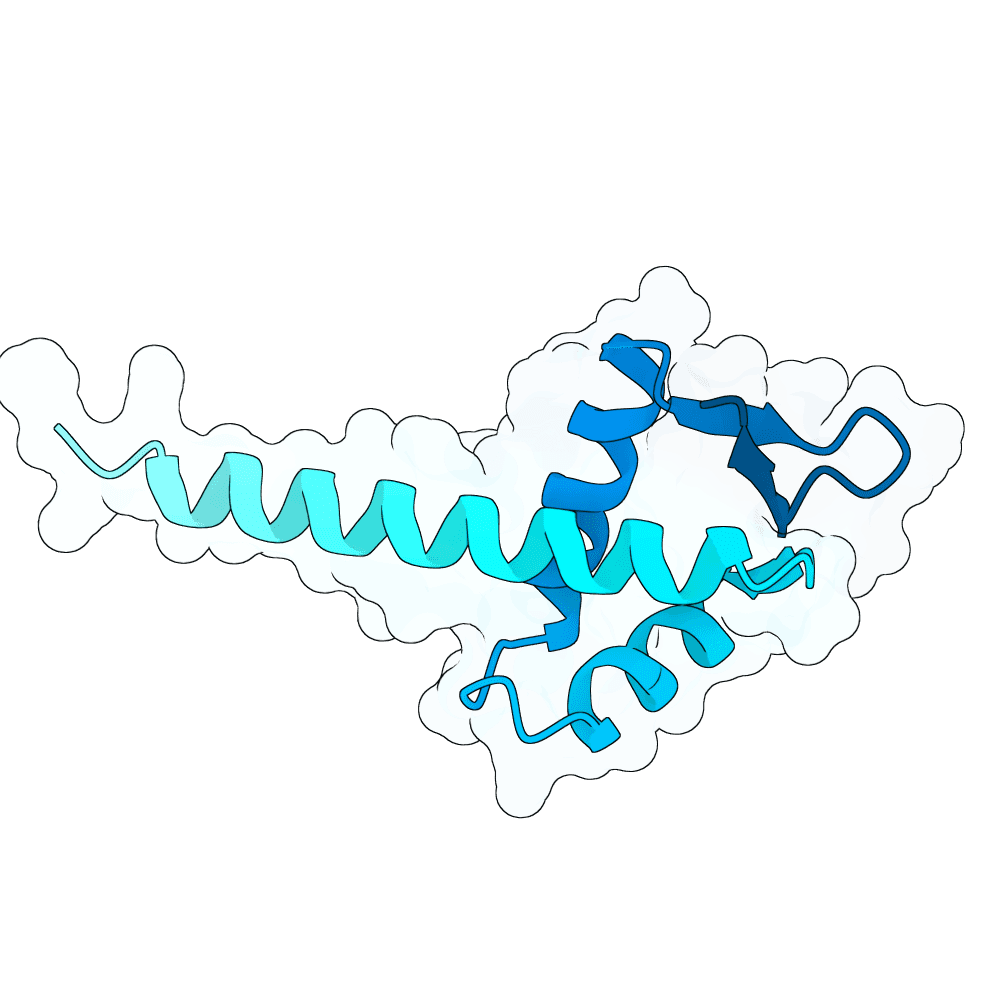
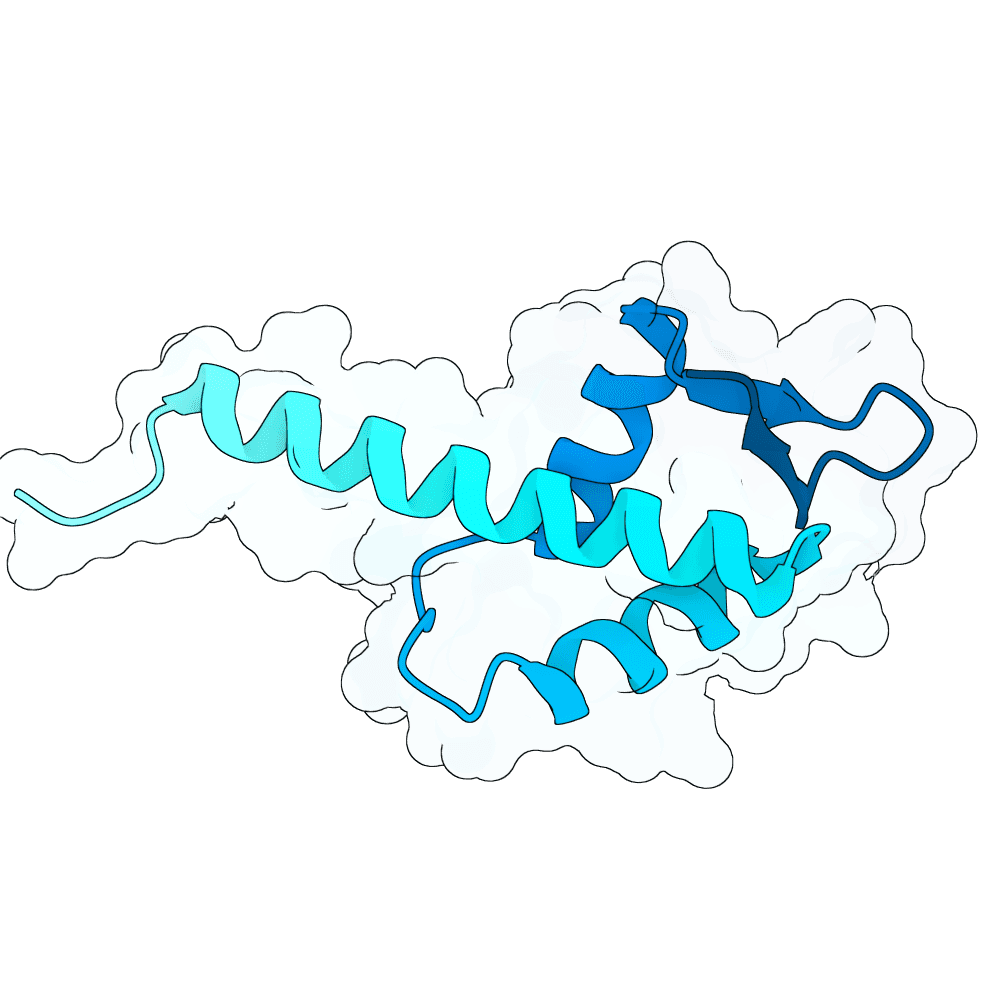
Description
The TEA-leaves tool was modified to optimize designed binder sequences with respect to the probabilities of contacts with the binding target (e.g. RBX-1). The contact probabilities were retrieved from ESM2 attention maps using the distogram prediction principle: instead of predicting distances between residues, the attention map-based contact head was trained on a data set of multi-domain proteins to produce binary contact maps.
The TEA-leaves method was run using the TEA template of the known binder of alpha helical secondary structure.
To check for sequence identity with the known sequences, we ran protein BLAST on a non-redundant protein sequence database for the global sequence similarity and then checked the pairwise alignment windows of greater than or equal to 30 amino acids for the local similarity among the BLAST hits.