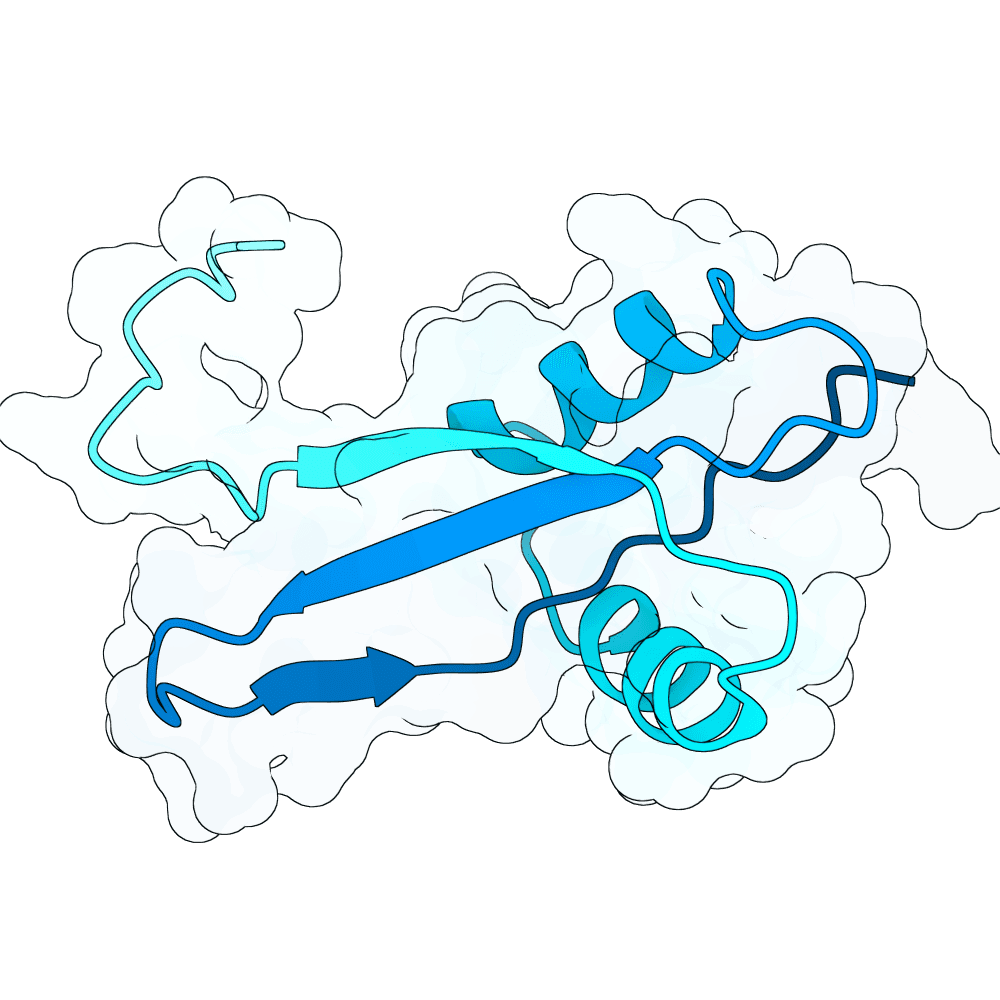
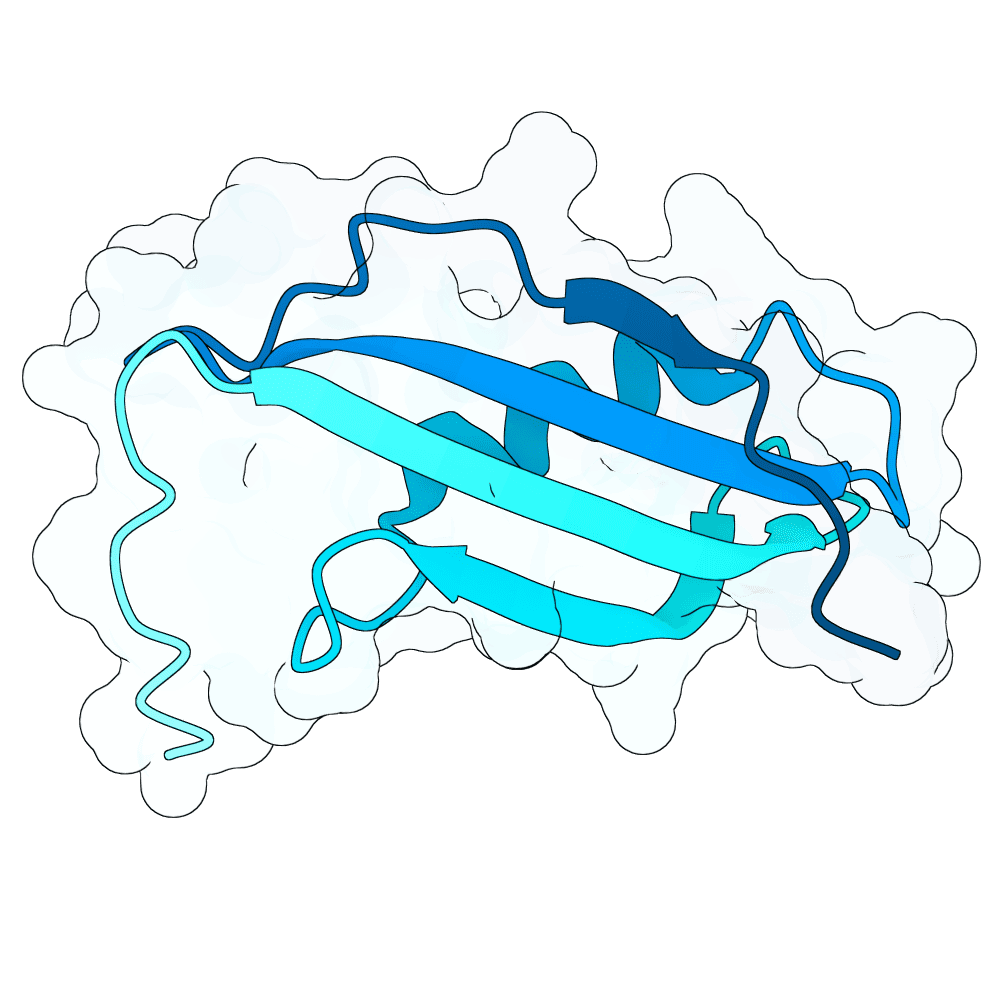
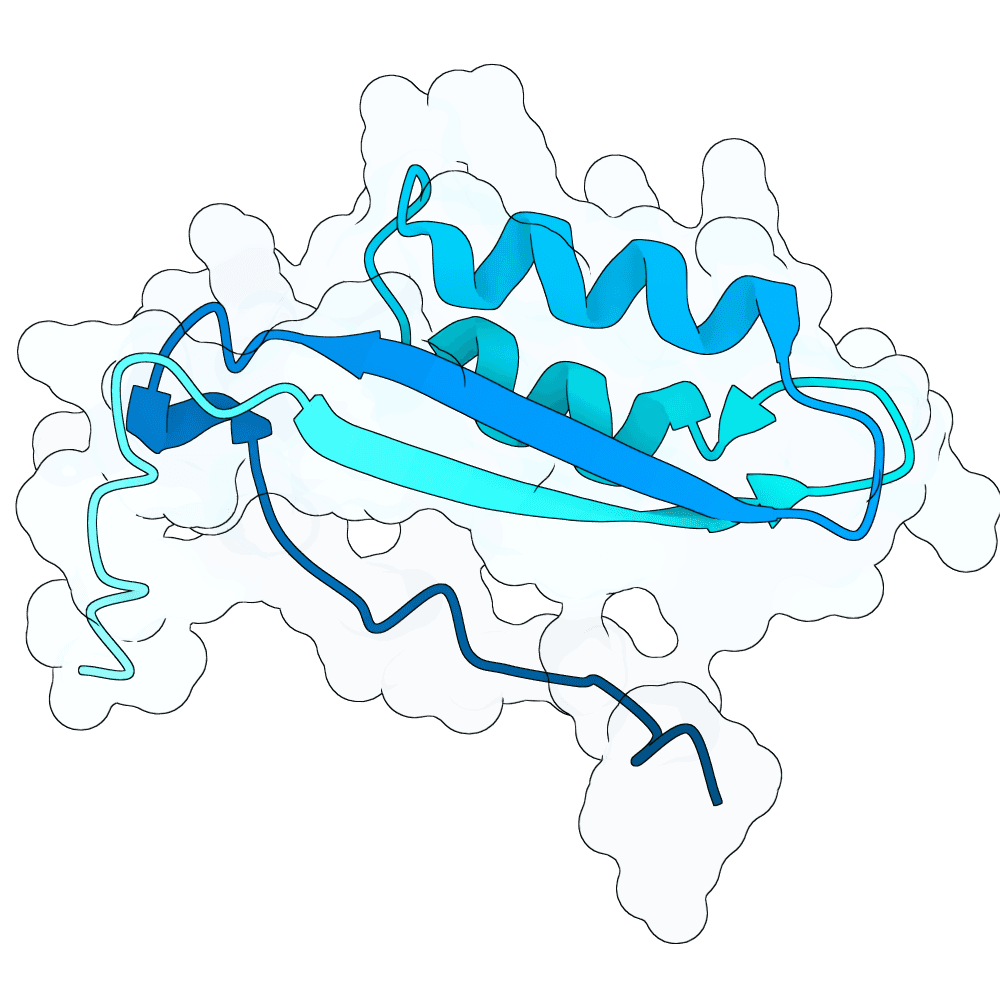
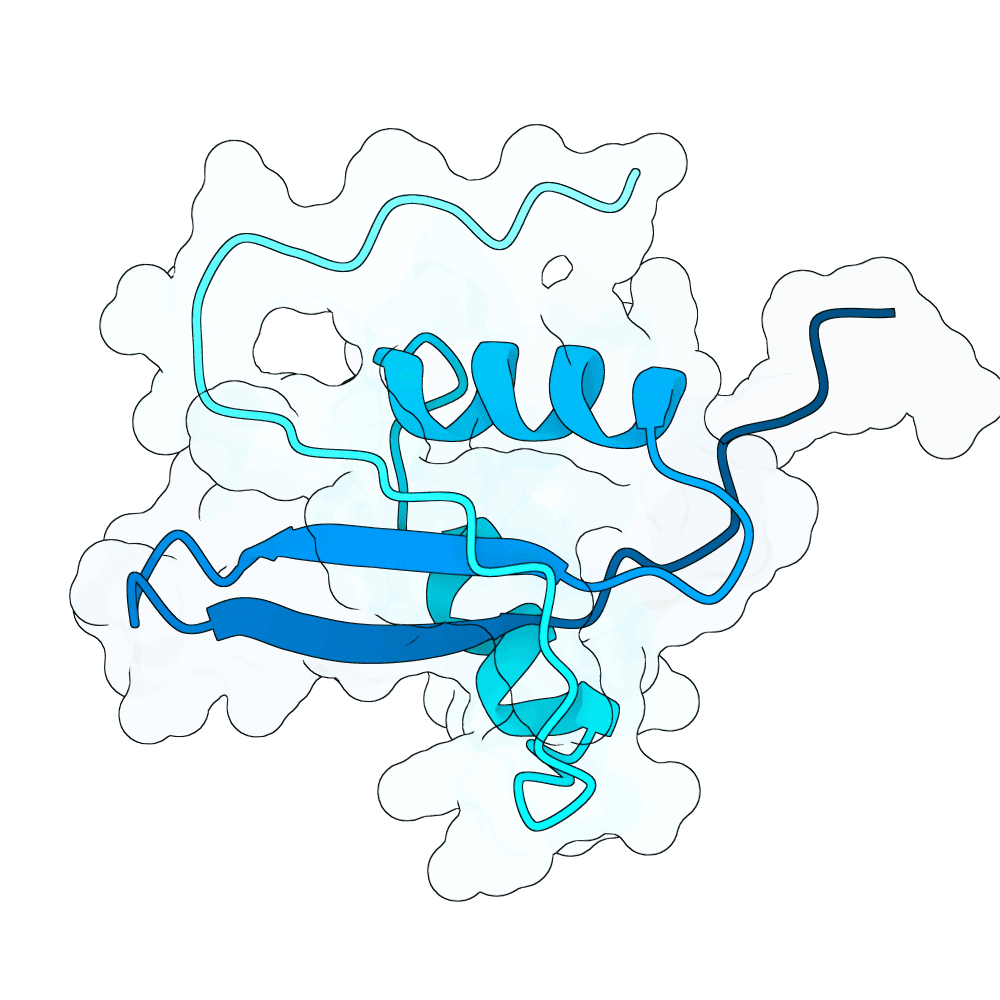
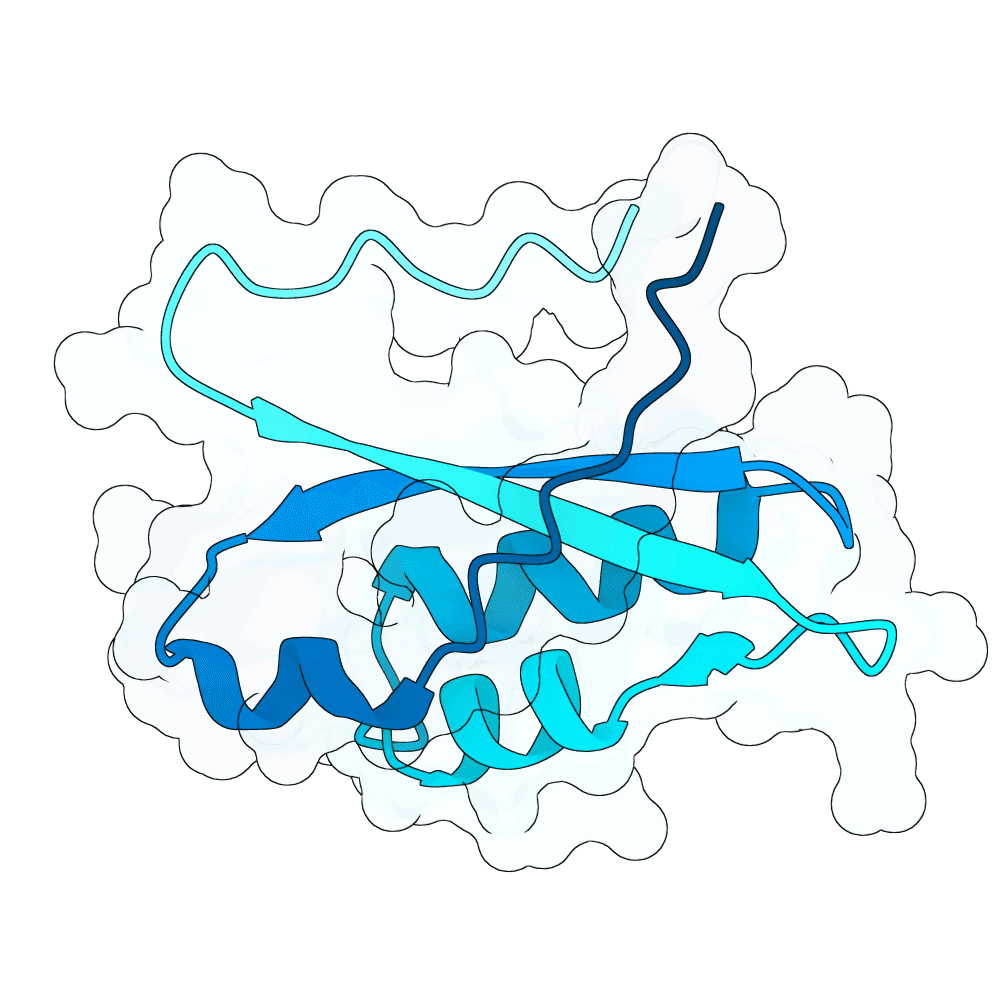
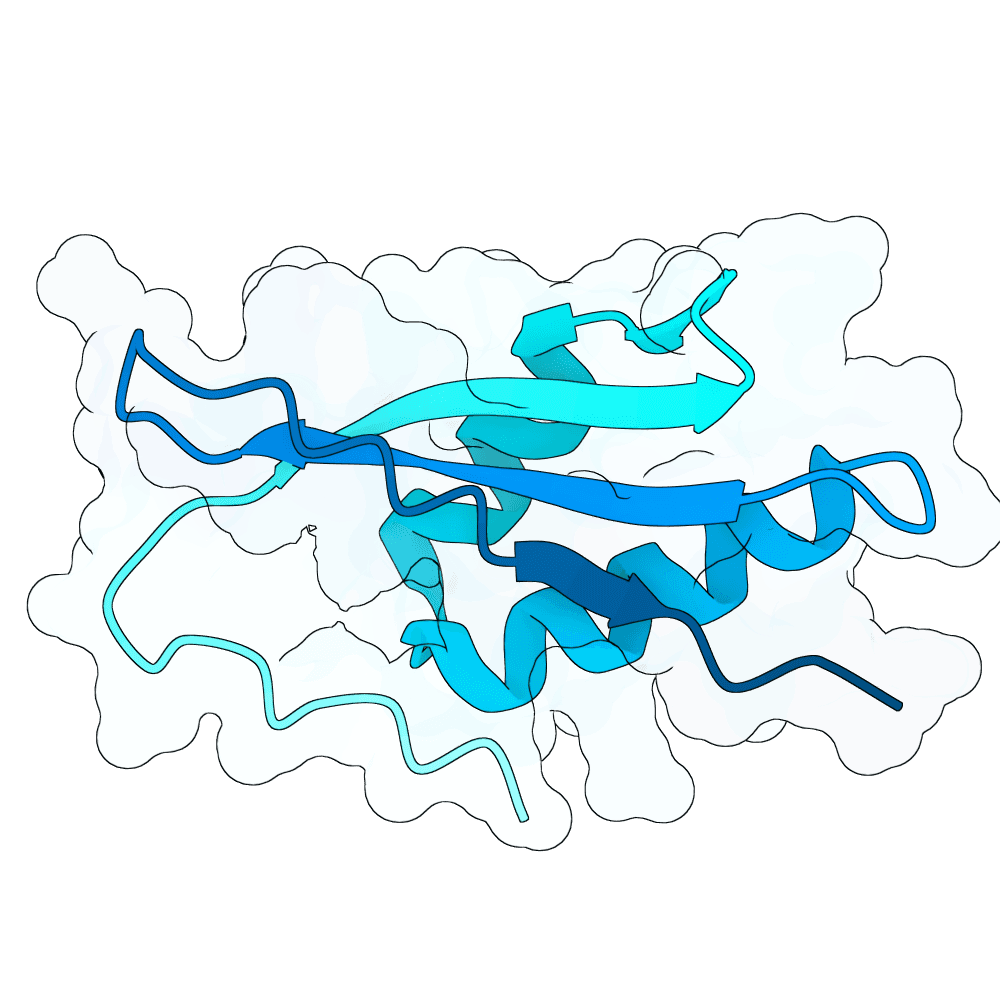
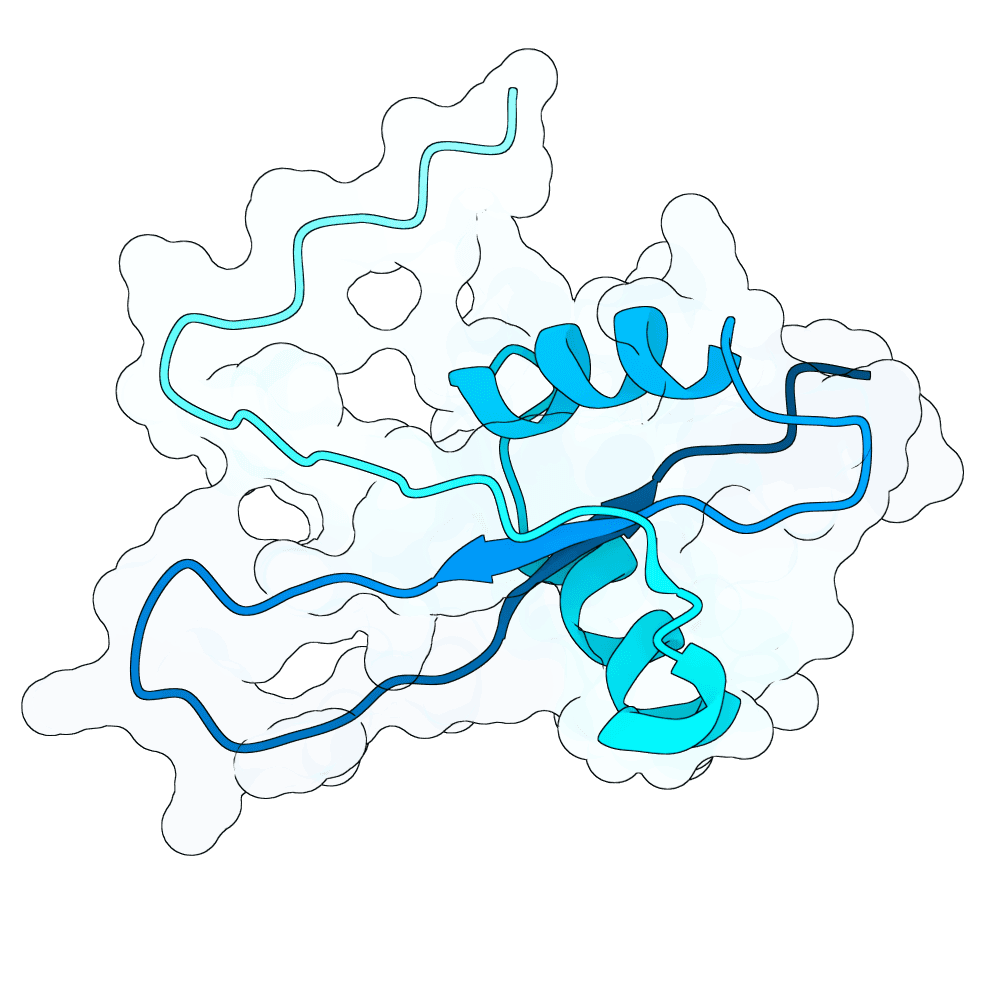
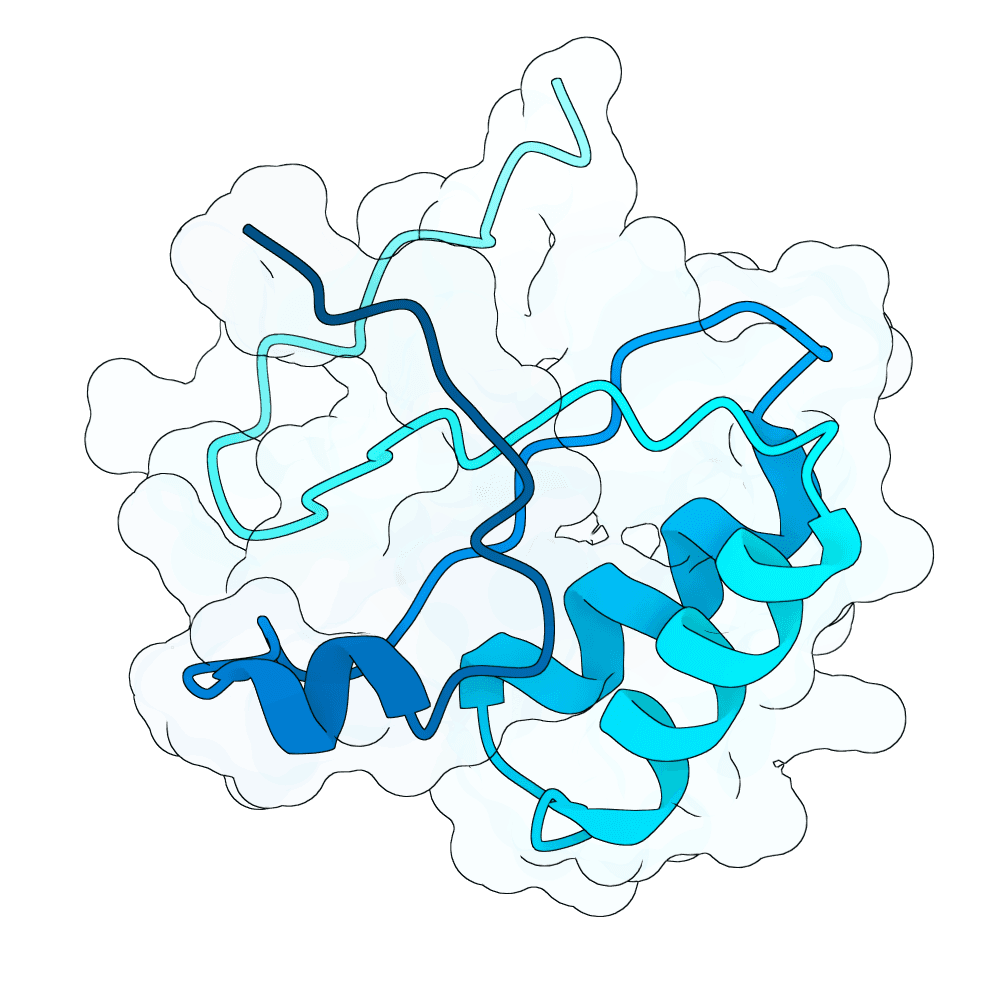
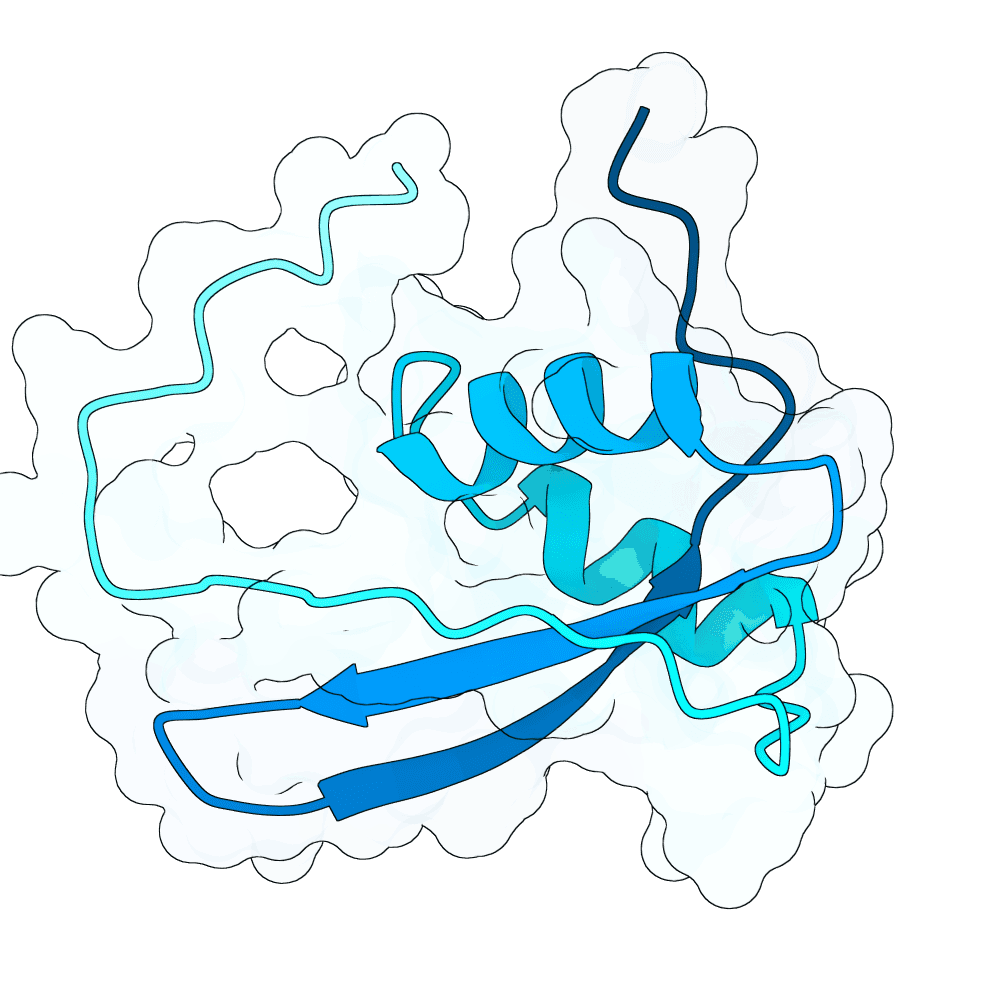
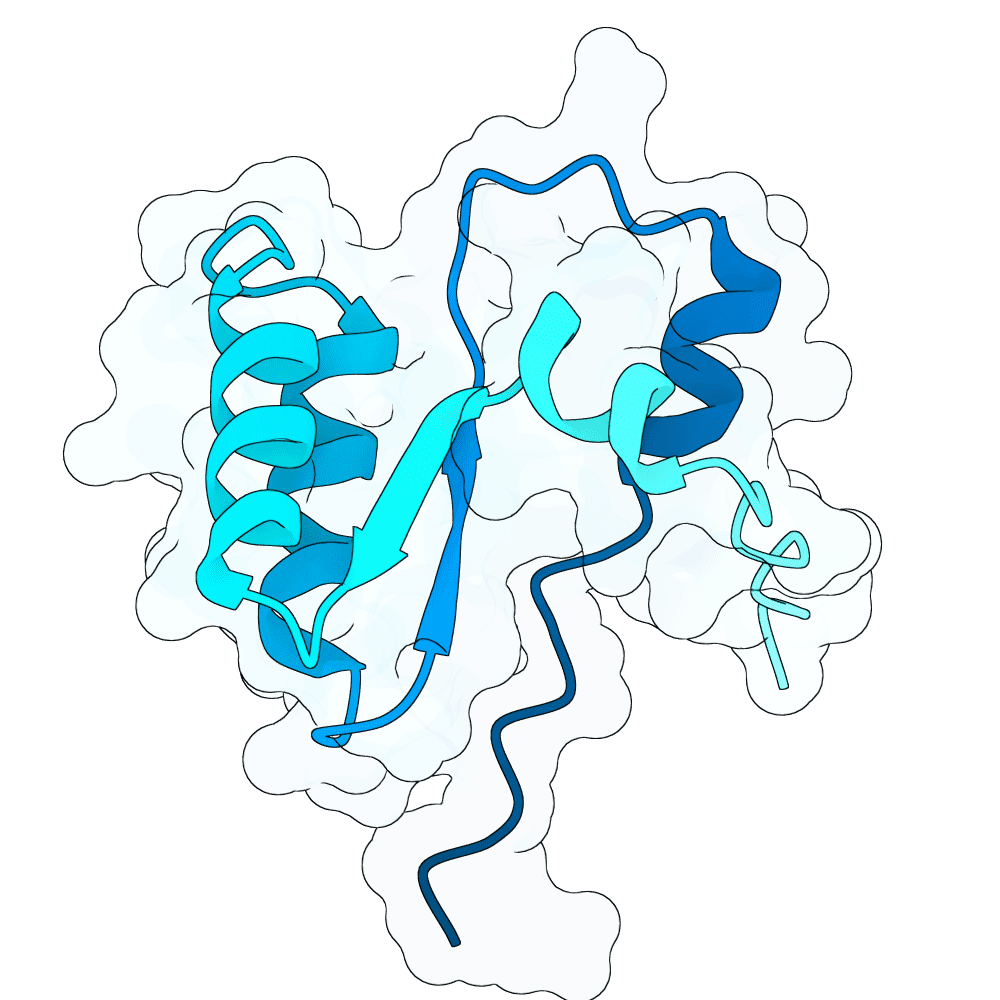
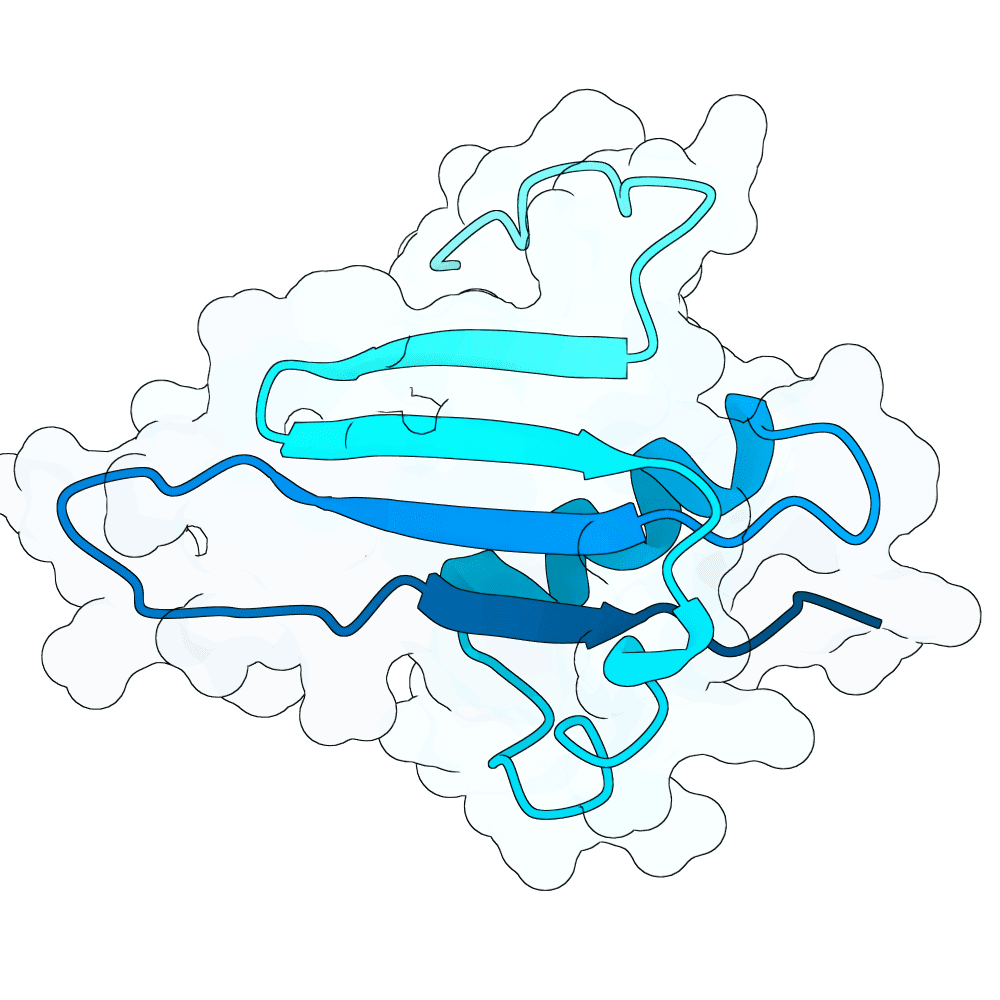
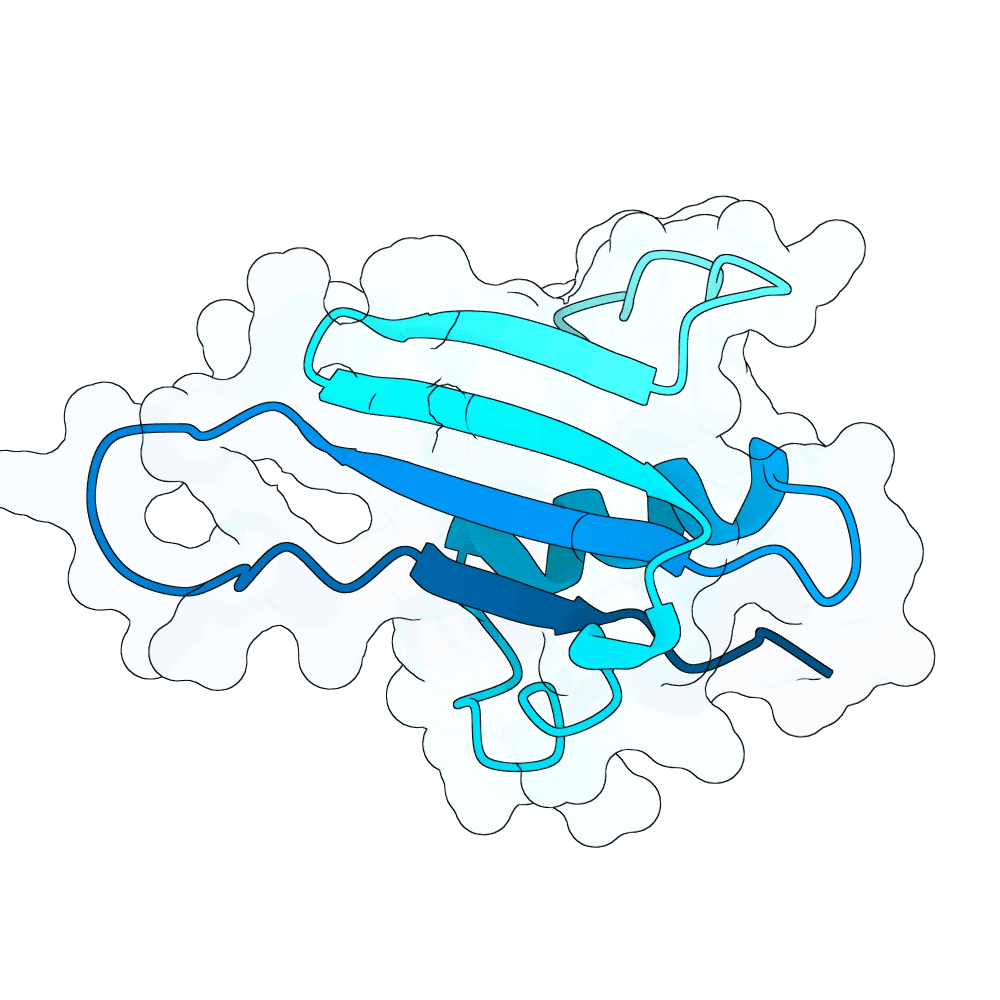
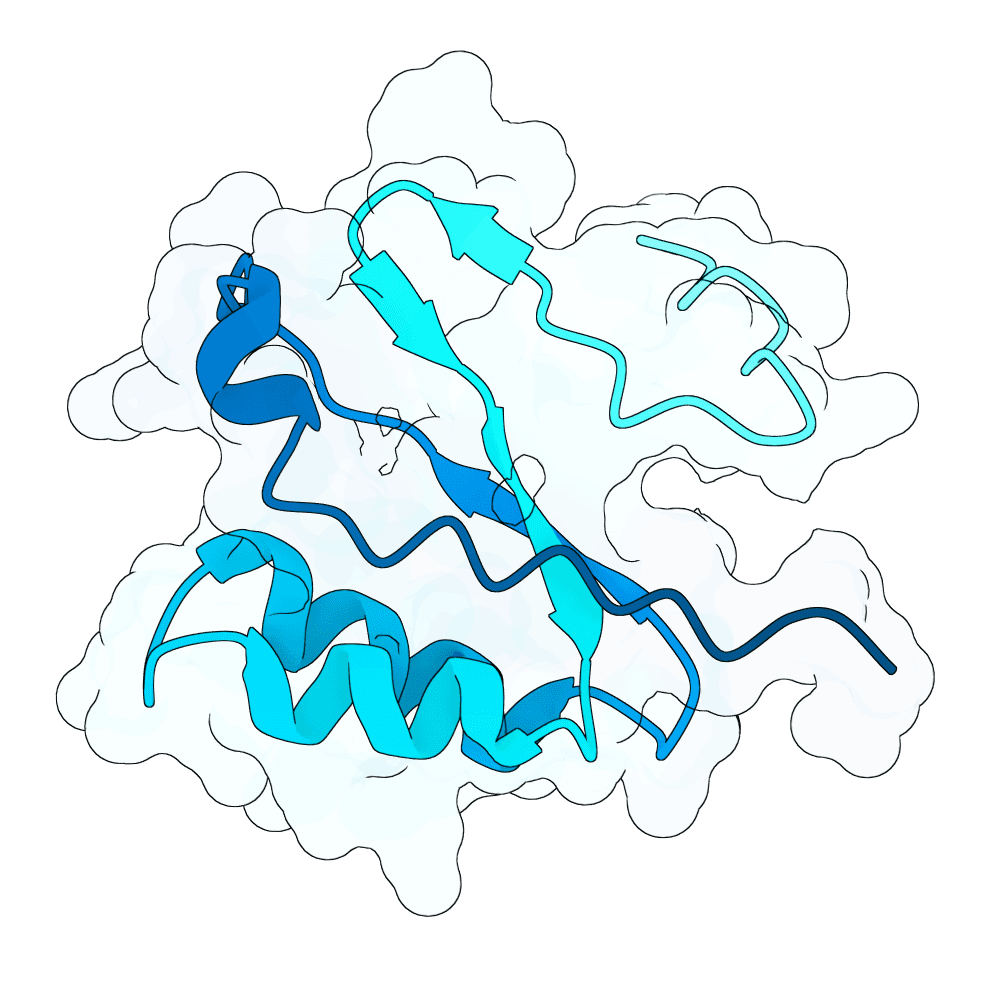
We design Rbx1 binders by first learning broad interface patterns from proteins that naturally engage TfR1 or related surfaces. we define a general signature associated with productive binding at the desired rbx1 N-terminal region. We then generate candidate binders and prioritize those that best match this signature, while preserving sequence and structural diversity. In this way, the approach combines pattern learning with guided design to enrich for candidates that are more likely to bind the target site effectively.
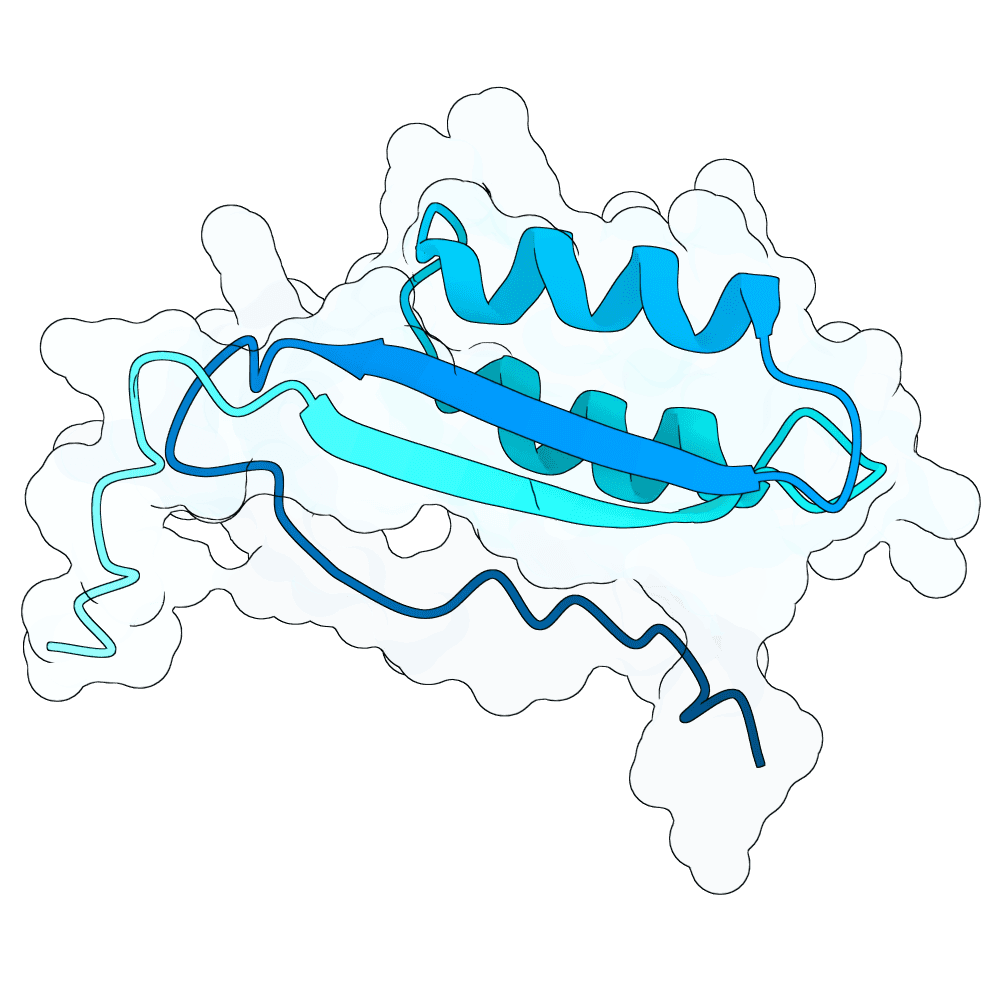
id: hollow-kiwi-ash

RBX1
0.24
36.08
--
10.0 kDa
89
id: green-otter-birch

RBX1
0.16
36.89
--
10.0 kDa
89
id: misty-crow-onyx

RBX1
0.01
52.17
--
9.9 kDa
89
id: shy-tiger-rose

RBX1
0.07
41.64
--
9.9 kDa
89
id: golden-bat-dust

RBX1
0.48
35.58
--
10.0 kDa
89
id: deep-toad-birch

RBX1
0.49
39.32
--
9.8 kDa
89
id: golden-ram-reed

RBX1
0.13
40.43
--
10.0 kDa
89
id: misty-dove-birch

RBX1
0.05
37.19
--
10.0 kDa
89
id: lunar-deer-granite

RBX1
0.16
41.71
--
9.9 kDa
89
id: jade-hawk-lava

RBX1
0.14
36.01
--
10.2 kDa
89
id: noble-seal-cypress

RBX1
0.04
36.37
--
9.9 kDa
89
id: swift-fox-crystal

RBX1
0.89
37.87
--
10.0 kDa
89
id: quick-heron-thorn

RBX1
0.33
39.28
--
10.1 kDa
89
id: wild-boar-rose

RBX1
0.01
41.12
--
10.0 kDa
89