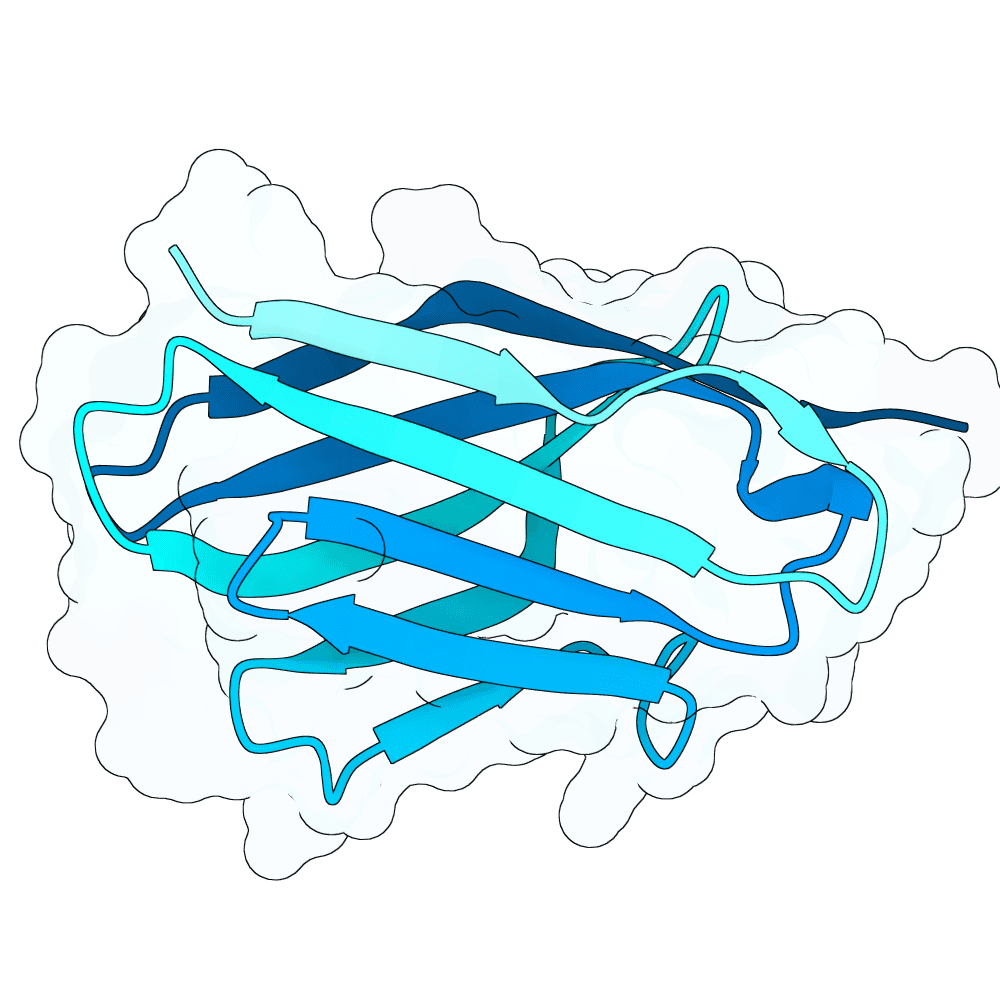
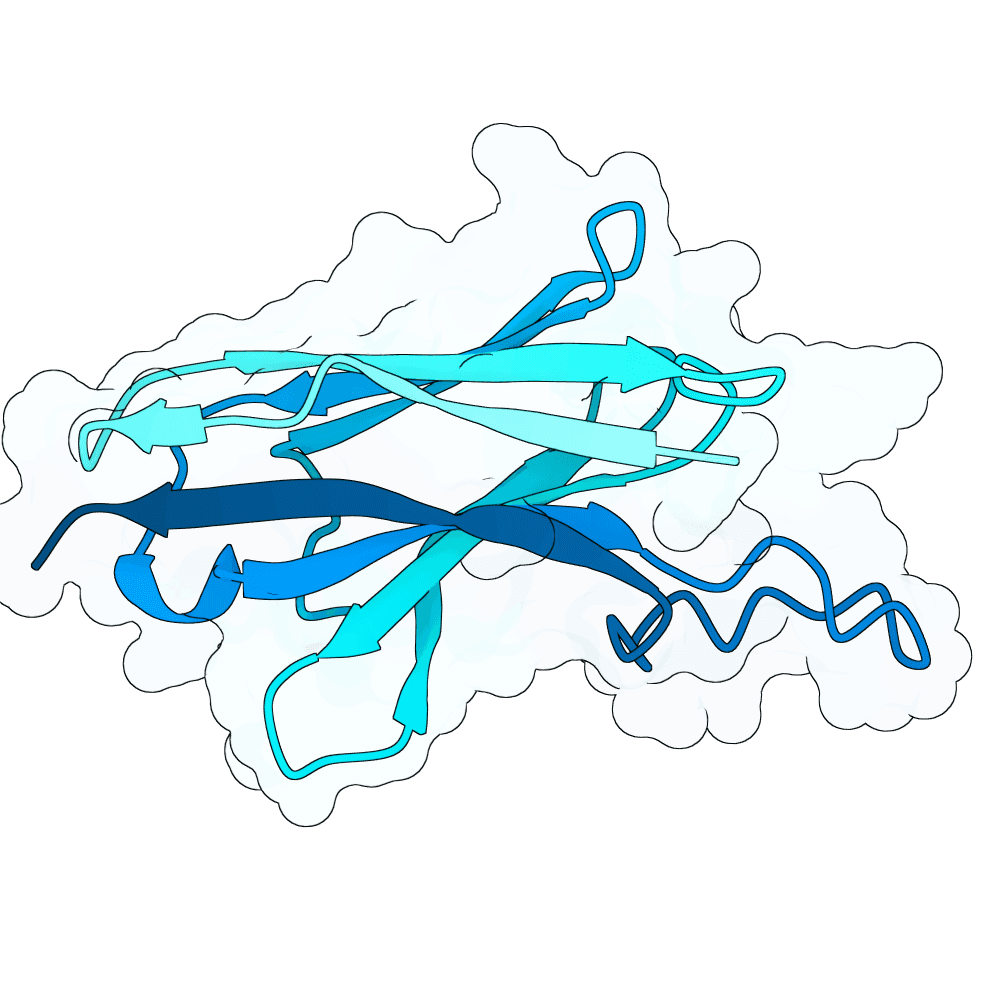
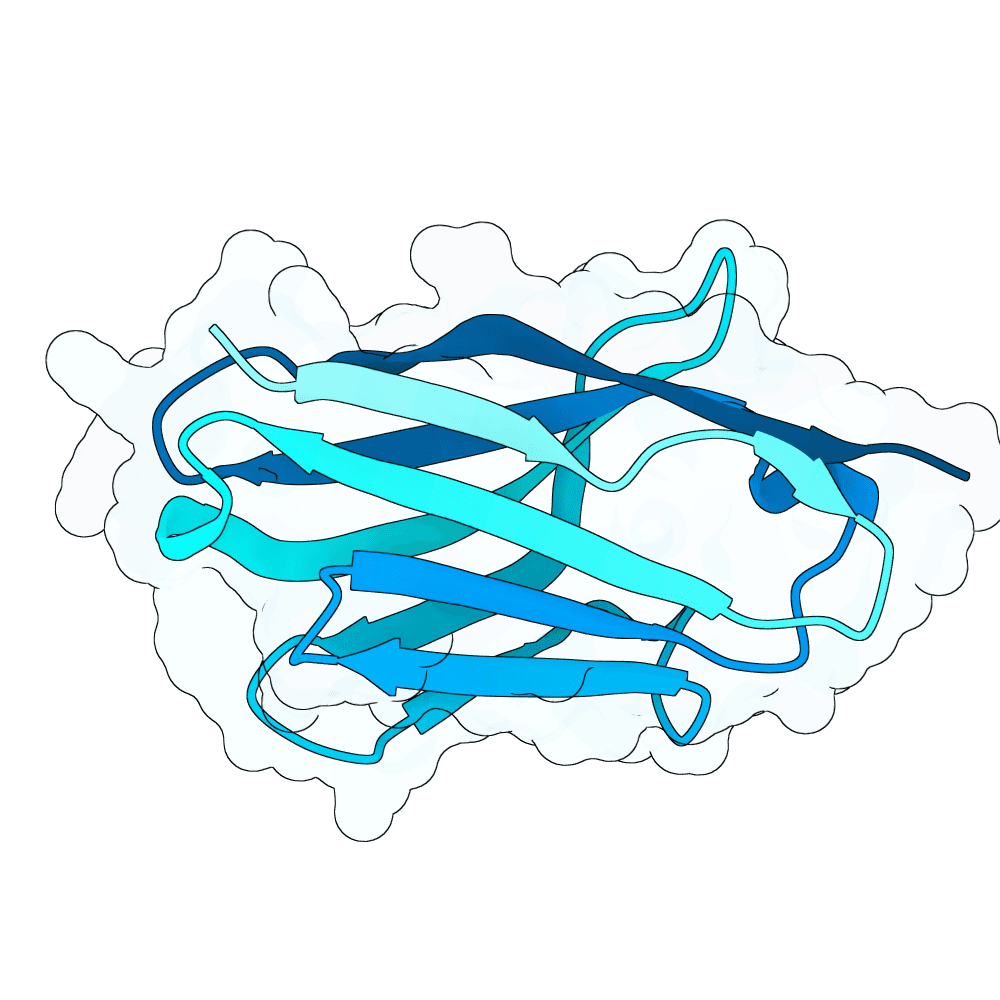
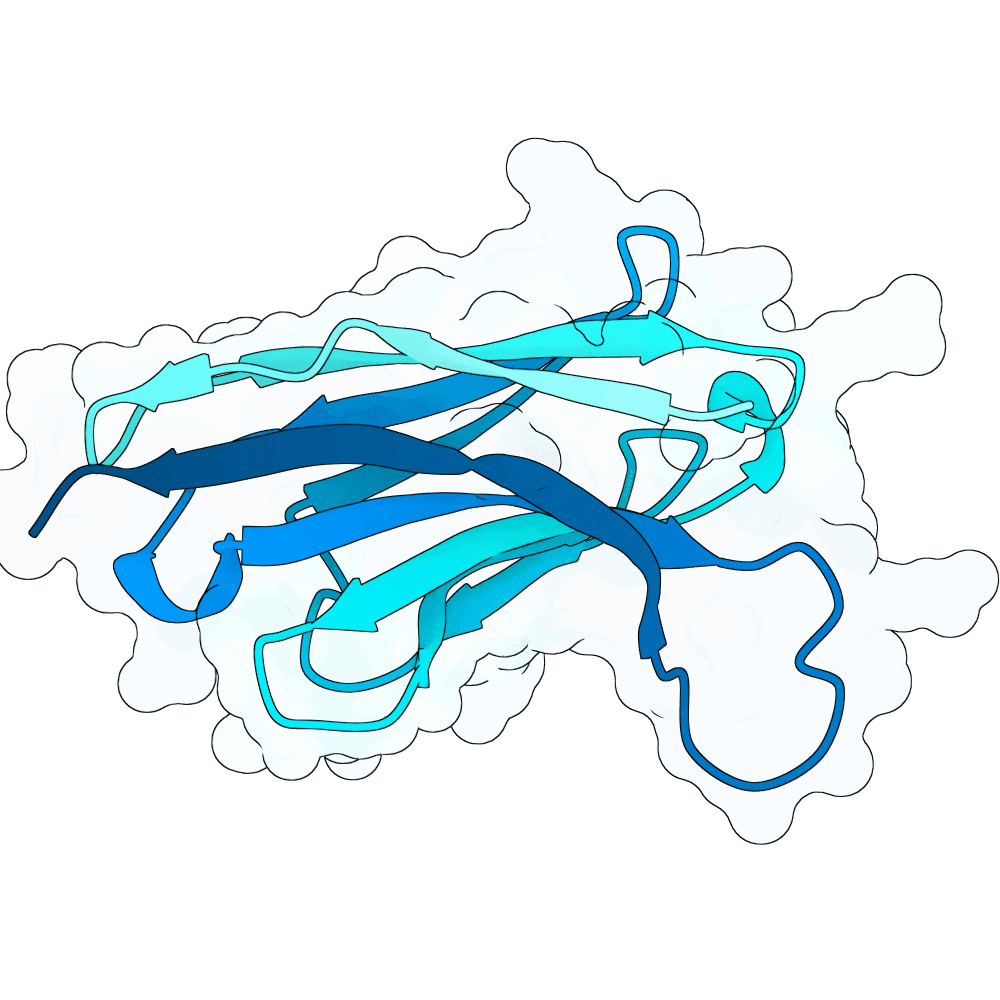
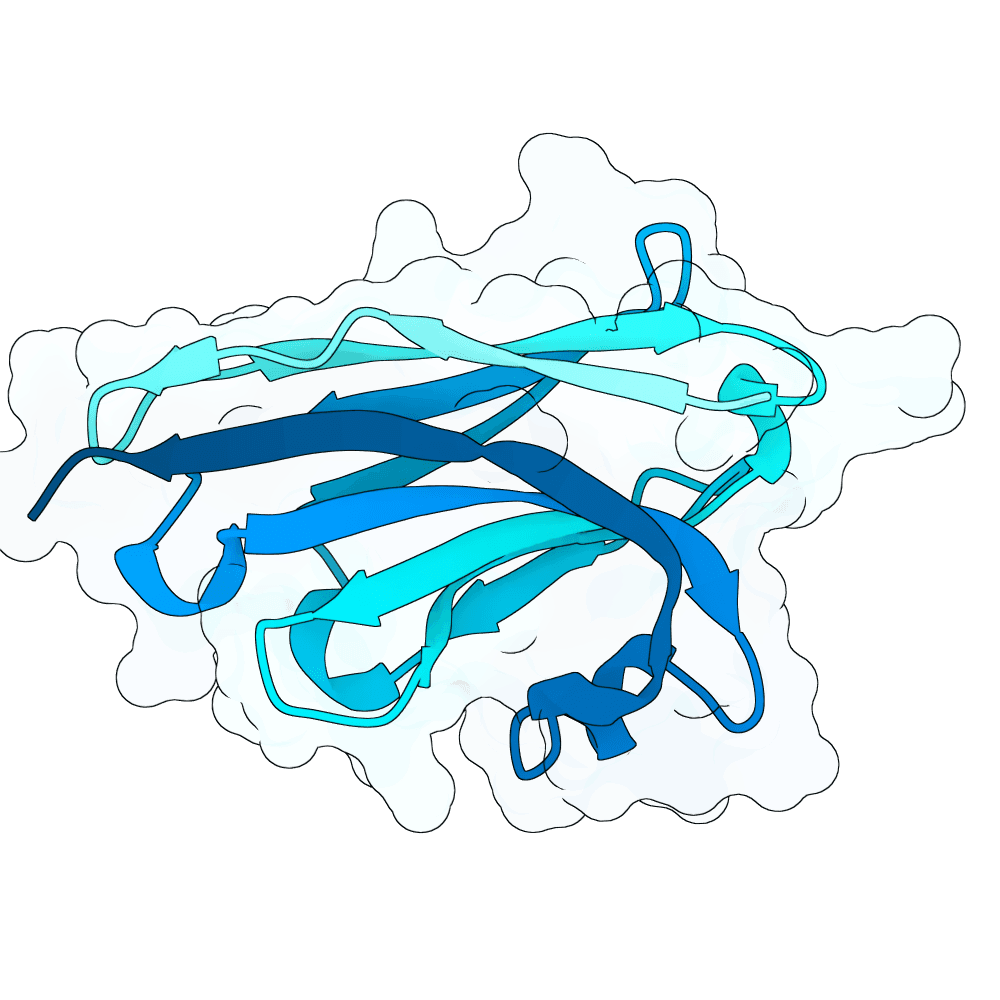
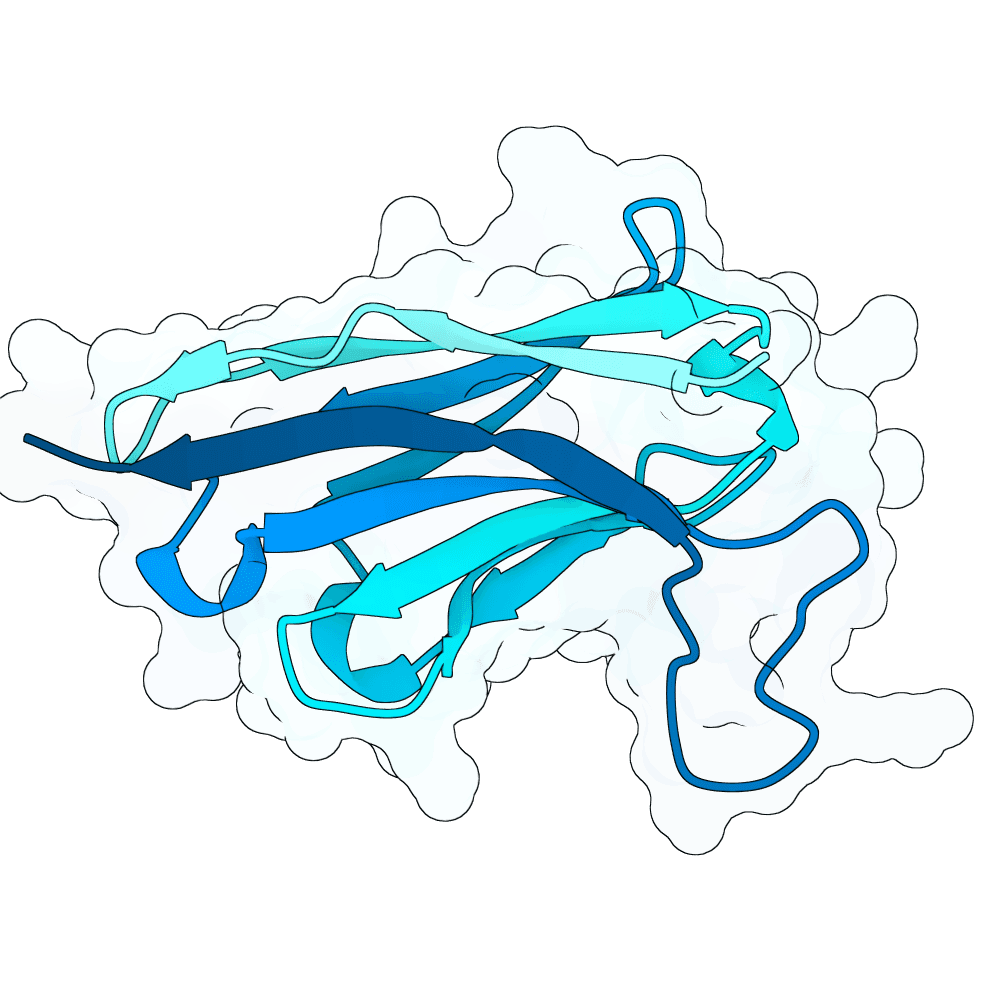
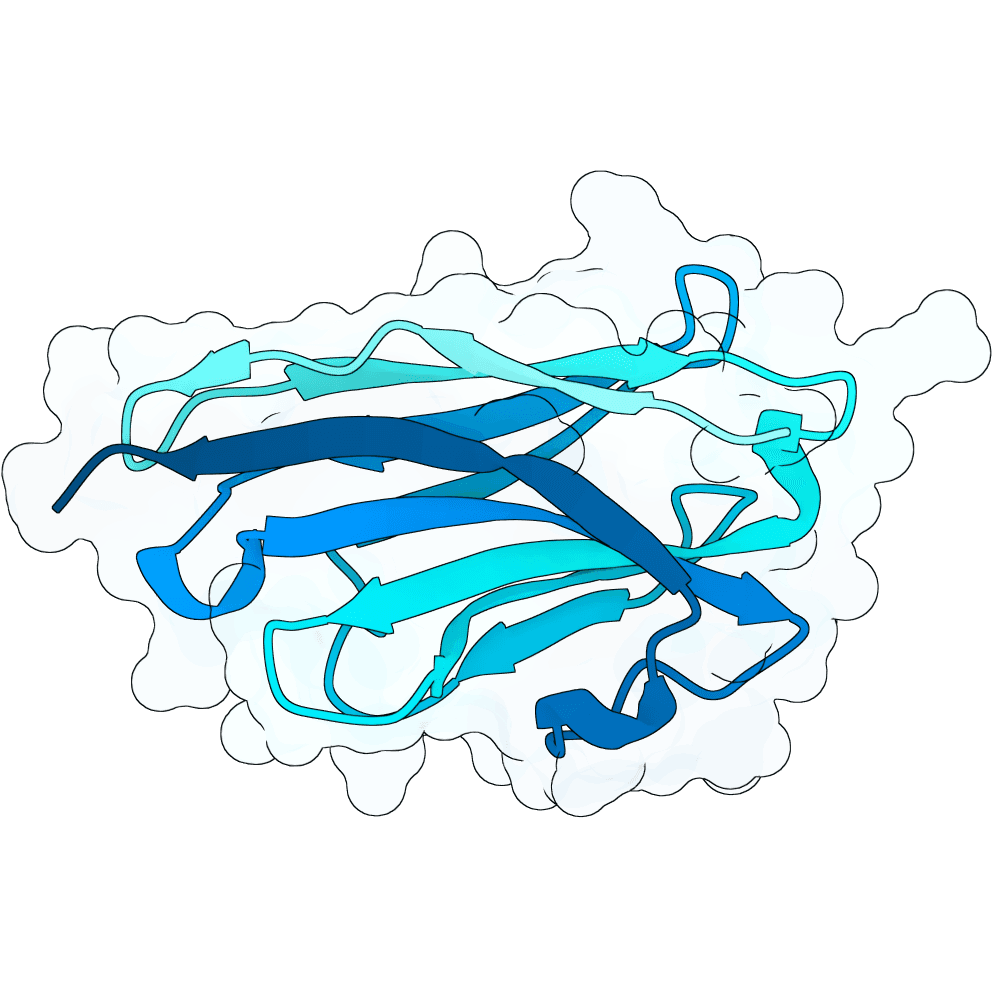
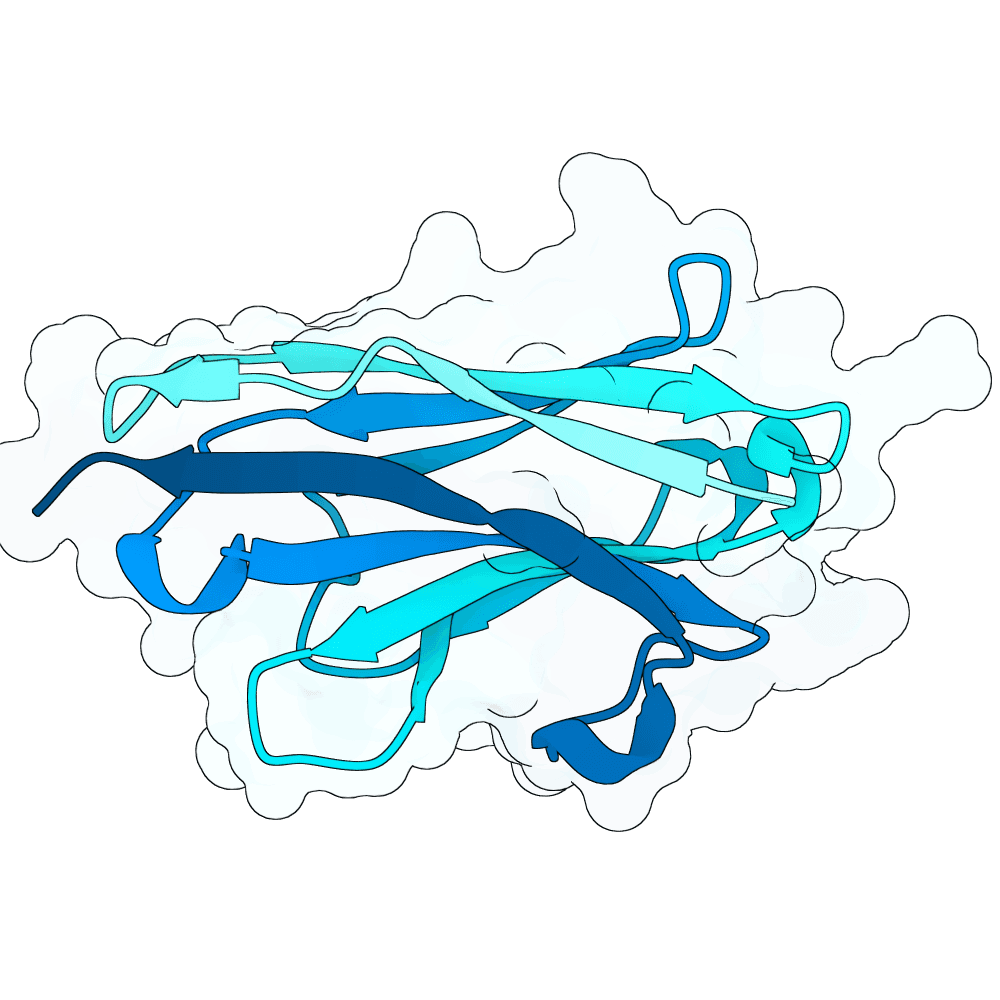
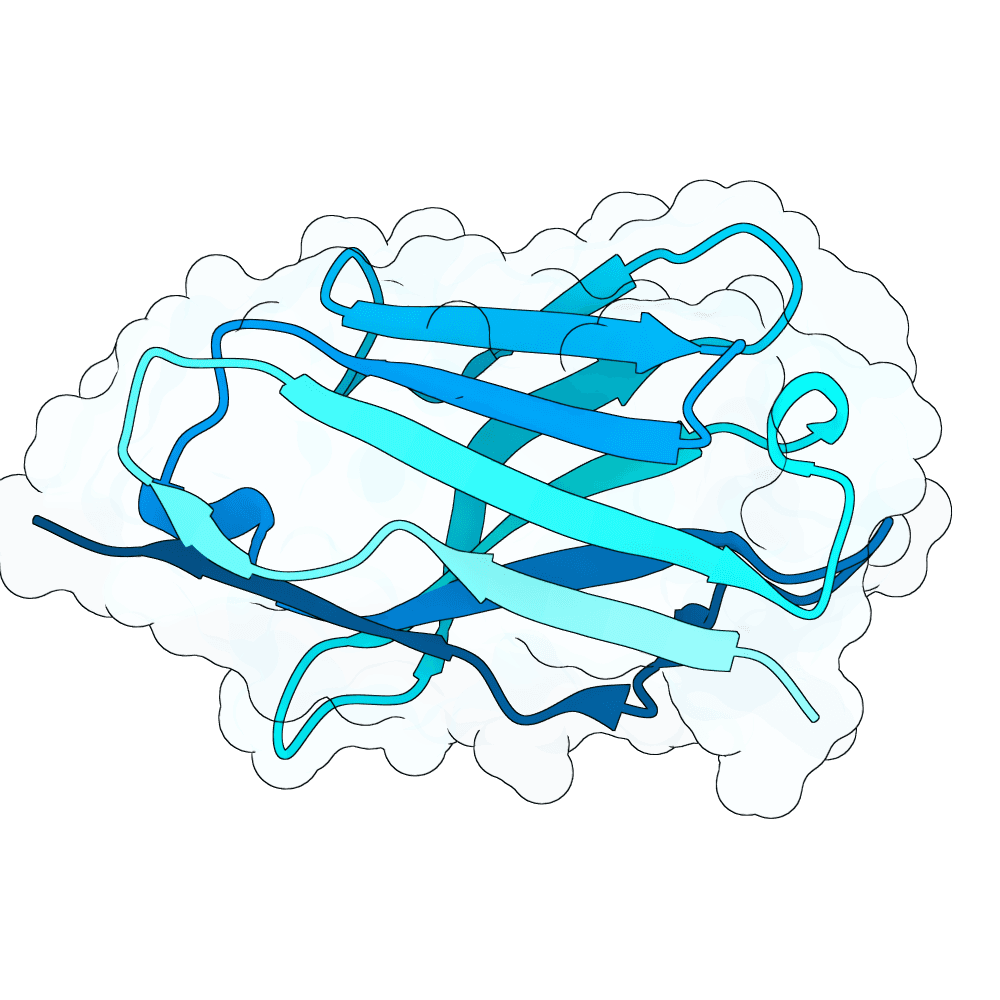
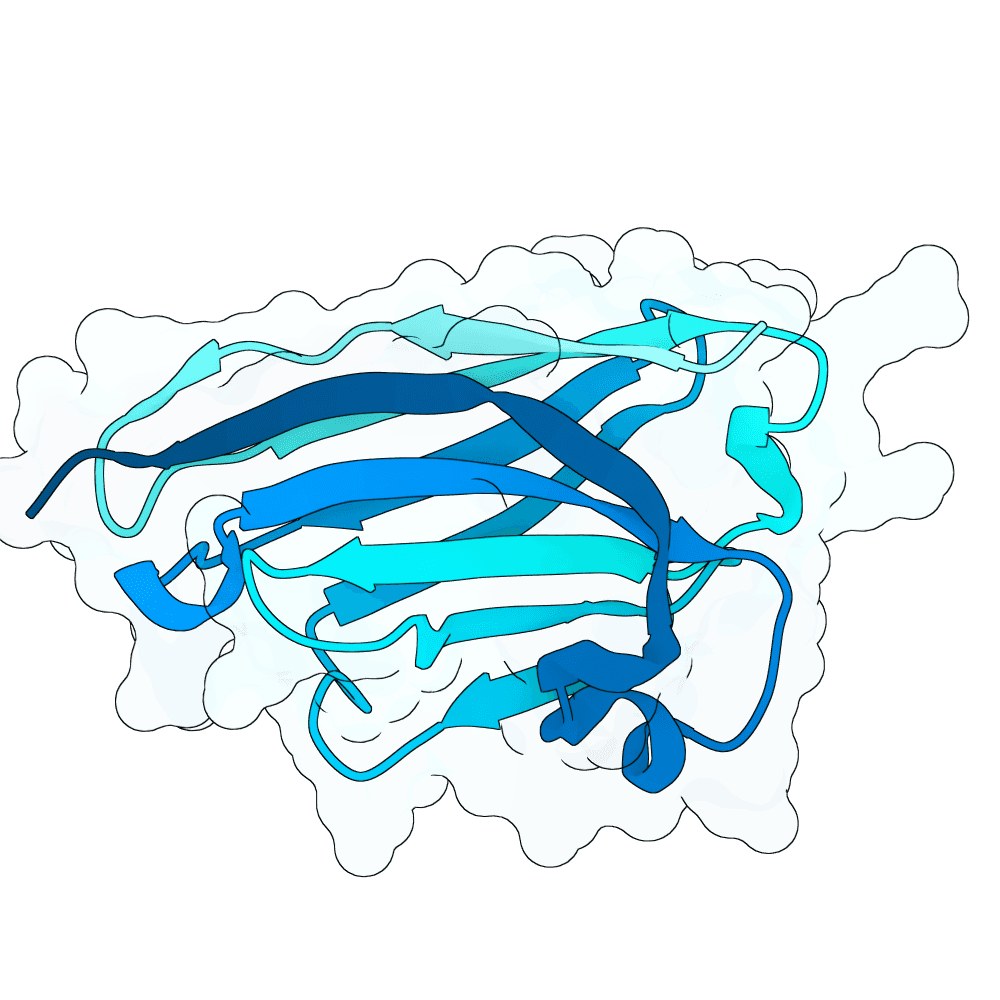
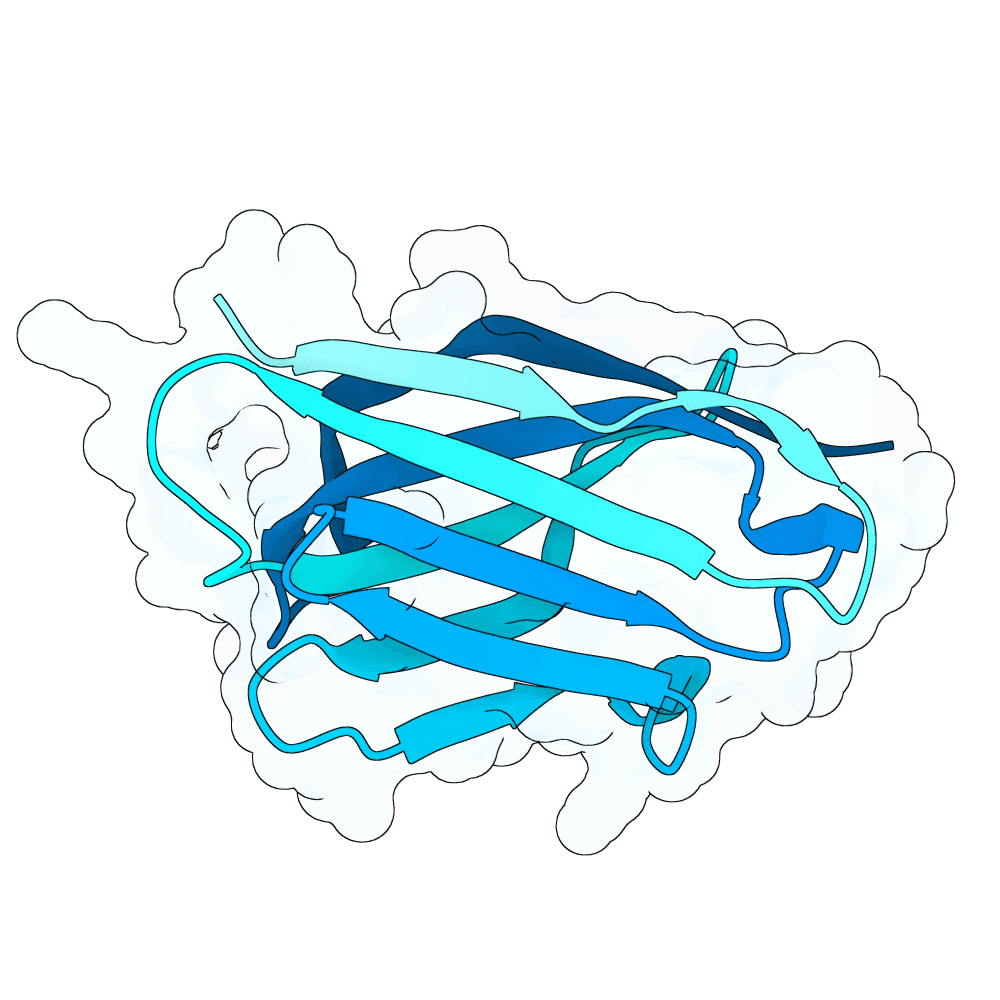
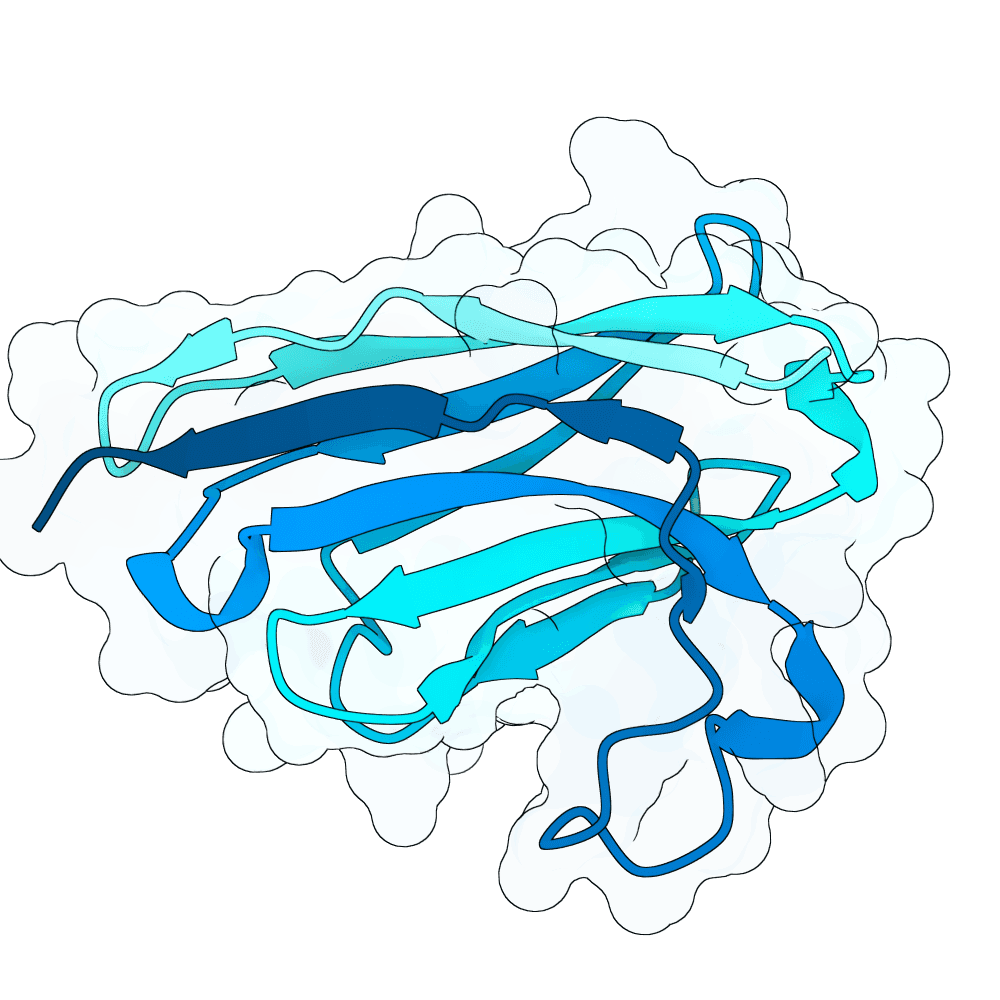
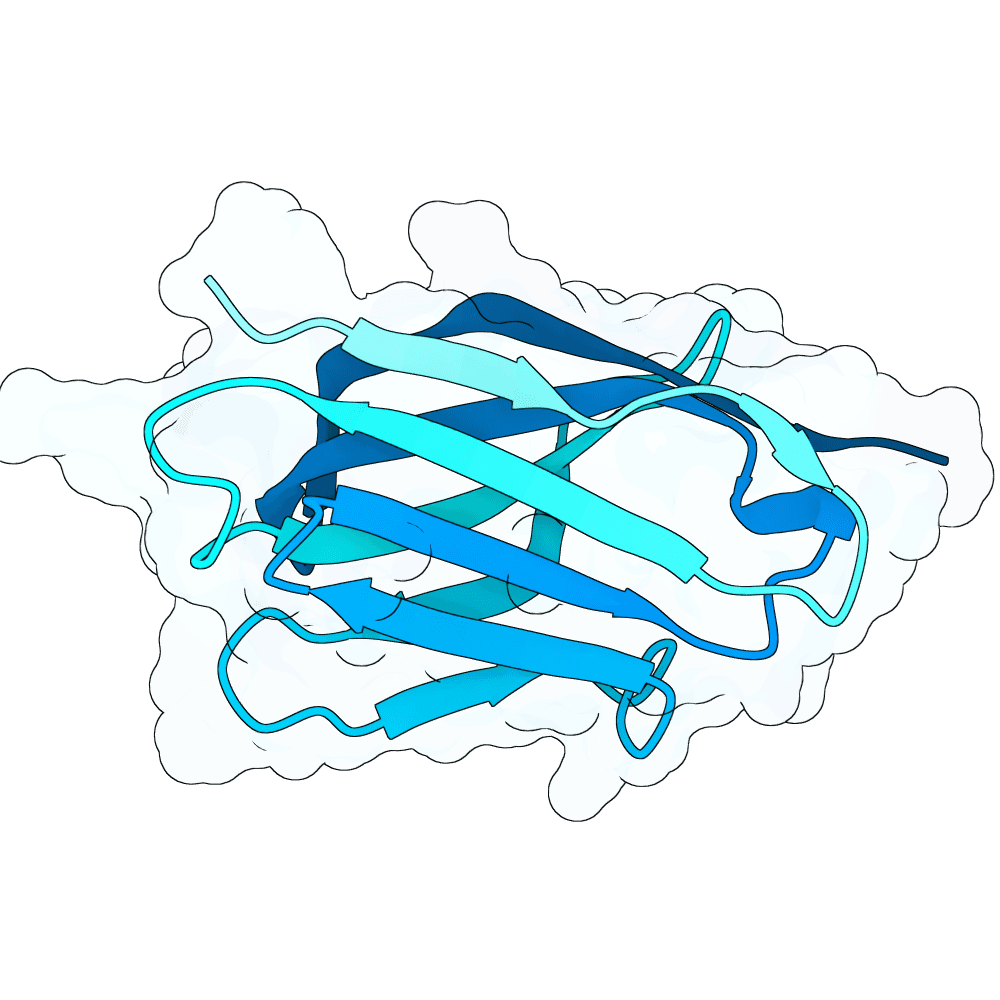
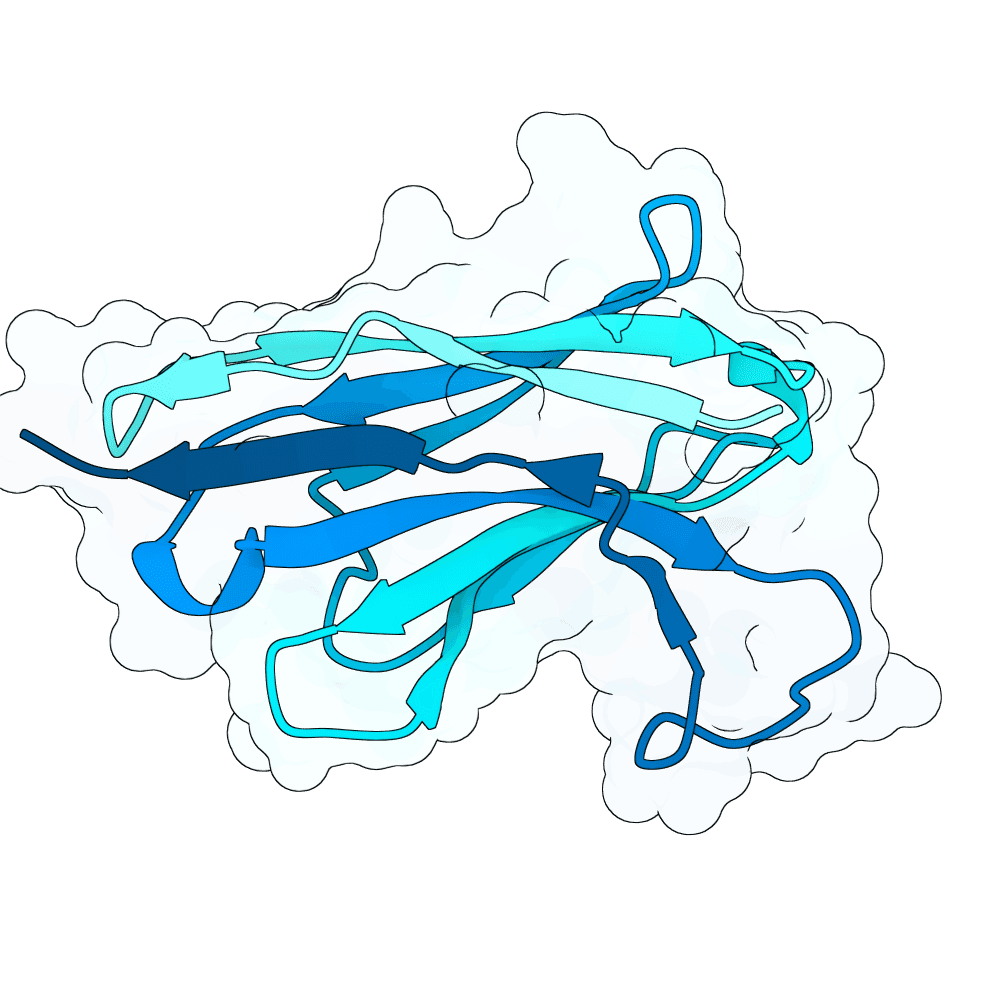
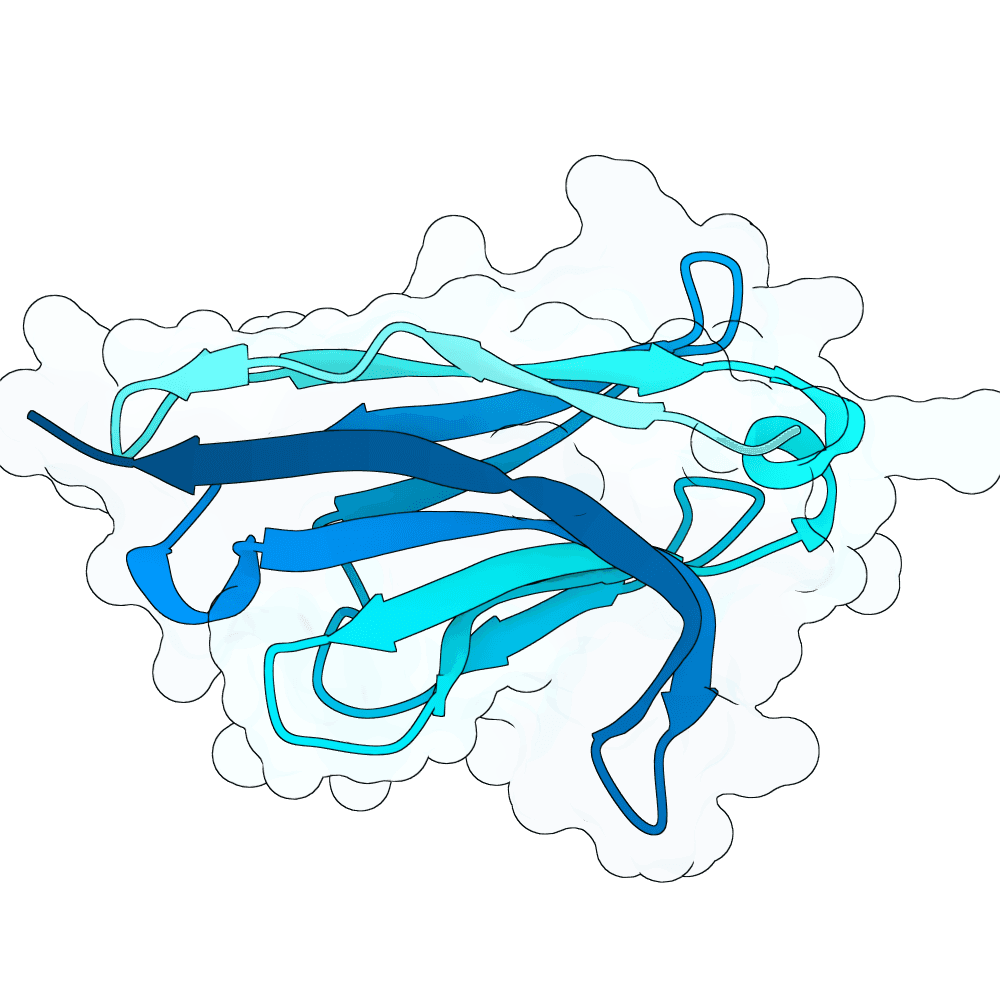
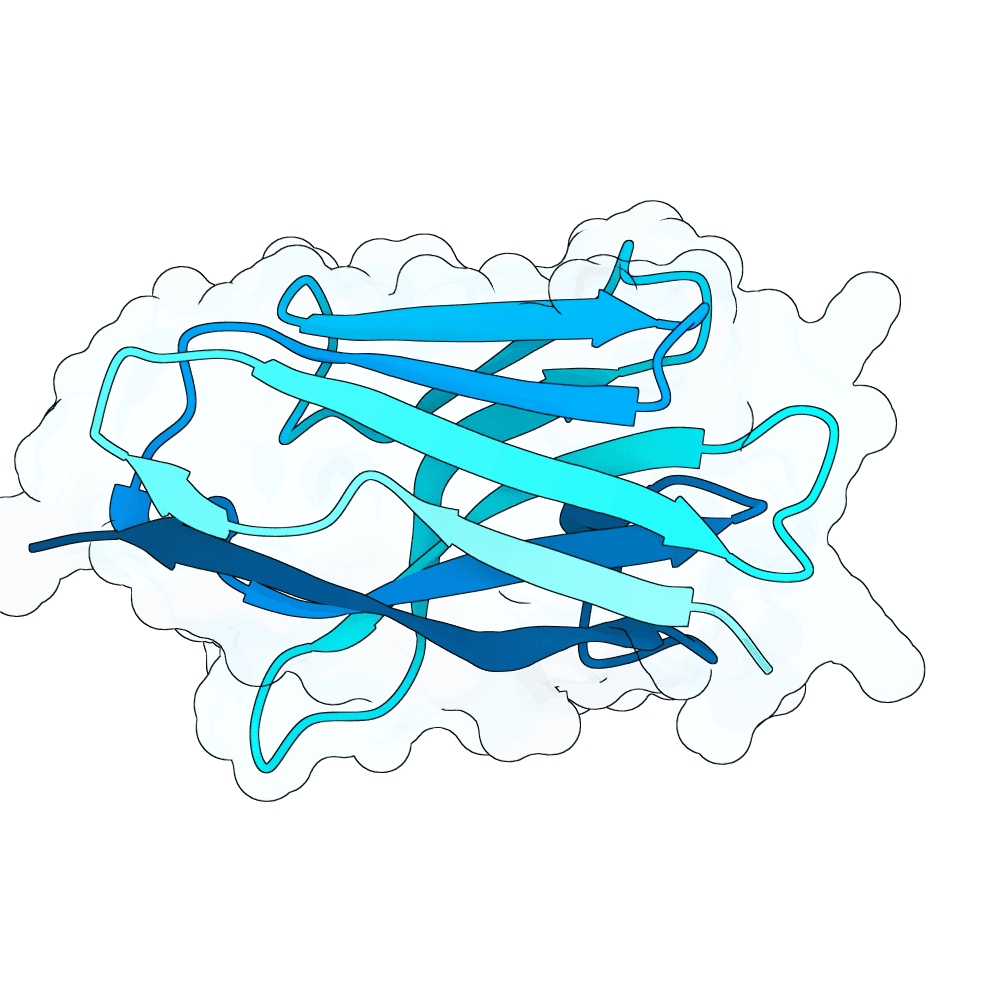
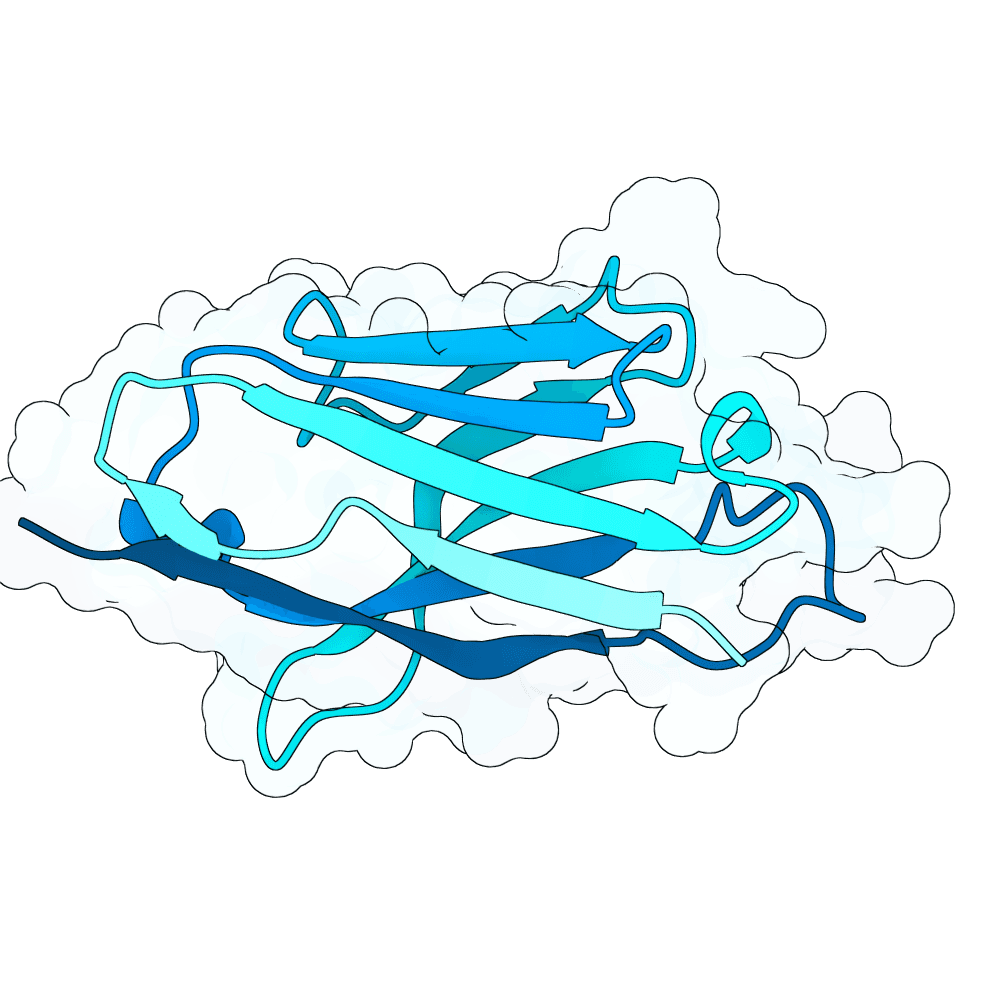
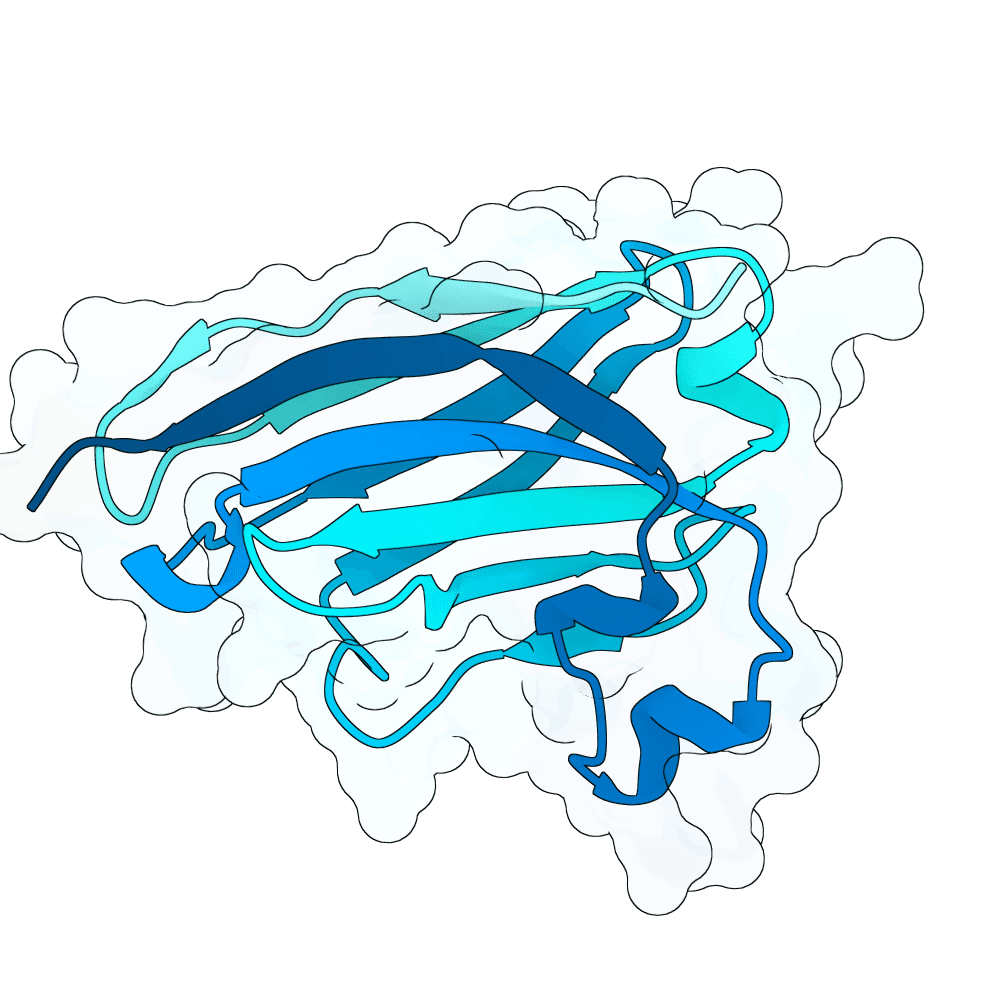
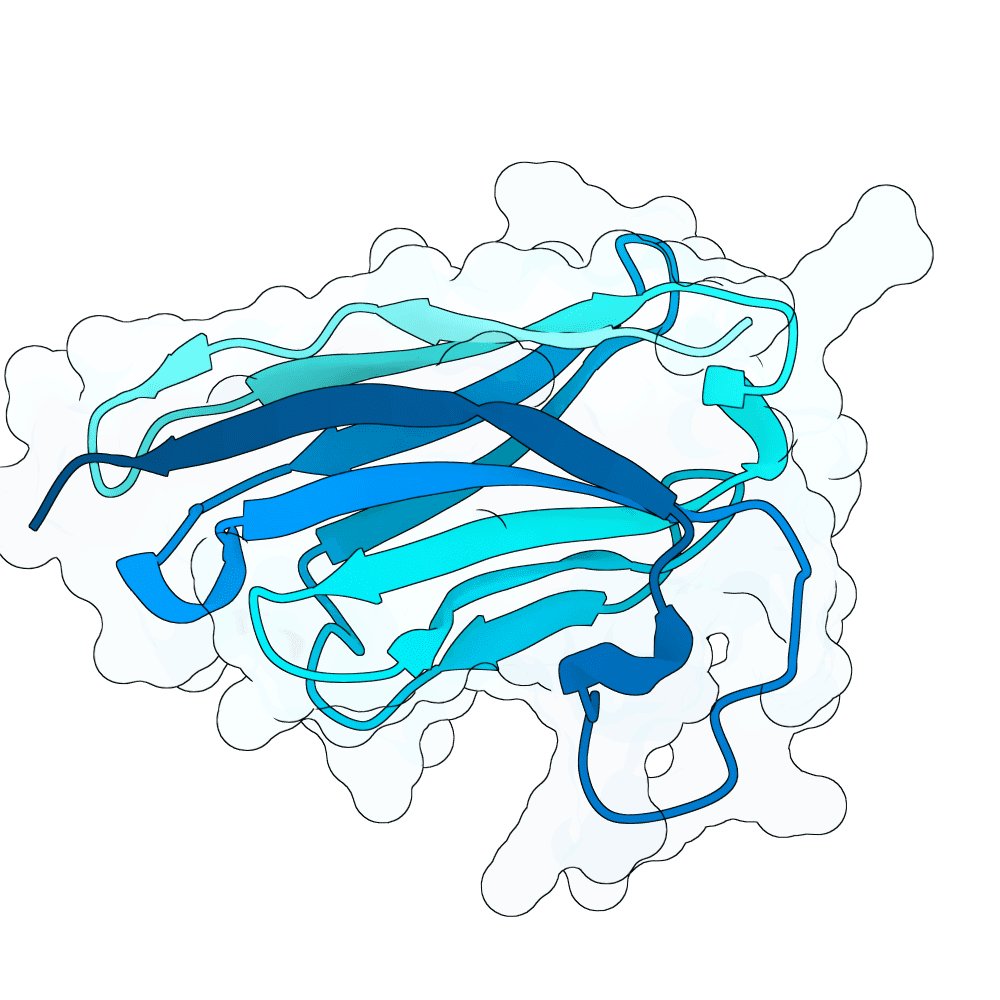
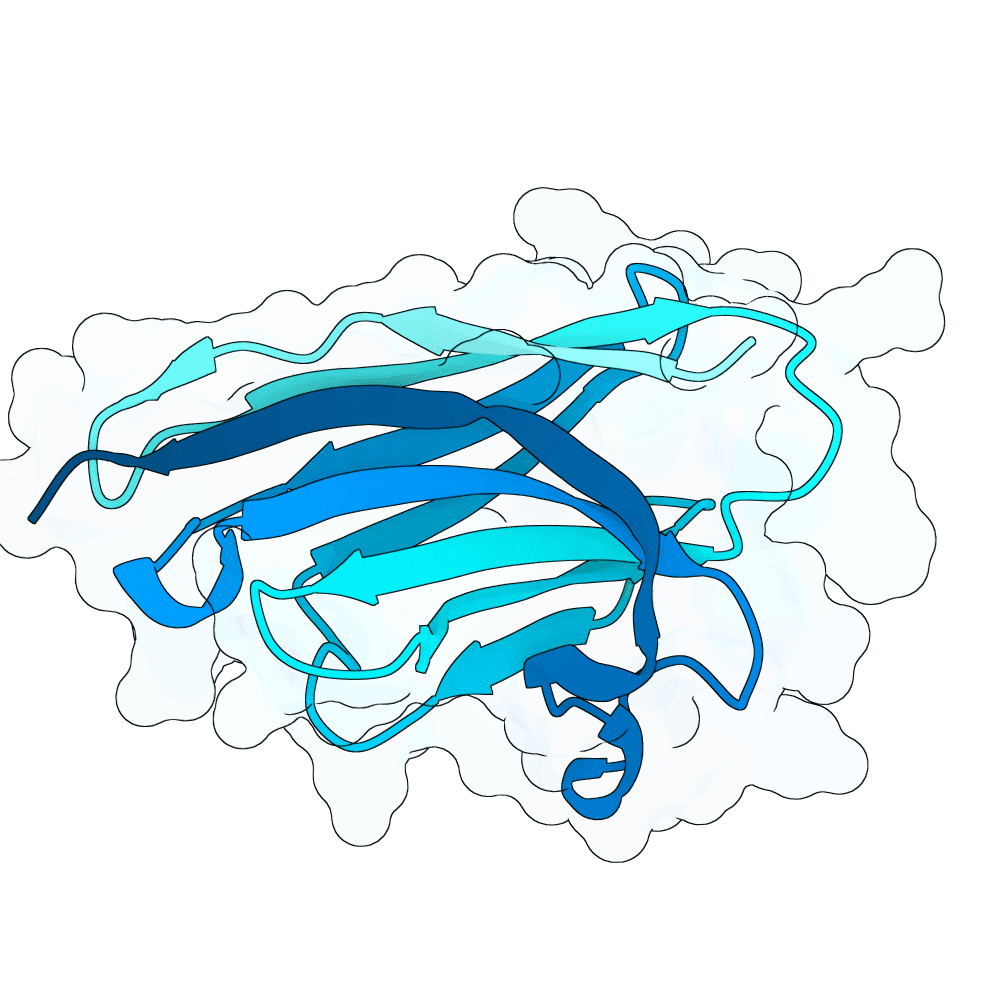
We employed PPIFlow (Yu et al., bioRxiv 2026), a flow-matching-based generative framework for de novo protein binder design. PPIFlow uses a pairformer architecture to model protein backbone rigid-body transformations as continuous flows, conditioning on hotspot residues at the target interface. Generated backbones were passed through AbMPNN for VHH sequence design, followed by AF3Score filtering to prioritize high-confidence candidates. Selected candidates then underwent in silico affinity maturation via interface rotamer enrichment combined with partial flow refinement to optimize interfacial packing. Final candidates were validated with template-free AlphaFold3 structure prediction.
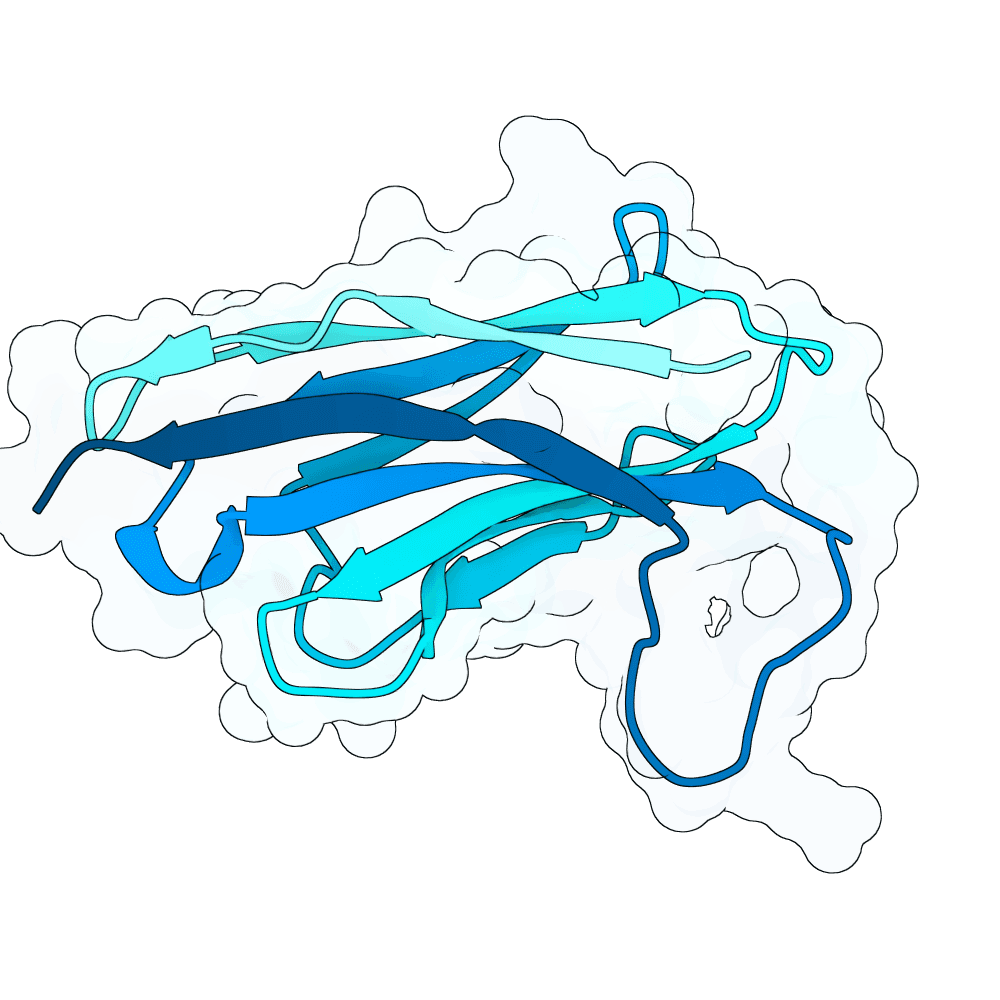
id: lunar-gecko-quartz

RBX1
0.16
85.64
--
13.7 kDa
126
id: quiet-panda-dust

RBX1
0.55
88.32
--
12.5 kDa
117
id: vast-jaguar-ruby

RBX1
0.03
79.68
--
13.5 kDa
128
id: quick-hawk-leaf

RBX1
0.39
85.13
--
12.9 kDa
117
id: young-toad-bronze

RBX1
0.17
85.49
--
13.1 kDa
123
id: silent-seal-dust

RBX1
0.69
83.90
--
13.7 kDa
128
id: dark-ant-marble

RBX1
0.15
82.62
--
13.5 kDa
125
id: noble-otter-wave

RBX1
0.67
85.24
--
13.5 kDa
125
id: silver-heron-opal

RBX1
0.50
85.99
--
12.9 kDa
122
id: young-raven-reed

RBX1
0.19
84.11
--
13.0 kDa
120
id: solid-panda-granite

RBX1
0.56
86.57
--
13.5 kDa
127
id: shy-jaguar-clay

RBX1
0.59
84.43
--
12.8 kDa
118
id: pale-bear-reed

RBX1
0.13
80.47
--
13.6 kDa
128
id: young-swan-granite

RBX1
0.03
85.48
--
12.9 kDa
117
id: azure-heron-cloud

RBX1
0.62
82.96
--
13.3 kDa
124
id: gentle-bat-ash

RBX1
0.27
85.17
--
12.9 kDa
120
id: violet-heron-quartz

RBX1
0.21
87.04
--
13.2 kDa
123
id: steady-deer-bronze

RBX1
0.52
82.34
--
13.3 kDa
122
id: dark-ant-opal

RBX1
0.06
84.14
--
14.1 kDa
129
id: violet-wolf-ember

RBX1
0.67
79.47
--
14.0 kDa
128
id: gentle-moth-rose

RBX1
0.17
82.54
--
14.1 kDa
128