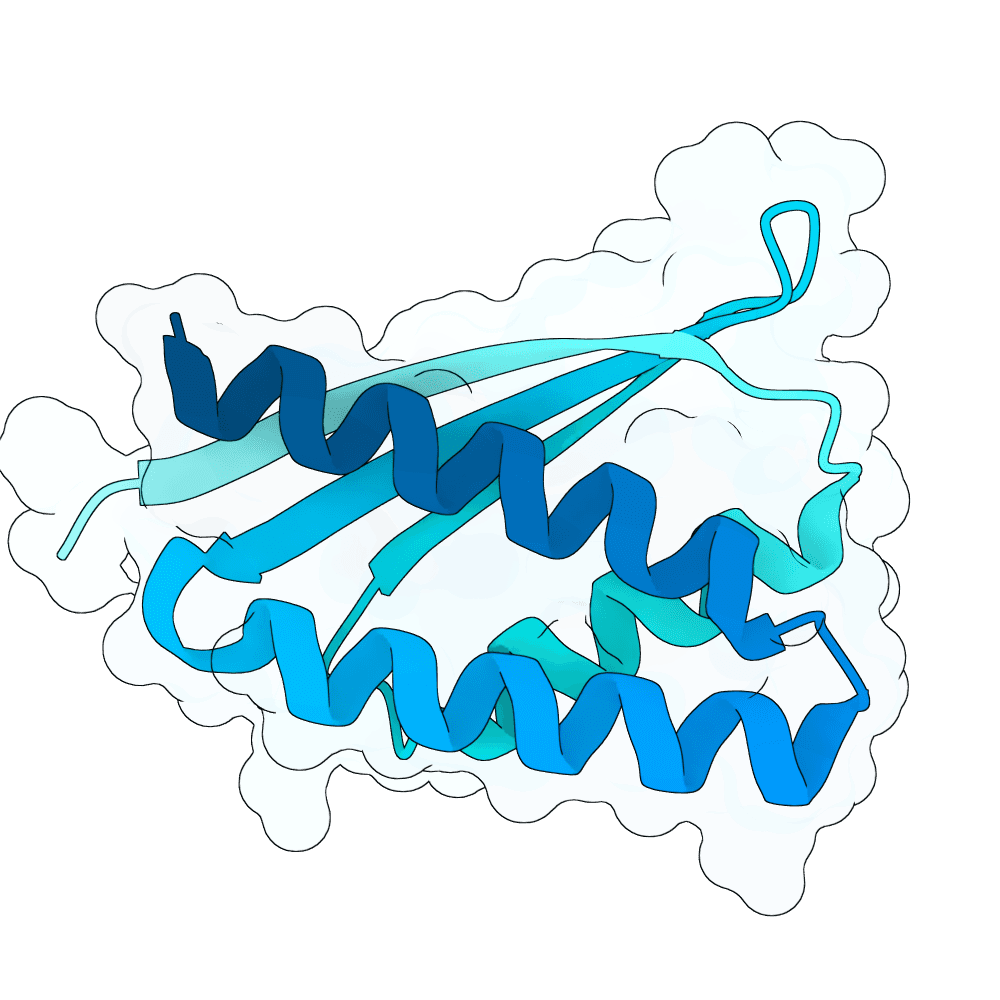
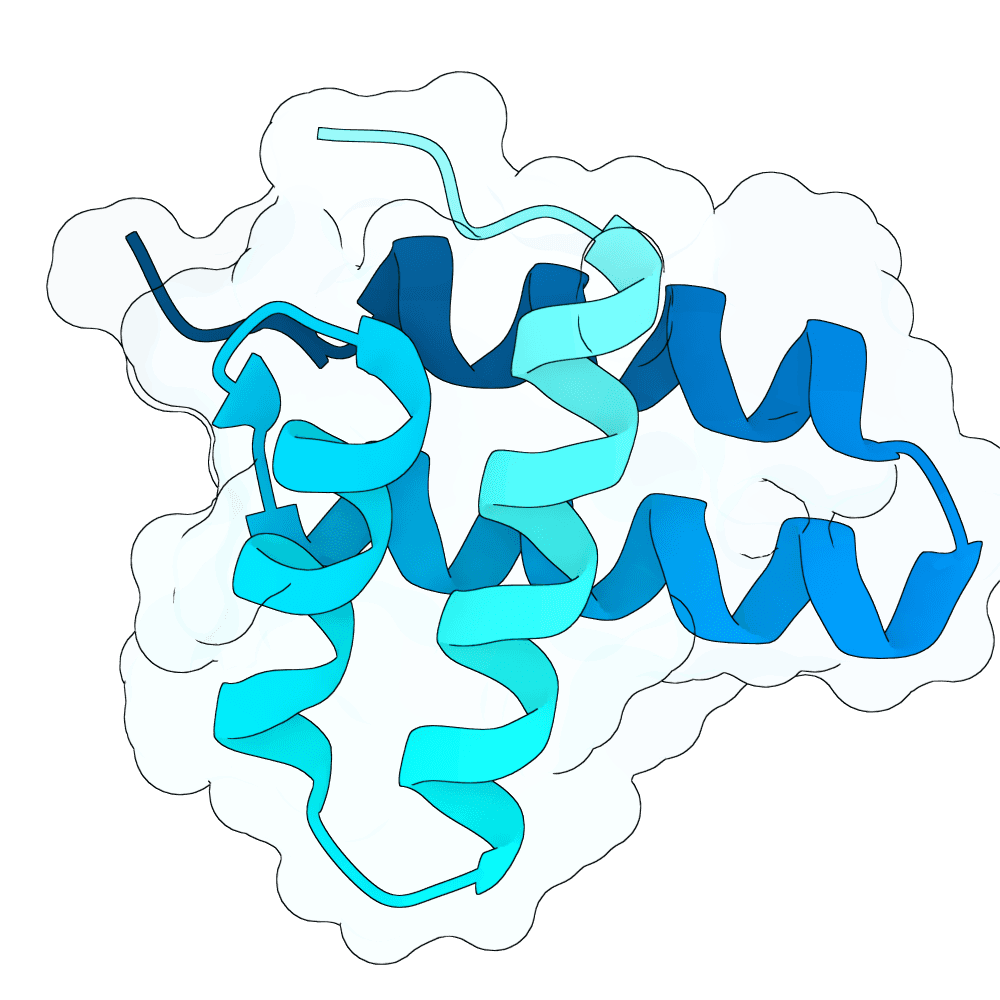
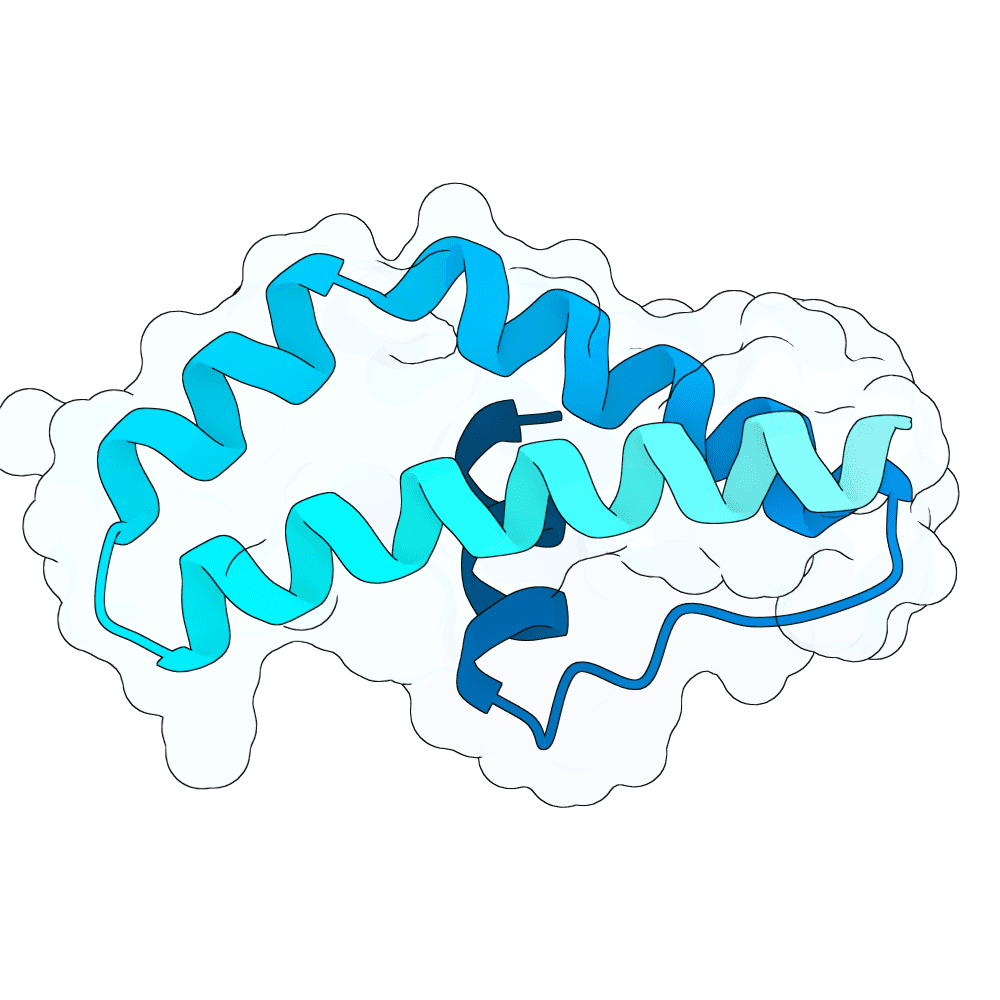
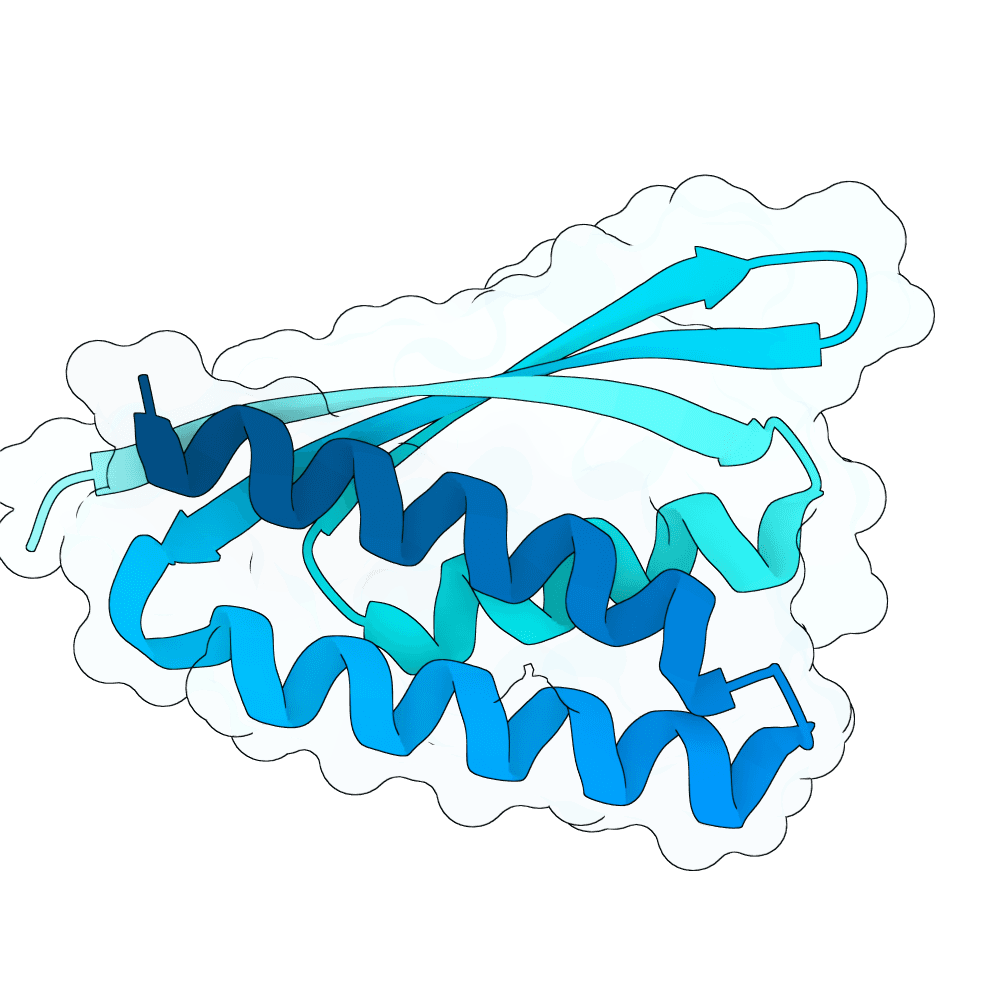
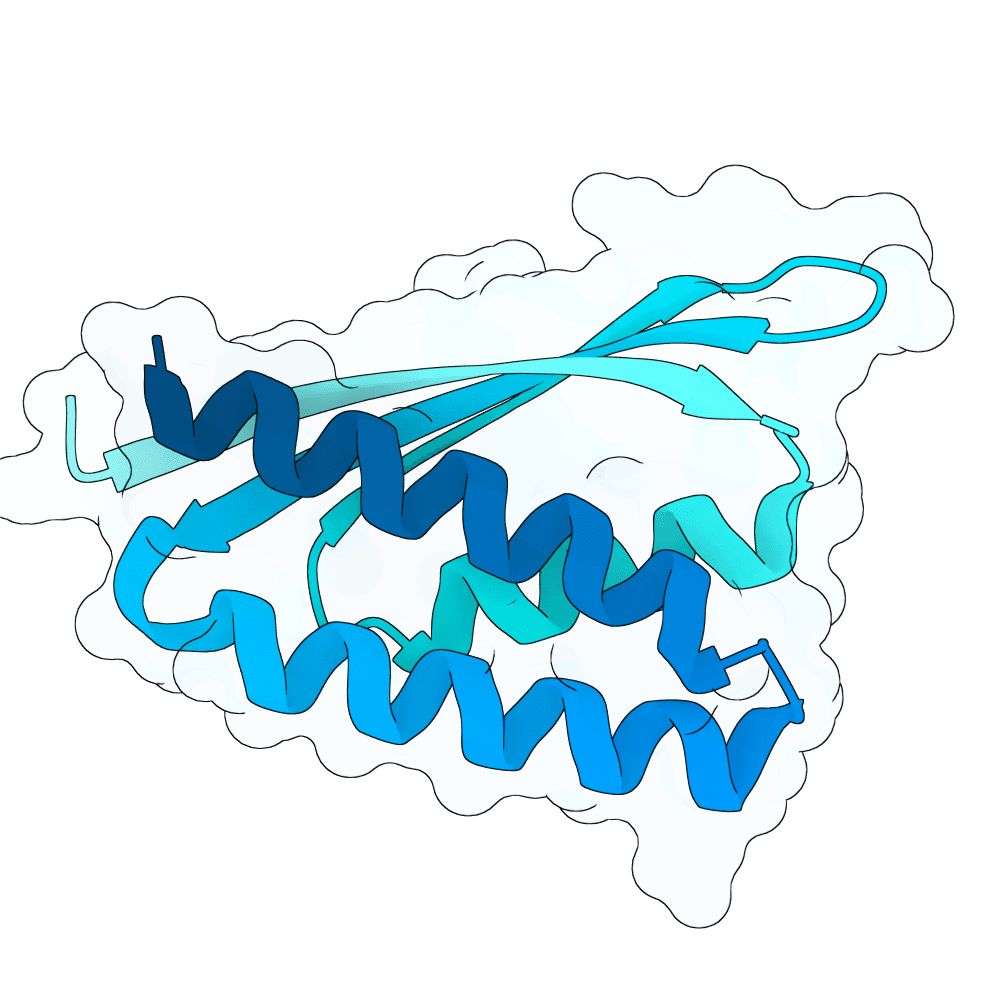
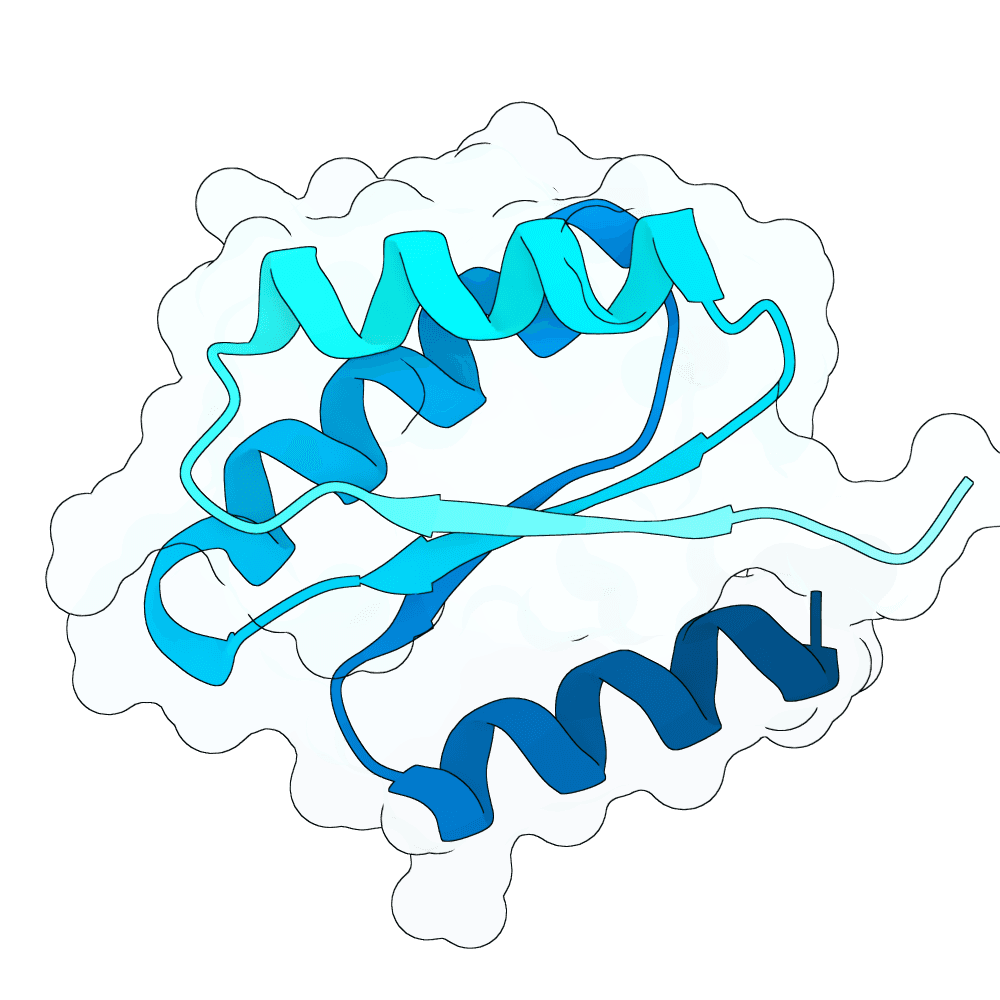
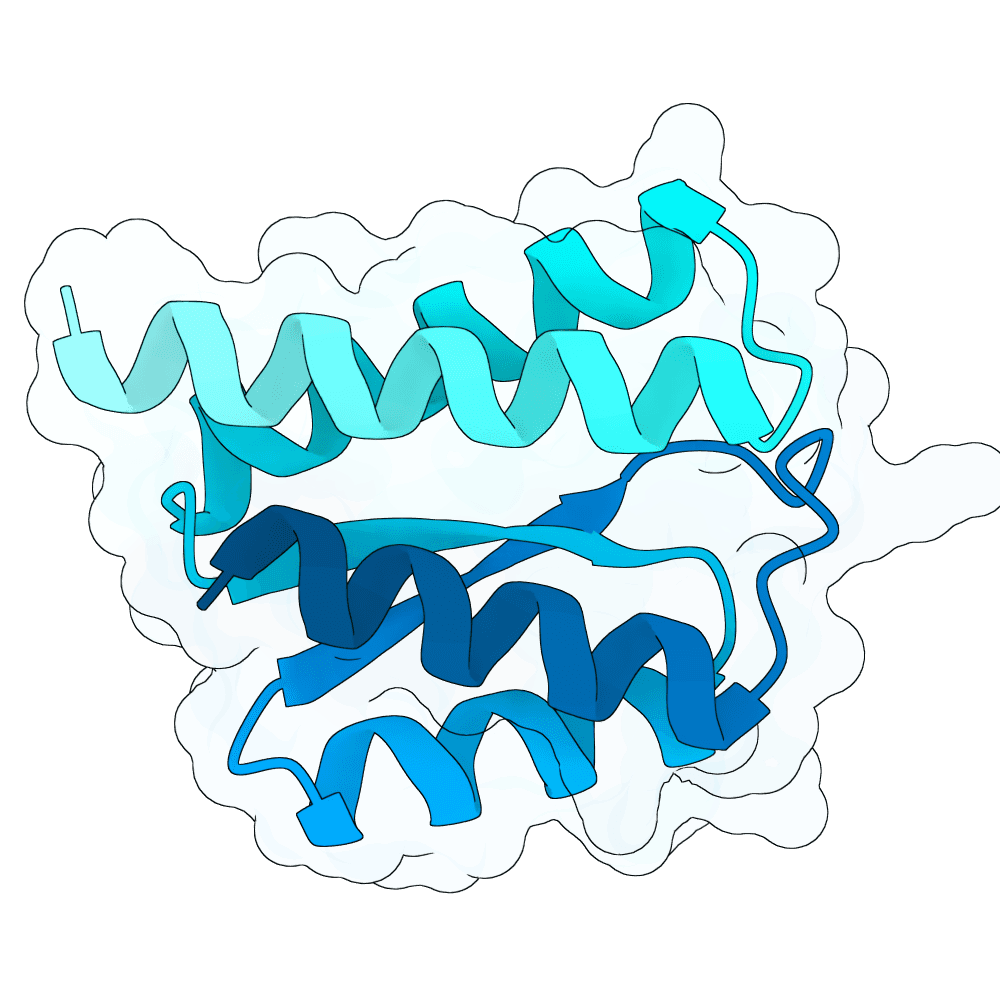
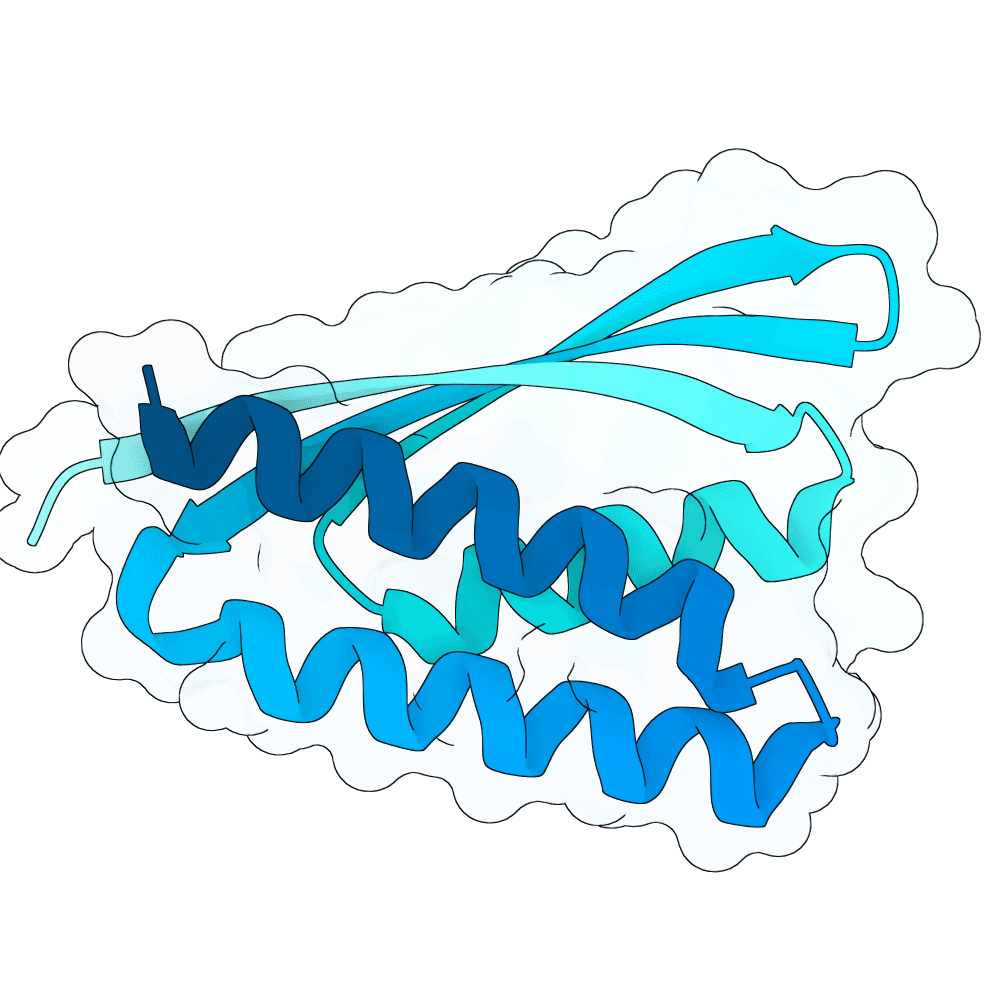
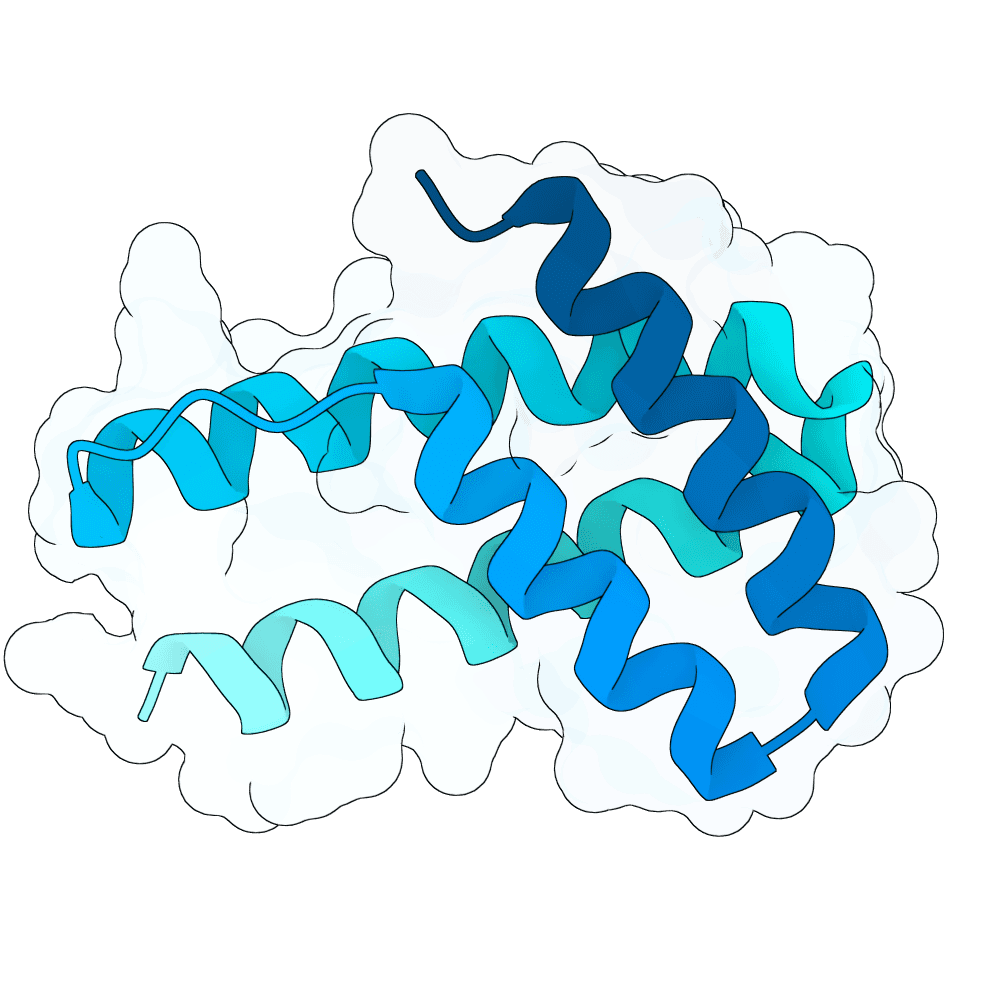
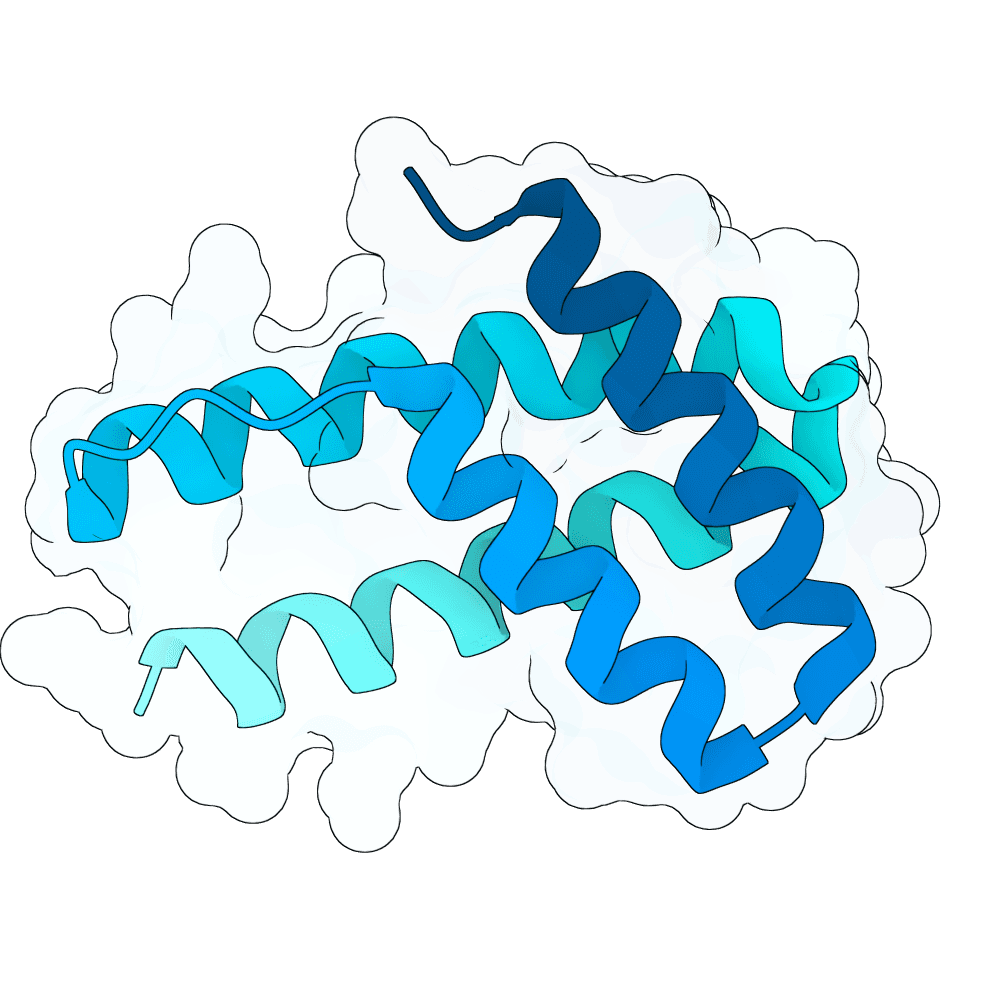
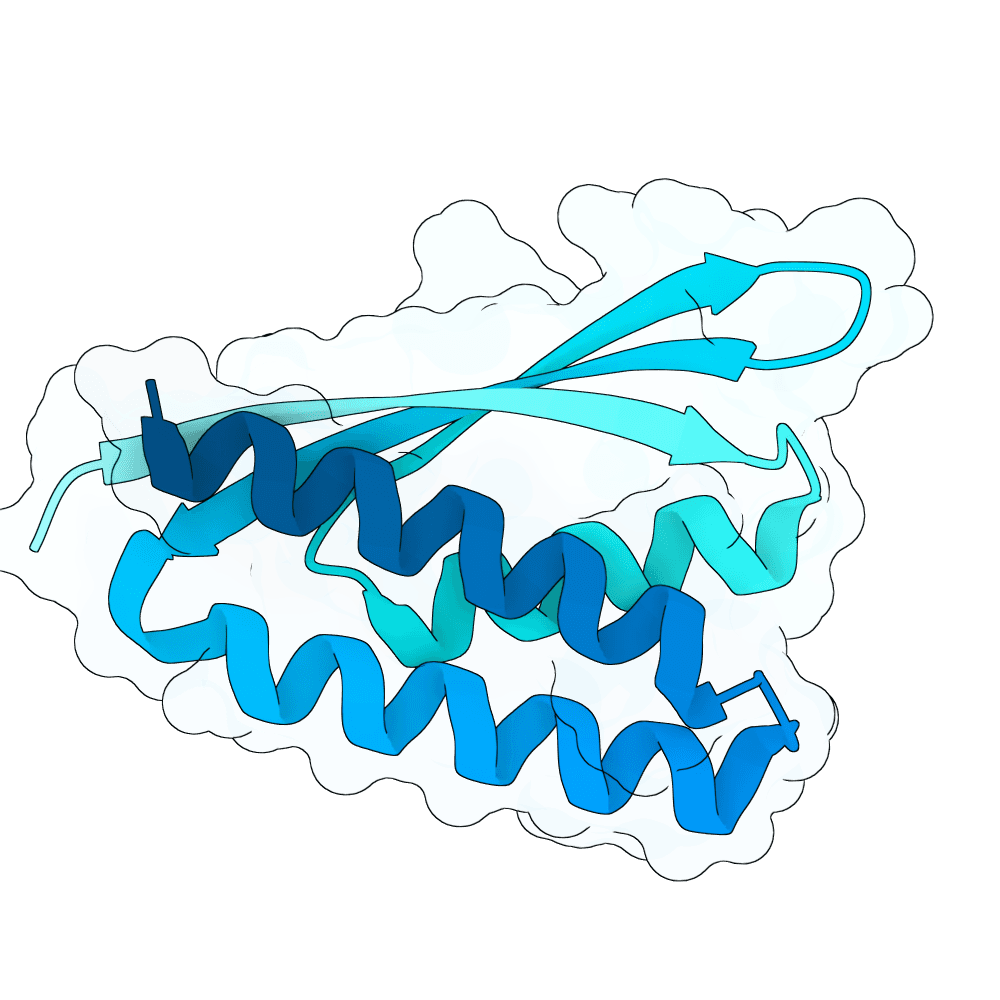
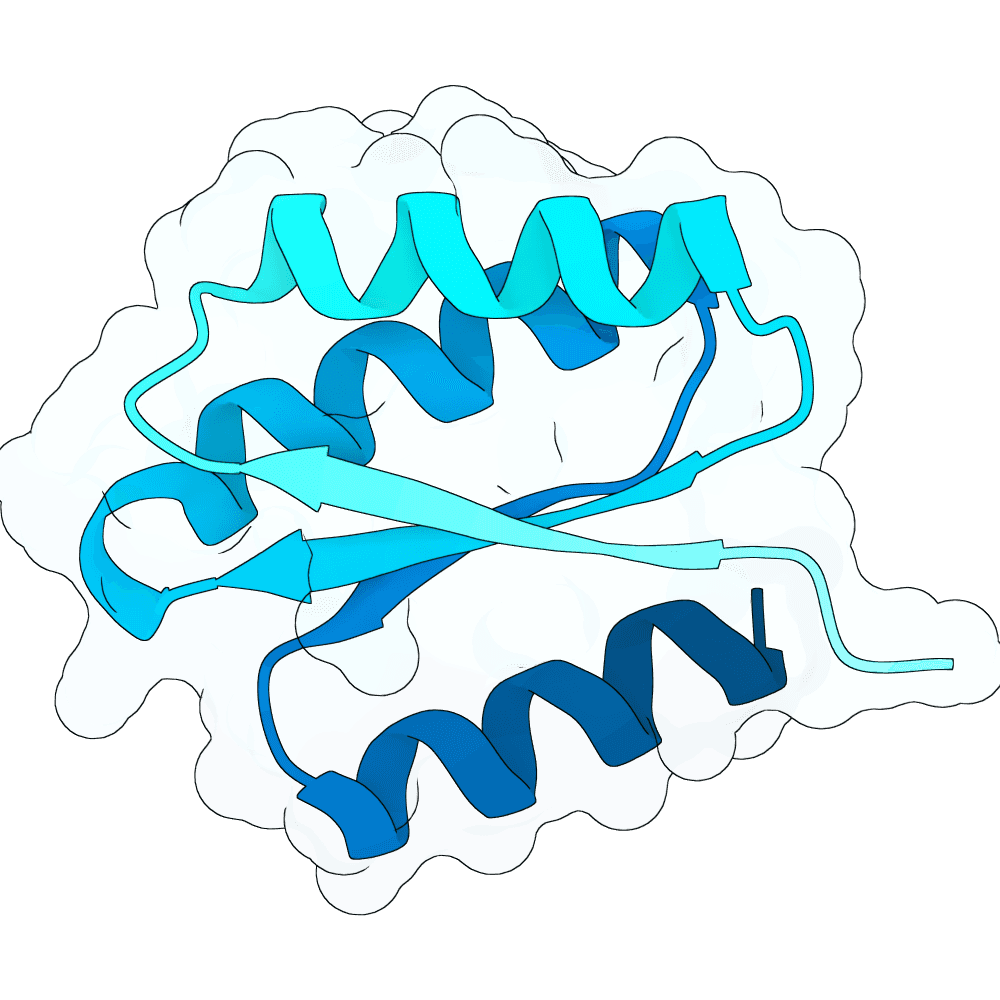
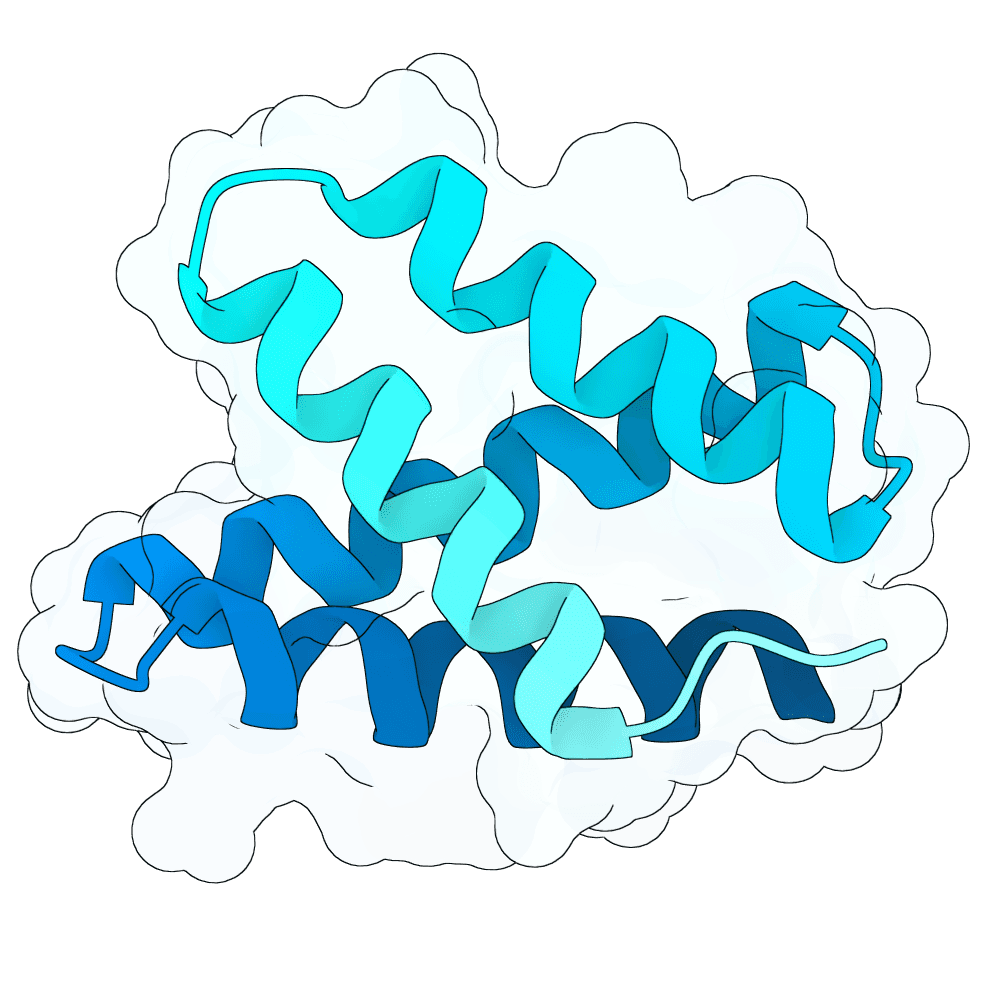
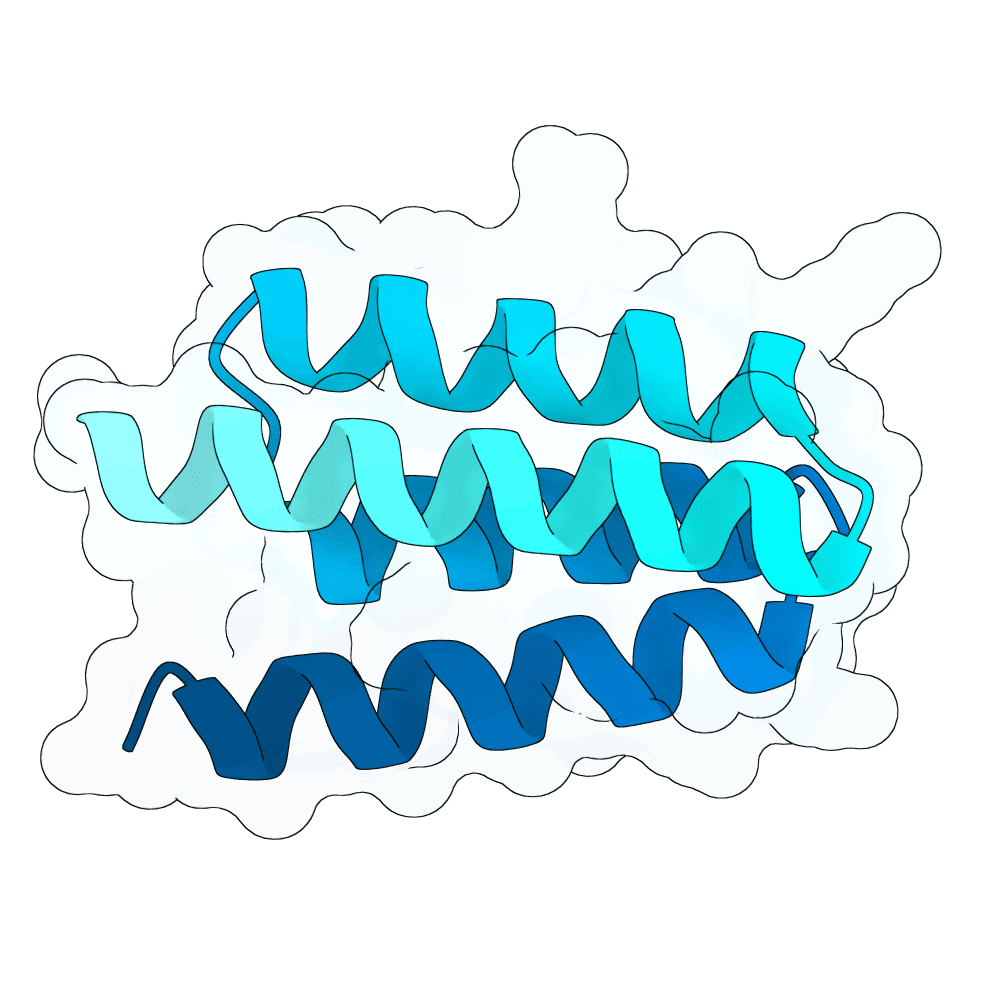
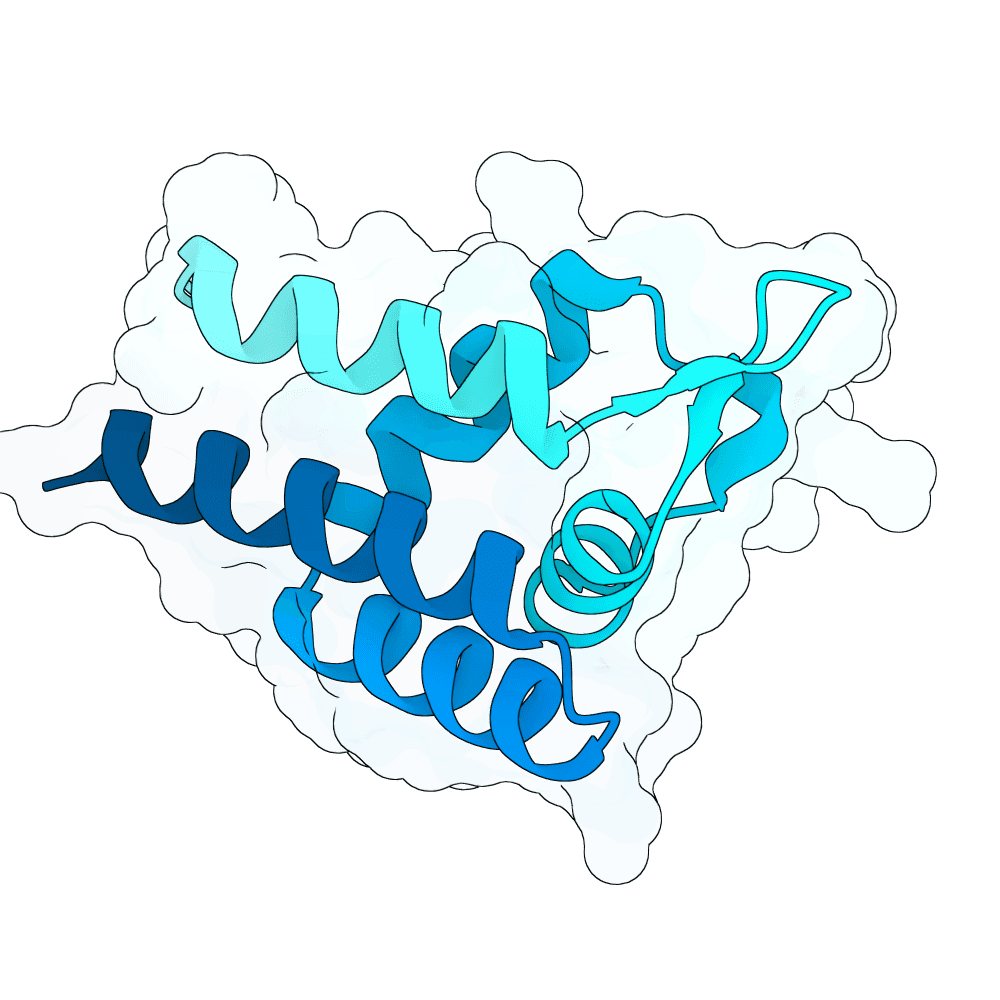
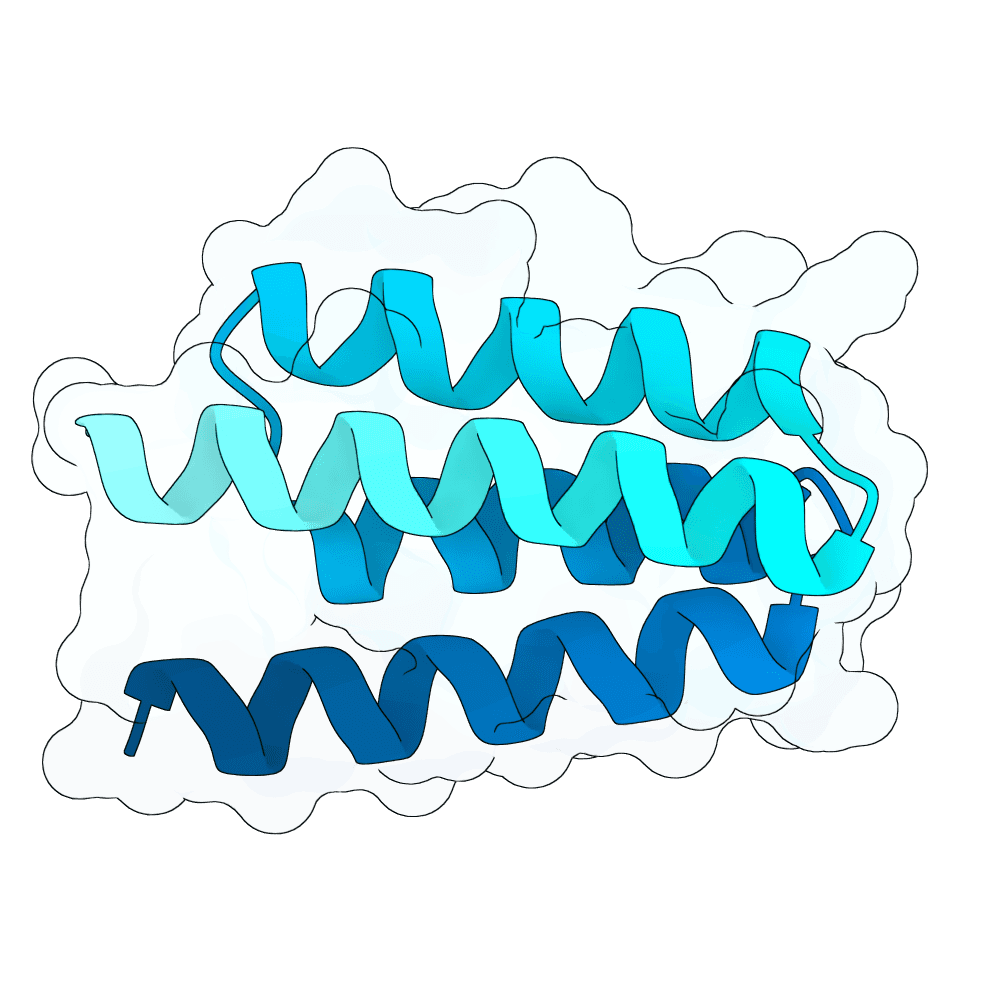
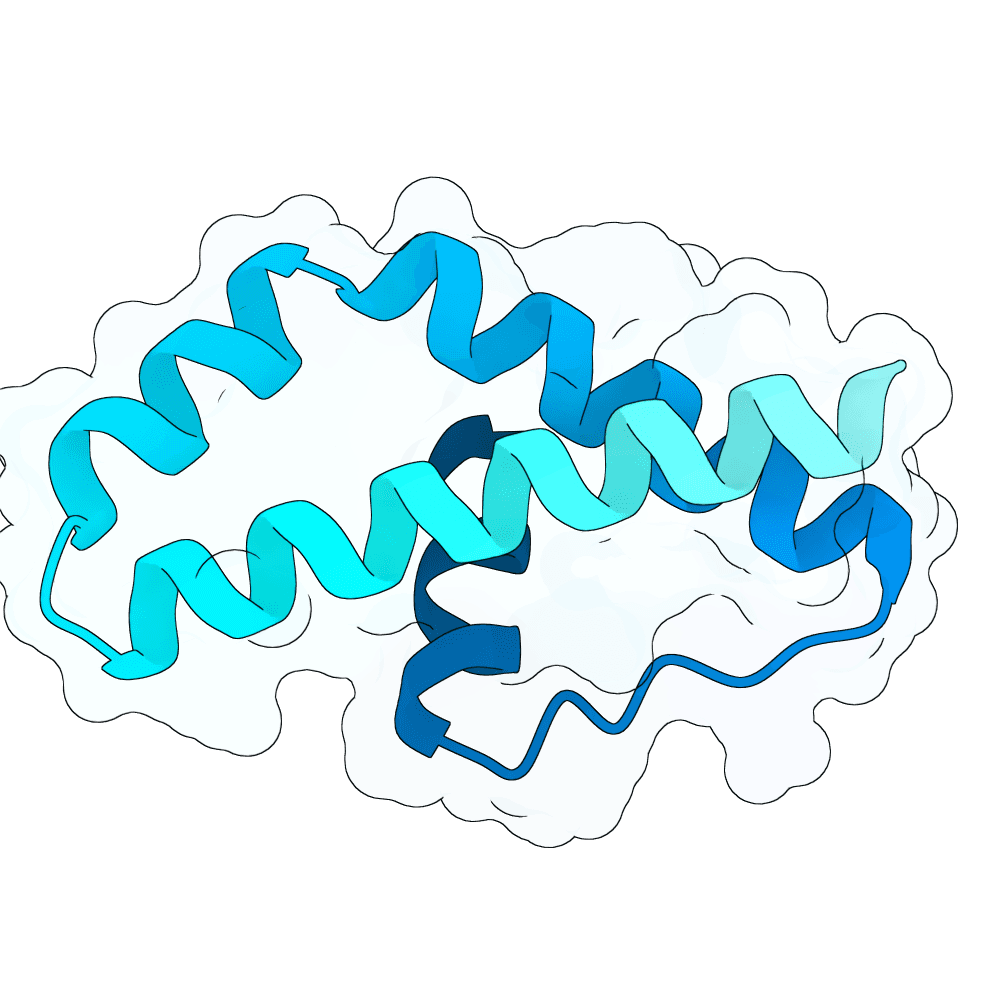
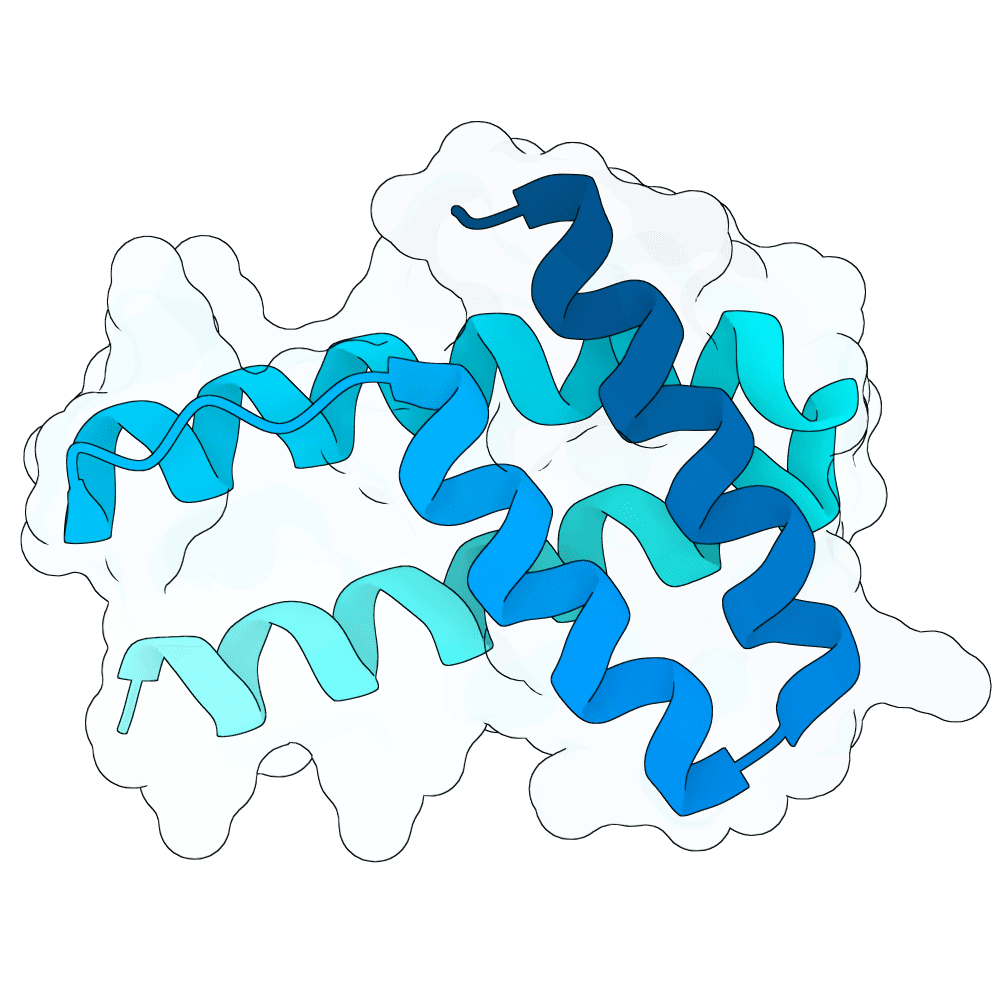
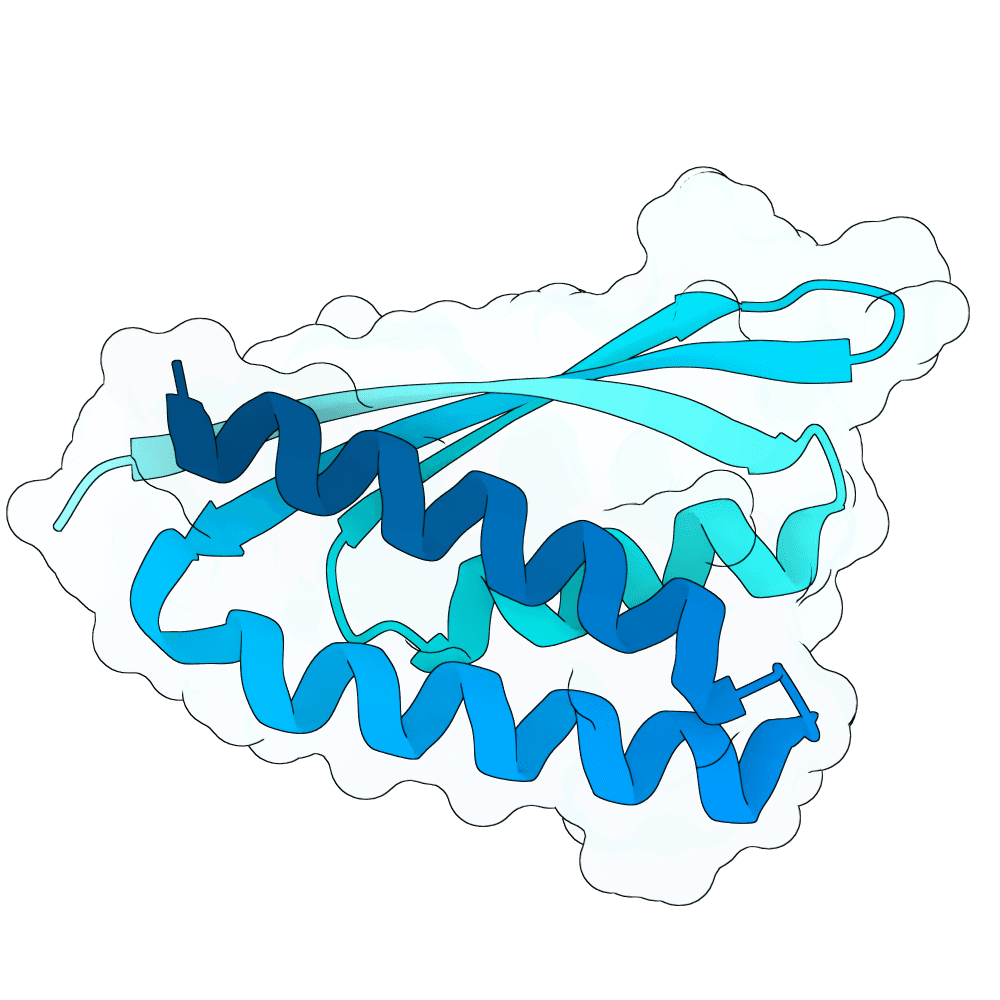
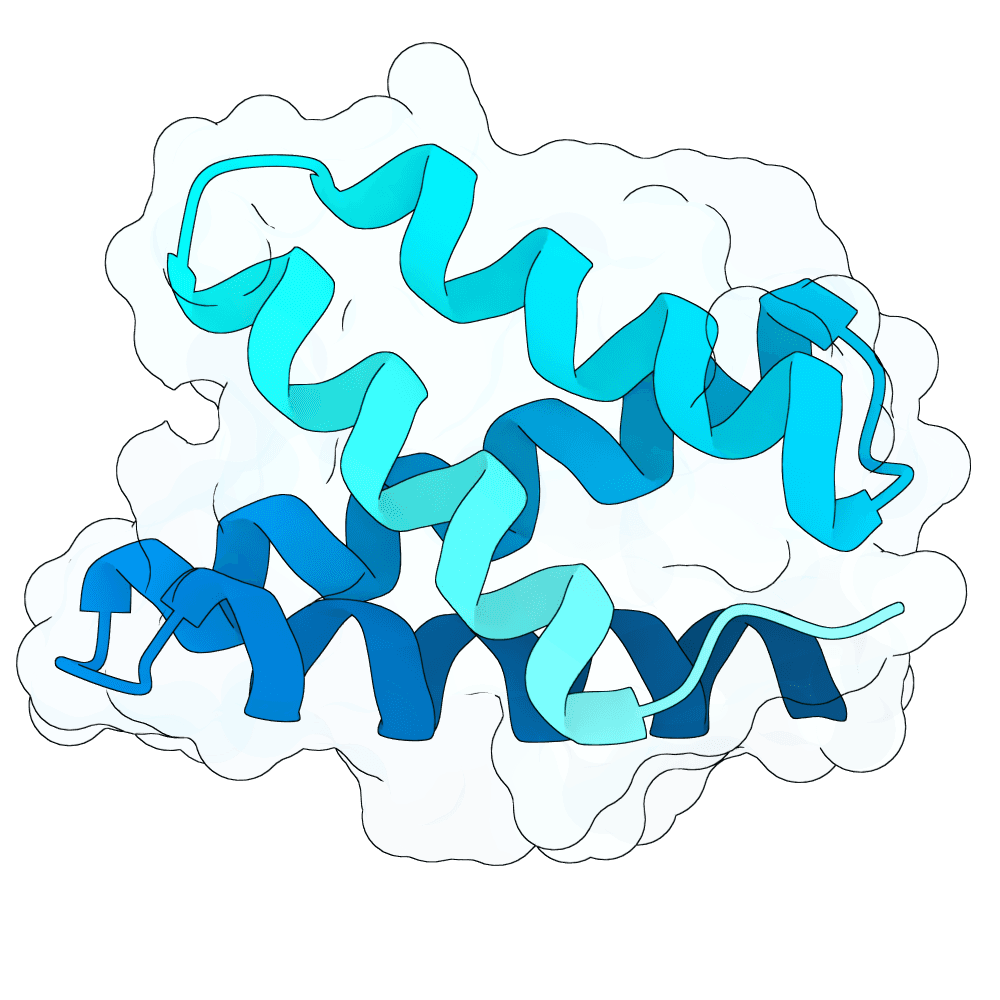
Description
Hierarchical Structure-Sequence Co-Optimization with Multi-Oracle Consensus Filtering for De Novo RBX-1 Binder Design
Background
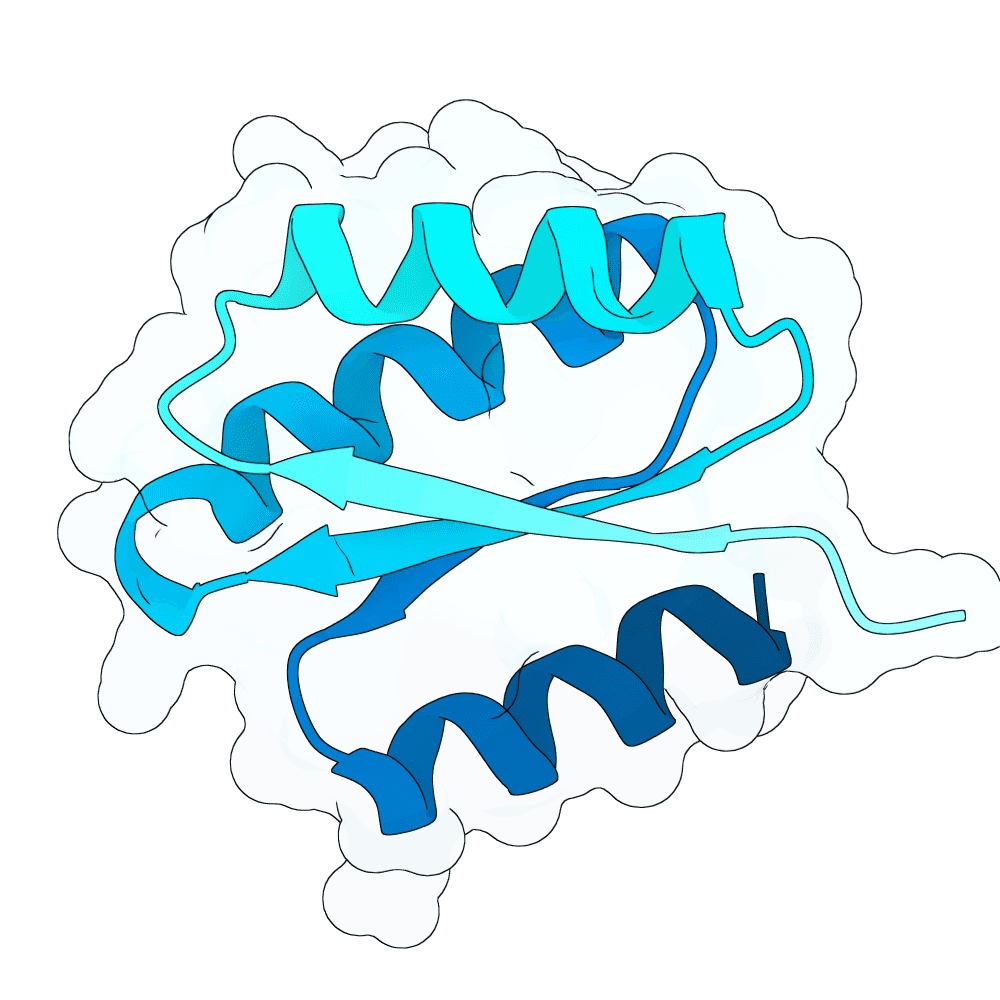
RBX-1 (UniProt P62877) is a 108-residue RING-H2 zinc finger protein whose tri-zinc cross-braced C-terminal domain (residues 40–108) presents a rigid, metal-coordinated binding surface. We targeted the structured 100-residue fragment (residues 9–108, PDB 2LGV). Key challenges include: (i) zinc-coordination-aware sequence inference; (ii) limited epitope area on a compact target; and (iii) no prior de novo binder precedents for RING-H2 domains.
Methods
We developed a three-phase hierarchical optimization framework, with each phase feeding into a unified multi-oracle consensus filter (MOCF) comprising five sequential validation stages.
Phase I — Ensemble Divergent Generation. Three orthogonal generative paradigms were deployed in parallel: (a) SE(3)-equivariant backbone diffusion (RFdiffusion, Complex_beta) with hotspot-conditioned PPI guidance, followed by metal-coordination-aware inverse folding (LigandMPNN) that explicitly conditions on Zn²⁺ shells; (b) AlphaFold2-guided iterative hallucination (BindCraft) using multi-stage confidence-gated MPNN redesign; (c) joint sequence-structure flow matching (BoltzGen v0.3.1) on the product manifold of discrete sequence tokens and SE(3) backbone frames. Phase I produced 90 candidate designs.
Phase II — Conformational Neighborhood Search. Top 12 Phase I designs (ipTM ≥ 0.8) served as seeds for controlled partial noising–denoising (RFdiffusion, partial_T = 20, ~10% diffusion trajectory), exploring narrow conformational envelopes while preserving fold topology. Each seed yielded 5 backbone variants, re-sequenced by LigandMPNN (3 seqs/backbone), producing 180 near-neighbor designs.
Phase III — Likelihood-Guided Sequence Refinement. Top-3 Phase II designs underwent exhaustive single-site mutagenesis with two-layer surrogate filtering: (1) LigandMPNN conditional log-likelihood pre-screening (ΔlogP > 0, reducing ~5,700 candidates to ~141); (2) full Boltz-2 complex prediction validation (accepting ΔipTM > +0.01). This achieved 97.5% computational savings over brute-force scanning.
Multi-Oracle Consensus Filter (MOCF). All designs from each phase passed through five stages: S2 — Boltz-2 v2.2.1 complex structure prediction (ipTM ≥ 0.6, pLDDT ≥ 50); S3 — MMseqs2 novelty check vs UniRef50 (edit distance ≥ 25%, full-length & 30-mer windows); S3.5a — interface biophysics analysis (hydrophobic fraction, H-bond density, composite risk score < 0.55); S3.5b — cross-docking specificity against 3 decoy proteins (barnase, calmodulin, protein G; specificity gap ≥ 0.15); S4 — multi-objective composite ranking: $S = 0.40 \cdot \text{ipTM} + 0.25 \cdot \text{pLDDT}/100 + 0.15 \cdot (1 - \text{PAE}/30) + 0.20 \cdot \text{specificity}$.