Description
Designer: Tamuka M. Chidyausiku, @STEAMulater Full Project Labnotebook: https://github.com/steamulater/adaptyv-rbx1-binder-design/blob/main/lab_notebook.md
Overview
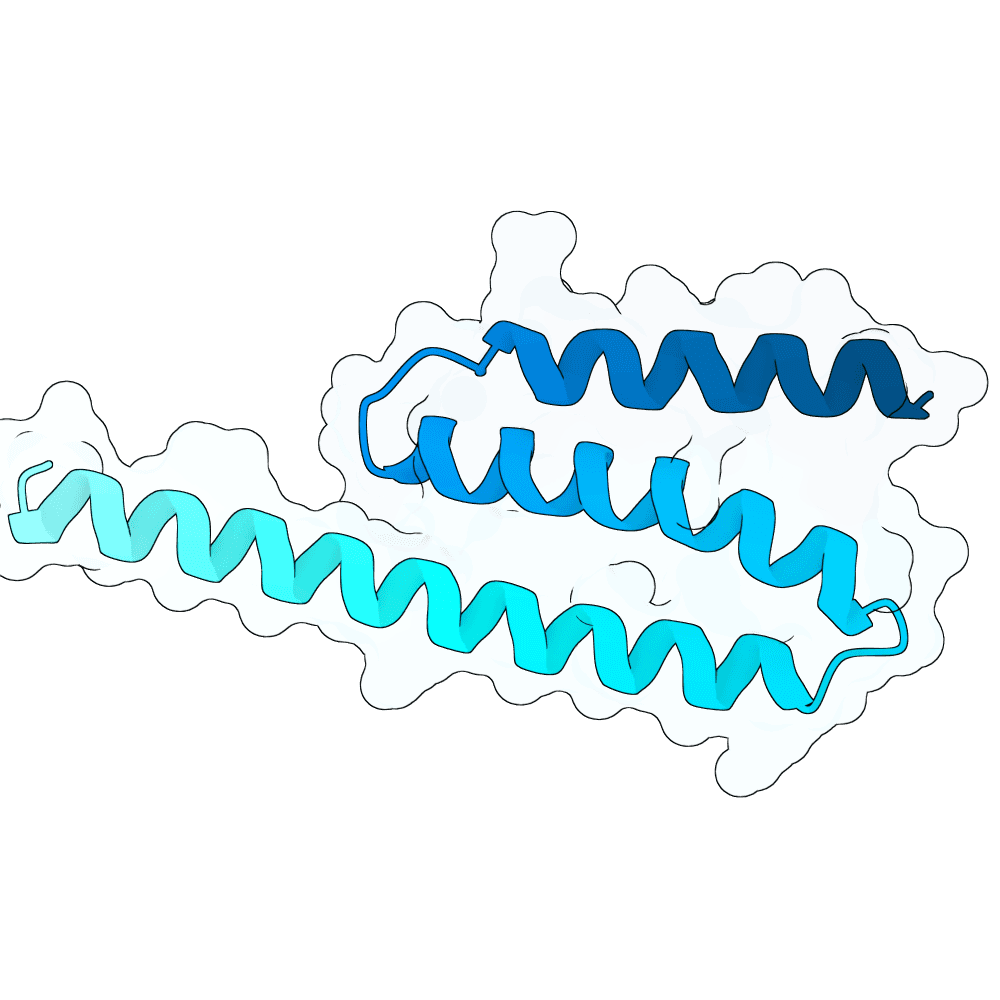
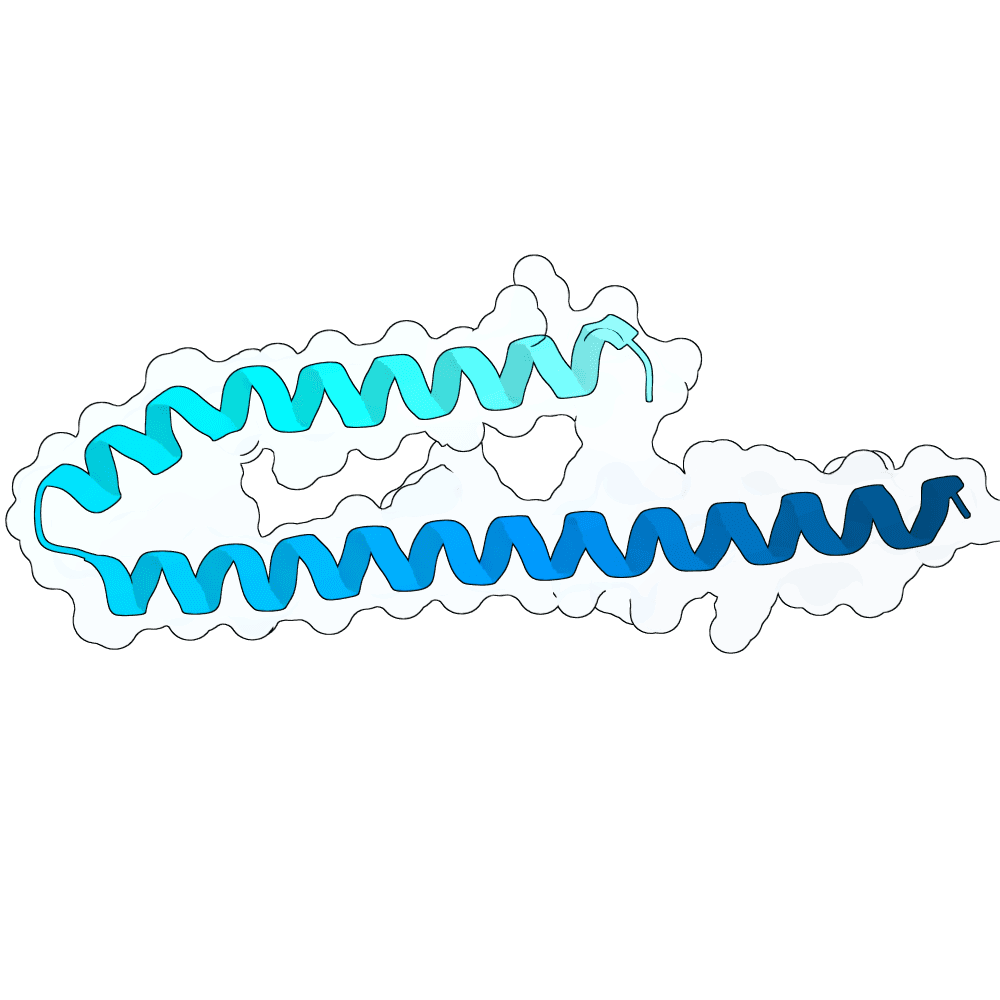
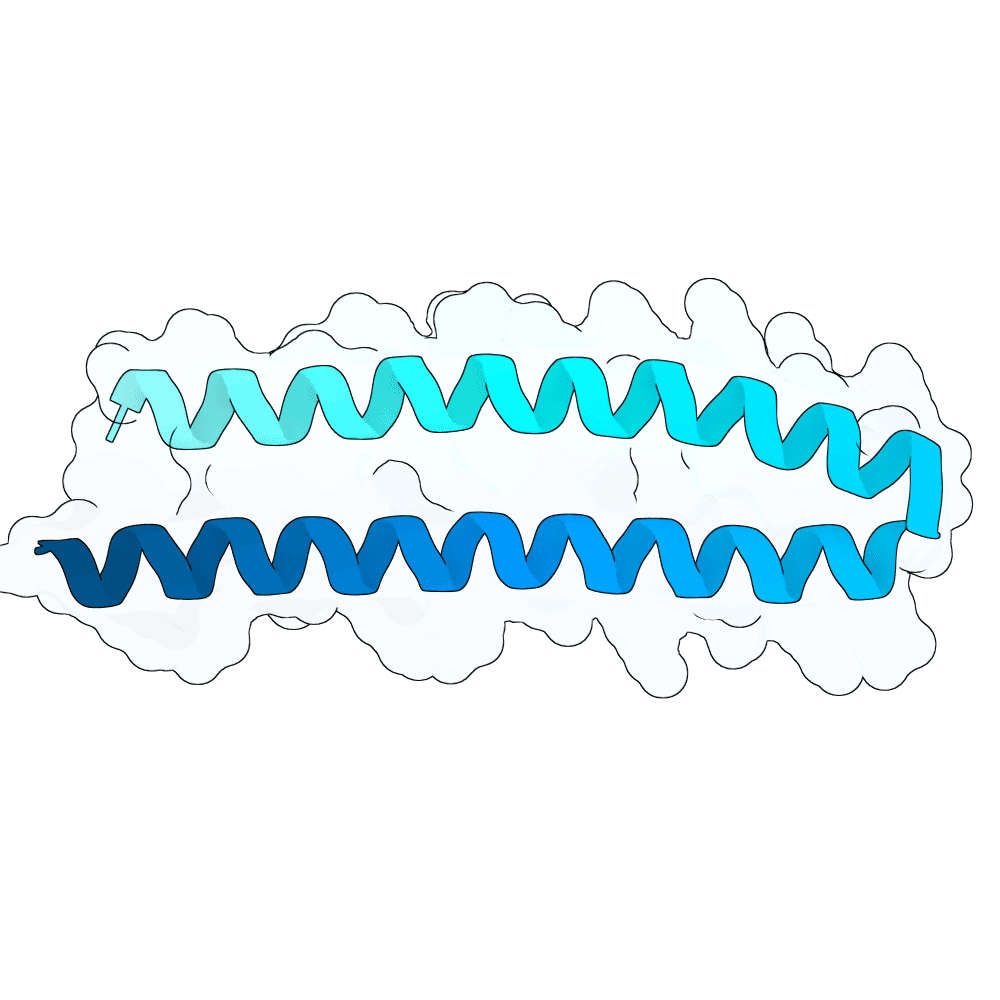
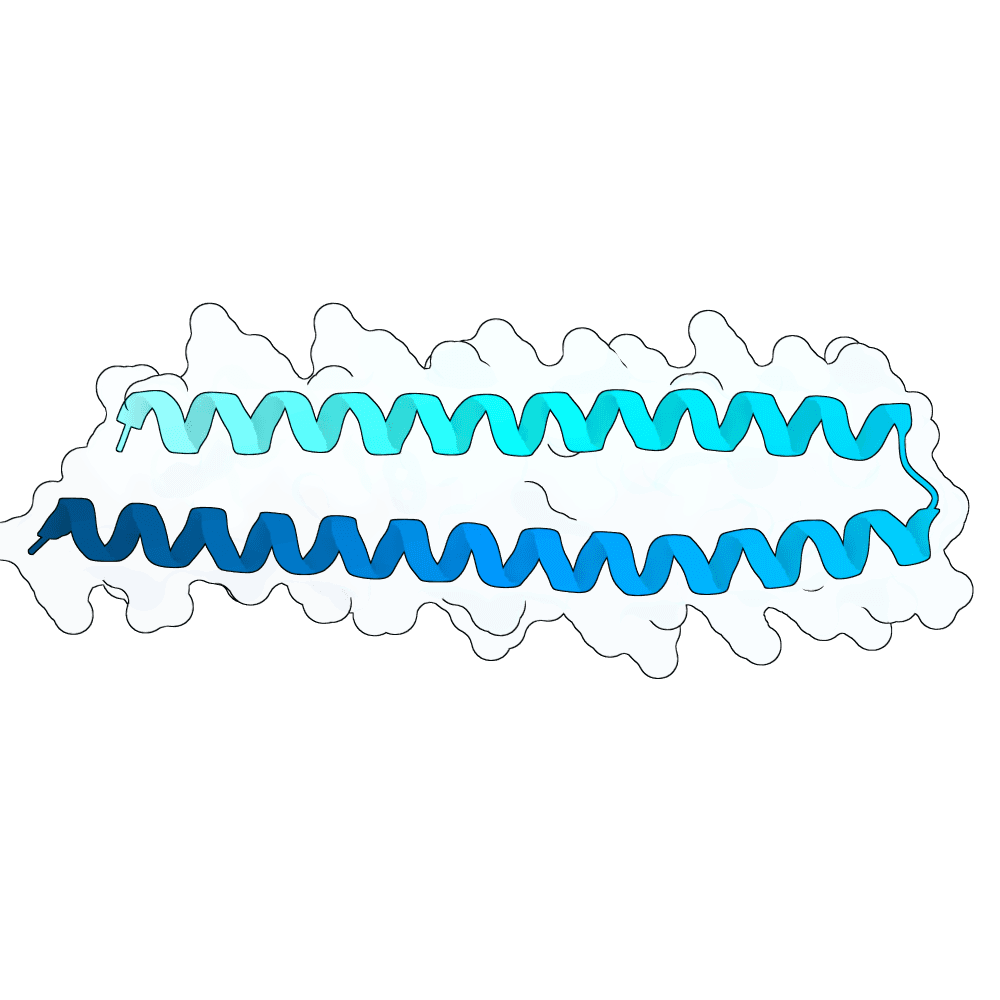
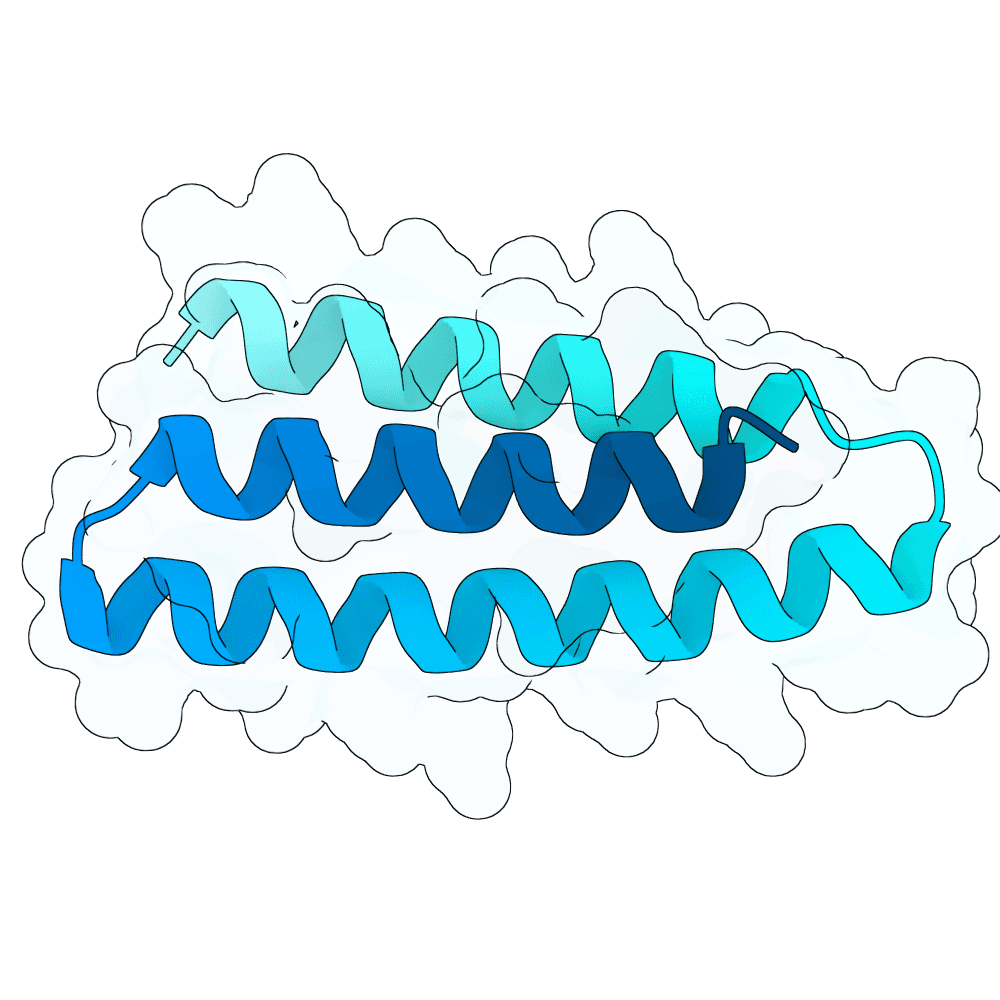
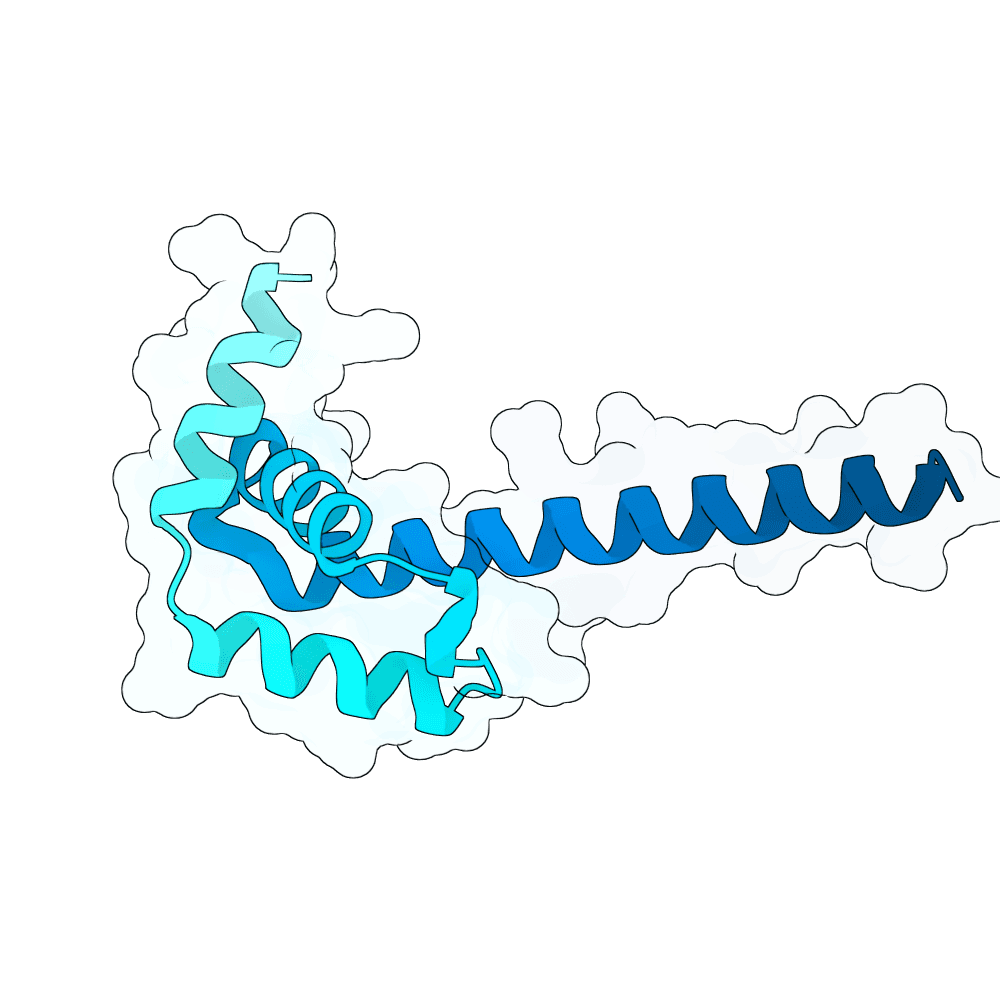
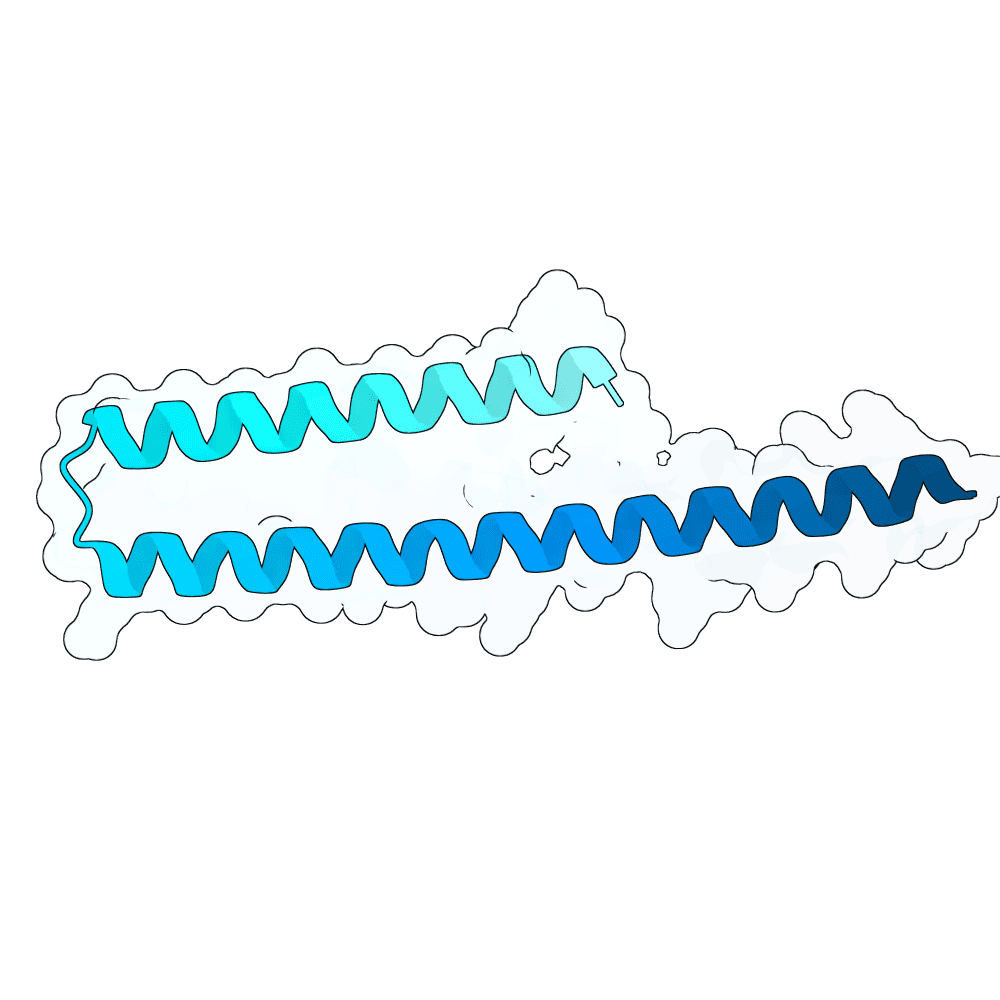
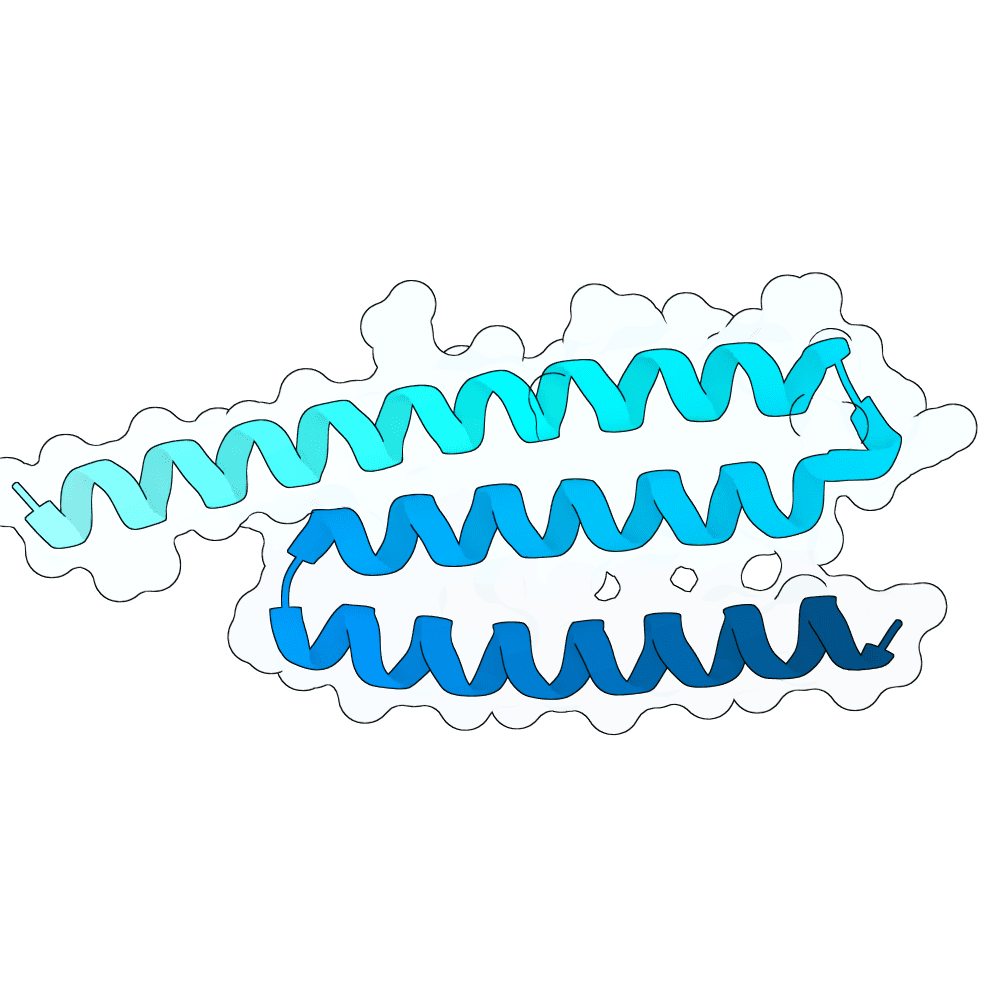
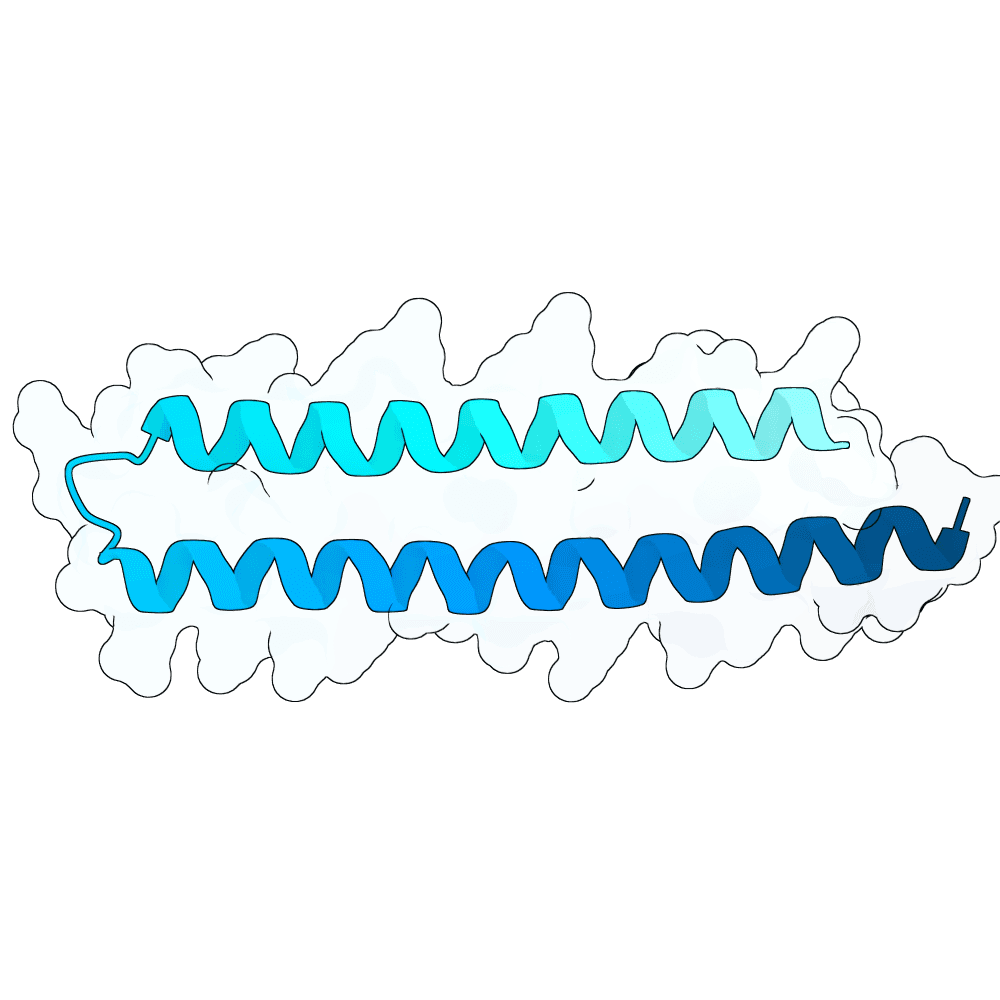
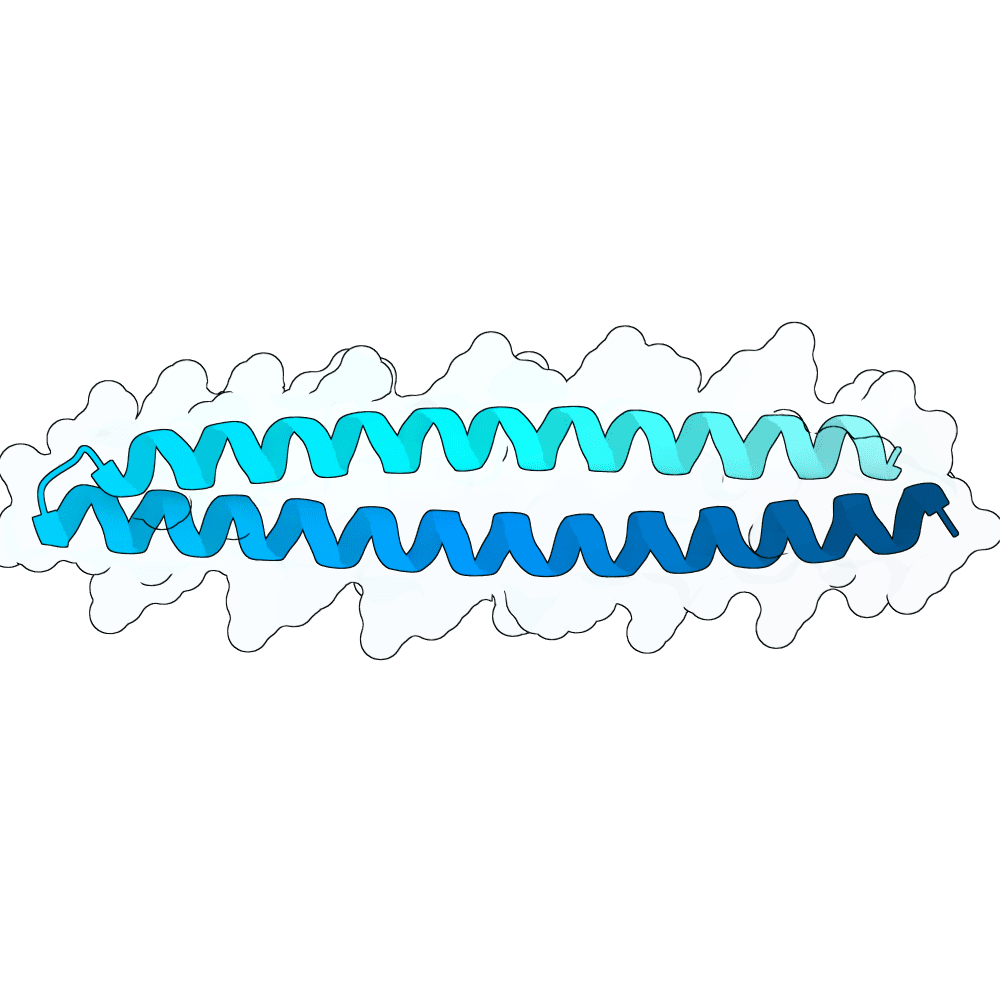
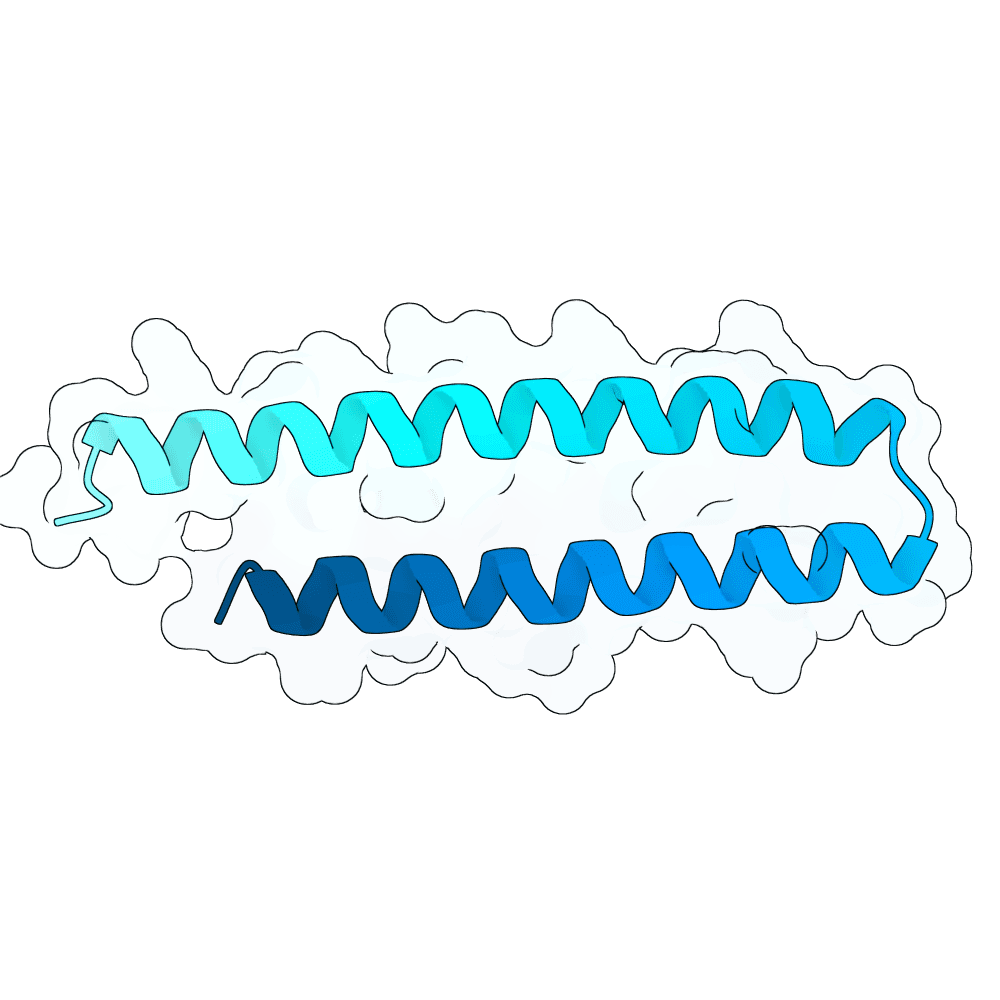
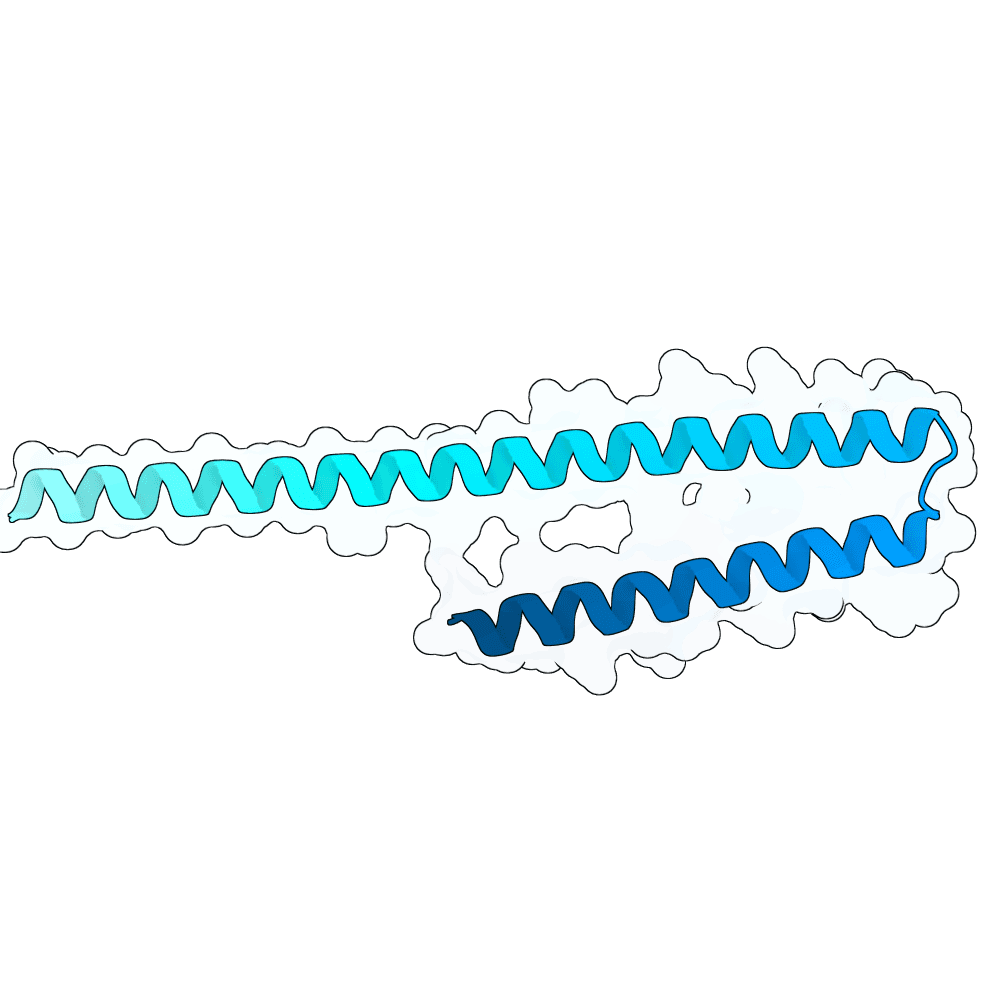
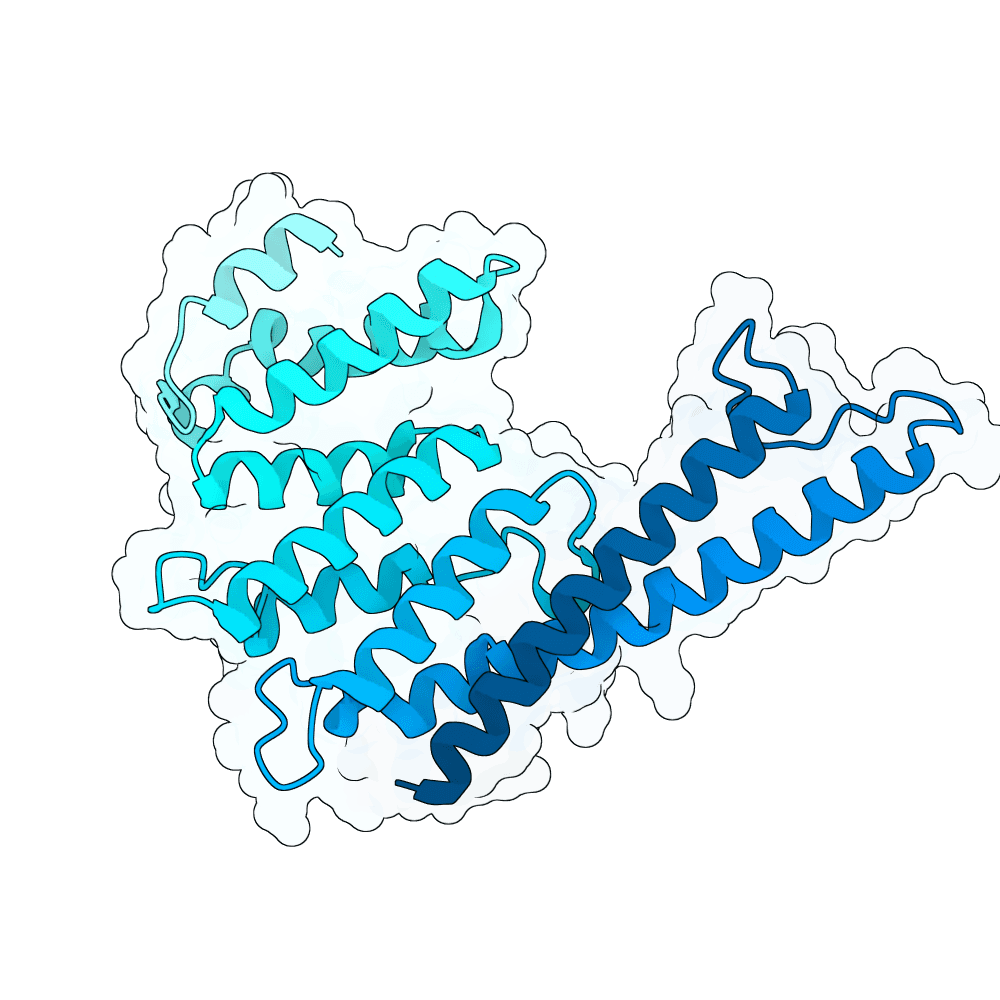
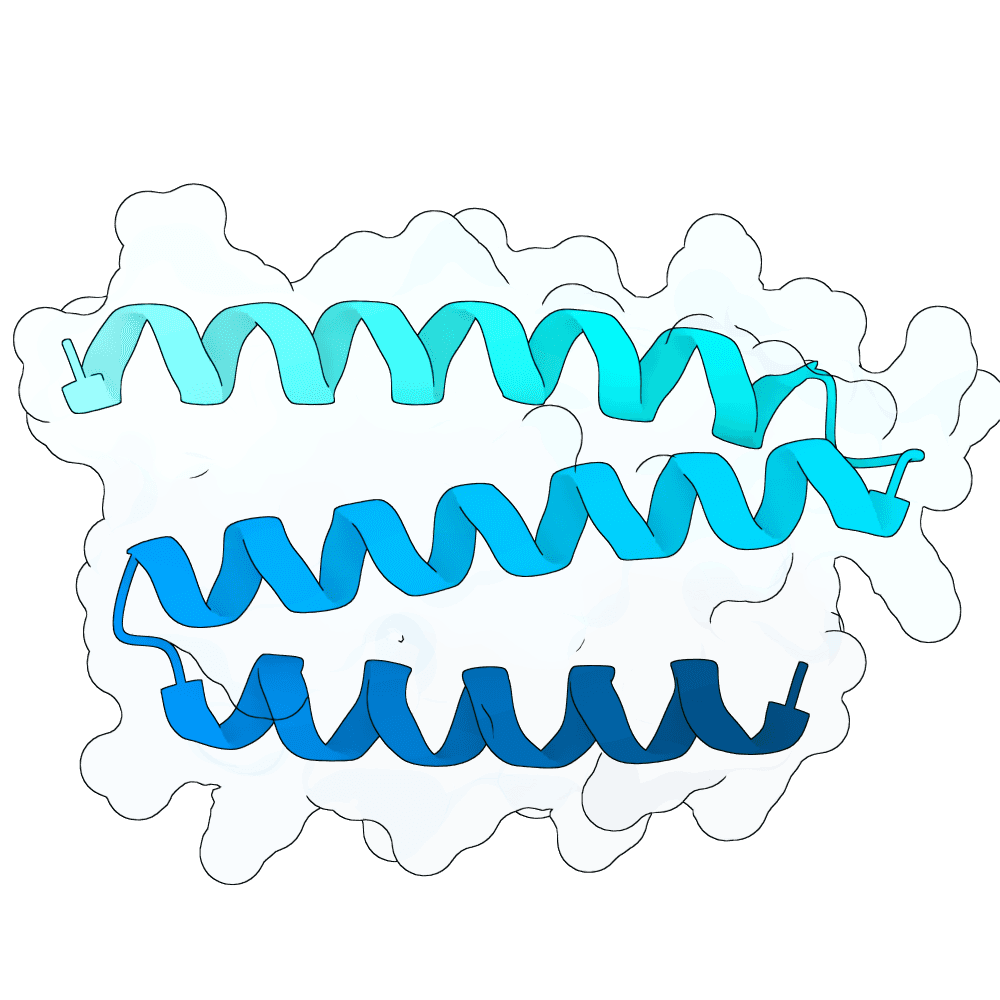
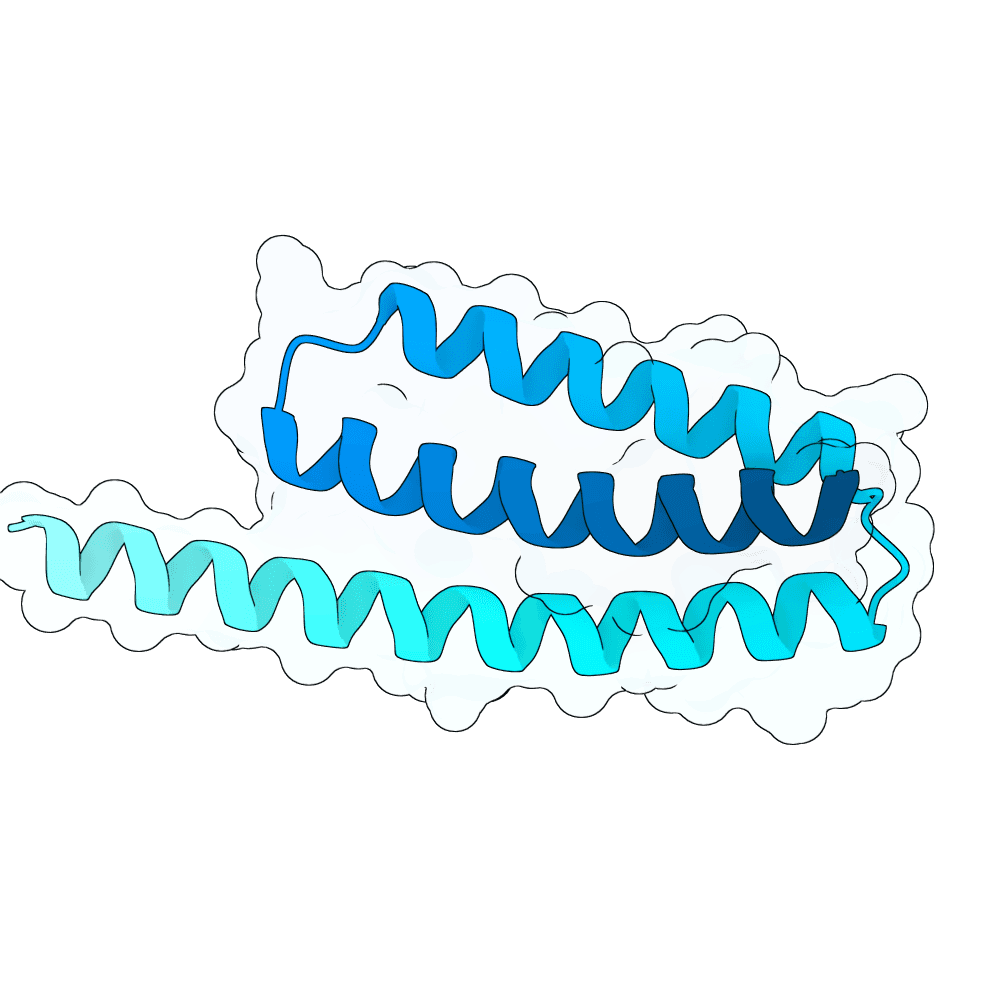
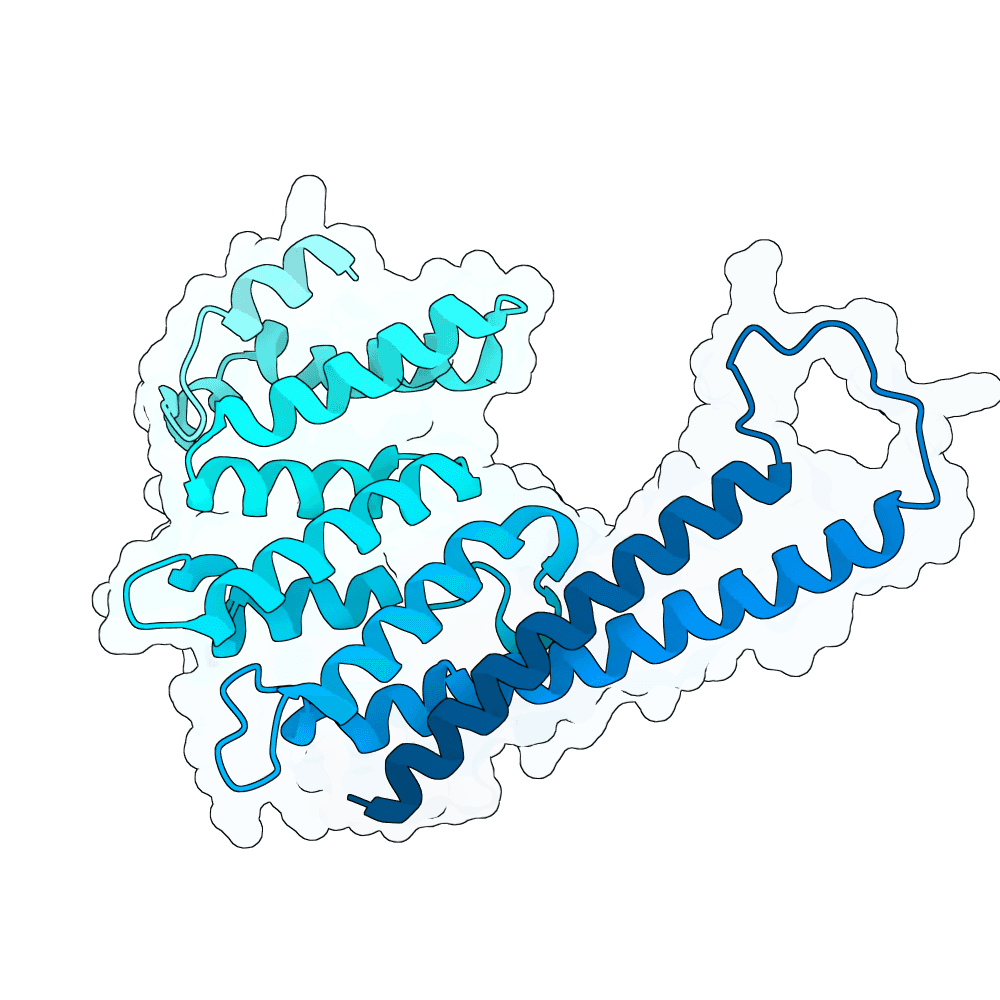
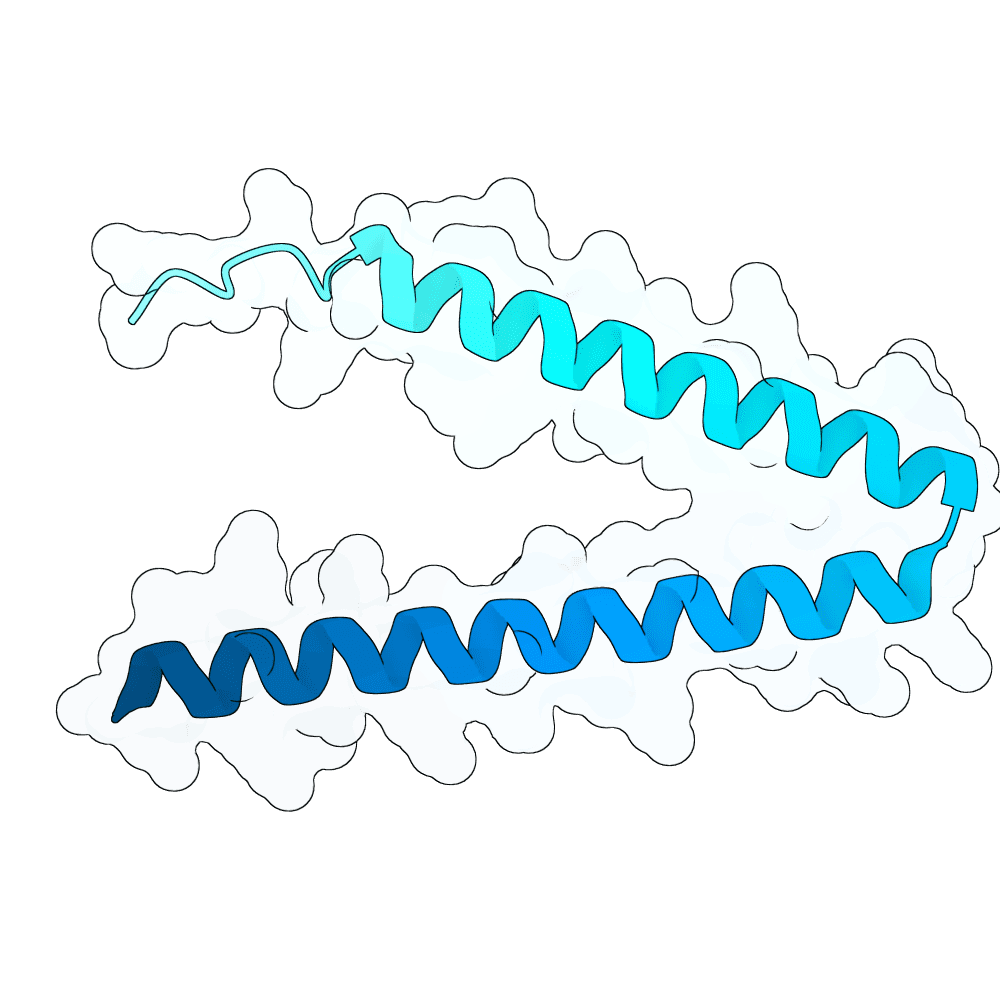
We submit 100 de novo designed protein binders targeting the RBX1 RING domain, generated through two parallel computational pipelines: structure-guided scaffold redesign and RFdiffusion de novo backbone generation. All sequences are novel (<75% identity to any SwissProt entry). Final selection and ranking used a three-metric composite score derived from retrospective analysis of 1,030 experimentally tested sequences from a prior Adaptyv protein design competition (Nipah binder dataset), allowing evidence-based metric weighting rather than arbitrary thresholds. Submission composition:
| Class | Scaffold | n | Length | Novelty |
|---|---|---|---|---|
| Scaffold redesign | GLMN (PDB 4F52) | 48 | 247 AA | ~40% SwissProt identity |
| Scaffold redesign | CUL1-WHB (PDB 1LDJ) | 5 | 72 AA | ~42% SwissProt identity |
| De novo backbone | RFdiffusion | 47 | 65–95 AA | 0% SwissProt identity (no hits) |
| Total | 100 | All pass <75% |
Design Philosophy
Used app.bioreason.net for target background. This submission uses two complementary approaches that cover orthogonal regions of design space: Scaffold mimicry (GLMN, CUL1-WHB): starts from experimentally validated binding geometries. Guarantees a viable interface but shares structural features across all sequences in the class — if the scaffold binding mode fails for any target-specific reason, all sequences in the class fail together.
De novo backbone generation (RFdiffusion): generates completely new binding geometries with no structural similarity to natural interactors. Higher failure rate per sequence (27% pass rate vs 100% for GLMN) but each passing sequence represents an independent structural hypothesis. The 47 submitted de novo sequences provide 47 structurally distinct contact modes against RBX1, dramatically reducing correlated failure risk.
The 53:47 split between scaffold-based and de novo sequences is intentional: enough scaffold sequences to establish a confident baseline, enough de novo sequences to cover alternative binding modes that may outperform the natural geometry.
Computational Validation was done by Boltz-2 Structure Prediction All sequences were validated using Boltz-2 (single-sequence mode, no MSA) with 3–5 diffusion samples per prediction:
- Monomer prediction: does the designed sequence fold into a stable structure? (pTM, pLDDT)
- Complex prediction with RBX1 full sequence (UniProt P62877, 108 AA): does it bind? (ipTM, complex_iplddt, PAE matrix)
Results by class:
| Class | n | avg ipTM | avg complex ipLDDT | avg ipSAE | Pass rate (ipTM ≥ 0.70) |
|---|---|---|---|---|---|
| GLMN redesign | 48 | 0.867 | 0.714 | 9.06 Å | 100% (48/48) |
| CUL1-WHB redesign | 5 | 0.739 | 0.714 | 9.11 Å | 100% (5/5) |
| RFdiffusion de novo | 47 | 0.800 | 0.718 | 8.19 Å | 100% (47/47) |
Metric selection: All filtering and ranking decisions were validated against empirical experimental data from the Adaptyv Nipah dataset rather than relying solely on Boltz-2 developer-recommended defaults. To select metrics and thresholds with empirical grounding, we analysed the publicly available Adaptyv Nipah binder competition dataset (1,030 sequences with experimental BLI/SPR binding outcomes). We computed AUROC for each Boltz-2 computational metric as a predictor of experimental binding:
| Metric | AUROC | p-value |
|---|---|---|
| complex ipLDDT | 0.691 | 2.5×10⁻¹⁰ |
| shape complementarity | 0.687 | 6.8×10⁻¹⁰ |
| monomer pLDDT | 0.640 | 3.5×10⁻⁶ |
| min ipSAE | 0.638 | 4.8×10⁻⁶ |
| ipSAE | 0.628 | 2.2×10⁻⁵ |
| ipTM | 0.603 | 6.9×10⁻⁴ |
| monomer pTM | 0.501 | 0.97 (ns) |
Note on threshold portability: The Nipah-optimal ipLDDT threshold (0.850) was not applied as a hard cutoff to our sequences, as absolute ipLDDT values differ across target systems. Instead, ipLDDT and ipSAE were incorporated into a composite ranking score.
Final selection and ranking used a three-metric composite:
composite = 0.4 × ipTM + 0.3 × ipLDDT + 0.3 × norm_ipSAE
where norm_ipSAE = 1 − (ipSAE − min) / (max − min) inverts the ipSAE scale (lower Å = better confidence) to a 0–1 score.
112 sequences passed the ipTM ≥ 0.70. Lastly Nanome VR served as the structural validation and communication layer at the end of the design pipeline — after Boltz-2 scoring shortlisted candidates, we loaded the top complexes into Nanome to inspect binding geometry, interface contacts, and hotspot coverage in 3D at human scale. This let us catch failure modes (like the RBX1 deformation in CUL1-WHB designs) that ipTM alone doesn't surface. Beyond validation, Nanome becomes the storytelling tool: the same VR session that confirmed our design rationale is being recorded as a TikTok/Reels series to communicate the entire AI-driven protein design process to a broader audience @steamulater everywhere