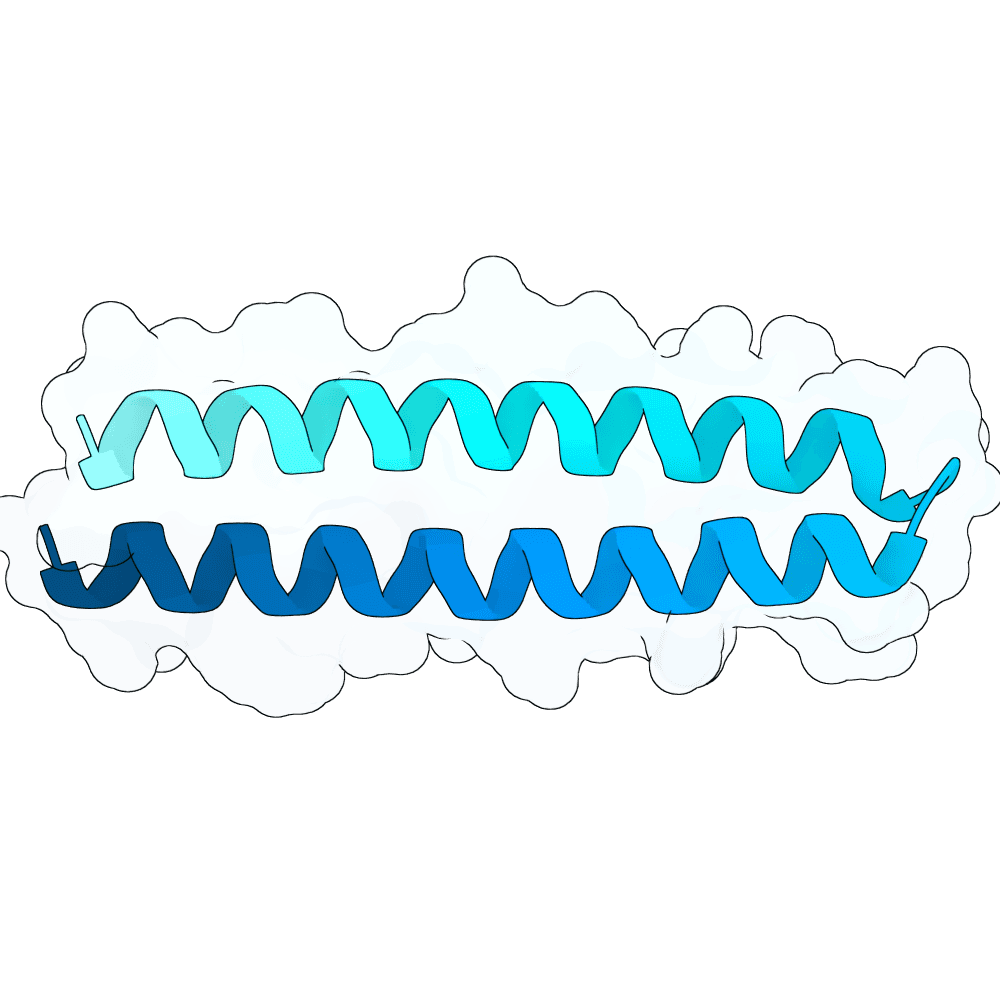
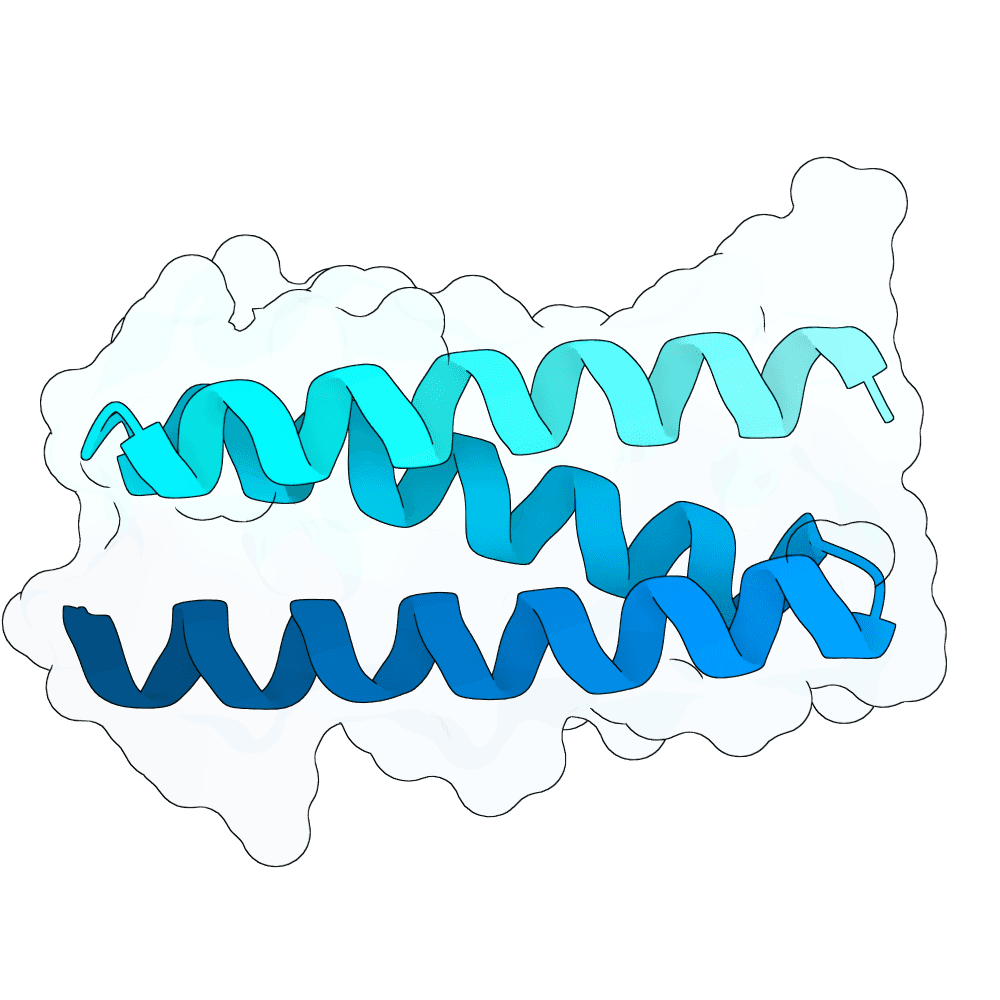
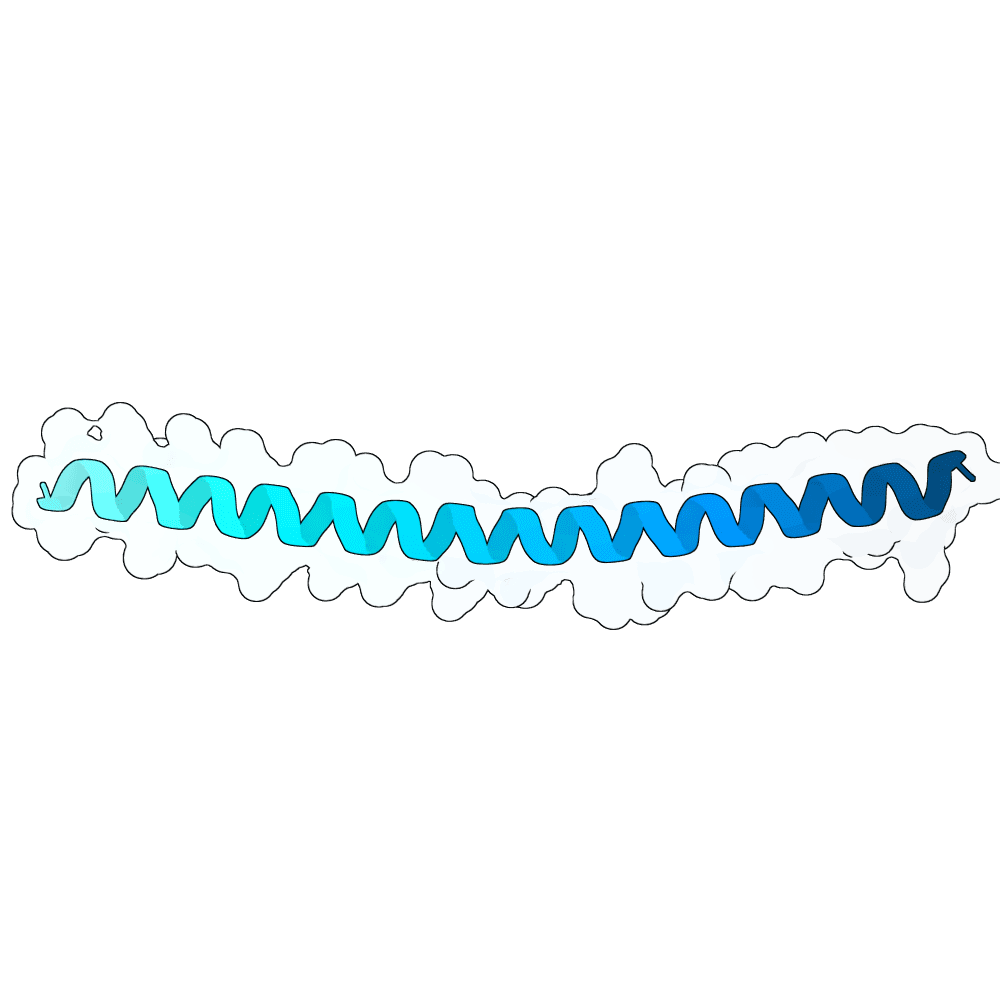
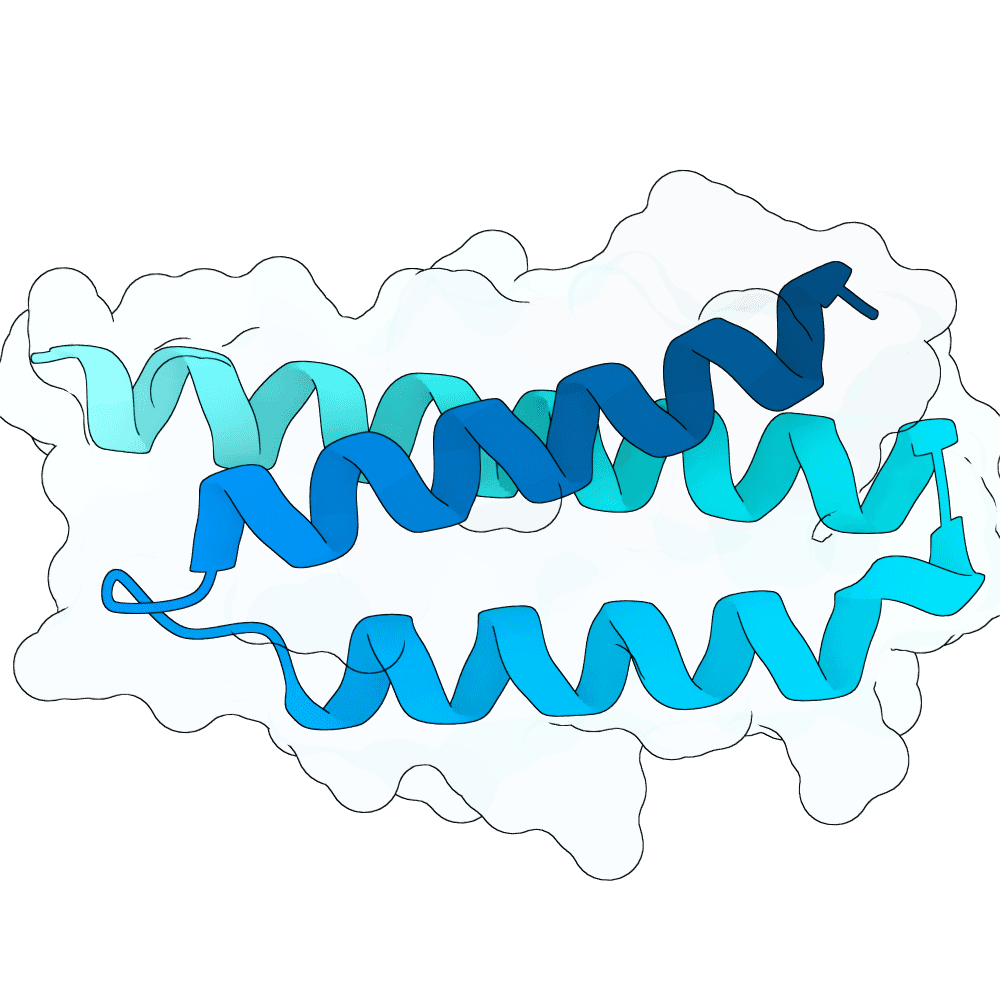
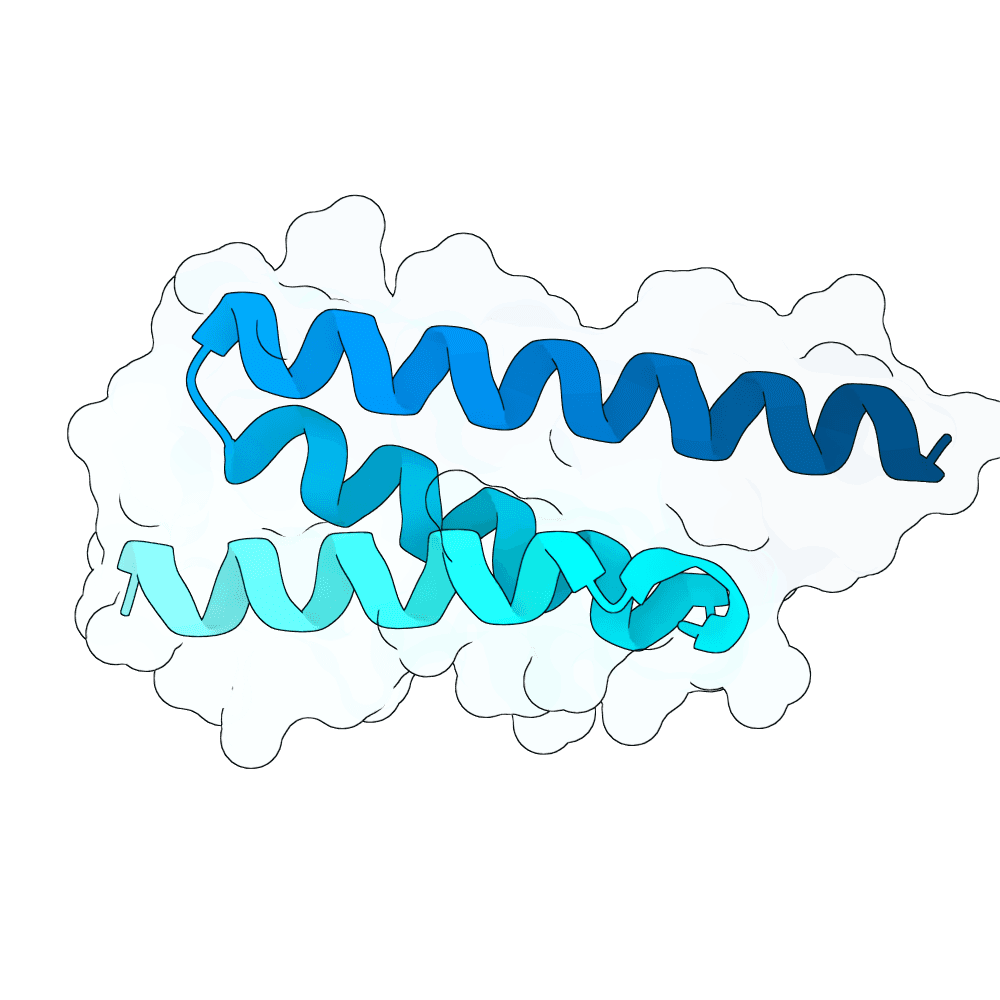
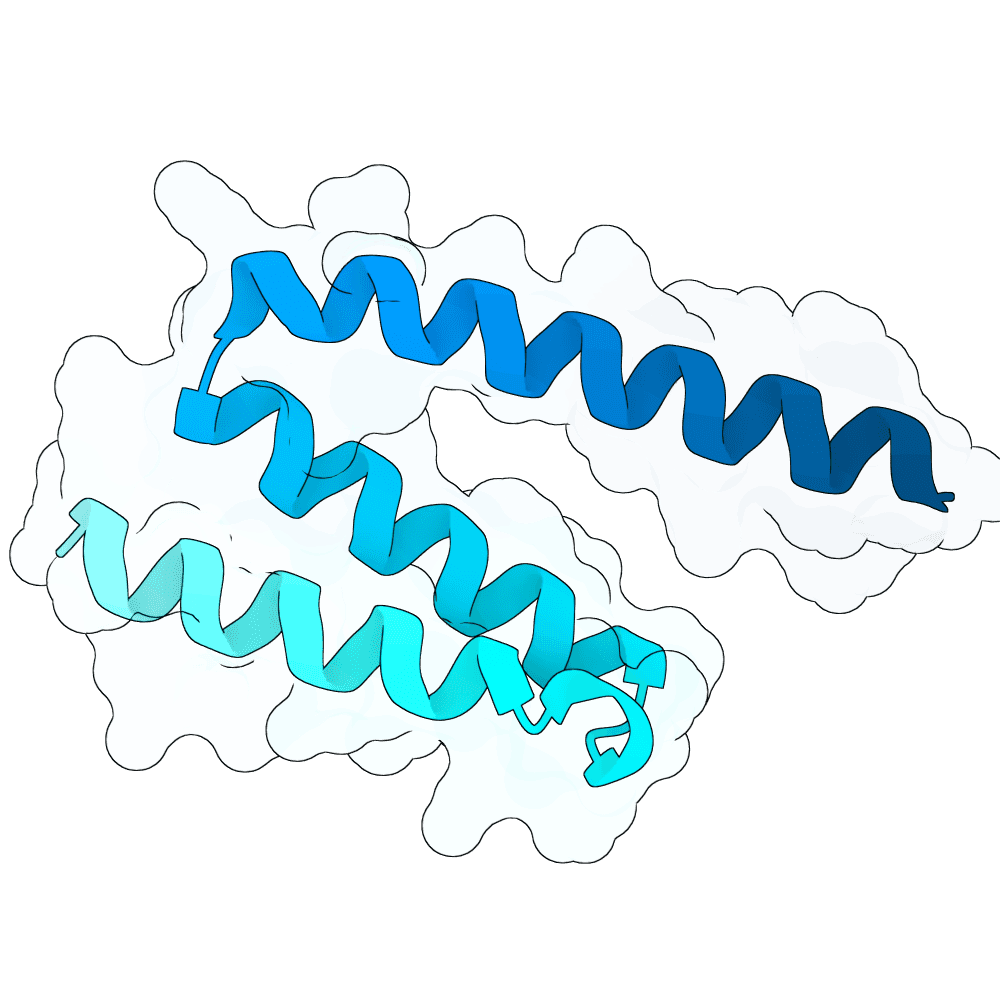
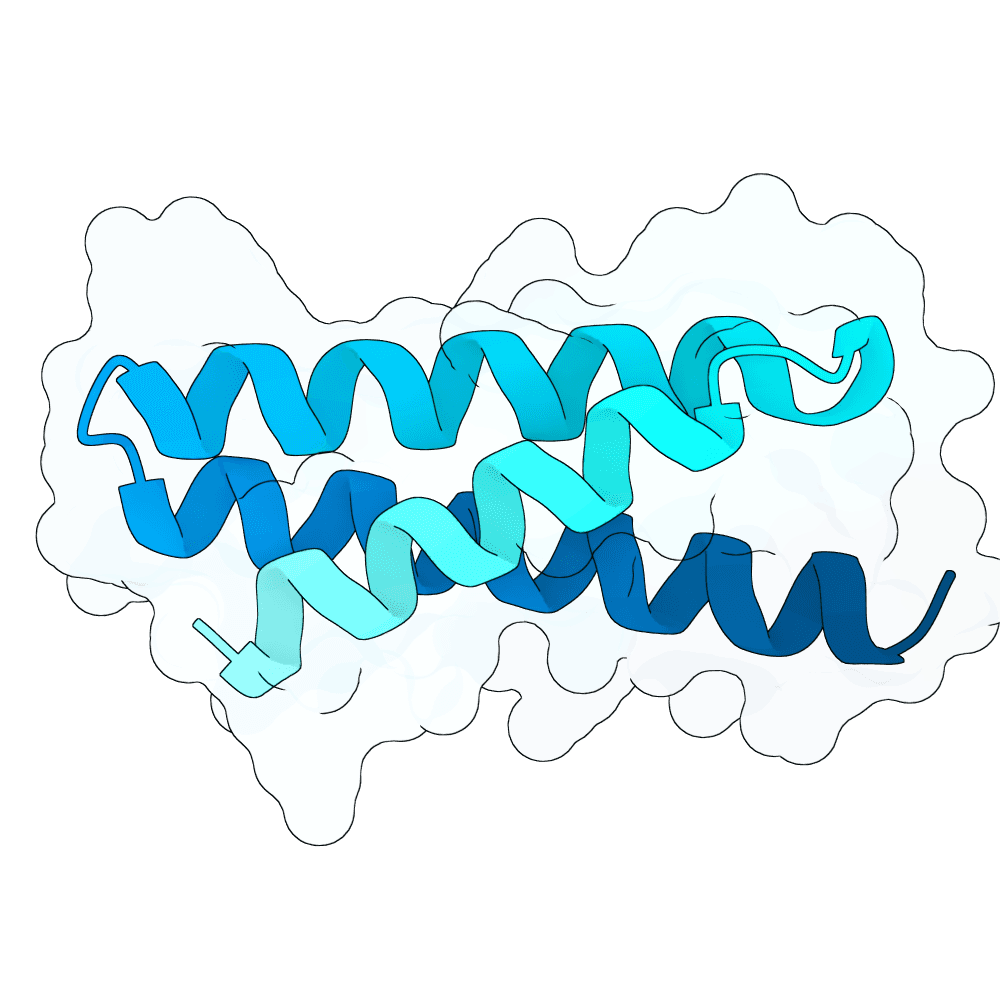
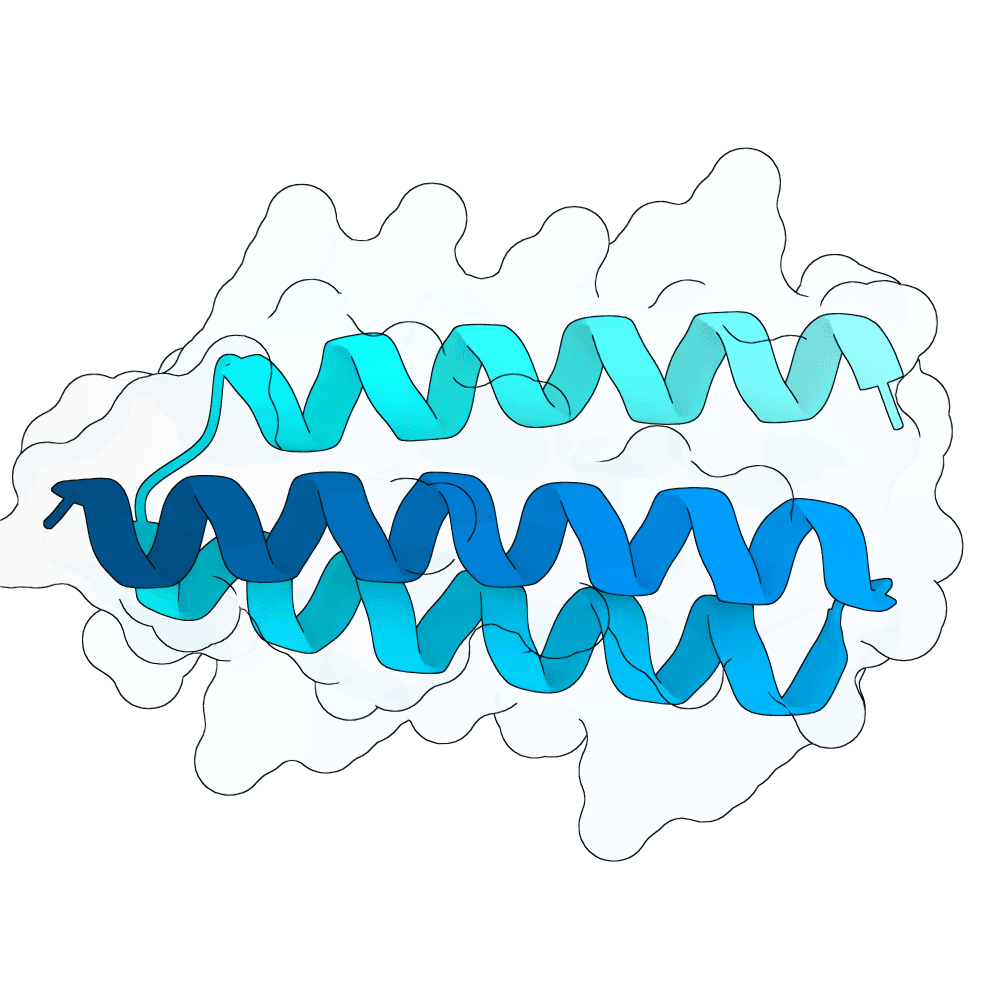
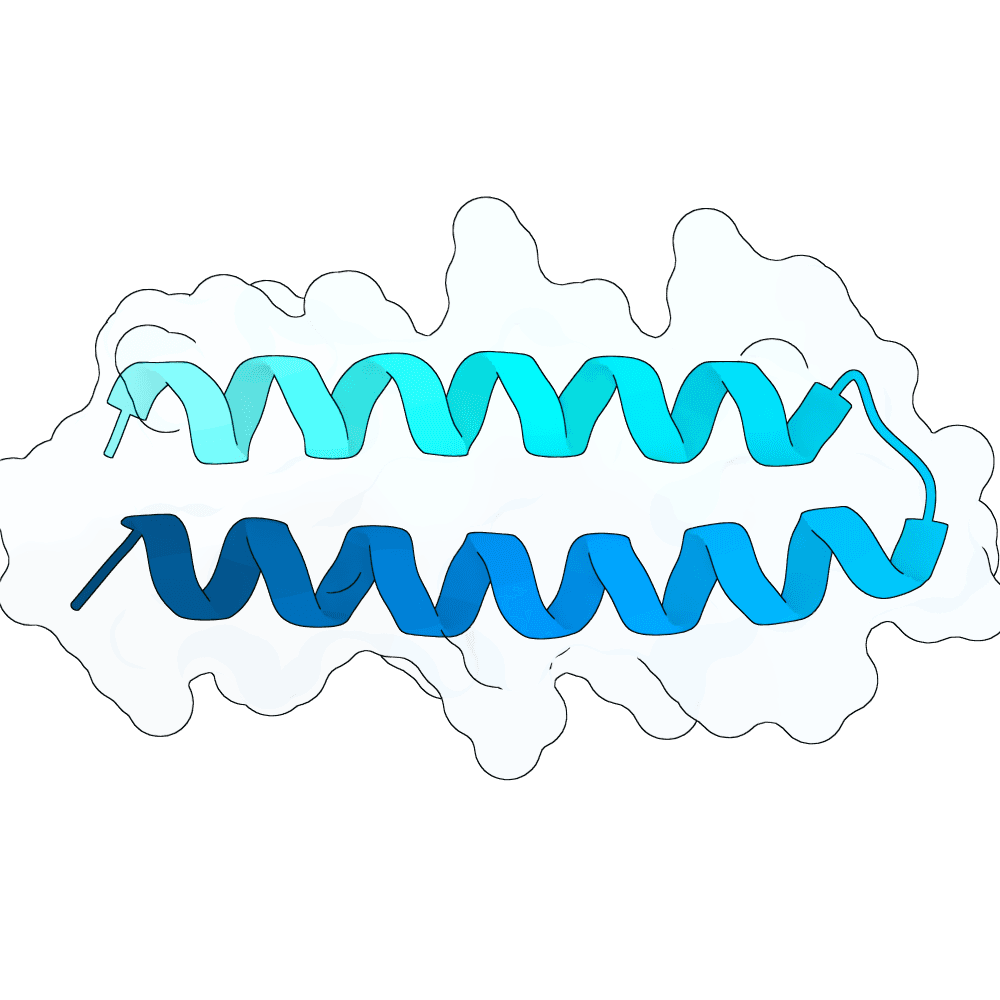
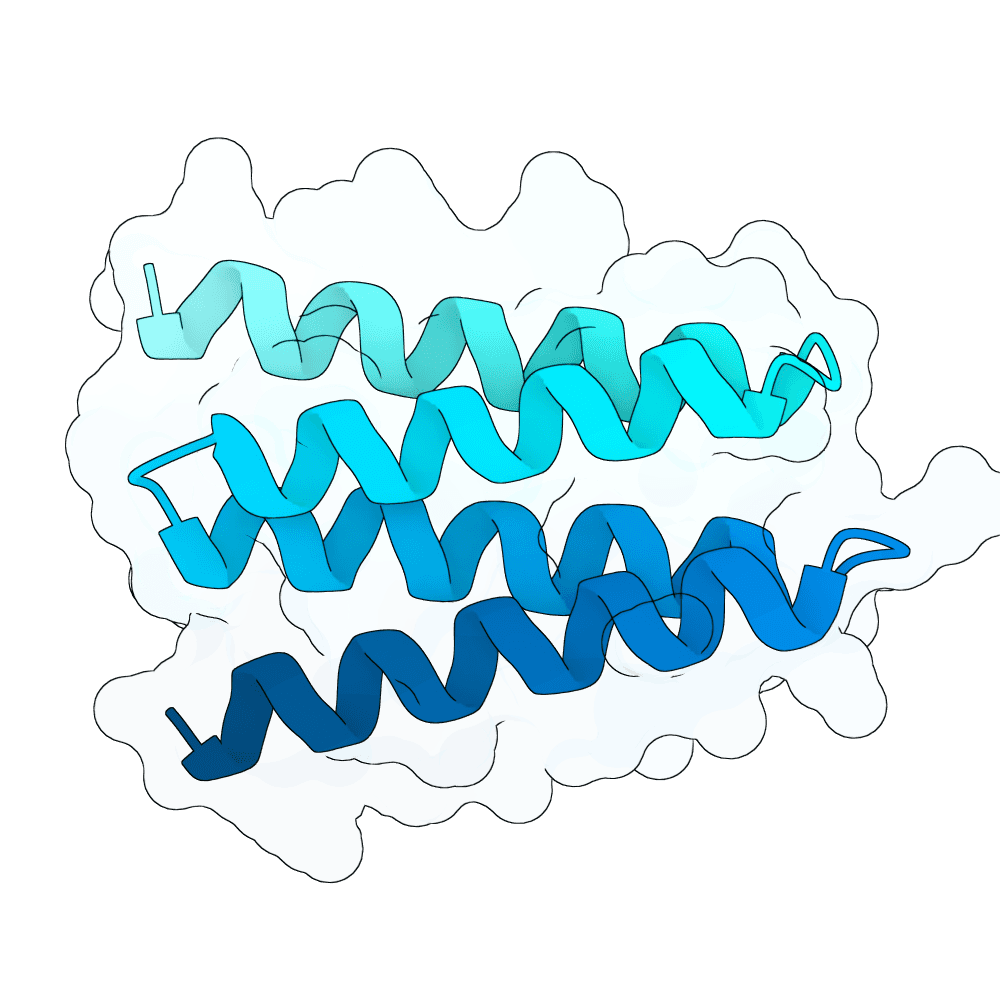
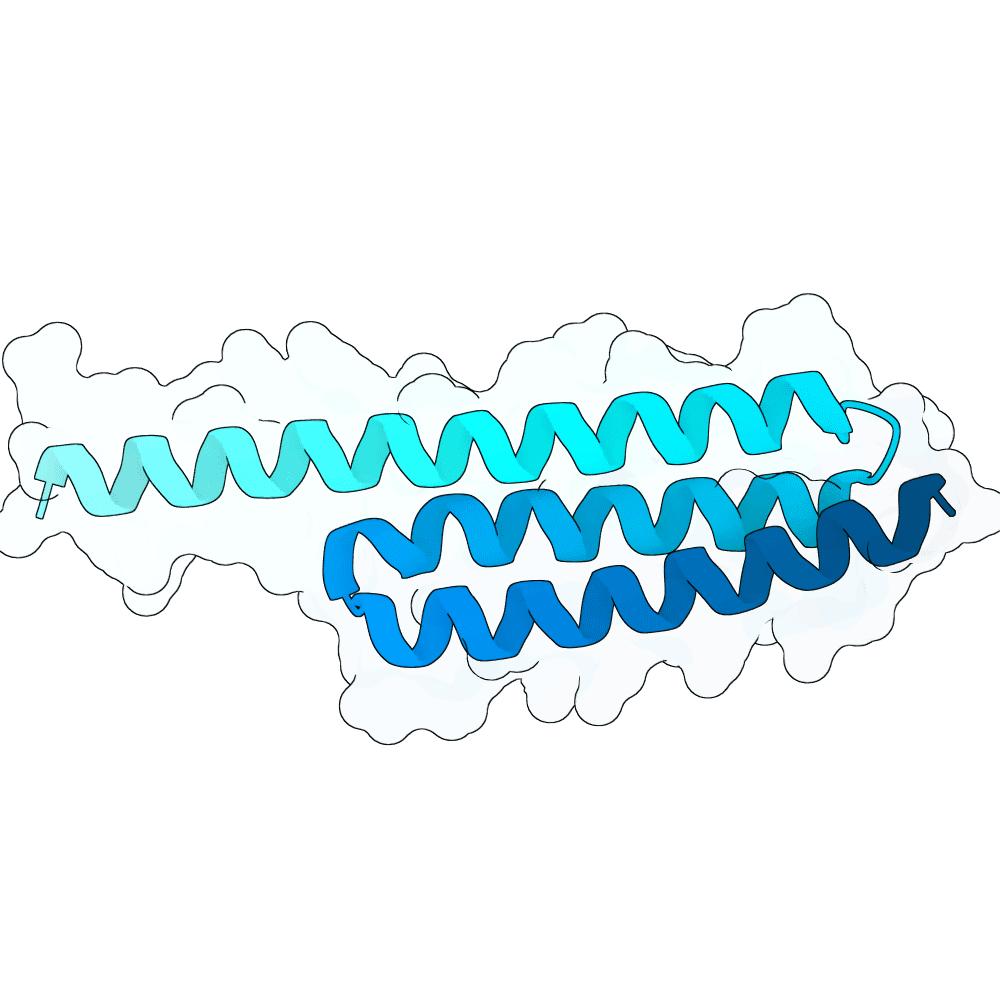
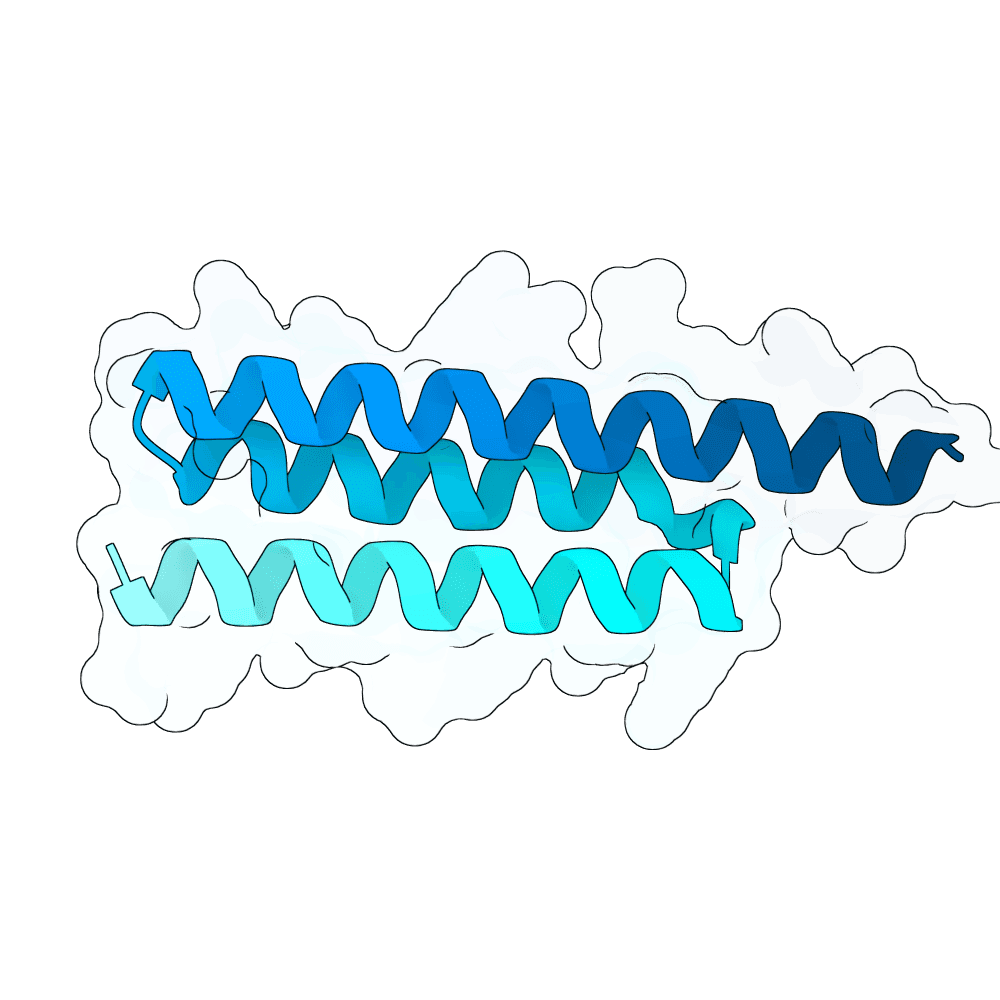
Description
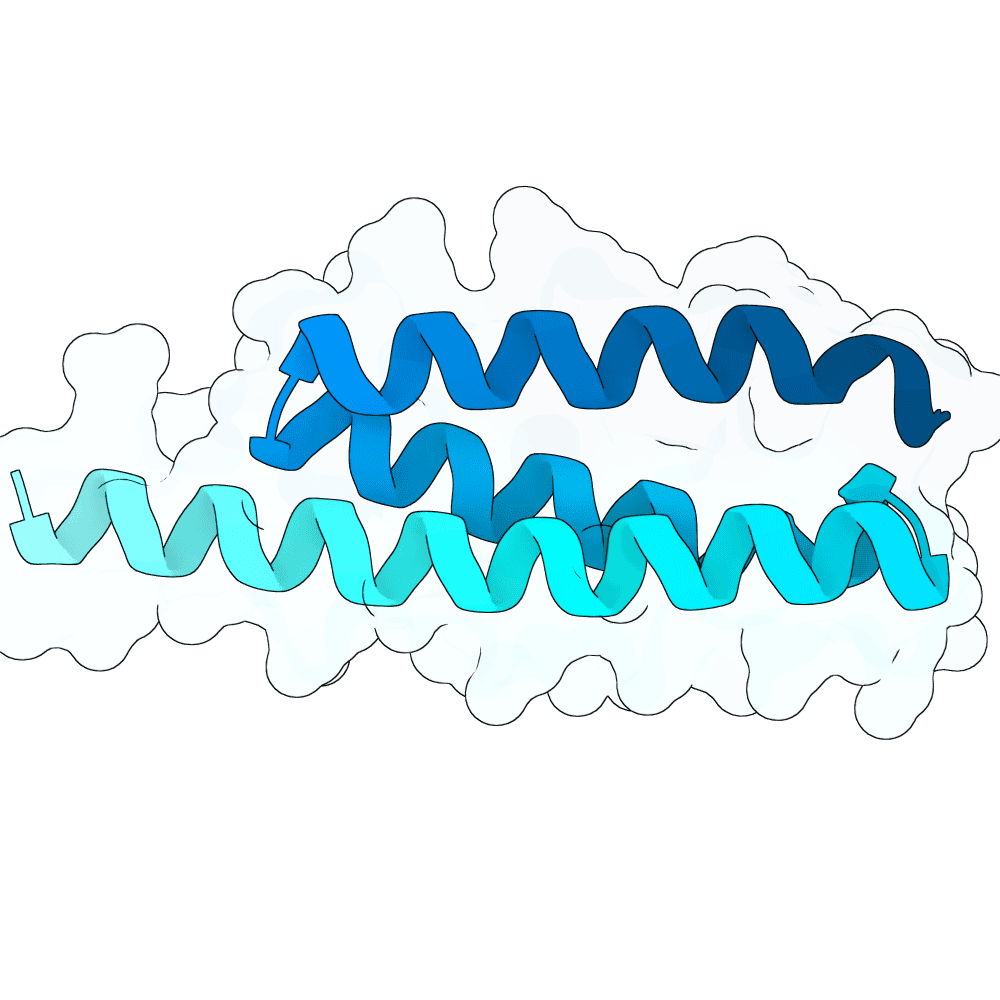
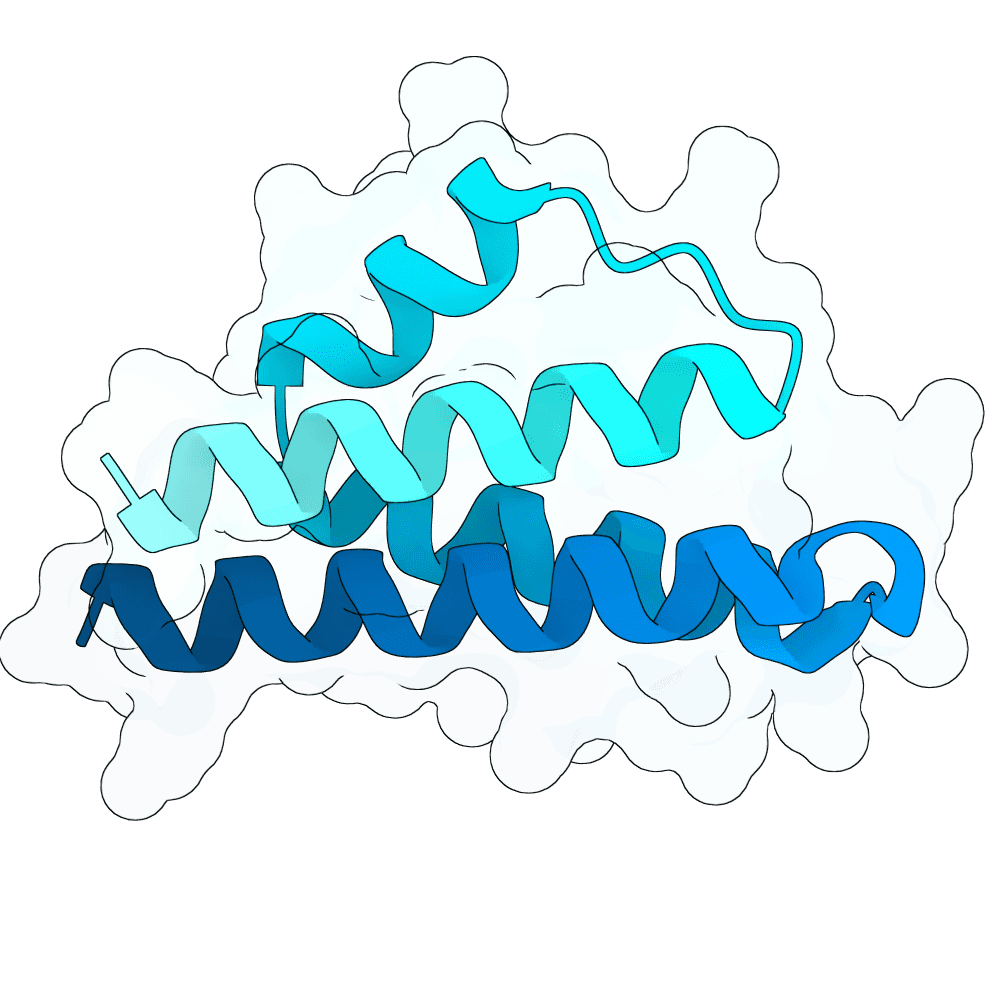
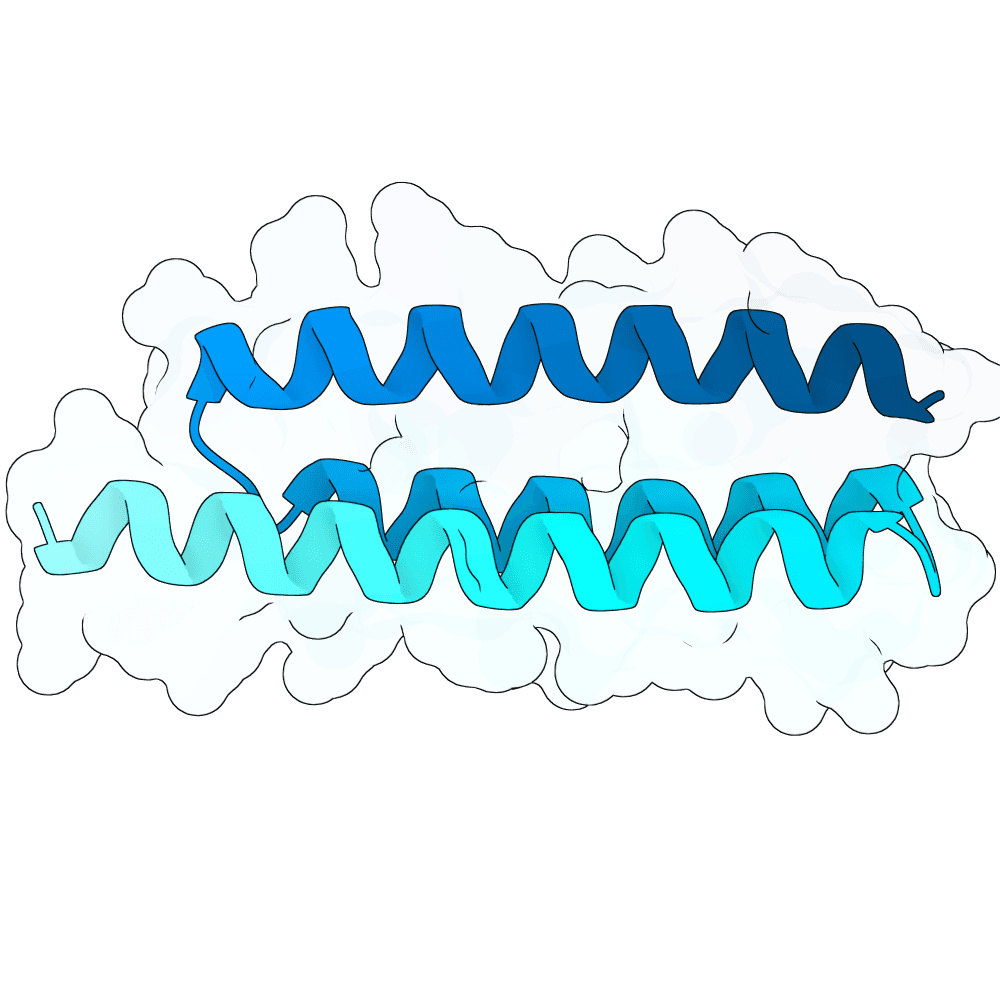
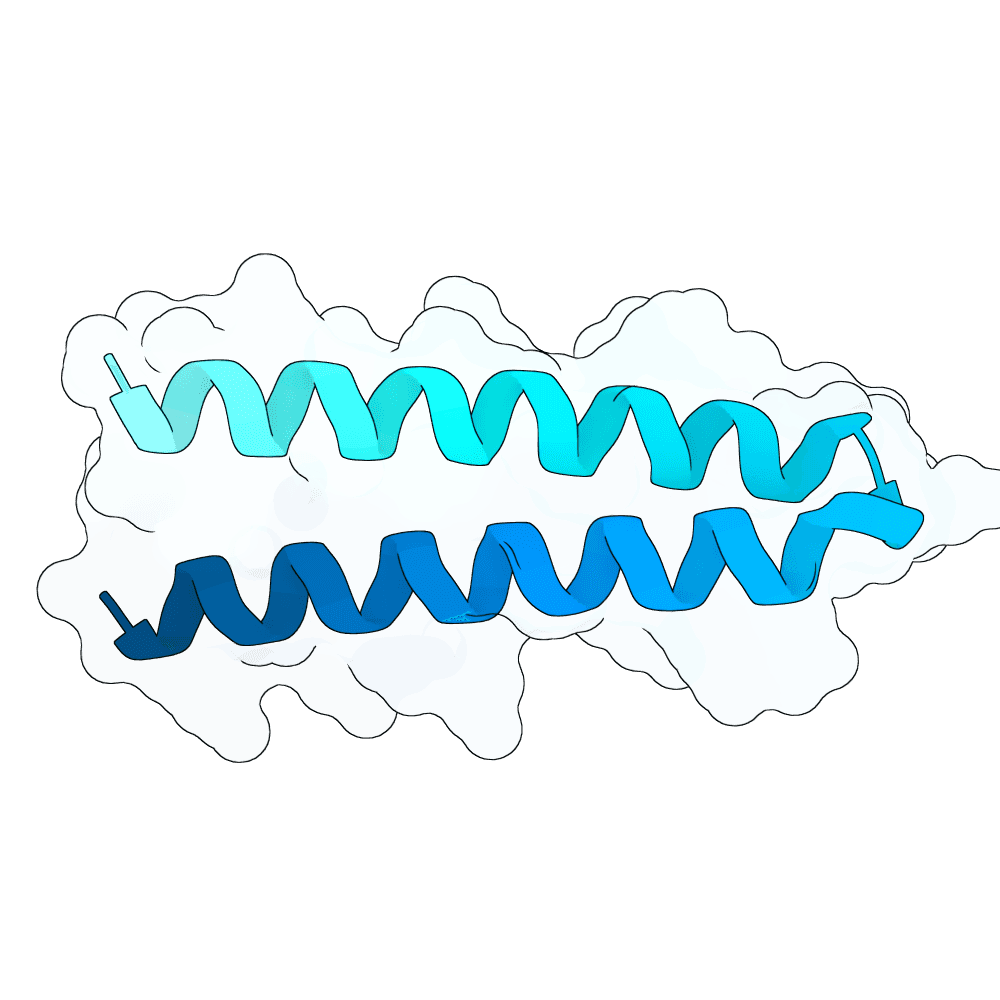
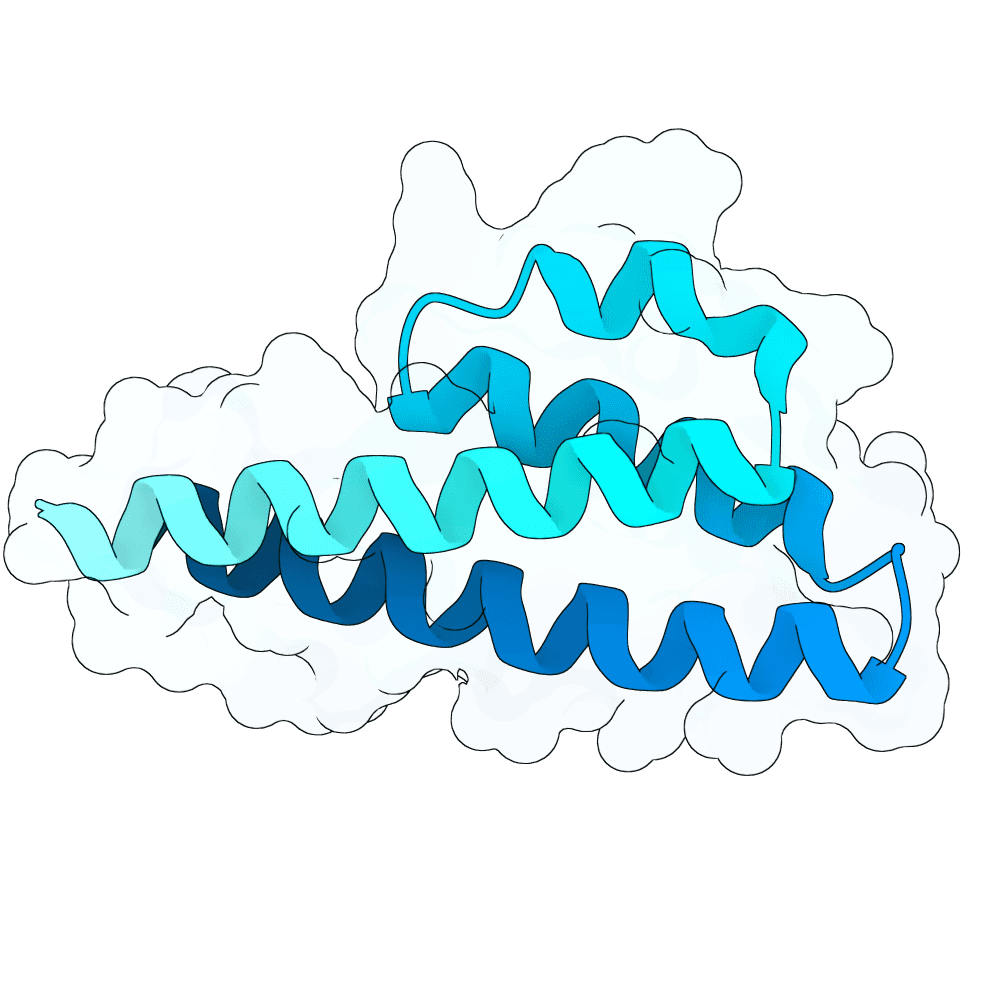
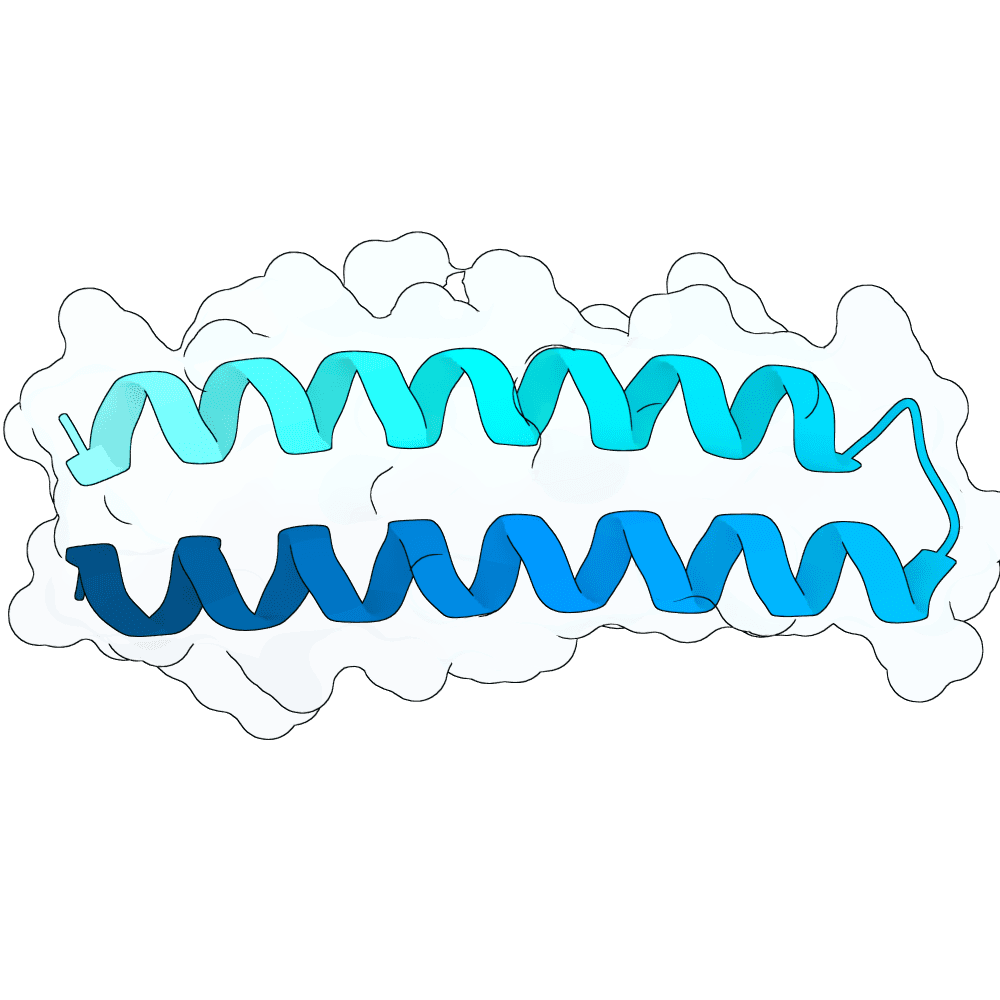
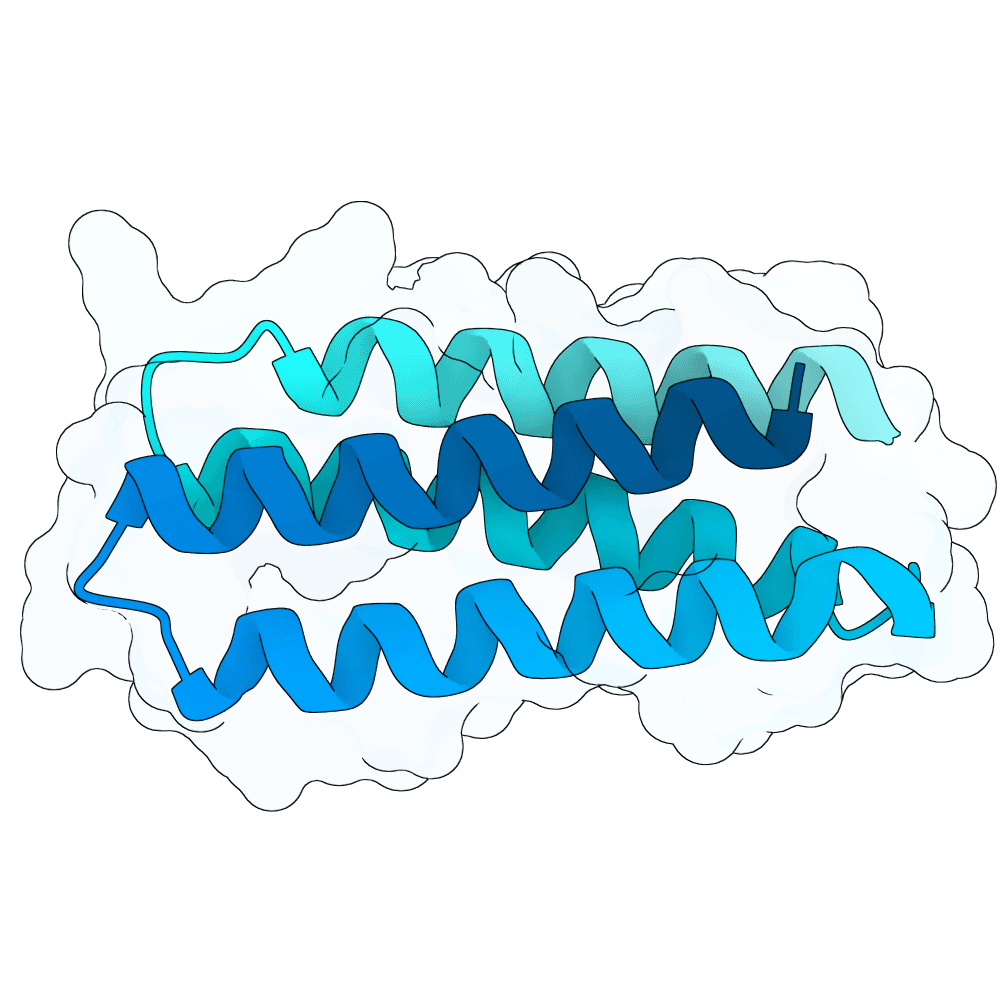
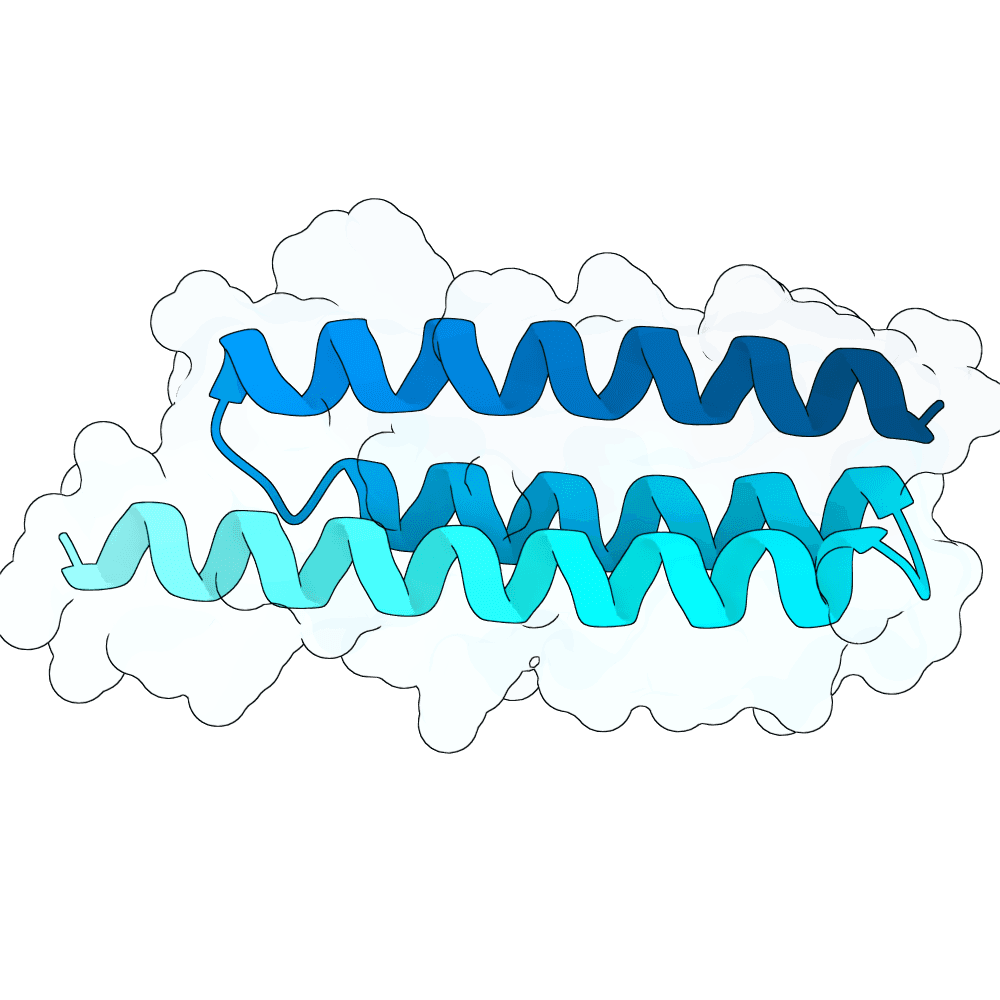
We present 100 de novo designed protein binders targeting the RING domain of human RBX1 (PDB: 2LGV, chain A, residues 40-108; 69 residues with three structural Zn²⁺ ions). All designs were generated computationally and validated through multi-stage structure prediction, with no experimental data incorporated.
Target analysis and hotspot selection. RBX1 functions as the catalytic RING subunit of Cullin-RING E3 ubiquitin ligases (CRLs), recruiting E2 ubiquitin-conjugating enzymes through a defined surface patch. We defined four hotspot groups exclusively on the E2-interacting surface of RBX1 (groove, helix, loop, and broad regions around residues 73-97), deliberately excluding the Zn-coordination face to avoid designs that would compete with structural zinc ions rather than the biologically relevant protein-protein interface.
Backbone generation. We generated 1,583 backbone scaffolds using RFdiffusion (Watson et al., Nature 2023) across six helical campaigns targeting the E2-surface hotspots, with binder lengths of 50-80 residues. Zinc ions were explicitly modeled as fixed ligand atoms during diffusion to preserve the target's coordination geometry.
Sequence design. Backbone scaffolds were threaded using LigandMPNN (Dauparas et al., 2023) in zinc-aware mode (--model_type ligand_mpnn), generating 16 sequences per backbone at temperature 0.2. Amino acid biases were applied to counteract known failure modes: alanine was penalized (bias -3.0) to prevent low-complexity sequences, aromatic residues were upweighted (W:+2.0, Y:+1.5, F:+1.0), and cysteine was forbidden (bias -999.0) to avoid aberrant disulfide formation or zinc chelation by the binder.
Sequence filtering. Designed sequences were filtered for physicochemical quality: alanine content <20%, net charge between -5 and +5, aromatic fraction ≥3%, and at least 14 unique amino acid types. Of approximately 25,000 initial sequences, 5,486 passed these filters.
Foldability screening. We screened all filtered sequences with AlphaFold2 in monomer mode (ColabFold, Mirdita et al., Nat Methods 2022) and retained 1,198 sequences with pLDDT ≥ 85, confirming intrinsic foldability of the designed binders independent of target binding.
Binding validation via AlphaFold3. All 1,198 candidates were submitted to the AlphaFold3 Server (Abramson et al., Nature 2024) as binder-RBX1 complexes including three Zn²⁺ ions. Predicted complexes were scored using interface-pairwise Structural Alignment Error (ipSAE; d0 = chain length), which quantifies the confidence of the predicted binder-target interface. A total of 1,136 unique designs were evaluated over 40 submission batches, yielding 183 hits (ipSAE ≥ 0.5) and 75 elite predictions (ipSAE ≥ 0.8).
Auxiliary scoring. ESM2-650M pseudo-perplexity (Lin et al., Science 2023) was computed for all 1,198 sequences as a language-model-based measure of sequence naturalness (mean PPL = 1.48). AF3 submission batches were reordered by ascending perplexity to prioritize higher-confidence sequences in earlier batches.
Final selection. From 1,136 AF3-evaluated designs, we applied hard gates: no steric clashes, binder disordered fraction ≤ 10%, both binder and target pTM ≥ 0.70, AF2 monomer pLDDT ≥ 88, and length ≤ 250 AA. This yielded 672 passing designs, which were deduplicated to 522. The top 100 were selected by descending ipSAE with a diversity constraint of at most 5 sequences per backbone family (127 unique backbones represented). Near-ties (within ±0.02 ipSAE) were broken by an operational priority score incorporating local structure prediction support and seed consistency.
The submitted set of 100 sequences spans 52-90 residues in length with ipSAE scores ranging from 0.23 to 0.90 (mean 0.59). The sequences derive from 79 distinct backbone scaffolds, comprising 25 elite (ipSAE ≥ 0.8), 26 strong (0.65-0.8), 9 moderate hits (0.5-0.65), and 40 exploratory candidates below the hit threshold, included to maximize sequence and structural diversity.
Software: RFdiffusion v2, LigandMPNN, ColabFold/AlphaFold2, AlphaFold3 Server, ESM2-650M. Hardware: NVIDIA GB10 (Blackwell), CUDA 12.8.