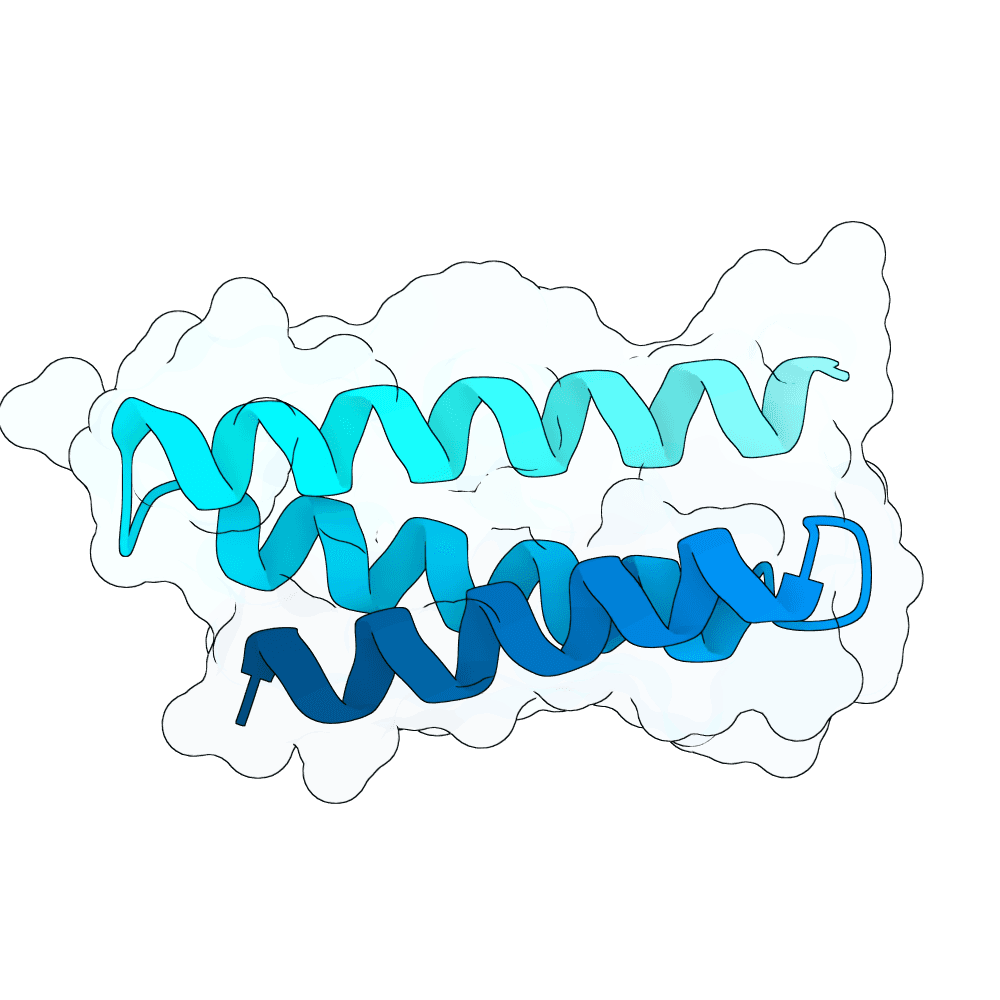
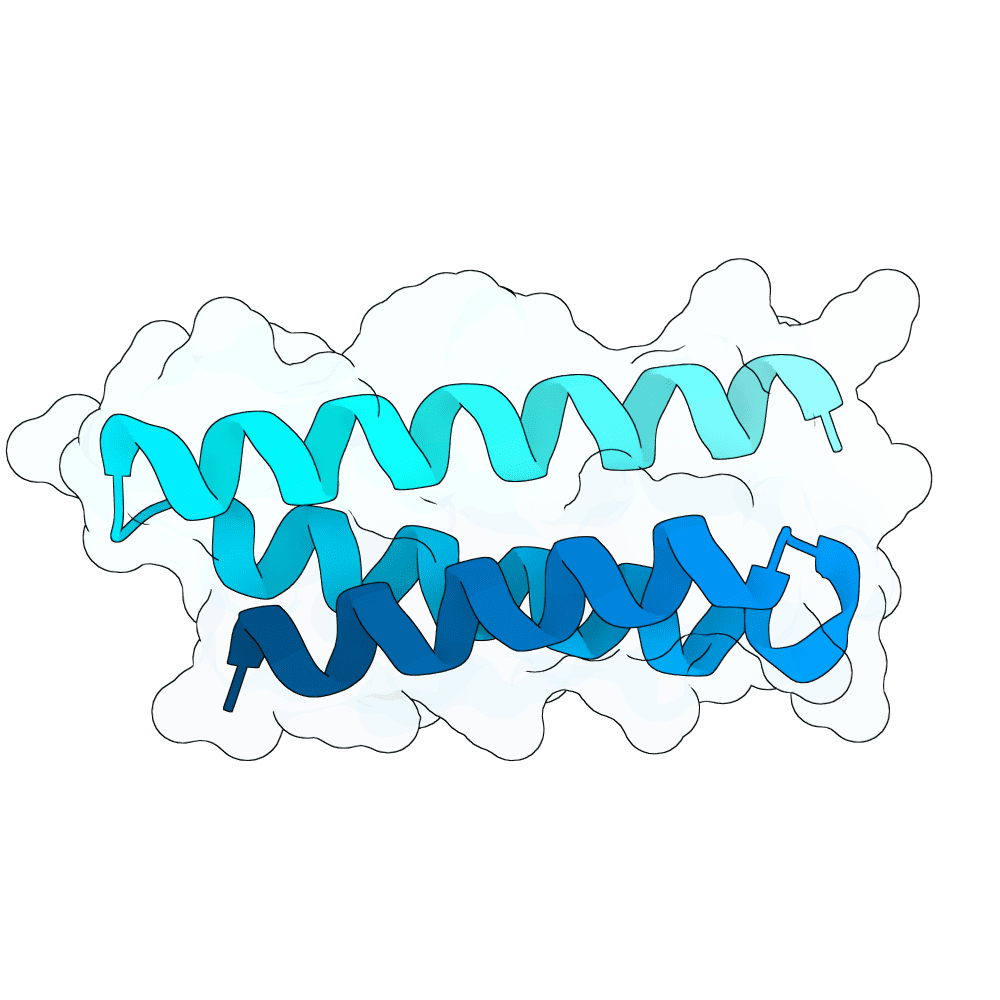
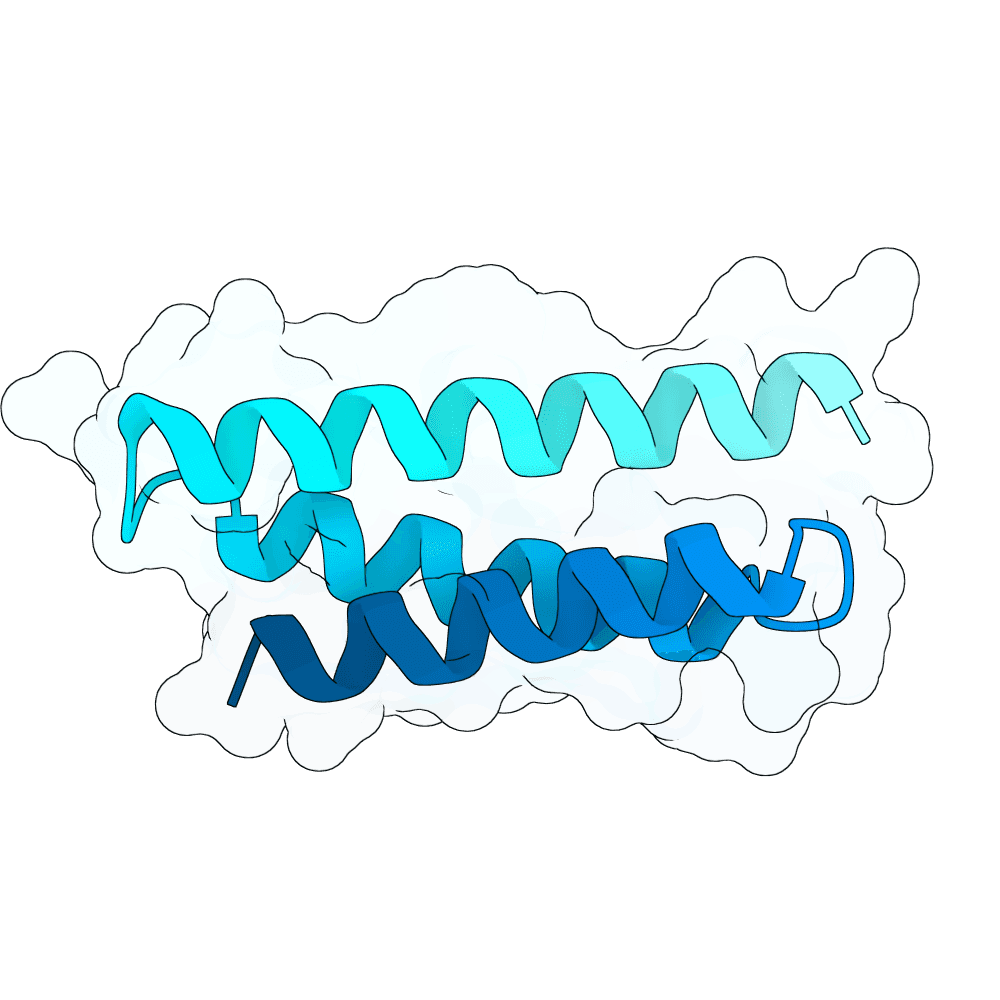
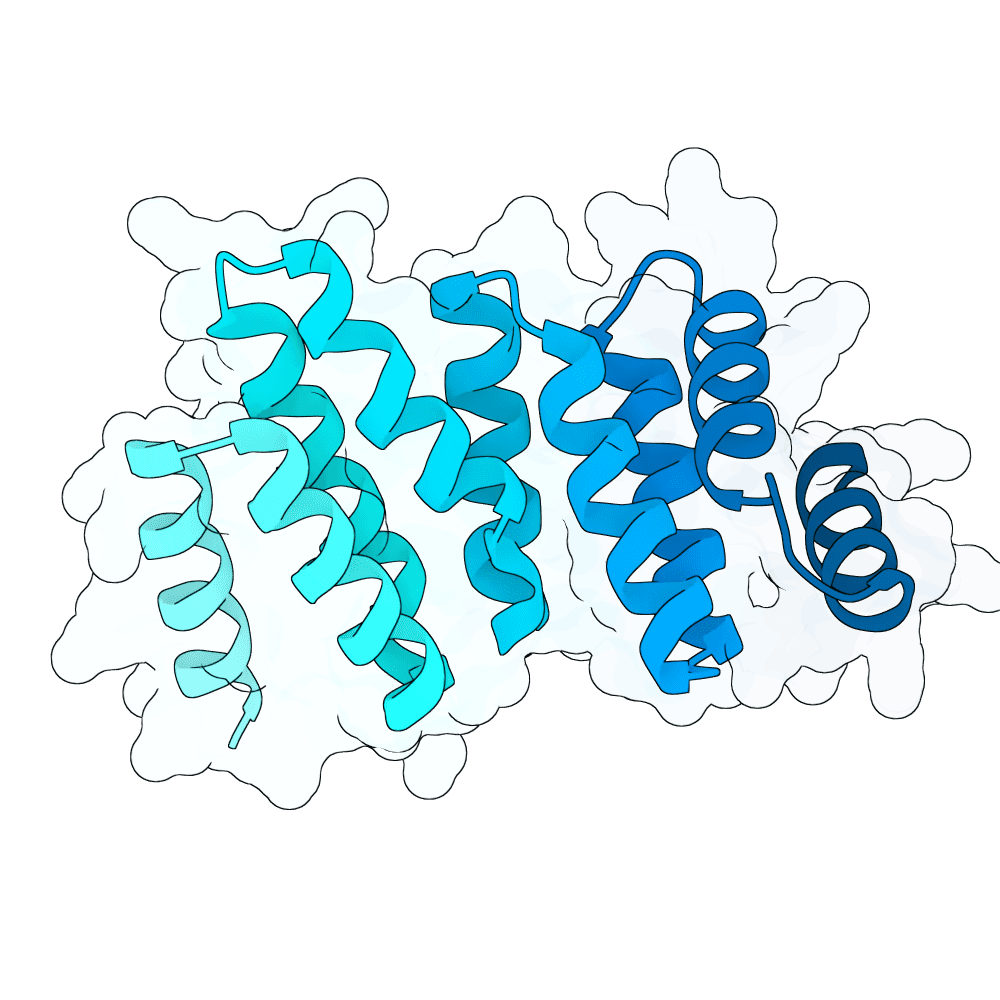
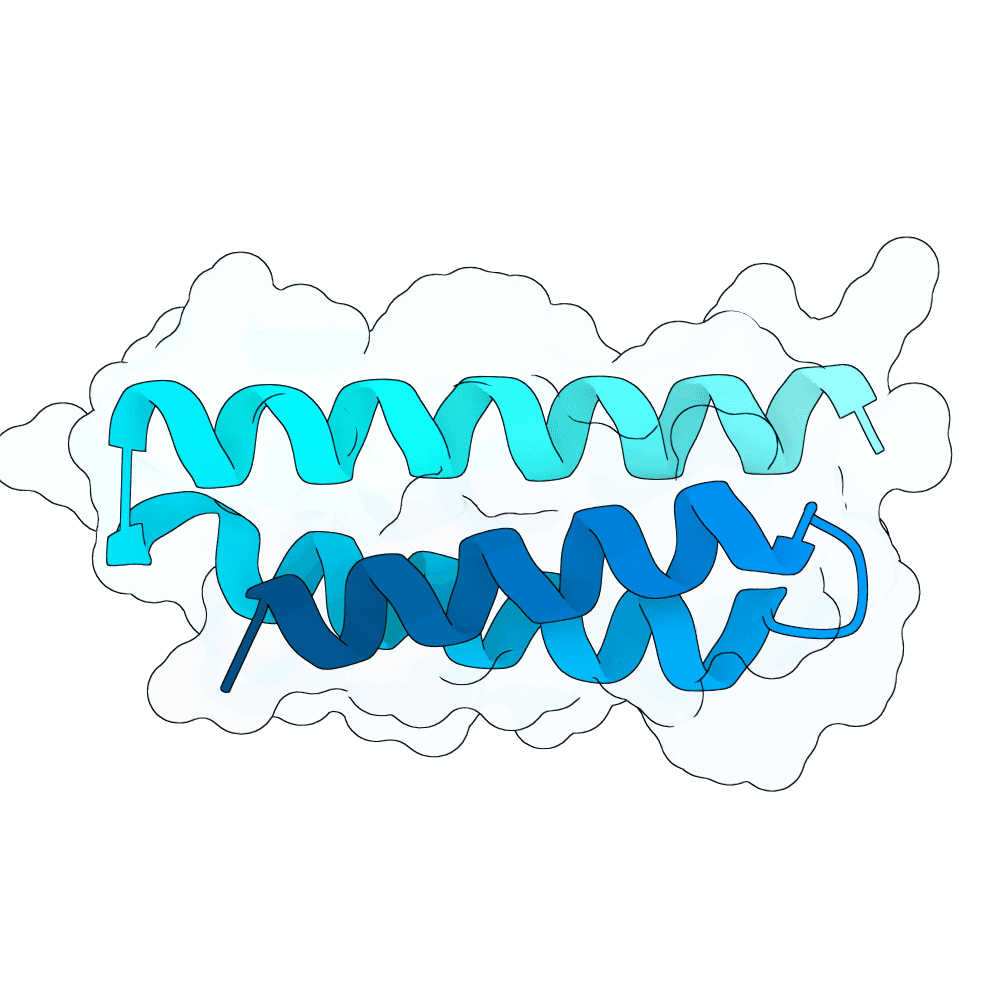
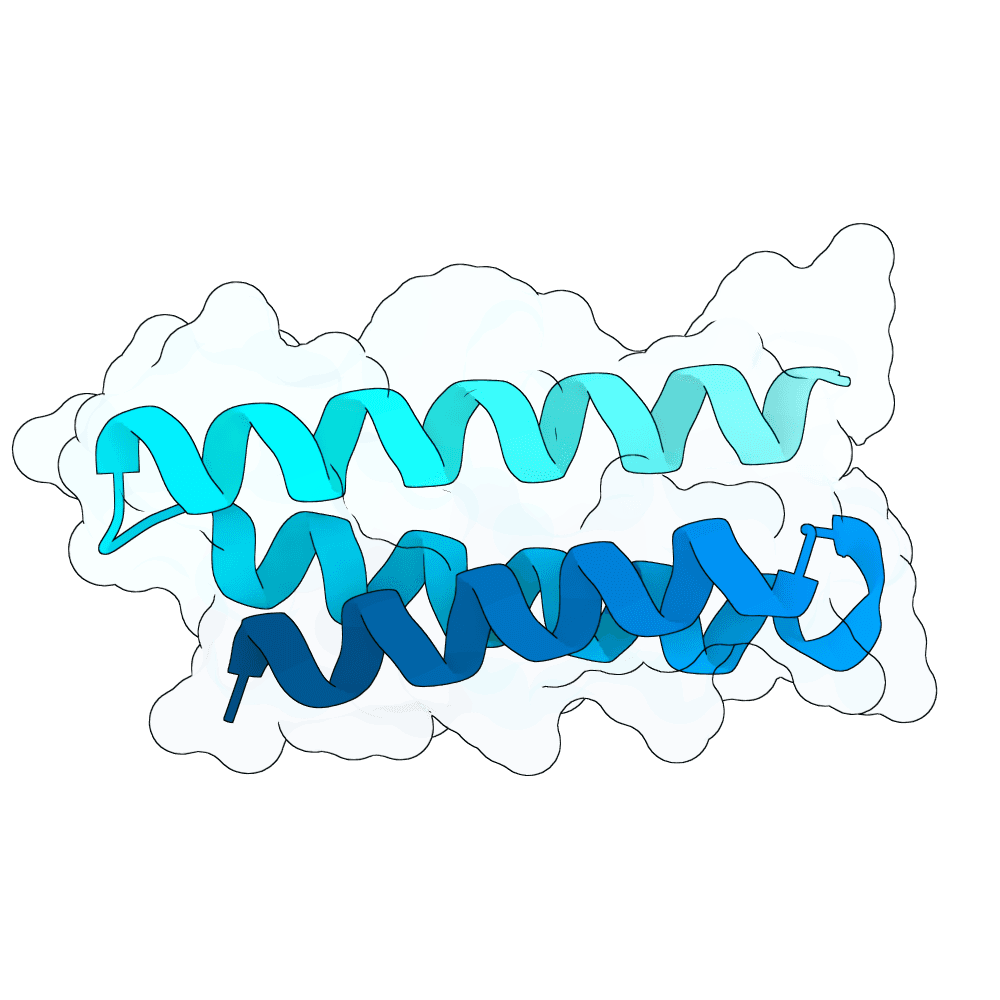
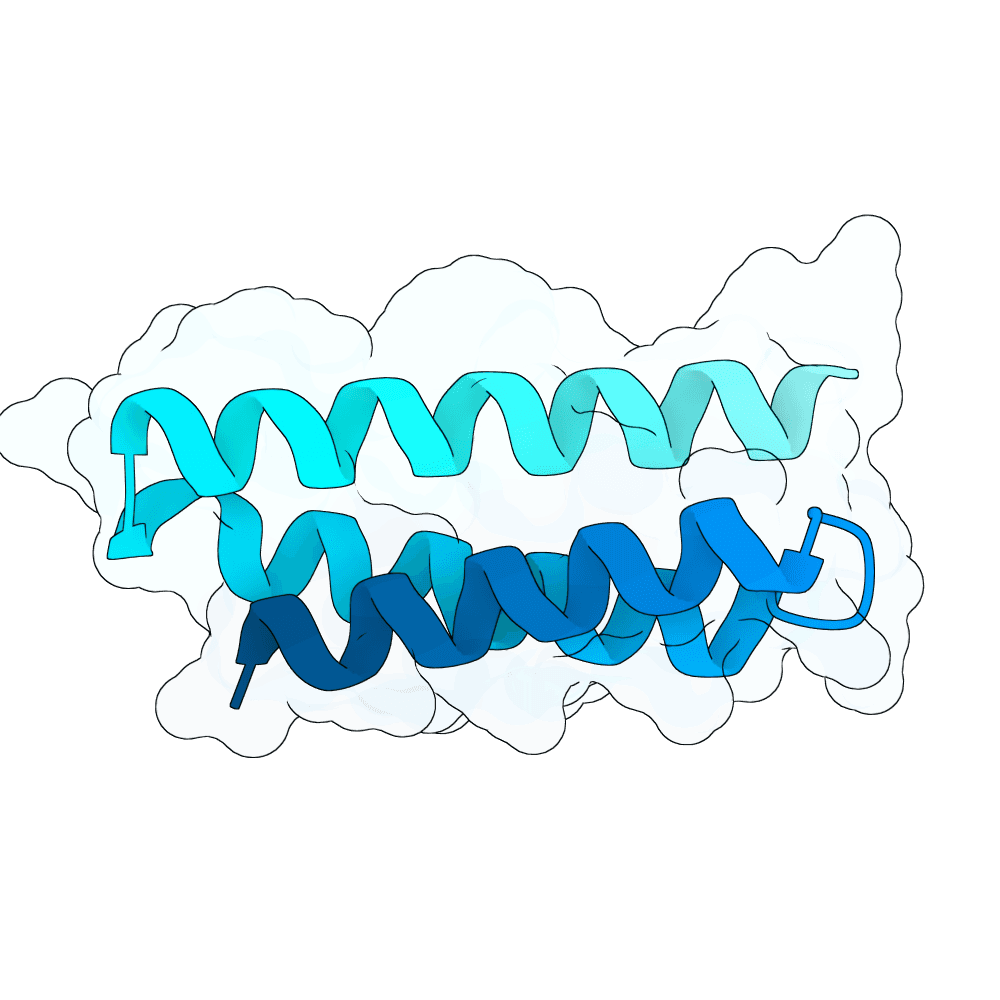
We present a hybrid computational strategy for designing de novo protein binders against RBX1 (UniProt: P62877; PDB: 2LGV), combining three deep learning models — OriginFlow, ProSLLaM, and ProDESIGN-LE — across two complementary design pipelines. Our central hypothesis is that ensembling a structure-guided modular pipeline with an end-to-end generative approach yields a more diverse and effective pool of binder candidates than either paradigm alone, particularly for a structurally challenging target like RBX1 with its disordered N-terminus and zinc-stabilized RING-H2 domain.
Pipeline 1: Structure-guided backbone generation with sequence optimization (OriginFlow + ProDESIGN-LE)
OriginFlow [1] is a flow-matching diffusion model for de novo protein backbone generation. Its hybrid architecture integrates global invariant-point attention (IPA) with local graph neural network (GNN) refinement, producing backbones with high designability, structural diversity, and functional relevance. In published benchmarks on binder design for PD-L1, SARS-CoV-2 RBD, and VEGF, OriginFlow achieved approximately 90% wet-lab success in expression, solubility, and measurable binding affinity, with most binders exhibiting micromolar-range KD values. We conditioned OriginFlow on the RBX1 structure to generate candidate binder backbones targeting the C-terminal RING-H2 finger domain.
ProDESIGN-LE [2] was then applied for sequence optimization. This transformer-based method models the conditional probability of each amino acid given its local structural environment — defined by neighboring residues and their geometric relationships. It iteratively assigns residues to maximize compatibility between each position and its structural context, producing sequences that are optimized for folding into the OriginFlow-generated backbones.
Pipeline 2: End-to-end binder generation (ProSLLaM)
ProSLLaM (Protein Structure Large Language Model) takes a fundamentally different approach by performing end-to-end binder protein design through electron density encoding. The method first encodes the electron density of the target binding region, then uses this encoding as a conditioning prompt for an auto-regressive language model to generate the complementary binder structure. Decoding the generated representation yields both the backbone and side-chain configurations simultaneously, eliminating the need for separate backbone generation and sequence design stages. This end-to-end paradigm produces structurally self-consistent designs efficiently and may explore binding geometries that are inaccessible to modular approaches.
Design rationale and integration
RBX1 presents a dual structural challenge: its intrinsically disordered N-terminal region is unsuitable for stable binder engagement, while its C-terminal RING domain — though well-folded — coordinates three zinc ions that create a complex electrostatic surface. We focused all designs on the structured RING domain.
The two pipelines sample complementary regions of design space. OriginFlow + ProDESIGN-LE generates larger scaffolds with proven experimental track records, drawing on OriginFlow's demonstrated ability to produce high-affinity binders across multiple targets. ProSLLaM contributes smaller, holistic designs whose jointly optimized backbone-sidechain geometry may better accommodate the intricate zinc-coordination topology of RBX1's RING domain.
Our final submission comprises 96 sequences ranging from approximately 70 to 150 residues in length. All designs satisfy the competition's novelty requirements (≤75% sequence identity to UniRef50).
References
[1] J. Yan, Z. Cui, W. Yan, Y. Chen, M. Pu, S. Li, S. Ye. Robust and reliable de novo protein design: A flow-matching-based protein generative model achieves remarkably high success rates. bioRxiv, 2025.
[2] B. Huang, T. Fan, K. Wang, H. Zhang, C. Yu, S. Nie, Y. Qi, W.-M. Zheng, J. Han, Z. Fan, et al. Accurate and efficient protein sequence design through learning concise local environment of residues. Bioinformatics, 39(3):btad122, 2023.