Description
Protein–Protein Interaction Binder Design Using PPIFLOW
-
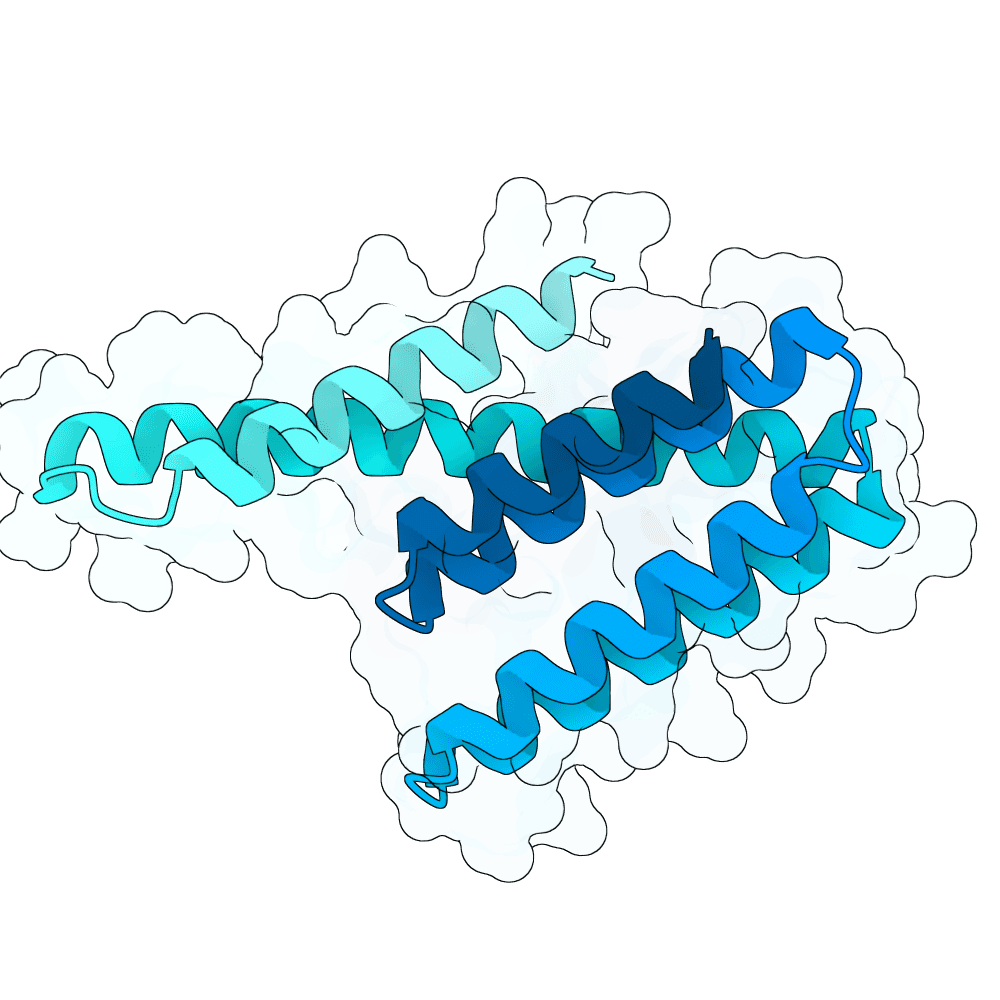
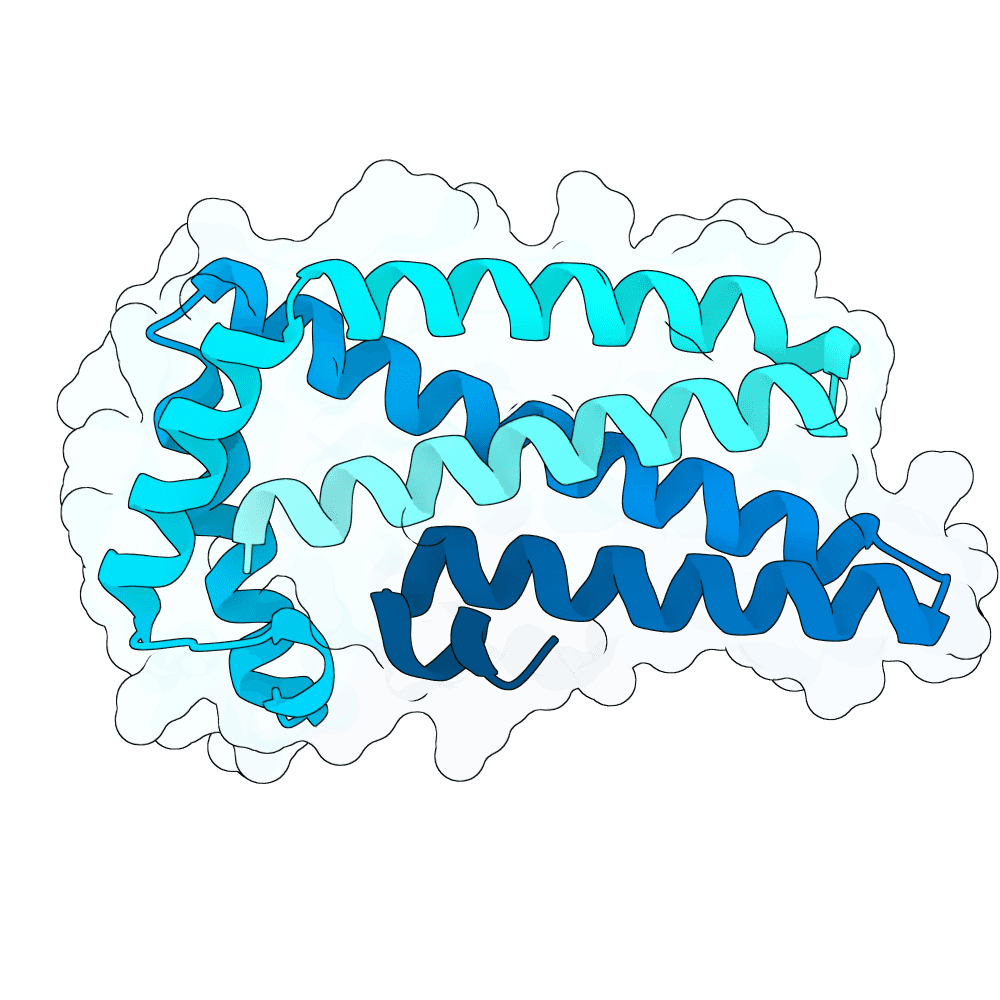
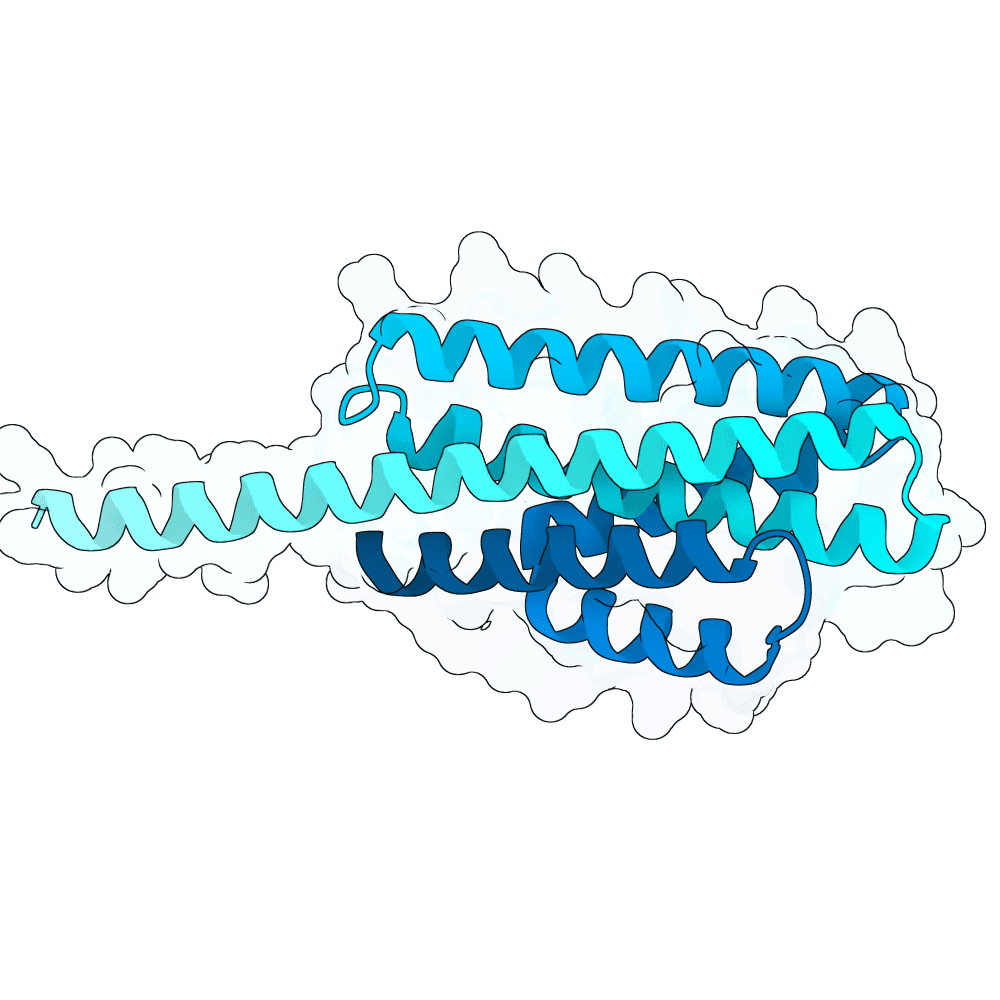
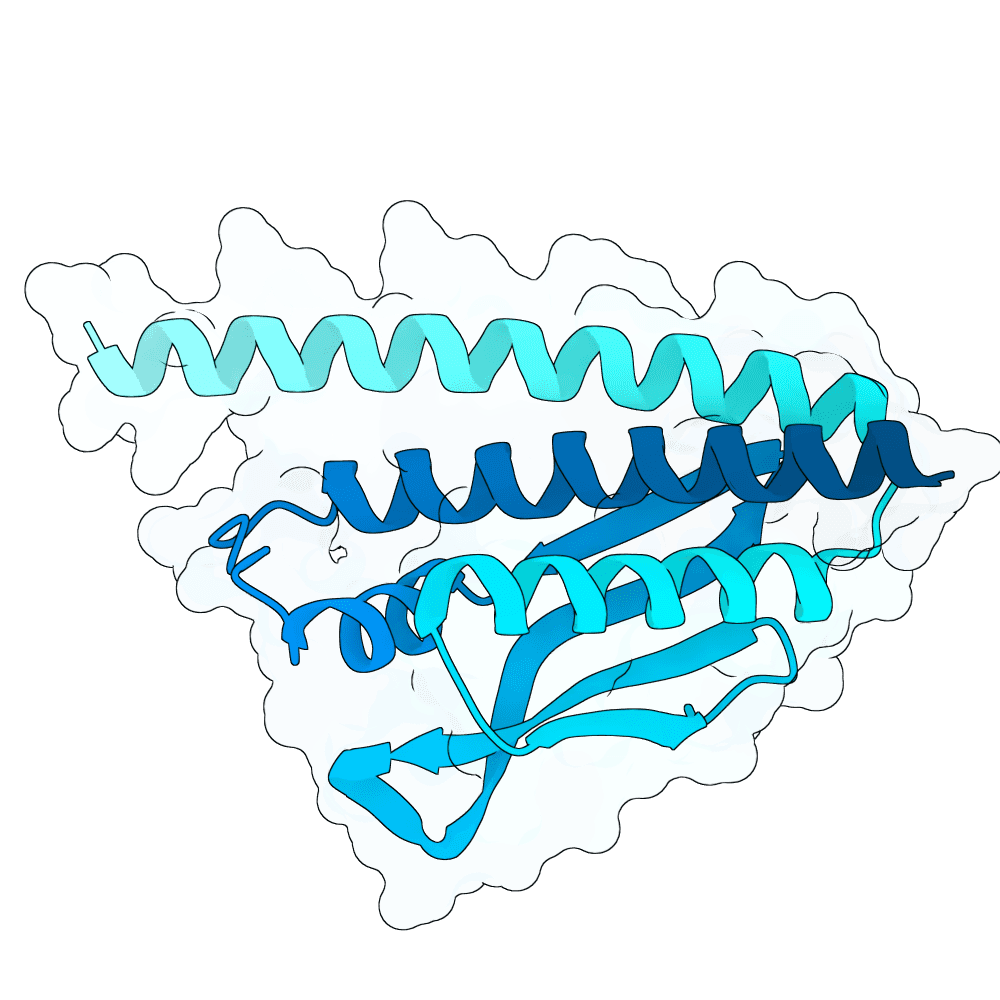
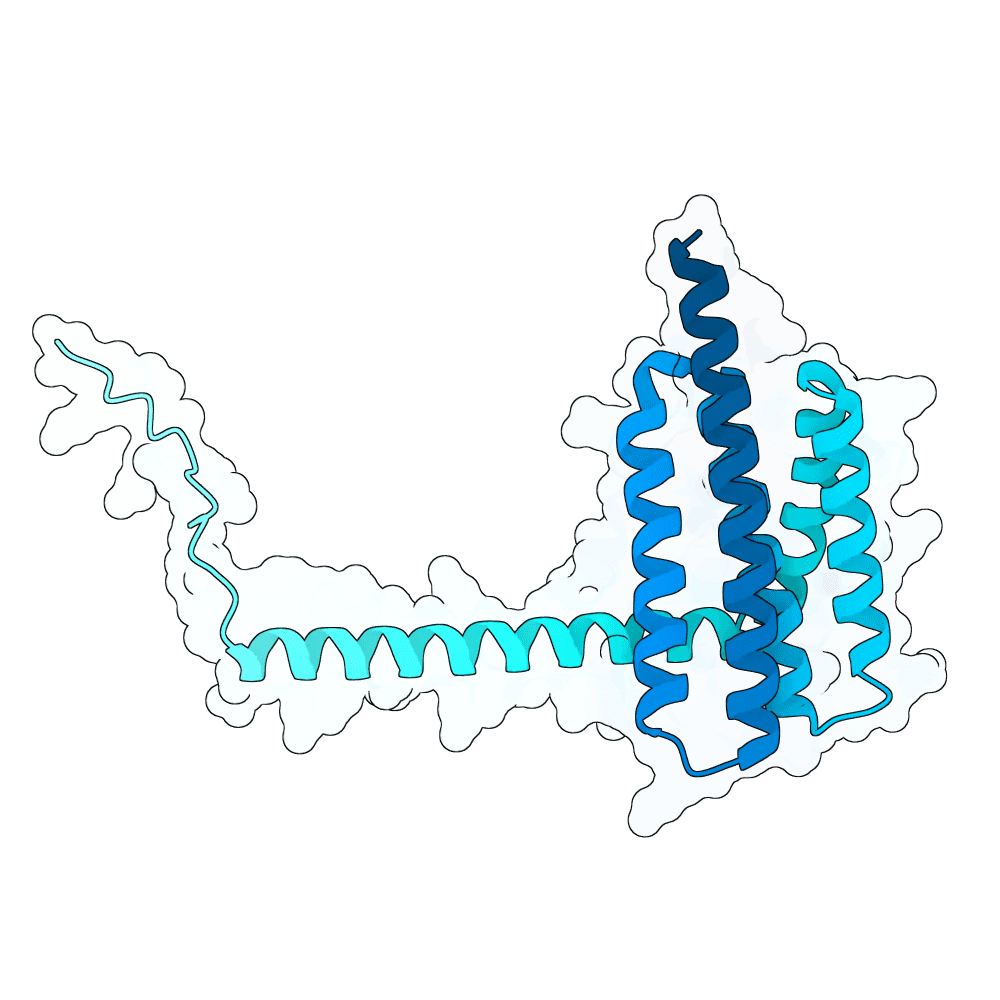
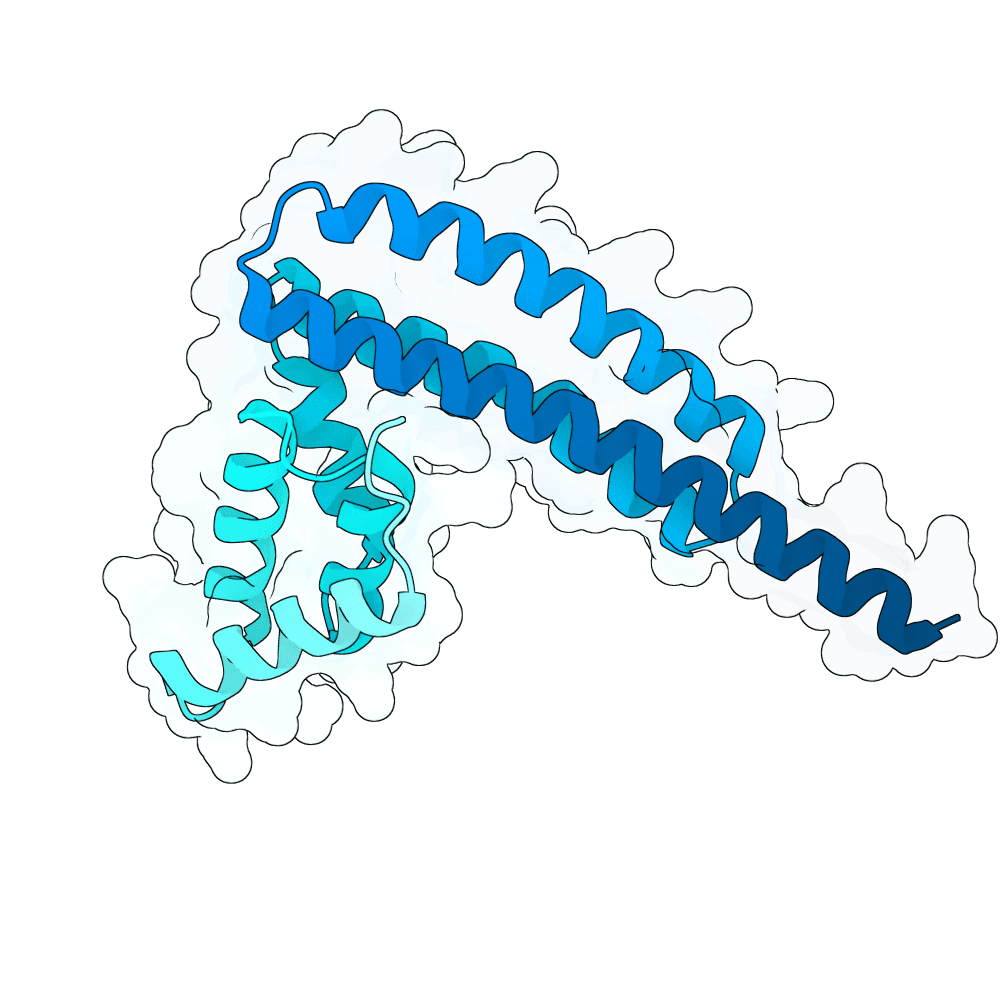
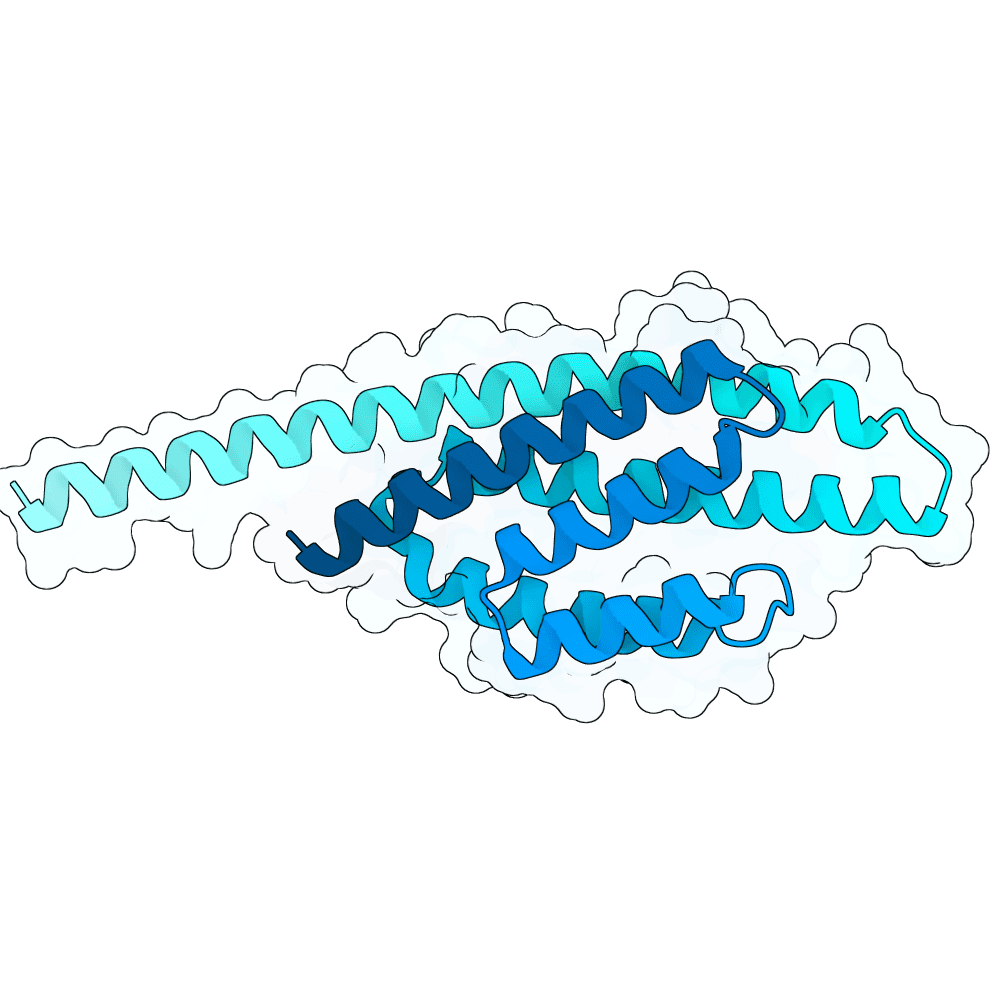
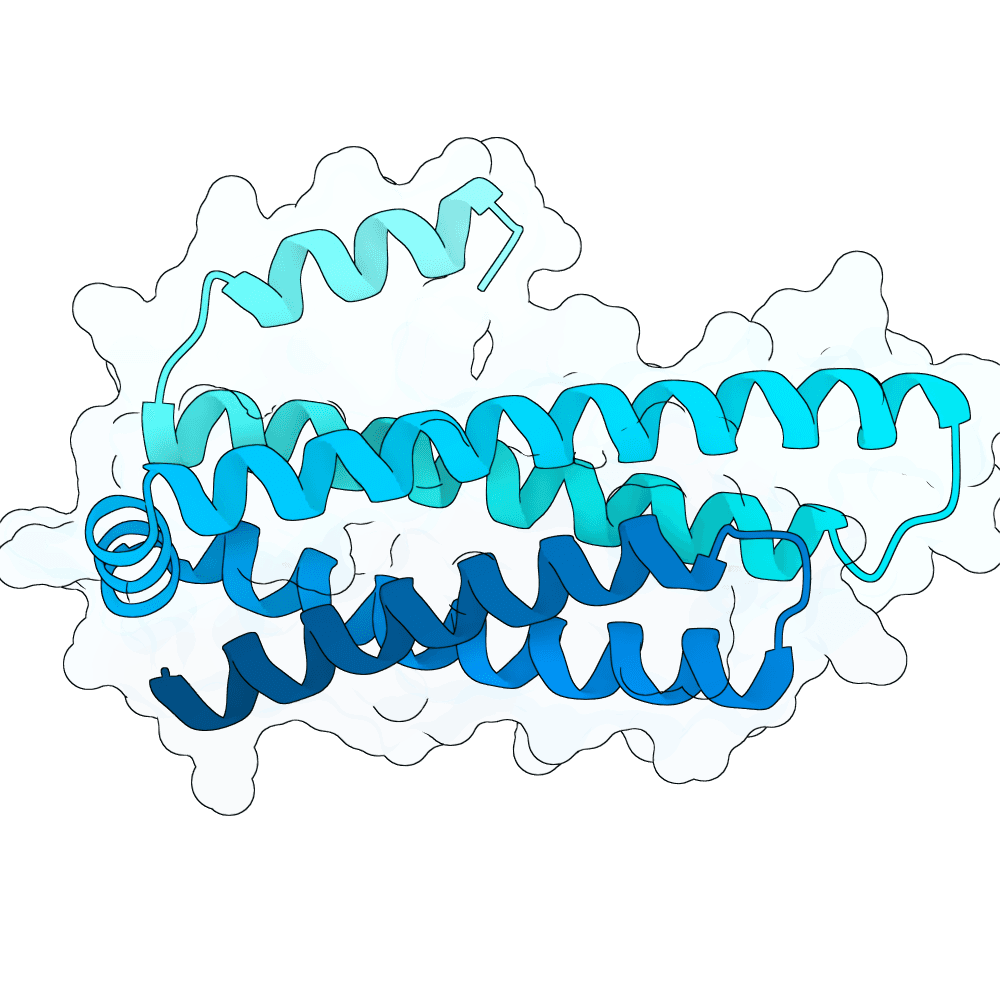
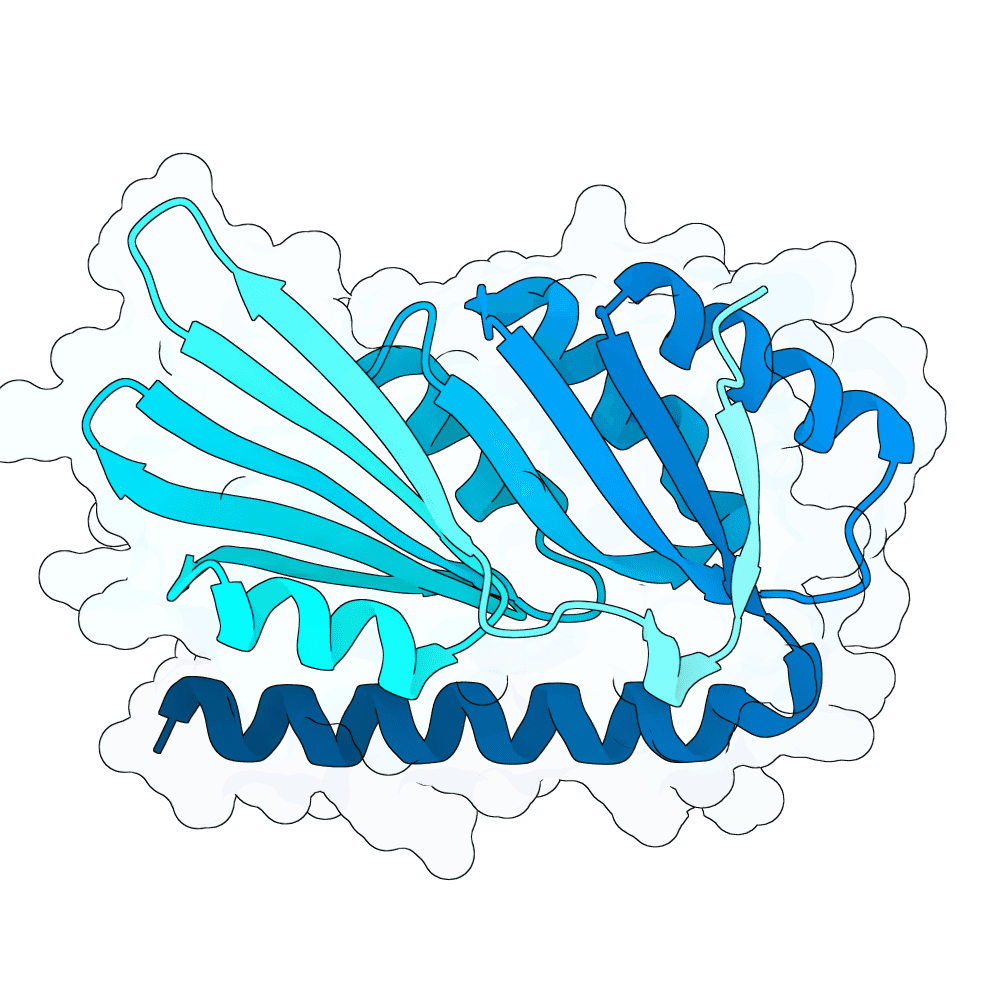
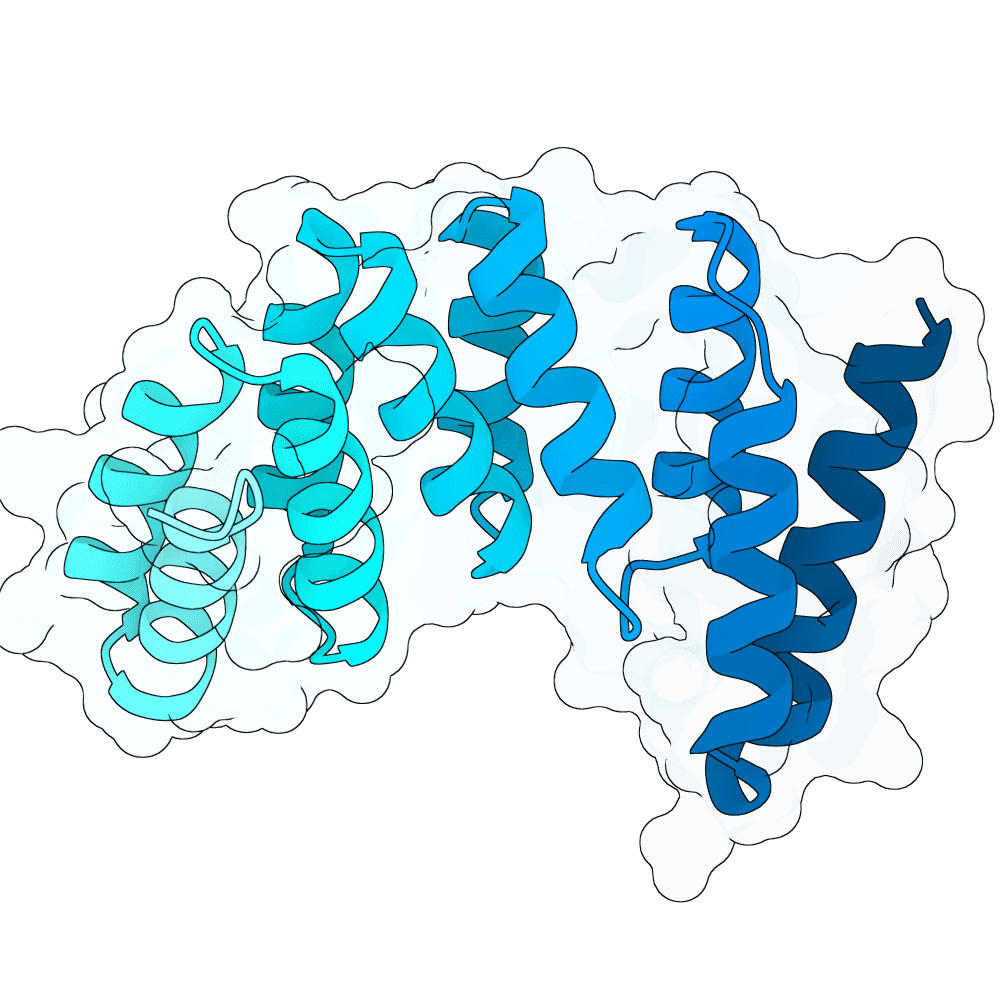
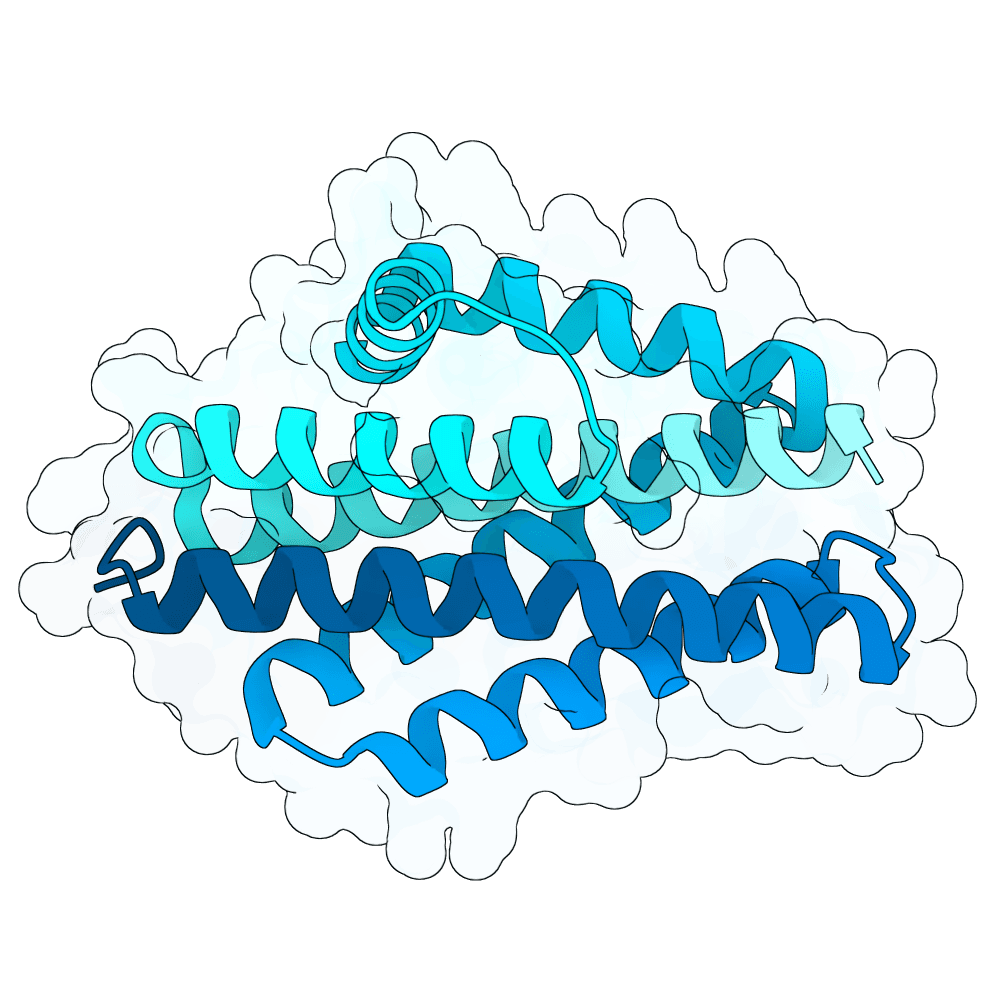
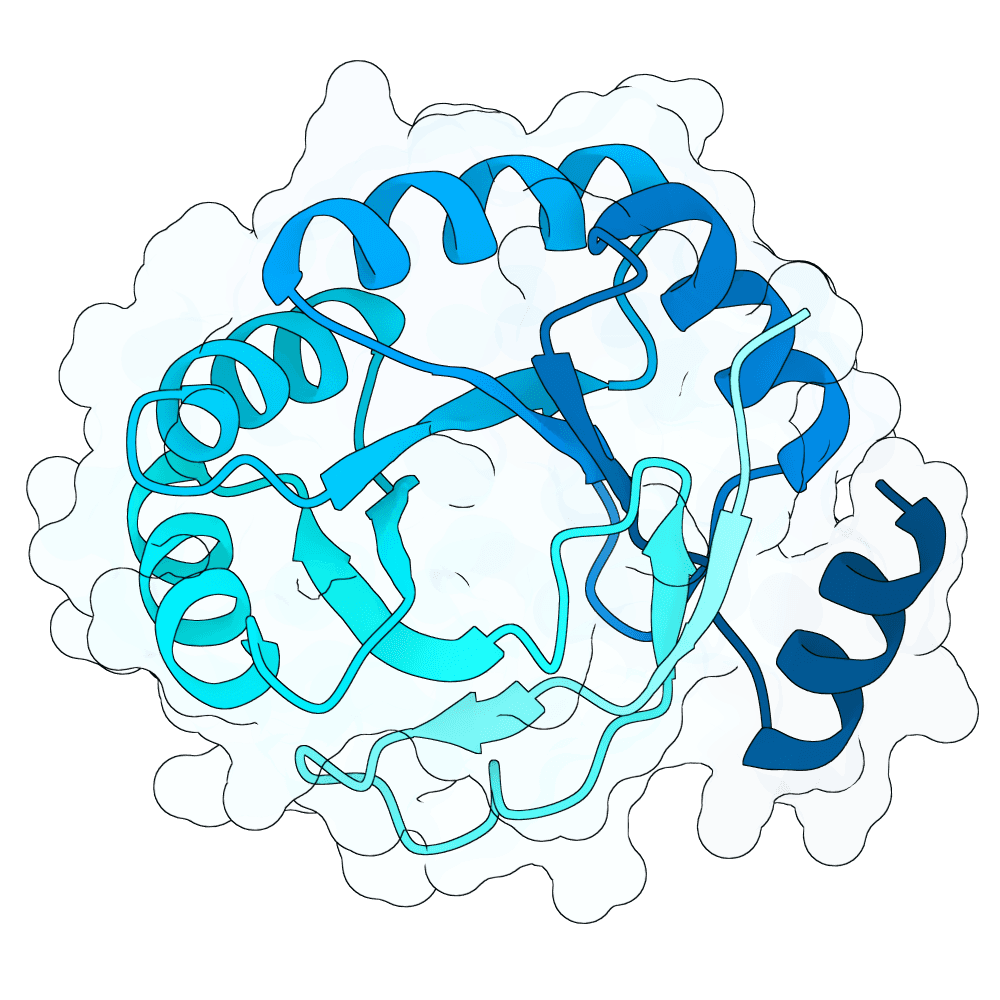
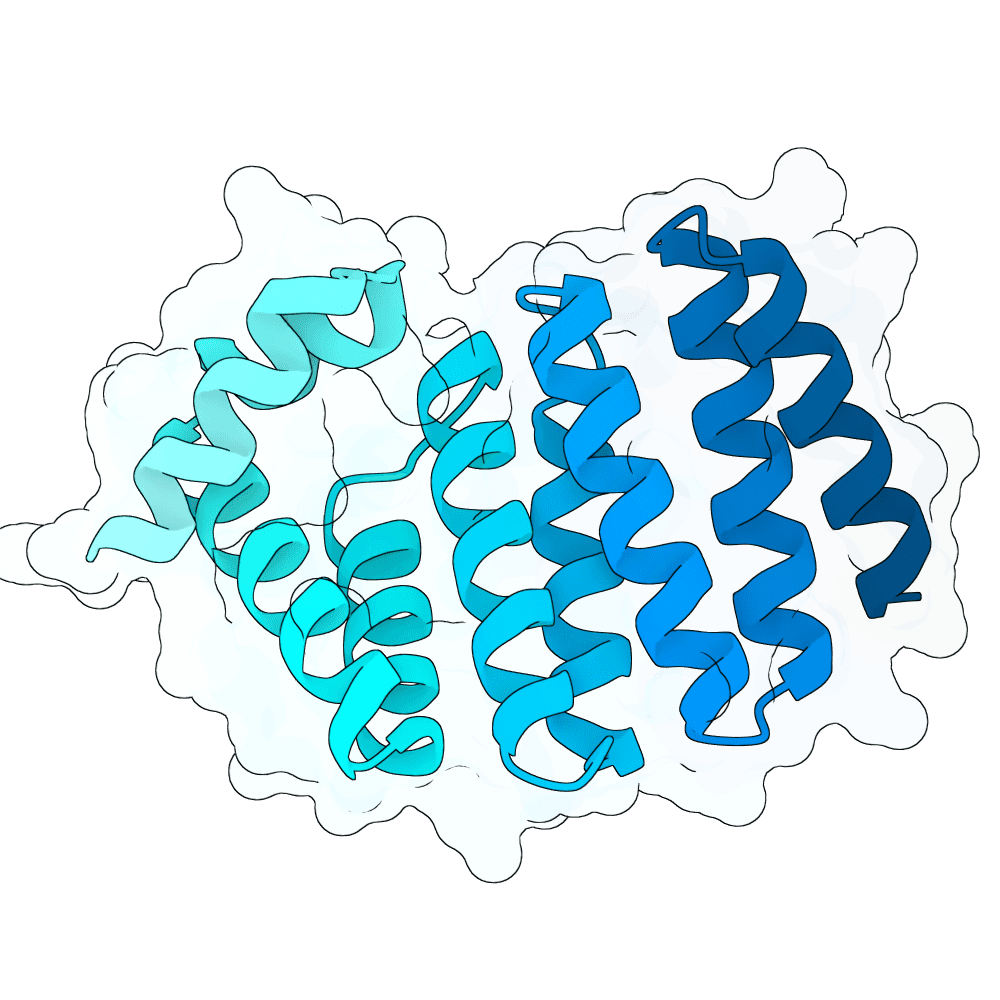
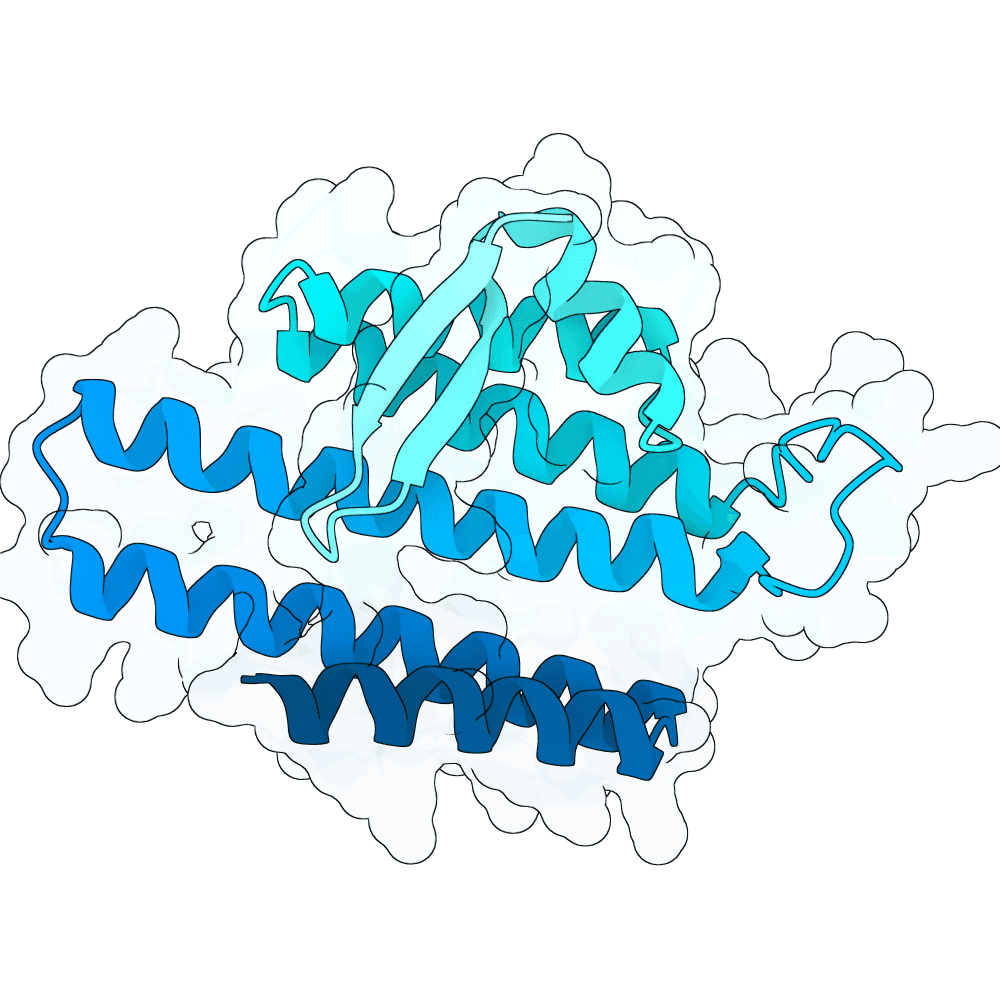
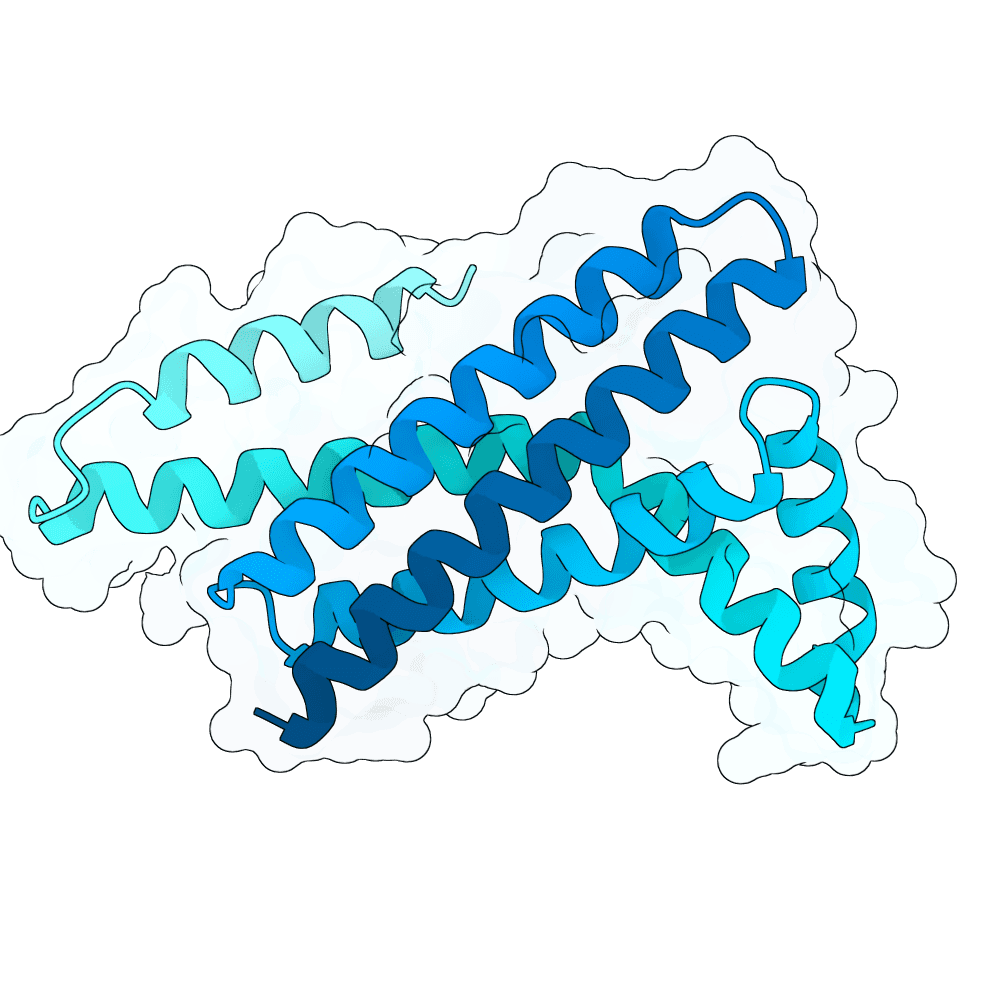
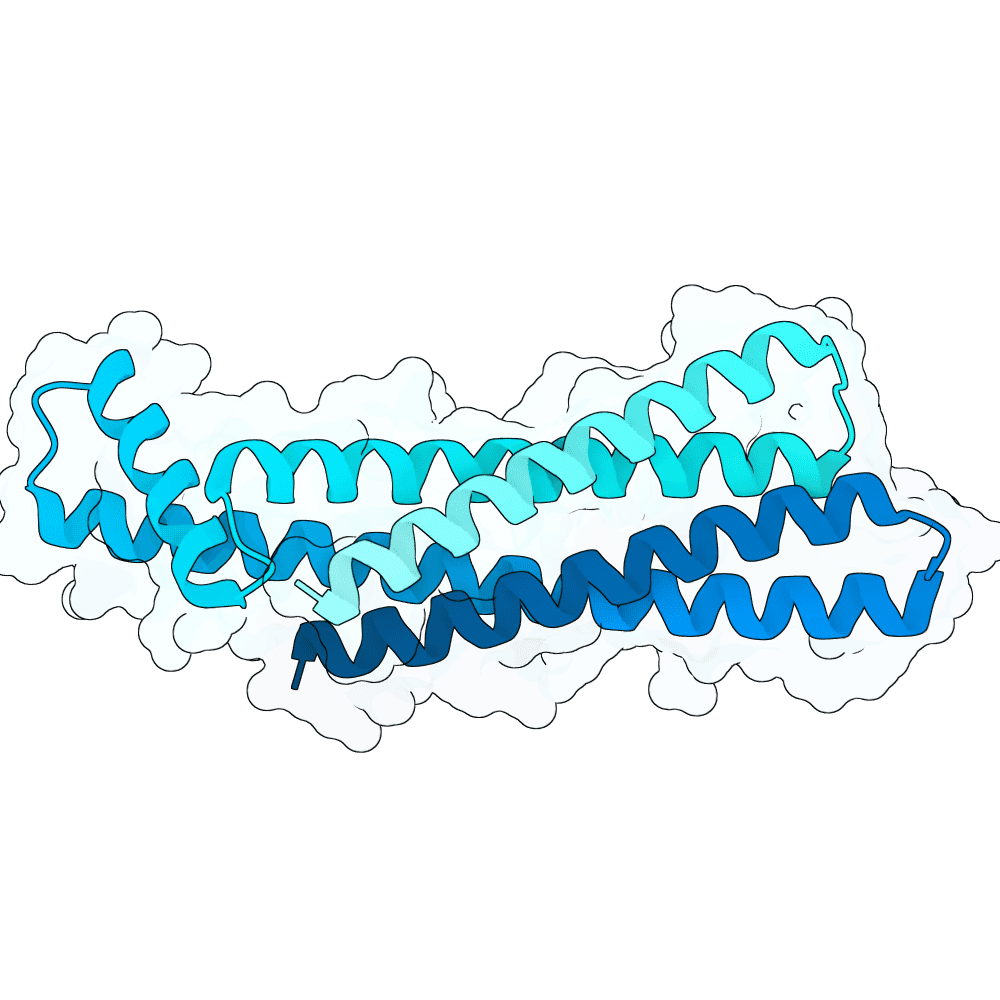
Overview PPIFLOW is a computational pipeline for designing de novo protein binders targeting specific protein–protein interaction (PPI) interfaces. It focuses on generating binders that are structurally compatible, interaction-optimized, and experimentally viable.
-
Pipeline Workflow The workflow consists of four main stages: Backbone generation Sequence design Filtering (sequence + structure) Validation and ranking
This staged process progressively refines candidates from large-scale generation to a small set of high-confidence binders.
-
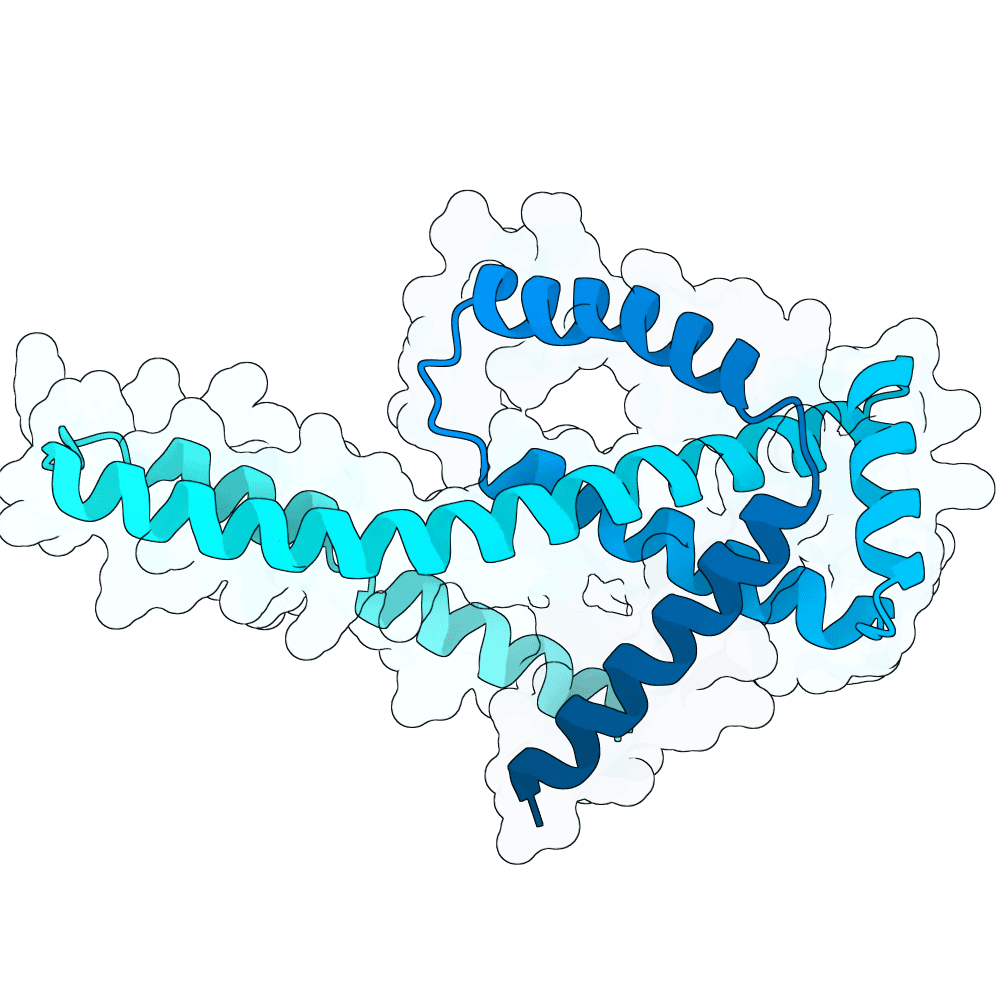
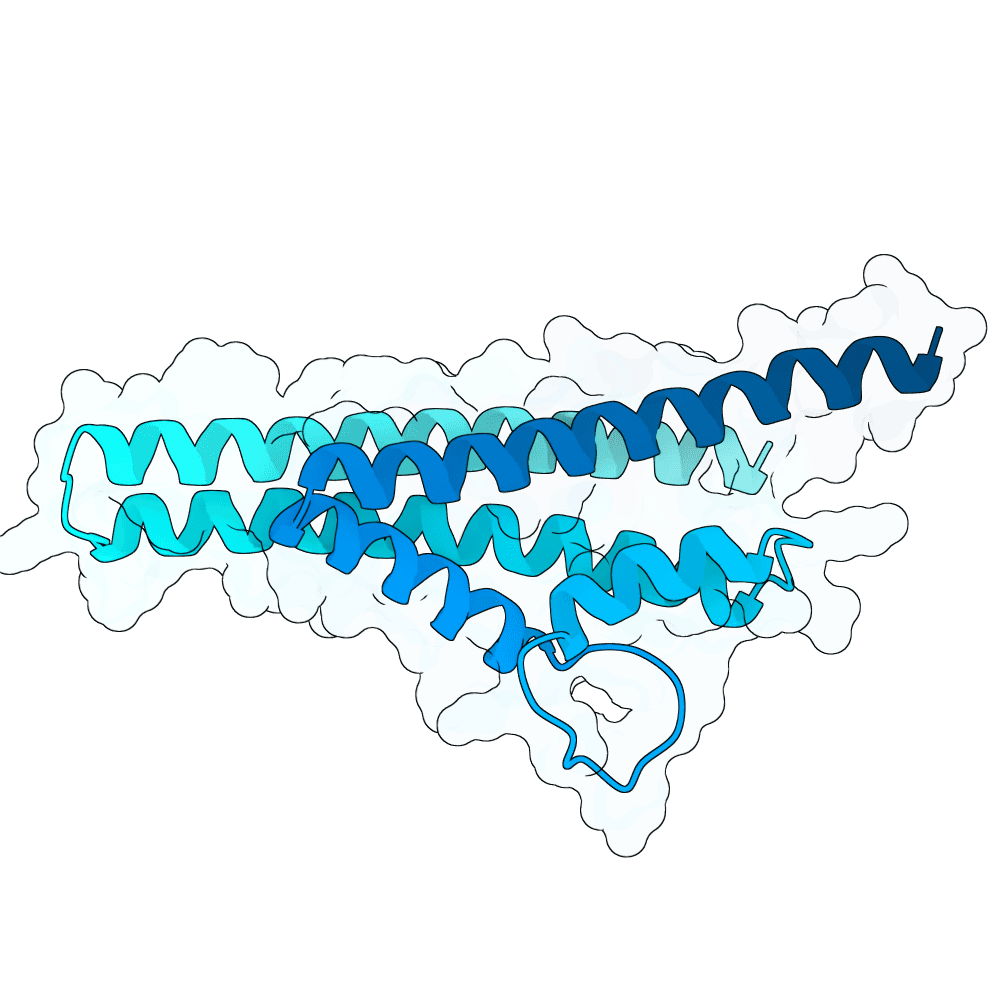
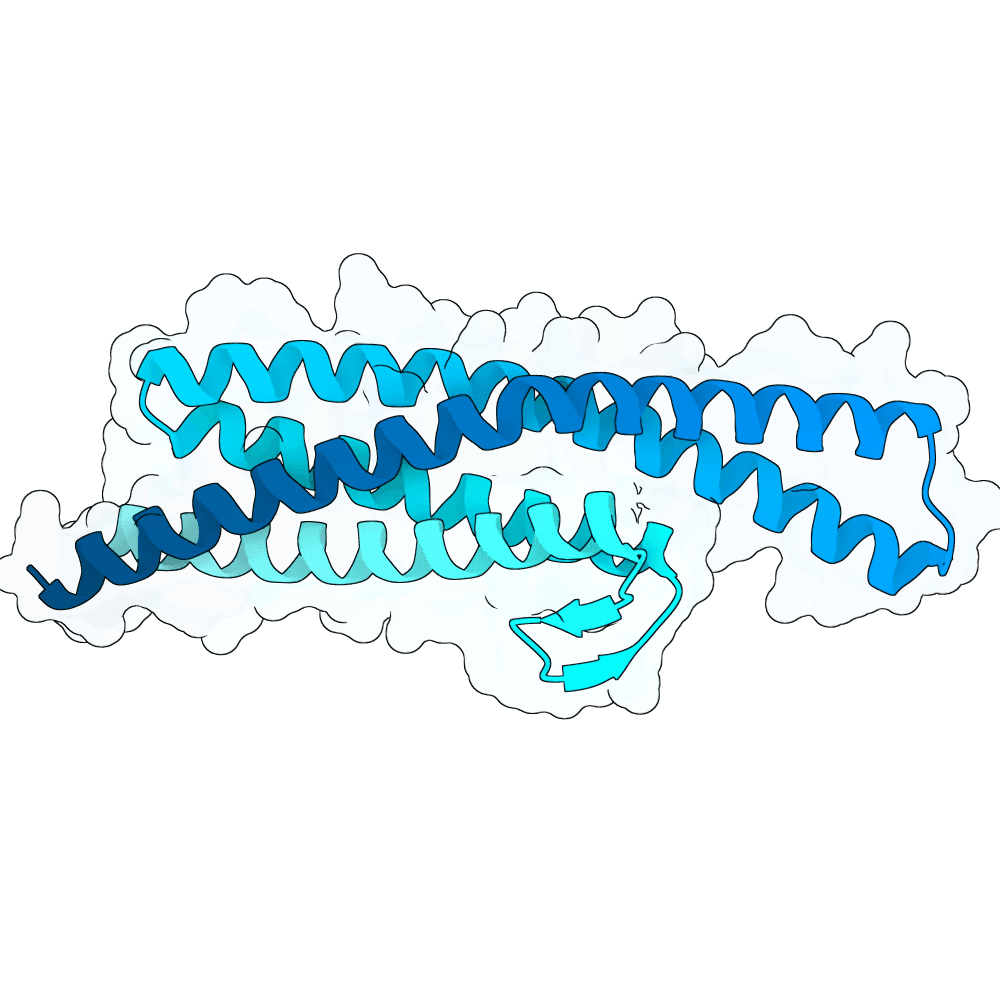
Backbone Generation PPIFLOW generates interface-aware backbone structures conditioned on the target binding site. This ensures that generated binders are geometrically aligned with the interaction region and capable of forming stable contacts.
-
Sequence Design Backbones are converted into amino acid sequences using inverse folding models. Multiple sequences are sampled per backbone, and candidates with better structural compatibility and energetic favorability are selected.
-
Sequence-Level Filtering Sequences are filtered based on: Length and validity constraints Physicochemical properties (hydrophobicity, charge balance) Stability metrics (instability index, aromaticity) Developability risks (aggregation, PTMs, cysteine issues)
Only sequences passing strict thresholds move forward.
-
Novelty and Diversity Candidates are screened against protein databases to ensure novelty. Clustering methods are used to maintain diversity, avoiding redundant designs and improving coverage of sequence space.
-
Structure-Based Validation Predicted binder–target complexes are evaluated using: Binding confidence metrics (ipTM, pDockQ) Interface accuracy (ipSAE) Predicted binding affinity (ΔG) Structural quality (pTM, PAE, buried surface area)
Weak or inconsistent binders are removed.
- Ranking and Selection Final candidates are ranked using a composite scoring strategy, prioritizing interface quality, binding strength, and structural stability. Top-performing binders are selected for downstream use.
Conclusion PPIFLOW is a structured and scalable framework for designing novel, diverse, and high-affinity protein binders, with strong emphasis on interaction quality and real-world feasibility.