Description
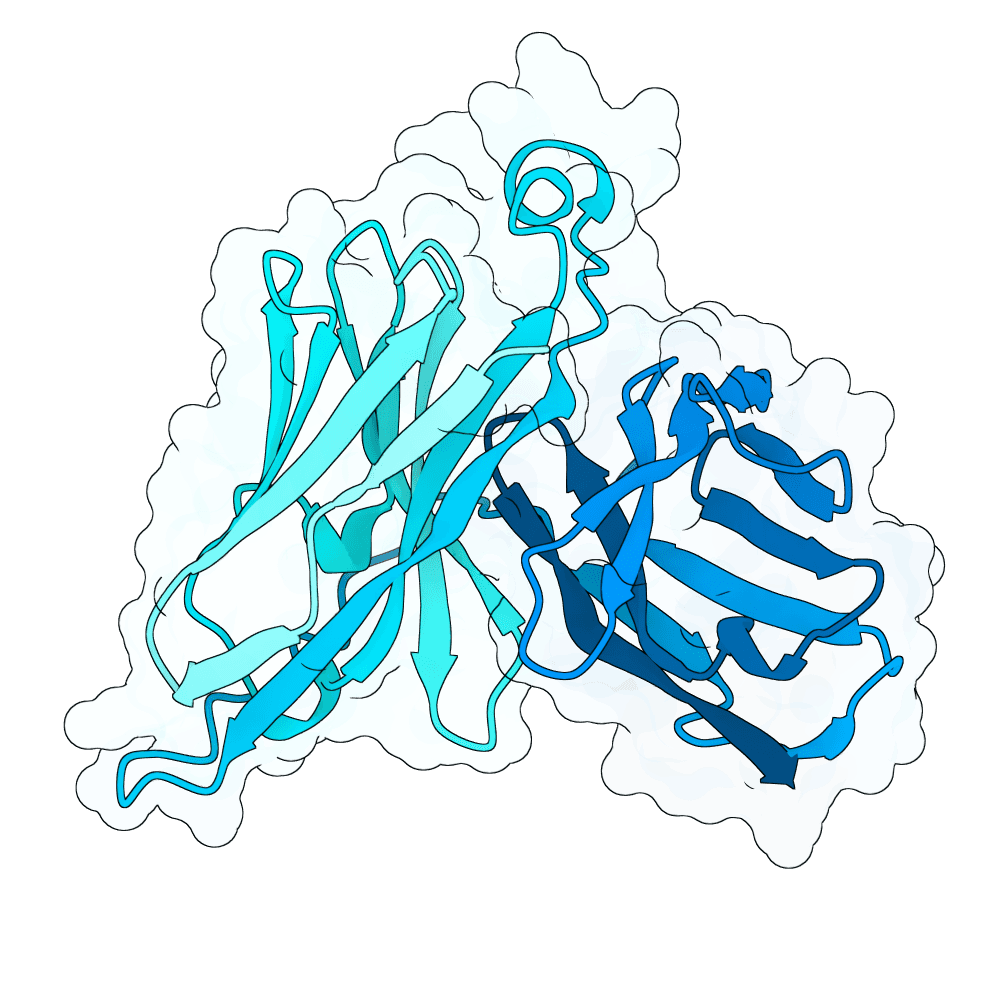
I began by generating Fv fragments based on the PDB structure 6CMG, which is an antibody that binds the Hendra virus. To do this, I used RFantibody.
To recreate the original binding mode, I attempted to mimic the binding pocket of the 6CMG antibody. I identified hotspot residues corresponding to key paratope positions in 6CMG, after aligning it with the reference structure 2VMS.
Using these pocket-guided 3D structures, I generated new antibody sequences with AbMPNN, and evaluated their “humanness”/nativeness using IgLM.
Next, I refolded the sequences using RoseTTAFold2 to verify whether they fold consistently back into the intended backbone structure.
I also folded the sequences with Boltz-2 to estimate their ipSAE scores, but I was never able to reproduce the scores of the competition.
Finally, I explored ProteinMPNN for local sequence optimization, since its scores often show the strongest correlation with experimental binding affinity.