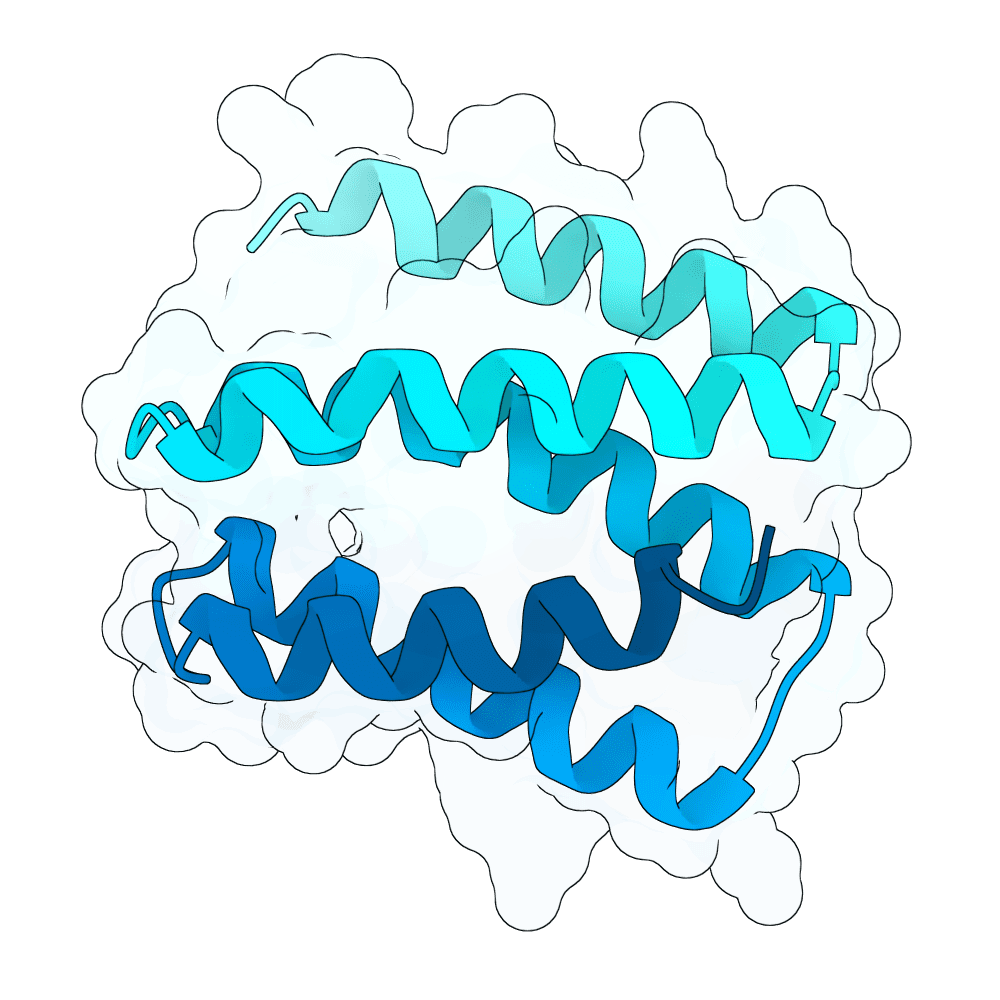
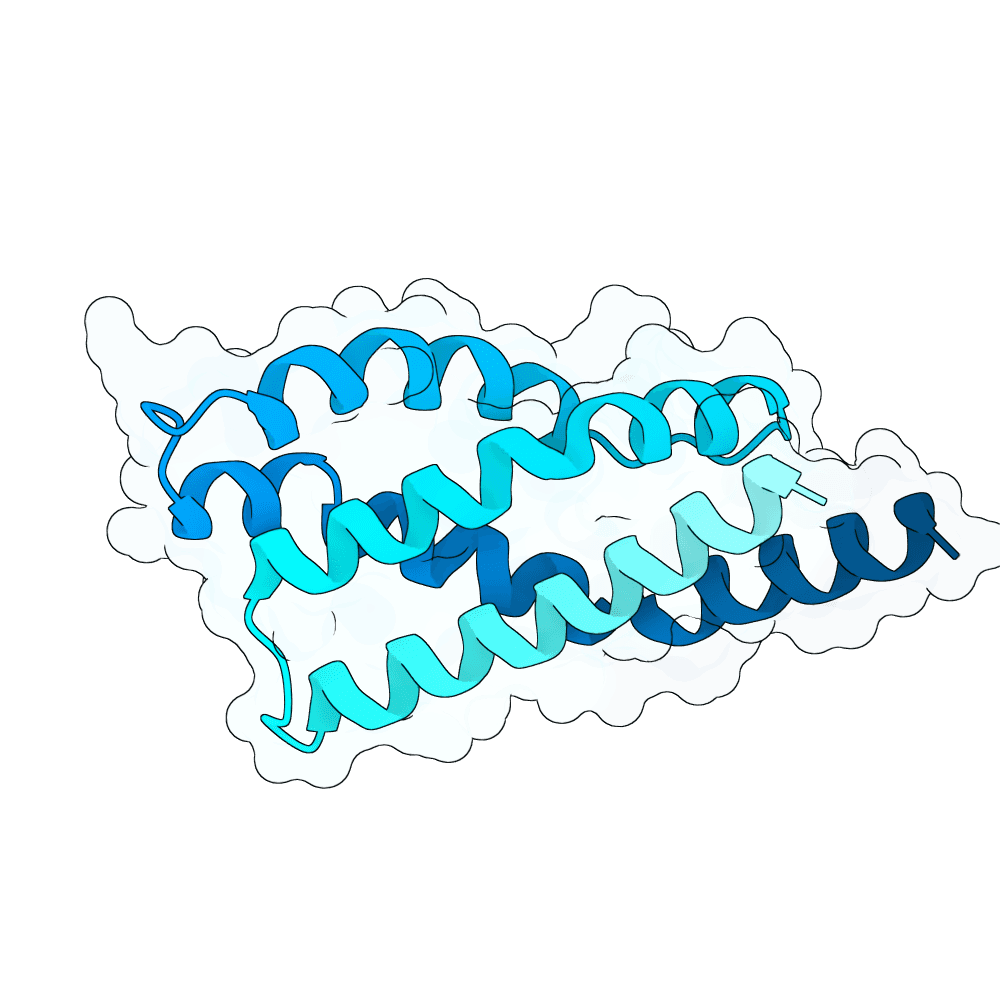
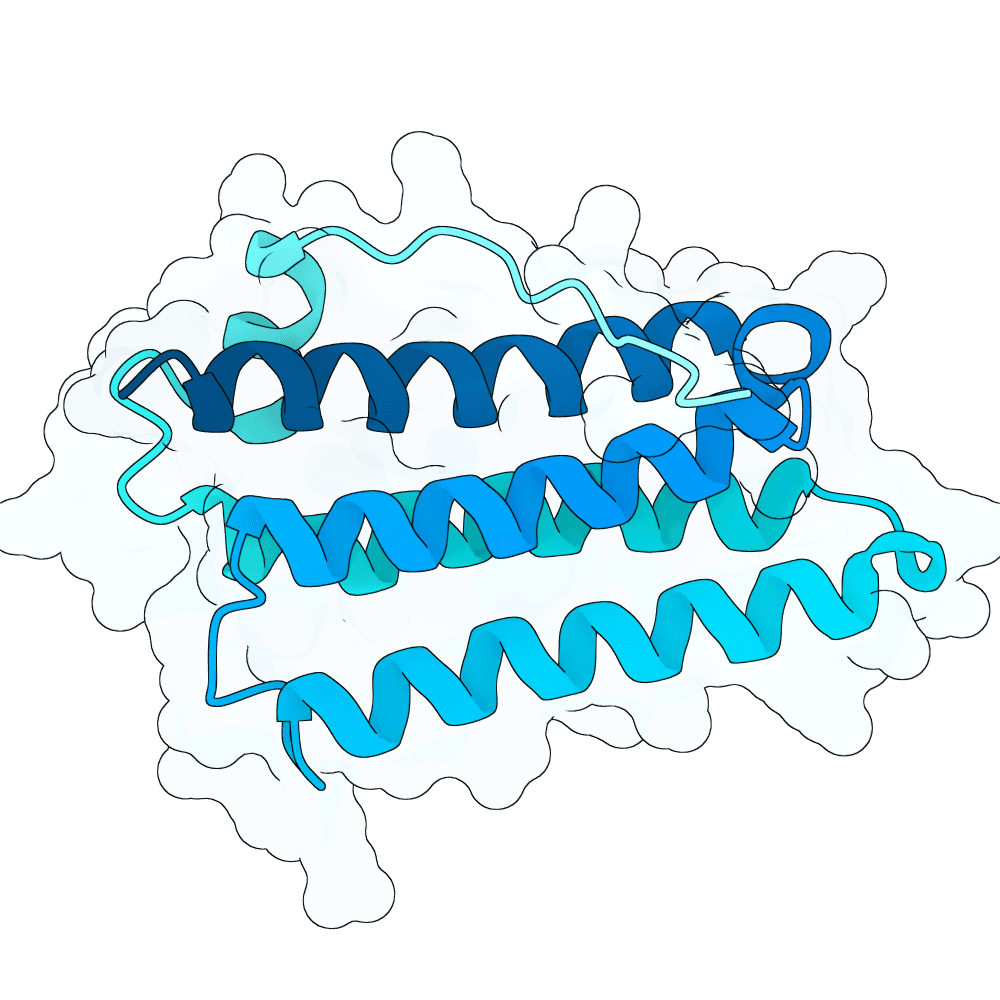
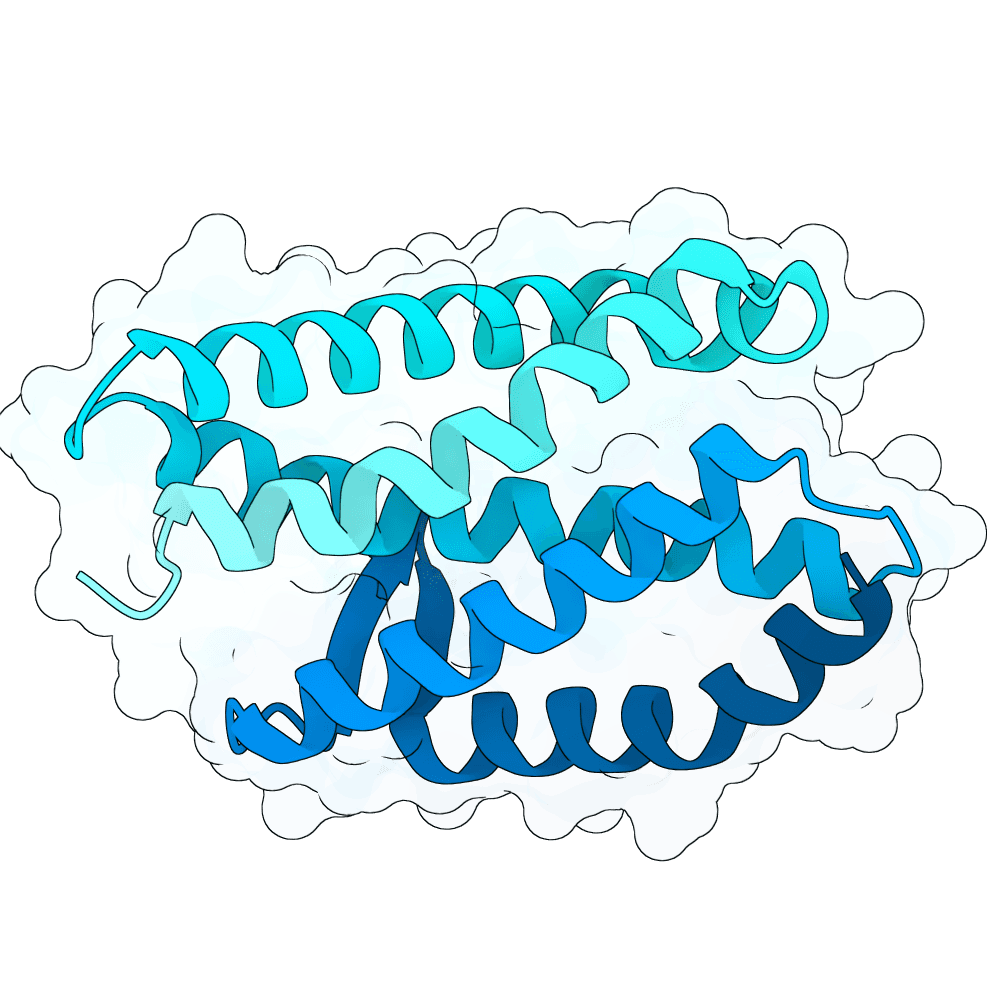
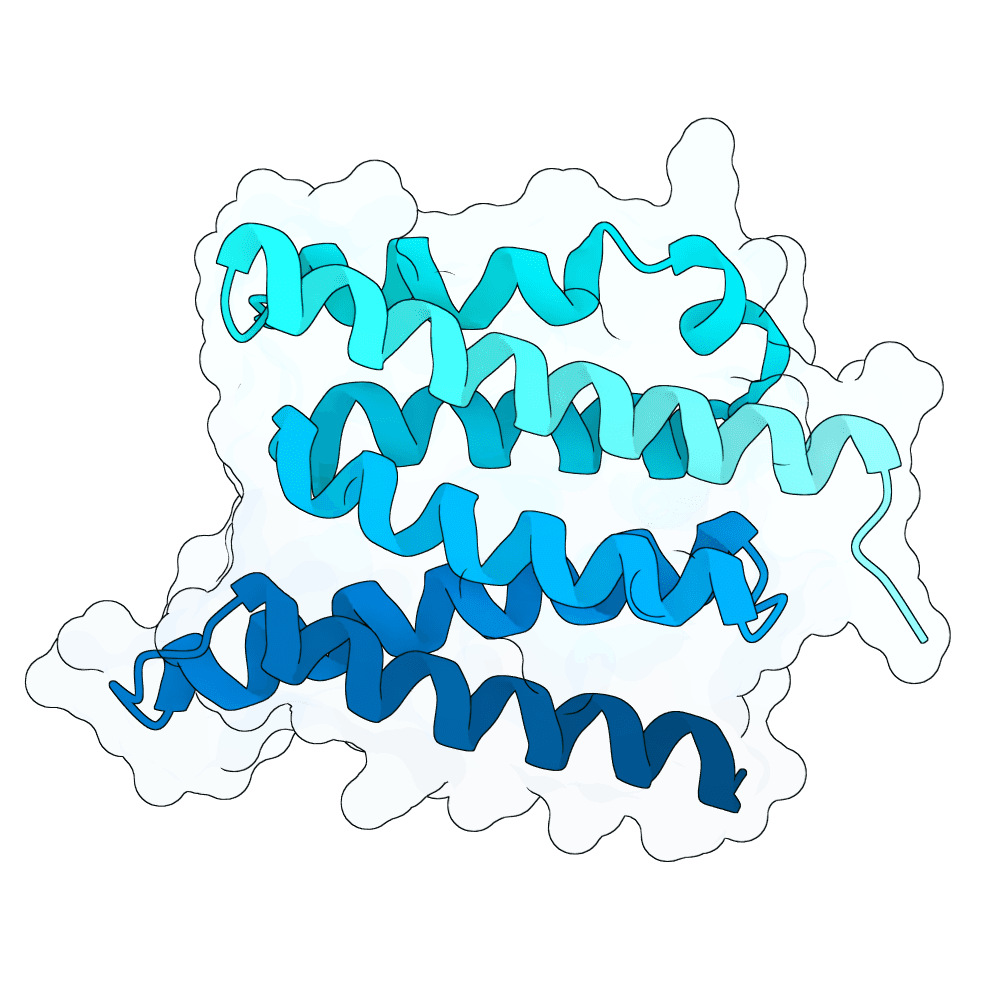
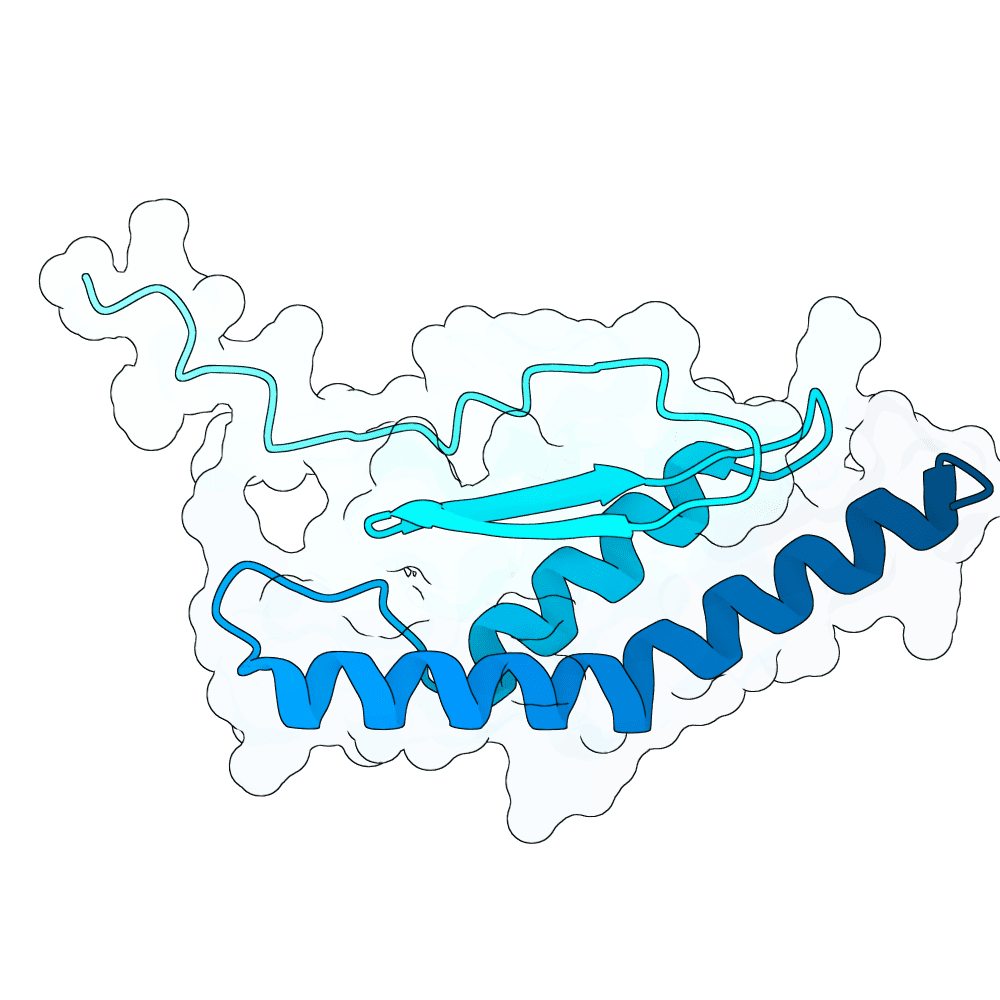
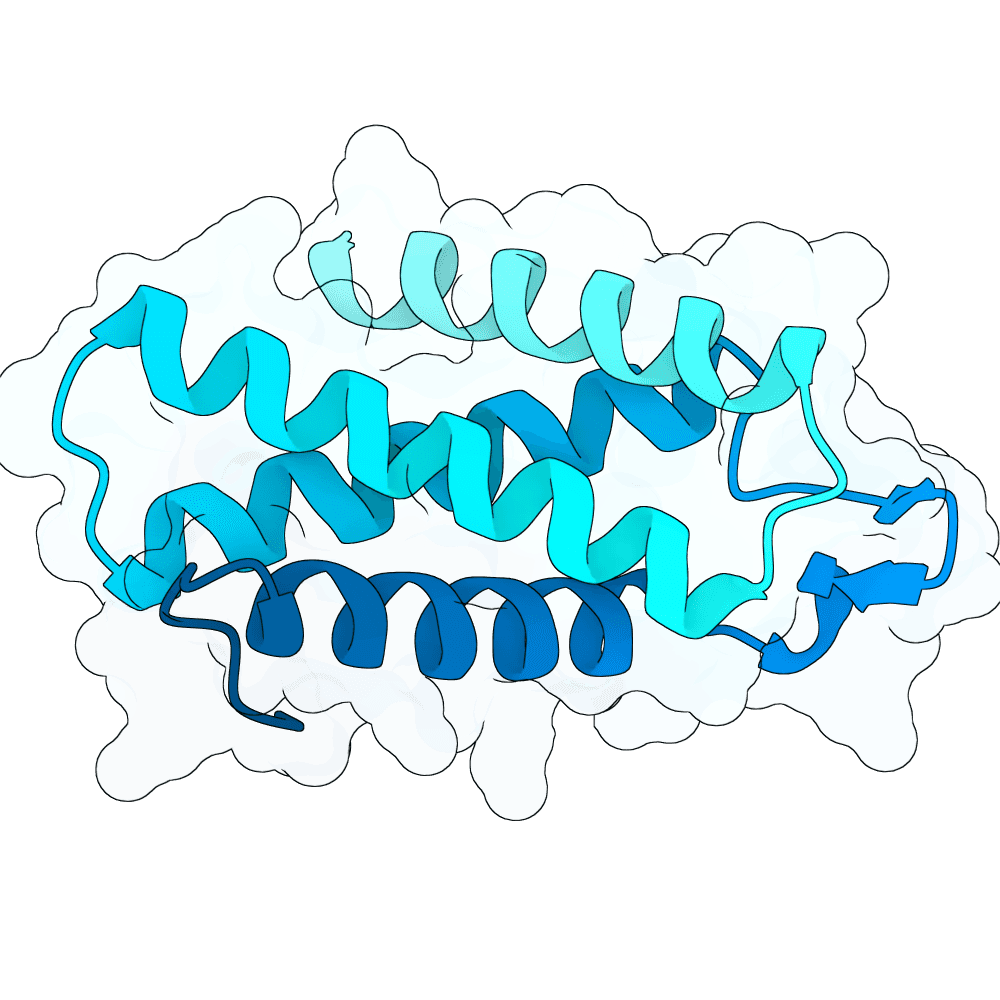
Designs were generated with AI.zymes and BindCraft
Initial binders were produced with BindCraft (https://www.biorxiv.org/content/10.1101/2024.09.30.615802v3). Subsequently, these designs were used as input for AI.zymes (https://onlinelibrary.wiley.com/doi/full/10.1002/anie.202507031) to iteratively refine them using evolutionary design. The evolutionary design process optimized the Rosetta dG score and the IPSAE value to improve the protein–protein interaction, as well as the Rosetta total score and the ipTM value to enhance overall stability.
Contributors: Philipp Elbers, Martin Pacesa, Adrian Bunzel
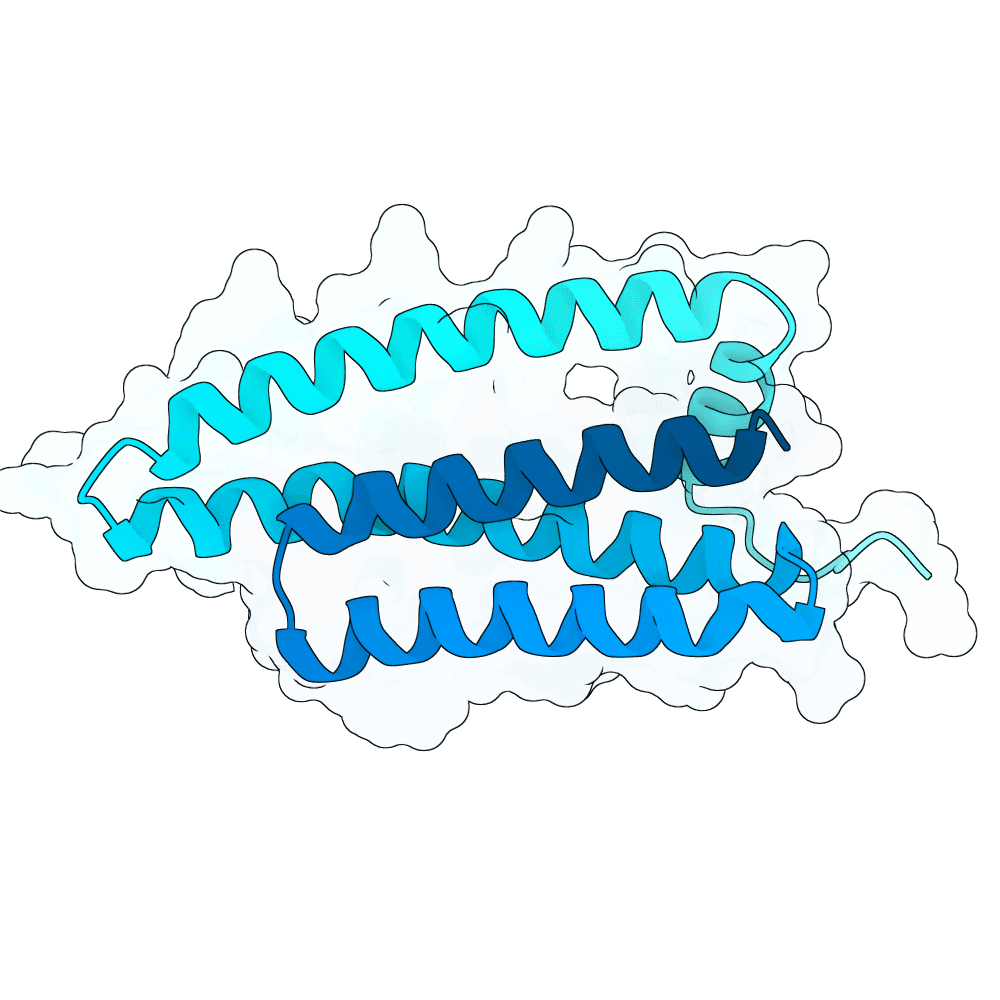
id: ivory-bee-birch

Nipah Virus Glycoprotein G
0.77
56.47
--
11.5 kDa
106
id: crimson-zebra-rose

Nipah Virus Glycoprotein G
0.65
87.49
--
15.7 kDa
134
id: silver-cobra-marble

Nipah Virus Glycoprotein G
0.61
84.09
--
13.5 kDa
120
id: small-jaguar-iron

Nipah Virus Glycoprotein G
0.50
59.05
--
10.0 kDa
86
id: solid-bear-marble

Nipah Virus Glycoprotein G
0.36
53.79
--
17.6 kDa
158
id: violet-zebra-willow

Nipah Virus Glycoprotein G
0.13
72.43
--
15.1 kDa
136
id: swift-boar-ruby

Nipah Virus Glycoprotein G
0.08
81.69
--
12.4 kDa
115
id: vast-jaguar-bronze

Nipah Virus Glycoprotein G
0.01
53.56
--
20.8 kDa
187
id: bright-seal-ash

Nipah Virus Glycoprotein G
0.00
76.36
--
12.4 kDa
110
id: rapid-cat-thorn

Nipah Virus Glycoprotein G
0.00
86.60
--
17.2 kDa
154