Description
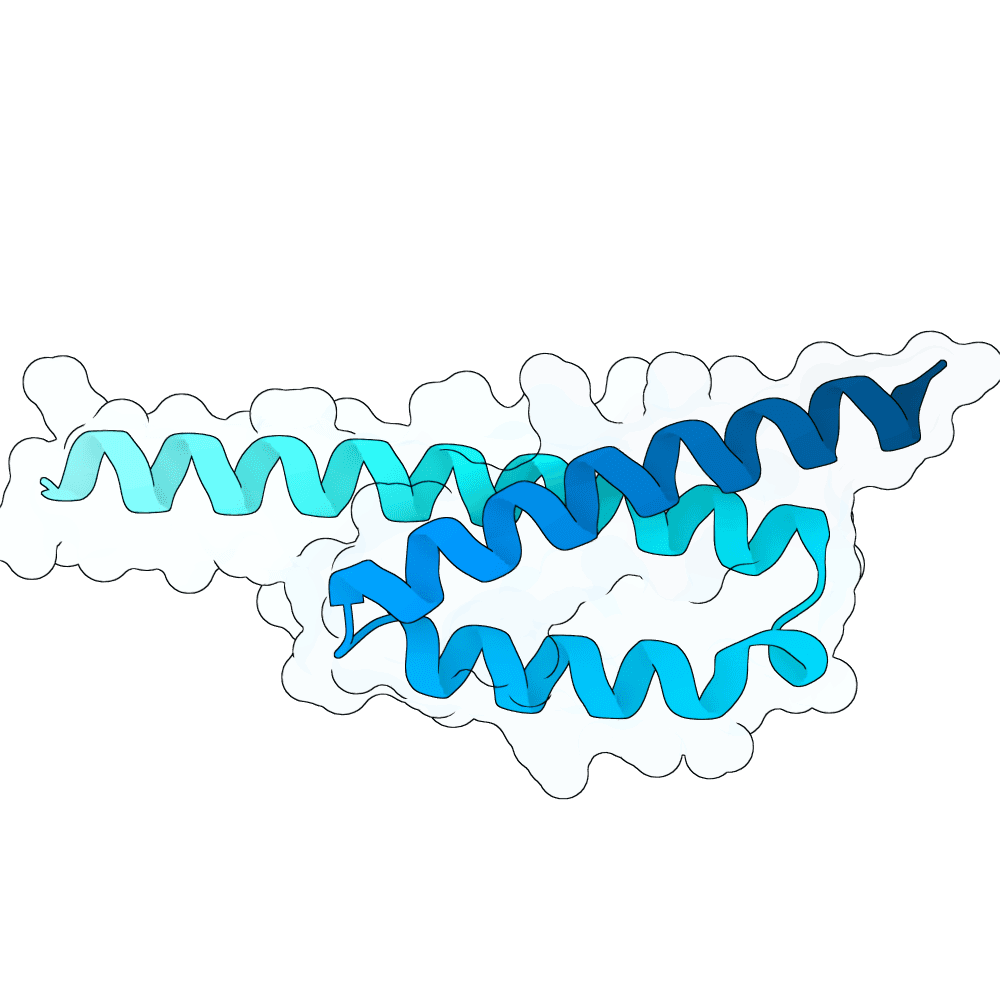
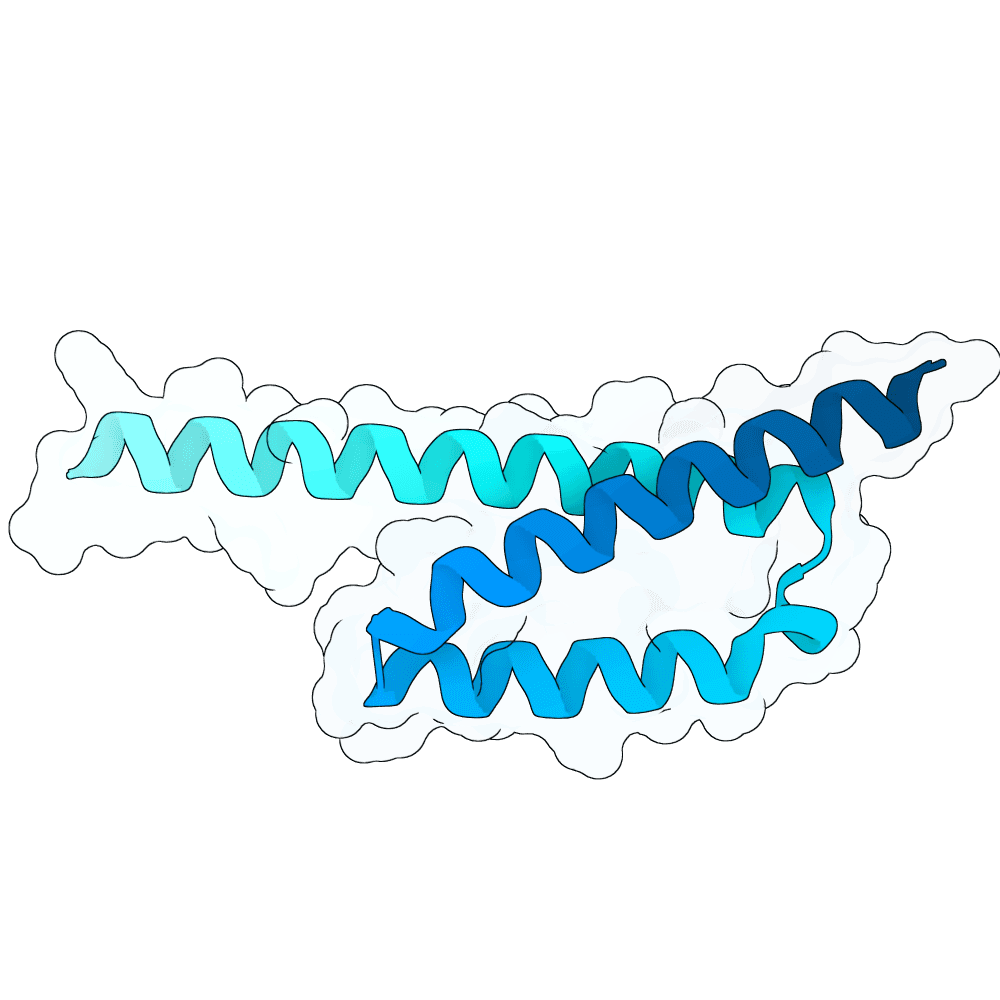
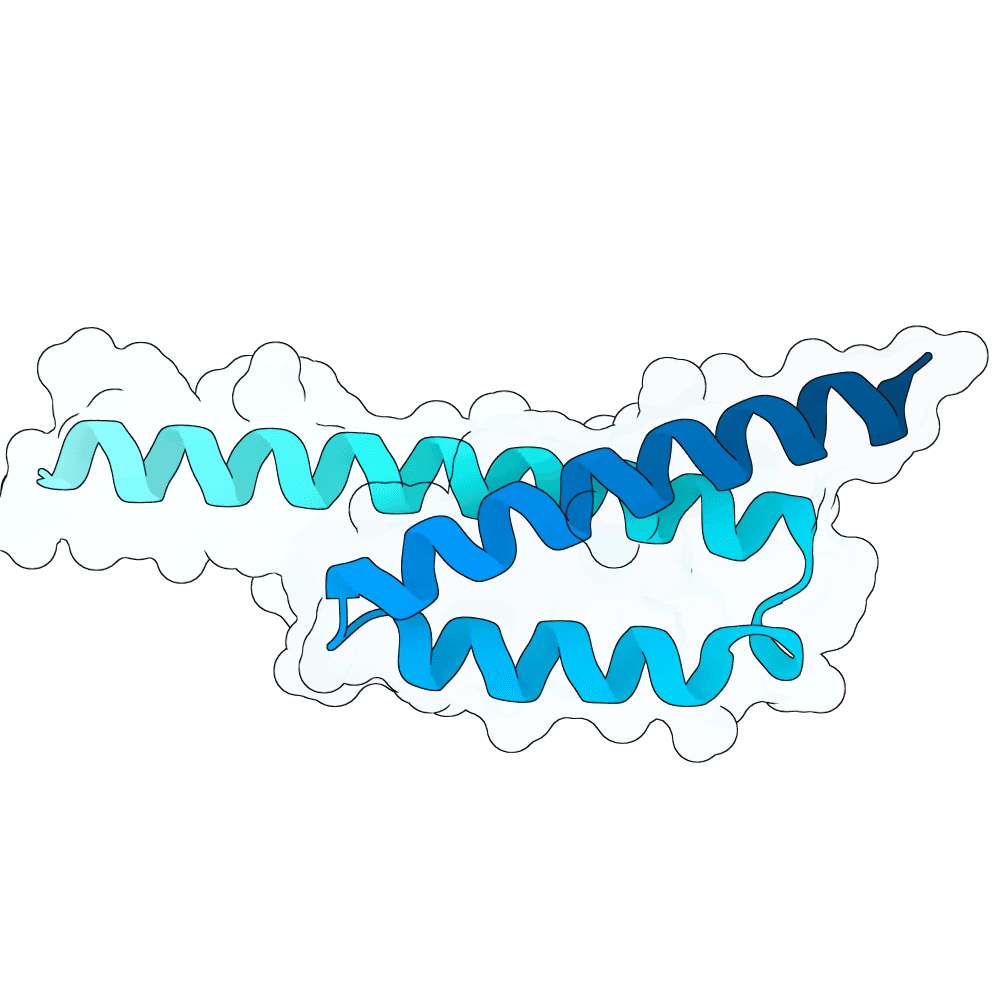
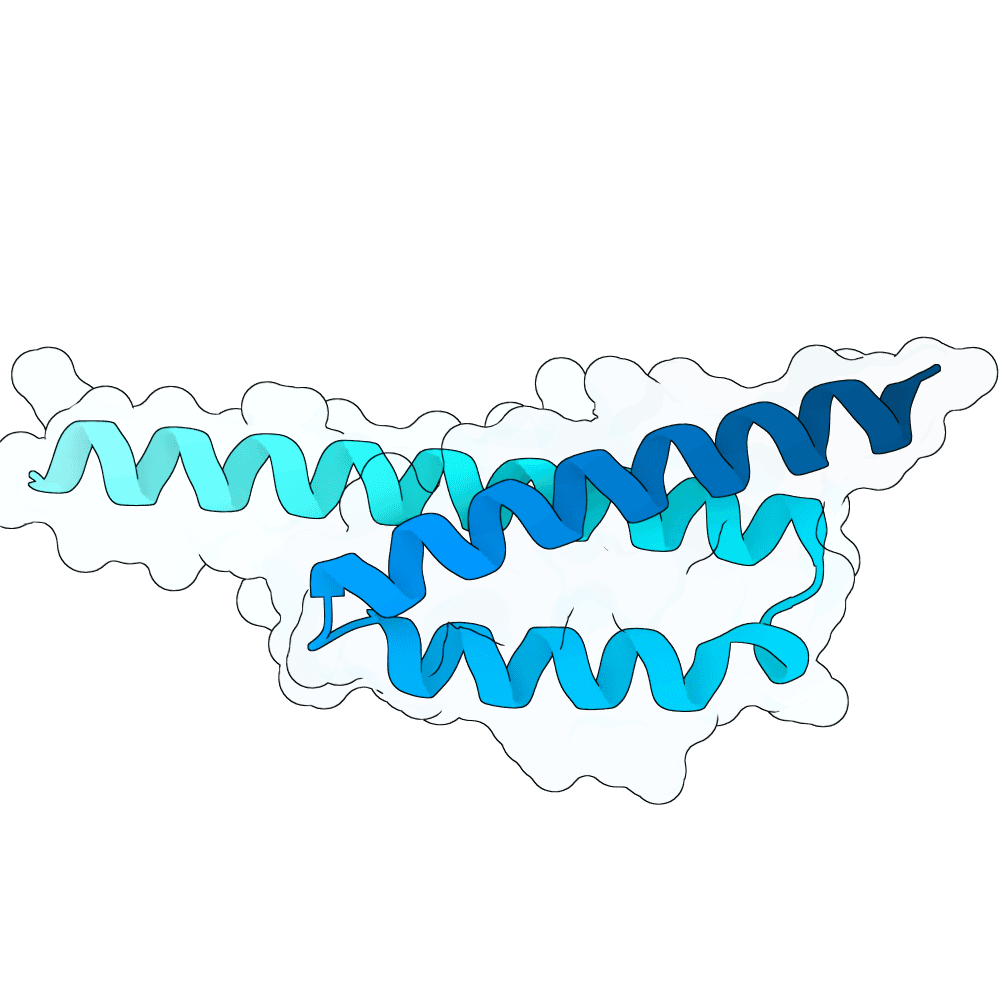
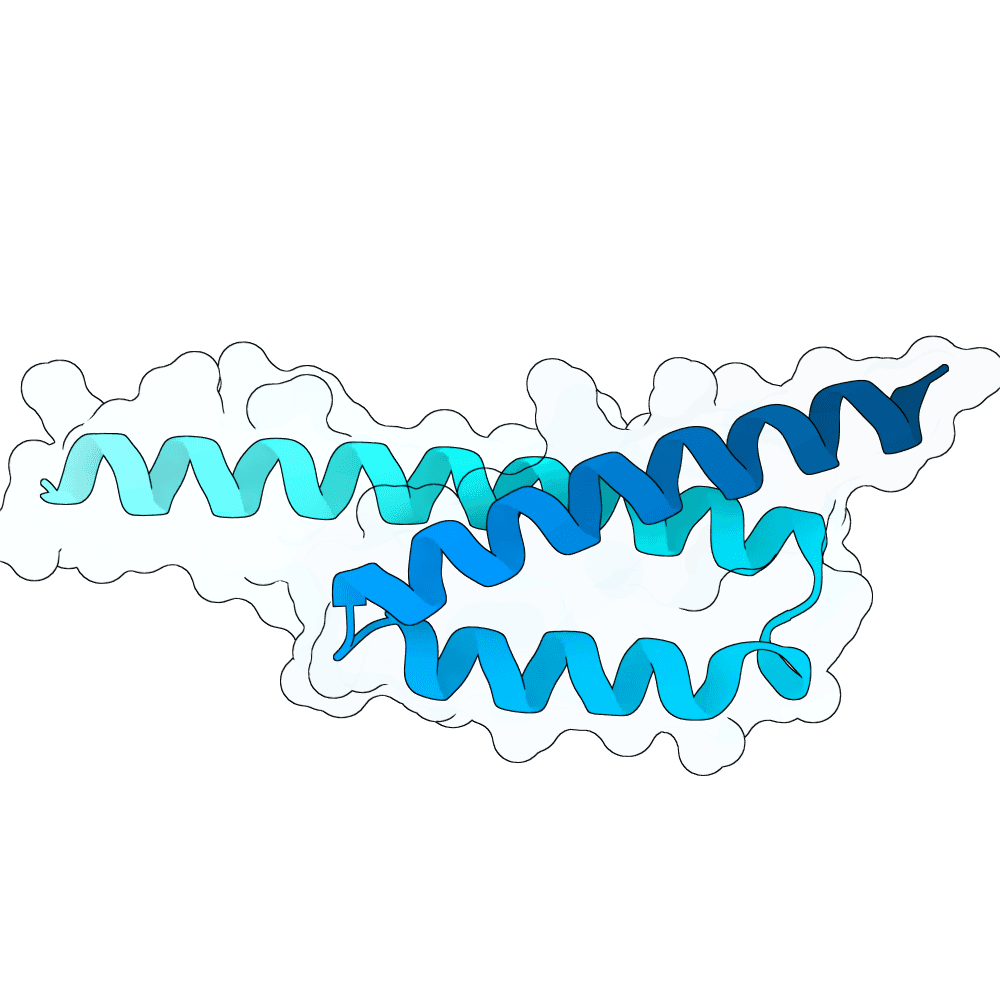
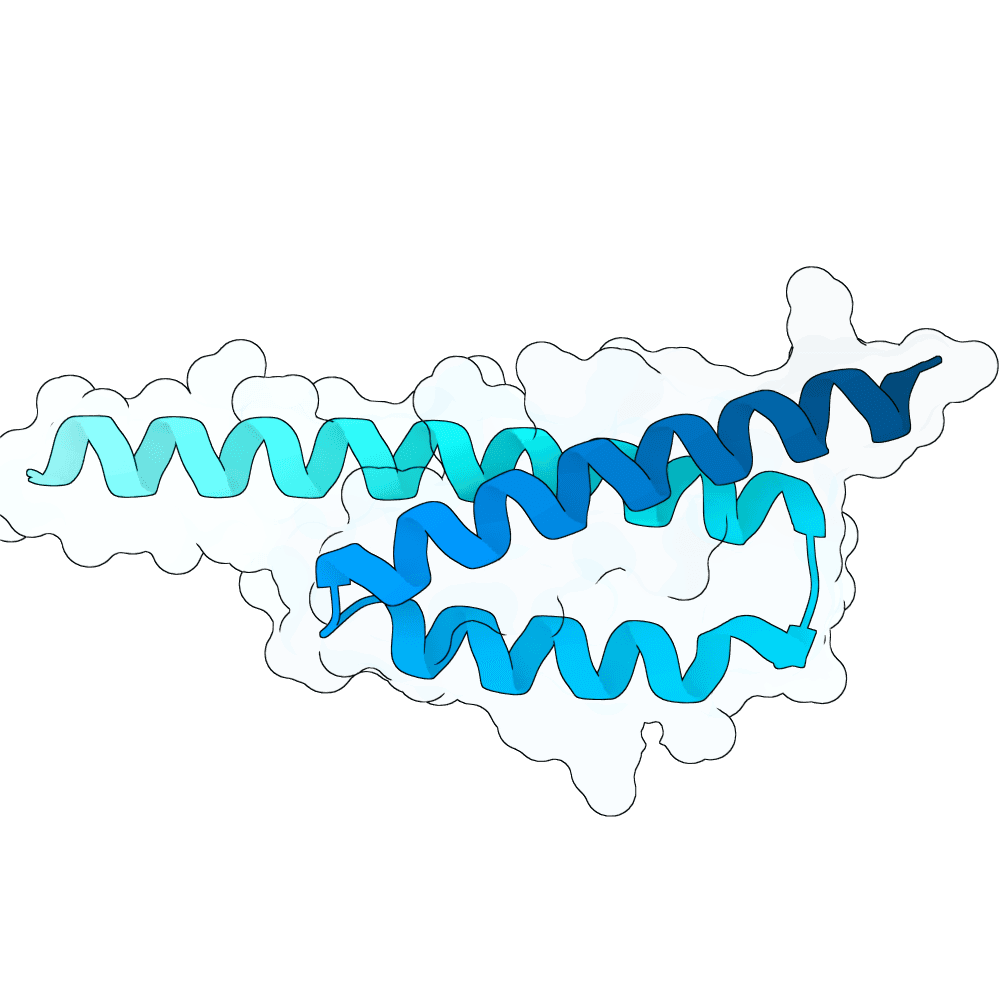
The designs are derived from the experimentally validated binder N237 (https://doi.org/10.64898/2025.12.20.695652). N237 shows low-nanomolar affinity measured by BLI, sub-nanomolar EC50 in ELISA, and in vitro (ELISA-based) competition against both human EphrinB2 and a neutralizing antibody. Validation with infectious Nipah virus was performed in a BSL-4 laboratory, where N237 exhibited weak neutralization compared to the highly potent monoclonal antibody HENV-117.Here, we applied ProteinMPNN at temperatures of 0.1, 0.3, and 0.5 to the Boltz2 prediction of the N237–NiV G_RBD complex. Approximately half of the interface was fixed, while the remaining positions were redesigned. All designs were predicted using Boltz2 and ranked solely based on ipsae_min.For the final designated submission, we selected variants containing 10 or more mutations relative to the original N237 sequence, including mutations at non-interface residues.