Description
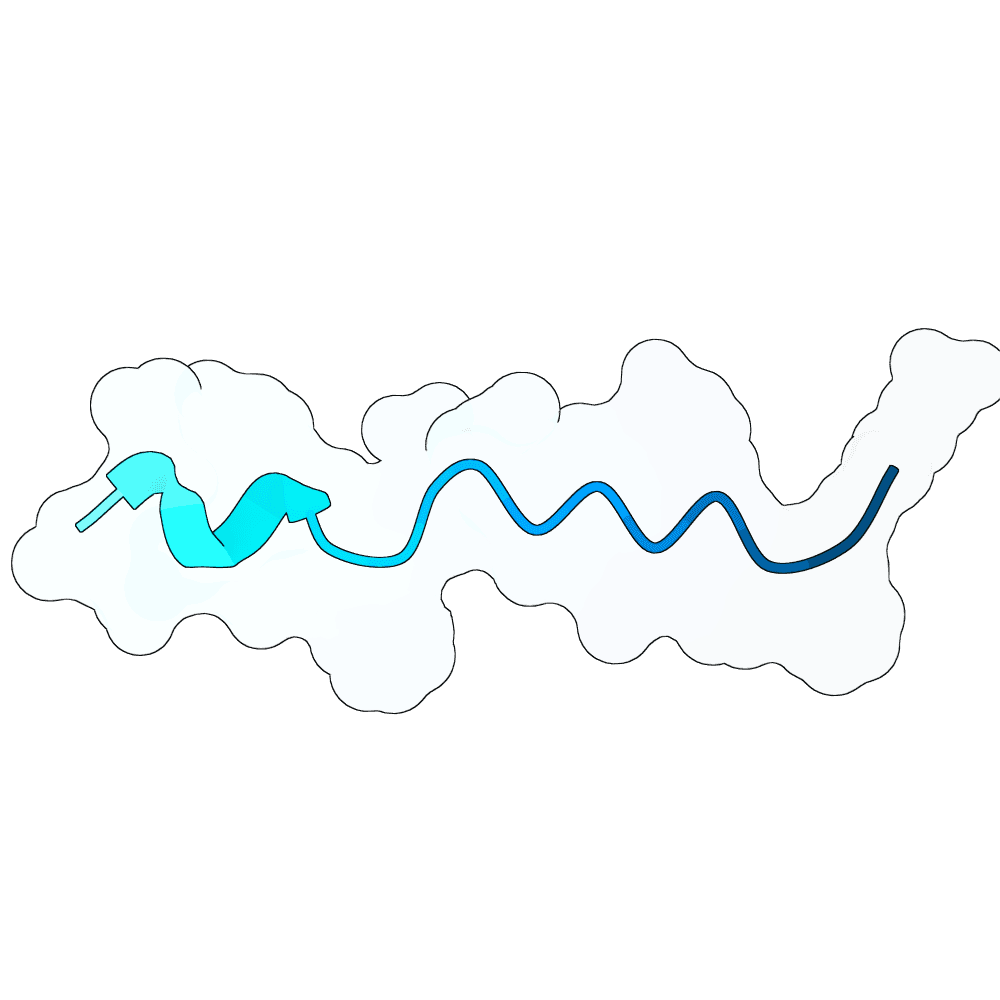
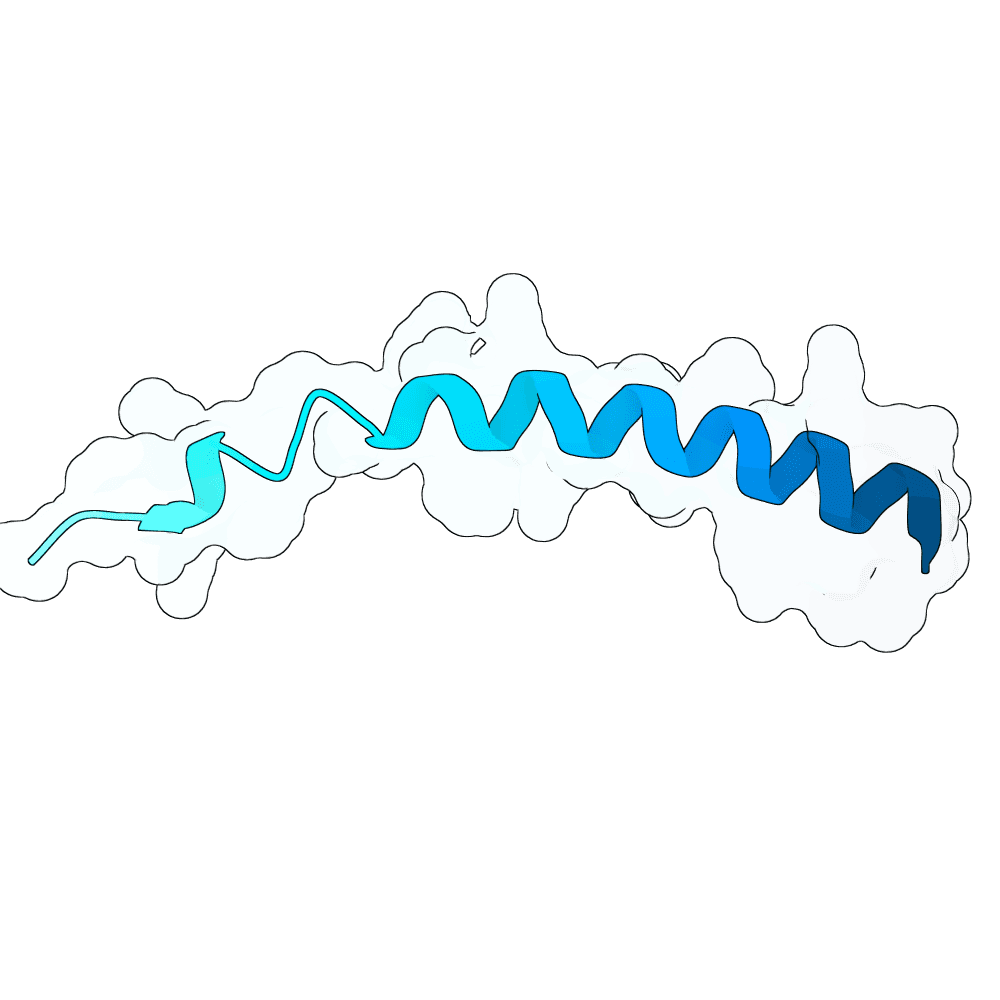
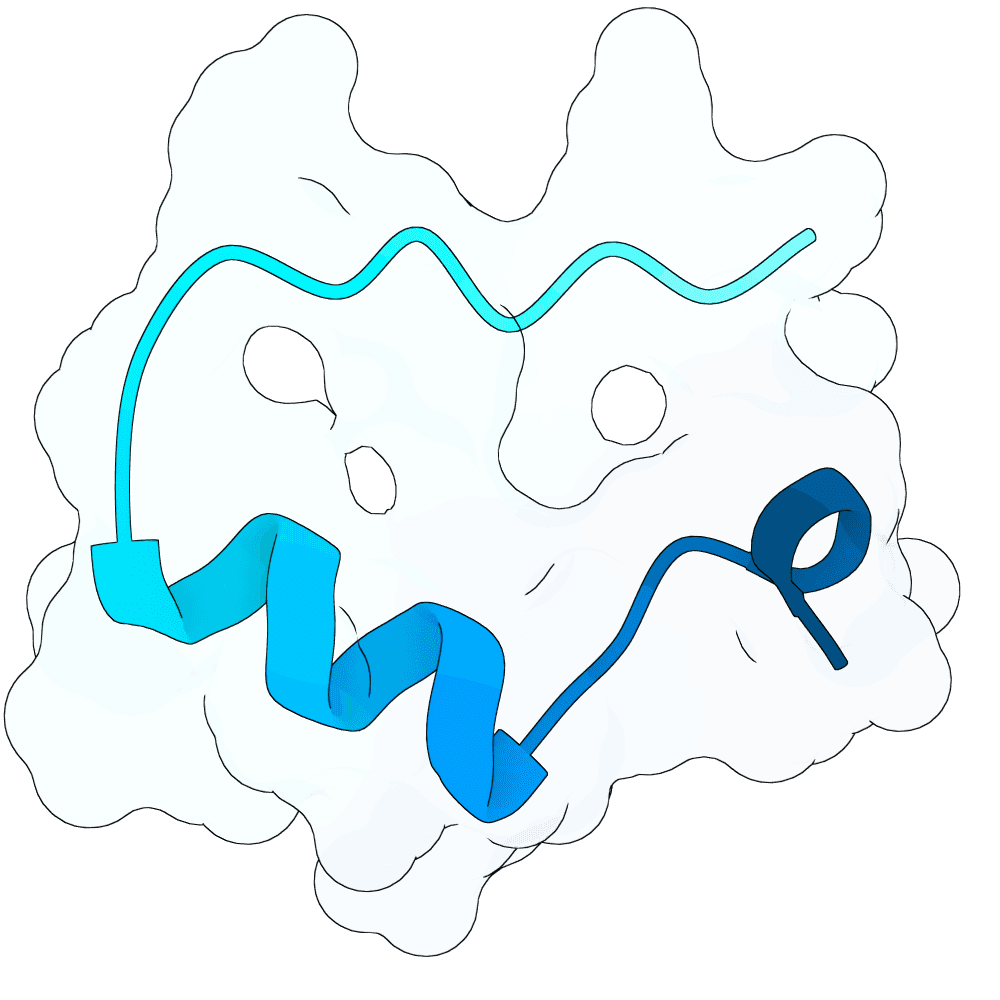
We employ BAGEL (https://github.com/softnanolab/bagel, https://www.biorxiv.org/content/10.1101/2025.07.05.663138v2) with a protein language model (ESM-2) and sample binder variants from the receptor bound complex (PDB ID: 2VSM). More specifically, we find binder sequences that lead to a very similar embedding direction in the interface in the target viral protein. We do this by using an EmbeddingsSimilarityEnergy in BAGEL, penalizing deviation of such embeddings compared in the receptor-bound complex, to the complex with our newly perturbed/designed sequence. After generating many variants, we cluster to 10,000 designs with mmseqs2 at 80% sequence similarity. Lastly, we fold these with Boltz-2. We submit by filtering with the number of hydrophobic residues, only taking structures with a mean pLDDT above 70, and the ones with the highest ipSAE.