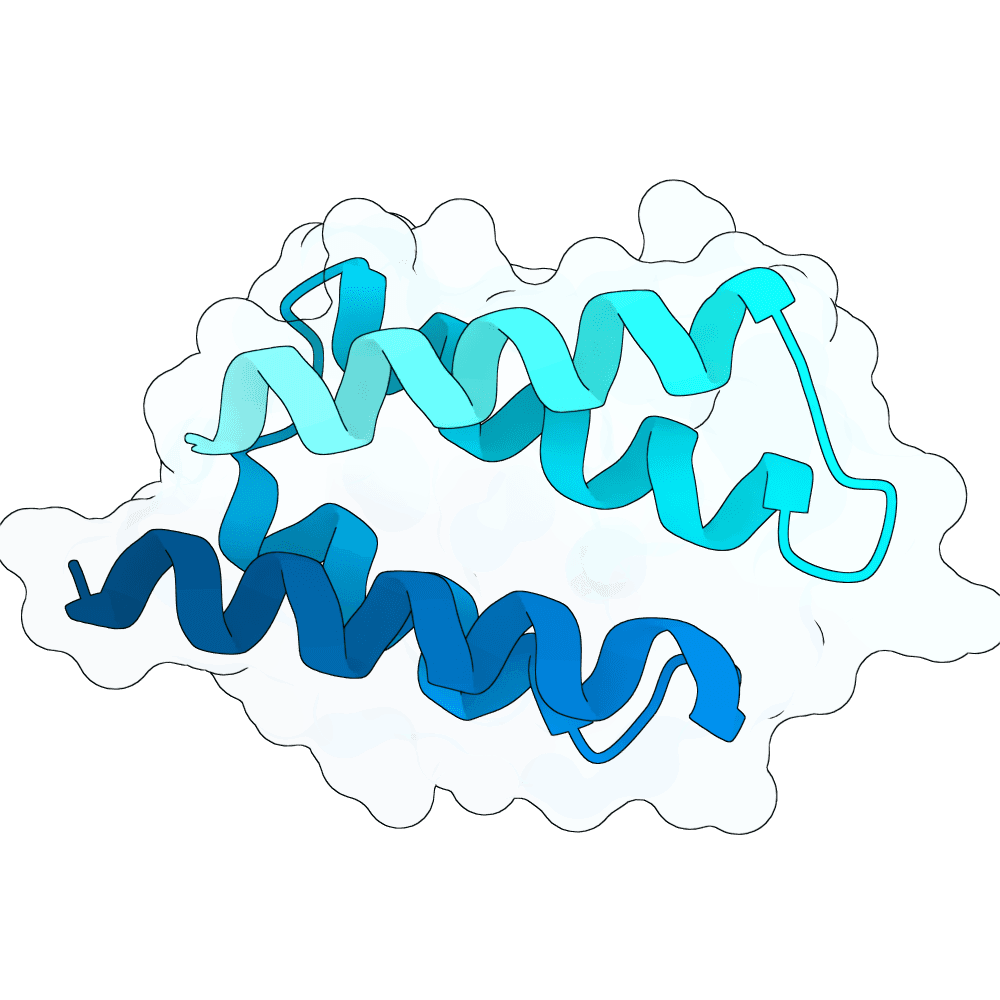
Designing protein-protein interfaces has been revolutionised by the advances in protein the protein design field. Combining machine-learning and physics-based tools can further enhance and accelerate the design process and decrease the false-positive rate of designs. We use RFdiffusion, LigandMPNN and iterative rounds of AF3 and Boltz-2 to optimise the binding interfaces. To faciliate design we also use cosolvent simulations to guide iterative design and map epitope specific features guiding design.