Description
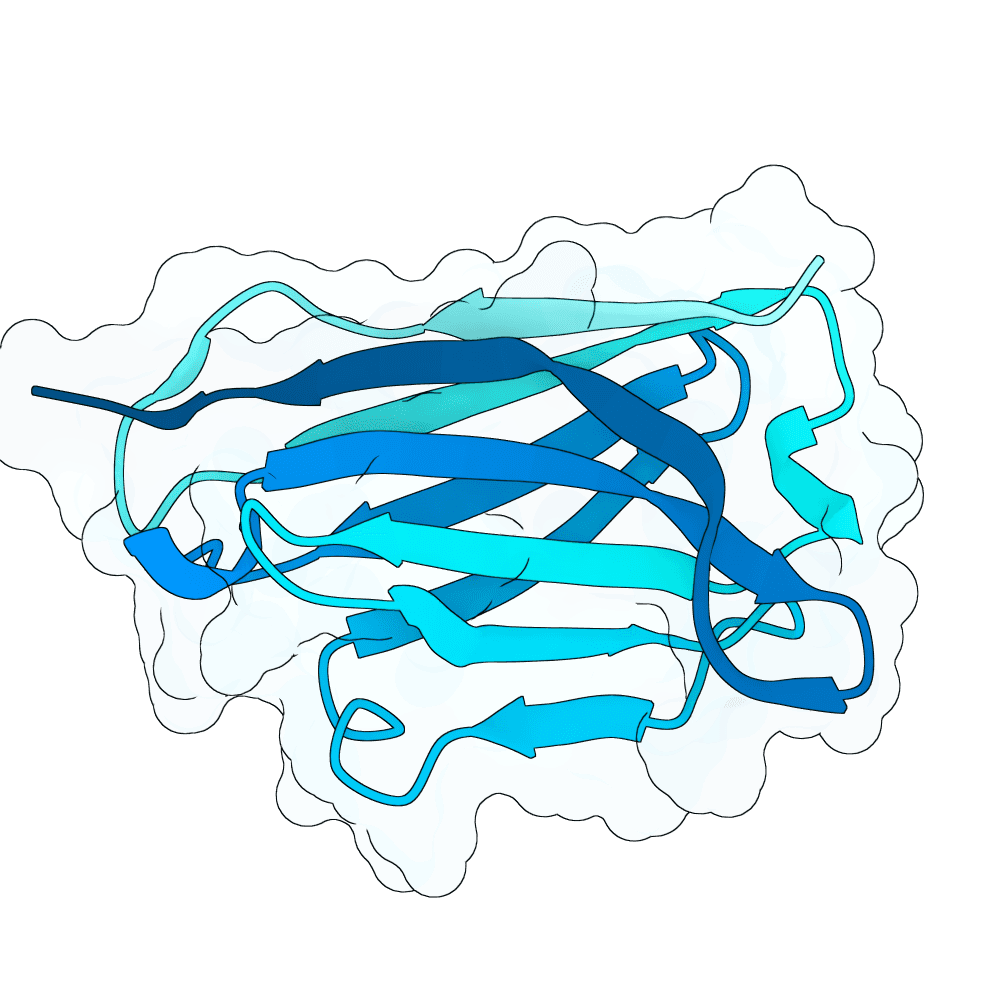
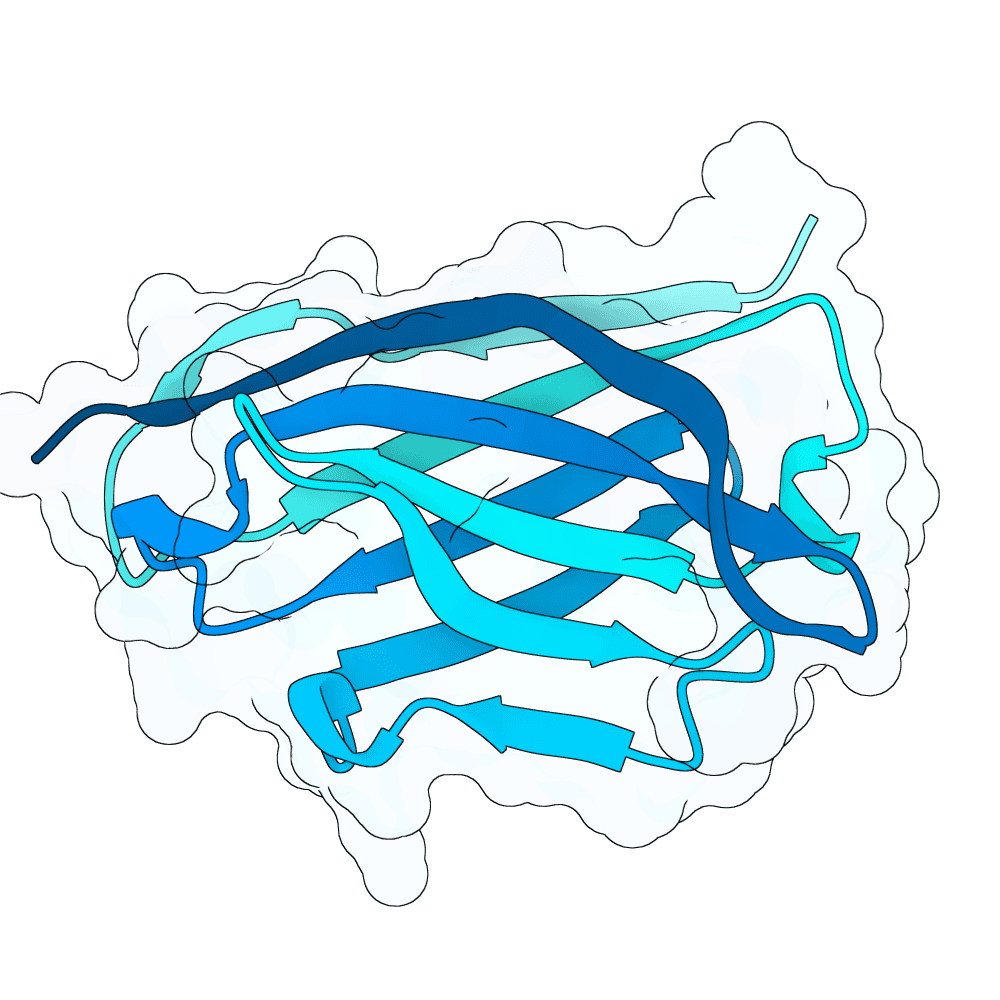
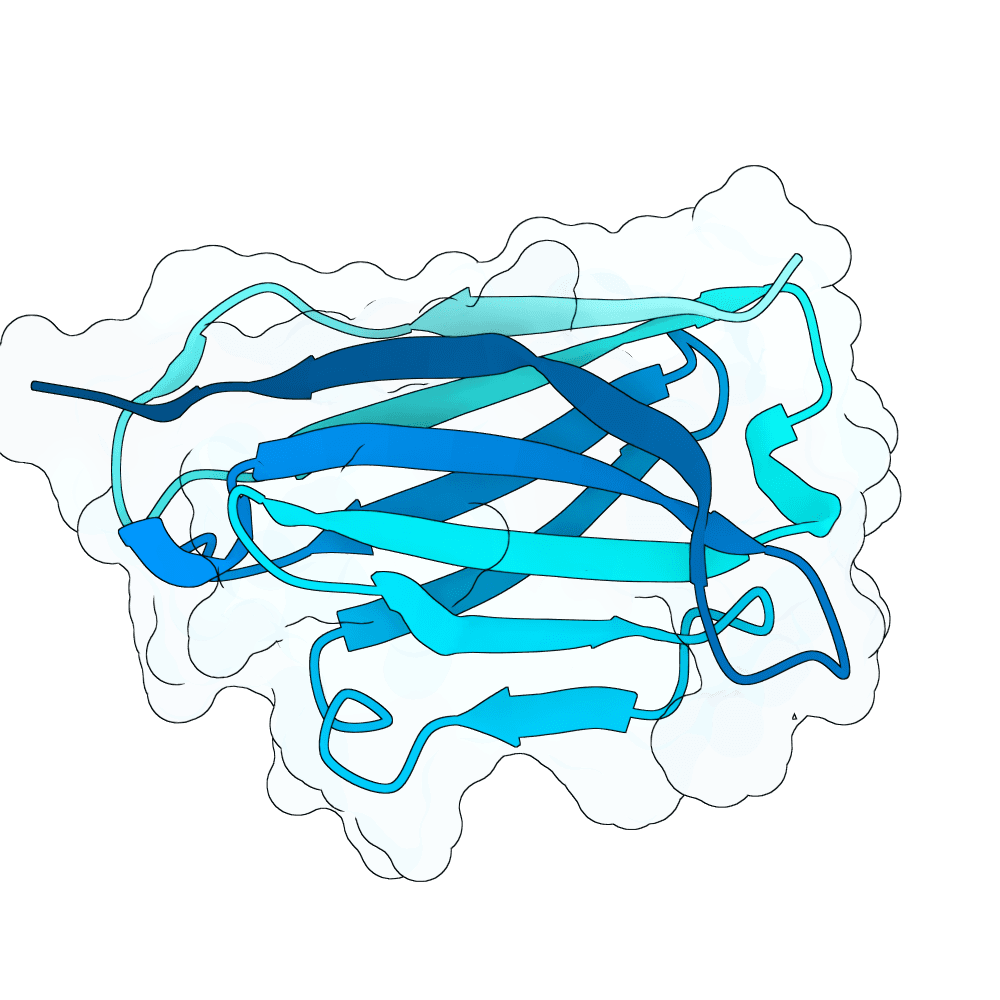
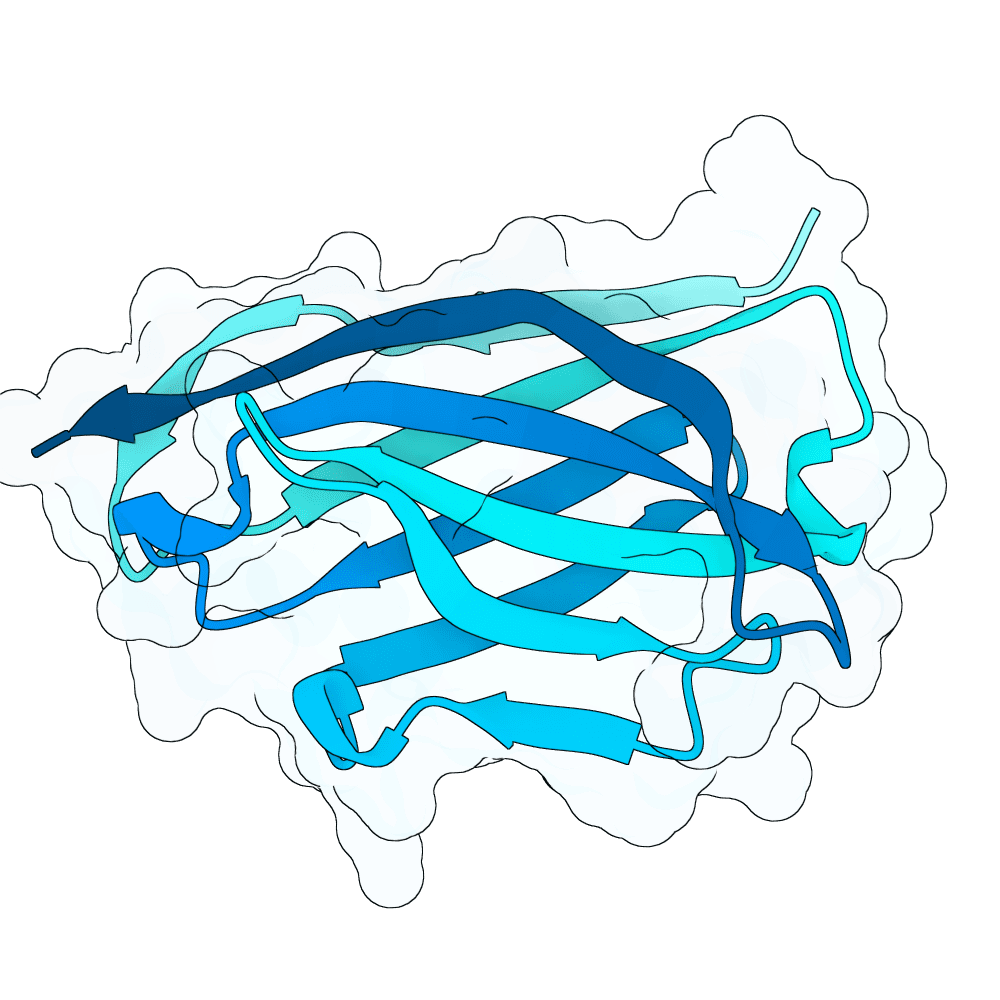
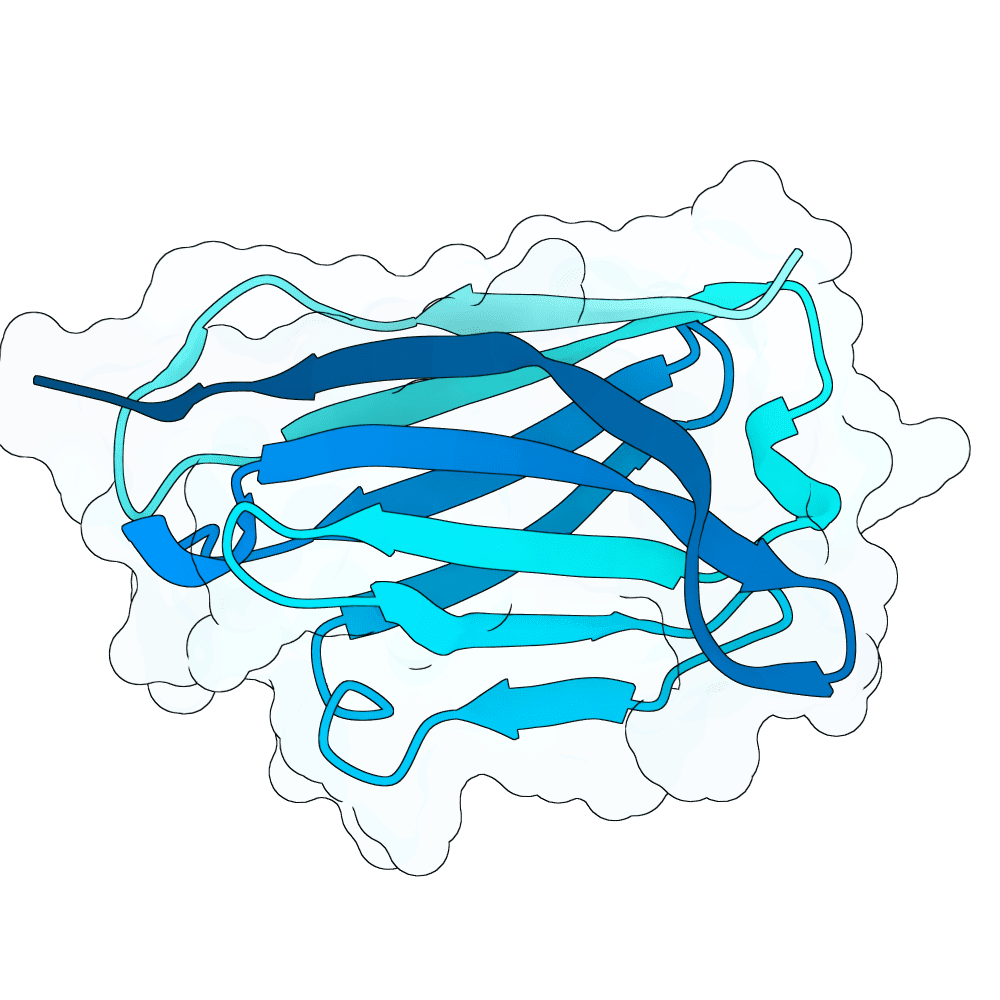
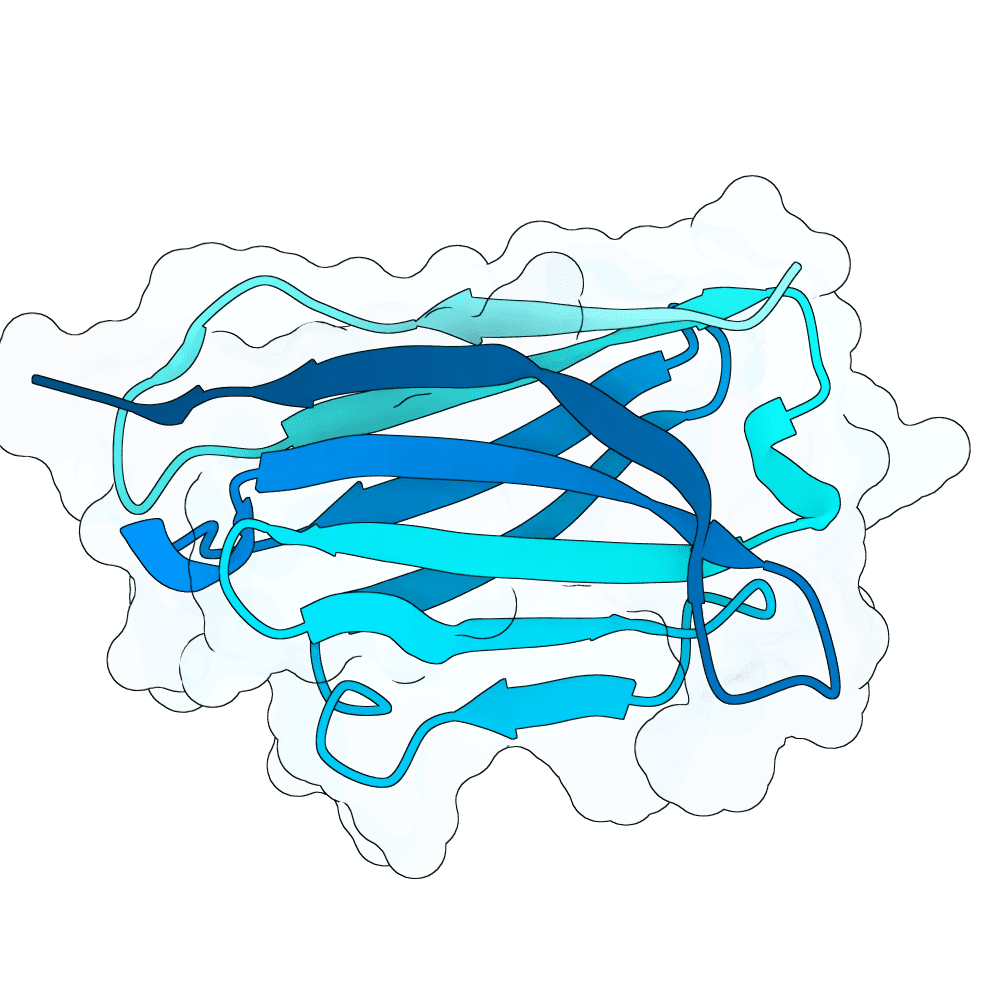
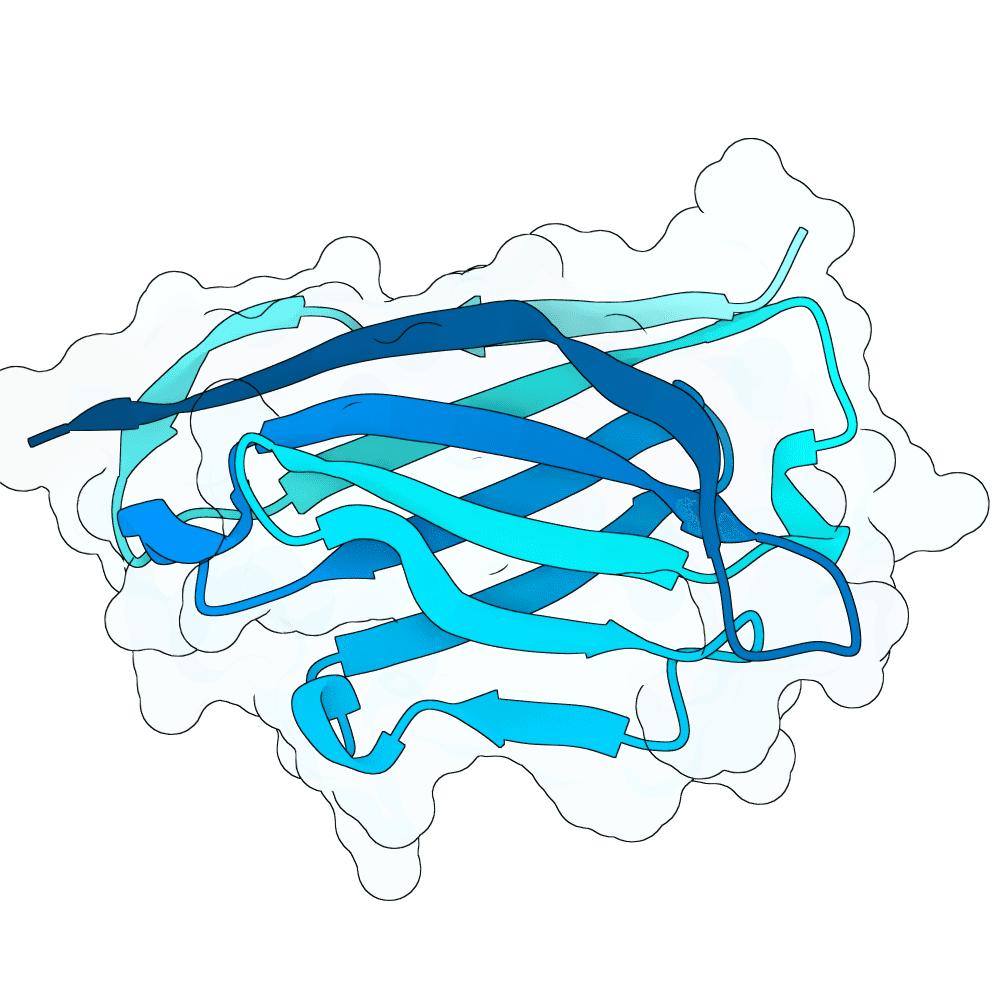
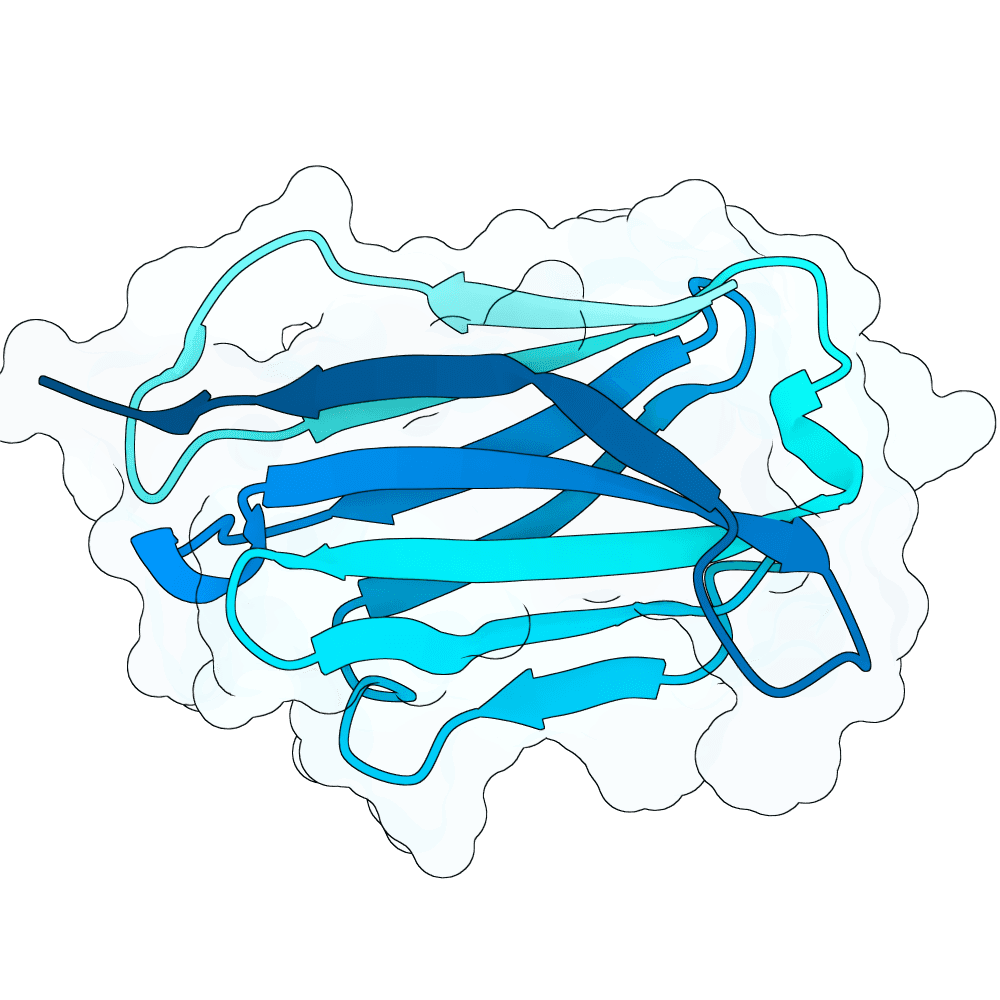
The PDB structure 8xpy was used as input, and designs are based on antibody n425. First, partial diffusion within RFDiffusion was used to generate multiple conformers of n425. The complex was then reformed, with sides chains on the target protein. LigandMPNN was then used, while aware of the binding protein side chains, to generate sequences and probability tables across all the generated complexes. All sequences were subsequently scored across all the models, to create a composite score. Two generation schemes were used: one where sequences were generated by locking the interface residues, and the other allowing interface mutations. The interface mutations were analyzed to identify helpful binding mutations and then combined with the top overall redesigned sequences from the first generation scheme.