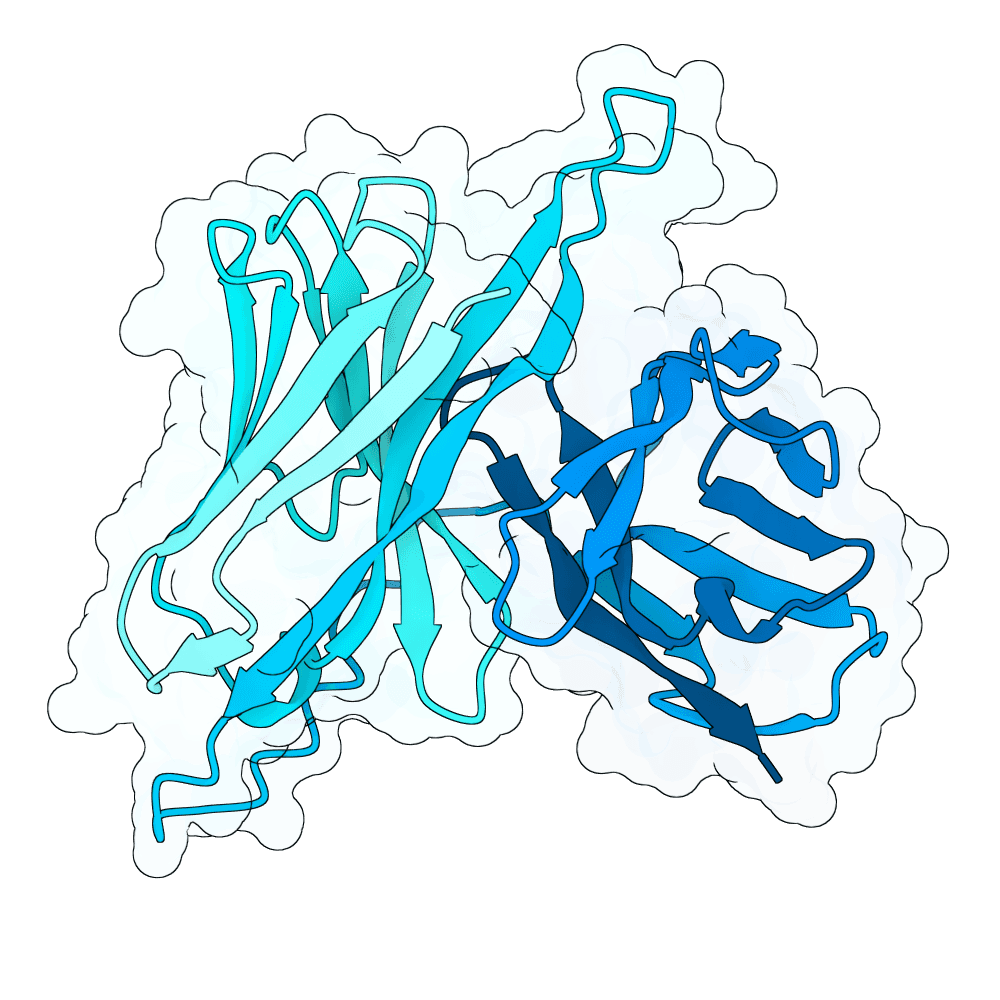
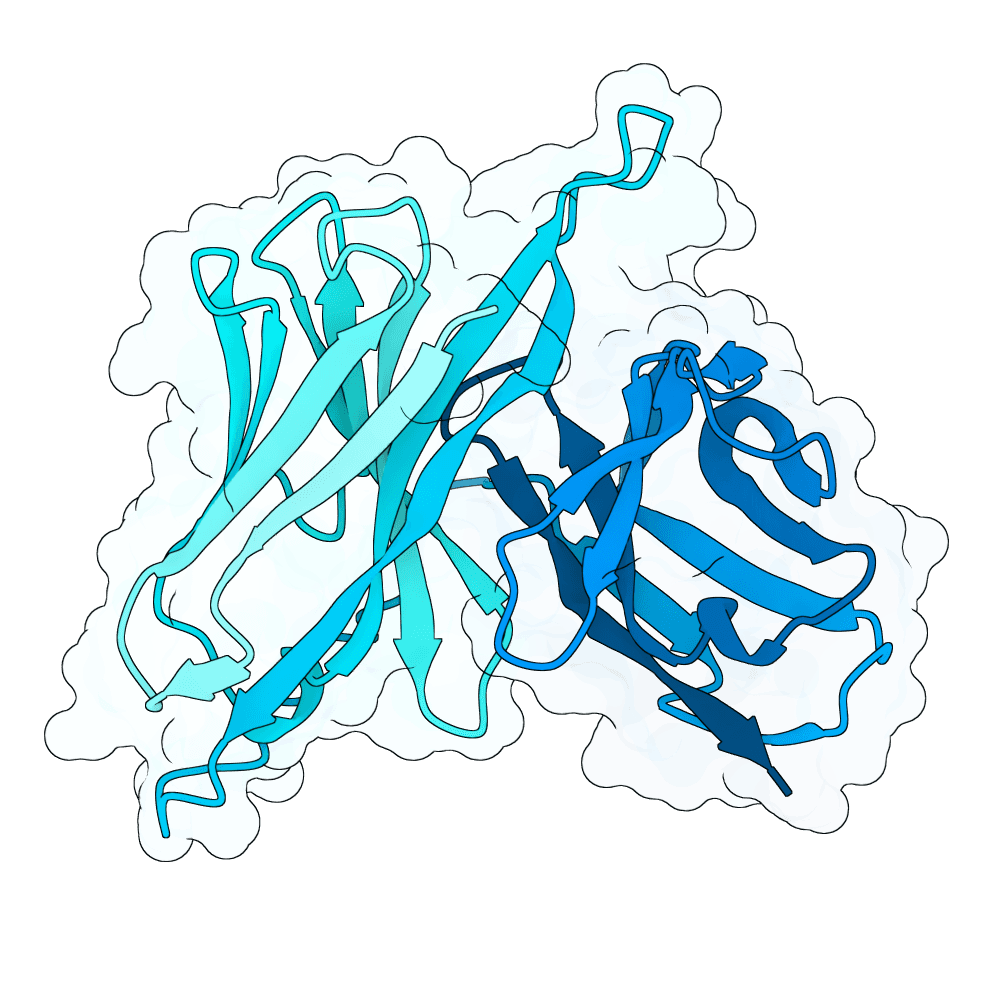
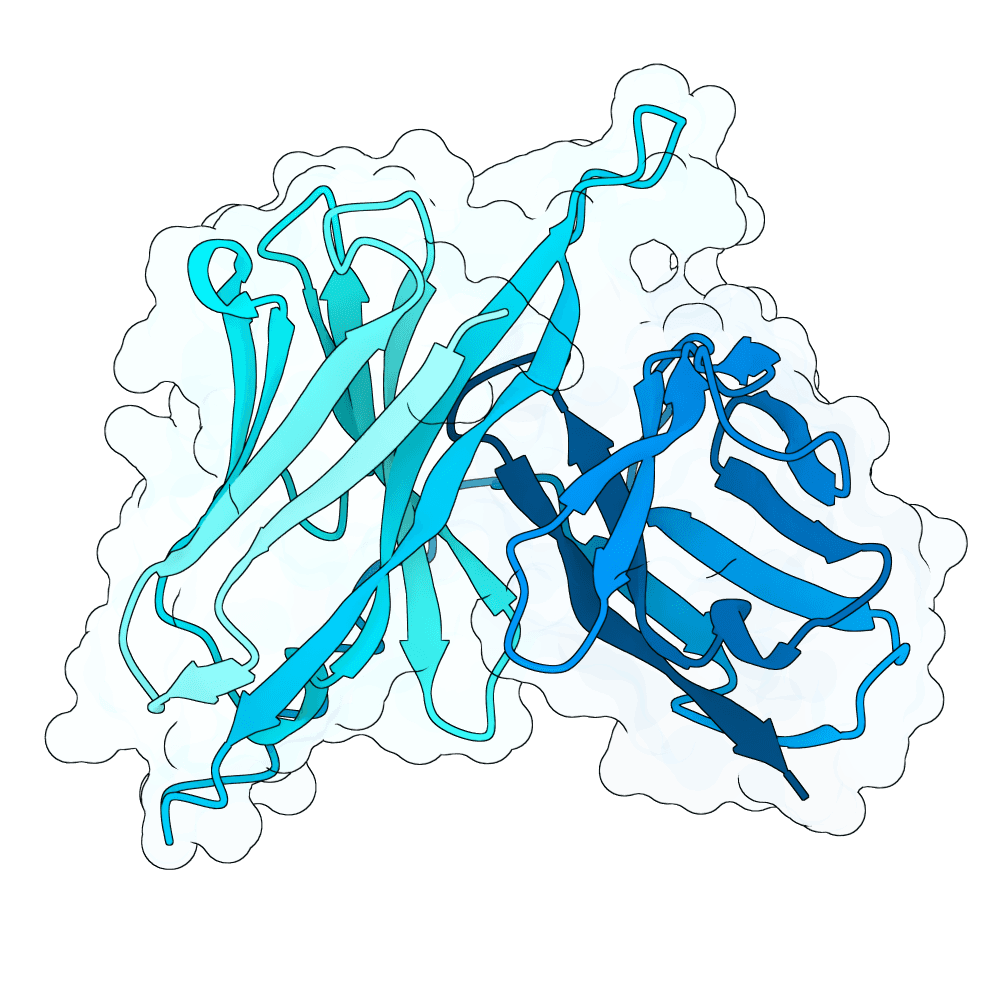
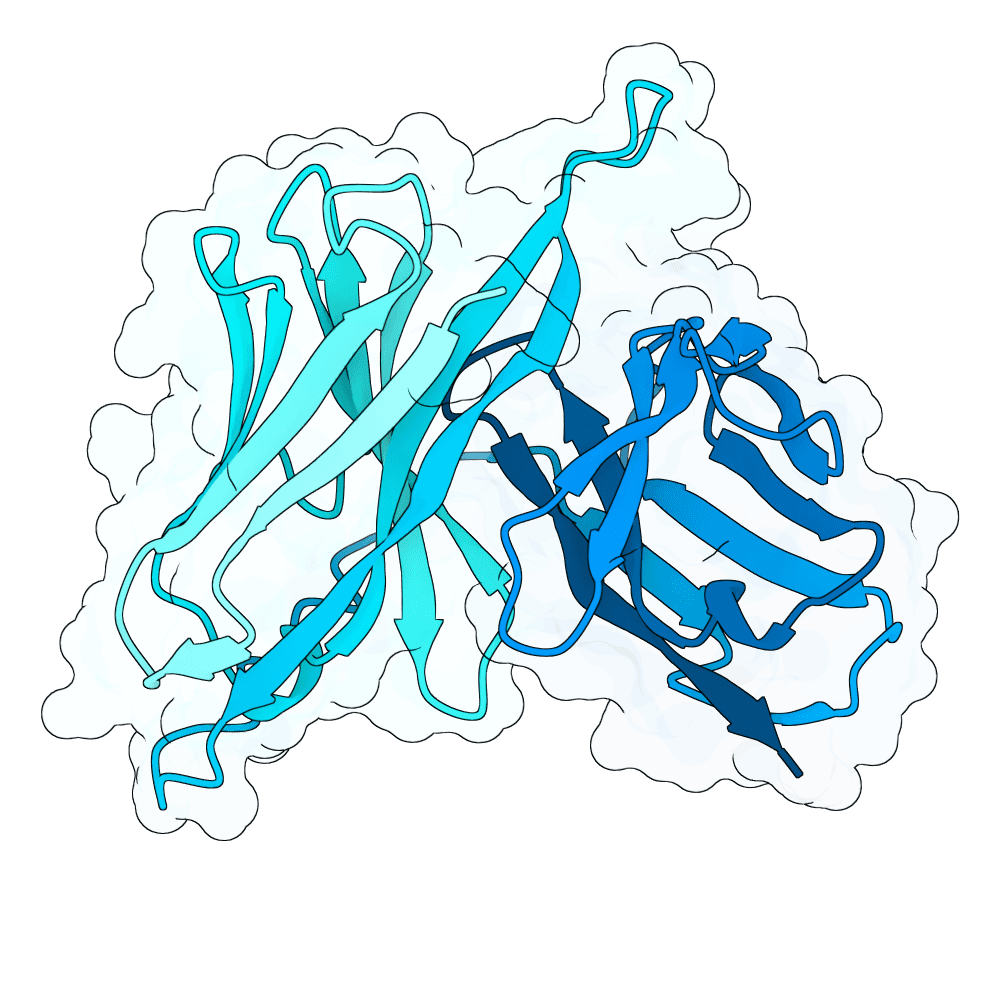
Description
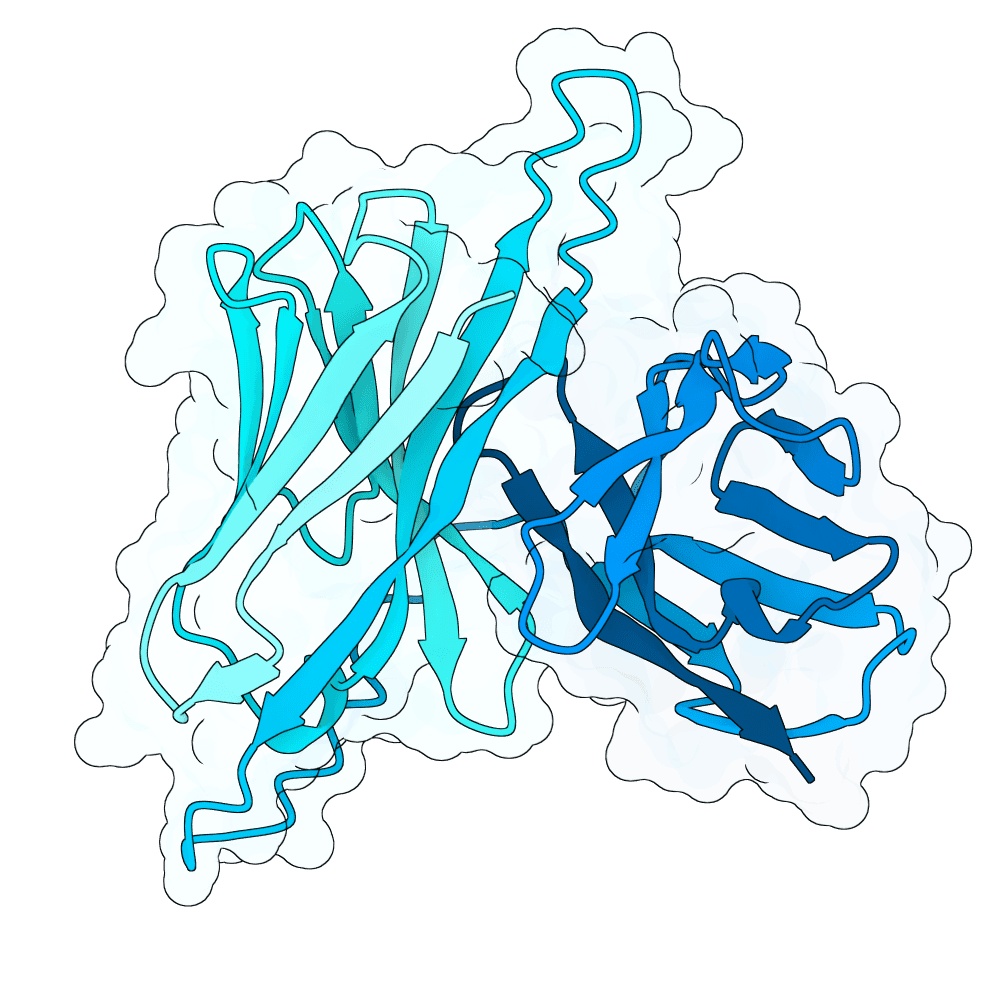
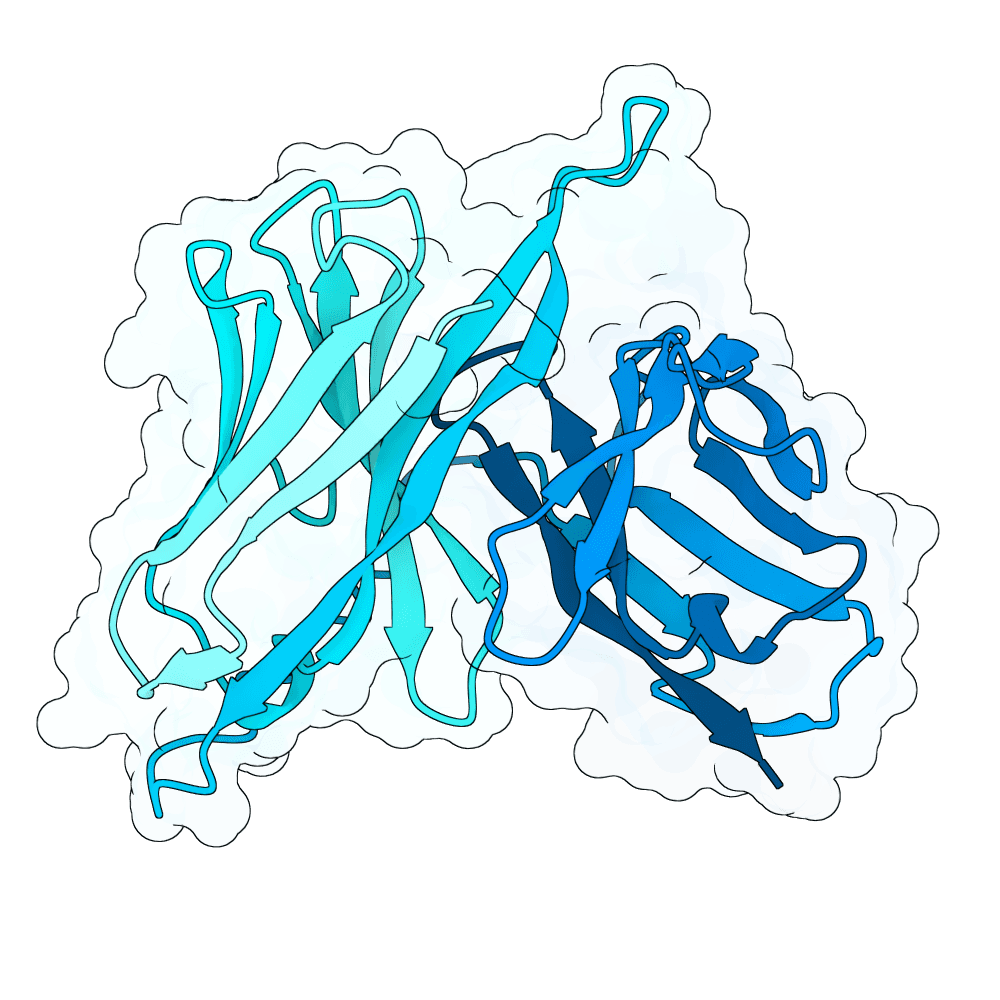
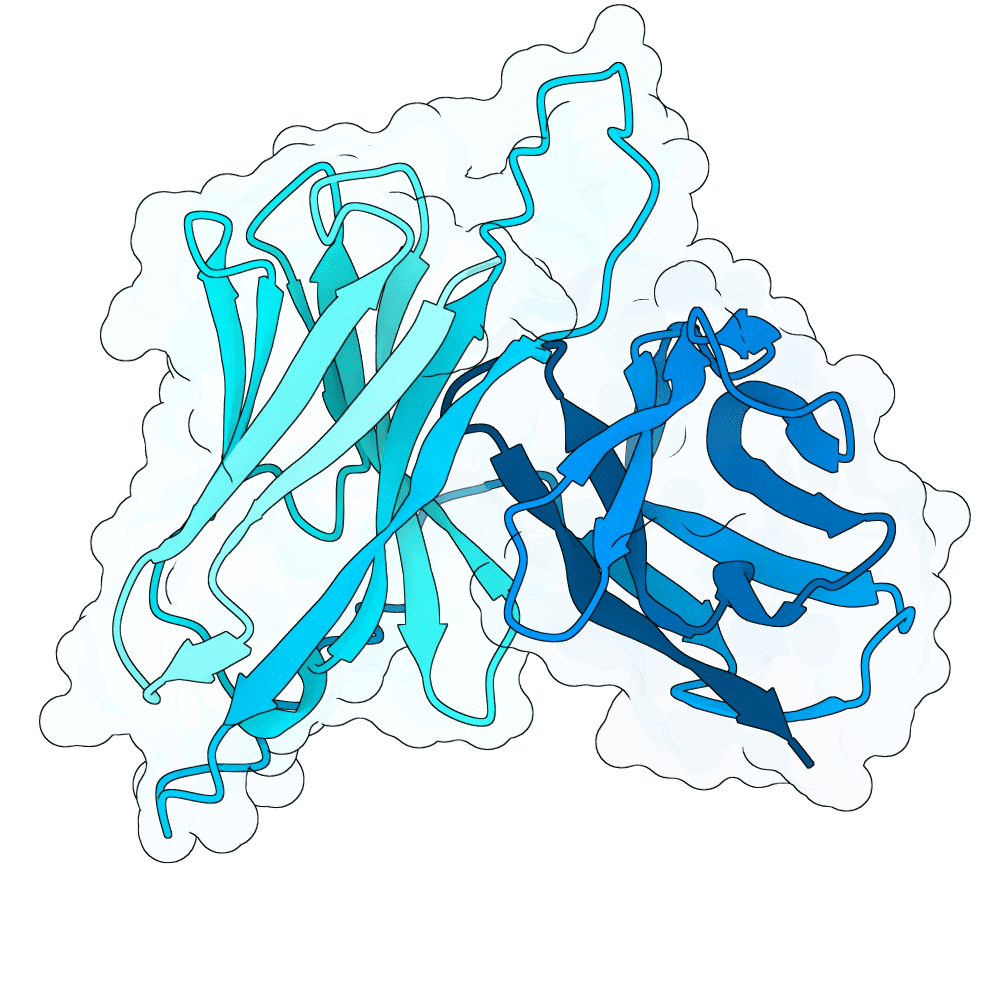
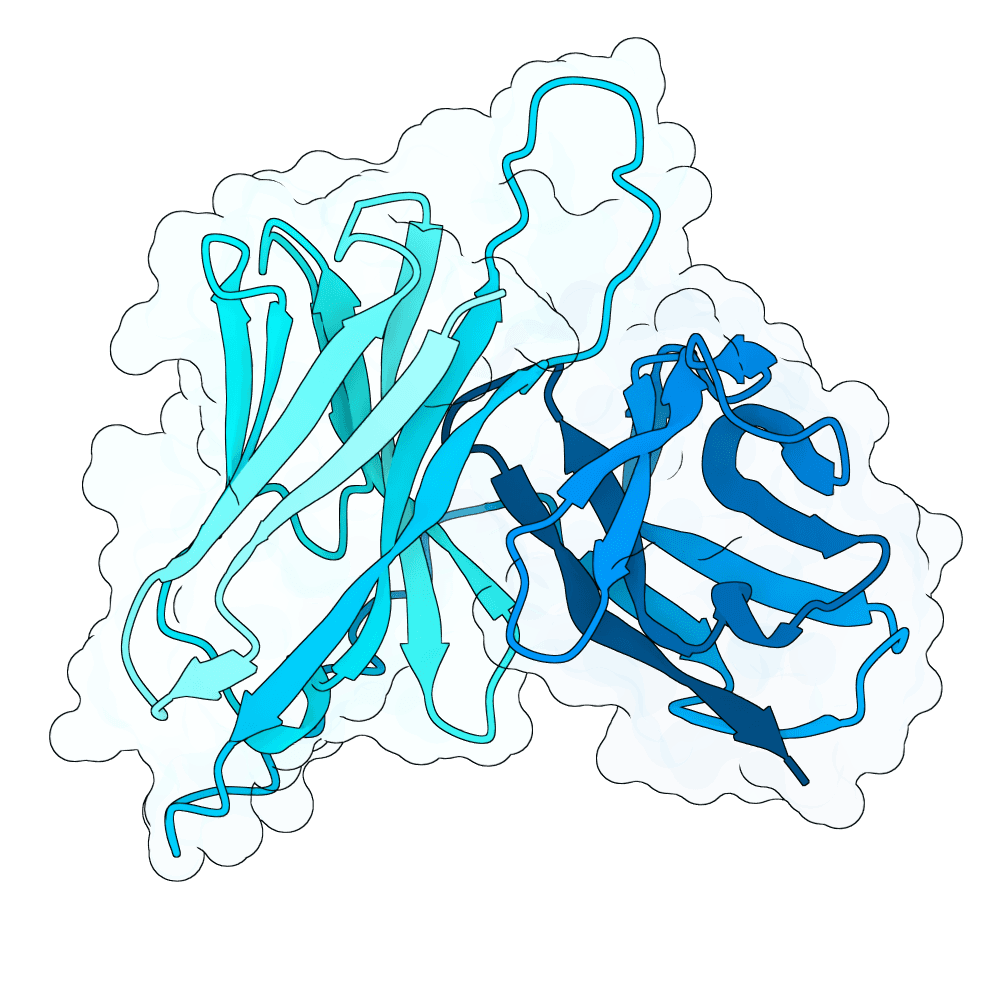
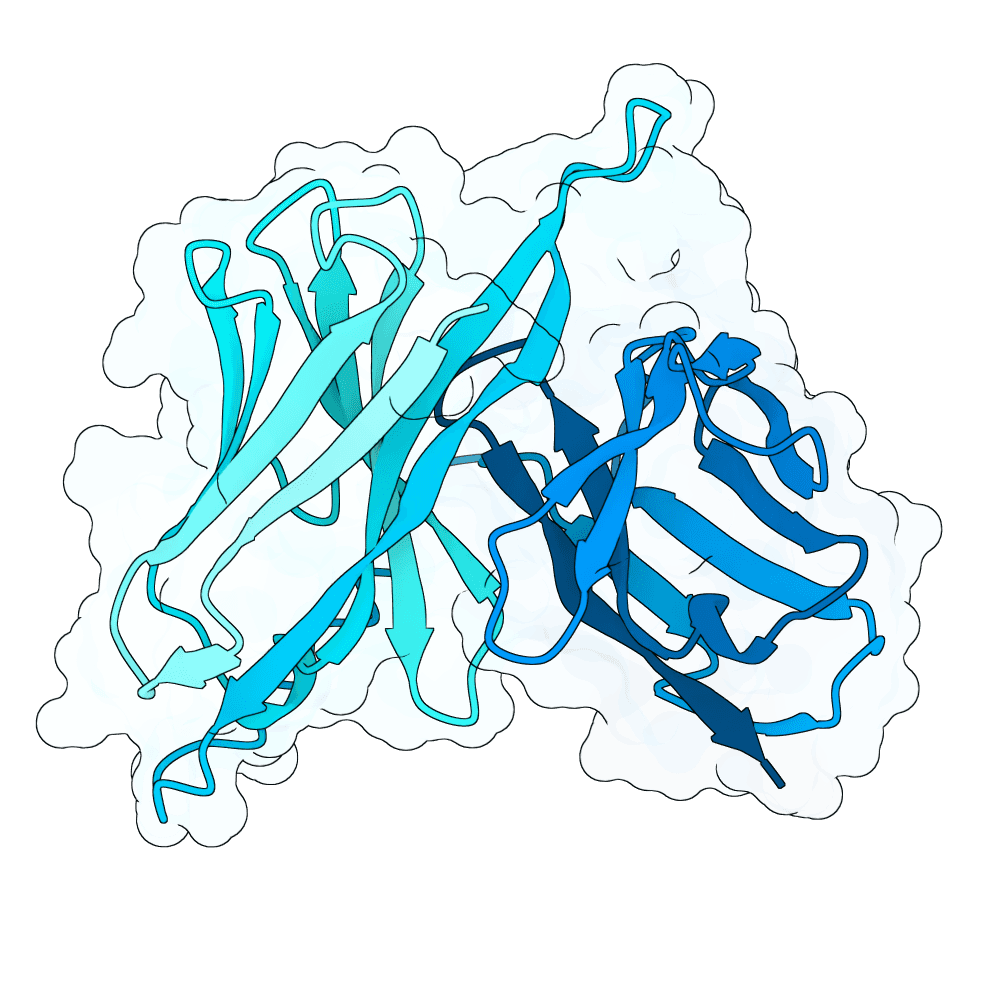
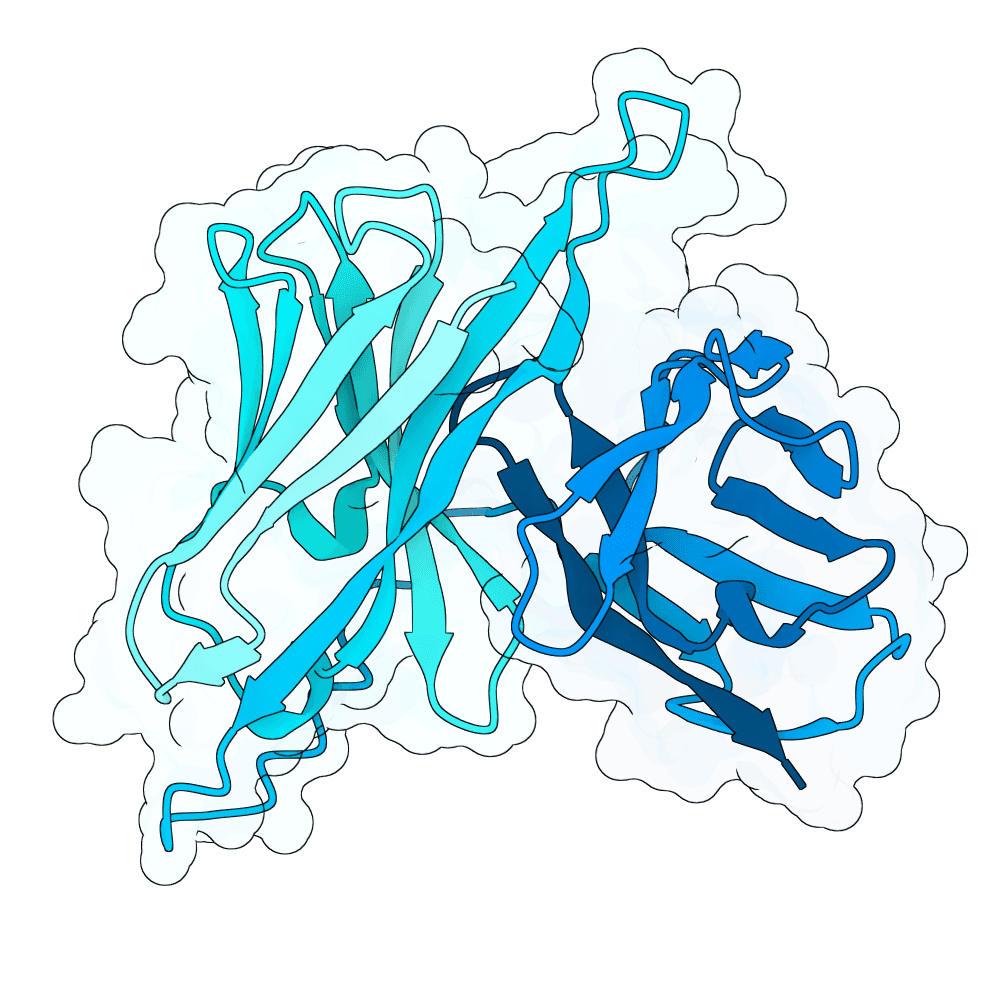
For this competition, I adopted a sequence optimization strategy starting from known binder mAbs converted to scFv format. I utilized the AntiBERTy language model to obtain per-residue pseudo-log-likelihoods (PLL). By calculating the delta PLL for every possible substitution relative to the wildtype, I identified highly favorable mutations specifically within the framework regions to sample 10,000 combinatorial designs, enforcing at least 10 mutations per sequence. From there, I implemented a multi-stage filtering pipeline to identify the most promising candidates. I ranked the initial library using a combined score from AntiBERTy and IgLM, narrowing the pool to the top 100 sequences that exhibited high scores. To prioritize binding capability, I re-ranked these finalists using an ESM-2 model that I fine-tuned specifically to predict affinity for the given binder-target pairs. I selected the top 10 designs based on the fine-tuned ESM-2 predictions. These final candidates were checked by modeling the binder-target complex using both AlphaFold3 and Boltz-2.