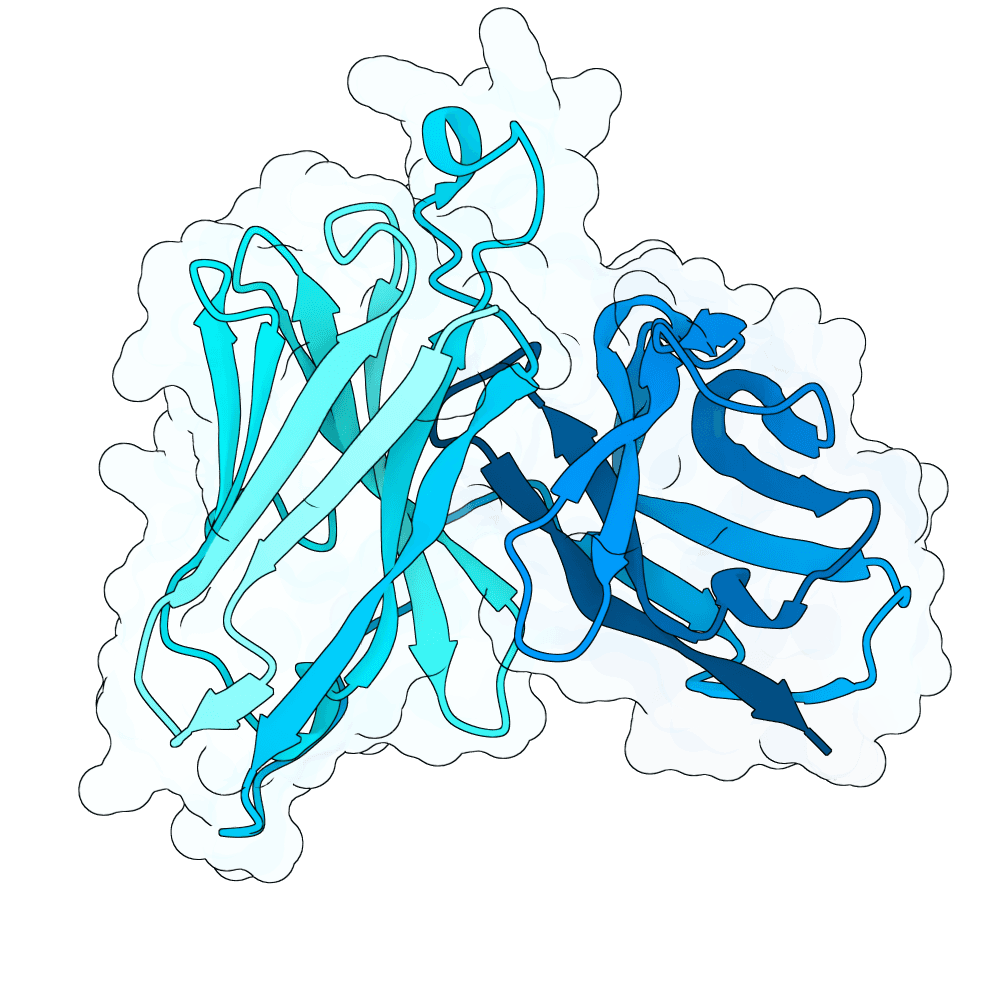
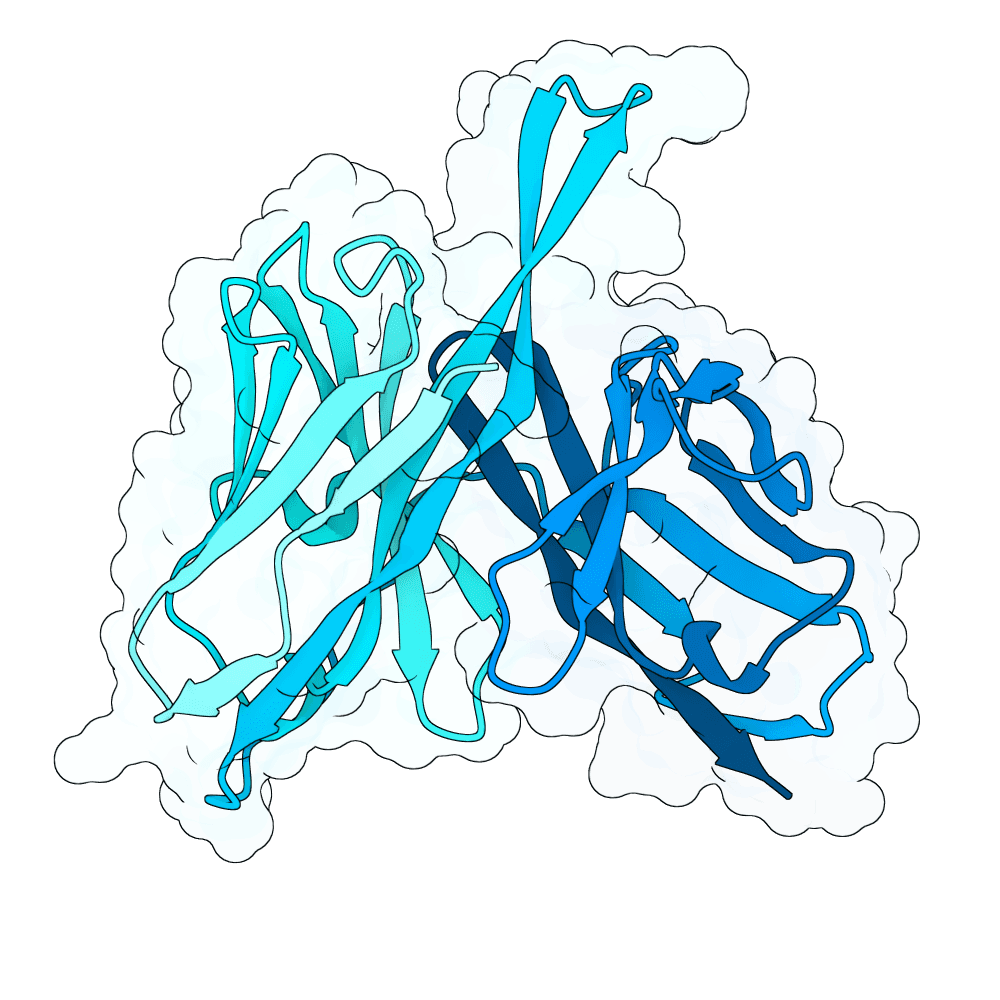
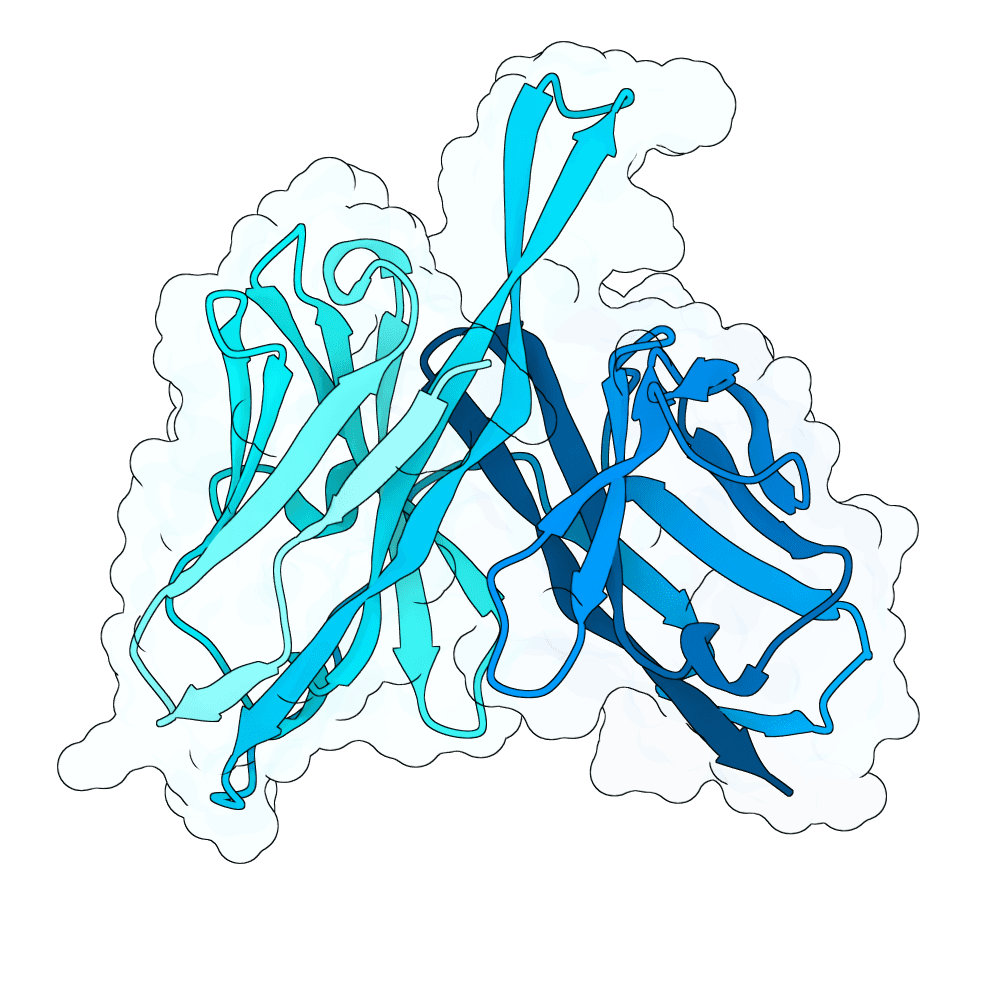
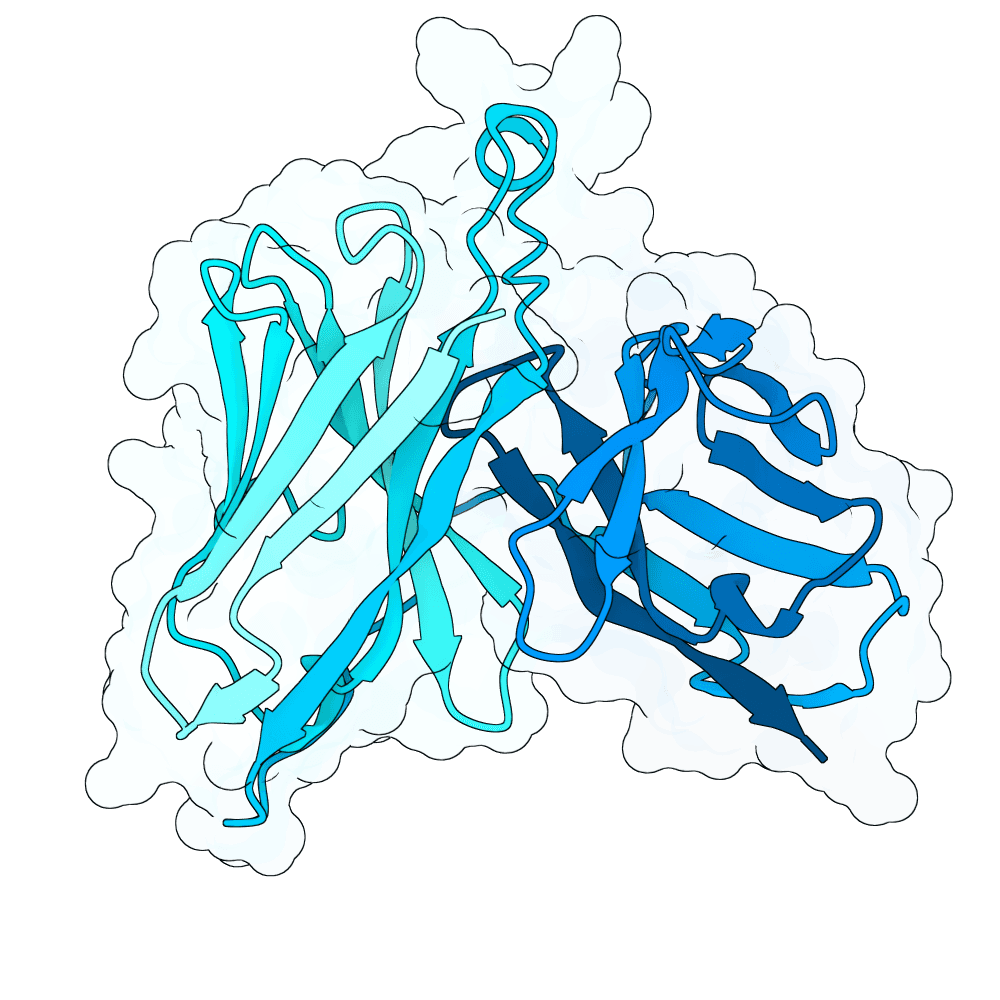
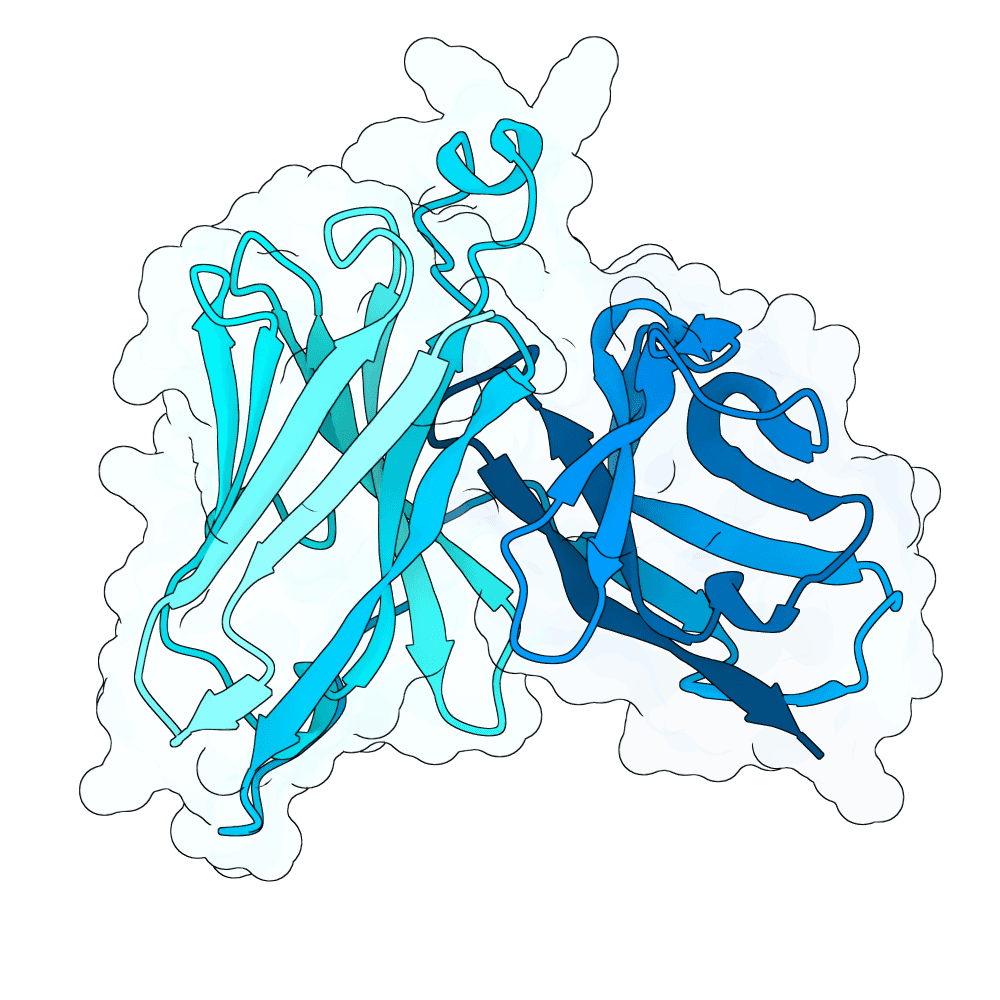
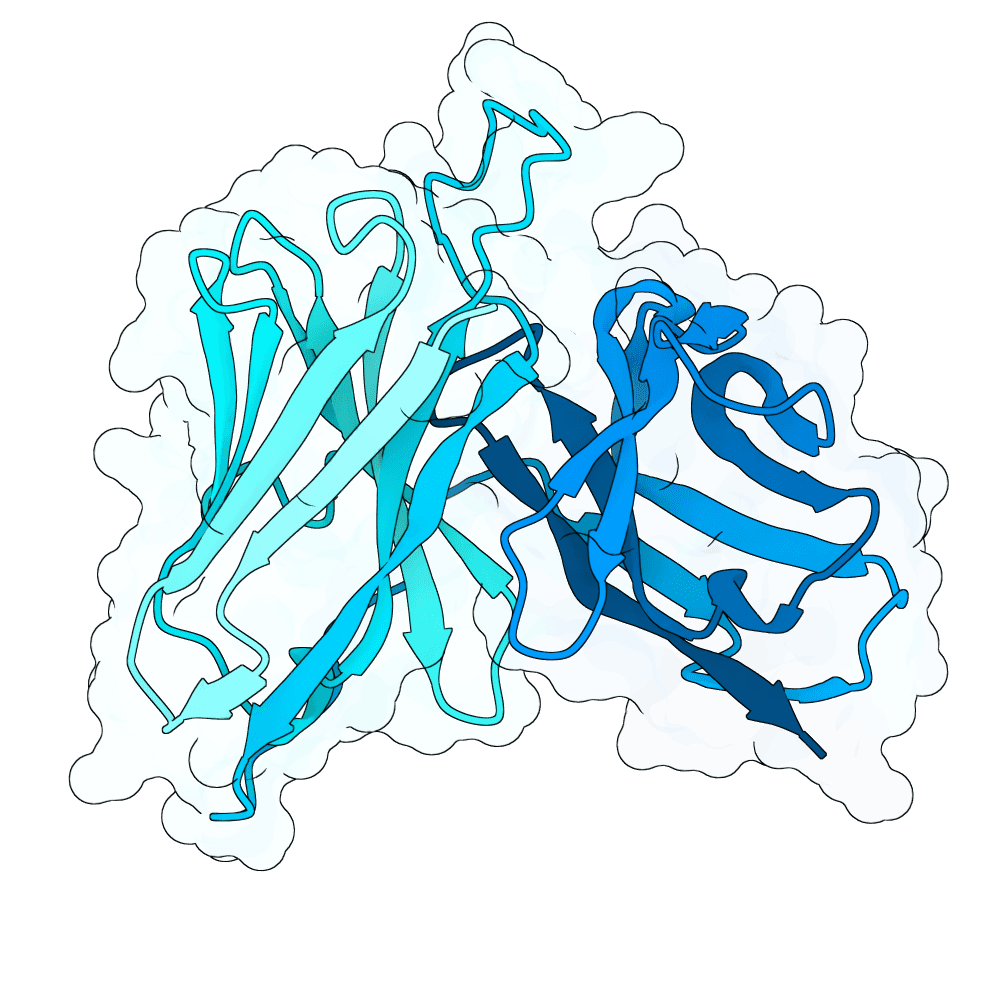
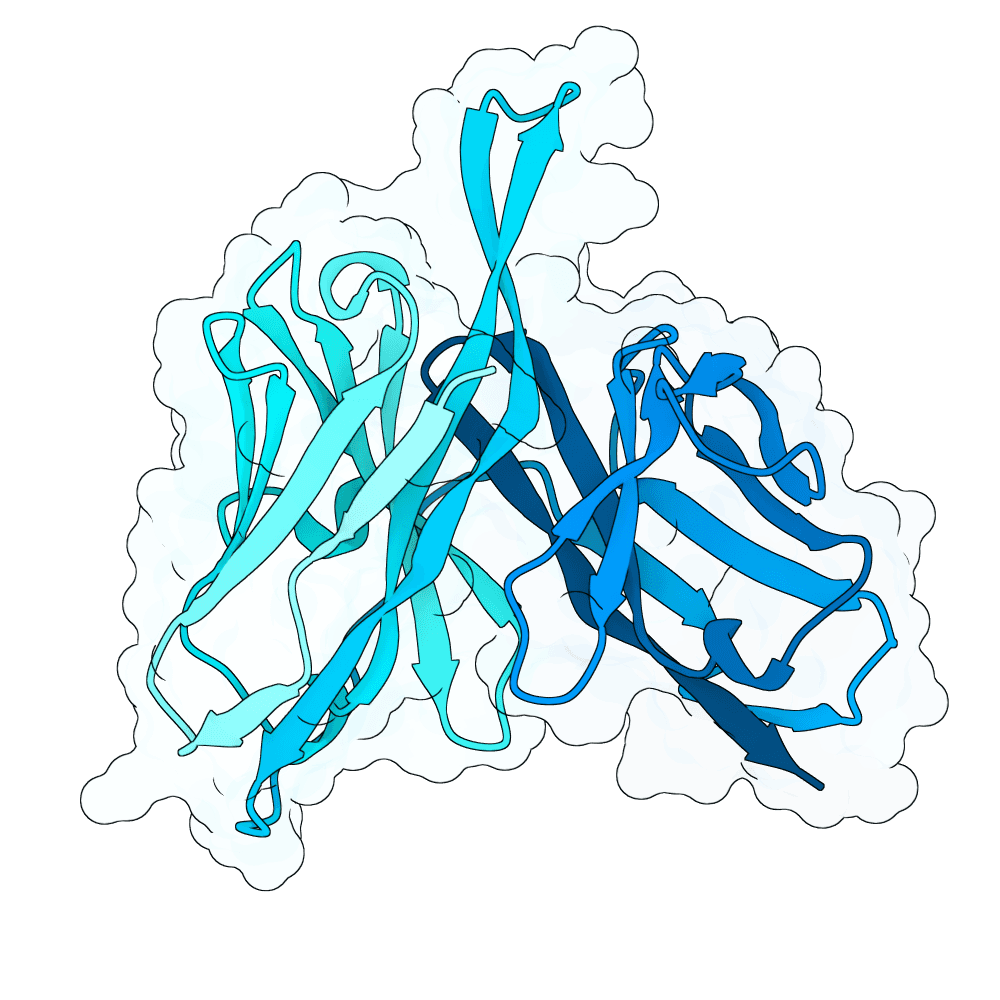
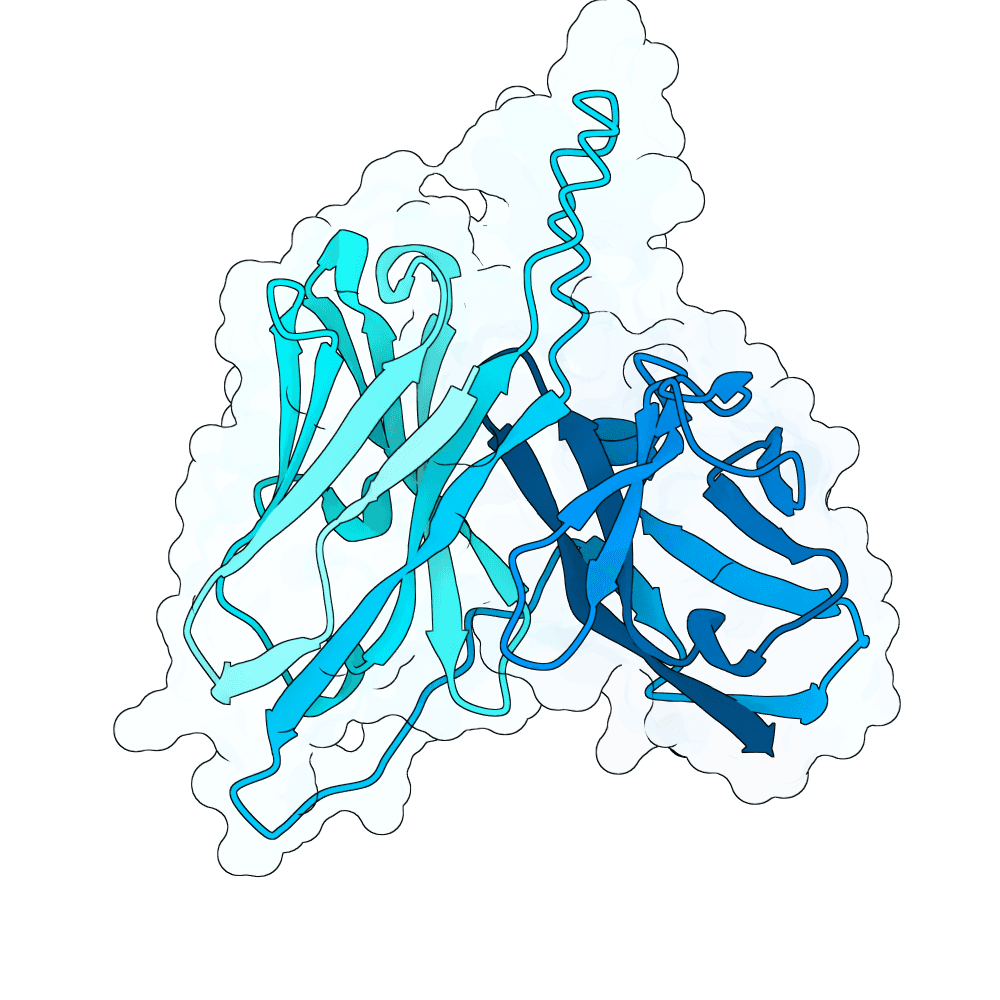
The human antibody repertoire has been evolutionarily optimized to recognize a vast array of potential targets while remaining well tolerated with limited autoreactivity. Unfortunately, many structure prediction metrics, including pLDDT, ipTM and derivative scores such as ipSAE, are not well adapted to antibodies. This is likely due to their heavy reliance on the depth and diversity of input MSAs, coupled with the fact that antibody evolutionary pressures are distinct from general proteins. This is particularly apparent with long heavy chain CDR3 loops, which are hallmarks of potent neutralizing antibodies against pathogens such as HIV-1, Ebola, and influenza; they produce sparse MSAs and are consequently assigned low confidence scores even when their predicted structures are accurate. These limitations have motivated us to search for alternative approaches that incorporate immunological priors rather than relying solely on conventional structural metrics.
Drawing on the principles of viral immunology, monoclonal antibody discovery, and germline-targeting vaccine design, we have developed an in silico framework that mimics early B-cell engagement and antigen-driven evolution. Our germline targeting approach exploits the fact that certain V(D)J gene combinations and heavy/light chain pairings are preconfigured to recognize shapes common among conserved viral epitopes. Similarly, antiviral antibody repertoires are enriched for long CDRH3s with intrinsic geometric compatibility for complex viral surfaces (including the ability to accommodate dense glycosylation). We leverage these principles computationally: we begin by identifying BCRs with long CDRH3 loops that exhibit potential for engagement with the viral antigen, which is analogous to identifying precursor B cells capable of being recruited by a germline-targeting immunogen.
These precursor sequences serve as our “germline pool,” from which we initiate an iterative, germinal-centre–like optimization process. Structural refinement is guided not by raw confidence scores but by a convergence-based metric (ssRMSD) that quantifies agreement across AlphaFold prediction trajectories, providing a more reliable proxy for antigen compatibility under MSA sparsity. Sequence diversification is driven by an inverse-folding model conditioned on the evolving structural ensemble, effectively simulating the cycles of somatic hypermutation and antigen selection that occur naturally within a germinal center.
Repeated rounds of structure-to-sequence iteration and ssRMSD-based selection yield candidate antibodies with predicted high-affinity engagement of the Nipah virus attachment glycoprotein. By integrating immunological bias, germline-targeting logic, and a convergence-guided structural filter, this framework provides a principled route to discovering antiviral binders in settings where classical structure prediction scoring metrics are suboptimal.